

When it comes to Chihuahuas, size doesn’t always reflect their big personalities! These tiny dogs can weigh anywhere from 2 to 6 pounds, depending on various factors like genetics, diet, and care. For first-time owners or seasoned Chihuahua enthusiasts alike, understanding how big your furry friend might get is crucial for providing the best environment and health care. A Chihuahua’s size impacts not just their health but also their behavior and training needs. Whether you’re preparing for a lively mini companion or curious about the differences between apple-heads and deer-heads, our guide will walk you through size expectations and variations, ensuring you feel confident in your journey with this delightful breed. Let’s dive in and discover all the intriguing details!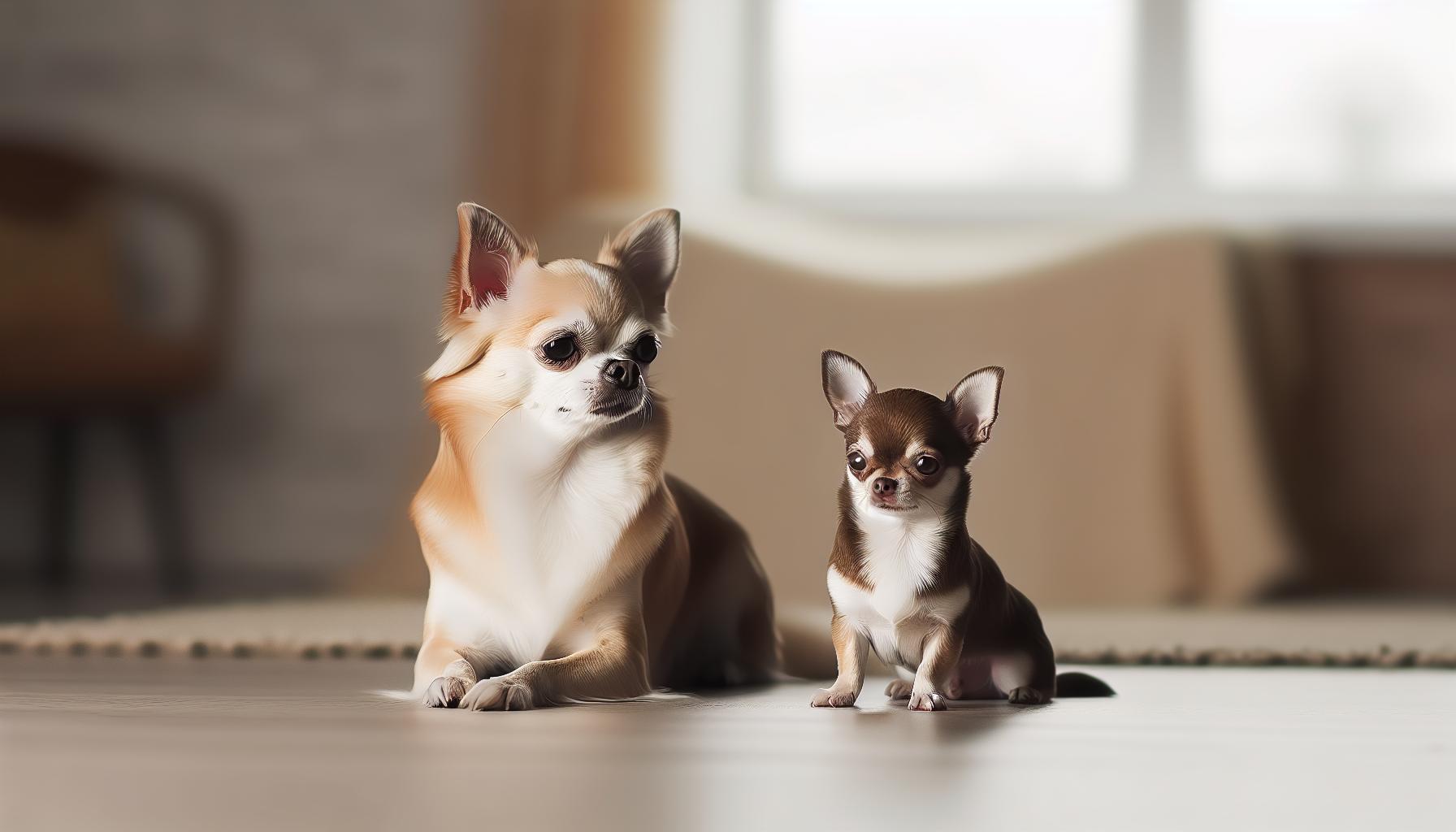
How Big Do Chihuahuas Get? Understanding Their Growth
Chihuahuas are often celebrated for their bold personalities packed into tiny bodies, but just how big do they really get? On average, a Chihuahua reaches a height of 6 to 9 inches and can weigh anywhere from 2 to 6 pounds, depending on various factors including nutrition, exercise, and genetics. This small size makes them the perfect portable companions, but it also poses unique challenges in terms of health and care that all owners should keep in mind.
As your Chihuahua grows, it’s essential to monitor their weight and overall development. Many owners find that their Chihuahua hits growth spurts during the first year of life, particularly around 3 to 6 months. After reaching adulthood at around 12 months, you may notice minimal growth changes. However, keep in mind that the shape of your Chihuahua can vary greatly-some may have a deer-head shape with elongated features, while others might be more apple-headed, with rounded skulls and prominent eyes. This variation in head shape often influences their overall size and weight as well.
Factors such as genetics and health play significant roles in determining how large your Chihuahua will grow. If both parents are on the smaller side, it’s likely that their pups will follow suit. Regular veterinary check-ups will help ensure that your pup is on track and staying healthy. Plus, giving your Chihuahua a balanced diet and adequate exercise will not only help them maintain a healthy weight but will also enhance their playful spirit.
Remember, these little dogs might be tiny, but they have big personalities! Owners often share amusing stories of their Chihuahuas standing their ground against much larger dogs, showcasing their fearless nature. Understanding your Chihuahua’s growth and how to care for them uniquely will help ensure they thrive in your home and enjoy a happy, healthy life.
Standard Size Range for Chihuahuas: What to Expect
Chihuahuas, those feisty little companions, pack quite a bit of personality into their small frames. Understanding their size range is essential for any dog owner considering this breed. Typically, you can expect your Chihuahua to stand between 6 and 9 inches tall at the shoulder. In terms of weight, they usually fall within the range of 2 to 6 pounds. These measurements may seem tiny, but let me assure you, their vibrant spirit and strong character make up for their small size!
When it comes to height and weight, several factors come into play. Genetics is a major determinant; the size of the parents often gives a good indication of what their puppies will become. If both parents are on the petite side, it’s likely their offspring will be small as well. Health is another critical consideration. Regular vet check-ups can help identify any health issues that might affect growth. Plus, providing a balanced diet and engaging your Chihuahua in regular exercise helps ensure that your little guy or gal achieves optimal health while staying within the ideal size range.
Chihuahua sizes can vary further based on their head shapes, too! You’ll find two common types: the apple-head and the deer-head. Apple-head Chihuahuas tend to have rounder skulls with pronounced eyes, which can sometimes make them look a bit sturdier. Deer-head Chihuahuas, on the other hand, have a more elongated head and body structure that contributes to a longer appearance, which can also influence their overall size. This distinction adds a charming element to their personalities, and you’ll likely notice different vibes associated with each type.
If you’re a first-time owner, it’s a good idea to familiarize yourself with these expectations to set realistic goals for your pup’s growth. Enthusiastic owners often share stories of their Chihuahuas rightfully claiming the largest dog bed or hilariously taking on dogs many times their size. These brave little companions may be small but have a huge heart filled with love and confidence!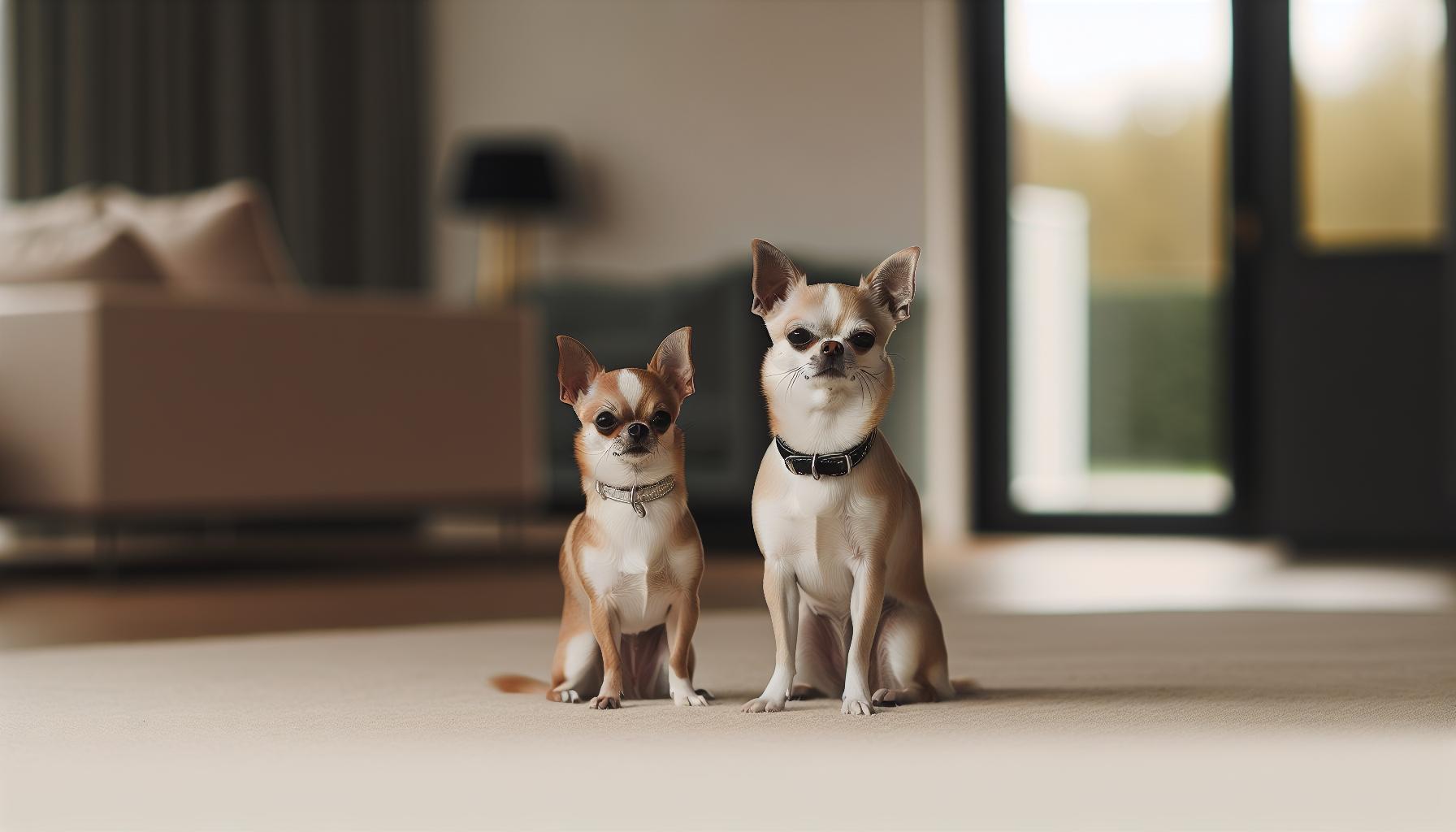
Factors Influencing Chihuahua Size: Genetics and Health
The size of your Chihuahua mainly hinges on two critical factors: genetics and health. When you choose a Chihuahua, knowing the size and health history of the parents can give you a solid idea of how big your little companion might grow. If both parents are on the smaller side, chances are, their pups will follow suit. However, it’s not just about genetics – it’s also vital to monitor your dog’s health through regular veterinary check-ups. Issues like malnutrition or inherited disorders can impact their growth trajectory, so keeping on top of their health is non-negotiable.
Genetic Influences
Understanding the different types of Chihuahuas can also shed light on size variations. For instance, apple-head Chihuahuas typically have a slightly sturdier build compared to their deer-head counterparts, who might sport a longer, leaner profile. These differences can manifest in size as well. Most Chihuahuas will typically weigh between 2 to 6 pounds, but exceptions based on lineage do exist. Owners should also be aware that mixed breeds may inherit size characteristics from both parent breeds, adding variability to size expectations.
Health Considerations
Your Chihuahua’s health plays a pivotal role in how they grow. Nutritional choices significantly affect their development. A balanced, high-quality diet rich in vitamins and minerals is essential. Additionally, maintaining an appropriate weight is important; Chihuahuas can be prone to obesity, which pose risks to their overall health and can affect their physical growth. Engaging in regular exercise tailored to their energetic nature can help mitigate health problems and promote a healthy body size.
Many Chihuahua owners have seen first-hand how attentive care translates into a happy, well-sized dog. A friend of mine, who has an apple-head Chihuahua named Bella, noticed significant growth improvements after switching to a vet-recommended diet and routine training exercises. Bella now thrives in her compact frame while radiating joy and energy!
In summary, genetics and health are intertwined in influencing how big your Chihuahua gets. By being proactive about nutrition and care, you’ll not only help your pup reach their ideal size but also enhance their quality of life.
Miniature vs. Standard: Size Variations Explained
The world of Chihuahuas is wonderfully diverse, and understanding the differences between miniature and standard types can help new and experienced owners alike in providing the best care and expectations for their furry companions. Most people associate Chihuahuas with their petite stature. However, it’s essential to clarify that the breed isn’t officially divided into “miniature” and “standard” classifications recognized by major kennel clubs. Instead, what many refer to as “miniature” Chihuahuas are often simply smaller members of the breed.
Chihuahuas typically range from 2 to 6 pounds in weight. However, some dogs can be smaller or larger due to genetics, health, and breeding practices. The miniature variety, often weighing under 4 pounds, tends to draw attention for their tiny frames and charming personalities. They can be incredibly expressive and full of energy, showcasing the typical Chihuahua boldness in a compact package. Meanwhile, standard Chihuahuas may hover closer to the 6-pound mark, sporting slightly broader builds and often more robust personalities.
When it comes to breeding practices, it’s important to do your due diligence. Responsible breeders focus on maintaining the health of their Chihuahuas above all else. Be wary of breeders who prioritize achieving extreme sizes, as these Chihuahuas might come with health challenges, including issues related to their tiny size, such as heart conditions or dental problems. As a loving owner, your priority should be to find a puppy whose well-being has been the primary concern of their breeder.
In terms of lifestyle implications, both miniature and standard Chihuahuas make wonderful companions, but their size can influence certain care aspects. Smaller Chihuahuas may require additional caution around playtime to prevent injuries, while slightly larger ones might be able to engage in play with a wider variety of dog breeds. Regardless of size, all Chihuahuas thrive on affection, socialization, and mental stimulation, making them vibrant members of your family.
Ultimately, whether you choose a miniature or a standard Chihuahua, prioritize love, quality nutrition, and regular vet check-ups to ensure your little friend lives a happy and healthy life. Each Chihuahua, regardless of size, brings unique quirks and boundless joy to the world!
Weight Management Tips for a Healthy Chihuahua
Maintaining a healthy weight for your Chihuahua is essential for both his physical well-being and longevity. These little dynamos might be wrapped in adorable fur, but their small size makes them susceptible to health issues related to obesity. Just as some Chihuahuas naturally gravitate towards being more robust, others may need a little extra attention to keep their weight in check, especially given their love for treats and food. Understanding how to manage their diet and exercise can lead to a happier, livelier companion.
To start, establishing a balanced diet is crucial. Opt for high-quality dog food specifically formulated for small breeds, ensuring it meets all nutritional requirements. Look for foods that list real meat as the first ingredient and avoid options that are high in fillers like corn or soy, which can contribute to weight gain without providing necessary nutrients. Since most Chihuahuas require around 150-200 calories per day, portion control is vital. Measuring his food helps prevent overfeeding, while also reinforcing good habits.
Incorporating regular exercise is another key component of weight management. Chihuahuas may be small, but they are energetic and enjoy playtime. Aim for at least 30 minutes of activity each day, which can include walks, interactive play, or engaging toys that stimulate mental activity. Consider using a variety of toys, such as squeaky ones or those that dispense treats; this approach not only helps keep him active but also tackles boredom and separation anxiety, both common in the breed. For example, many owners find that their Chihuahuas love to chase a ball or engage in games of hide and seek-they thrive on interaction!
### Tips for Effective Weight Management
- Use Treats Sparingly: Reserve treats for special occasions or training sessions. Consider healthy options like tiny bits of carrot or apple.
- Keep a Feeding Schedule: Instead of free-feeding, stick to set meal times to help regulate his appetite.
- Regular Vet Check-ups: Have your vet assess his weight regularly, providing guidance tailored to his unique health needs.
- Monitor Progress: Keep track of his weight and adjust food portions and exercise accordingly. If you see changes, respond promptly!
By keeping a close eye on your Chihuahua’s weight and making small, consistent changes, you set the stage for a fulfilling, energetic life together. Cherish those moments, whether you’re watching him zip around the yard or snuggling on the couch. When your Chihuahua feels good, it’s evident in his playful spirit and loveable antics!
Growth Milestones: Tracking Your Chihuahua’s Development
Tracking the growth milestones of your Chihuahua is not only a fun process; it’s also crucial for ensuring a healthy and happy life for your little companion. Chihuahuas typically reach their expected adult size between 6 to 12 months of age, although growth can vary widely depending on genetics and whether your Chihuahua is a miniature or standard type. By understanding what to look for at each stage, you can better support your furry friend’s development and health.
During the first few weeks, Chihuahuas are impressively small, weighing only a few ounces. This is a critical time for their development as they begin to open their eyes and ears around 2 weeks of age. By the time they are 8 weeks old, you can expect them to weigh between 1 to 2 pounds. It’s recommended to wait until your Chihuahua is at least 8 weeks old before bringing him home, as they need time to socialize and learn essential puppy skills from their mother and littermates.
As your Chihuahua grows, you’ll notice some key physical changes. Between 3 to 6 months, they will begin to grow rapidly, gaining muscle and coordination. This is the stage where socialization becomes extremely important. Engage with him in new environments and expose him to different people and other pets. By 6 months, he should be nearing his adult weight, although some may continue to fill out until around 1 year of age.
Growth Tracking Tips
It’s essential to keep an eye on your Chihuahua’s growth and weight. Regular vet check-ups will help you assess if he’s developing as he should. Here are some tips for tracking his progress effectively:
- Use a Growth Chart: Maintain a simple chart noting your Chihuahua’s weight and height at regular intervals. This will help you see trends over time.
- Monitor Appetite and Energy Levels: A sudden change in appetite or energy can be a sign of health issues. Report any concerns to your vet promptly.
- Keep an Eye on Teeth: Puppy teeth emerge by around 3 weeks, and by 6 months, they should start dropping as adult teeth come in.
The process of watching your Chihuahua grow is an exciting and rewarding journey. Whether it’s celebrating his first bark or cheering for his adorable clumsiness while he learns to navigate the world, each milestone brings you closer together. Remember, every Chihuahua is unique-so while there are general guidelines, don’t be alarmed if yours takes a little longer, or reaches size milestones a bit quicker. Enjoy this precious time, as they really do grow up fast!
Understanding Different Chihuahua Types: Apple-Head vs. Deer-Head
Understanding the distinctions between the two main Chihuahua types, apple-head and deer-head, can enhance your appreciation of the breed and help you better care for your furry companion. Both types have their charm and unique traits, but they differ significantly in appearance and some aspects of their personality.
The apple-head Chihuahua is probably the most recognizable type. With its rounded skull, large expressive eyes, and short snout, he tends to look quite adorable. This type typically has a more delicate look, often accompanying a slender build. Many owners find these chihuahuas to be particularly loyal and affectionate, often forming strong bonds with their humans. The apple-head generally weighs between 2 to 6 pounds and can reach up to 9 inches in height, but it’s the personality that usually shines through; they are known to be a bit bold and vocal, a true testament to their feisty spirit.
In contrast, the deer-head Chihuahua has a more elongated head and a longer snout, resembling the features of a deer. They often have a more robust body shape, giving them a sturdy and somewhat regal appearance. This type may appear taller, usually standing between 6 to 12 inches and typically weighing in the same range as the apple-head. Owners of deer-head Chihuahuas frequently mention their calm demeanor; while they still possess that characteristic Chihuahua loyalty, they may exhibit slightly less intensity compared to their apple-headed counterparts.
Regardless of type, both apple-head and deer-head Chihuahuas require the same level of care and socialization. It’s important to remember that individual personalities can vary widely within these categories, so always consider your Chihuahua’s unique traits. The quirks that make them special-whether it’s the boldness of the apple-head or the serene presence of the deer-head-can enrich the bond you share. Engaging them in regular play, training, and social interaction will help ensure a happy and vibrant life for your little friend.
Taking the time to understand these variations will not only assist you in providing the right environment for your Chihuahua but will also deepen your enjoyment of this remarkable breed.
Common Myths About Chihuahua Size: Debunking Misconceptions
Many people have preconceived notions about how large Chihuahuas can get, and these myths can often lead to misunderstandings about the breed. For instance, some believe Chihuahuas are always frail and miniature, when in fact, their size can vary significantly. While it’s true they are one of the smallest dog breeds, the range is more nuanced than people often realize. Standard Chihuahuas typically weigh between 2 to 6 pounds, with some going up to 9 inches in height. It’s important to note that both apple-heads and deer-heads can fall within this range, but each may present slight variations based on genetics and health factors.
Another common myth is that all Chihuahuas are “teacup” or “miniature.” This term is often misused and can be misleading. Teacup Chihuahuas do exist, typically weighing under 2 pounds; however, this size is often achieved through irresponsible breeding practices that can lead to health issues. Responsible breeders focus on health and temperament rather than just size. Potential Chihuahua owners should be cautious and informed about what “teacup” means, as this size often comes with significant risks.
People also frequently assume that a Chihuahua’s small size means they require less exercise or fewer provisions for their health. In reality, regardless of size, these little dogs are energetic and benefit from daily activity, socialization, and mental stimulation. A sedentary Chihuahua can quickly become overweight, leading to various health issues like joint problems and heart disease. One owner shared that her apple-head Chihuahua, weighing 5 pounds, thrives on daily walks and playtime in the yard-activities that keep his weight in check and his spirit lively.
Lastly, there’s a widespread belief that Chihuahuas could be a good fit for any living situation due to their size. However, it’s crucial to consider their energetic nature and emotional needs. A Chihuahua’s environment should accommodate their playful and bold personalities. Owners must ensure they have enough space to run and explore safely, while also providing a cozy area for them to relax and feel secure. Ultimately, understanding the realities of Chihuahua sizes and their care requirements helps dispel myths and supports a healthier, happier life for these spirited little companions.
How to Measure Your Chihuahua: Best Practices
To ensure you have a clear understanding of your Chihuahua’s size and growth potential, measuring properly is essential. Chihuahuas, being one of the smallest dog breeds, can vary in size, so knowing how to measure them accurately will help you monitor their growth and make informed decisions regarding their health and care.
Begin by gathering the right materials: a flexible measuring tape (the kind used in sewing is ideal), a flat surface, and a helper if possible. Start by measuring your Chihuahua’s height. Stand your pup on all fours and measure from the ground to the highest point of the shoulder (withers). Make sure your Chihuahua is standing straight and relaxed. Take this measurement not just once but a few times to ensure accuracy, as many Chihuahuas like to wiggle!
Next, measure your Chihuahua’s length. Position your Chihuahua squarely on a flat surface, and measure from the tip of their nose to the base of their tail. This measurement provides insight not just into their overall size but also helps you assess their body shape, which can be quite distinct in different types of Chihuahuas, like the apple-head or deer-head.
It’s also important to weigh your Chihuahua regularly. This can help you catch any sudden weight changes that might indicate health issues. Use a digital scale for accuracy, and ensure your Chihuahua is calm and still during the weighing process. You might find it helpful to weigh yourself first, then weigh yourself holding your Chihuahua, and subtract your weight from the total.
Lastly, keep a record of these measurements along with your Chihuahua’s milestones throughout their growth. This record will not only help you track their development but can also come in handy for visits to the vet, particularly when discussing nutrition and exercise needs. By measuring accurately and consistently, you can better determine whether your Chihuahua is on track for a healthy, happy life, celebrating their unique personality and quirks every step of the way.
When Do Chihuahuas Stop Growing? Key Development Stages
Taking a peek into the whimsical world of Chihuahuas, it’s fascinating to note that their growth trajectory reveals much about their distinct personalities and unique characteristics. Chihuahuas are born small-often weighing less than a pound-and enter a rapid growth phase during their first few months of life. Typically, they reach their full height by around 6 months, but it’s crucial to recognize that growth isn’t just about height; weight gain and overall body condition are just as important.
Growth Stages
At about 8 weeks old, your Chihuahua will start to show their true little selves, often weighing between 1 to 2 pounds. They are bundles of energy, full of curiosity and mischief. By 4 months, they usually weigh between 2 to 5 pounds. It’s during this period that Chihuahuas exhibit their spunky nature-whether it’s barking at a passing leaf or seeking cuddles from their favorite human.
By 6 months, your puppy will likely be close to their adult height, but they may continue to fill out. Most Chihuahuas will have reached about 6 to 8 pounds by their first birthday, although some may be slightly larger or smaller, depending on factors like genetics and diet. The growth plates typically close around this age, marking the end of their vertical growth, but watch for any changes in weight, as maintaining a healthy weight is key to ensuring liveliness and longevity.
Factors Affecting Growth
The growth spurt can be influenced by numerous factors, including genetics, nutrition, and health. For example, an apple-head Chihuahua might grow slightly differently than a deer-head-both in size and shape. Regular vet check-ups are essential during these growth phases to address any health concerns early on and to adjust dietary plans as needed, ensuring your pup remains vibrant and healthy.
Embrace these growth stages, cherishing the transformations and quirks that come with each phase. Remember, every little milestone matters! As a proud owner, keeping a record of your Chihuahua’s weight and measurements can help you better understand their growth journey. Your loving Chihuahua companion will continue to bring immense joy, whether they’re a bold little explorer or cuddly lap dog. Watching them evolve not only enriches your experience as a pet owner but also strengthens the special bond you share.
Size Considerations for Your Chihuahua’s Lifestyle
Understanding how size impacts your Chihuahua’s lifestyle is crucial for both their happiness and well-being. Despite their tiny stature, Chihuahuas are known for their bold personalities and high energy levels. This means that your living situation, exercise routines, and day-to-day interactions should all reflect their unique needs and behaviors, regardless of whether you have a miniature or standard-sized Chihuahua.
Chihuahuas thrive in environments that allow them to express their vibrant and sometimes boisterous nature. Their compact size enables them to adapt well to apartment living, but be mindful of their need for daily stimulation. Regular walks and playtime are essential to help them expend energy and remain healthy. You’ll find that even a small living space can be enriched with activities like interactive toys or designated play areas to keep your little companion engaged.
Another aspect to consider is their socialization. Chihuahuas are naturally protective and may be prone to caution around strangers due to their size. Ensuring they have regular encounters with other dogs and people can foster confidence and reduce any tendency toward over-vocalization or territorial behavior. For instance, introducing your Chihuahua to friends’ pets or attending dog parks can provide valuable social experiences that encourage friendly interactions.
In terms of health, monitoring their weight is particularly important for Chihuahuas, as being even a pound overweight can lead to significant health issues. Providing a balanced diet tailored to your Chihuahua’s size and energy level can help prevent obesity. Consult your veterinarian for diet recommendations specific to her size-whether she’s a robust standard or a petite miniature. Regular vet check-ups will also help track her health as she matures, ensuring that any necessary adjustments to her care are made promptly.
Lastly, think about how your lifestyle aligns with your Chihuahua’s needs. If you’re someone who enjoys leisurely walks, nail-biting park visits, or cozy evenings at home, your Chihuahua could be the perfect companion. Each day with her will be an adventure, whether you’re exploring a new trail or indulging in snuggles on the couch. Embrace these moments and celebrate the quirks of your tiny protector-her size may be small, but her love is boundless.
Living with a Chihuahua: Size and Space Requirements
Chihuahuas may be small, but their big personalities often require thoughtful consideration of their environment. Living with a Chihuahua means embracing not just their compact size but also the vibrant, energetic spirit they bring to your home. Whether you’re a first-time owner or a seasoned Chihuahua enthusiast, understanding how to accommodate her needs can significantly enhance your bond and her happiness.
When it comes to space, Chihuahuas are quite adaptable. These little dogs thrive in a range of living situations, from cozy apartments to larger homes. However, small doesn’t mean inactive. They need room to play and explore, even if that area is limited. Ensure that your Chihuahua has a designated play space where she can engage in energetic activities without the risk of injury. Use interactive toys or create a small obstacle course to keep her mentally stimulated.
Daily Exercise and Mental Stimulation
Chihuahuas, despite their miniature stature, are bursting with energy. Daily walks are essential, and they enjoy short bursts of playtime throughout the day. Setting a routine that includes a morning walk and some evening play can help burn off that energy-benefiting both her health and your sanity! Encourage your Chihuahua to explore new trails or meet friends (human and canine) at the park. These outings will not only help her get exercise but also improve her socialization skills and confidence.
Creating a Safe Space
Safety is paramount in your Chihuahua’s environment. Secure small areas where she can roam freely, and remove any potential hazards, such as small items she could swallow or areas where she might fall. If you live in a multi-level home, consider setting up baby gates to prevent unwanted stairs climbing, which can be risky for her tiny frame. Creating a cozy spot with a soft bed and toys helps her feel secure and is vital for her mental well-being.
Understanding Size Needs for Care
Finally, remember that Chihuahuas have specific care requirements that relate to their size. For instance, their tiny mouths and delicate teeth may require special dental care, and feeding a diet tailored to their unique nutritional needs is crucial for maintaining a healthy weight. Regular vet visits are essential, and many owners find success in using small, breed-specific health plans to ensure their Chihuahua thrives.
By understanding and accommodating her needs, you’ll find that living with a Chihuahua, regardless of her miniature size, can be a profoundly rewarding experience. Embrace her quirks, provide ample love and attention, and you’ll undoubtedly cherish the adventures you share together.
Frequently asked questions
Q: What is the average weight range for a Chihuahua?
A: The average weight for a Chihuahua typically ranges from 2 to 6 pounds. However, some may weigh up to 10 pounds, especially larger, standard breeds. It’s crucial for owners to monitor their Chihuahua’s weight for optimal health and well-being.
Q: How can genetic factors affect my Chihuahua’s size?
A: Genetic factors play a significant role in determining your Chihuahua’s size. If both parents are small, it’s likely their puppies will be too. Always check the size history of the parents to set realistic expectations for your pet’s growth.
Q: When should I start measuring my Chihuahua’s size?
A: Begin measuring your Chihuahua’s size around 8 weeks old. This is an excellent time to track growth milestones and ensure they are developing properly. Use a soft tape measure around their chest and neck for accurate readings.
Q: Are there different size classifications within the Chihuahua breed?
A: Yes, Chihuahuas have size classifications, primarily miniature and standard. Miniature Chihuahuas typically weigh under 4 pounds, while standard Chihuahuas can weigh between 4 to 10 pounds. Understanding these classifications helps in proper care and training.
Q: What contributes to a Chihuahua’s height as an adult?
A: A Chihuahua’s adult height is mainly influenced by genetics and nutrition during their growth phases. On average, they stand about 6 to 9 inches tall. Maintaining a balanced diet is crucial for healthy growth and size.
Q: How do I ensure my Chihuahua stays within a healthy weight range?
A: To keep your Chihuahua within a healthy weight range, provide a balanced diet and regular exercise. Monitor their food intake and avoid excessive treats. Regular vet check-ups can also help you adjust their diet as needed.
Q: What is the maximum size a Chihuahua can reach?
A: The maximum size a Chihuahua might reach is generally around 10 pounds, but this can vary. Some breeders may claim “teacup” sizes, but these dogs can suffer health issues due to their size. Always prioritize your dog’s health over appearance.
Q: Can Chihuahuas be prone to size-related health issues?
A: Yes, Chihuahuas can face health issues related to their size, such as heart disease or joint problems. Regular veterinary care, a healthy diet, and proper exercise can reduce these risks. Early detection and management are vital for a healthy life.
The Way Forward
As we’ve explored, Chihuahuas can vary in size depending on their genetics, with factors like coat type and head shape influencing their growth. Whether you’re welcoming an apple-head or a deer-head Chihuahua into your home, understanding their unique characteristics helps you provide the best care possible. Remember, a healthy Chihuahua typically weighs between 2 to 6 pounds, but every pup is unique, and loving them just as they are is what truly matters.
If you have questions about specific care needs or health concerns, check out our guide on Chihuahua health tips and our article about feeding your Chihuahua to ensure you’re meeting her dietary needs. Ready to dive deeper into the vibrant world of Chihuahuas? Don’t forget to subscribe to our newsletter for expert insights and connect with fellow Chihuahua enthusiasts in our community. Your next adventure with your tiny companion awaits-let’s embark on it together! Feel free to leave a comment about your Chihuahua story; we’d love to hear from you!
Get our latest guides, news, and insights highlighted in your Google Search & AI Overviews.