
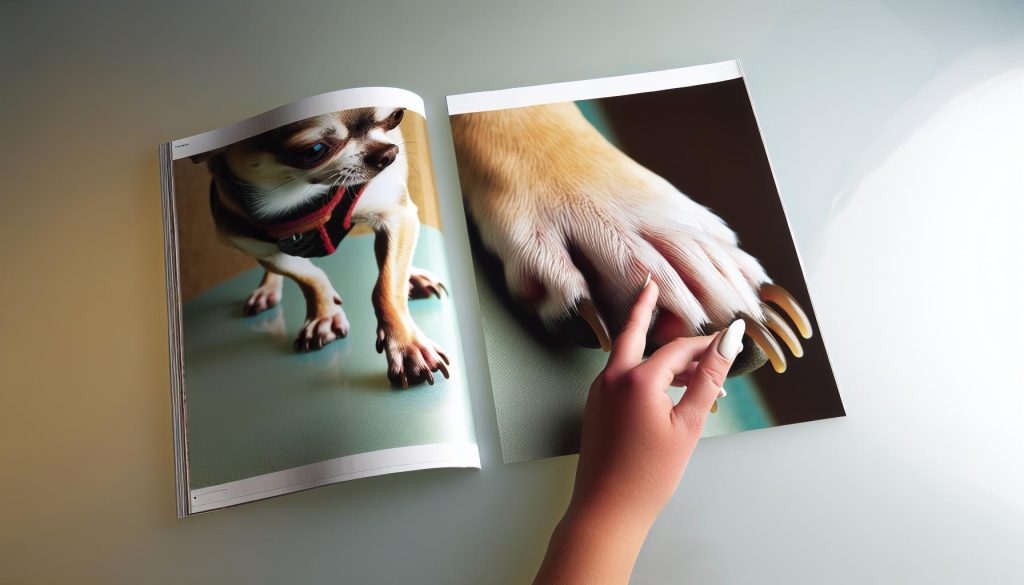
Did you know that Chihuahuas, despite their tiny stature, have a fascinating anatomy that plays a crucial role in their everyday life? One aspect that often raises curiosity is whether these spirited little companions have webbed feet. Understanding Chihuahua paw anatomy not only aids in their care but can also help you better appreciate their unique qualities. Whether you’re a first-time owner or a seasoned Chihuahua enthusiast, grasping the intricacies of your dog’s paws can enhance your bond and overall care practices. In this article, we’ll dive into the details of their paw structure, address common concerns, and clarify the importance of proper foot care and functionality in these lively pups. Join us to explore how your Chihuahua’s paws contribute to their playful antics and overall well-being!
Do Chihuahuas Really Have Webbed Feet?
While they may not have webbed feet in the traditional sense, Chihuahuas possess unique paw structures that many owners find fascinating. Unlike breeds developed for swimming, Chihuahuas’ paws feature a slight webbing between their toes. This anatomical adaptation helps with grip and stability, which is essential for their energetic and often rambunctious nature. This webbing, subtle though it may be, plays a role in their agility-important for a breed known for its spunky personality and quick movements.
Most Chi owners have observed that their dogs’ paws are compact and delicate, reflecting the breed’s overall stature. The pads are typically smooth, allowing for easier movement on various surfaces. A Chihuahua’s foot structure is well-suited to indoor life but also allows them to handle outdoor adventures, from exploring the backyard to brisk walks in the park. To ensure your pup remains comfortable, regular health checks of his paws are a must. Look for signs of wear and tear, especially if he’s running around on rough surfaces.
As a proud owner of a Chihuahua, it’s vital to pay attention not just to the general health of your pet but also to the unique characteristics of his paws. Regularly inspecting your dog’s feet can also help prevent common paw issues such as cuts, injuries, or infections. With love and attention focused on their paw health, you ensure a happy and healthy Chihuahua ready to take on the world-one little step at a time.
Understanding Chihuahua Paw Anatomy
Chihuahuas, often celebrated for their tiny stature and big personality, have paw anatomy that’s equally fascinating and unique. One of the first things you’ll notice about your Chihuahua’s paws is how compact they are. This compactness not only suits their small frame but also aids in their agility and balance. While they don’t have webbed feet like breeds designed for swimming, there is a slight webbing between their toes. This characteristic serves an important purpose: it enhances their grip and stability. As a result, your Chihuahua can navigate quickly through various terrains, whether dashing around the house or frolicking outside.
Chihuahuas typically have soft, smooth paw pads, which are essential for comfort and mobility. These pads allow for a gentle touch on indoor surfaces while providing just enough protection during outdoor adventures. Owners often share anecdotes about how their Chihuahuas can effortlessly go from plush carpets to rough outdoor terrain without missing a beat. Nevertheless, this delicate structure means that they can be susceptible to common paw issues, like cuts and abrasions, particularly if they frequently traverse rocky or hot surfaces. Therefore, regular inspections of those little paws are crucial.
Another key aspect to consider is how the unique construction of Chihuahua feet complements their lively spirit. Unlike some breeds with heavy bones and large pads, Chihuahuas are built for agility rather than sheer power. This anatomy supports their characteristic quick movements and often playful antics. For instance, owners have noticed that their Chihuahuas can jump surprising heights for their size, darting around with a determination that is both charming and entertaining. Embracing this unique foot structure helps owners better understand and care for their cherished companions.
It’s essential to maintain awareness of your Chihuahua’s paw health, which includes routine inspections for debris, cuts, and swelling. Consider the surfaces your Chihuahua frequents and take precautions, especially during extreme weather. Providing protective booties during summer or winter walks can be a practical solution for keeping those delicate paws safe. By celebrating the quirks of their anatomy and tailoring care practices accordingly, owners can ensure their Chihuahuas remain happy, healthy, and ready to take on the world-one adventurous paw at a time.
The Purpose of Webbing in Dogs
Chihuahuas, with their perky ears and vibrant personalities, offer much more than just adorable looks. One fascinating aspect of their anatomy is the slight webbing found between their toes-a feature that might raise eyebrows but serves an important purpose. While Chihuahuas don’t have fully webbed feet like some breeds designed for swimming, this subtle webbing enhances their grip and stability on various surfaces, allowing them to perform their characteristic quick movements with ease.
This slight webbing between their toes helps improve traction, especially when your Chihuahua is tearing around the backyard or scrambling over uneven terrain. You might notice your little one dashing around the park, making sharp turns with impressive agility. This is partly due to the way their feet are designed. In many ways, the webbing acts like a natural support system, helping them navigate effortlessly-whether they’re racing after a toy or trying to keep their footing on a slippery surface.
Strong, stable paws are especially crucial for our feisty little companions who often throw themselves into playtime with gusto. Consider how your Chihuahua behaves when excited or when encountering new environments. Their natural instinct is to explore, and well-structured paws allow them to do that confidently. While their delicate paw pads require care-given how easily they can suffer from cuts or abrasions-this webbing is an asset, helping to keep them grounded even during their most spirited moments.
Given these factors, it’s essential to monitor your Chihuahua’s paw health regularly. Always inspect those tiny feet after playtime for any debris or signs of discomfort. Remember that those charming little paws are designed for agility, making it vital to pay attention to their needs. By understanding and appreciating the unique structure of your Chihuahua’s feet, you can ensure that they remain as active and playful as ever-and what pup wouldn’t want that?
Comparing Chihuahua Feet to Other Breeds
While Chihuahuas may not possess fully webbed feet like some water-loving breeds, their unique foot structure sets them apart in the canine world. This slight webbing, particularly visible between their toes, serves an important function that enhances their agility. When we compare Chihuahua feet to other breeds, we can see both similarities and differences that highlight the Chihuahua’s specialized design for quick movements and stability.
First, let’s consider the feet of larger breeds, such as Labrador Retrievers or Golden Retrievers. These dogs often have broader, more muscular paws with pronounced webbing, which allows them to swim efficiently and traverse various terrains. Their webbing aids in propulsion when they’re in water or during vigorous play in muddy areas. In contrast, Chihuahuas, with their small, delicate feet, utilize their slight webbing primarily for traction on dry land rather than in aquatic settings. This design enables Chihuahuas to make sharp turns and quick stops-a necessity given their playful and often spirited nature.
For a more localized comparison, let’s look at Dachshunds. Like Chihuahuas, Dachshunds are small and have distinct paw structures. However, their feet are slightly more bulbous and are built to support their unique gait as they dig and maneuver through different terrains. Chihuahuas often express their kinetic energy through high-speed sprints and agile movements, which their webbing subtly enhances. Owners often remark on how quickly their Chihuahuas can change direction, attributing this agility to those tiny, well-structured feet.
In terms of paw care, understanding these anatomical differences is vital. For instance, Chihuahuas can be prone to specific paw issues such as patellar luxation or paw pad injuries, especially given their active play styles. Owners should regularly check their Chihuahua’s paws for abrasions or debris, ensuring that their pup can maintain that prompt agility that makes them so charming. Thus, while Chihuahuas may not sport the webbing of a swimmer like a Newfoundlander, their feet are perfectly crafted for their lively personalities and bounce across varied terrains.
Common Paw Issues in Chihuahuas
Chihuahuas are spirited little companions, but their adorable paws can be a source of concern for owners. Understanding common paw issues is crucial to keeping your tiny friend happy and healthy. One prevalent condition is paw pad injuries, which can occur from walking on rough surfaces or getting stuck on sharp objects. These injuries often present as limping or reluctance to walk. Regular inspections of your Chihuahua’s paws will help you catch any signs of wear and tear before they turn serious.
Another issue to look out for is patellar luxation, where the kneecap dislocates. This is particularly common in small breeds like Chihuahuas. If your pup suddenly hops on three legs or seems to have difficulty straightening her leg, it’s time to consult your veterinarian. Keeping your dog at a healthy weight can mitigate this risk, as excess weight puts pressure on those delicate joints.
Also, be aware of fungal or bacterial infections which can develop between the toes, especially in warmer, humid conditions. Symptoms may include abnormal licking, swelling, or a bad smell coming from the paw area. Regularly dry your Chihuahua’s feet after walks, especially if you’ve been in wet conditions, to prevent these infections.
To ensure your Chihuahua’s paws are in top shape, consider these tips:
- Regular Check-Ups: Schedule routine vet visits to monitor paw health and catch any potential issues early.
- Nail Trimming: Keep nails short to prevent discomfort and injury while walking.
- Paw Protection: Use protective booties if you live in an area with harsh weather or rugged terrain.
- Moisturizing Paw Balm: Apply a gentle paw balm to prevent cracking, especially in winter months.
Celebrating the uniqueness of Chihuahuas includes being proactive about their care. Your commitment to their paw health not only enriches their life but also enhances those enthusiastic leaps and bounds they love to share with you!
Care Tips for Your Chihuahua’s Paws
Chihuahuas may be small, but their paws are a big deal for their overall health and happiness. It’s no secret that these adorable pals love to explore, but the surfaces they tread can pose risks to their delicate paws. Keeping your Chihuahua’s feet in top shape not only helps prevent injury but also enhances their playful antics. Regular care and attention can mean the difference between a joyful romp in the grass and a painful paw pad injury that keeps your pup grounded.
One of the first steps in ensuring your Chihuahua’s paw health is through regular inspections. Check for any signs of wear, cuts, or foreign objects lodged between the toes. Be mindful, especially after walks on uneven surfaces or through brushy areas. You might be surprised by how often little ones can pick up a thorn or sharp stone during their adventures!
Essential Care Tips
It’s also crucial to keep those nails trimmed. Long nails can lead to discomfort and misaligned walking patterns, which might contribute to broader joint issues later on. A good rule of thumb is to trim your Chihuahua’s nails every few weeks, ensuring they don’t touch the ground when he’s standing. If you’re unsure, ask your vet or a professional groomer for guidance.
Protective booties can be a game changer, especially in extreme weather conditions. Whether it’s icy winters or hot pavement in the summer, these little shoes can shield your Chihuahua’s sensitive pads from the elements. They not only prevent burns or freezing but can also help on rough terrain where sharp rocks might lurk. If your pup is unsure about wearing them, start by letting him wear the booties indoors while playing to help him acclimate.
Lastly, consider moisturizing paw balms if your Chihuahua’s pads are prone to cracking, particularly in dry or cold weather. Look for products specifically designed for dogs, as human lotions may contain ingredients that could harm your furry friend. Regular use can keep his pads supple, making his furry escapades much more comfortable.
Incorporating these simple routines into your care regimen can significantly enhance your Chihuahua’s quality of life. A little attention to those tiny feet goes a long way, allowing your spirited companion to continue enjoying their lively lifestyle, whether that’s zooming around the house or strutting through the park!
Why Paw Anatomy Matters for Health
Understanding the structure of your Chihuahua’s paws is crucial for maintaining their overall health and well-being. While Chihuahuas are known for their small stature, their paw anatomy plays a significant role in their ability to navigate the world around them. Unlike breeds like Labrador Retrievers, which may have prominent webbing to aid in swimming and stability, Chihuahuas have a different paw design tailored to their specific lifestyle. Recognizing these differences is essential for every owner who wants to ensure their little companion stays active and happy.
Chihuahuas typically have a more delicate paw structure, reflecting their tiny frames. Their toes are designed to provide the right balance for their unique gait, which is often described as spirited and lively. This distinctive movement can be attributed to their foot anatomy, where they rely on a lighter frame and quick speed rather than the brute strength seen in larger breeds. However, this also makes them more vulnerable to injuries and conditions such as patellar luxation, which can arise from improper weight distribution or paw health issues. Regular examination of their paws not only helps in spotting potential problems but also aids in understanding how their unique anatomy influences their behavior and mobility.
When it comes to paw health, keeping your Chihuahua’s feet in optimal condition is paramount. The pads of their feet should be thick enough to withstand various surfaces, but if they are rough or cracked, this can lead to discomfort and reluctance to walk. Investing in proper care products-like paw balms to protect against weather extremes-and ensuring their nails are kept trimmed can prevent long-term health issues. Real-life experiences from fellow Chihuahua owners often highlight how small adjustments, like regular paw inspections and the use of protective booties during walks, can significantly enhance your dog’s quality of life. A proactive approach will allow your feisty friend to continue enjoying their adventures without the risk of painful paw injuries.
Ultimately, nurturing your Chihuahua’s paw health is more than a routine; it’s a way to celebrate their curious and spirited nature. Paying attention to their unique paw anatomy and understanding its implications on their health equips you as an owner to provide the best care possible. By prioritizing their paw care, you ensure that your little buddy remains ready for playful zoomies around the house or charming strolls in the park.
Chihuahuas and Their Unique Gait
Chihuahuas have a distinctly lively and spirited gait that perfectly complements their bold personality. When you see your little companion prancing around, you might notice how they often seem to glide rather than walk. This charming movement is deeply tied to their unique anatomical structure, including the way their paws are shaped. Unlike breeds with webbed feet designed for swimming, Chihuahuas possess a more delicate paw anatomy that supports quick turns, agile sprints, and those adorable little “zoomies” around the house.
Their gait is especially characterized by a light-footedness, which is crucial given their size. Chihuahuas typically have a narrow chest and lightweight bone structure, which allows for a more agile and exuberant movement. The coordination between their legs and paws means they can navigate their surroundings with surprising grace, despite their small stature. Owners often remark on how a Chihuahua will bounce along during walks, displaying an energy that seems almost disproportionate to their size. This spirited demeanor is part of what makes them so endearing!
However, this unique gait does come with its vulnerabilities. Because their legs are not built for heavy impact, Chihuahuas are prone to certain health issues like patellar luxation, where the kneecap can slip out of its normal position. It’s essential to monitor their movements closely; if you notice any signs of discomfort or difficulty walking, consult your veterinarian promptly. Regular exercise is vital, but always ensure it is appropriate for their size and condition. Gentle walks, rather than strenuous runs, are typically best to maintain both their health and that lively spirit.
Ultimately, understanding your Chihuahua’s gait not only helps you appreciate their personality but also underscores the importance of proactive care, particularly regarding their paws and joints. By celebrating their unique abilities and being mindful of their needs, you can help your little friend lead an active, joyful life, filled with play and exploration.
Fun Facts About Chihuahuas and Their Feet
Chihuahuas, despite their small size, have some fascinating features, especially when it comes to their feet. For instance, while many people wonder if Chihuahuas have webbed feet like some other breeds, the truth is they do not. Their paws are designed for agility and stability rather than for swimming or traversing through water-laden environments. This unique paw anatomy plays a significant role in their legendary quickness and energy.
One interesting aspect of Chihuahua feet is their variety! Depending on their specific lineage, you might find a range of paw shapes and sizes. Some Chihuahuas have slightly rounded paws while others, especially those with a more athletic build, display longer, slender toes. This variability contributes to individual characteristics in their movements, whether they’re leaping to grab a toy or scampering after a squirrel.
Another fun fact is that Chihuahuas are known for their “charming” toe pads. These tiny pads can reveal a lot about their health and comfort. For instance, a well-cared-for pad is typically soft and somewhat moist. However, if you notice dryness or cracking, it could be a sign that your little friend needs more hydration or care for their feet. It’s crucial to keep an eye on their paw health, as these little pads are essential for their overall mobility and happiness.
Lastly, let’s not forget about how Chihuahuas use their paws to communicate! You might notice your pup pawing at you for attention or even playfully digging at blankets or toys. This behavior is not only adorable but also part of their unique personality. Chihuahuas are known for being vocal and expressive, and their little feet play a role in showing their affection and playful spirit. Embrace these traits, and remember that keeping their paws healthy with regular inspections and gentle cleaning can enhance their vibrant personality!
How to Assess Your Chihuahua’s Paw Health
Assessing your Chihuahua’s paw health is essential for keeping your little companion active and happy. Their paws, though small, play a crucial role in their mobility and overall well-being. Start by making a habit of checking your Chihuahua’s paws regularly. Examine the pads, toes, and nails to ensure everything looks normal. A healthy pad should feel soft, slightly moist, and free from cracks or dryness. If you notice any abnormalities, it may be an indicator that your Chihuahuas need some extra care.
When inspecting your furry friend’s paws, look for signs of irritation or injury. Pay attention to any redness, swelling, or discharge that could suggest an infection or allergic reaction. If she has been licking her paws more than usual, that’s a clue she might be experiencing discomfort. Also, keep an eye out for foreign objects stuck in the fur between her toes or in the pads, especially after walks in wooded areas or on trails. Little rocks or splinters can cause significant discomfort and must be removed promptly.
Another critical area to check is her nails. Chihuahuas have delicate nail beds that can easily be injured if the nails grow too long. A quick way to judge if the nails need trimming is to observe if they touch the ground when she stands. If they do, it’s time for a trim. Regular nail care prevents painful splits and helps maintain her gait.
Incorporating paw care into your regular grooming routine not only helps avoid issues but creates a bonding experience between you and your Chihuahua. After all, she’s not just a pet; she’s family! If you’re unsure about how to trim nails or manage any health concerns, don’t hesitate to seek guidance from a veterinarian. They can provide helpful tips tailored to your dog’s unique needs, ensuring those tiny paws stay healthy and happy. Remember, happy paws lead to a happy Chihuahua, and that means more playful moments together!
Adapting Environments for Your Chihuahua’s Needs
Creating an environment that meets the unique needs of your Chihuahua is vital for their happiness and health. These tiny furballs are not only vocal and loyal but also have specific requirements that, when met, can help them thrive. One fascinating aspect to consider is how their paw anatomy, including the presence of webbing, affects their interaction with different surfaces. While Chihuahua paws are not drastically webbed like some other breeds, even slight webbing plays a role in their agility and comfort.
To adapt your home and surroundings, start by ensuring that your Chihuahua has secure spaces to run and play. Soft surfaces such as area rugs and carpet can help cushion their delicate paws, especially on hard floors, which can sometimes lead to discomfort. Providing a designated play area can protect their paws while encouraging activity. Chihuahuas love to explore, so creating safe zones with barriers or pet gates can allow them to roam freely without risking injury.
Pay attention to the outdoor environment as well. If your Chihuahua enjoys walks, choose sidewalks and parks that have softer ground, like grass or dirt, rather than rough surfaces. During hot weather, consider investing in paw protectors or booties. These can shield their paws from hot pavement or sharp objects during walks. If your Chihuahua is particularly sensitive to extreme temperatures, having a cozy, sheltered place in your yard for them to retreat to can make outdoor time enjoyable while keeping their paws safe.
Additionally, consider the furniture and layout of your home. Chihuahuas are known for their bold personalities, and they often love to climb and explore furniture. However, ensure that your Chihuahua can safely access different areas without jumping from great heights, which could strain those tiny legs and delicate paws. Pet steps or ramps can be an excellent addition to help them reach their favorite cozy spots or your lap without risking injury.
By thoughtfully adapting your environment for your Chihuahua’s needs-from choosing safe, comfortable surfaces to facilitating their natural exploratory behavior-you can enhance their quality of life and ensure those tiny paws stay healthy and happy. After all, a loving home that’s mindful of their unique quirks makes for a blissful companion.
Myths and Truths About Chihuahua Body Types
While Chihuahuas are adored for their diminutive stature and larger-than-life personalities, various myths about their body types can be misleading for potential and current owners. One common myth is that all Chihuahuas possess a standardized body form. In reality, there are notable variations in Chihuahua body types influenced by genetics and breeding practices.
Chihuahuas generally fall into two main body types: the *apple head* and the *deer head*. The apple-headed Chihuahua has a rounded skull and shorter muzzle, contributing to a more compact appearance. This trait is often desired in the show ring, as it embodies the breed standard. However, the deer-headed Chihuahua features a longer and flatter skull, resembling the shape found in some other breeds. While both types have their allure, the differences affect more than just aesthetics; they can influence health outcomes as well.
Understanding Variations in Size and Coat
Another prevalent myth is that all Chihuahuas are the same size. Though they are typically small dogs, Chihuahuas can weigh anywhere from 2 to 6 pounds, with some even exceeding this range. Owners should be aware of this variability when selecting a Chihuahua, as size can impact their activity levels and suitability for various living situations.
Chihuahuas also come in different coat types, including *smooth* and *long-haired*. The smooth-coated Chihuahuas have a sleek, glossy appearance that’s often easier to care for, while the long-haired variety boasts a luxurious, flowing coat that requires regular grooming. This difference can lead to misconceptions about grooming needs, with long-haired Chihuahuas sometimes mistakenly believed to be much higher maintenance than their smooth-coated counterparts.
Health and Behavior Considerations
Understanding these diverse body types is essential for ownership, particularly when addressing health and behavior. For instance, some Chihuahuas may be more prone to specific health issues based on their physical characteristics. Apple-headed Chihuahuas often experience dental problems due to their smaller mouths, while deer-headed varieties may face different challenges linked to their longer snouts.
Additionally, their body type can influence their behavior and interaction with the environment. For example, Chihuahuas with more compact bodies tend to be more agile in tight spaces, making them bold explorers. Providing the right environment that considers their unique characteristics-such as secure play areas and suitable climbing spots-can enhance their happiness.
By understanding these , owners can make informed decisions that benefit their beloved companions’ health and well-being. Whether you’re a first-time owner or a seasoned Chihuahua enthusiast, embracing their uniqueness ensures a fulfilling relationship with these charming little dogs.
Frequently asked questions
Q: Do Chihuahuas have webbed feet?
A: No, Chihuahuas do not have webbed feet like some other breeds. While their paws feature slight webbing between the toes, it is minimal compared to breeds like Retrievers. This slight webbing aids in traction but is not as pronounced or useful for swimming.
Q: How does Chihuahua paw anatomy differ from larger breeds?
A: Chihuahua paw anatomy is distinct due to their small size and lightweight frame. Their paws are compact, with a unique structure that supports their agile movements, unlike larger breeds which have more robust and larger paw structures designed for different activities.
Q: What is the purpose of webbing in dog paws?
A: The purpose of webbing in dog paws is primarily to aid in traction and stability, especially in breeds that require agility or swimming capabilities. In Chihuahuas, the webbing is not significant but can help during quick movements and turns.
Q: Why is it important to care for my Chihuahua’s paws?
A: Caring for your Chihuahua’s paws is crucial for their overall health. Regular checks can prevent issues like cracked pads and infections. Ensuring proper nail trimming and hygiene supports their mobility and comfort, enhancing their quality of life.
Q: What are common paw problems in Chihuahuas?
A: Common paw problems in Chihuahuas include broken nails, cracked paw pads, and allergies that can lead to irritation. Regular paw inspections and maintaining a consistent grooming routine can help keep their paws healthy and prevent complications.
Q: How can I tell if my Chihuahua has paw health issues?
A: You can tell if your Chihuahua has paw health issues by observing signs like limping, excessive licking, redness, or swelling. If you notice any unusual changes, consult your veterinarian for proper evaluation and care.
Q: Can Chihuahuas adapt to different terrains?
A: Yes, Chihuahuas can adapt to different terrains, but they may require special care. Their small size makes them more susceptible to injuries on rough surfaces. Use protective booties for rocky or hot pavements to keep their paws safe and comfortable.
Q: Are there specific exercises that benefit Chihuahua paws?
A: Yes, gentle exercises like short walks on various surfaces and playtime on soft grass can benefit your Chihuahua’s paws. These activities help strengthen paw muscles and improve their overall paw health while also providing mental stimulation.
Final Thoughts
Thank you for joining us to explore the fascinating world of Chihuahuas and their unique paw anatomy! As we’ve discussed, while Chihuahuas don’t typically have webbed feet, understanding their paws can help in supporting their health and well-being. Remember, taking care of your little companion’s paws is as crucial as their diet and emotional needs.
If you’re curious about how to keep your Chihuahua’s paws in top shape or want to dive deeper into their health topics, check out our guides on “Top 5 Chihuahua Health Tips” and “Understanding Chihuahua Behavior”. Don’t forget to subscribe to our newsletter for more expert insights and practical care tips tailored specifically for Chihuahuas!
We love hearing from fellow Chihuahua owners! Share your thoughts or experiences in the comments below, and let’s build a community of passionate Chihuahua enthusiasts together. Your journey with your tiny friend is just starting-let’s take it to the next level!
Get our latest guides, news, and insights highlighted in your Google Search & AI Overviews.