
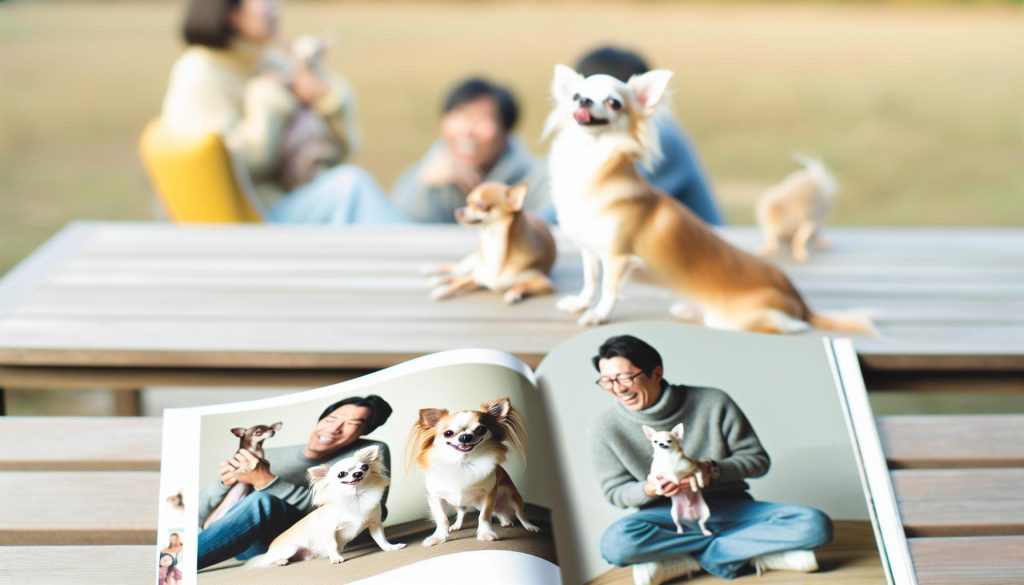
If you’re a proud Chihuahua owner or considering bringing one into your home, you might wonder: do Chihuahuas have hair or fur? This question goes beyond mere curiosity; understanding your Chihuahua’s coat type is essential for proper care, grooming, and health. Chihuahuas come in two distinct coat types-smooth and long-haired-each with its own unique grooming needs and characteristics.
As you navigate the joys and challenges of Chihuahua ownership, knowing about their coat can help you address potential shedding, skin sensitivities, and temperature regulation. Whether you’re captivated by the vibrant personality of an apple-head or the graceful charm of a long-haired beauty, gaining insights into their fur or hair will not only enhance your bond with your furry friend but also prepare you for the rewarding journey of being a Chihuahua parent. Let’s dive deeper into the fascinating world of Chihuahua coats and discover how you can help your beloved companion thrive.
Understanding Chihuahua Coat Types: Hair vs. Fur
Chihuahuas come in two primary coat types, which are often referred to in terms of hair vs. fur. This distinction can be a bit confusing, especially for new owners trying to understand what to expect from their tiny companions. In essence, both terms describe the same basic structure-canine hair-but how it manifests on Chihuahuas can lead to different care needs and even variations in personality. Short-haired Chihuahuas, with their sleek, glossy coats, typically have a more manageable grooming routine. Their coats lie close to the skin, providing minimal insulation, which can benefit owners looking for a lower-maintenance pet. In contrast, long-haired Chihuahuas exhibit a flowing, luxurious mane that exudes charm but requires more frequent grooming to prevent mats and tangles.
When discussing Chihuahua coats, it’s essential to note the unique characteristics that come with each type. Short-haired Chihuahuas often display a wiry texture that feels smooth to the touch. These dogs generally have an easier time coping with warmer climates. Long-haired varieties, on the other hand, tend to be fluffier and can create an adorable, more dramatic appearance. However, they require owners to be diligent about regular brushing, especially during seasonal changes when shedding increases. Owners often share how their long-haired Chihuahuas become little fluffballs that capture everyone’s attention during walks-a true testament to their individual personalities.
Grooming is a critical aspect of Chihuahua care that varies significantly depending on coat type. Short-haired Chihuahuas may only need weekly brushing and the occasional bath, while long-haired Chihuahuas might require daily combing to keep their coats in prime condition. Many owners find using a slicker brush beneficial for brushing out loose hairs and preventing tangles in their long-haired companions. Additionally, it’s worth mentioning that regular grooming not only keeps their coats looking good but also provides an excellent opportunity for bonding and checking for any skin issues or parasites.
In summary, understanding the differences between hair and fur in Chihuahuas helps owners make informed decisions about grooming and care. Whether you choose a short-haired or long-haired Chihuahua, embracing the quirks and charms of your furry friend-with all their unique coat characteristics-will enhance your experience as a devoted owner. Just remember, every Chihuahua, regardless of coat type, brings joy, loyalty, and a bit of boldness into your life.
The Unique Characteristics of Chihuahua Coats
Chihuahuas are a unique breed, not just for their charming personalities but also for the distinct characteristics of their coats. Whether your little companion sports a short or long mane, understanding what makes each coat type special can enhance your bond and provide better care.
Short-haired Chihuahuas often flaunt a sleek, smooth coat that lays close against their body. This type of fur is generally low-maintenance, which is a blessing for busy owners. Their coat can range from glossy to slightly coarse, offering a protective layer that requires minimal grooming-typically just a weekly brush and occasional baths to keep them fresh. These dogs thrive in warmer climates, making them ideal companions for sunny days and outdoor adventures. Their handsome appearance naturally draws compliments, as their alert posture and vibrant energy complement their attractive coats.
On the other hand, long-haired Chihuahuas present a strikingly different picture. With flowing coats that can be soft and fluffy, these little beauties are often the darlings of the dog world, captivating hearts with their dramatic looks. However, this charm comes with responsibility. Owners must commit to daily grooming to prevent mats and tangles that can easily ruin a gorgeous coat. Many long-haired Chihuahua owners swear by a slicker brush to keep their pet’s fur looking its best, especially during shedding seasons when extra care is needed. The long hair can indeed turn them into adorable “fluffballs,” and many owners take pride in showcasing their pups during walks, reveling in the attention they receive.
In both types, the coat serves more than just aesthetic purposes; it plays a crucial role in their comfort and health. For instance, Chihuahuas with thicker coats can be more sensitive to heat, while those with shorter coats might need extra warmth during cooler months. Regardless of the coat type, understanding these characteristics helps ensure your Chihuahua thrives, allowing you to celebrate all that makes them endearing-be it their playful antics or their irresistible charm.
Types of Chihuahuas: Short-Haired vs. Long-Haired
Chihuahuas come in two distinct coat types that not only define their looks but also affect their care requirements and overall well-being. Understanding the differences between short-haired and long-haired Chihuahuas can help you provide the best environment and grooming practices for your beloved companion.
Short-haired Chihuahuas exhibit a sleek, glossy coat that hugs their tiny bodies. This coat type is relatively low-maintenance, making it a popular choice for busy owners. Typically, a simple weekly brush and an occasional bath will suffice to keep their fur clean and healthy. Short-haired Chihuahuas are often quite resilient to various weather conditions, thriving in warmer climates thanks to their minimal insulation. However, they can be susceptible to chills in colder environments, so providing a cozy sweater during winter outings is a thoughtful gesture that keeps them comfortable while you manage any exposure to the elements.
In contrast, long-haired Chihuahuas can be the epitome of elegance with their flowing, luxurious coats. While they might attract more attention and compliments on walks, this beauty comes with added responsibility. Their hair demands daily grooming to prevent tangles and mats, which can become problematic without regular attention. Many owners of long-haired Chihuahuas recommend using a slicker brush, especially during shedding seasons. It not only helps maintain the coat’s look but also promotes healthy skin by distributing natural oils. Carefully brushing your furry friend can also be a delightful bonding experience, helping you both to relax while watching a movie or cuddling on the couch.
Regardless of coat type, both short-haired and long-haired Chihuahuas share a few common health considerations. For instance, their coats play a crucial role in regulating body temperature. Short-haired Chihuahuas may require extra warmth during cooler months, while their long-haired counterparts can overheat if not monitored during hot weather. Observing your Chihuahua’s behavior and adjusting their environment-such as using cooling mats in summer or cozy blankets in winter-can ensure their comfort throughout the seasons. Ultimately, whether you have a sleek short-haired or a fluffy long-haired Chihuahua, appreciating their unique traits allows for a deeper connection and a greater appreciation of this charming breed.
Grooming Tips for Chihuahua Coat Care
Chihuahuas, with their charming personalities and unique coat types, require thoughtful grooming tailored to their specific needs. Proper coat care not only keeps your Chihuahua looking fabulous but also contributes significantly to their health and well-being. A well-groomed coat can help prevent matting and skin issues, making it an essential part of your routine.
For short-haired Chihuahuas, the grooming process is generally straightforward. A weekly brushing with a soft-bristle brush is adequate to remove loose hair and dirt while distributing natural oils, keeping their coat shiny. While they don’t require frequent bathing, it’s crucial to wash them when they begin to smell or if their coat looks dull. Opt for a mild dog shampoo to maintain the natural oils in their skin. Remember, short-haired Chihuahuas can be sensitive to cold, so investing in a cozy dog sweater is a great way to keep them comfortable during chilly walks.
On the other hand, long-haired Chihuahuas demand more attention in their grooming regimen. They benefit from daily brushing using a slicker brush or a comb to prevent tangles and mats, especially in areas prone to matting like behind the ears and under the legs. Regular grooming not only keeps their coat beautiful but also serves as a wonderful bonding experience. Many owners enjoy their grooming time as it helps their Chihuahua relax and can even become a part of their nightly wind-down routine. Bathing should also be done every 4-6 weeks, ensuring you use a high-quality shampoo that nourishes the hair without stripping it of essential oils.
Here are a few additional tips to keep in mind:
- Monitor for Skin Issues: Regularly check for any signs of redness, bumps, or irritations that could indicate allergies or skin conditions.
- Stay Seasonally Savvy: During shedding seasons, consider using deshedding tools to manage excess hair effectively.
- Diet Matters: A healthy diet contributes to a shiny coat. Ensure your Chihuahua is eating balanced meals with plenty of omega fatty acids.
By embracing these grooming practices, you’ll not only enhance your Chihuahua’s physical appearance but also deepen your bond, ensuring they remain a happy, healthy part of your life. Each grooming session is a chance to connect with your vibrant little companion and keep them prancing with pride, whether they’re flaunting their sleek coat or their luscious locks!
Common Health Issues Related to Chihuahua Coats
When it comes to your beloved Chihuahua, their coat type can have a significant impact on their overall health. Chihuahuas can either have short hair or long hair, and each coat type may predispose them to specific health issues. For instance, short-haired Chihuahuas might be more vulnerable to skin irritations or allergies due to exposure to environmental elements. On the other hand, long-haired Chihuahuas, while often seen as the picture of cuteness with flowing locks, can have problems with matting that lead to skin infections if not properly groomed.
One common health issue to watch for is dermatitis, which can manifest as redness and itchiness. This condition may arise from various factors, including allergies to food or environmental triggers like pollen or dust mites. Chihuahuas are particularly susceptible to skin allergies because of their fine and sometimes sensitive skin. Owners should be vigilant about their dog’s interactions with potential allergens and consult with a vet for appropriate treatments, which may include medicated shampoos or dietary adjustments.
Another concern for long-haired Chihuahuas is the risk of matting, especially in areas where the fur is prone to tangling, such as behind the ears or under the legs. Matting not only looks unsightly but can also trap moisture and lead to fungal infections or other skin problems. Regular grooming is essential to prevent mats from forming and to keep their coat healthy. Owners are encouraged to brush their long-haired Chihuahua daily and to seek professional grooming assistance if mats become too severe.
Maintaining an appropriate diet also plays a significant role in coat health. A diet rich in omega-3 and omega-6 fatty acids can promote a shiny, healthy coat and help reduce shedding. Regular vet visits are crucial, especially as your Chihuahua ages, to monitor for signs of health issues related to their coats, like excessive scratching or changes in coat texture.
In summary, being proactive about your Chihuahua’s coat care not only enhances their appearance but also contributes significantly to their health. Keeping an eye out for common health issues related to their coat type can ensure that your tiny companion stays happy and healthy for years to come.
Myths and Facts About Chihuahuas and Their Coats
The debate over whether Chihuahuas have hair or fur often leads to confusion among dog owners. Many first-time owners might think that the short, sleek coat of a Chihuahua is categorized as hair, while the longer, flowing locks are more akin to fur. In reality, whether it’s short or long, a Chihuahua’s coat is classified as fur. This misconception largely stems from our perceptions of coat types and how we define them, but rest assured-no matter the length, Chihuahuas sport fur!
One myth that circulates in dog-loving communities is that all Chihuahuas suffer from terrible allergies due to their coat type. While it’s true that Chihuahuas can be prone to skin issues, their susceptibility does not solely hinge on short or long hair. Instead, factors such as environment, diet, and genetics can significantly influence their skin health. Effective skin care, including choosing hypoallergenic products and regularly consulting with your veterinarian, can help alleviate many issues. Keeping an eye on their ongoing health concerns, like dermatitis, helps ensure your little one maintains that beautiful, although perhaps not perfect, coat.
Another common belief is that long-haired Chihuahuas require excessive grooming due to their coats. While it’s essential to regularly brush them to prevent mats and tangling, the time commitment is often exaggerated. Owners find that a few minutes of daily brushing can do wonders for both coat condition and bonding time. Moreover, shorter-haired Chihuahuas need their own form of maintenance, particularly during shedding seasons when they can lose a significant amount of fur.
The myth that coat type affects temperament is another point of interest among Chihuahua enthusiasts. While each Chihuahua has its own distinct personality-some may be bold, while others are shy-recent studies suggest no direct correlation between the fur type and temperament. Instead, consistent socialization, training, and individual personality play a more crucial role in how your Chihuahua behaves.
In conclusion, understanding the truths and myths surrounding Chihuahua coats can foster better care practices and enhance the bond you share with your furry companion. By shedding light on these misconceptions, you can focus on giving your Chihuahua the life they deserve while appreciating their unique beauty, whether they are short-haired or long-haired.
Environmental Factors Affecting Your Chihuahua’s Coat
Chihuahuas are as sensitive to their environments as they are spirited and bold. Their coats, whether short or long, can be greatly influenced by a variety of external factors. Understanding the interplay between these elements and your Chihuahua’s coat health is essential for a happy and healthy pup.
First, consider the climate in which your Chihuahua lives. In warm, humid conditions, their fur may become oily or develop skin issues like hotspots due to excess moisture. Conversely, in dry, cold climates, you might notice increased flaking or itchiness as the skin loses moisture. Owners often find that using a humidifier indoors during winter can help alleviate dry skin problems. For instance, Maria, a Chihuahua mom from Arizona, noted that her long-haired Chihuahua, Bella, benefited from a weekly coconut oil treatment during the dry summer months to maintain her coat’s health and shine.
Another significant factor is diet. Nutrition plays a crucial role in the coat quality of your Chihuahua. A balanced diet rich in omega fatty acids can improve fur health, making it shinier and less prone to shedding. Regularly feeding a high-quality dog food that lists whole meats and good fats as primary ingredients is a good place to start. Even simple changes, like introducing salmon oil into their meals, can lead to noticeable improvements in your pup’s coat condition.
Stress and emotional well-being also have an impact on skin and coat health. Chihuahuas are sensitive creatures; stress from changes in their environment, such as moving to a new home, changes in routine, or the introduction of new pets, can lead to shedding or skin issues. Keeping your Chihuahua’s environment stable and enriching can help, such as providing them with familiar toys or blankets during transition periods. For example, when Josh adopted his second Chihuahua, he made sure to keep their daily structure the same, which helped both dogs adjust better and kept their coats looking healthy.
Lastly, external allergens and irritants present in the dog’s environment-like pollen, dust, or even certain cleaning products-can severely affect coat health. It’s beneficial to keep a clean living space and consider hypoallergenic cleaning products if you notice excessive scratching or irritation. This can help maintain a balanced skin environment, which in turn supports a healthy coat.
By paying close attention to these environmental factors, you can better support your Chihuahua’s coat health. A little extra care and consideration can go a long way in ensuring that your vibrant little companion always looks and feels their best.
Choosing the Right Products for Chihuahua Coats
To keep your Chihuahua’s coat looking its best, choosing the right products is essential. With their coats ranging from short to long and varying in texture, your grooming routine should cater to their specific needs. One valuable tip is to identify the unique characteristics of your Chihuahua’s coat type-whether it’s the sleek coat of a short-haired Chihuahua or the flowing locks of a long-haired variety. This knowledge will guide you in selecting grooming products that enhance their natural beauty while promoting skin health.
Start by selecting a gentle, sulfate-free dog shampoo. Look for formulations that include natural oils, as these can hydrate the skin and provide essential nutrients to your Chihuahua’s coat. For example, a shampoo with *coconut oil* is excellent for maintaining shine and wellness, especially in long-haired Chihuahuas, who may be prone to matting. Additionally, consider investing in a good conditioner which can help detangle long hair and reduce static in the winter months.
Brushing Tools
The right grooming tools are just as important as the products you use. For short-haired Chihuahuas, a soft-bristle brush or a grooming mitt can help remove loose fur and distribute natural oils without irritating their skin. On the other hand, for long-haired Chihuahuas, a slicker brush or a wide-toothed comb works wonders to prevent tangles and keep their coat fluffy and healthy. Regular brushing-at least once a week for short-haired and several times a week for long-haired types-will minimize shedding and keep their coat in top condition.
Specialized Treatments
Consider incorporating specialized treatments into your dog’s grooming routine. For instance, if your Chihuahua suffers from dry skin, a *hydrating spray* can instantly boost moisture levels. Natural oils, such as *argan or jojoba*, can also be applied sparingly for a shiny finish. It’s important to remember that Chihuahuas can be sensitive to certain ingredients, so always choose products designed specifically for dogs and avoid those with harsh chemicals.
Real-life experiences can provide additional insight into product selection. One Chihuahua owner shared how using a leave-in conditioner significantly improved her long-haired Chihuahua’s coat texture and reduced tangling during walks. Similarly, owners in colder climates often find that applying a protective coat oil before outdoor adventures helps shield their pups’ skin from the harsh elements.
By choosing the appropriate grooming products tailored to your Chihuahua’s coat type, you can ensure their vibrant personality shines through in a healthy, beautiful coat. Regular care will not only enhance their appearance but also strengthen your bond as you turn grooming time into a moment of connection and care.
How Coat Type Influences Chihuahua Temperament
The coat type of your Chihuahua can say a lot about her personality and temperament. For example, short-haired Chihuahuas, often described as sleek and low-maintenance, might exhibit a more energetic and alert demeanor. Their no-fuss coats can lead to a more carefree attitude, as they typically require less grooming effort compared to their long-haired counterparts. Many owners of short-haired Chihuahuas notice that these little ones can be quite the adventurous spirits, always ready to explore their surroundings.
On the other hand, long-haired Chihuahuas come with their own set of quirks-they often flaunt flowing locks that require a bit more care. This grooming routine can enhance their bond with their owners, making grooming a beautifully nurturing experience. Long-haired Chihuahuas, often seen as more refined, may display a calmer, more affectionate temperament, enjoying the quiet cuddles and pampering while you brush their coats. These gentle souls may develop a deep sense of security and personality, thriving in loving households that appreciate their more sensitive and nurturing tendencies.
There’s also an interesting dynamic related to breed size that influences temperament. Apple-headed Chihuahuas, regardless of coat length, may display a bolder, more assertive personality, often believing they’re the true giants in the room. Their coats might play a role in shaping this self-assertion; a well-groomed coat can make them feel more confident and buoyant, leading to displays of their vibrant personality. With the right care-both in grooming and socialization-these little characters truly shine, revealing their unique traits.
Ultimately, the individual personality of each Chihuahua is a tapestry woven from coat type, grooming practices, and the love and attention they receive. Recognizing how coat type can impact behavior allows owners to tailor their care approach, enriching the lives of these joyful companions and celebrating their delightful quirks together. Regular interaction and understanding can help maintain a healthy temperament, ensuring your bond remains strong and filled with affection.
Understanding Shedding Patterns in Chihuahuas
Chihuahuas, whether short-haired or long-haired, have distinct shedding patterns that every owner should understand. Knowing when and how much your Chihuahua will shed can significantly ease the grooming process and help maintain a clean home. While neither coat type sheds excessively, there are variations that can surprise new owners.
Short-haired Chihuahuas typically shed year-round but will experience more noticeable shedding during seasonal changes, particularly in the spring and fall. During these times, their coats may transition, and you’ll likely find more fur accumulating on your floors and furniture. Regular brushing is crucial; a slicker brush used a couple of times a week will help capture loose hair and reduce the amount of fur clinging to your beloved upholstery.
Long-haired Chihuahuas often require a bit more diligence in terms of shedding management. While they don’t shed as much as some larger breeds, they do have shedding seasons that can lead to clumps of fur if not regularly attended to. Daily brushing is beneficial, especially during peak shedding periods. This not only helps keep their coat healthy and tangle-free but also reduces the amount of hair around your home.
Many owners find that dietary factors can also influence shedding patterns. A well-balanced diet rich in omega-3 fatty acids can promote a healthier coat and minimize shedding. Additionally, maintaining a consistent grooming routine can help identify potential health issues, such as skin allergies or other dermatological concerns, that may lead to excessive shedding.
In terms of environment, stress can affect your Chihuahua’s shedding. Moving to a new home, changes in routine, or even the introduction of new pets can result in increased hair loss. Therefore, maintaining a calm and stable environment will support not just your Chihuahua’s coat but their overall well-being. By understanding these shedding patterns and adjusting care accordingly, you can ensure that your Chihuahua remains healthy and happy, all while enjoying the affectionate companionship that makes this breed so special.
Preparing for Seasonal Changes: Chihuahuas and Their Coats
As the seasons change, so do the needs of your beloved Chihuahua’s coat. This tiny breed, whether adorned with short or long hair, has unique grooming and care requirements that can make a big difference in maintaining their health and comfort. Not only does the weather influence how your Chihuahua sheds, but it also impacts the overall condition of their coat and skin. Understanding these shifts is key to ensuring your furry companion stays happy and healthy throughout the year.
During the warmer months, short-haired Chihuahuas tend to shed more frequently as their bodies adapt to the heat. This isn’t just a nuisance-it’s a natural way for them to cool down. Regular brushing can help manage this increased shedding while ensuring that your home’s surfaces stay fur-free. An effective way to prepare for the hot season is to invest in a high-quality slicker brush. Aim for grooming sessions a couple of times a week, which can help reduce shedding and keep your Chihuahua’s coat looking shiny and well-kept.
As temperatures drop, long-haired Chihuahuas face a different challenge. Their coats might become more prone to tangling and matting due to increased humidity or indoor heating. Daily brushing becomes even more crucial during these months; a good routine not only keeps their fur free of knots but also helps circulate natural oils that promote skin health. Adding an extra layer of care, many owners find that using a conditioning spray can enhance coat hydration, especially in dry winter months.
Don’t forget the nutritional aspect! Seasonal changes can affect your Chihuahua’s coat health, so consider adjusting their diet to include more omega fatty acids, especially during shedding seasons. These nutrients support a glossy, healthy coat. Moreover, keep an eye on any changes in your Chihuahua’s behavior-like excessive scratching or licking-which could indicate skin irritation or allergies exacerbated by the seasonal shift.
By paying attention to your Chihuahua’s grooming routines and making small adjustments based on the weather, you can significantly improve their comfort and health. This not only ensures their coats remain stunning but also shows your commitment to your faithful companion’s well-being, making the bond between you both even stronger.
Real Chihuahua Owner Experiences: Coat Care Insights
When it comes to caring for Chihuahuas, especially regarding their coats, countless owners have valuable insights that can enrich your understanding and approach. One owner, Julia, who has a long-haired Chihuahua named Bella, emphasizes the importance of establishing a solid grooming routine. She finds that Bella thrives with daily brushing, which not only prevents tangling but also allows her to bond with her pup. “It’s our little ritual,” Julia says. “I get to check for any skin issues, and Bella enjoys the attention.” This attentive grooming helps keep Bella’s coat sleek and shiny, showcasing the beauty her long fur provides.
Gerard, a proud owner of a short-haired Chihuahua named Leo, has had a slightly different experience. He highlights that while Leo sheds much more during warmer months, regular brushing-once a week-has been crucial to managing the fur around the house. “A good slicker brush makes all the difference,” he notes. “I also use a lint roller to keep the couch company-ready!” Gerard shares that integrating a healthy diet rich in omega fatty acids has helped Leo maintain a bright, glossy coat, even during shedding periods. Many owners could relate to the importance of nutrition; it’s a simple yet effective way to support coat health.
Seasonal Coat Care
Both Julia and Gerard agree that seasonal changes can dramatically affect their dogs’ coats. For example, as winter approaches, long-haired pups like Bella may develop more tangles due to dry indoor air. Julia combats this by using a moisturizing conditioner spray during grooming sessions. In contrast, Gerard takes note of Leo’s increased shedding during spring. He makes sure to ramp up the brushing frequency to a couple of times a week, which helps minimize loose hair all over the floors and furniture.
Health and Vigilance
Equally important in their routines is watching for any signs of skin irritation or allergies, especially during seasonal shifts. Julia recounts how she once noticed Bella scratching more than usual and quickly consulted her vet. “We discovered it was an allergy to grass, and adjusting her diet significantly helped,” she shares. Such proactive health measures are crucial in ensuring that a Chihuahua’s coat remains healthy and vibrant.
Through shared experiences, Chihuahua owners illustrate that coat care is about more than just aesthetics. It’s a blend of attentive grooming, nutrition, and vigilance that fosters a healthier life for these beloved companions. Whether your Chihuahua sports a sleek coat or a fluffy mane, embracing these insights can help you navigate the quirks and needs of your pup’s unique coat challenges while strengthening the bond between you and your loyal, tiny friend.
Frequently Asked Questions
Q: Do Chihuahuas have hair or fur?
A: Chihuahuas have fur, which consists of two layers: a soft undercoat and a longer outer coat. This dual-layer system helps protect them from heat and cold. Depending on their coat type-short-haired or long-haired-the texture and length of the fur can vary significantly.
Q: What are the differences between short-haired and long-haired Chihuahuas?
A: The main difference lies in their coat length and texture. Short-haired Chihuahuas have sleek, close-lying fur that requires minimal grooming, while long-haired Chihuahuas boast soft, flowing fur that needs regular brushing to avoid tangles. Both types are adorable and have unique grooming needs.
Q: How can I care for my Chihuahua’s fur?
A: Caring for your Chihuahua’s fur involves regular brushing and baths. For short-haired Chihuahuas, brushing once a week is usually sufficient, while long-haired Chihuahuas require several sessions each week to prevent mats and tangles. Use a gentle dog shampoo to maintain coat health.
Q: Are there specific health issues related to Chihuahua coat types?
A: Yes, both coat types can be prone to certain health issues. Long-haired Chihuahuas may experience matting that can lead to skin irritations, while short-haired ones might be more susceptible to skin allergies. Regular grooming and vet visits are essential for prevention.
Q: Why does my Chihuahua shed, and how can I manage it?
A: Shedding in Chihuahuas occurs due to seasonal changes and is natural for both coat types. To manage shedding, brush your dog regularly-ideally every few days-especially during shedding seasons. This will help minimize loose hair and keep your home cleaner.
Q: Do environmental factors affect Chihuahua coat health?
A: Yes, environmental factors like temperature and humidity can significantly impact your Chihuahua’s coat. Extreme heat can cause their fur to thin, while cold conditions may lead to dryness and brittleness. Providing a comfortable environment is crucial for maintaining coat health.
Q: How does coat type influence a Chihuahua’s temperament?
A: While temperament is largely individual, some studies suggest that coat types may correlate with certain behaviors. Long-haired Chihuahuas are often perceived as being slightly more affectionate, while short-haired Chihuahuas can be more energetic. However, every dog’s personality varies widely.
Q: Can Chihuahuas with different coat types participate in the same activities?
A: Absolutely! Both short-haired and long-haired Chihuahuas can enjoy a variety of activities such as walks, playtime, and training. Just be mindful of their coat when exposing them to extreme weather, and adjust their activity level accordingly to keep them comfortable.
Future Outlook
Now that you’ve learned about the unique coat types of Chihuahuas, you might be wondering how to properly care for their fur and skin. Remember, whether your Chihuahua has long hair or short, grooming is essential for their health and happiness. Be sure to check out our articles on Chihuahua grooming tips and essential health care for Chihuahuas to keep your furry friend looking and feeling their best.
If you enjoyed this breakdown or have questions about your Chihuahua’s behavior or health, we’d love to hear from you in the comments! Sharing your experiences not only helps you connect with other Chihuahua lovers but also builds a sense of community. Don’t forget to subscribe to our newsletter for ongoing tips and resources tailored just for Chihuahua owners. Your little companion deserves the best, and we’re here to support you every step of the way!
Get our latest guides, news, and insights highlighted in your Google Search & AI Overviews.