
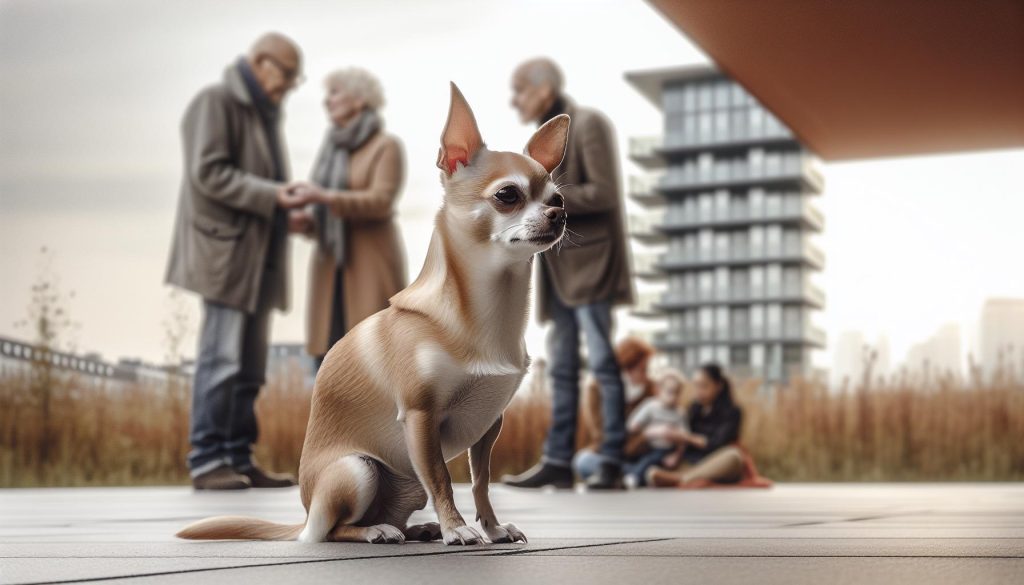
Did you know that Chihuahuas have some of the most acute hearing abilities among dog breeds? This tiny powerhouse, with ears standing tall, is not only known for its bold personality but also for its impressive sensitivity to sounds. Understanding how well your Chihuahua can hear is crucial, especially for owners seeking to connect with their furry friends on a deeper level.
Chihuahuas, like little guardians, can pick up higher frequencies that most humans can’t detect, making them alert and often vocal when they sense something out of the ordinary. This heightened sense of hearing can influence their behavior and training, as they respond to sounds that might go unnoticed by larger breeds. As lovers of this spunky breed, it’s important to explore how their hearing affects everyday life, from interactions with their humans to their reactions in various environments. Join us as we delve into the auditory world of Chihuahuas and discover tips to support their remarkable sense abilities, ensuring they thrive within their sound-driven surroundings.
Understanding Chihuahuas’ Hearing Capabilities
Chihuahuas possess remarkable hearing capabilities that contribute to their vibrant personalities as loyal and alert companions. Known for their keen sense of sound, these tiny dogs can detect high-frequency sounds that human ears often miss. This sensitivity is particularly beneficial for a breed that has strong protective instincts; Chihuahuas are quick to react to unfamiliar noises, making them excellent watchdogs despite their small stature.
The anatomy of a Chihuahua’s ear plays a significant role in its hearing abilities. Chihuahuas have large, upright ears that are well-structured to capture sound waves effectively. The shape and position of their ears enhance their ability to pinpoint the direction of a sound, allowing them to respond quickly to stimuli in their environment. As they age, however, just like many breeds, Chihuahuas may experience a decline in hearing. Factors such as genetics, exposure to loud noises, and overall health can influence their auditory capabilities.
Owners should be aware of the signs indicating potential hearing issues. If your Chihuahua starts to ignore commands they previously followed or seems less responsive to sounds, it could be time to consult a veterinarian. Socialization and positive reinforcement training can help maintain and enhance their hearing response. Additionally, incorporating visual cues during training can bridge communication gaps as your Chihuahua ages, ensuring they remain engaged and responsive.
By understanding and nurturing their unique hearing capabilities, you can enhance your Chihuahua’s quality of life. Through regular check-ups and careful monitoring of their auditory health, you can ensure that your little companion continues to thrive and communicate effectively in their playful, bold way.
How Chihuahuas Compare to Other Breeds
Among dog breeds, Chihuahuas are often celebrated for their exceptional hearing capabilities, setting them apart from many larger breeds in surprising ways. While large breeds like German Shepherds or Labrador Retrievers boast impressive physical endurance, Chihuahuas excel in the nuance and sensitivity of sound detection. Due to their keen ability to hear high-frequency sounds, these small companions can pick up on subtle noises like the rustling of leaves or the collapse of a nearby twig from considerable distances, often before a larger dog would even notice.
One of the defining characteristics of Chihuahuas is their remarkable alertness and responsiveness to their environment. This trait makes them fantastic watchdogs, despite their diminutive stature. They’re known to bark at the slightest hint of danger, a behavior that might seem exaggerated given their size but exemplifies their protective instincts. For instance, a Chihuahua named Bella, who lives in a suburban neighborhood, has been known to alert her family to the arrival of guests long before anyone else could hear the car approaching; this illustrates how her acute hearing adds to her role in the household.
In comparison to other small breeds, such as the Pomeranian or Yorkshire Terrier, Chihuahuas generally exhibit stronger hearing. This can be attributed to their upright ear structure, which enhances their ability to funnel sound waves directly into the ear canal more effectively. Whereas other breeds might rely on their sense of smell for environmental awareness, Chihuahuas depend heavily on their auditory skills. This unique blend of abilities makes them particularly lively and engaged, maintaining a constant connection to their surroundings.
Understanding these differences can help Chihuahua owners appreciate the breed’s needs and quirks. For instance, incorporating auditory enrichment-like playing music or using sound toys-can stimulate their senses and drive further curiosity and playfulness. It’s important to remember that, like all living beings, individual variation exists; some Chihuahuas may have exceptional hearing capabilities, while others might not respond as strongly due to factors such as age or previous exposure to loud environments. Thus, fostering an understanding of their sensory strengths is key to nurturing a happy, healthy Chihuahua.
The Anatomy of a Chihuahua’s Ear
The structure of a Chihuahua’s ear plays a pivotal role in its incredible hearing abilities. With their unique upright ears, Chihuahuas are well-equipped to capture and process sounds from their environment. The distinct shape of these ears not only enhances their ability to funnel sound waves effectively into the ear canal but also allows them to detect high-frequency noises that many larger breeds might miss. This anatomical advantage is particularly beneficial for an alert and vigilant breed like the Chihuahua, making them exceptional watchdogs despite their small stature.
Chihuahuas have a more acute hearing range compared to many other small breeds. This sensitivity can be attributed to the anatomy of their ears, which consists of a few key components:
- Pinna: The visible part of the ear, or pinna, is flexible and stands upright, allowing for optimal sound direction.
- Auditory Canal: The short yet effective auditory canal leads to the eardrum, where sound waves are converted into vibrations.
- Eardrum: This thin membrane is vital for sound detection and is particularly sensitive in Chihuahuas, helping them respond quickly to sounds.
In practical terms, this means that Chihuahuas can hear higher pitches, like the sound of a squeaky toy or the rustling of leaves, long before we might notice these noises. Many owners can attest to their Chihuahua’s ability to react even when sounds are barely perceptible to human ears. For example, one owner shared that her Chihuahua, Max, would bark excitedly at the faintest sound of a doorbell from the opposite end of the house, effortlessly showcasing his auditory prowess.
To support their hearing health, regular check-ups are essential. A veterinarian can examine their ear structure and ensure that there are no blockages or infections affecting their hearing capability. Keeping their ears clean and free from debris can help maintain optimal function, allowing your little companion to continue thriving in their vocal and alert nature. Understanding the anatomy of their ears not only highlights the breed’s unique attributes but also reinforces the need for proper care to nurture their listening abilities.
Factors Affecting Hearing in Chihuahuas
Certain factors can significantly impact a Chihuahua’s exceptional hearing abilities. Understanding these influences is essential for any conscientious owner who wants to ensure their beloved companion is healthy and alert.
Firstly, age plays a crucial role in hearing capability. Like humans, as Chihuahuas grow older, they may experience age-related hearing loss. This gradual decline often goes unnoticed at first, as older Chihuahuas may adapt their behaviors to compensate for diminished hearing. It’s important for owners to observe any changes in their Chihuahua’s responsiveness to sounds, especially in those younger than six years, as maintaining awareness of these shifts can help in early identification of potential issues.
Environmental factors also weigh heavily on hearing health. Exposure to loud noises-such as fireworks, heavy machinery, or loud music-can damage a Chihuahua’s sensitive eardrums. Providing a safe space away from these disturbances can help preserve their hearing. Similarly, ear infections are another common culprit affecting hearing. These can stem from allergies, excessive moisture, or foreign objects lodged in the ear canals. Regularly checking and cleaning your Chihuahua’s ears can prevent such infections, ensuring their ears remain healthy and functional.
Lastly, a Chihuahua’s overall health can influence their sense of hearing. Conditions such as hypothyroidism or neurologic disorders can hinder auditory function. Owners should maintain regular vet check-ups for comprehensive health assessments. Through diligent care and awareness of these factors, you can help your little companion thrive, ensuring their world remains loud and vibrant with sounds they love.
Signs of Hearing Issues in Chihuahuas
Many Chihuahua owners will attest that their tiny companions are surprisingly vocal, using their unique barks and yips to communicate. However, as your beloved friend ages or if they’re exposed to adverse conditions, their hearing abilities may shift, impacting their usual behaviors. Recognizing the signs of hearing issues is crucial for any responsible owner who wants to ensure the well-being of their Chihuahua.
One of the most telling signs of hearing difficulties is a noticeable change in responsiveness to sounds. If your Chihuahua no longer reacts to common cues, such as the sound of food being poured or the doorbell ringing, it may indicate a decline in hearing. Similarly, if your usually alert pup seems startled by sounds that previously elicited excitement or curiosity-like the rustling of a snack bag or a family member coming home-this may signal a hearing impairment.
Additionally, pay attention to changes in behavior that could suggest your Chihuahua is struggling to hear. Many Chihuahuas are naturally curious and bold; if your little one seems more withdrawn or hesitant to explore, this could point to a hearing issue. Some owners notice their Chihuahua becomes more reliant on visual cues rather than auditory ones, appearing confused when called or failing to respond to commands they previously understood well.
Beyond behavioral changes, physical signs can accompany hearing issues in Chihuahuas. Watch for excessive head shaking, pawing at the ears, or unusual odors coming from the ear canal, as these can indicate ear infections or other health problems affecting hearing. Regularly inspecting your Chihuahua’s ears for dirt, wax buildup, or irritation is a proactive way to maintain their auditory health.
In conclusion, by staying vigilant and aware of these signs, you can address potential hearing problems early. Whether it’s scheduling a vet appointment for a thorough check-up or making environmental adjustments to support your Chihuahua’s hearing, your attentiveness will help ensure that your beloved companion continues to enjoy a rich, engaging life filled with the sounds they love.
Tips for Enhancing Your Chihuahua’s Hearing
To ensure your Chihuahua maintains its hearing capabilities and thrives in sound-rich environments, implementing a few proactive strategies can make all the difference. Small yet mighty, Chihuahuas are known for their vocal personalities, making their ability to hear important for communication and bonding. Here are some practical tips to enhance your furry friend’s auditory health.
Regular Ear Cleaning
Keeping your Chihuahua’s ears clean is crucial for preventing infections, which can affect hearing. Use a veterinarian-recommended ear cleaner and a soft cotton ball to gently wipe out any dirt or wax build-up. Be cautious and never insert anything deep into the ear canal. Regular cleaning can help ensure that earwax doesn’t obstruct sound transmission.
Safe Sound Exposure
Expose your Chihuahua to a variety of sounds from an early age. This can help him develop a strong familiarity with different noises, preventing anxiety around louder sounds that may come with age. Use soothing music or nature sounds that can be played at a low volume to create a warm and engaging auditory environment.
Positive Reinforcement Training
Training your Chihuahua with sound cues can be both fun and beneficial. Use high-value treats to encourage responses to sounds like clapping or specific words. Start by making the sound and rewarding immediate reactions. It’s essential to foster a positive association with sound as he learns to respond to auditory cues effectively.
Routine Vet Check-ups
Routine veterinary visits are vital for catching any potential hearing issues early on. Ask your vet to conduct ear examinations during check-ups and discuss any concerning behaviors you’ve noticed. Being proactive in discussing your Chihuahua’s hearing ensures that any health issues can be addressed promptly, keeping those tiny ears in top shape.
Incorporating these steps into your care routine not only supports your Chihuahua’s hearing but also enriches your bond with him. Celebrating your dog’s unique vocal nature and ensuring he can hear the world around him will contribute to his overall happiness and well-being. As a caregiver, your commitment will undoubtedly reinforce your little companion’s joy for life.
Training Techniques to Improve Hearing Response
Chihuahuas boast a remarkable sense of hearing, making them one of the most alert and responsive breeds out there. To harness and enhance this natural ability, consistent training techniques can help improve their responsiveness to sounds, making interactions more enriching for both of you. By using positive reinforcement strategies, you can turn everyday sounds into exciting cues that your Chihuahua will eagerly respond to.
One effective method is to introduce sound cues during your daily routine. Start by clapping your hands or using a clicker as a signal for your Chihuahua to come to you or perform a desired action. Coupling the sound with a treat creates a strong association in your pup’s mind. Initially, make the sounds a little louder than usual to catch their attention. Over time, gradually decrease the volume as they improve, reinforcing that they should respond to softer cues. This technique not only enhances their listening skills but also strengthens your bond through engaging play.
Another excellent approach involves utilizing their inherent curiosity and bold nature. Chihuahuas can be playful and persistent, so incorporating sounds associated with games-like shaking a rattle or using squeaky toys-can make training more dynamic. When you introduce these sounds, reward your Chihuahua for showing interest or responding appropriately. For example, if she runs towards the sound of a squeaky toy, praise her enthusiastically and offer a treat. This not only puts her hearing abilities to the test but also taps into her playful spirit, making her more likely to engage.
Moreover, consistency is key. Practice regularly in different environments to help your Chihuahua generalize their sound responses across various contexts. Whether it’s in the living room or at the park, keep sessions upbeat but short to maintain her enthusiasm. With patience and practice, you’ll see her confidence bloom, and her ability to respond to sounds will enhance your day-to-day communication.
In essence, by tapping into her natural hearing capabilities through fun, sound-driven activities, you help your Chihuahua thrive not just as a responsive pet, but also as an eagerly engaged member of your family. Remember, each little improvement drips with exciting potential, and your enthusiasm as an owner will inspire her to hear and respond with joy and loyalty.
Common Myths About Chihuahua Hearing
Chihuahuas are often the subject of various myths when it comes to their hearing abilities. Many people mistakenly believe that these tiny pups have poor audio capabilities, but in reality, they possess a remarkable sense of hearing that can rival much larger breeds. Understanding the truth behind common misconceptions can help you appreciate and nurture your Chihuahua’s natural talents.
One prevalent myth is that Chihuahuas don’t hear well due to their small size. In fact, their compact frames don’t mean a smaller auditory range. Like all dogs, Chihuahuas are capable of hearing sounds at frequencies much higher than humans can perceive. This keen sense of hearing enables them to pick up on subtle environmental cues and potential threats, keeping them alert and responsive. For instance, many Chihuahua owners have observed their pets reacting to sounds such as the rustling of leaves or the faintest footsteps, showcasing their acute awareness.
Another misconception is that all Chihuahuas are naturally deaf or have hearing problems. While some may experience age-related hearing loss or genetic predispositions, this is not true for every Chihuahua. Regular check-ups with a veterinarian can help monitor your pup’s hearing health. Signs of hearing loss can include a lack of response to sounds, such as their name being called or the jingle of their collar. However, many Chihuahuas thrive with fully functional hearing well into their senior years, maintaining their vibrant personalities.
Additionally, new owners may be surprised by how vocal Chihuahuas can be, mistakenly believing that constant barking indicates poor hearing. In reality, these little dogs often bark to communicate their feelings or alert you to changes in their environment. With proper training and socialization, you can teach your Chihuahua when it’s appropriate to bark and when to be quiet, harnessing their natural instincts rather than suppressing them.
Understanding these myths not only fosters a stronger bond with your Chihuahua but also empowers you to engage actively with their hearing capabilities. By embracing their unique traits and providing stimulating environments, you will enhance their quality of life and deepen your connection as a devoted owner.
How Age Influences Hearing in Chihuahuas
As Chihuahuas age, their hearing capabilities can change, much like in humans. Early in life, these spirited little companions tend to have sharp hearing. They can detect sounds at frequencies higher than what most people can perceive, making them alert to their surroundings. However, just like larger breeds, older Chihuahuas may experience a decline in their auditory abilities. This shift can be gradual or, in some cases, quite noticeable, prompting owners to pay closer attention to their dog’s communication cues.
Aging often brings about physiological changes, and for Chihuahuas, this can mean a greater risk for conditions like presbycusis, which is age-related hearing loss. Signs that your senior Chihuahua might be facing hearing difficulties include not responding to their name, not reacting to the sound of familiar toys, or increased vocalizations, which might be an attempt to communicate despite diminished hearing. For example, you might notice your apple-head Chihuahua barking more frequently or louder than before when he senses less sound feedback from his surroundings.
To support your aging furry friend, consider incorporating hearing exercises into your daily routine. Simple practices, like calling their name in different tones or using high-pitched sounds from their favorite toy, can help engage their abilities. Additionally, maintaining regular veterinary check-ups is crucial. A vet can perform hearing tests and advise you on how to optimize your dog’s hearing health as they age.
Creating a safe and predictable environment is equally important. Keeping your Chihuahua’s living space consistent can reduce anxiety that may arise from their changing senses. By using visual cues-like hand signals or light flashes-you can enhance communication with your furry companion, ensuring that he feels connected and secure, even as his auditory capabilities evolve. Embracing these adaptations will not only hone in on their still-vibrant personalities but also deepen the bond between you and your little warrior, ensuring a happy and healthy companionship through the years.
Chihuahua Communication: Beyond Hearing
For many Chihuahua owners, understanding their small companions’ communication methods is as vital as recognizing their physical capabilities. While hearing plays a significant role in how Chihuahuas interact with their world, it’s essential to remember that they are not solely reliant on sound to convey and receive messages. These little dogs possess a rich tapestry of communication techniques that can often be overlooked.
Chihuahuas are naturally vocal; they may bark, whine, or yodel to express their feelings or alert you to what’s happening around them. This vocalization can vary widely from one pup to another. For instance, an apple-head Chihuahua might have a quieter, more melodic bark, while a more energetic deer-head Chihuahua could produce a sharp, commanding yelp when they want to get your attention. Owners can learn to interpret these vocal signals, allowing for a deeper understanding of their Chihuahua’s needs.
Body Language
In addition to sounds, Chihuahuas communicate extensively through body language. Here are a few key indicators to watch for:
A wagging tail typically shows excitement or happiness, while a tucked tail may indicate fear or submission. Erect ears suggest curiosity or alertness, while laid-back ears can signify relaxation or timidness. A confident stance with a slightly raised head means your Chihuahua is feeling bold. In contrast, crouching may indicate anxiety.
Visual Cues
Visual cues are another essential part of how Chihuahuas communicate. If your dog starts using their paws to gesture or nudges you with their nose, they’re likely directing your attention to something. Utilizing this understanding can also enhance your training sessions. For instance, pairing commands with hand signals can help reinforce learning, especially if your Chihuahua’s hearing starts to decline with age.
Chihuahuas thrive on connection, and this goes beyond their auditory senses. Their unique personalities shine through a combination of vocalizations, body language, and visual signals, creating a multi-dimensional way of communicating. By paying close attention to these subtleties, you can deepen your bond with your little friend, ensuring that you both understand each other amidst the hustle and bustle of life. This understanding is crucial for nurturing a strong, trusting relationship, as each dog expresses affection and needs in ways that reflect their individual quirks and character.
Hearing Health: Regular Check-ups and Care
Regular veterinary check-ups play a vital role in maintaining your Chihuahua’s hearing health. These tiny dynamo pups have a unique combination of traits that can impact their ears and overall auditory function. Regular visits allow your veterinarian to monitor any changes in hearing ability, detect early signs of earwax build-up, or address potential infections that could affect hearing.
During these appointments, you can expect the vet to conduct a thorough examination of your Chihuahua’s ears, including cleaning as needed. This is particularly important for Chihuahuas, as they might be prone to ear problems due to their breed characteristics. Routine ear cleaning helps prevent wax accumulation, which can lead to discomfort or even hearing loss. Your veterinarian may recommend using a specially formulated ear cleaner designed for dogs to ensure safe and effective cleaning at home.
In addition to physical check-ups, pay close attention to your Chihuahua’s behavior at home. If you notice any sudden changes, such as increased barking or difficulty responding to sounds, it could indicate an issue with hearing. Regularly checking for signs of ear infections-like redness, swelling, or a bad odor-can also help protect your Chihuahua’s hearing. The earlier you notice potential problems, the better you can address them and maintain your pup’s quality of life.
As you build a bond with your Chihuahua, fostering a routine that includes not only physical care but also regular auditory engagement can keep their hearing sharp. Simple games that involve sound, like squeaky toys or bells, can stimulate their hearing abilities. Celebrating these little quirks of your Chihuahua while being proactive about their auditory health enhances your precious moments together, ensuring that you both continue to share the sounds of affection and joy.
Recognizing Hearing Loss in Older Chihuahuas
As Chihuahuas age, they can experience a decline in their hearing ability, a common aspect of the aging process in many dogs. Recognizing the signs of hearing loss in your elderly companion is crucial for ensuring their comfort and quality of life. These little dynamos, known for their bold personalities and loyalty, may not show overt signs of difficulty at first. Instead, subtle changes in their behavior can signal that your Chihuahua is struggling to hear.
Look for changes like:
- Increased Barking: If your Chihuahua seems to bark more frequently or for no apparent reason, this could be a response to their inability to hear sounds as they used to. They might bark at noises that don’t typically bother them.
- Difficulty Responding: Pay attention to how your pup reacts to your voice or familiar sounds. If she stops responding to her name or seems oblivious when you call her, it may indicate hearing loss.
- Startled Reactions: An older Chihuahua might startle more easily, especially if approached from behind or if a loud noise occurs suddenly. Their delayed response to sounds can create a sense of confusion.
- Changes in Play Behavior: If playful sounds-like squeaks from toys-no longer excite her, this could suggest that her hearing is fading. It may be worth observing her engagement with different sounds during playtime.
Regular check-ups with your veterinarian are essential in identifying hearing issues early on. A vet will not only perform auditory assessments but may also recommend hearing tests if necessary. Additionally, integrating auditory engagement activities at home, such as using a whistle or specific toys that make sounds, can help maintain her connection to the world of sound, even if it’s diminished.
Understanding and adapting to your Chihuahua’s changing needs will help nurture your bond and ensure she feels secure and loved. Remember, while these changes can be challenging, consistent support and adjustments to her routines can make a significant difference in her overall happiness and well-being. For many owners, cherishing those precious moments of companionship and maintaining clear communication, even without sound, are part of the joys of living with such a spirited breed.
Faq
Q: How sensitive is a Chihuahua’s hearing compared to other dog breeds?
A: Chihuahuas have highly sensitive hearing, typically better than larger breeds. They can pick up high-frequency sounds that many other dogs may not detect. This sensitivity allows them to respond quickly to sounds, making them vigilant and alert companions. You can learn more about their capabilities in the section on comparing Chihuahuas to other breeds.
Q: What sounds can Chihuahuas hear that humans can’t?
A: Chihuahuas can hear sounds up to 65,000 Hz, which is far beyond the human threshold of about 20,000 Hz. They can detect high-pitched noises, like a dog whistle or certain electronic devices. This heightened ability makes them reactive to subtle sounds, so it’s essential to create a calm environment for them.
Q: Can a Chihuahua’s hearing decline with age?
A: Yes, hearing loss is common in older Chihuahuas. As they age, the inner structures of their ears may degrade, leading to reduced sensitivity. Regular check-ups can help you monitor their hearing health and catch any issues early, as discussed in our section on recognizing hearing loss.
Q: Do Chihuahuas communicate with sounds or body language?
A: Chihuahuas use both sounds and body language to communicate. They may bark, whine, or use growls to express needs or emotions. Understanding their vocalizations and accompanying body movements is key to effective communication, as highlighted in the section on Chihuahua communication.
Q: What are the signs of hearing problems in Chihuahuas?
A: Signs of hearing problems include not responding to loud noises, increased barking, or signs of confusion. If your Chihuahua seems startled by sudden sounds or has difficulty locating sounds, it may be time for a vet visit. Refer to the signs of hearing issues section for details.
Q: How can I safely improve my Chihuahua’s hearing abilities?
A: To improve your Chihuahua’s hearing, engage in regular auditory training using clicker methods or sound toys. This can help sharpen their responses to sounds. Increasing verbal interactions can also aid in enhancing their listening skills, as elaborated in the training techniques section.
Q: Are there specific health issues that can affect a Chihuahua’s hearing?
A: Yes, certain health issues like ear infections or tumors can affect hearing in Chihuahuas. Regular veterinary check-ups are vital for early detection and treatment of these conditions, ensuring your furry companion maintains optimal hearing health.
Q: How can I tell if my Chihuahua is hearing impaired?
A: Look for signs such as not responding to your voice, excessive barking, or seeming disoriented by sounds. If you suspect hearing loss, consult a veterinarian for a thorough evaluation to determine the best course of action. More on this can be found in our section on recognizing hearing loss in older Chihuahuas.
In Summary
Chihuahuas are more than just adorable companions; their keen sense of hearing allows them to be alert and aware, making them excellent watchdogs. If you’re a proud Chihuahua owner, embracing and understanding this unique ability can deepen your bond. Consider how you can nurture your furry friend’s strengths-enjoy training sessions that stimulate their sharp minds or explore interactive toys that cater to their instincts.
For more insights, don’t miss out on our guides about enhancing your Chihuahua’s health and behavior in “Caring for Your Chihuahua: A Guide to Health and Happiness” and “Understanding Your Chihuahua: Behavior Tips for Owners.” Remember to share your experiences with fellow Chihuahua lovers in the comments below-your stories not only inspire but help others navigate the joys and challenges of our spirited little friends. Join our newsletter for the latest tips specific to Chihuahuas and continue learning how to give your beloved pup the life they deserve!
Get our latest guides, news, and insights highlighted in your Google Search & AI Overviews.