
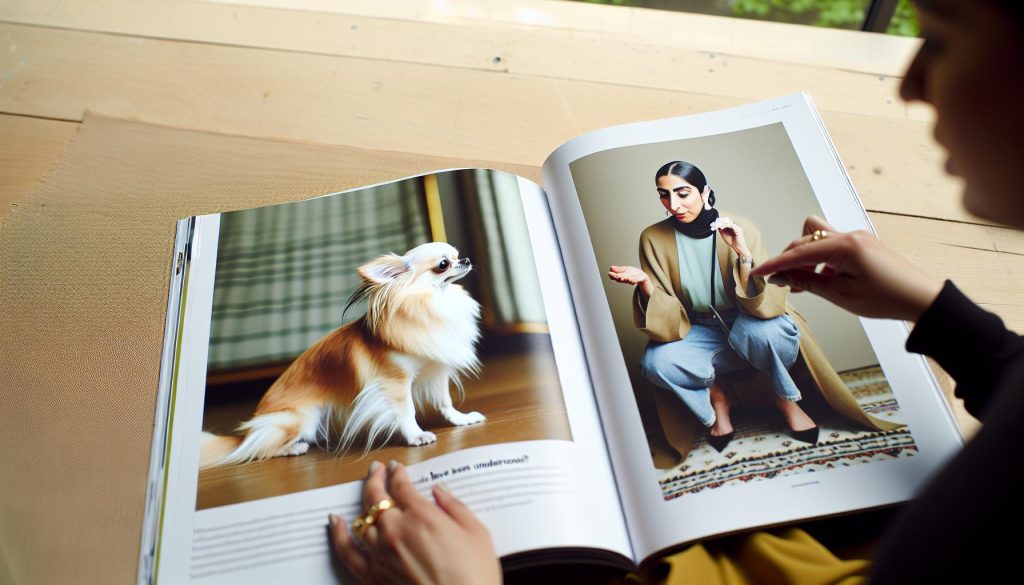
As a proud Chihuahua owner, you may have wondered about your little companion’s fur-specifically, whether they have an undercoat. Understanding a Chihuahua’s fur structure is not just a matter of curiosity; it impacts their grooming needs, comfort, and health. While Chihuahuas typically have a single layer of fur, knowing how this affects their sensitivity to temperature and grooming routines is crucial for first-time and seasoned owners alike. For example, whether your furry friend is a smooth coat or a long coat, the way you care for their coat can make all the difference in their quality of life. As we dive into the details of their fur, you’ll discover helpful insights that will enhance your bond with your tiny, vocal, and wonderfully bold Chihuahua. So, let’s unlock the secrets of their fur structure together and ensure your furry companion stays happy and healthy!
Do Chihuahuas Have an Undercoat? Understanding Coat Structure
Chihuahuas, known for their tiny stature and big personalities, have a coat structure that can vary significantly from one individual to another. When it comes to understanding whether your Chihuahua has an undercoat, it’s essential to recognize that this breed generally features either a short, smooth coat or a longer, flowing coat. Most Chihuahuas do not possess a true undercoat like some other breeds. Instead, they have a single layer of fur that can feel soft and plush but doesn’t provide the insulating layer typical of breeds with distinct undercoats.
Many owners may wonder about the implications of this coat structure on their Chihuahua’s health and comfort. Chihuahuas with smooth coats typically have less trouble with shedding and matting, making grooming somewhat easier. However, those with longer hair may benefit from a bit more care to prevent tangles and ensure skin health. Regardless of coat type, proper grooming is crucial; it not only maintains the coat’s appearance but also promotes skin health by increasing circulation and removing dead hair and skin.
To care for your Chihuahua’s coat effectively, regular brushing is key-this helps distribute natural oils and keeps the fur looking vibrant. For Chihuahuas with longer hair, consider using a slicker brush or a comb designed for tangles. Pay attention to seasonal changes; in warmer months, your dog may shed a bit more as they adapt to the heat. Always keep an eye on your furry friend’s skin for any signs of irritation or allergies, since their sensitivity, combined with improper grooming, can lead to larger problems. Offering a balanced diet rich in omega fatty acids can further enhance their coat health, ensuring they remain the vibrant, loyal companions we cherish.
The Unique Coat Types of Chihuahuas
Chihuahuas come in a delightful variety of coat types, each showcasing their unique personality and charm. Understanding these distinctions not only enhances your appreciation of this beloved breed but also informs how you care for your little companion’s coat. Generally, Chihuahuas are classified into two main categories based on their fur: *smooth coats* and *long coats*.
Smooth-Coated Chihuahuas
The smooth-coated Chihuahua features a sleek, short fur that lies flat against the body. This type is often appreciated for its low-maintenance grooming needs. With less fur to manage, you will find that they shed less frequently and are less prone to matting. However, their skin can be sensitive, so using a gentle brush periodically is still recommended to remove loose hairs and stimulate skin health. A common concern among owners is keeping their smooth-coated Chihuahuas warm in cooler weather, as their thinner coat provides minimal insulation. Cozy sweaters or coats can help keep your furry friend snug during chilly walks.
Long-Coated Chihuahuas
On the flip side, long-coated Chihuahuas sport a flowing, more dramatic coat that often requires a bit more effort in terms of grooming. Their hair can vary significantly in length and texture, making each long-haired Chihuahua unique. Regular brushing, typically with a slicker brush or a wide-toothed comb, is essential to avoid any tangles or mats that can form, especially around the ears and tail. Many owners enjoy the luxurious feel of a long-haired Chihuahua, but keep in mind that you’ll need to commit to a more rigorous grooming schedule to keep their coat lustrous and healthy.
Both types bring a distinctive flair to the Chihuahua breed, whether your heart is captivated by the sleek elegance of a smooth coat or the whimsical charm of a long, flowing mane. Additionally, there are variations within these categories, such as the apple-head Chihuahua, known for its larger round head and typically adorning a smooth coat, making them all the more endearing. Embrace the quirks of your individual Chihuahua; no matter the coat type, they share an abundance of personality that shines through in every wiggly wag and bold bark.
When considering adopting, think about whether you prefer a more straightforward grooming routine or are ready to dive into the world of long-haired beauty maintenance. Either way, a Chihuahua’s coat is just one of the many reasons these little dogs capture our hearts and become cherished family members. Regularly consulting with your veterinarian about grooming techniques and skin health can further enhance your understanding and care of your Chihuahua’s coat.
Exploring the Characteristics of Chihuahua Fur
Chihuahuas, with their vibrant personalities and diverse appearances, have fur that reflects their uniqueness. Understanding their coat structure can significantly impact how you care for them, especially when it comes to grooming and maintaining their health. Many owners wonder if their furry companion has an undercoat. In general, Chihuahuas do not have a traditional undercoat like some other breeds, which makes their grooming needs less complex but still essential for their well-being.
The coat of a Chihuahua is composed of two main types: smooth and long. Smooth-coated Chihuahuas feature short, glossy fur that lies flat against their body, providing a sleek appearance with minimal maintenance. Their fur is typically single-layered, making them less prone to matting and tangles. In contrast, long-coated Chihuahuas possess longer fur that can be straight or slightly wavy, often requiring more attention to keep it looking its best. Although both types may have some undercoat fluff, it is usually not dense, which is why grooming focuses more on regular brushing rather than heavy-duty maintenance.
When caring for a Chihuahua’s coat, it’s vital to consider seasonal changes. During warmer months, they may shed their fur more frequently due to heat regulation, while in colder seasons, their coat may thicken slightly. To prevent excess shedding and to promote healthy skin, regular brushing is necessary for both coat types. For smooth-coated Chihuahuas, a rubber grooming mitt or soft bristle brush can help remove loose hairs and stimulate their skin. Long-coated Chihuahuas, on the other hand, benefit from a slicker brush or a wide-toothed comb to avoid knots and maintain their luxurious texture.
In addition to grooming, diet plays a critical role in your Chihuahua’s coat health. Providing high-quality, balanced nutrition supports the skin’s health, enhances coat shine, and reduces the risk of skin issues. A diet rich in omega-3 and omega-6 fatty acids can promote a healthy, vibrant coat. If you ever notice changes in your Chihuahua’s fur, such as excessive shedding, dullness, or patchy areas, it may be a sign to consult your veterinarian. Taking proactive steps in grooming and nutrition will ensure your little companion’s coat remains as charming as their lively personality.
Why Coat Texture Matters for Chihuahua Health
Understanding the texture of your Chihuahua’s coat isn’t just about aesthetics; it plays a significant role in her overall health and comfort. The unique fur structure of Chihuahuas-whether smooth or long-coated-affects how they regulate body temperature, avoid skin conditions, and even maintain a bond with you as their owner. For instance, a healthy, well-maintained coat can keep her warm in the chilly months while also allowing her to stay cool during the summer, enhancing her ability to participate in play without overheating.
When it comes to coat texture, the difference between smooth and long coats is noteworthy. Smooth-coated Chihuahuas, with their short, glossy fur, typically require less grooming, making them easier to care for. However, even they benefit from regular brushing, which not only helps remove loose hair but also stimulates the skin and maintains its health. On the other hand, long-coated Chihuahuas need a bit more love in the grooming department. Their fur can trap dirt and debris, leading to potential skin infections if not managed properly. Regular brushing prevents mats and tangles, allowing air to circulate through their coat, which promotes skin health.
Health Implications of Coat Texture
A Chihuahua’s coat is a reflection of her overall health. If you notice changes in her coat texture-such as dullness, excessive shedding, or bald patches-these could signal underlying health issues. For example, poor nutrition can lead to a lackluster coat, and skin irritations might stem from allergies or parasites. Owners often find that a diet enriched with omega-3 and omega-6 fatty acids and high-quality proteins supports healthier skin and a shinier coat.
Moreover, understanding your Chihuahua’s coat can prevent unnecessary discomfort. A thick, tangled coat may irritate her skin, causing scratching or biting, which can lead to more severe issues. Regular grooming sessions not only help maintain a good-quality coat but also allow you to bond with her, reducing stress and enhancing the trust between you. Remember, investing time in your Chihuahua’s grooming routine pays off in the long run, helping her live a healthier, happier life while showcasing her beautiful personality.
How to Identify an Undercoat in Your Chihuahua
Determining whether your Chihuahua has an undercoat involves a bit of observation and a gentle touch. While their unique fur structure varies between smooth and long-coated varieties, many Chihuahuas possess an undercoat that plays a vital role in regulating their body temperature and aiding in skin health. Familiarizing yourself with the feel of your dog’s coat is essential, as this can help you identify underlying conditions that may need attention.
To start, gently part your Chihuahua’s fur with your fingers. For those with a long coat, you may need to brush the top layer aside first. Look for a soft, dense layer of fur beneath the top coat, which is your Chihuahua’s undercoat. This undercoat is typically finer and softer than the outer layer and will be more apparent during seasonal shedding, when clumps of the undercoat might be visible on your grooming brush or around your home. Keep an eye out for the overall density of the coat. If you can easily feel the skin through the top layer, it may indicate your Chihuahua is either lacking an undercoat or experiencing shedding due to stress, illness, or diet deficiencies.
Additionally, consider the breed variations. Apple-headed Chihuahuas, for example, might exhibit slightly different coat structures compared to their deer-headed counterparts. Long-coated Chihuahuas tend to have a more noticeable undercoat as their soft, fine hair provides insulation. On the other hand, smooth-coated Chihuahuas usually have less pronounced undercoats, but they may still possess a layer of fine fur for warmth.
While assessing your dog’s coat, also pay attention to any signs of discomfort. If your Chihuahua is scratching excessively or seems to be bothered, examining the coat structure for any irregularities-like matting or bald patches-can be insightful. Regular grooming not only helps you maintain their coat but also provides a great opportunity for you to bond with your furry friend. Plus, it ensures their comfort by preventing tangles and mats that can irritate their skin. Embrace these moments; they’re as nurturing for you as they are for your beloved Chihuahua!
Care Tips for Maintaining Your Chihuahua’s Coat
Maintaining your Chihuahua’s coat is essential for their overall health and comfort, especially when you consider their unique fur structures. With their lively personalities and diverse coat types, keeping their fur looking great and feeling soft is a rewarding task. Regular grooming not only helps manage any shedding and keeps their coat neat but also gives you a chance to bond with your furry companion. Whether you have a smooth or long-coated Chihuahua, here are some practical tips to ensure their coat remains in top condition.
Grooming Essentials
Invest in a few quality grooming tools that suit your Chihuahua’s coat type. For long-haired varieties, a slicker brush helps detangle and remove loose hair, while a bristle brush can distribute natural oils, promoting a healthy shine. Smooth-coated Chihuahuas benefit from an occasional rub with a rubber brush or grooming mitt, which can remove dead hair and stimulate their skin without irritating it. Always approach grooming gently to make it a positive experience. If your Chihuahua is a bit unsure, rewarding them with treats can help them associate grooming with something pleasant.
Bathing Frequency
While Chihuahuas don’t require frequent baths, when they do get dirty, using a gentle, dog-specific shampoo helps maintain their coat’s health. Aim for bathing every 4 to 6 weeks, but adjust this depending on their activity level and skin condition. After bathing, ensure you thoroughly dry your Chihuahua, as moisture trapped in their fur can lead to skin issues. Pay special attention to areas such as their ears and between their toes.
Diet and Coat Health
What your Chihuahua eats directly affects the quality of their coat. A balanced diet rich in omega fatty acids can dramatically improve their coat texture and overall appearance. Consider high-quality dog foods designed for small breeds, and don’t hesitate to consult your vet about supplements if you notice changes in your dog’s coat or skin condition.
Seasonal Considerations
Be mindful of seasonal shedding patterns in your Chihuahua. During these periods, increased brushing may be necessary to manage loose fur effectively, especially for long-haired Chihuahuas. Regular de-shedding sessions can keep your home cleaner while ensuring your dog remains comfortable. If your Chihuahua starts to scratch excessively or shows signs of irritation, it might be worth checking for underlying skin issues or allergens.
By nurturing your Chihuahua’s coat with these care tips, you’ll not only enhance their appearance but also contribute to their comfort and well-being. Remember, grooming should be a fun and bonding experience, so embrace the time spent together as you keep your precious pup looking their best!
Common Grooming Mistakes Chihuahua Owners Make
When it comes to caring for Chihuahuas, grooming is one aspect that owners often find surprisingly complex. With their distinctive coat types-both long and smooth-Chihuahuas require special attention to avoid costly mistakes that can affect their well-being and coat health.
One common error is overlooking the importance of regular brushing. Many owners think that because their Chihuahua has a short coat, they don’t need to brush it often. However, even smooth-coated Chihuahuas benefit from regular grooming to remove loose hair and distribute natural oils, ensuring a healthy shine. Long-haired varieties, on the other hand, require daily brushing to prevent matting and tangles, especially around the ears and legs. Skipping this step can lead to uncomfortable knots that may require more intensive grooming or even a trip to the groomer.
Another mistake is using the wrong grooming tools. Some owners might opt for a brush that their friends recommend without considering their own dog’s specific coat type. For instance, a slicker brush works wonders on long-haired Chihuahuas by untangling knots, while a bristle brush is ideal for short-haired versions to promote a sleek finish. Always choose tools that match your Chihuahua’s unique fur structure to avoid damaging their coat or skin.
Additionally, many novice Chihuahua owners bathe their dogs too frequently, thinking that it will keep their coat healthier. Chihuahuas have sensitive skin, and over-bathing can strip their natural oils, leading to dryness and irritation. Aim for a bath every 4 to 6 weeks unless they get particularly dirty or start to smell. When you do bathe, remember to use a gentle, dog-specific shampoo to protect their delicate skin.
Lastly, neglecting to monitor seasonal shedding is a common pitfall. During shedding season, you might notice an increase in loose fur. Be proactive by increasing the frequency of brushing sessions to keep your home tidy and help your furry friend stay comfortable. Many owners find that investing in a de-shedding tool can make this task more manageable.
By avoiding these common grooming mistakes, you can ensure that your Chihuahua remains not only looking their best but also feeling comfortable in their skin. Regular, attentive grooming is an excellent way to bond with your pup, and it helps them shine in all their tiny glory!
Understanding Seasonal Shedding Patterns in Chihuahuas
Chihuahuas, despite their tiny stature, can pack a surprising coat management challenge, especially during seasonal shedding periods. Understanding how and when your Chihuahua sheds can help you prepare for these times and keep your home and your furry friend comfortable. Living in different climates or environments affects shedding patterns, but generally, Chihuahuas experience two major shedding seasons each year: in the spring and fall. During these times, shedding is more pronounced as they transition from their thicker winter coat to a lighter summer coat, and vice versa.
Chihuahuas with short coats might not seem like they shed much, but don’t be fooled-those little furballs can leave a surprising amount of hair behind! Owners often report increased shedding in the warmer months, prompted by rising temperatures and changing daylight hours. This is a natural response to help maintain body temperature. Conversely, as temperatures drop, you may find your Chihuahua growing a bit more fluff, especially if their genetic lineage leans toward those with an undercoat. For Chihuahua owners, this means gearing up for more frequent grooming sessions.
To effectively manage seasonal shedding, regular brushing is essential. Aim to brush your Chihuahua at least a few times a week during shedding seasons. This not only helps to collect loose fur, preventing it from carpeting your floors and furniture, but also promotes a shiny and healthy coat. Using the right brush is important; for smooth-coated Chihuahuas, a bristle brush can help smooth the topcoat, while a slicker brush is perfect for long-haired beauties, ensuring any knots are gently removed.
Consider investing in high-quality grooming tools, including a de-shedding tool or undercoat rake, especially if your Chihuahua has a thicker coat. Many owners have found these tools invaluable in managing the increased shedding that accompanies seasonal changes. And don’t forget nutrition plays a crucial role; ensuring your Chihuahua gets a balanced diet rich in omega fatty acids can support a healthy coat, minimizing both shedding and skin issues. By being proactive and attentive during shedding seasons, you can enjoy the delightful quirks of your Chihuahua without the stress of excessive fur around your home.
The Role of Diet in Chihuahua Coat Health
A well-balanced diet is crucial for the overall health and well-being of your Chihuahua, and this is especially true for her coat. Chihuahuas may be small, but they exhibit a variety of coat types that require specific nutrients to maintain their luxurious look and feel. Just like humans, Chihuahuas need a range of vitamins, minerals, and fatty acids to support skin health and reduce shedding. A nutritious diet can lead to a shiny, vibrant coat while preventing common skin issues that can affect the breed.
One of the essential components of your Chihuahua’s diet should be omega-3 and omega-6 fatty acids. These beneficial fats contribute to skin hydration and elasticity. Frequently found in fish oil and flaxseed oil, omega fatty acids don’t just help your furry friend maintain a beautiful coat, they also play a role in reducing inflammation and improving overall health. A diet rich in these fatty acids can keep your dog’s undercoat (if she has one) and topcoat in optimal condition, helping her transition comfortably through shedding seasons.
Chihuahua owners often share their success stories regarding dietary changes that positively impacted their pets’ coats. For example, one owner noticed that after incorporating a high-quality kibble specifically formulated for small breeds into her dog’s meals, the shedding decreased significantly. Meanwhile, other owners advocate for adding raw fruits and vegetables, such as carrots and spinach, to provide extra vitamins and antioxidants that contribute to skin and coat health.
Understanding what goes into your Chihuahua’s bowl can also help you avoid common grooming mistakes. For instance, opting for food filled with fillers or artificial preservatives might not give your pup the nutrients her body needs for a thriving coat. Reading labels and choosing brands that prioritize natural ingredients will lead to better health outcomes.
In summary, focusing on a well-balanced diet stocked with omega fatty acids, high-quality proteins, and natural additives can dramatically enhance your Chihuahua’s coat health. As you explore grooming routines, remember that what goes into her body is just as crucial as how you keep her coat brushed and tidy. By nurturing her from the inside out, you’ll not only enjoy a stunning coat but also ensure she’s healthy, happy, and ready for all the adventures you love to share together.
Signs of Skin Issues: When to See a Vet
It’s vital for every Chihuahua owner to understand the signs of skin issues, as they can significantly affect your dog’s overall health and comfort. While Chihuahuas generally have resilient coats, their skin can still suffer from various conditions like allergies, infections, or parasitic infestations. Recognizing early symptoms ensures you can act quickly, leading to better outcomes for your beloved pet.
Start by monitoring your Chihuahua for common signs of skin problems. Excessive scratching or biting at the skin, especially around the face, paws, and belly, can indicate irritations or allergies. Pay attention to redness, swelling, or hot spots on the skin, which may be associated with infections or localized allergic reactions. Furthermore, if you notice any changes in her fur, such as patchy hair loss or unusual texture, this could signal dermatological issues that need to be addressed.
Another key factor involves observing odor. A strong, unpleasant smell coming from your Chihuahua could indicate an underlying skin infection or issue. If you detect any unusual odors along with changes in her behavior, such as lethargy or changes in appetite, these could point to an urgent health problem requiring veterinary attention. Always keep an eye on her skin’s condition, particularly in sensitive breeds like the Chihuahua, who can be prone to skin sensitivities.
If you see any of these symptoms, don’t hesitate to consult your veterinarian. Early intervention is crucial to effectively treat skin conditions and can prevent more severe health complications. As a devoted Chihuahua parent, your attentiveness to these signs will help ensure your tiny companion remains vibrant, healthy, and happy. Remember, your vet is an invaluable resource in keeping your Chihuahua’s skin and coat in top condition, allowing both of you to enjoy life together without worry.
Comparing Chihuahuas with and Without Undercoats
Chihuahuas are known for their vibrant personalities, but did you know that their coats can vary significantly in structure? Some Chihuahuas have an undercoat, while others do not, and this can impact everything from grooming needs to overall health. Understanding the differences between those with undercoats and those without can help you make informed decisions about your Chihuahua’s care.
Chihuahuas with an undercoat generally have a fuller, fluffier appearance, especially during colder months. This layer of soft hair helps insulate them, keeping them warmer when temperatures drop. Conversely, Chihuahuas without an undercoat-often referred to as “smooth coat” Chihuahuas-have a sleeker look and are typically easier to groom. They shed less than their long-haired counterparts and may be preferable for owners who want a minimal grooming routine. However, these short-haired Chihuahuas may require extra precautions in colder climates as they lack that insulating layer.
When considering grooming practices, Chihuahuas with an undercoat will need more frequent brushing to manage tangles and reduce shedding. Regular grooming sessions can help prevent mats in the undercoat, which can lead to skin issues if left untreated. On the other hand, smooth coat Chihuahuas still benefit from occasional brushing to remove loose hair and debris, but their maintenance is generally less demanding. It’s also important to note that while both types can experience skin sensitivities, those with undercoats may be more prone to issues associated with moisture and heat retention in the fur.
Ultimately, the presence or absence of an undercoat in your Chihuahua can influence not just their appearance but also their health and comfort. By understanding these differences, you can better cater to your furry friend’s needs, ensuring they remain happy and healthy throughout their life. Remember, regardless of coat type, regular veterinary check-ups and attentive grooming play crucial roles in your Chihuahua’s overall well-being.
Expert Tips for Choosing Chihuahua Grooming Products
When it comes to grooming your Chihuahua, choosing the right products can make all the difference for his coat health and appearance. With their unique fur structure-some with an undercoat and some without-finding the ideal grooming tools and products is essential for keeping your little guy looking his best. Remember, a well-groomed Chihuahua not only feels comfortable but also shows off that vibrant personality you’ve come to adore.
First, consider the type of coat your Chihuahua has. For those with an undercoat, opting for a slicker brush is a fantastic choice. This type of brush can effectively penetrate through the dense undercoat to remove loose hairs and prevent mats. When I was looking after Bella, my long-haired sweet pea, frequent slicker brushing helped keep her coat fluffy and tangle-free, especially during shedding season. For short-haired Chihuahuas, a rubber grooming mitt can work wonders. This gentle tool not only helps remove loose hair but also stimulates the skin, promoting a healthy shine without irritating delicate skin.
Next, pay attention to shampoos and conditioners. It’s crucial to select products specifically formulated for dogs, ideally free from harsh chemicals and fragrances. Look for natural ingredients that hydrate and soothe, particularly for those with sensitive skin, which is common in Chihuahuas. A moisturizing shampoo can help maintain skin integrity and coat softness. I found that using an oatmeal-based shampoo on my friend’s short-haired pup, Max, did wonders for his skin, especially after he experienced some dryness.
Lastly, don’t overlook the importance of nail clippers and dental products. Keeping your Chihuahua’s nails trimmed is vital for their comfort and health. Choose a pair designed for small breeds to ensure a safe and effective trim. Dental hygiene is equally essential, as Chihuahuas are prone to dental issues. Look for toothpaste made specifically for dogs, and consider using dental chews to maintain oral health.
In summary, the right grooming products can significantly impact your Chihuahua’s coat health and your grooming routine’s ease. Always remember to assess your pup’s unique grooming needs, as a well-groomed Chihuahua is a happy one!
Q&A
Q: What is the difference between a Chihuahua with an undercoat and one without?
A: Chihuahuas with an undercoat, typically have a softer, denser fur that offers extra insulation. In contrast, those without an undercoat may have a single layer of fur that feels coarser and doesn’t provide as much warmth, making them more susceptible to temperature changes. For more details, refer to the section on Comparing Chihuahuas with and Without Undercoats.
Q: How can I tell if my Chihuahua has an undercoat?
A: To identify an undercoat in your Chihuahua, gently part the outer layer of hair. Look for shorter, fluffy hairs underneath. This undercoat is denser and softer than the topcoat. For additional tips, check out How to Identify an Undercoat in Your Chihuahua.
Q: Why is my Chihuahua shedding excessively?
A: Excessive shedding in Chihuahuas could be caused by seasonal changes, allergies, or dietary issues. Ensure your dog is on a proper diet and consult your vet if shedding seems abnormal, as it can indicate a skin issue. Look into Understanding Seasonal Shedding Patterns in Chihuahuas for further insights.
Q: How does diet affect my Chihuahua’s coat health?
A: A balanced diet rich in omega fatty acids can improve your Chihuahua’s coat health, leading to a shinier and healthier appearance. Incorporating high-quality dog food with essential nutrients supports both skin and fur. For more guidance, see The Role of Diet in Chihuahua Coat Health.
Q: When should I seek veterinary help for my Chihuahua’s skin issues?
A: Seek vet assistance if you notice signs like redness, itching, or unusual hair loss. These symptoms could indicate allergies or infections. Early intervention is key to addressing potential health concerns. Refer to Signs of Skin Issues: When to See a Vet for more information.
Q: What grooming products are best for Chihuahuas?
A: The best grooming products for Chihuahuas include gentle shampoos, soft brushes, and conditioners designed for small breeds. Always choose products that suit your Chihuahua’s specific coat type. For recommendations, check out Expert Tips for Choosing Chihuahua Grooming Products.
Q: Do Chihuahuas need specialized grooming routines?
A: Yes, Chihuahuas benefit from a regular grooming routine that includes brushing to reduce shedding and maintain coat health. Specific needs may vary based on their coat type. For detailed care instructions, see Care Tips for Maintaining Your Chihuahua’s Coat.
Q: Can Chihuahuas with an undercoat adapt better to colder climates?
A: Yes, Chihuahuas with an undercoat generally adapt better to cold weather due to their extra insulation. However, protecting all Chihuahuas from extreme temperatures is crucial. To learn more about coat characteristics, visit The Unique Coat Types of Chihuahuas.
To Wrap It Up
Now that we’ve explored whether Chihuahuas have an undercoat and uncovered the details of their unique fur structure, you might be wondering how to best care for your tiny companion. Remember, understanding his coat not only helps with grooming but also supports his health and comfort. If you’re interested in learning about the best grooming practices or common health concerns for Chihuahuas, check out our articles on Chihuahua grooming tips and common health issues.
Your Chihuahua’s quirky behavior and bold personality make him an extraordinary companion. Celebrate those traits by ensuring he’s well-cared for and loved! If you found this information helpful, consider signing up for our newsletter for more insights into Chihuahua care, behavior, and more, right at your fingertips.
Don’t hesitate to leave a comment below! Share your thoughts, your own experiences with grooming your Chihuahua, or any questions you have. Your feedback not only helps us improve but also builds a community of Chihuahua enthusiasts eager to learn from one another.
Get our latest guides, news, and insights highlighted in your Google Search & AI Overviews.