
Did you know that the state of Chihuahua, home to the beloved Chihuahua breed, is one of the largest in Mexico? Covering a vast area of 247,455 square kilometers (95,543 square miles), it offers a rich tapestry of terrain and culture. Understanding the size of Chihuahua can help you appreciate the diverse environments your little companion hails from. Chihuahuas, with their bold personalities and tiny frames, bring joy to countless families, but knowing the context of their origins can deepen your connection. This guide will explore not just the measurements but also the vibrant culture and history that shape this fascinating state. By the end, you’ll not only know “Cuanto Mide Chihuahua,” but also gain insights into the environment that creates such unique little dogs. Dive in to discover the world of Chihuahua-both the state and the breed-and celebrate the quirks that make them special!
Size and Geography of Chihuahua State
Chihuahua State, the largest state in Mexico, spans an impressive area of approximately 247,455 square kilometers (95,543 square miles). This vast territory not only highlights its sheer size but also showcases a diverse range of landscapes, from rugged mountains and expansive deserts to fertile valleys. The Sierra Madre Occidental mountain range runs through the state, providing dramatic vistas and a variety of ecosystems that support unique flora and fauna. In contrast, the desert regions present a stark yet beautiful environment, characterized by arid conditions and resilient plant species, creating a striking backdrop to the state’s cultural heritage.
Understanding the geography of Chihuahua is crucial for grasping its historical significance and contemporary challenges. The state’s geographical diversity has influenced settlement patterns and economic activities, with major urban centers such as Chihuahua City and Ciudad Juárez located strategically along key transportation routes. These cities serve as hubs for commerce, trade, and cultural exchange, reflecting the state’s critical role within both national and international contexts. Moreover, Chihuahua borders the United States, which adds another layer of significance to its geographic position, facilitating cross-border interactions and economic cooperation.
In terms of natural resources, Chihuahua is endowed with rich deposits of minerals and agricultural land, making it an important player in Mexico’s economy. The varied landscape enables diverse agricultural production, ranging from crops in irrigated valleys to extensive ranching in more arid regions. Understanding how these resources shape local lifestyles and economies is essential for appreciating the environmental and social dynamics of the state. Overall, the interplay between size, geography, and resource availability not only defines Chihuahua’s physical identity but also influences its cultural and economic narratives, making it a unique and vital part of Mexico.
Understanding Chihuahua’s Diverse Landscapes

Chihuahua’s landscapes are as diverse as they are captivating, offering a stunning blend of ecosystems that cater to a wide array of flora and fauna. From the dramatic heights of the Sierra Madre Occidental to the arid stretches of the Chihuahuan Desert, the state presents a rich tapestry of natural beauty that influences both its environment and its inhabitants. The geographical features not only shape the physical identity of Chihuahua but also play a fundamental role in the economic activities, cultural practices, and lifestyle choices of its people.
The Sierra Madre Occidental mountain range runs through the western part of the state, creating cool, forested areas that contrast sharply with the surrounding deserts. This mountain belt is not just a geographical landmark; it is home to a variety of wildlife and plant species, some of which are endemic to the region. The elevation changes foster microclimates that impact local agriculture, allowing farmers to grow diverse crops in the fertile valleys formed by rivers that flow down from the mountains. Key examples include the cultivation of apples and peaches, which thrive in the cooler mountain climate, providing a refreshing contrast to the arid surroundings.
In stark contrast are the sprawling deserts of Chihuahua, particularly notable for their mesmerizing landscapes filled with unique geological formations and resilient flora. Cacti and other drought-resistant plants dominate these areas, illustrating nature’s adaptability. The desert ecosystem, while seemingly barren, is teeming with life, from small mammals to reptiles, showcasing the state’s biological diversity. These harsh yet beautiful environments attract nature enthusiasts and researchers alike, presenting opportunities for hiking, wildlife observation, and education about desert ecology.
Moreover, the interplay between rugged terrain and urban development is striking in Chihuahua. Major cities like Chihuahua City and Ciudad Juárez have blossomed in these diverse landscapes, reflecting how urbanization interacts with the natural world. These urban centers serve not only as economic hubs but also as cultural melting pots, where traditions from the surrounding rural areas blend with modern influences. This reflects a unique cultural heritage that is deeply rooted in the geography of the land.
The diverse landscapes of Chihuahua are not only significant for their beauty but also for their role in shaping the state’s identity. Understanding these varied terrains helps appreciate how they influence local culture, economy, and community dynamics, making Chihuahua a truly unique state within Mexico.
Historical Context: How Chihuahua’s Size Evolved
Chihuahua’s expansive size, measuring approximately 247,455 square kilometers (95,542 square miles), is a result of centuries of historical changes that shaped its boundaries and land use. The state occupies a significant portion of northern Mexico, and its development has been strongly influenced by various historical events, geopolitical factors, and cultural dynamics. Understanding how Chihuahua’s size evolved gives insight into its current status as not only one of the largest states in Mexico but also a rich tapestry of culture and history.
Historically, the land that is now Chihuahua was inhabited by numerous Indigenous groups, including the Tarahumara, Rarámuri, and Jumano peoples. These communities thrived in various regions of what would eventually become Chihuahua, utilizing the diverse landscapes for agriculture, trade, and sustenance. The Spanish conquest in the 16th century marked a pivotal shift in land ownership and usage. Colonial powers claimed vast swathes of land, establishing haciendas and exploiting natural resources, which laid the groundwork for social and economic structures that would persist for centuries.
As Mexico sought to establish its nationhood in the 19th century, Chihuahua became a significant focal point due to its strategic location bordering the United States. The Texas Revolution and subsequent events, including the Mexican-American War, influenced the boundaries of Chihuahua, which underwent a series of territorial adjustments. The Gadsden Purchase in 1854 altered Chihuahua’s borders further, as parts of its territory were ceded to the United States, shaping its size and political relevance.
In the modern era, Chihuahua has continued to develop, navigating through industrialization and urbanization. The establishment of cities like Chihuahua City and Ciudad Juárez has transformed the state’s demographic and economic landscape, leading to urban sprawl. Rural areas are increasingly integrated into the economic fabric of the state, as agriculture, manufacturing, and trade thrive, fueled by a mix of historical legacy and modern necessities. Thus, the evolution of Chihuahua’s size is not just a matter of geography but reflects the complex interplay of history, culture, and economic development.
Comparative Analysis: Chihuahua vs. Other Mexican States
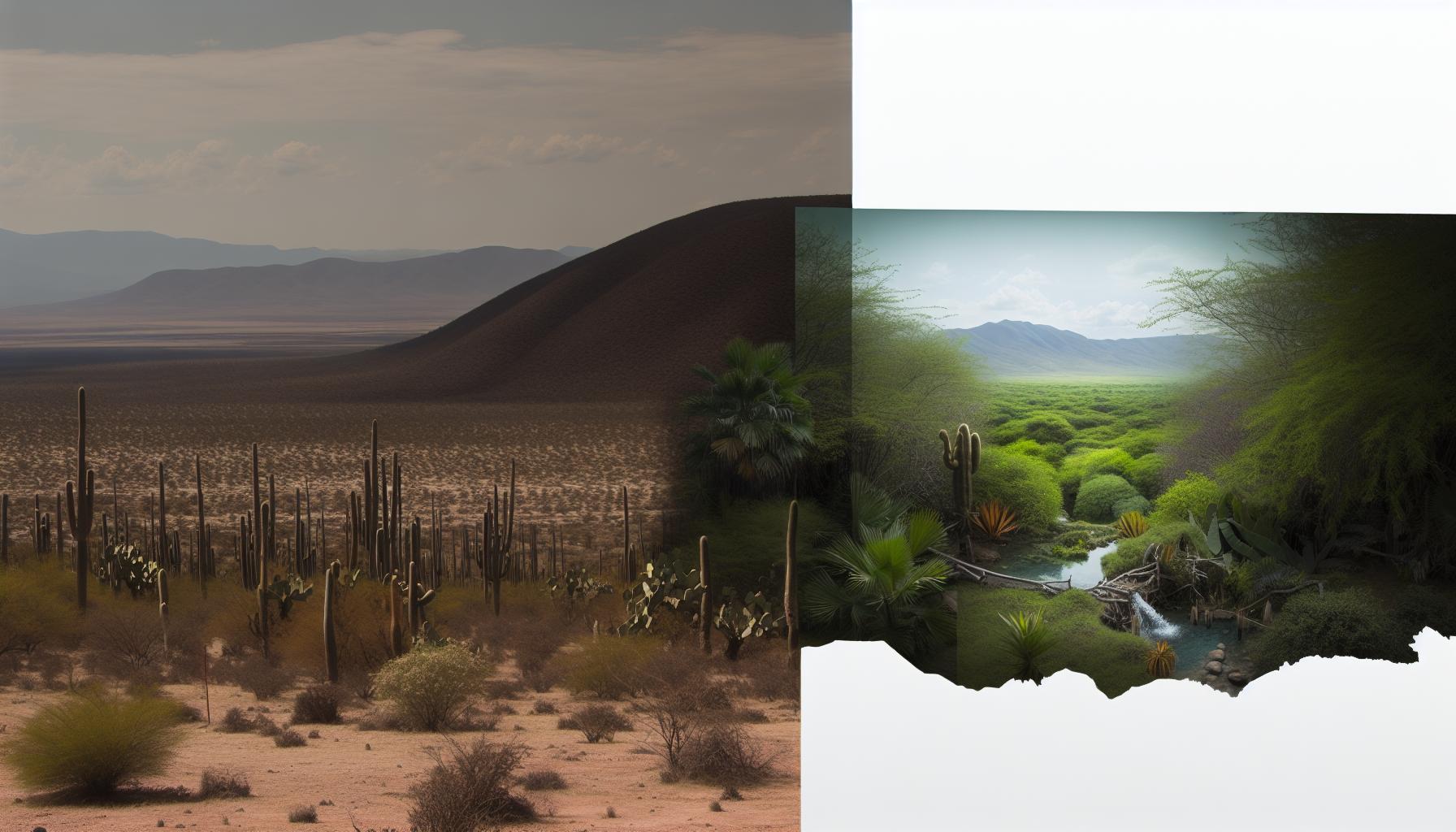
Chihuahua is a colossus in the landscape of Mexican states, both in size and significance. Covering approximately 247,455 square kilometers, it surpasses many smaller Mexican states, creating a striking contrast when compared to others such as Tlaxcala, which is the smallest at around 4,016 square kilometers. This vastness not only makes Chihuahua the largest state in Mexico but also a unique amalgamation of desert, mountains, and fertile valleys, distinguished by diverse ecological zones and rich historical narratives.
While Chihuahua stands out for its size, the comparative geographical diversity also highlights stark differences in climate and urbanization across Mexican states. States like Jalisco or Puebla, while smaller, boast significant agricultural productivity and urban centers with historical relevance. In contrast, Chihuahua’s large land area contributes to varied climates; the western mountains provide cool, temperate zones, whereas the eastern regions experience more arid desert conditions. This climatic diversity impacts economic activities, where Chihuahua’s agriculture often focuses on extensive livestock and cultivation of crops suited for its varied climates.
Urbanization presents another compelling point of comparison. Chihuahua’s major cities, like Chihuahua City and Ciudad Juárez, cater to a population that reflects the state’s extensive geography. In contrast, more densely populated states like Mexico City enjoy a high concentration of urban facilities and services. The interplay between urbanization and rural development in Chihuahua illustrates a balance that many smaller states may not face; rural areas are significant contributors to the economy through agriculture and mining, which remains less common in tightly packed urban states.
In summary, Chihuahua’s expansive size is not just a figure; it manifests in the state’s cultural richness, ecological diversity, and economic potential. Each Mexican state offers a distinct identity shaped by its size and geography. Understanding these differences is essential for appreciating how Chihuahua fits into the broader tapestry of Mexico, offering a reminder of the diversity within the nation’s borders. As one ventures through its varied landscapes, the vastness of Chihuahua becomes a canvas illustrating the beautiful complexity of Mexico itself.
Chihuahua’s Population Density and Urban Areas

Chihuahua’s vast landscape also plays a significant role in its population density and urban development, creating a unique dynamic across its cities and rural areas. With a land area of approximately 247,455 square kilometers, Chihuahua is not only the largest state in Mexico but also one of the most sparsely populated, presenting a fascinating juxtaposition of expansive territory with varying population hubs.
The largest city, Chihuahua City, serves as the state capital and showcases urban characteristics typical of larger metropolitan areas, such as educational institutions, cultural venues, and commercial centers. It hosts a growing population that contributes to a rich community life. In contrast, Ciudad Juárez, located along the U.S.-Mexico border, exhibits a vibrant industrial economy and a denser population. These urban centers are characterized by their infrastructure, which includes roads and public transportation, aiming to connect rural and urban areas effectively.
In addition to urban centers, a significant aspect of Chihuahua’s demographics is the rural population, which is integral to the state’s economy through agriculture and livestock farming. Many smaller towns and communities dot the rural landscape, where traditional lifestyles persist. These areas provide a stark contrast to the bustling urban locales, offering a range of experiences-from tranquil ranches to cultural festivities that celebrate local heritage.
This diverse population distribution leads to varying social dynamics, where urban areas tend to demand more resources and services, while rural communities focus on agriculture and natural resource management. As cities like Chihuahua and Juárez continue to expand, they face challenges related to urban sprawl, infrastructure demands, and maintaining a balance with the surrounding rural geography. This interplay of urban and rural growth is critical in shaping the identity of Chihuahua and its place within the broader Mexican context.
Major Cities in Chihuahua: Key Characteristics
Chihuahua State’s vast expanse is home to several cities that not only contribute to its economic vitality but also reflect the unique cultural tapestry of the region. Among these, Chihuahua City and Ciudad Juárez stand out as key urban centers, each with distinct characteristics that shape the state’s identity and growth.
Chihuahua City, the state capital, boasts a rich historical background that resonates through its colonial architecture and vibrant cultural scene. As the largest city in the state, it serves as a hub for education and commerce, with institutions like the Autonomous University of Chihuahua fostering academic development. The city’s lively plazas, such as Plaza de Armas, are perfect for social gatherings, emphasizing the community spirit of its residents. Furthermore, its strategic location makes it an essential center for trade and industry, attracting a diverse population and creating a dynamic labor market.
In contrast, Ciudad Juárez, located directly on the border with the United States, presents a unique blend of cultures and economies. Known for its bustling manufacturing sector, often referred to as “maquiladoras,” Juárez has a significantly higher population density than its counterpart. This industrial boom has led to rapid urban growth, which brings both opportunities and challenges. The city’s vibrant nightlife, marked by its lively markets and restaurants, showcases its rich culinary traditions, while also reflecting the resilience and adaptability of its inhabitants. The border crossing into El Paso is one of the busiest in the world, making Ciudad Juárez crucial for international trade and cultural exchange.
Smaller towns and communities also play a vital role in Chihuahua’s overall landscape. Places like Cuauhtémoc and Parral are characterized by agricultural production and rich traditions. Cuauhtémoc, known for its apple orchards, celebrates its annual Apple Fair, drawing tourists and locals alike to partake in the festivities. Similarly, Parral, with its silver mining history, highlights the state’s diverse heritage through its museums and historical tours.
Chihuahua’s urban centers demonstrate the balance between economic growth and cultural preservation, creating a dynamic interplay between their bustling activities and rich traditions. Each city’s unique characteristics contribute to the larger narrative of a state that thrives on its diversity, making it a fascinating place for both residents and visitors. As these cities evolve, they continue to shape the identity of Chihuahua, weaving the past into the promise of the future.
Natural Resources and Land Use in Chihuahua
Chihuahua is a land of vast, diverse landscapes and rich natural resources that play a crucial role in its economy and ecology. Spanning over 247,000 square kilometers, it is not only the largest state in Mexico but also hosts a variety of ecosystems, from desert landscapes to fertile valleys. The strategic utilization of these natural assets is vital for both sustainable development and the well-being of its communities.
The state’s natural resources include substantial mineral deposits, particularly silver and copper, which historically supported its mining industry. Silver mining has been a cornerstone of the Chihuahua economy, notably in towns such as Hidalgo del Parral and Santa Eulalia, where the legacies of prosperous mining eras are still visible in the local architecture and culture. Additionally, Chihuahua’s rich soil in areas like the Sierra Tarahumara supports agriculture and livestock farming, with crops including apples-especially in the Cuauhtémoc region-corn, and various vegetables helping to sustain local and export markets.
Water is another critical resource for the state, essential for agriculture and urban consumption. The Río Conchos, the principal river system in Chihuahua, alongside numerous reservoirs and irrigation systems, supports both farming and provides drinking water to its cities. However, managing this resource effectively is a challenge, particularly in light of recurrent droughts and climate change that threaten rainfall patterns and water availability.
Land use in Chihuahua reflects its geographical diversity. Urbanization has led to expanding cities like Chihuahua City and Ciudad Juárez, where industrial activities and housing developments are increasingly encroaching on agricultural land. However, many rural areas continue to prioritize agriculture and livestock. In these spaces, community initiatives and government projects aim to balance growth with conservation, promoting practices such as sustainable farming and protected areas to preserve biodiversity.
As Chihuahua evolves, recognizing and harnessing its natural resources while safeguarding the environment will be key to its future. This commitment to sustainability is not only essential for economic resilience but also enriches the cultural heritage and the quality of life for all Chihuahuans.
Tourism Attractions: Size and Significance
Chihuahua’s vast size and diverse landscape make it a treasure trove for tourists seeking unique experiences. Stretching over 247,000 square kilometers, the state is not just Mexico’s largest; it’s a canvas of dramatic mountains, expansive deserts, and vibrant cultural hubs. From the stunning canyons of the Sierra Tarahumara to the bustling streets of Ciudad Juárez, Chihuahua offers countless attractions that showcase its natural beauty and rich heritage.
Nature lovers will find solace in the Copper Canyon, one of the most impressive geological formations in the world, significantly larger than the Grand Canyon. Here, visitors can explore hiking trails, take scenic train rides on the Chepe, or immerse themselves in local Rarámuri culture. In contrast, those drawn to urban life can indulge in the lively atmosphere of Chihuahua City, the state capital, which boasts historic architecture like the majestic Palacio de Gobierno and a thriving culinary scene featuring traditional dishes such as burritos and carne asada.
For families and history buffs, a visit to the historical center of the state presents opportunities to explore museums and monuments that narrate the storied past of this region. Notable sites include the Grutas de Eenis where stunning rock formations tell tales of ancient geological processes, and the historic towns of Hidalgo del Parral, known for its silver mining heritage, and Casas Grandes, renowned for its archaeological ruins and connections to ancient civilizations.
The size of Chihuahua not only enhances its variety of tourist attractions but also influences its tourism infrastructure. Efforts to promote sustainable tourism aim to protect the region’s natural resources while offering visitors authentic experiences. From eco-tourism initiatives to cultural exchanges with local communities, tourists can experience the depth of Chihuahua in a way that respects its environment and traditions, making visits truly enriching and memorable.
Impact of Size on Chihuahua’s Culture and Heritage
Chihuahua’s vast landscape is not just impressive in size; it profoundly impacts the culture and heritage of the region. This large geographic area, spanning over 247,000 square kilometers, fosters a rich tapestry of traditions, languages, and customs that reflect the diverse environments within the state-from arid deserts and majestic mountains to lush valleys. In such a setting, local communities have developed unique cultural expressions that are intimately tied to their surroundings, making the state a vibrant hub of Mexican heritage.
The sheer size of Chihuahua allows for a multitude of indigenous groups, each with distinct languages and customs, to thrive. The Tarahumara, Rarámuri, and Nahua peoples, among others, contribute to the cultural richness through their traditional practices, crafts, and celebrations. For instance, the Rarámuri are famed for their long-distance running, a practice deeply rooted in their history and spiritual beliefs, while their crafts include beautifully woven textiles that are representative of their connection to the land.
Rural vs. Urban Culture
Chihuahua’s vastness creates a contrast between its urban centers and remote villages. In cities like Chihuahua City and Ciudad Juárez, one can find modern influences blended with local traditions. These urban areas serve as cultural melting pots where different customs intermingle, leading to a dynamic social fabric. On the other hand, smaller towns often maintain more traditional lifestyles, where festivals, local cuisine, and communal gatherings celebrate the region’s historical roots. Annual events such as the Feria Estatal de Chihuahua exhibit this blend of old and new, showcasing local artisans, traditional music, and dance.
Moreover, the status of Chihuahua as the largest state in Mexico influences how cultural heritage is preserved and promoted. Various initiatives aim to promote sustainable tourism while protecting indigenous traditions. This includes cultural exchanges that enable visitors to engage with local communities, learning about their history and practices firsthand. The emphasis on sustainable and responsible tourism not only fosters economic growth but also helps maintain the integrity of cultural heritage for future generations.
In summary, the transcends mere geography; it encompasses a dynamic interplay of tradition, community, and the environment. This rich cultural landscape offers visitors a unique opportunity to experience the depths of Chihuahua’s history and the vibrant life of its people.
Geographical Challenges Unique to Chihuahua
Chihuahua’s geographical diversity presents unique challenges that significantly shape the state’s development and lifestyle. The vast landscape, encompassing mountains, deserts, and plateaus, affects everything from agriculture to infrastructure and environmental management. One of the most pressing issues is managing water resources in a region where arid conditions prevail. With limited rainfall and a sprawling territory, ensuring a sustainable water supply for both urban and rural areas remains a critical concern.
Topographical Impact on Accessibility
The rugged terrain of Chihuahua also complicates transportation and accessibility. Many rural communities are nestled in mountainous regions, making it difficult to establish reliable road networks. This not only hinders the movement of goods but also restricts access to essential services like healthcare and education. For instance, in the Sierra Tarahumara region, many villages remain isolated due to inadequate transportation routes, which impacts local economies and the well-being of residents.
Environmental Hazards
In addition to infrastructure challenges, Chihuahua faces environmental vulnerabilities such as soil erosion and deforestation, particularly in areas where agriculture is prevalent. The expansion of agricultural land often leads to overgrazing, diminishing the quality of soil and threatening local ecosystems. Climate change further exacerbates these challenges by altering weather patterns, making droughts more frequent and severe. Residents and local governments are increasingly aware of the need for sustainable practices and conservation efforts to mitigate these issues.
Urban vs. Rural Disparities
The geographical challenges reinforce disparities between urban and rural areas. While cities like Chihuahua City benefit from better infrastructure and resources, rural areas often struggle with limited access to technology and services. This divide has led to initiatives aimed at improving connectivity and resource distribution, highlighting the importance of investing in rural development to ensure balanced growth across the state.
By addressing these geographical challenges, Chihuahua can work towards a more sustainable future that honors its rich cultural heritage while adapting to the realities of its diverse landscapes. Understanding these factors is essential for residents and policymakers alike as they navigate the complexities of living in one of Mexico’s largest and most varied states.
Transportation and Accessibility in Chihuahua
Navigating the vast landscapes of Chihuahua can be both an adventure and a challenge. With its extensive area encompassing more than 247,000 square kilometers, Chihuahua stands as Mexico’s largest state, presenting a unique mix of transportation methods and accessibility considerations. The combination of sprawling deserts, rugged mountains, and scenic plateaus creates a diverse terrain that influences how residents and visitors alike traverse this varied environment.
The primary transportation routes are concentrated in urban areas, such as Chihuahua City and Juárez, where asphalt roads and highways facilitate the movement of people and goods. Major highways connect these urban hubs to regions across the state, yet many rural communities still rely on unpaved and often poorly maintained roads. This can make accessing basic services a challenge, highlighting the need for improved infrastructure in less populated areas. For instance, in the Sierra Tarahumara region, where breathtaking views meet formidable landscapes, many small villages are difficult to reach, often limiting economic opportunities and access to healthcare for their residents.
Public transportation options, including bus services, play a vital role in enhancing mobility, especially in urban centers. However, the irregularity and limited routes of these services can impede reliable travel, especially for those who live far from major transit lines. For those seeking a more local experience, ride-sharing apps have begun to emerge in larger cities, providing a modern solution to traditional transport methods. Overall, enhancing public transport and maintaining road infrastructure are pivotal for fostering regional integration and economic growth.
In summary, while Chihuahua’s size and geographical diversity present substantial benefits-such as rich natural resources and scenic beauty-they also demand innovative solutions for transportation and accessibility. By investing in infrastructure improvements and embracing sustainable transport practices, Chihuahua can better connect its communities, ensuring that all residents can enjoy the state’s unique offerings while meeting their daily needs.
Future Developments and Their Impact on Size
The future of Chihuahua is poised for significant transformations that will enhance its vastness and exploit its unique geographical features. With advancing infrastructure projects, there are promising developments on the horizon that aim to connect the state’s diverse regions more effectively. For instance, the state’s ongoing investment in highways and transportation systems is crucial not only for improving accessibility but also for fostering economic growth in both urban and rural areas. Improved road conditions will facilitate trade and tourism, making previously isolated regions more viable for business and travel, thus expanding local economies.
Additionally, the push for sustainable development is reshaping how land resources are used. Initiatives focused on environmental conservation and sustainable agriculture practices promise to maintain the ecological integrity of Chihuahua’s unique landscapes, which include deserts, forests, and mountains. By promoting responsible land management, the size of agricultural and urban settings can be optimized without compromising the ecological balance or the cultural heritage of various communities.
Moreover, technology plays a key role in future developments. Innovations in communication and transportation technologies can bridge gaps between urban hubs and remote villages. For example, the introduction of smart transport systems can enhance public transport efficiency, allowing residents from even the furthest corners of the state access to city amenities and services. This will not only improve quality of life but also create a more integrated society where resources and opportunities are equitably distributed.
As urbanization continues, the population in major cities like Chihuahua City and Juárez is expected to grow, leading to potential changes in land use patterns. The expansion of urban areas will likely involve strategic planning to accommodate this influx while preserving important cultural and natural sites. Balancing growth with environmental stewardship will be paramount to ensure that Chihuahua’s vastness is respected and well-utilized for future generations, reflecting a harmonized relationship between development and conservation.
Frequently asked questions
Q: What is the total area of the state of Chihuahua?
A: The state of Chihuahua covers approximately 247,455 square kilometers (95,329 square miles), making it the largest state in Mexico by area. This vast size encompasses diverse landscapes, including mountains, deserts, and forests.
Q: How does Chihuahua’s size compare to other Mexican states?
A: Chihuahua is the largest state in Mexico, significantly larger than the second-largest state, Sonora, which covers 183,707 square kilometers (70,595 square miles). This vast area provides Chihuahua with unique geographical and cultural characteristics.
Q: What is the population density of Chihuahua?
A: Chihuahua has a population density of about 11 inhabitants per square kilometer. This low density indicates a sprawling landscape with many rural areas, reflecting its vast territory compared to its population size.
Q: Are there any geographical challenges in Chihuahua due to its size?
A: Yes, Chihuahua faces geographical challenges such as accessibility issues in remote areas, diverse climate conditions, and managing resources across its vast expanse. These factors impact transportation and infrastructure development.
Q: What major cities are located within Chihuahua?
A: Major cities in Chihuahua include Chihuahua City, the state capital; Ciudad Juárez, a key border city; Delicias, and Creel. Each city reflects unique characteristics and cultural significance, influenced by the state’s size and diversity.
Q: How does Chihuahua’s size affect its culture?
A: The sheer size of Chihuahua contributes to its rich cultural diversity. Various regions have developed distinct traditions and lifestyles, influenced by geography, history, and the blending of indigenous and modern influences.
Q: What natural resources are found in Chihuahua due to its size?
A: Chihuahua is rich in natural resources such as minerals, including copper, gold, and silver, as well as fertile agricultural land in certain regions. These resources play a crucial role in the state’s economy.
Q: Why is understanding Chihuahua’s size important for tourism?
A: Understanding Chihuahua’s size is vital for tourism as it hosts diverse attractions like mountains, canyons, and historic sites spread across its vast area. Tourists can explore a wide range of activities, from adventure tourism to cultural experiences.
To Conclude
Understanding the size of Chihuahua is just the beginning of your journey with this charming breed! Whether you’re captivated by their bold personalities or their tiny stature, each Chihuahua has something unique to offer. If you’re still wondering about their health needs or the best care practices to keep your furry friend happy, make sure to check out our articles on Chihuahua health tips and behavioral insights.
Don’t hesitate to share your experiences or questions in the comments-let’s build a community of passionate Chihuahua lovers! Remember, for more tips on grooming or training your little companion, explore our resources linked above. Your next adventure with your Chihuahua awaits, so dive deeper into the world of this delightful breed today!
Get our latest guides, news, and insights highlighted in your Google Search & AI Overviews.