
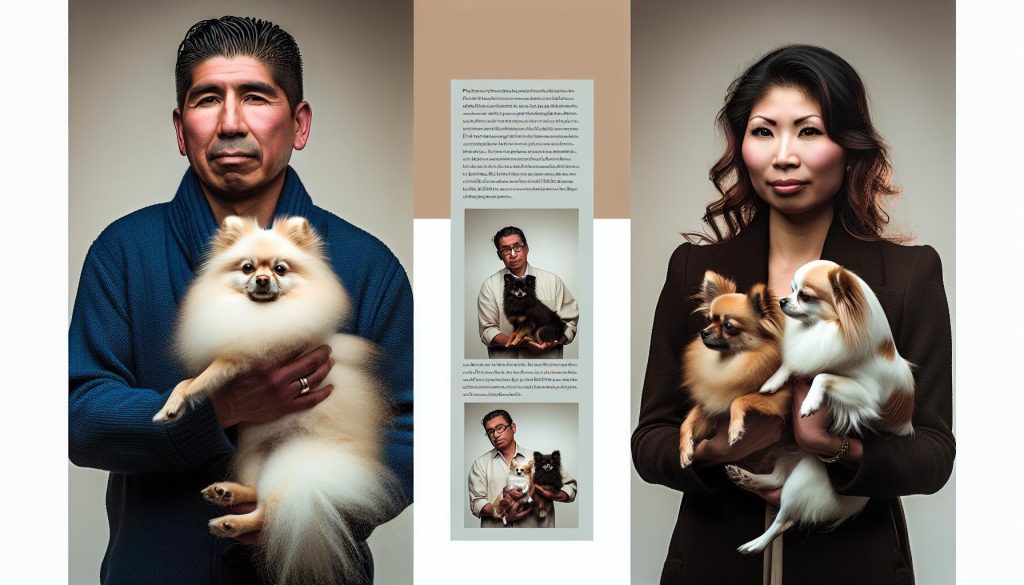
If you’re a small dog enthusiast, you might have wondered about the similarities and differences between Pomeranians and Chihuahuas. Both breeds are adored for their lively personalities and compact sizes, but they each have unique traits that set them apart. Understanding these distinctions is crucial for prospective owners to ensure they choose the right breed for their lifestyle. For instance, Pomeranians are known for their fluffy coats and playful nature, while Chihuahuas are recognized for their boldness and loyalty. As we delve into the specifics of each breed, from health and behavior to care requirements, you’ll gain valuable insights that can help you appreciate their quirks and better cater to their needs. Join us as we clarify the differences between these charming breeds, guiding you to make an informed decision and celebrate the unique joy that each can bring into your life.
Understanding the Pomeranian and Chihuahua Breeds
can truly illuminate the unique qualities both dogs bring into a home. Did you know that while Pomeranians and Chihuahuas might share similar sizes, their personalities and care needs are vastly different? Pomeranians are known for their vibrant, fluffy coats and an affable demeanor that often makes them the life of the party. Conversely, Chihuahuas possess a boldness that belies their tiny stature; they’re fiercely loyal and often form very close bonds with their owners.
Pomeranians typically weigh between 3 to 7 pounds and have a double coat that requires regular grooming to maintain its plush look. Chihuahuas, meanwhile, can weigh as little as 2 pounds up to around 6 pounds and come in both short and long coat varieties. This breed diversity means each dog has nuanced grooming needs-Chihuahuas, particularly the long-haired variety, benefit from more frequent brushing to avoid tangles. In contrast, the Pomeranian’s coat requires a more thorough grooming routine to prevent matting and keep that signature fluffiness intact.
Behavior and Personality
When it comes to behavior, Pomeranians are incredibly playful and love to engage with their human companions, often showing off their intelligence and eagerness to please. Their vocal nature can sometimes be amusing; they often have a larger-than-life bark that will surprise anyone unfamiliar with their petite physique. Chihuahuas, on the other hand, are famously bold and can exhibit a little more independence. They are highly alert, making them excellent watchdogs despite their diminutive size. Each breed can be charmingly quirky-Chihuahuas are known for their dramatic flair, while Pomeranians often revel in their theatrical antics during playtime.
In terms of health, both breeds can face their unique set of challenges. For example, Pomeranians are susceptible to dental issues and can develop heart problems as they age. Chihuahuas may encounter patellar luxation and heart disease as well. As with any breed, ensuring regular veterinary care and a proper diet can significantly impact their overall health and longevity.
In conclusion, whether you’re drawn to the fluffy charm of a Pomeranian or the spirited nature of a Chihuahua, understanding these breeds’ unique qualities will better prepare you for the rewarding journey of dog ownership. Each pup brings its personality, quirks, and care requirements that can enrich your life immeasurably.
Key Health Differences Between Pomeranians and Chihuahuas

Pomeranians and Chihuahuas, while both small and charming, come with their own health considerations that potential owners should be aware of. Did you know that one breed is particularly prone to specific dental issues and heart problems while the other faces its own set of challenges? Understanding these key health differences can help ensure that your furry friend remains healthy and happy throughout their life.
Pomeranians, with their fluffy double coats and lively personalities, are unfortunately susceptible to dental problems like periodontal disease due to their small mouths. It’s essential to establish a regular dental care routine from a young age to prevent these issues. Regular teeth brushing, dental treats, and annual veterinary check-ups can keep his smile bright. Additionally, Pomeranians can develop heart conditions, particularly mitral valve disease, as they age. Regular veterinary visits become crucial to monitor heart health, and any unexpected coughing or lethargy should prompt a vet visit.
On the other hand, Chihuahuas are also at risk for dental issues, but they have a unique charm that can bring about other health concerns. Their tiny size makes them prone to patellar luxation, a condition where the knee cap dislocates. This can cause limping or avoidance of physical activity, so keeping an eye on his mobility is essential. Additionally, heart disease is a real concern for Chihuahuas; they are prone to congestive heart failure, which underscores the importance of a balanced diet and regular veterinary care to spot any early signs.
Both breeds thrive with attentive care and a proactive approach to their health. A nutritious diet suited for their size, regular exercise (even just playful indoor games), and socialization can help mitigate health risks. By being informed and actively participating in their health journey, you can ensure your Pomeranian or Chihuahua leads a vibrant, healthy life full of joy and companionship.
Behavioral Traits: What Makes Each Breed Unique?

Chihuahuas have a unique personality that perfectly complements their tiny size. Often characterized by their spirited and bold nature, these dogs display a remarkable confidence that can sometimes lead them to act as if they are much larger than they actually are. They are known for their vocal tendencies, frequently barking to alert their owners of anything unusual or simply to express their excitement. This trait makes them excellent watchdogs despite their diminutive stature.
One of the defining aspects of a Chihuahua’s behavior is their intense loyalty. These little companions form strong bonds with their owners, often following them from room to room and seeking constant companionship. If you’re considering bringing a Chihuahua into your home, be prepared for a pup who thrives on your attention. They often exhibit a preference for one person over others, bonding closely and sometimes displaying protective behaviors that are both endearing and amusing.
In contrast, Pomeranians, while also loyal and playful, tend to have a slightly different demeanor. Known for their affectionate nature, Pomeranians are quite sociable and generally get along well with other dogs and pets. They are often more extroverted, showcasing their lively personality through playfulness and interaction. A Pomeranian might insist on being the center of attention during playtime, showing off their agility and intelligence with ease.
While both breeds are full of personality, the distinguishing behavioral traits can influence your choice depending on your lifestyle. If you seek a small, spunky companion that enjoys being the star of the show, the Pomeranian might be your best bet. Alternatively, if you want a fiercely loyal sidekick who will always have your back, you can’t go wrong with a Chihuahua. Understanding these nuances will help you choose the right fit for your home and lifestyle, ensuring a joyful companionship filled with love and laughter.
Comparing Coat Types: Pomeranian vs. Chihuahua

When considering the coat types of Pomeranians and Chihuahuas, it’s fascinating to note how their fur not only affects their appearance but also their overall care needs. Both breeds boast distinct coat characteristics that reflect their unique personalities and adaptations.
Pomeranians are known for their luxurious double coat, which consists of a soft, thick undercoat and a longer outer coat that can be either straight or slightly wavy. This fluffy fur creates the signature “fox-like” look that many adore. Grooming a Pomeranian requires regular brushing-ideally several times a week-to prevent matting and manage shedding, which can be quite significant during seasonal changes. You’ll want to pay particular attention to areas like behind the ears and under the arms, where tangles can easily form. Additionally, professional grooming every few months can help maintain their coat’s health and appearance.
In contrast, Chihuahuas can come with two types of coats: smooth and long-haired. The smooth-coated Chihuahua has a short, sleek fur that generally requires less maintenance. A quick weekly brushing is usually sufficient to keep their coat healthy and shiny. Alternatively, the long-haired variety features a more flowing and delicate coat that may require more frequent grooming to prevent tangles, especially around the ears and tail. Regardless of the coat type, both Chihuahuas benefit from regular baths to keep their skin and fur clean, but be mindful not to over-bathe, as it can strip their natural oils.
While both breeds thrive on attention and care, their grooming needs differ. Pomeranians, with their voluminous coats, may demand more time and effort, while the Chihuahua’s grooming is generally more straightforward, particularly for those with smooth coats. Understanding these needs can help potential owners decide which breed complements their lifestyle better, ensuring both you and your furry friend enjoy a happy, healthy life together.
- Pomeranian: Double coat, needs regular brushing, high shedding.
- Chihuahua: Smooth or long-haired, easy maintenance for smooth, moderate for long-haired.
Size Matters: Understanding the Physical Differences

When it comes to size, Pomeranians and Chihuahuas embody two distinct ends of the small dog spectrum. Pomeranians typically weigh between 3 to 7 pounds and stand about 6 to 12 inches tall at the shoulder, making them slightly bulkier with a playful, fluffy appearance. Their size is more compact and robust due to that luxurious double coat, creating an illusion of greater mass. Chihuahuas, on the other hand, are often even smaller, weighing around 2 to 6 pounds and height can range from 6 to 9 inches. They come in two main varieties: the apple-head and the deer-head, with apple-heads being more common and presenting a rounder skull that adds to their adorable but delicate look.
This size difference plays a role in everything from exercise to health considerations. Pomeranians, with their sturdy frame, often think they are larger than life and can be quite bold and adventurous. They need regular activity to burn off their energy, but their small size makes them more adaptable to apartment living or small spaces. Chihuahuas, while also spirited and confident, may be more sensitive to their surroundings due to their size. Their petite frames require careful handling, especially around larger dogs or active children, to prevent accidental injuries.
Moreover, being small brings common challenges related to health and safety. Both breeds can be prone to certain health issues due to their size, such as patellar luxation and dental problems. For example, a Chihuahua might have a greater risk of dental disease, which necessitates regular dental care and possibly more frequent veterinary visits. As a Pomeranian owner, you may need to be vigilant about their dental hygiene and consider high-quality dog food that supports oral health.
Ultimately, understanding the physical differences between these two breeds can shape your approach to training, socialization, and care. Whether he/she barks loudly for attention or burrows into your lap for warmth, both Pomeranians and Chihuahuas bring unique charms to their owners. Celebrating these differences enriches the bond you share with your furry friend, whether you’re taking a Pomeranian on a nature walk or cuddling with a trusting Chihuahua on the couch.
Grooming Needs: Caring for Pomeranians and Chihuahuas
Taking care of a Pomeranian or a Chihuahua is not just about love and playtime; it also involves understanding their unique grooming needs to keep them healthy and happy. Both breeds possess charming qualities, but their grooming requirements differ significantly due to their distinct coat types and sizes.
Pomeranians feature a luxurious double coat that requires consistent attention. Regular brushing-ideally several times a week-is essential to prevent matting and reduce shedding. A slicker brush and a metal comb work wonders in keeping their fluffy fur looking pristine. Seasonal grooming is also key; during shedding periods, known as “blowing their coat,” daily brushing can help manage the extra fur and keep your home clean. Furthermore, those adorable Pomeranian tails need special care. Be sure to brush that fluffy plume thoroughly to prevent tangles.
Chihuahuas, meanwhile, offer a bit more variety in grooming due to their coat types-both smooth and long-haired options exist. For smooth-coated Chihuahuas, a simple weekly brushing with a soft-bristle brush helps remove dead hair and distribute oils for a healthy sheen. Long-haired Chihuahuas demand a bit more effort; you’ll want to brush them a few times a week to avoid tangles and keep their hair looking regal. Be mindful of sensitive areas, especially behind the ears and under the legs, where tangles can form quickly.
All grooming sessions should also include some important hygiene routines. Dental care is critical for both breeds-Chihuahuas are particularly prone to dental issues due to their compact jaws. Regular brushing and dental chews can protect their teeth. Nail trimming is another essential task; small dogs often do not wear down their nails naturally, leading to overgrowth. A good rule of thumb is to trim his/her nails every few weeks, ensuring they don’t click on the floor when he/she walks.
Ultimately, your grooming routine for either breed is an opportunity not just for cleanliness but also for bonding. Regular grooming can help acclimatize your Pomeranian or Chihuahua to being handled, making vet visits and other interactions easier. Remember, your touch is a source of comfort for him/her, turning grooming from a chore into a cherished time together.
Training Tips for Pomeranians and Chihuahuas
Training a Pomeranian or a Chihuahua can be an enriching experience filled with joy and delightful discoveries about your furry companion. Both breeds are incredibly smart, often eager to please but can also display a stubborn streak, especially if they sense they can charm their way out of obeying a command. Effective training hinges on understanding their unique personalities.
With Pomeranians, their lively, curious nature means they thrive on engagement. To keep training sessions productive, aim for short, positive, interactive sessions. Use high-value treats and praise to reward your Pomeranian’s successes. Because they are so vocal, teaching the “quiet” command can be beneficial, helping to manage their barking habit. For instance, when your Pomeranian starts barking, wait for a moment of silence before rewarding with a treat. This instills the idea that quiet behavior earns them praise.
Chihuahuas are equally intelligent but are often more attached to their human companions. Harness this bond by incorporating a lot of affectionate reinforcement in their training. For example, if he/she learns a new trick, celebrate with a cuddle and some enthusiastic praise-Chihuahuas love to be doted on! Additionally, socialization should start early, exposing them to different environments, people, and other dogs. A well-socialized Chihuahua will be more confident and less prone to skittishness or aggression.
Consider that both breeds respond well to consistency and routine. Establish a clear command structure and always use the same words for commands to avoid confusing your dog. For instance, choose either “sit” or “down” but not both interchangeably for the same action. Be patient; they each have their own pace of learning. For Chihuahuas, particularly, remember that their small size means they may be prone to fearfulness, so maintaining a calm and encouraging tone is vital in helping them feel secure and open to learning.
Pomeranians and Chihuahuas may be small, but their personalities are larger than life. These tiny charmers need firm but gentle training approaches that harness their natural curiosity and affection. Embrace the small quirks of each breed and celebrate the small victories in training, fostering a loving and well-behaved companion for years to come.
Lifespan Expectations: Pomeranians vs. Chihuahuas
Did you know that both Pomeranians and Chihuahuas have impressively long lifespans compared to many other dog breeds? Typically, Pomeranians can live between 12 to 16 years, while Chihuahuas often enjoy a similar life expectancy of around 12 to 20 years. This remarkable longevity is one of the many reasons why these breeds make such beloved companions. Being small in size generally contributes to a reduced risk of certain health problems, allowing them to thrive well into their senior years.
Factors such as genetics, diet, regular exercise, and veterinary care greatly influence the lifespan of both breeds. For instance, Pomeranians are known for their vibrant energy and playful demeanor, requiring ample mental stimulation and physical activity. A well-socialized Pomeranian, who engages in regular play and is kept fit, is likely to enjoy a long life. On the other hand, Chihuahuas, particularly those on the shy side, benefit greatly from comprehensive socialization early in life. Ensuring that your Chihuahua has positive experiences around varied environments and other pets can promote not only longevity but a happier disposition.
While both breeds are predisposed to certain health issues, such as dental problems due to their small mouths and patellar luxation, regular veterinary check-ups can help catch issues early. Additionally, maintaining a nutritious diet tailored to their specific needs, whether dry kibble or wet food, plays a crucial role in their overall well-being. Owners should also be mindful of their Chihuahua’s sometimes fragile nature, as falls or rough handling can lead to injuries.
Ultimately, with the right care, love, and understanding, both Pomeranians and Chihuahuas can be vibrant, affectionate companions for many joyful years. Celebrating every day with these tiny furballs not only enriches your life but also maximizes their time with you! So whether you’re sharing a cozy cuddle session or taking them on gentle strolls, creating a nurturing environment will contribute greatly to their health and happiness.
Socialization Styles: How Each Breed Interacts
The unique socialization styles of Pomeranians and Chihuahuas play a significant role in their interactions with the world and the relationships they build with their human companions and other animals. Both breeds, while small in stature, exhibit distinct social tendencies that reflect their personalities and backgrounds. This understanding can help owners tailor their approach to socializing their furry friends for a happier, more balanced life.
Pomeranian Socialization: Pomeranians are known for their extroverted and curious nature. They often flourish in social settings and love to meet new people. If properly socialized from a young age, a Pomeranian can be an excellent ambassador for their breed, charming everyone they encounter with their playful demeanor. Engaging with a variety of environments-whether it’s dog parks, the hustle and bustle of a farmer’s market, or simply different rooms in your home-can help your Pomeranian develop confidence and sociability. For instance, introducing your Pom to friends and other pets early on can lead to a confident, friendly adult who loves to be the center of attention.
Chihuahua Socialization: In contrast, Chihuahuas tend to showcase a more nuanced approach to socialization. Many Chihuahuas are naturally vocal and can be wary of strangers, making early socialization crucial. Exposure to diverse situations can help mitigate their instinct to be overly protective. Owners should prioritize positive experiences, such as rewarding their Chihuahua with treats and praises when meeting new people or pets. For example, if your Chihuahua is shy around larger dogs, gradual introductions in a controlled setting can foster comfort and trust over time. Remember, Chihuahuas are often more tied to their human companions, so quality bonding experiences-like cuddling sessions or joint outdoor activities-can reinforce trust and reduce anxiety.
Key Considerations: Both breeds benefit from early and consistent socialization efforts. Here are some actionable tips to enhance their social skills:
- Expose Early: Start socialization when your puppy is young, ideally between 3 and 14 weeks.
- Positive Reinforcement: Use treats and praise liberally to encourage good behavior around new people and pets.
- Controlled Environments: Begin introductions in safe spaces for both breeds, allowing them to explore at their own pace.
- Regular Outings: Incorporating varied activites, like walks in different neighborhoods or visits to pet-friendly stores, helps broaden their experiences.
Recognizing the distinct social needs of Pomeranians and Chihuahuas allows owners to foster well-adjusted companions. Whether your Pomeranian thrives on lively interactions or your Chihuahua prefers quieter, controlled encounters, tailored socialization strategies will help both breeds flourish in their environments, building fond memories as affectionate family members.
Common Misconceptions: Debunking Breed Myths
Many people assume Pomeranians and Chihuahuas are essentially the same breed, given their small size and spirited personalities. However, this misconception overlooks the unique traits that define each breed. For instance, while both are known for their loyalty, Chihuahuas often display a more protective nature towards their owners, sometimes leading to an exaggerated perception of aggression. In reality, many Chihuahuas are simply expressing their affectionate and bold personalities, which can be misread as hostility.
Another common myth is that Pomeranians need less exercise than Chihuahuas due to their fluffy appearance and toy-sized stature. The truth is that Pomeranians require a significant amount of physical activity and mental stimulation to keep them healthy and prevent boredom-related behaviors. They thrive in environments where they can engage in play and strolls, just like Chihuahuas, who, despite their petite size, also benefit from regular walks and socialization. As a Chihuahua enthusiast, I’ve seen countless owners believe the myth that their tiny companions can be cooped up all day. Just like his larger counterparts, your Chihuahua needs to get out and explore the world.
Many people also think Chihuahuas are less trainable than Pomeranians, assuming their small size translates to a smaller learning capacity. This couldn’t be further from the truth. Chihuahuas are highly intelligent and can learn complex commands with positive reinforcement methods. However, their independent streak can pose a challenge, especially if they sense that their owner lacks leadership. On the other hand, Pomeranians can be eager learners but might get bored quickly, demanding more engaging training sessions.
Finally, there’s a misconception surrounding health and genetics. While both breeds can face health issues, they are characterized by different concerns. Chihuahuas are prone to dental problems due to their small mouths, and Pomeranians may experience issues related to their plush coats and skin. It’s crucial for owners of either breed to be vigilant about health care and tailor their approaches accordingly.
In navigating the delightful world of dog ownership, it’s essential to appreciate these breeds for their individuality. Understanding these differences helps in harnessing the strengths of each breed while celebrating their unique personalities and quirks. Whether you’re drawn to the cheerful bounciness of a Pomeranian or the bold spirit of a Chihuahua, knowing their distinct traits will enhance your experience as a dedicated and loving owner.
Choosing the Right Breed for Your Lifestyle
Choosing a dog is like finding a new friend; compatibility is key! Your lifestyle plays a significant role in deciding between a Pomeranian and a Chihuahua. Both breeds are small and lively but differ in their needs and behaviors, making understanding these nuances essential for a harmonious home.
If you lead an active lifestyle, both breeds can keep up, but they do have different energy levels. Pomeranians tend to be a bit more energetic and may thrive in homes where they can engage in frequent playtime and mental stimulation. They love to romp around and may even enjoy agility courses. Chihuahuas, while also playful, can often express their playful side through bursts of energy and enjoy snuggling up just as much as they appreciate a good sprint in the yard. If you prefer evening walks or quiet weekends at home, either breed can adapt. Just keep in mind that Chihuahuas enjoy their cozy lap time and are often quite content just being near you.
Health and Care Considerations
Both breeds have specific health considerations that align with their traits. Pomeranians, with their thick double coats, require regular grooming to prevent matting and skin issues. On the other hand, Chihuahuas, especially the apple-head variety, may need special dental care due to their small teeth, which are often prone to decay. If you’re not keen on regular grooming or ensuring dental hygiene, think about which breed aligns better with your capability and interest in upkeep.
Personality Fits
Understanding each breed’s personality is crucial. Pomeranians are known for their sunny disposition and can be quite vocal, alerting you to anything unusual. If you appreciate a lively, sociable dog who enjoys meeting others, a Pomeranian might be a great match. Chihuahuas, however, can be more reserved and protective. Their loyalty might manifest as a little more wariness around strangers, making them excellent companions for those who value a dog that bonds deeply with its owner.
In deciding your perfect furry friend, consider not just personality and energy but also your home environment. With the right match, you’ll find that your life with either a Pomeranian or a Chihuahua will be filled with joy, laughter, and companionship. Whether you choose the spirited fluff of a Pomeranian or the bold charm of a Chihuahua, you’re set to make a lifelong friend who’s ready to fill your days with love.
Frequently Asked Questions
Q: Are Pomeranians and Chihuahuas related breeds?
A: No, Pomeranians and Chihuahuas are not directly related breeds; they belong to different breed groups. Pomeranians are part of the Spitz family, while Chihuahuas fall under the toy group. However, both breeds share similar small sizes and lively personalities, making them popular companion pets.
Q: What are the key behavioral differences between Pomeranians and Chihuahuas?
A: Pomeranians are known for their extroverted and playful demeanor, often displaying a bold personality. In contrast, Chihuahuas can be more reserved and sometimes protective or territorial, especially towards strangers. Understanding these traits can help potential owners make informed decisions based on their lifestyle.
Q: How do the grooming needs compare between Pomeranians and Chihuahuas?
A: Pomeranians require regular grooming due to their thick double coat, which can mat easily. They need brushing several times a week. Chihuahuas, however, have lower grooming needs, especially the smooth-coated variety, requiring only occasional brushing and regular baths to keep their skin healthy.
Q: Can Pomeranians and Chihuahuas live together peacefully?
A: Yes, Pomeranians and Chihuahuas can live together harmoniously if properly socialized from a young age. Their energy levels and playful natures often complement each other, but it’s essential to monitor interactions, especially if one breed is more dominant.
Q: What unique health concerns should I be aware of for each breed?
A: Pomeranians may face issues like dental problems and patellar luxation, while Chihuahuas are susceptible to heart conditions and hydrocephalus. Regular vet check-ups and a proper diet tailored to their specific needs are crucial for maintaining their health.
Q: How do the training requirements differ between Pomeranians and Chihuahuas?
A: Both breeds benefit from positive reinforcement training; however, Pomeranians often respond better to active and engaging methods due to their playful nature. Chihuahuas may require more patience as they tend to be more stubborn. Consistent and gentle training strategies are effective for both.
Q: What is the average lifespan of Pomeranians and Chihuahuas?
A: Pomeranians typically live between 12-16 years, while Chihuahuas have a lifespan of about 12-20 years. This range can vary greatly based on genetics, diet, and healthcare, making regular vet visits essential for both breeds.
Q: Are there common misunderstandings about Pomeranians and Chihuahuas?
A: Yes, many people mistakenly believe that Chihuahuas are just smaller versions of Pomeranians, or vice versa. Additionally, some think both breeds are overly aggressive. In reality, their behavior is influenced more by upbringing and training than breed alone. It’s important to recognize their individual personalities and training needs.
For more about these wonderful breeds and to find practical tips for their care, check out our sections on key differences and grooming needs!
In Summary
Thanks for joining us on this journey to clarify the differences between Pomeranians and Chihuahuas! Now that you know more about these lively breeds, you can choose the right companion for your lifestyle. Remember, Chihuahuas are not just tiny; their health, behavior, and care needs are unique and should be understood. If you’re considering bringing home a Chihuahua, check out our guides on Chihuahua care essentials and common behavioral traits to ensure you’re well-prepared.
Don’t hesitate to share your thoughts or experiences in the comments below! Your feedback is invaluable to fellow enthusiasts. For more insightful content and tips, subscribe to our newsletter or explore our resources page. Let’s continue this conversation and support each other in celebrating the quirks of our furry friends. Keep learning, stay engaged, and enjoy every moment with your dog!
Get our latest guides, news, and insights highlighted in your Google Search & AI Overviews.