
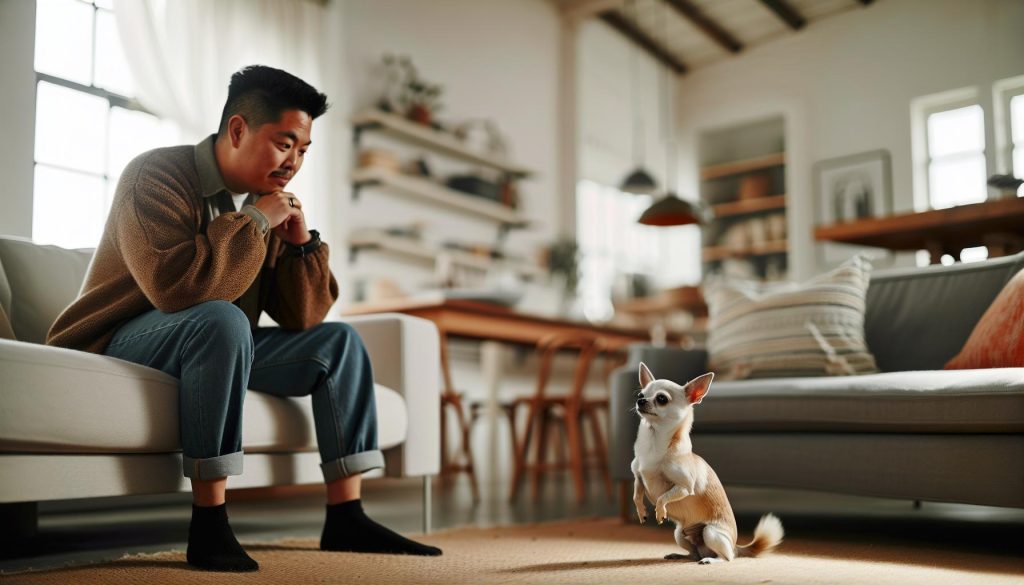
Have you ever noticed your Chihuahua acting out of character and wondered why? Like any beloved pet, Chihuahuas are quirky and expressive, but sudden behavior changes can signal underlying issues. Understanding these changes is crucial for every Chihuahua owner; after all, our tiny companions can’t communicate their distress with words. Whether they’re being unusually vocal, withdrawn, or exhibiting signs of stress, recognizing these red flags can lead to timely intervention and better health outcomes. In this article, we’ll explore the common behavioral shifts you might encounter with your Chihuahua, their potential causes, and what steps you can take to ensure your little friend remains happy and healthy. Curious about what these signs mean and how you can help? Let’s dive in and decode your Chihuahua’s behavior together!
Why Your Chihuahua’s Behavior May Change: Common Triggers

Chihuahuas are known for their bold personalities and deep loyalty, but like all dogs, their behavior can change based on a variety of triggers. Understanding why your Chihuahua might be acting differently is crucial for maintaining their happiness and health. Various factors can lead to noticeable shifts in behavior, and being aware of these can help you provide the support your little companion needs.
One of the most common triggers for behavior changes in Chihuahuas is stress. Chihuahuas are sensitive creatures that can easily become anxious due to environmental changes, loud noises, or unfamiliar situations. For instance, if you’ve recently moved, welcomed a new pet, or started a renovation project, your Chihuahua may react with nervousness, marked by behaviors like barking excessively, hiding, or even refusing to eat. Similarly, significant life changes such as gaining or losing a family member can create confusion and distress, leading to increased clinginess or aggressive behaviors.
Health issues can also play a pivotal role in behavioral changes. As a breed prone to certain health problems like dental issues and heart disease, any discomfort or pain can lead to shifts in disposition. For example, if your Chihuahua has developed a toothache, you may notice them becoming less playful or more irritable. Regular veterinary check-ups can help identify these health concerns early, ensuring your pup remains healthy and content.
Furthermore, socialization-or lack thereof-can dramatically impact your Chihuahua’s behavior. These little dogs thrive on interaction, both with humans and other dogs. A lack of socialization can lead to fearful or aggressive responses, while positive experiences with varied company can enhance their confidence and sociability. If your Chihuahua seems increasingly wary of new people or environments, it may be time to introduce them gently through positive reinforcement strategies.
As a dedicated Chihuahua owner, staying informed about these behavior triggers will not only help you manage their quirks but also deepen the bond you share. Remember, each Chihuahua is unique, so taking the time to understand your dog’s specific needs will go a long way in helping them adjust and thrive in any situation.
Identifying Signs of Distress in Your Chihuahua

Your Chihuahua’s personality is a blend of boldness, loyalty, and sometimes quirky behaviors that make them truly unique. However, when these behaviors shift, it can be concerning. Identifying signs of distress in your little companion is essential for ensuring their well-being. Recognizing when your Chihuahua is feeling off allows you to respond appropriately, providing the comfort and care they need.
One clear indicator of distress is drastic changes in your dog’s behavior. For instance, if your typically playful apple-head suddenly becomes withdrawn or loses interest in favorite toys, it’s time to investigate further. Pay attention to their vocalizations, too-excessive barking can signal anxiety or discomfort, while permanent silence can suggest depression or illness. Other signs to watch for include unusual aggression or fearfulness toward familiar people or pets, which can indicate stress or unease.
Physical signs are also crucial in assessing your Chihuahua’s emotional state. Monitor their body language closely; a tucked tail, flattened ears, and avoidance of eye contact often signify fear or anxiety. If your Chihuahua is pacing, shaking, or refusing food, these behaviors may reflect physical discomfort or fear. Keep tabs on their grooming habits as well-over-grooming or neglecting their coat can point to stress or health issues.
To better manage and support your Chihuahua, maintain open lines of communication with them. Engage with them in soothing ways, such as gentle petting, soft-spoken words, or even creating a quiet space for them to retreat to when overwhelmed. Recognize their quirks and personality traits, as these will guide you in identifying any changes in behavior. Always trust your instincts as an owner; if something feels off with your little one, it’s worth investigating further to ensure your Chihuahua is as happy and healthy as possible.
Unusual Behaviors to Watch For in Chihuahuas

Chihuahuas are known for their vibrant personalities, from the boastful apple-heads to the charmingly compact deer-head varieties. However, when your spirited companion starts behaving oddly, it can leave you puzzled and concerned. Recognizing these unusual behaviors is crucial in understanding your Chihuahua’s emotional and physical well-being.
One behavior to keep a close eye on is excessive barking or silence. While Chihuahuas are naturally vocal regarding their little opinions on life, a sudden increase in barking can signify anxiety, especially when in new environments or around unfamiliar faces. Conversely, if your Chihuahua, who typically loves to chatter, becomes eerily quiet, this could indicate distress or even depression. It’s important to investigate the triggers for these changes, whether it’s a recent move, a new pet, or changes in the household routine.
Another significant behavior change can manifest as altered social interactions. If your usually sociable Chihuahua starts avoiding play with familiar pets or is fearful around new people, it may be a reaction to stress or discomfort. Watch for signs like a tucked tail or flattened ears, as these body language cues can reveal a lot about how your dog feels. For example, if little Bella, your two-year-old Chihuahua, starts growling at guests she would typically greet excitedly, it might be time to reassess her comfort level.
Physical changes should also be monitored closely. If your Chihuahua seems to be excessively grooming or has suddenly lost interest in grooming altogether, these can be red flags for emotional distress or underlying health issues. A study found that stress can lead to changes in grooming habits, which can stress their skin and overall health. If your Chihuahua starts to show changes in appetite-refusing food suddenly or begging relentlessly for treats-these also merit attention.
While it’s easy to chalk up behaviors to a Chihuahua’s quirky nature, being proactive about these signs allows you to provide a stable environment. Listening to your fur baby and noting these shifts will help ensure he feels secure and happy in his surroundings. Always remember, your Chihuahua relies on you to decipher his feelings and respond with the love and care he deserves.
Health Issues That Can Affect Chihuahua Behavior
Chihuahuas may be small, but their tiny bodies can be susceptible to a variety of health issues that significantly impact their behavior. Understanding these potential health problems is essential for any owner eager to keep their lively companion happy and thriving. For instance, dental disease is common in this breed due to their small mouths, which can lead to pain, difficulty eating, and overall lethargy. If your usually energetic apple-head suddenly shows disinterest in playtime or seems to flinch when chewing, it may be time to check in with your veterinarian.
Another health concern to monitor is patellar luxation, where the knee cap dislocates and can cause your Chihuahua to limp or display hesitance in movement. This condition can be painful and might cause behavioral changes such as increased irritability or withdrawal from social interaction. For example, if Bella begins hesitating to jump onto the couch – a favorite hangout – it might indicate discomfort that requires prompt veterinary attention.
H3: Hormonal Issues and Behavior Changes
Chihuahuas are also prone to hormonal imbalances, such as hypothyroidism, which can lead to noticeable changes in mood and energy levels. A Chihuahua suffering from this condition might experience weight gain, lethargy, and changes in their coat quality. If you notice that your once playful deer-head is now sleeping more than usual and seems less engaged, investigating thyroid function could be beneficial. These hormonal issues often require lifelong management, which your vet can guide you through.
Finally, look out for signs of more serious conditions like heart disease or diabetes, which can alter not just your Chihuahua’s behavior but also their overall quality of life. Changes like increased thirst or urination, difficulty breathing, and rapid weight loss should never be ignored. Each of these health issues can mask themselves as behavior changes, so being observant and proactive is key.
By staying attuned to your Chihuahua’s health needs and behaviors, you’ll not only cater to their physical well-being but also support their spirited personalities that make them such charming companions. Regular vet visits and preventive care play crucial roles in ensuring your fur baby remains vibrant and happy.
Environmental Factors Impacting Your Chihuahua’s Mood
The environment your Chihuahua lives in plays a pivotal role in his overall mood and behavior. These pint-sized pups are incredibly sensitive to their surroundings; even subtle changes can make a big difference in how they feel and act. If you’ve noticed shifts in your Chihuahua’s behavior and can’t pinpoint a health issue, consider the impact of his environment.
One significant factor is noise. Chihuahuas are known for their keen hearing, and loud sounds-like thunderstorms, fireworks, or even bustling household activity-can cause anxiety. If Bella normally greets you with enthusiasm but lately seems jittery during storms, it might be beneficial to create a safe space. A cozy bed in a quiet corner, combined with calming music, can help her feel secure.
Moving to a new home or even rearranging furniture can disrupt your Chihuahua’s sense of security. He thrives on routine and familiar smells, so if you’ve recently made changes that alter his environment, understand that it may take time for him to adjust. You can ease this transition by allowing him to explore the new area at his own pace. Provide plenty of positive reinforcement, like treats and praise, when he interacts with the new space confidently.
Another key aspect is social interaction. Chihuahuas, especially the bold ones, tend to be quite social and enjoy companionship. If he suddenly finds himself alone for longer periods, he might display signs of loneliness or distress. Consider incorporating structured playtime or social walks with other dogs to help sustain his emotional well-being. For instance, if your apple-head enjoys interacting with other small breeds, regular playdates can uplift his spirits.
Lastly, the temperature and living conditions in your home significantly influence your Chihuahua’s mood. These dogs do best in moderate temperatures, given their slender frames and short coats. Make sure she stays warm during chilly days, perhaps with a stylish sweater or a warm blanket in her favorite spot. Conversely, avoid exposing her to extreme heat, as overheating can lead to lethargy and irritability.
In summary, understanding the environmental factors affecting your Chihuahua’s behavior is crucial in ensuring his happiness. By making simple adjustments in his surroundings and routine, you can foster a serene atmosphere that will positively reflect on his mood. Remember, a happy Chihuahua is a well-cared-for Chihuahua, ready to shower you with love and loyalty in return!
Socialization and Its Role in Your Chihuahua’s Behavior
When it comes to Chihuahuas, their socialization is not just beneficial; it’s essential for their emotional well-being and overall behavior. These tiny companions, with their bold personalities, thrive on interactions-not only with their human family members but also with other pets and even strangers. A well-socialized Chihuahua is typically more confident, less anxious, and much happier. If you’ve noticed any unusual behaviors or changes in your Chihuahua’s demeanor, consider whether socialization might play a role.
Chihuahuas can be particularly sensitive to their surroundings, and a lack of social experience can lead to anxiety-driven behaviors such as excessive barking, growling, or even fearfulness. For instance, a Chihuahua that once enjoyed playtime at the dog park may suddenly hesitate or act scared if they have not been properly introduced to new dogs or environments. Regular exposure to different settings, sounds, and types of people can help mitigate this anxiety. You might organize structured outings where your little friend can meet other dogs in a controlled manner or enroll in a puppy socialization class designed for small breeds.
Additionally, consider the importance of playdates and group walks. Chihuahuas, especially the more social apple-heads, often benefit from spending quality time with other small dogs. Engaging them in group play can replenish their social batteries and foster healthy relationships with their peers. Look for local meet-up groups or dog parks that cater specifically to small breeds, as this ensures safety and comfort. Remember, positive interactions create lasting impressions; always reward your Chihuahua with treats and praise during and after safe encounters to reinforce their good social behavior.
Lastly, keep in mind that socialization is an ongoing process. As your Chihuahua ages, continue to expose him to various situations. This adaptability not only aids in reducing fears but also keeps her mind stimulated and engaged. The more positive experiences your Chihuahua has, the better equipped she will be to handle unexpected changes in her environment or routine. In essence, embracing and prioritizing socialization will lead to a well-rounded, confident, and content Chihuahua that’s ready to face the world-no matter how big it may seem!
How to Help Your Chihuahua Adjust to Change
When significant changes occur in a Chihuahua’s environment or routine, it can be quite unsettling for these sensitive little companions. Whether it’s a move to a new home, the arrival of a new family member, or even changes to your schedule, your Chihuahua may not hide their feelings well. They often display anxiety through excessive barking, clinginess, or even withdrawal. Understanding how to help her navigate these transitions is crucial for her emotional well-being.
To start, create a safe, familiar space for your Chihuahua. This could be a cozy corner filled with her favorite blankets and toys. Maintaining her normal routine as closely as possible during times of change is essential. Regular meal times, walks, and play sessions can offer a sense of stability amidst uncertainty. For instance, if you’ve recently moved, try to keep her feeding schedule unchanged and include her favorite toys in her new space.
Distraction can also be an effective tool. Engage your Chihuahua with interactive toys or puzzle feeders that stimulate her mind and keep her temporarily focused on something enjoyable. You might also introduce gentle, calming activities like short training sessions or quiet time with you to help her feel more secure. Additionally, consider incorporating a bit of extra exercise, as physical activity can reduce stress and give your Chihuahua an outlet for any pent-up energy or anxiety.
Lastly, consistent and positive reinforcement goes a long way. If your Chihuahua exhibits brave behaviors in new situations, shower her with praise and treats. This builds her confidence and helps her associate change with positive outcomes. Remember, each Chihuahua has a unique personality; some may adapt quickly while others take time. Patience is key. This nurturing approach not only eases the transition but strengthens your bond, assuring her that no matter the changes around her, she is safe and loved.
Understanding Aging Effects on Chihuahua Behavior
As your Chihuahua ages, you may notice subtle changes in her behavior that can be concerning or puzzling. Like humans, aging can bring about physical and mental shifts in your tiny companion. It’s essential to recognize that these changes are often normal, yet understanding them can help you provide the right support and care as your beloved pet navigates her senior years.
Firstly, cognitive decline can occur in Chihuahuas, leading to symptoms similar to dementia. You might observe disorientation, confusion, or altered sleep patterns. For instance, your once well-behaved pup may start wandering around the house aimlessly or forget her favorite hiding spot. Implementing a routine can be beneficial, providing a structured environment that promotes a sense of security. Create a consistent schedule for feeding, walks, and playtime-this can help ground her and reduce anxiety related to her disorientation.
Another aspect to consider is physical health. Chihuahuas may experience arthritis, dental issues, or other age-related ailments that can affect their mobility and comfort levels. If you notice your Chihuahua hesitating to jump onto the couch or showing signs of discomfort while walking, it’s necessary to consult your veterinarian about pain management options. Maintaining a gentle exercise routine can also keep her physically fit and engaged, allowing her to enjoy her playful nature longer.
Diet plays a crucial role as well; older Chihuahuas may require a special diet that’s easier on their digestion and optimized for health. Look for high-quality senior dog food rich in nutrients that support joint health and cognitive function. Some owners have found success with supplements that promote cognitive health, helping their aging Chihuahuas remain alert and engaged.
Lastly, as your Chihuahua ages, her social needs might change too. Some may exhibit a preference for more solitude or feel less inclined to engage with new people or pets. Providing a safe, comfortable space where she can retreat when she needs downtime is just as important as encouraging socialization. Pay attention to her needs and respect her boundaries as she navigates this new stage of life. By understanding and addressing these changes, you will not only enhance her quality of life but also deepen the bond you both share.
The Connection Between Diet and Behavior in Chihuahuas
In the vibrant world of Chihuahuas, the connection between diet and behavior is undeniably profound. Just like humans, Chihuahuas thrive on balanced nutrition that supports not only their physical health but also their emotional well-being. A change in diet can lead to noticeable shifts in behavior, from hyperactivity to lethargy, and even anxiety. Paying attention to what goes into your furry friend’s bowl can make a significant difference in how she interacts with her environment and responds to everyday situations.
For instance, a Chihuahua consuming low-quality food may experience digestive issues, leading to discomfort and irritability. These small dogs are particularly sensitive, and their tiny tummies can be easily upset. If you notice increased barking, restlessness, or reluctance to engage, consider whether her diet might be at fault. Research suggests that diets lacking essential fatty acids, vitamins, and minerals can leave Chihuahuas feeling off-kilter. Ensure her food is rich in high-quality protein, healthy fats, and formulated for her specific life stage to keep her lively and spirited.
Common Dietary Considerations
Incorporating a variety of foods can also help enrich your Chihuahua’s diet. Here are some beneficial options to consider:
- High-Quality Kibble: Look for brands with real meat as the first ingredient, as Chihuahuas need protein for maintaining their muscle mass.
- Fresh Fruits and Vegetables: Offer small pieces of apple, carrot, or pumpkin as treats. These can aid digestion and provide extra hydration and fiber.
- DHA Supplements: Consider omega-3 fatty acids from fish oil, which can boost cognitive function, especially in aging Chihuahuas.
It’s essential to introduce new foods gradually to avoid upsetting her stomach. Monitor any behavioral changes closely after dietary shifts.
Behavioral Impact of Food Sensitivities
Chihuahuas can also have food sensitivities or allergies, which can lead to significant changes in behavior. If your little one starts exhibiting signs of distress-like excessive scratching or gastrointestinal upset-it might be time to evaluate her diet. Some common allergens include beef, chicken, or grain-based products. Transition to a limited-ingredient diet to pinpoint potential triggers, and consult with your veterinarian for tailored advice.
In conclusion, the link between diet and behavior in Chihuahuas is a vital aspect of ensuring your cherished companion lives a happy, healthy life. By focusing on her nutritional needs, you’ll not only promote her physical health, but you’ll also enhance her overall mood and behavior, nurturing a joyful spirit that embodies the unique charm of this remarkable breed.
Managing Stress and Anxiety in Your Chihuahua
When it comes to Chihuahuas, their petite size can sometimes mask how easily they can be stressed or anxious. These little dogs are known for their bold personalities, but underlying that bravado can be a sensitive soul experiencing stress from various factors. Understanding how to manage anxiety and stress in your Chihuahua is essential to ensuring a happy, well-adjusted companion.
A classic trigger for anxiety in Chihuahuas is changes in their environment. Whether it’s a new pet in the household, a move to a different home, or even changes in your routine, these shifts can result in unusual behavior. Keep a close eye on your furry friend and notice any changes in her demeanor. If she becomes unusually clingy, starts barking excessively, or seems withdrawn, these may be signs of distress. One effective method to help ease her anxiety is creating a safe space-a cozy area filled with her favorite blankets and toys where she can retreat when feeling overwhelmed.
Establishing a Calm Routine
Building a consistent daily schedule can significantly help in reducing anxiety for your Chihuahua. Having set times for feeding, walks, and play can offer her a sense of security. Chihuahuas thrive on predictability, so try to maintain a routine as closely as possible, even during hectic times. For example, if you know your dog gets anxious when guests arrive, preparing her favorite distraction toys or a tasty treat before visitors come can ease her nerves.
Positive Reinforcement Techniques
Training is another powerful tool in managing stress. Using positive reinforcement can help your Chihuahua associate various situations with calm and comfort. For instance, if she reacts anxiously to loud noises, gradually expose her to those sounds in a controlled manner while rewarding her for calm behavior. This slow desensitization can be especially helpful for Chihuahuas, who may instinctively bark at unfamiliar or loud stimuli. Consider carrying high-value treats during walks to reward her for calm behavior around other dogs or potential stressors.
Soothing Products and Techniques
There are also a variety of products designed to help alleviate stress. Calming collars that release pheromones can provide a sense of comfort. Additionally, low-stress music or anxiety wraps can soothe a nervous Chihuahua. By wrapping her snugly, you can replicate the feeling of being held, which might help calm her during stressful situations. Finally, incorporating regular exercise is vital; even short walks can work wonders for her mood and help reduce anxiety levels.
In conclusion, recognizing and managing stress in your Chihuahua involves patience and understanding. With their unique personalities, it’s essential to be attentive to their needs and triggers. By creating a structured environment filled with love, positivity, and reassurance, you can help your beloved Chihuahua navigate through stress and continue to shine with her vibrant spirit.
When to Consult a Veterinarian About Behavior Changes
When you notice your Chihuahua behaving differently, it can be concerning, especially since these little companions are known for their bold personalities. However, it’s essential to differentiate between typical quirks and behavior that signifies a deeper issue. Keep in mind that Chihuahuas, with their petite stature and lively spirit, can easily become stressed due to various factors, including health issues, environmental changes, or even emotional distress. So, when is it time to seek help from a veterinarian?
If you observe any of the following red flags, it’s wise to consult a veterinarian for guidance:
- Sudden Changes in Behavior: If your Chihuahua, typically affectionate, suddenly becomes withdrawn or irritable, this can indicate an underlying health issue or emotional distress.
- Excessive Barking or Whining: While some barking is normal for Chihuahuas, an increase can signal anxiety or discomfort, especially if it’s persistent.
- Changes in Eating or Drinking Habits: A sudden decrease in appetite or excessive thirst can point to health problems that need to be addressed promptly.
- Physical Symptoms: Look out for signs such as lethargy, persistent scratching, vomiting, or changes in bathroom habits. These symptoms could indicate infection or other health concerns.
- Withdrawal from Play or Social Interaction: If your little buddy, usually playful and engaging, starts isolating or avoids playtime, it could be a sign of stress or a medical issue.
Also, be aware of any unusual aggression or fearfulness, particularly if your Chihuahua is typically friendly. These shifts in behavior can indicate pain or discomfort, so it’s essential to get a professional opinion.
Regular check-ups are integral to a healthy lifestyle, especially for Chihuahuas who can be more prone to certain health issues like dental problems or heart conditions. Don’t wait for minor concerns to become major issues. By recognizing these behavior changes early and consulting with your veterinarian, you’re not only providing care but also fostering a trusting relationship between you and your Chihuahua. Your proactive approach will help ensure a happy and healthy life for your beloved companion.
Training Strategies for Behavioral Issues in Chihuahuas
If you’re noticing unusual behaviors in your Chihuahua-like an increase in barking or sudden timidity-you’re not alone. Many owners of these spirited little dogs experience behavioral shifts, and understanding how to effectively train and manage these changes can make a world of difference. Since Chihuahuas are known for their vibrant personalities, even the most subtle changes in behavior can signal underlying issues that might need addressing through training.
Positive Reinforcement
Start with positive reinforcement techniques, which are especially effective for Chihuahuas. Rewarding desirable behaviors with treats, praise, or playtime encourages your little pup to repeat those behaviors. For instance, if your Chihuahua stops barking when asked, immediately reward him. This approach not only reinforces good behavior but also enhances your bond with him. Remember, timing is crucial-rewards should be given right after the desired behavior to help him associate the two.
Consistency is Key
Chihuahuas thrive on routine and consistency. Establish a clear set of commands and stick to them. If you choose to use “quiet” to curb excessive barking, all family members should use the same command. Consistency helps reduce confusion and strengthens your dog’s understanding of what you expect. If a behavior change is noticeable, such as increased anxiety during thunderstorms, consistently practicing calm behavior with reassurance can mitigate fear over time.
Socialization and Exposure
Socialization is crucial for Chihuahuas, helping them to learn how to interact with different environments and other dogs. Gradually expose your Chihuahua to new experiences, people, and other animals. A well-socialized dog is less likely to react fearfully to new situations. If your Chihuahua shows signs of distress in new scenarios, slowly introduce him to those situations in a controlled, positive environment-always pairing the experience with treats or favorite toys.
Addressing Specific Issues
For common behavioral issues like anxiety or aggression, consider targeted training strategies. For example, if your Chihuahua becomes aggressive when meeting new people, implement controlled introductions where you can reward calm behavior. Use training techniques that focus on redirecting negative behavior; for instance, if your pup starts to bark excessively at the mailman, distract him with a toy or treat as a new stimulus to modify his behavior.
Each Chihuahua is unique, with their own set of quirks and challenges. By employing these training strategies with love and patience, you can help your furry friend feel more secure and happy. Remember, the goal is to promote a stress-free environment that nurtures his confidence and allows his bold personality to shine through. Your engagement and understanding as an owner will lead to a healthier, happier Chihuahua.
Faq
Q: Why is my Chihuahua suddenly hiding more than usual?
A: If your Chihuahua is hiding, it may indicate stress or discomfort. Look for changes in environment or routine, such as new pets or visitors. Providing a safe, quiet space can help him feel secure. If the behavior persists, consider consulting a veterinarian for further assessment.
Q: What are the signs my Chihuahua is feeling anxious?
A: Common signs of anxiety in Chihuahuas include excessive barking, restlessness, pacing, or destructive behavior. These behaviors may lead to increased clinginess or changes in eating habits. If these signs are observed, create a calming environment and consider professional training techniques to help manage his anxiety.
Q: How can I tell if my Chihuahua is in pain?
A: Signs that your Chihuahua may be in pain include whining, limping, decreased appetite, or changes in grooming habits. Pay attention to his overall demeanor and interactions. If you notice these signs, especially accompanied by behavioral changes, consult your veterinarian promptly.
Q: Why might my Chihuahua have sudden aggression toward familiar people?
A: Sudden aggression can stem from fear, pain, or feeling threatened. Changes in health or environment can trigger this behavior. Monitor his interactions, provide a calm space, and consult a behaviorist or trainer if aggression persists to address underlying issues.
Q: What should I do if my Chihuahua is excessively barking?
A: Excessive barking may indicate stress, boredom, or a need for attention. Engage him with regular playtime and mental stimulation. If the barking continues, evaluate his environment for triggers and consider basic training commands to redirect his behavior.
Q: Can diet changes affect my Chihuahua’s behavior?
A: Yes, dietary changes can significantly impact behavior. A poor diet may lead to energy fluctuations or irritability. Monitor his food intake and ensure a balanced diet tailored to his needs. Consult your veterinarian for optimal dietary recommendations based on his age and health.
Q: What are common signs of depression in Chihuahuas?
A: Signs of depression in Chihuahuas include withdrawal from activities, decreased appetite, and lack of interest in play. Changes in behavior following loss or environmental change can contribute to depression. Provide emotional support and consider a vet consultation for guidance.
Q: When should I seek help for my Chihuahua’s behavior changes?
A: Seek help if your Chihuahua’s behavior changes persist for more than a week, or if they include signs of pain, aggression, or distress. Early intervention with a veterinarian or pet behaviorist can address issues quickly and improve his quality of life.
The Way Forward
Understanding your Chihuahua’s behavior is crucial to ensure their happiness and health. If you’ve noticed any changes, don’t wait! Acting quickly can help you identify underlying issues, whether they’re behavioral or health-related. We recommend checking out our articles on common Chihuahua health concerns and behavioral tips to further equip yourself with knowledge.
Remember, your little companion deserves a loving and informed owner like you. If you still have questions about your Chihuahua’s quirks, please share your experiences in the comments-we’d love to connect! Don’t forget to sign up for our newsletter for more insights into caring for your furry friend. Explore our related resources, and let’s celebrate the wonderful world of Chihuahuas together!
Get our latest guides, news, and insights highlighted in your Google Search & AI Overviews.