
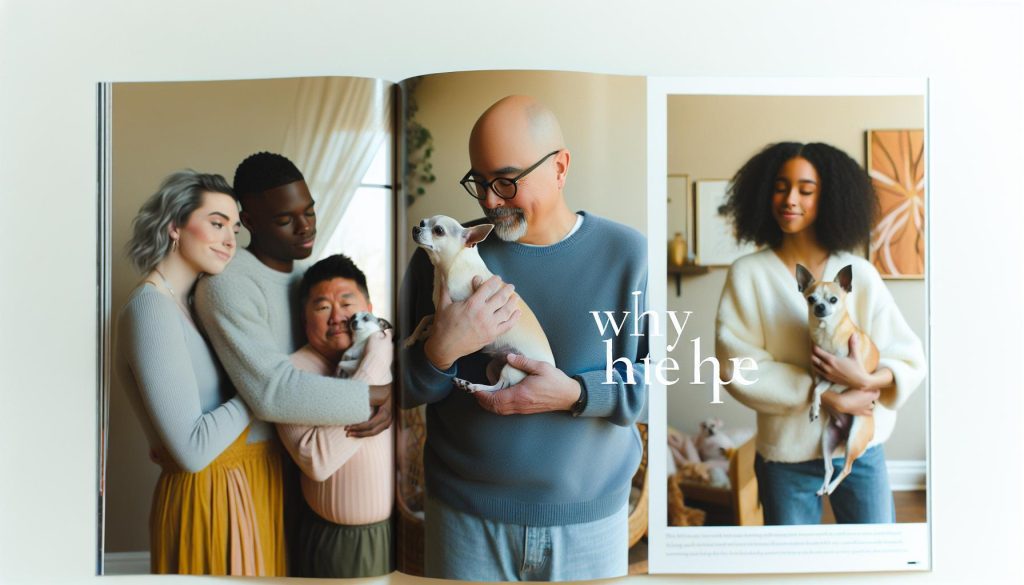
Chihuahuas are notorious for their neediness, often seeking to be held constantly by their owners. This behavior is deeply rooted in their affectionate nature and desire for companionship. Did you know that Chihuahuas can be more than just lap dogs? They possess a unique blend of loyalty and personality that makes them feel secure when close to their humans. As a Chihuahua owner, you might find yourself wondering why your little furball clings to you like a shadow. Understanding this instinct can not only enhance your bond but also help you provide the comfort, security, and connection your Chihuahua craves. Whether you’re a first-time owner or a seasoned Chihuahua enthusiast, delving into the reasons behind this need can help you appreciate their quirky charm even more. Join me as we explore the delightful yet complex world of Chihuahuas and discover why your tiny companion wants nothing more than to be held in your loving arms.
Understanding the Chihuahua’s Need for Hands-On Comfort
A Chihuahua’s desire for constant holding often stems from their innate need for security and comfort. These tiny dogs are known for their bold personalities and deep affection for their owners. When they nestle into your arms or sit snugly on your lap, they aren’t just seeking warmth; they are looking for a sense of safety. Being such a small breed, Chihuahuas can feel vulnerable in a world that seems overwhelmingly large. Holding them close provides reassurance and a physical connection that fulfills this need.
Understanding Their Behavior
Chihuahuas are incredibly loyal and form strong bonds with their humans. This attachment can manifest as a need for physical touch. In contrast to many larger breeds, Chihuahuas often prefer close contact and may express their affection through constant cuddling or sitting on your lap. If he is vocal, this behavior might be amplified by his attempts to communicate his desire for attention. It’s essential to recognize that this is part of their charm but also a reflection of their breed traits.
Meeting Their Needs
It’s crucial to balance their need for closeness with opportunities to encourage independence. Provide a plethora of cozy resting spots, such as soft blankets or small dog beds, where your Chihuahua can feel secure even when not being held. Gradually encouraging solo playtime with toys can help foster independence. Remember, starting small and gradually increasing the time apart will make your Chihuahua more accustomed to being without your constant physical presence.
Real-Life Examples
Many Chihuahua owners share stories of their pets curling up into small balls on their laps during movie nights or following them from room to room. These affectionate behaviors can be endearing, yet they highlight the need for understanding these little dogs’ emotional landscapes. Allowing him to cuddle when he chooses but gently prompting him to explore his surroundings can help him thrive both as a snuggler and an independent spirit.
The Psychology Behind Your Chihuahua’s Affectionate Behavior

Chihuahuas are notorious for their strong attachment to their owners, often exhibiting behaviors that leave us wondering about the core of their affectionate nature. These little companions, with their vibrant personalities, don’t just seek warmth and snuggles; their need for close contact stems from deep-rooted instincts shaped by their background and biology. They possess unique emotional traits that make them crave connection, security, and comfort-an aspect that is vital for understanding how to nurture their hearts and minds.
Chihuahuas, typically weighing between 2 to 6 pounds, can feel quite vulnerable in a world filled with bigger animals and unfamiliar surroundings. When they nuzzle into your arms or burrow into your lap, they are not merely being cute; they are instinctively responding to their survival needs. Their dependence on human interaction is part of what makes them such loyal companions. This reliance reflects their breeding history, where companionship was prioritized, shaping their behavior to seek closeness as a primary social interaction.
As enthusiastic owners of Chihuahuas may notice, achieving balance in their affectionate behavior requires understanding their emotional landscape. If you experience times when your dog seems particularly clingy, it’s essential to assess whether they’re feeling vulnerable or anxious. Providing a secure space with cozy blankets or designated ‘safe zones’ where your Chihuahua can retreat can help mitigate any anxiety they may experience when not in your arms. Many owners create these comforting spots, often outfitted with familiar scents, which encourage their pets to feel safe and secure, even when they are alone.
Owners frequently share stories of their Chihuahuas following them from room to room, constantly seeking proximity. For instance, during a quiet evening at home, one might find their Chihuahua curled up on their lap, drawn by the warmth and security it offers. These behaviors highlight the breed’s inherent need for human connection and their way of communicating affection. Encouraging these moments fosters bonding but ensuring that your Chihuahua also learns to enjoy solitary playtime can promote her independence and confidence.
Chihuahuas’ affectionate nature is undeniably part of their charm. Understanding the psychology behind their behaviors creates a stronger bond and ensures a happy, healthy relationship. Emphasizing both closeness and independence will help your Chihuahua feel secure while allowing her to develop the confidence to explore the world around her.
Is Your Chihuahua Seeking Security or Attention?

Chihuahuas are often seen clinging to their owners, and this behavior raises an important question: Are they seeking security or simply craving attention? Understanding this dynamic is crucial for any Chihuahua owner. These tiny dogs, with their bold personalities, can sometimes be mistaken for being overly needy. However, this neediness often stems from a blend of instinctual behaviors and their unique emotional landscapes.
For Chihuahuas, especially breeds like the apple-head variety, their small size makes them acutely aware of their vulnerability. Holding them close isn’t always just about seeking affection; it can be a way for them to feel safe in a world that can seem vast and intimidating. Many owners observe their Chihuahuas curling up and snuggling into their laps during hectic times or loud noises, indicating that what might appear as a demand for attention could actually be their instinctual response to stress.
Moreover, Chihuahuas are known for being highly attuned to their human’s emotions. When they sense changes in energy levels-like heightened excitement or stress-they may seek out their owner not just for companionship but for reassurance. For instance, if you have had a long day or are feeling down, your Chihuahua might jump on your lap, not only to bond but to gauge your emotional state and provide comfort. This behavior can be seen as an endearing trait that reinforces their role as not just pets but as emotional companions.
It’s crucial to balance these moments of cuddling with independence training. This can help your Chihuahua learn to relax and explore on their own, reducing any anxiety when you aren’t immediately available for snuggles. Creating a calm space filled with your scent-like a cozy bed or blanket-can help alleviate their neediness by providing them with a safe, comforting alternative when they feel stressed or anxious. By understanding their motives, you can build a stronger bond with your Chihuahua based on mutual trust and security.
In conclusion, while attention-seeking behavior is natural, the underlying need for security plays a significant role in your Chihuahua’s affectionate actions. Recognizing this balance can lead to a more harmonious relationship, supporting both their emotional needs and their individual growth.
Common Reasons Chihuahuas Crave Constant Holding

Chihuahuas have a well-deserved reputation for their affectionate nature, and many owners find themselves cradling their tiny companions more often than not. This desire for constant holding can be attributed to a variety of factors that intertwine both their innate instincts and emotional needs. For one, Chihuahuas are naturally inclined to seek warmth and protection, making the embrace of their owner feel like a safe haven. In an ever-changing environment, being held close provides a sense of security that diminishes anxiety and fosters trust.
Another key aspect of this behavior is rooted in the Chihuahua’s deep bond with their human. These little dogs are incredibly perceptive to the moods and emotions of their owners. When they snuggle into your arms, it’s not just for the physical comfort; they often seek to connect with you on a deeper emotional level. For example, after a long day, your Chihuahua might leap into your lap, sensing your fatigue, and instinctively want to offer you companionship. This strong emotional connection highlights their loyalty and nurturing tendencies.
Additionally, size plays a critical role in their need for being held. With their petite frame, Chihuahuas feel particularly vulnerable in larger surroundings. Being cradled can alleviate their feelings of exposure and fear. It’s common for these dogs to cling to their owners during stressful situations, such as thunderstorms or loud gatherings. Owners frequently share stories of how their Chihuahuas will bury themselves in their arms or under blankets, as this behavior reassures them amidst chaos.
However, it’s essential to provide a balance of affection and independence. Encouraging some degree of self-reliance not only promotes confidence but also enhances the overall well-being of your Chihuahua. Providing a cozy safe space where she can retreat when feeling overwhelmed can be a game-changer. This might include a cozy bed or a quiet corner filled with familiar scents, giving her a plush area where she can feel secure yet independent.
By understanding these cravings for constant holding, and recognizing both the emotional and instinctual factors at play, you can cultivate a harmonious bond with your Chihuahua that respects her needs while fostering confidence.
How to Balance Cuddles and Independence for Your Chihuahua

Chihuahuas are notorious for their desire to be held, but as a dog parent, you also want to foster a sense of independence in your tiny companion. Striking a balance between affection and autonomy can promote a healthier and happier lifestyle for both of you. While these pint-sized pooches thrive on cuddles and intimacy, it’s crucial to recognize when to set gentle boundaries. After all, providing your Chihuahua with the confidence to explore her surroundings can lead to a well-rounded personality.
One effective approach is to establish a cozy safe space for your Chihuahua that she can use when she needs to retreat. This area should be comfortable, familiar, and enriched with her favorite toys or blankets that carry your scent. For example, consider using a designated dog bed in a quiet corner of your home. This setup not only offers her a sanctuary when she feels overwhelmed but also encourages her to enjoy her own company. Over time, she will learn that while affection is readily available, independence is something to be celebrated.
When you do hold your Chihuahua, make it a positive experience by incorporating playtime and interactive activities. Engage her in games that allow for bursts of activity followed by periods of rest and snuggles. This combination will reinforce the idea that it’s okay to have fun on her own and return to you for comfort afterwards. For instance, you might use a favorite toy to initiate a game of fetch, then reward her with cuddles when she brings the toy back. This reinforces that both playtime and quiet time with you are just as valuable.
Moreover, consider implementing brief training sessions aimed at promoting self-sufficiency. Simple commands like “stay” or “go to your bed” can empower her to relax on her own without needing to be constantly held. Consistent and positive reinforcement will help her understand that spending time alone is a normal and acceptable part of her day. Just remember, every Chihuahua is different; some may take to independence more quickly than others, so patience and understanding are key.
Ultimately, a harmonious relationship with your Chihuahua revolves around recognizing her needs while gradually integrating more independence into her routine. By creating a nurturing environment that celebrates both cuddles and self-exploration, you’ll enhance your bond and cultivate a confident, happy Chihuahua who feels secure in both your presence and her own space.
Training Techniques to Encourage Independence in Your Chihuahua
Chihuahuas are often described as the ultimate lap dogs, relishing every moment they can spend in their owner’s arms. However, while their affection is endearing, fostering independence is equally important for their mental well-being. One effective method to encourage this independence starts with establishing a routine that respects their needs while gently nudging them towards self-reliance. Developing a structured environment can significantly empower your Chihuahua to feel secure in spending time alone.
Start by introducing command training that emphasizes independence. Simple commands like “stay,” “go to your bed,” or even a playful “find your toy” can help your Chihuahua understand that time apart is okay. For example, when you command her to “stay,” reward her with treats and affection when she complies. This not only reinforces positive behavior but also teaches her that being on her own is a pleasurable experience. Gradually increase the duration she remains in her designated spot, offering treats intermittently to reward her patience.
Another technique involves creating engaging activities that promote solo play. Chihuahuas, especially those with a bold attitude, are naturally inquisitive. Provide them with an array of toys that stimulate their senses, such as puzzle toys that dispense treats or interactive toys that challenge their intelligence. Pets who are slightly more independent, such as the apple-head Chihuahuas, often thrive with these mental challenges. Real-world example: a Chihuahua owner shared how her little one, Bella, began spending time on her own after she introduced a treat-dispensing ball. Bella not only enjoyed the hunt for treats but also learned that she could entertain herself while her owner was nearby, encouraging her to be more self-sufficient.
Creating a designated safe space can further enhance their sense of comfort with independence. Design this area with cozy blankets, familiar toys, and items that carry your scent. Let her choose when to visit this space, giving her control over her environment. Perhaps you could place the safe space near where you usually spend your time, allowing her to retreat but still feel connected to you. Over time, your Chihuahua will learn that it’s perfectly fine to curl up alone with her beloved toys and that your cuddles are always available when she desires them.
Lastly, consistency is crucial in all training methods. Delve into daily routines that allocate specific times for solo activities and bonding moments. Just like any child, dogs thrive on predictability. By establishing a good balance of affection and independence, you will empower your Chihuahua to navigate her world confidently-learning that both connection and solitude can bring joy.
The Impact of Size and Breed Traits on Holding Preferences
Chihuahuas, with their petite size and larger-than-life personalities, often display a strong desire to be held close. This need for physical companionship can be traced back to their breed traits, which were shaped by their evolution and close bond with humans. As one of the smallest dog breeds, Chihuahuas possess an instinctual need for warmth and security, making them more inclined to seek out their owners for comfort. This behavior is not merely a preference; it is deeply rooted in their biology and psychology.
The impact of size on a Chihuahua’s desire for closeness is significant. Being lightweight and small allows owners to easily hold and carry them, which reinforces their need for physical affection. When your Chihuahua curls up in your lap or snuggles against you, she isn’t just seeking warmth; she’s looking for reassurance and a sense of safety. This is particularly true for apple-head Chihuahuas, who, with their rounded skulls and expressive faces, often seem to thrive on the nurturing touch of their owners. Real-world examples abound; one owner noted how her apple-head Chihuahua, Daisy, would instantly relax in her arms after a stressful day, highlighting the emotional benefit of being held.
Additionally, breed traits play a crucial role in this cuddly behavior. Chihuahuas are exceptionally loyal and often form strong attachments to their owners. This loyalty means they may exhibit clinginess, especially in new or overwhelming situations, seeking the comfort of being held. Their vocal nature also adds to this dynamic; when they feel insecure, they may bark or whine until they are lifted and cuddled.
To enhance your Chihuahua’s comfort while helping her develop independence, consider creating opportunities for her to relax when you’re not in a holding position. Structuring playtime to include gentle encouragement for her to explore her surroundings while knowing you’re nearby can help. By balancing the holding sessions with moments of solo play, you cater to her breed traits while promoting a healthy level of independence. Your Chihuahua’s need for closeness is beautifully intertwined with her unique personality, and by understanding her size and breed traits, you can foster a nurturing environment that satisfies both her need for affection and her growing independence.
Recognizing Signs of Stress in a Needy Chihuahua
Understanding your Chihuahua’s emotional state is crucial for fostering a healthy relationship with her. While many Chihuahuas are bold and confident, others may exhibit signs of stress, especially if they feel needy or insecure. Recognizing these signs can help you determine whether your Chihuahua is seeking comfort or if her clinginess stems from anxiety.
Chihuahuas often display their discomfort through subtle body language. Look for signs such as:
This can indicate fear or anxiety, especially during unfamiliar situations or when exposed to new environments. If your Chihuahua turns her head away or refuses to look at you, it may be a sign that she is overwhelmed.
In some cases, excessive clinginess can manifest when your Chihuahua feels insecure. For instance, if she follows you around the house or demands your attention constantly, it might indicate that she’s not only seeking affection but also a sense of stability. Owners often notice that their Chihuahuas might become more anxious during changes in routine, such as moving to a new home or introducing new pets.
Managing your Chihuahua’s stress involves creating a safe environment where she feels secure enough to relax independently. Designate a cozy area with her favorite blanket or toys, and provide gentle encouragement to explore this space. Establish routines that include quiet time and playtime, reinforcing her understanding that while you’re there to provide love and comfort, it’s okay to spend some time apart. By balancing her need for closeness with opportunities for independence, you can help her feel both loved and secure, which ultimately leads to a happier and more confident companion.
The Role of Early Socialization in Your Chihuahua’s Behavior
Early experiences significantly shape a Chihuahua’s temperament and desire for closeness. When Chihuahuas receive proper socialization within their crucial developmental stages-typically between 3 and 14 weeks of age-they learn to navigate their environments with confidence. This period is vital; inadequate socialization can result in a more anxious or clingy dog, leading her to crave constant holding and reassurances.
To foster a well-adjusted companion, expose your Chihuahua to various sights, sounds, and experiences early on. Introduce her to other dogs, people, and diverse environments. For instance, taking her to a dog park can help her learn to interact with other dogs while also giving you an opportunity to observe her behavior in a stimulating environment. A well-socialized Chihuahua is likely to show less dependency on her owner, feeling secure enough to explore and engage with her surroundings.
Encouraging positive experiences is critical. If your Chihuahua encounters new situations, ensure they are safe and pleasant. Use treats and praise to reward her for staying calm, whether it’s meeting new people or experiencing new sights. This builds a sense of security and reduces her need to cling to you for comfort. Additionally, when she’s comfortable in various situations, she’ll often show less anxiety when you need to put her down or leave her alone.
Remember, early socialization is not just about exposing your Chihuahua to new things, but also about helping her learn to take comfort in her independence. With time, patience, and positive reinforcement, she will grow into a more confident, less needy adult. This balance of love and independence will allow your Chihuahua to thrive and enjoy her own space while still cherishing those special moments together.
Creating a Safe Space for Your Chihuahua to Relax
Creating a cozy retreat for your Chihuahua can significantly contribute to their comfort and well-being, especially for a breed known for its vibrant personality and strong affection for companionship. Chihuahuas thrive in environments where they feel secure and can retreat when the world becomes overwhelming. Setting up a safe space at home not only helps your little one relax but also encourages their independence as they learn to enjoy their own company.
Start by designating a specific area that feels inviting and safe. This could be a comfortable dog bed placed in a quiet corner, away from foot traffic. Consider using a bed with raised edges or a hooded design, as many Chihuahuas love to snuggle into snug spaces. Add soft blankets or a favorite toy, as these items carry familiar scents that can soothe your Chihuahua and make the space feel like a true haven.
To enhance this area, consider the placement of the sanctuary. Ideal locations should be warm and not subject to sudden noises or disturbances, like in a hallway or close to a busy kitchen. If your Chihuahua enjoys looking out, position the bed near a window, so they can watch the world go by, yet still retreat into their cozy surroundings when it becomes too much.
It’s also important to encourage use of this safe space. You might start by luring your Chihuahua to the area with treats or toys. Spend time near the space, tossing a beloved squeaky toy into the bed or using it during cuddle time as a play area. If she seems anxious or doesn’t naturally gravitate towards her sanctuary, incorporating some training techniques, such as positive reinforcement when she uses the space voluntarily, can help her associate it with comfort and security.
Lastly, always be observant of her behavior in this space. For instance, if your Chihuahua retreats but frequently pops her head out, it might be a sign she values her safe zone while also wanting to stay connected with you. Conversely, if she avoids the space altogether, consider adjusting the location or comfort level of the area. A well-defined safe space can alleviate her need for constant holding, enabling her to feel secure while knowing you’re nearby, paving the way for a more balanced relationship.
Real Owner Experiences: Cherished Moments with Chihuahuas
The bond between Chihuahuas and their owners often leads to cherished moments filled with warmth and affection. Many Chihuahua owners can attest that their tiny companions excel at expressing their need for closeness, making them a source of joy and comfort. For instance, one owner shared how her apple-head Chihuahua, Mia, hops into her lap the moment she sits down, eyes sparkling in anticipation of a snuggle. These little gestures are not just behaviors; they are demonstrations of love and attachment that define the unique relationship between Chihuahuas and their humans.
Each interaction holds a story, illustrating why so many Chihuahuas seek constant companionship. Owners often recount how their Chihuahuas possess an innate talent for sensing moods. On a tough day, for example, a Chihuahua named Coco would curl up next to her owner, gently nudging her hand with a paw, as if to say, “I’m here for you.” This instinct to provide comfort is rooted in their affectionate nature-such moments reinforce the warmth that comes from having a loving companion at hand.
Balancing a Chihuahua’s need for affection with the desire for independence can be tricky. One owner found that providing a cozy space for her Chihuahua, Max, enabled him to retreat when overwhelmed while still allowing for plenty of cuddle time. They created a sanctuary with his favorite blanket and toys, an environment where he felt secure yet wasn’t glued to her side. This balance helped Max learn that being loved does not mean being held constantly, feeding both his need for comfort and his desire for personal space.
These real-life experiences reinforce the understanding that Chihuahuas thrive on connection and security. Their desire for constant affection is driven by a blend of loyalty, social nature, and, for many, a little bit of that iconic Chihuahua bravado. Owners often delight in sharing stories of their chattier companions, like Bella, who will bark insistently to demand cuddles, showcasing the breed’s vocal tendencies alongside their affectionate charm. This beautiful interplay of behavior makes every moment with a Chihuahua an opportunity for connection, creating lasting memories that enrich the lives of both pet and owner.
Are Chihuahuas More Affectionate Than Other Breeds?
Chihuahuas have a reputation for being exceptionally affectionate, often displaying a level of devotion that can rival the love shown by larger breeds. Their compact size and expressive personalities contribute to a unique bond with their owners that’s characterized by intense loyalty and a desire for closeness. Many Chihuahua owners reflect on how their little companions seek out physical contact, whether it’s a gentle paw on the owner’s lap or an insistence on being cradled in the arms during quiet moments. This behavior not only highlights their need for security but also speaks volumes about their emotional intelligence and intuitive nature.
One of the charming traits of Chihuahuas is their ability to read human emotion. Owners frequently share anecdotes about how their Chihuahuas seem to know when they’re feeling down or stressed. For instance, a Chihuahua named Lulu would often jump onto her owner’s chest and snuggle closely when she sensed her mom was upset, as if to offer comfort. This empathetic behavior is not commonly observed in all breeds, making Chihuahuas particularly special in how they relate to their humans.
Moreover, the affectionate behavior of Chihuahuas can be attributed to their historical roles as companions. Bred primarily for companionship rather than utility, Chihuahuas thrive on human interaction. Their small stature allows for easy holding, and many owners enjoy having their Chihuahuas close. This desire to be held is a reflection of their affectionate nature, but it also speaks to their instincts as social animals that crave connection and reassurance from their owners.
While other breeds can be affectionate in their own ways, Chihuahuas often stand out due to their combination of boldness and sensitivity. Whether it’s their playful barks demanding attention or their boldness in navigating the world despite their size, they embody a distinct personality that invites closeness. As you cherish the cuddles and bonding moments with your Chihuahua, remember that this affectionate behavior makes them one-of-a-kind companions, and it enriches the lives of both pets and their owners.
Q&A
Q: Why do Chihuahuas prefer to be held over other activities?
A: Chihuahuas often prefer being held because it provides them with comfort and security. Their small size makes them more vulnerable, and being held lets them feel safe and cherished. This behavior can also stem from their affectionate nature and desire for attention from their owners.
Q: How can I tell if my Chihuahua wants to be held?
A: Your Chihuahua may show signs of wanting to be held by seeking your attention, whining, or positioning themselves close to you. If he/she leans against you or jumps into your lap, this indicates a desire for physical closeness and affection.
Q: Is it harmful to hold my Chihuahua too much?
A: While holding your Chihuahua can strengthen your bond, excessive holding may hinder his/her ability to develop independence. It’s essential to balance cuddles with moments of autonomy, allowing your Chihuahua to explore and feel secure when he/she is alone.
Q: How can I help my Chihuahua feel secure without constantly holding him/her?
A: Create a safe space for your Chihuahua, such as a cozy bed or crate, where he/she can retreat when feeling anxious. Providing toys and engaging in short, interactive play sessions can also help him/her feel secure and happy without needing constant physical contact.
Q: What behaviors indicate that my Chihuahua is overly dependent on being held?
A: Signs of dependency can include excessive barking, clinginess, or anxiety when you leave the room. If your Chihuahua panics when not held, it may indicate a need for better training to encourage independence.
Q: How can I train my Chihuahua to be less clingy?
A: Gradually introduce periods where your Chihuahua is encouraged to be independent. Start with short durations of separation, rewarding calm behavior with treats or praise. Over time, gradually increase the separation duration to help your Chihuahua learn that being alone can also be safe and rewarding.
Q: Do Chihuahuas have higher attachment levels compared to other breeds?
A: Yes, Chihuahuas tend to be more affectionate and attached to their owners compared to many other breeds. This strong bond can lead to their desire for constant companionship, making them feel secure and valued.
Q: How can I recognize if my Chihuahua is stressed and wants to be held?
A: Signs of stress in your Chihuahua may include panting, pacing, or shaking. If these behaviors occur when you’re not holding him/her, it can be an indication that your Chihuahua is seeking the comfort of being held to alleviate stress.
In Conclusion
Understanding why Chihuahuas crave constant attention helps you create a nurturing environment tailored to their unique needs. Their loyalty stems from an innate desire for companionship, making your connections even more special. If you’re curious about enhancing your Chihuahua’s happiness, explore our guides on best care practices and training strategies to address behavioral quirks, such as barking or anxiety.
Don’t forget to check out our article on “Top Tips for Keeping Your Chihuahua Healthy” for proactive health advice. Share your experiences in the comments below-how does your little one show affection? Join our community of Chihuahua enthusiasts and consider signing up for our newsletter to stay informed with the latest tips and adorable stories to enrich your bond with your furry friend. Every snuggle counts, so let’s ensure your Chihuahua’s needs are met!
Get our latest guides, news, and insights highlighted in your Google Search & AI Overviews.