

Chihuahuas are vibrant little companions, but if you’ve ever noticed your furry friend shaking, you might wonder why. This behavior, often seen in these tiny powerhouses, can be perplexing for owners. In this article, we’ll explore seven hidden reasons that might explain your Chihuahua’s tremors, from their unique physiology to emotional responses. Not only will you gain insight into their behavior, but you’ll also learn how to better care for your beloved pet. Understanding these shakes can enhance your bond with your Chihuahua and ensure a happier, healthier life together. Dive in to uncover the secrets behind this common quirk!
Understanding Chihuahua Shaking: What’s Normal?
Chihuahuas are known for their distinctive shaking, which often leaves many owners puzzled. It’s important to remember that this behavior can be completely normal and is part of what makes these tiny dogs so unique. Shaking in Chihuahuas can result from various factors including excitement, cold sensitivity, and even their natural temperament. Typically, a healthy Chihuahua might shake when they are thrilled about seeing you, especially if you’ve just come home. This little wiggle of joy is not only adorable but also a sign of their affectionate personality.
However, it’s essential to distinguish between normal shaking and when it might indicate a problem. Chihuahuas are particularly sensitive to temperature changes due to their small size and low body fat. On chilly days, or if they’ve just been outside for a walk in the cold, you might notice your furry friend shaking as they try to keep warm. Providing a cozy sweater or a warm blanket can help soothe them.
Behavioral traits also play a significant role in understanding Chihuahua shaking. For instance, if your Chihuahua is in an unfamiliar environment, you may notice her shaking due to nerves or anxiety. Offering reassurance through calm words and gentle petting can help alleviate her fears. Observing these behaviors closely will allow you to better cater to her needs and ensure her comfort, whether you’re in a bustling park or at home during a storm.
Ultimately, the shaking does not always signal a problem; it could just be part of their quirky, vibrant nature. Embrace their uniqueness, and remember that shaking is often just another aspect of their lively and spirited personalities.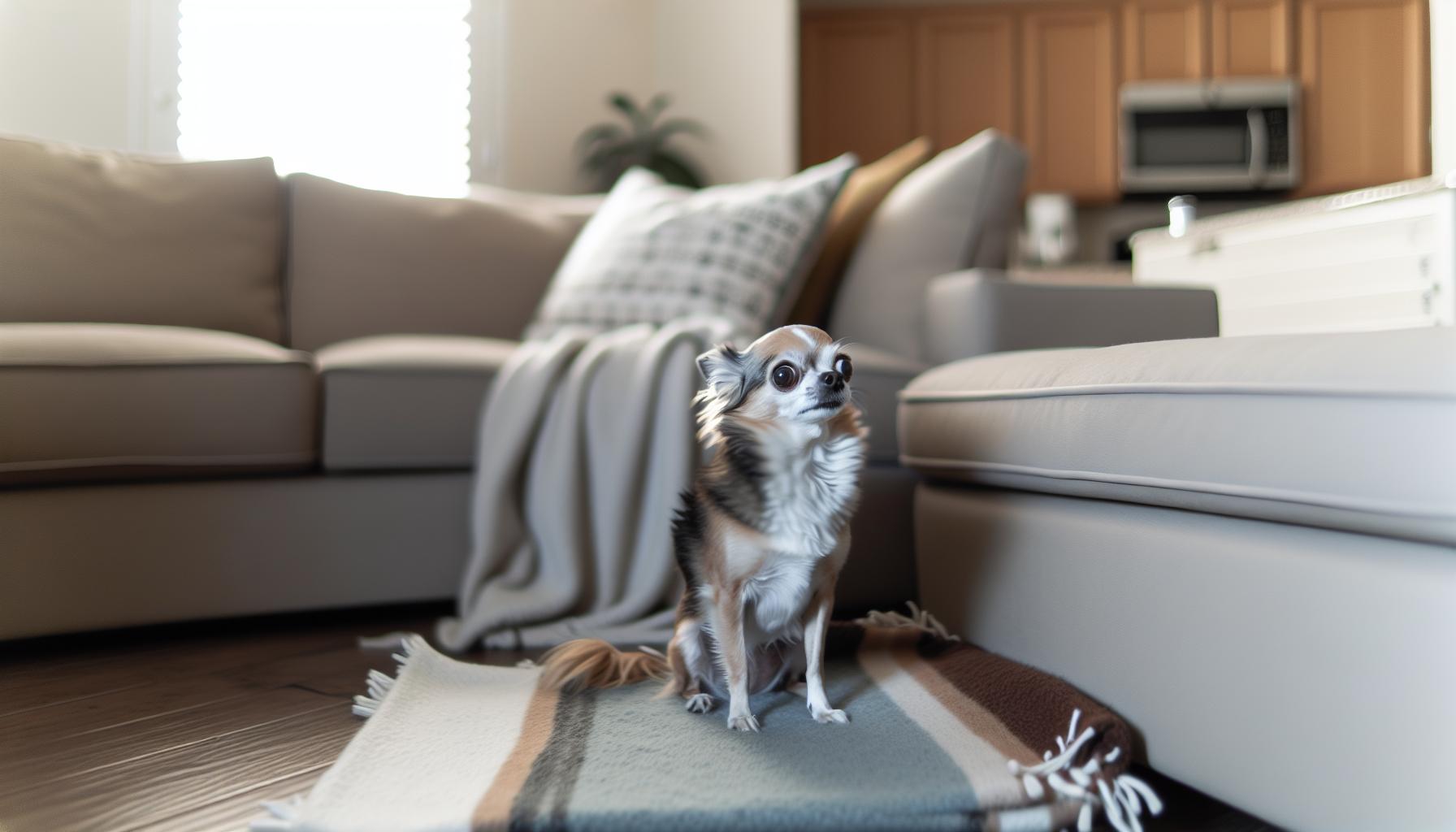
Common Health Concerns: Is It a Sign?
Chihuahuas are vibrant little companions known for their charming quirks, including their signature shakes. While many owners associate this behavior with their beloved dog’s personality, it’s essential to stay vigilant about potential health concerns that could signal underlying issues. A shaking Chihuahua might simply be expressing excitement or cold sensitivity, but there are instances where it could be a sign of something more serious.
Common health issues that might cause shaking in Chihuahuas include:
- Hypoglycemia: This breed is particularly prone to low blood sugar levels, which can lead to tremors and shaking. If your Chihuahua becomes lethargic or unresponsive in addition to shaking, it’s crucial to consult your veterinarian.
- Neurological Disorders: Conditions affecting the nervous system can also manifest as shaking. If the shaking seems abnormal or persistent, a vet visit is warranted to rule out issues such as seizures or other neurological problems.
- Pain or Discomfort: Often, small dogs will shake if they are in pain or feeling unwell. If your Chihuahua is unusually quiet, avoiding movement, or showing signs of discomfort alongside shaking, a thorough examination is necessary.
Examining your Chihuahua’s behavior is key. For instance, if your little friend is shaking but also shows signs of a loss of appetite or changes in bathroom habits, these could point to health complications. Pay attention to how frequently the shaking occurs and under what circumstances. Linda, a Chihuahua owner, shared her experience of noticing her pup’s shaking during cold winter months and realized a warm sweater made all the difference.
As a conscientious owner, being proactive about your Chihuahua’s health can make a significant difference. Regular vet check-ups and awareness of your dog’s typical behavior will help you catch any concerns before they escalate. From understanding their diet to providing a warm environment, small adjustments can lead to healthier, happier lives for your furry friends. Remember, a shaking Chihuahua might be just being his quirky self, but staying informed helps ensure their joy is a constant, not a sign of distress.
Behavioral Factors: Why He Might Be Nervous
Chihuahuas are as feisty as they are small, but their nervous tendencies often surprise first-time owners. If your little companion shakes, it could be a response to anxiety or fear. Chihuahuas have a very sensitive nature, and various factors in their environment can trigger nervousness. Think of your Chihuahua as a tiny, brave warrior who might feel overwhelmed in situations that larger dogs would take in stride.
One common cause of nervousness is unfamiliar environments or unexpected changes in routine. For instance, a first trip to the dog park may send a Chihuahua into a tailspin of shakes if he feels intimidated by larger dogs or loud noises. Socialization is key; gradually exposing your Chihuahua to different settings and situations can help him build confidence. Owners like Sarah have found that taking their Chihuahuas on regular outings to safe and controlled environments can diminish anxiety over time, turning a once-timid pup into a social butterfly.
Separation anxiety is another significant factor to consider. Chihuahuas form strong bonds with their humans and can become anxious when left alone. If your furball starts shaking or whining when you prepare to leave, it could be a sign that he is feeling insecure about being without you. Providing engaging toys, a cozy blanket with your scent, or even a second pet can help ease their fears. Many owners have successfully used calming aids, such as pheromone diffusers or anxiety jackets, to alleviate their Chihuahua’s stress during those times of separation.
Moreover, it’s essential to consider the impact of your own emotions. Chihuahuas are incredibly attuned to their owners’ feelings. If you’re anxious or stressed about something, bear in mind that your little buddy may mirror that energy and shake in response. Keeping your own cool, employing relaxation techniques, and providing reassurance can foster a more peaceful atmosphere, allowing your Chihuahua to feel secure and calm alongside you. Transforming your Chihuahua’s nervousness into tranquility is about understanding his needs and adjusting your approach to nurture that trusting bond you both cherish.
Temperature Sensitivity: Keeping Your Chihuahua Warm
Chihuahuas, those charming little companions, can be surprisingly sensitive to temperature fluctuations. With their small size and limited body mass, they can feel the chill more intensely than larger breeds. Have you ever noticed your Chihuahua shivering during a brisk walk or when the air conditioning is cranked up? This reaction is not just a cute quirk; it’s often a sign of discomfort due to temperature changes.
To keep your Chihuahua warm and comfortable, layering is key. Consider investing in a well-fitted dog sweater or jacket for colder days. Look for materials that provide insulation without restricting movement. Many owners, like Jessica with her apple-head Chihuahua, Bella, found that a cozy fleece hoodie made a world of difference in Bella’s comfort during their winter outings. Additionally, when indoors, providing a soft, warm blanket can create a perfect snuggle spot for your pup to retreat when the temperatures drop.
Understanding Your Chihuahua’s Needs
Chihuahuas can feel cold at temperatures below 50°F (10°C), making it vital to be mindful of the weather. If you notice your furry friend shivering, it can be helpful to adjust your home’s thermostat or add warm bedding. A soft bed placed in a draft-free location can also help regulate your pup’s body temperature. For instance, owners like Mark have found that setting up a small doggie bed near a sunny window allows their fur babies to bask in warmth while keeping cool when the sun’s rays shift.
Moreover, during colder months, short walks can be more beneficial than long ones. Consider increasing the frequency of your walks but shortening their duration to keep your Chihuahua from getting too cold. Remember, your little buddy may only need a few minutes of outdoor play instead of the lengthy adventures larger dog breeds enjoy.
Ultimately, monitoring and accommodating your Chihuahua’s temperature sensitivity will ensure their health and well-being, allowing them to thrive in any environment. Taking these simple steps will help your Chihuahua feel safe, snug, and secure, turning those shivers into joyous leaps of excitement instead!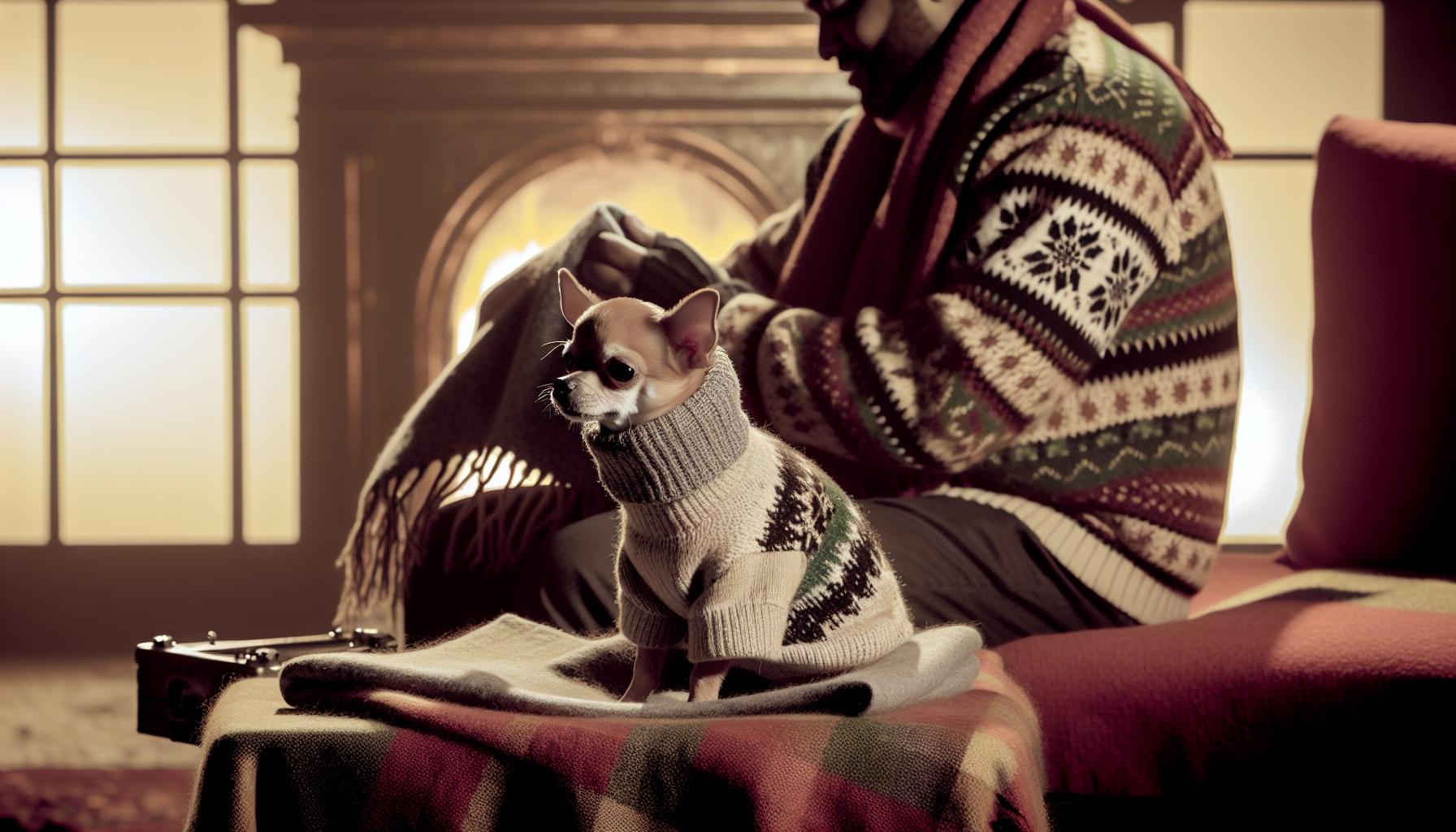
Anxiety and Stress: Identifying Triggers for Shaking
Chihuahuas are remarkable little dogs packed with personality, but their sensitive nature can sometimes make them prone to shaking when they’re anxious or stressed. Identifying what triggers these feelings in your furry friend is crucial for both their happiness and your peace of mind. It’s important to recognize that even the tiniest stimuli can provoke anxiety in Chihuahuas, who often see themselves as bold guardians despite their size.
There are common triggers that might cause your Chihuahua to shake. These include loud noises like thunderstorms or fireworks, crowded spaces, unfamiliar people or animals, or even changes in routine. For instance, if you’ve recently moved or if guests have visited, your little one might feel unsettled. Many owners have noticed that their Chihuahua shakes more during such changes. For example, Sarah’s apple-head Chihuahua, Coco, would tremble when their family gathered for holidays, overwhelmed by all the hustle and bustle.
Creating a calm environment can significantly reduce stress for your Chihuahua. Consider establishing a designated safe space where she can retreat when feeling anxious. This could be a cozy corner with her favorite blanket or a quiet room where she won’t be disturbed. Additionally, practice positive reinforcement to comfort her during stressful times. For example, when she remains calm during a thunderstorm, reward her with a treat or gentle praise. This helps her associate these noises with positive experiences rather than discomfort.
Understanding your Chihuahua’s body language is also vital. Look for signs such as a tucked tail, droopy ears, or unwillingness to engage. If you notice these signs accompanied by shaking, it’s a clear indication that she is feeling stressed. Once you identify her stressors, you can take proactive steps to mitigate them-whether that means closing windows during storms, using calming music to drown out loud noises, or providing extra cuddles when she’s feeling nervous. Knowing your little companion well empowers you to create a supportive environment where she can thrive.
Excitement and Playfulness: When Shaking Is Fun
Chihuahuas are known for their exuberant personalities, and one of the endearing ways this breed expresses their excitement and playfulness is through shaking. Unlike the shaking that often indicates anxiety or fear, this playful tremor can be a sign that your little companion is having a fantastic time. Whether he’s about to go for a walk, play with his favorite toy, or greet a beloved friend, you might notice him quivering with joy. This phenomenon is not only adorable but also a part of their vibrant character that adds to the charm of Chihuahuas.
Engaging in playful activities can intensify your Chihuahua’s natural tendency to shake in a joyful manner. When it comes to games, Chihuahuas thrive on interaction. Simple games of fetch, hide and seek, or tug-of-war can trigger that delightful shaking. Take, for example, Mia, a five-pound apple-head Chihuahua who gets so excited at the sight of her plush duck toy that she shakes uncontrollably, darting around the room with uncontainable joy. Your Chihuahua might also exhibit this behavior during enthusiastic greetings, especially when he hasn’t seen you for a while. The thrill of reunion can turn into a mini shaking celebration as he hops and wiggles with glee.
To foster these joyful moments, consider setting up regular play sessions. Chihuahuas are energetic and love mental stimulation as much as physical activity. Rotate their toys to keep their interest piqued and introduce new activities now and then. For example, hide treats around the house for a mini scavenger hunt; this not only engages their natural curiosity but also brings out the playful shaking. Additionally, observe how your Chihuahua interacts with other dogs. Some Chihuahuas shake with excitement during playdates, showcasing their quirky charm as they navigate their social interactions.
It’s crucial to appreciate this playful shaking as a normal part of your Chihuahua’s personality rather than a cause for concern. Each shake can reflect the pure joy of being alive and interacting with the world. Embrace these moments; they’re not just entertaining but also show the unique bond you share with your lively Chihuahua. Supporting their playful spirit will not only strengthen your connection but also enhance their overall wellbeing, allowing them to thrive and enjoy life to the fullest.
Age and Growth Stages: Shaking in Puppies vs. Adults
Puppies might be tiny, but their energy is boundless, and the way they express that energy often includes shaking. You may notice that your young Chihuahua shakes more frequently than adults, and this is perfectly normal! Puppies are naturally more excitable and have yet to learn how to manage their emotions effectively. The shaking can stem from various sources-excitement, nervousness, or even the chill of a cool room. As your puppy navigates the world, she learns to balance these feelings, and over time, the frequency and intensity of her shaking may change as she matures.
Adult Chihuahuas, on the other hand, tend to shake less frequently but not always for the same reasons. While they may still tremble with joy during play or when it’s time for a walk, adult shaking often has deeper roots. Changes in environment, anxiety from unfamiliar situations, or even temperature sensitivity can trigger shaking. For instance, a five-year-old deer-head Chihuahua named Max may tremble when exposed to cold weather or while at the vet, not just out of fear but also because he’s sensitive to his surroundings. Recognizing these triggers helps you differentiate between playful shaking and signals that something might be off.
As Chihuahuas age, it’s essential to pay attention to any shifts in their shaking behavior. If your adult Chihuahua, usually buoyant and cheerful, begins to shake suddenly or excessively, it may be time for a vet visit to rule out underlying health issues. Just like puppies, adult Chihuahuas can shake out of discomfort or pain, and as responsible owners, we must remain vigilant. Observing and recording the circumstances surrounding any change in shaking patterns provides valuable insights for your veterinarian.
To support your Chihuahua through her growth stages, maintain a stable environment, provide warmth, and engage her mentally and physically. Regular playtime encourages healthy expression of those sugary shakes, reinforcing the bond you share and helping to create a secure, loving space for your canine companion. Understanding that shaking is part of what makes Chihuahuas unique will enhance your journey together, whether you’re enjoying playful puppy antics or comforting an adult through life’s anxieties.
Medical Conditions: When to Seek Veterinary Help
If your Chihuahua starts shaking unexpectedly, it can be concerning, especially if you’re unsure why. While shaking can sometimes be a cute quirk of the breed, it may also signal a medical concern that requires immediate attention. Chihuahuas are known for their bold personalities, but they are also prone to specific health issues-many of which can manifest through shaking.
Recognizing the signs that indicate a need for veterinary help is crucial. For example, if your Chihuahua’s shaking is accompanied by other symptoms such as lethargy, vomiting, or loss of appetite, it’s time to consult your vet. These could indicate issues ranging from infections to neurological disorders. Additionally, keep an eye on whether the shaking occurs during regular activities or if it seems excessive and out of character. For instance, if a normally energetic apple-head Chihuahua named Bella becomes suddenly shaky while playing or after a walk, it may suggest discomfort or pain that needs addressing.
It’s essential to pay attention to the context of the shaking. Occasionally, Chihuahuas may tremble due to temperature fluctuations, particularly in colder weather. However, if your dog shakes continuously in a controlled environment or shows signs of distress, this could point to more serious underlying conditions, such as patellar luxation, which is common in the breed and often causes pain and instability in the knee joint. Regular veterinary check-ups can catch such issues early, ensuring your Chihuahua stays healthy and happy.
Lastly, when in doubt, trust your instincts as a loving and attentive owner. Document any changes or new patterns in your Chihuahua’s shaking behavior, and discuss these details during your vet visit. Being proactive and observant can make a significant difference, allowing for swift action if your furry friend needs medical help. Your vigilance ensures that you continue to celebrate the vibrant personality of your delightful Chihuahua while safeguarding his well-being.
Physical Factors: Assessing Muscle and Bone Health
Chihuahuas, with their spirited personalities wrapped in tiny packages, often surprise us with their quirks, including shaking. While many owners may brush off a little tremor as an adorable trait, it’s crucial to consider how muscle and bone health can significantly impact your furry friend’s behavior. Small breeds like Chihuahuas can experience unique physical challenges, leading to not just shaking but also signs of discomfort or pain.
Assessing the muscle and bone health of your Chihuahua should be a regular part of their care. These little dogs can be prone to conditions like patellar luxation or hip dysplasia, which can be particularly painful and may manifest as shaking or trembling. Pay attention to how your Chihuahua moves. Does she seem to favor one leg? Is there a noticeable change in her play behavior? For instance, if a normally vivacious apple-headed Chihuahua named Coco suddenly shows reluctance to run or jump, it might be time to schedule a vet visit for a thorough examination.
Another important aspect is maintaining a healthy weight. Extra pounds can put additional strain on your Chihuahua’s joints and muscles, exacerbating any underlying issues. Keep her active with regular, gentle exercise, such as short walks or playful indoor games that cater to her energy level. Implementing a balanced diet rich in essential nutrients will also help strengthen her bones and muscles, promoting overall well-being.
Don’t underestimate your instinct as an owner. If you notice consistent shaking alongside changes in movement or activity level, document these observations and discuss them with your vet. Addressing muscle and bone health proactively can make a significant difference in your Chihuahua’s quality of life, ensuring that her bold spirit continues to shine bright through her unique and lovable personality.
The Chihuahua Personality: Shaking as a Quirky Trait
Chihuahuas are a breed renowned for their boldness and spirited nature, and one of their most endearing quirks is, undoubtedly, their propensity to shake. This charming behavior often garners amused reactions from owners and onlookers alike. However, for those who share their lives with these little dynamos, understanding the nuances of their shaking can deepen the relationship you have with your Chihuahua. It’s not just a cute trait but a rich part of their personality that reflects their emotional state and individuality.
Many Chihuahuas exhibit shaking in different contexts, ranging from moments of excitement to sheer nervousness. For instance, an apple-headed Chihuahua named Bella might tremble with joy when it’s playtime, her little body quivering as she runs in circles with her toys. This shaking expresses her exuberance and love for play, highlighting her lively character. Alternatively, a shy Chihuahua may shudder during a thunderstorm or in a crowded room, showcasing a need for comfort and reassurance from their owner. Recognizing the situation can help you respond appropriately to their needs, whether it’s to engage in play or offer a comforting cuddle.
This breed’s unique personality traits play a significant role in their shaking tendencies. Chihuahuas are known to be vocal and affectionate, fiercely protective and often a bit feisty despite their small size. Their temperament can lead to a variety of shakes that are, at heart, an extension of their emotional reactions. Therefore, it’s essential to be attentive to your Chihuahua’s cues and provide a safe environment where they can express their feelings without fear or discomfort. By nurturing their individuality, you reinforce their self-confidence and emotional well-being.
To embrace the quirky nature of your Chihuahua, consider creating a safe and stimulating environment. Provide cozy spots for them to retreat to when they feel anxious and engage them in interactive toys that channel their energetic spirit. Understanding that shaking can stem from both excitement and nervousness allows you to cultivate an environment where your furry friend thrives, keeping that lively spirit bright.
In essence, shaking is just one of the many quirky facets of a Chihuahua’s personality. By cherishing these unique behaviors and responding to their needs, you nurture not only your dog’s health but also your bond with them. Remember, every shake tells a story about your small companion’s feelings and experiences-embrace it with love and understanding.
Owner Tips: How to Calm a Shaking Chihuahua
It’s not uncommon for Chihuahuas to shake, whether from excitement or anxiety, leaving many owners wondering how to alleviate this behavior. Fortunately, there are several effective strategies to help your little companion feel more settled. Understanding the unique personality traits of your Chihuahua is key-these pint-sized dynamos often display both boldness and sensitivity, making tailored approaches essential.
Start by establishing a routine that includes plenty of playtime and relaxation. Engaging activities stimulate their minds and bodies, which can reduce nervous shaking. For instance, play fetch or hide-and-seek in a familiar, safe environment. Many owners find that their Chihuahuas flourish with regular interactive play, helping to channel excess energy into fun rather than anxiety.
Creating a warmth-focused sanctuary can also work wonders. Chihuahuas are particularly susceptible to cold due to their small size and low body fat. Ensure your home is cozy and consider providing a snug bed or blanket where she can retreat. If she shakes during colder months, a stylish sweater can not only add comfort but can also reduce her stress.
Anxiety is common in Chihuahuas, so identifying triggers is vital. If loud noises cause her to tremble, consider playing soft music or using white noise machines to mask these disturbances. Nuturing a sense of security will help your Chihuahua feel more at ease. Whenever she exhibits signs of nervousness, gently reassure her with calming words and perhaps a reassuring belly rub. Creating positive associations through training can also help. Use treats and praise to encourage calm behavior instead of reacting negatively to shaking.
Lastly, consider exploring calming products as well. Some pet owners have found success with anxiety wraps or calming treats infused with natural ingredients. While every Chihuahua is unique, combining these tips with your understanding of her personality can lead to a happy, more relaxed companion. Remember, each shake is a little piece of her story-embracing and nurturing her individuality will deepen your bond and enhance her quality of life.
FAQ
Q: Why does my Chihuahua shake when he’s sleeping?
A: Chihuahuas may shake during sleep due to dreaming. Like humans, they experience REM sleep, which can cause twitching or shaking. This behavior is usually normal and not a cause for concern. However, if the shaking is excessive or accompanied by other symptoms, consider consulting your veterinarian for peace of mind.
Q: What can I do if my Chihuahua shakes excessively?
A: If your Chihuahua shakes excessively, first identify potential triggers like stress, cold, or health issues. Ensure he is warm and comfortable. Gradual desensitization and creating a calming environment can help. For persistent shaking, consult your vet to rule out any underlying medical conditions.
Q: Are there specific triggers that cause Chihuahuas to shake?
A: Yes, Chihuahuas may shake due to several triggers, including anxiety, excitement, cold temperatures, or fear. Identifying and mitigating these triggers is crucial. For example, if your Chihuahua shakes during thunderstorms, providing a safe space or using anxiety wraps may help alleviate stress.
Q: Is it common for older Chihuahuas to shake?
A: Yes, shaking can be more common in older Chihuahuas as they may suffer from health issues or age-related tremors. Always monitor their behavior and consult your veterinarian if you notice increased shaking or other concerning signs.
Q: Can a diet change affect my Chihuahua’s shaking?
A: Yes, a sudden change in diet can affect your Chihuahua’s digestion and overall health, potentially leading to shaking. Ensure that any dietary changes are gradual and consider high-quality, balanced nutrition to support his health and reduce anxiety.
Q: Why does my Chihuahua shake when meeting new people?
A: Shaking when meeting new people is often a sign of anxiety or excitement. Chihuahuas can be naturally anxious and need time to acclimatize. Allow your dog to approach new situations at his own pace and reinforce positive experiences with treats or praise.
Q: Do certain Chihuahua breeds shake more than others?
A: While shaking can be observed in any Chihuahua, apple-head Chihuahuas tend to display this behavior more frequently. Their sensitivity and temperament can cause them to shake, especially in new environments. Understanding your specific Chihuahua’s personality can help manage this shaking effectively.
Q: How can I tell if my Chihuahua’s shaking is a serious issue?
A: Observe if the shaking is accompanied by other symptoms like lethargy, vomiting, or behavioral changes. If the shaking seems unusual, sudden, or excessive, seek veterinary advice to rule out serious conditions such as neurological issues or pain.
In Conclusion
Understanding why Chihuahuas shake is essential for their health and happiness. Whether it’s due to excitement, temperature sensitivity, or even anxiety, recognizing these behaviors can help you provide the best care for your little companion. If you’re curious about how to soothe your shaking Chihuahua, check out our guide on managing anxiety in dogs and exploring the best gear for Chihuahuas in colder weather.
Want more insights? Don’t miss our articles on Chihuahua nutrition or common health issues every owner should know. Your journey as a Chihuahua owner is unique, filled with joyful moments and challenges. Share your experiences in the comments below, and if you found this video helpful, consider subscribing for more tips and resources tailored just for you. Together, let’s ensure your tiny powerhouse thrives in every way possible!
Get our latest guides, news, and insights highlighted in your Google Search & AI Overviews.