
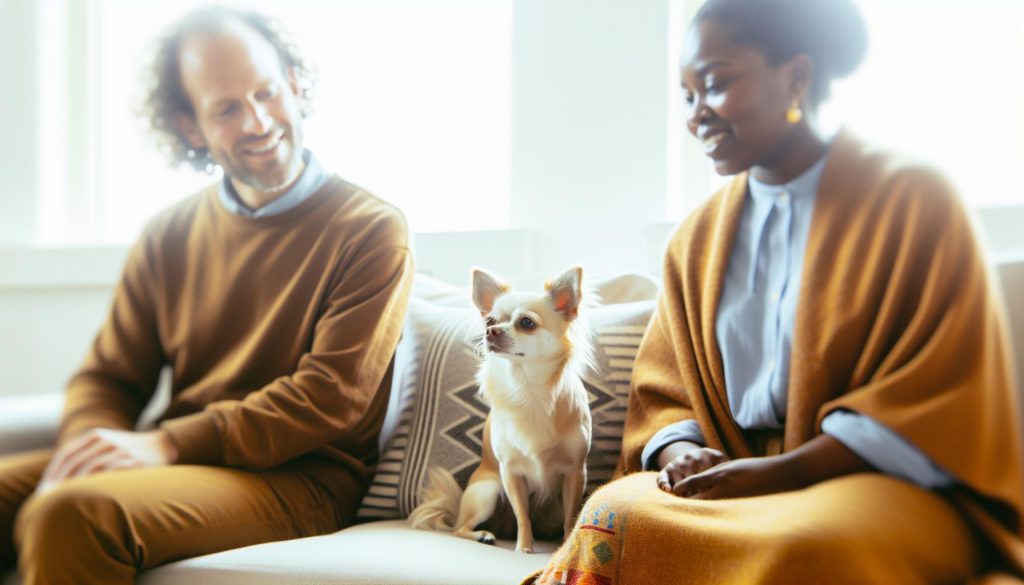
Chihuahuas, with their bold personalities and tiny frames, often display surprisingly high levels of fearfulness. Did you know that these pint-sized companions can be on high alert at the slightest noise or sudden movement? Understanding why your Chihuahua reacts this way isn’t just fascinating-it’s vital for their well-being.
Fearful behaviors may stem from their histories as larger prey for many predators, making them naturally cautious. As an owner, acknowledging these instincts can help you create a safe, nurturing environment that builds their confidence. This journey will empower you to better understand your furry friend’s reactions, leading to a happier, more secure life together. Let’s explore the reasons behind their fear and discover effective ways to support your courageous little companion!
Understanding Chihuahua Fear Responses
Understanding why Chihuahuas often exhibit fearful behaviors can be quite enlightening for any owner wanting a well-adjusted companion. Despite their small size, these pint-sized pups can showcase an impressive range of emotions, and fear is one of the most common. A Chihuahua’s fear responses can stem from a mixture of innate temperament, past experiences, and environmental factors. For instance, many Chihuahuas are wired to be cautious, a trait that once helped their ancestors survive in the wild. This natural predisposition often manifests in anxiety towards unfamiliar situations, loud noises, or even new people.
Socialization plays a crucial role in how a Chihuahua reacts to fear-inducing stimuli. Puppies that are gently exposed to various experiences, people, and other dogs during their formative weeks are more likely to grow into confident adults. In contrast, a lack of socialization can lead to heightened fears and nervousness in new situations. For example, a Chihuahua named Bella, who had limited exposure to strangers as a puppy, would tremble and bark at any new visitor. With patience and gradual introductions, Bella’s owner helped her become more comfortable, showcasing how early interactions can dramatically shift a dog’s behavior.
Fear responses in Chihuahuas can also be affected by their environment and family dynamics. A loud house with boisterous children or frequent changes-like moving furniture or new pets-can trigger anxiety. Owners should observe what specific stimuli lead to fearful responses in their Chihuahuas. Common signs include cowering, hiding, or excessive barking. Keeping a journal of these occurrences can help identify patterns and effectively address them.
Ultimately, understanding these fear responses allows owners to implement supportive strategies. By fostering a calm environment, being mindful of their Chihuahua’s unique triggers, and providing loving reinforcement, owners can help mitigate fear and anxiety while strengthening their bond with their furry friend.
Common Triggers for Chihuahuas’ Anxiety
Every Chihuahua owner knows their little companion can be a bundle of energy and affection, but they can also be surprisingly anxious. Understanding the common triggers of anxiety in Chihuahuas is key to helping them feel safe and secure. From loud noises to unfamiliar faces, several factors can induce fear responses, often leading to behaviors that can be troubling for both the dog and owner.
One of the most prevalent triggers for a Chihuahua’s anxiety is loud noises. Whether it’s thunderstorms, fireworks, or even the household vacuum cleaner, these sounds can make your pup feel threatened. Many Chihuahuas, especially those who haven’t been desensitized to such stimuli, may cower, bark excessively, or even hide. To help your Chihuahua cope, consider providing a cozy retreat in a quieter area of the home during these events. This can be their safe haven-a place where they can feel protected.
Another significant anxiety trigger is strangers or unfamiliar environments. Chihuahuas are particularly wary of new people and places, a trait rooted in their instinctual caution. If Bella, a Chihuahua from the neighborhood, had an unfriendly encounter with a new person, her owner might have noticed that she would back away and exhibit signs of stress whenever someone unfamiliar approached. Early introductions in a controlled manner can help ease these fears. Place your Chihuahua on a leash and allow them to approach new friends at their own pace, showering them with praise and treats when they exhibit calm behavior.
Changes in routine or environment can also throw a Chihuahua off balance. Moving furniture, visiting new locations, or even having a house guest can create stress. Chihuahuas thrive on routine, and any disruption can lead them to feel insecure. Keeping their environment consistent and gradually introducing changes can make a world of difference. For example, if your family is hosting a gathering, ensure your Chihuahua has a quiet space to retreat if the noise becomes overwhelming.
Lastly, be aware of unfamiliar animals or other pets. Many Chihuahuas are not naturally social towards other dogs, particularly larger breeds. Encounters with dogs they perceive as threats can lead to anxiety or aggression. This was the case for Max, who would display fear growling whenever a neighbor’s Labrador approached. Exposing him to smaller, calm dogs first during playdates helped him learn that others can be friendly.
By recognizing these triggers and understanding your Chihuahua’s responses, you can create a nurturing environment that supports their emotional well-being. Engaging with them using gentle training methods and providing reassurance during stressful situations will foster a trusting relationship, leading to a happier, more confident furry friend.
The Psychology Behind a Chihuahua’s Fear
Chihuahuas are known for their big personalities, yet they often come wrapped in layers of anxiety. This is a breed that embodies both loyalty and an acute sense of self-preservation. Understanding the psychology behind their fear responses can illuminate why your little friend might seem more tentative than their larger counterparts. The Chihuahua’s fear often stems from a combination of their petite size, territorial instincts, and a natural wariness towards the unfamiliar-both in people and in environments.
One key factor contributing to a Chihuahua’s fearfulness is their inherent survival instincts. With their compact size, they are naturally at a disadvantage in the wild. This leads to a cautious approach to new experiences. A Chihuahua’s instinct may push them to retreat in the presence of larger animals or unfamiliar situations, as they instinctively perceive these as potential threats. For instance, consider a Chihuahua named Coco, who barks at her reflection in a mirror or at the sound of a neighbor’s child laughing. This behavior stems from her protective instincts-she senses that her environment could change unpredictably, prompting her to assert herself, even if it means confronting her own reflection.
Socialization plays a pivotal role in shaping a Chihuahua’s behavioral responses. Puppies who miss out on essential early socialization experiences may grow up with heightened fear or anxiety. An owner of a timid Chihuahua, Bella, knows this all too well. Bella was never introduced to other animals during her crucial development phases, so meeting new dogs or people can send her into a tailspin of fright. Gradual exposure to the world-as simple as a daily walk or a friendly visit to the dog park-can help build her confidence and alleviate her fears.
Time spent with Chihuahuas can reveal just how observant they are. Their keen awareness of their surroundings means they pick up on subtle signals from their humans, which can either amplify or tone down their fears. If you present with tense body language or raised voices during stressful situations, you might inadvertently reinforce your pup’s anxiety. Instead, maintaining a calm demeanor and employing reassuring language helps foster a sense of safety. By understanding the deeply ingrained psychology of their fear, you can craft a nurturing environment that not only respects their heritage but also empowers them to embrace the world around them.
How Early Socialization Impacts Behavior
The delicate nature of a Chihuahua’s psyche means that early socialization can make all the difference in shaping a confident and well-adjusted adult. Puppies who miss crucial socialization periods can develop into anxious or fearful dogs, particularly as Chihuahuas are already predisposed to being more cautious due to their size and instincts. When you expose your tiny companion to a variety of people, environments, and experiences during their formative weeks, you’re essentially setting the stage for their future interactions and behaviors.
To illustrate the importance of socialization, take the story of a Chihuahua named Max. As a puppy, Max’s owner introduced him to different households, children, and even friendly larger dogs. This gradual exposure allowed him to grow into a fearless little guy who confidently navigates the world. In contrast, another Chihuahua, Daisy, who was kept mostly indoors and rarely met new faces or places, often trembled in the presence of new stimuli or unfamiliar dogs. With enough positive interactions, Daisy could learn that not all situations are threatening, helping to reduce her anxiety in a range of environments.
Engaging in activities like puppy classes can provide essential socialization opportunities that are both fun and enriching. Not only do these classes introduce your Chihuahua to other dogs and people, but they also allow for controlled environments where experiences can be positive rather than overwhelming. This is vital for reinforcing good behavior and building your dog’s confidence. As a Chihuahua owner, consider incorporating outings to dog-friendly parks or hosting playdates with familiar and calm pups, as these experiences will significantly impact how your little one reacts to new encounters.
It’s important to remember that Chihuahuas are observant and sensitive. They will mirror your reactions, so if you approach new situations with excitement and positivity, your puppy is more likely to feel secure and enthusiastic about meeting new friends or exploring new places. Creating a well-rounded socialization plan during their crucial developmental phase can lead to a happier, less fearful Chihuahua who thrives in various situations, ultimately enriching both your lives.
Tips for Calming a Scared Chihuahua
Navigating the world can be a daunting experience for your little Chihuahua, especially when fear takes hold. Understanding that your pup’s anxiety stems from a variety of factors can help you develop effective strategies to calm her down. Chihuahuas, known for their vibrant personalities and small stature, often encounter stressors that can be overwhelming. A confident Chihuahua is a happy Chihuahua, and here are some thoughtful tips to help your scared little companion feel more secure.
One of the most soothing approaches is to create a consistently safe environment. Your home should be a sanctuary where your Chihuahua feels at ease. Designate a quiet space complete with a comfy bed, toys, and perhaps a favorite blanket. This area can act as her retreat when the world feels too intense. A simple canopy or covered crate can provide a cozy hideaway, ensuring she knows she has a secure place to retreat.
Make a point of establishing a calm routine, as consistency is key for anxious pups. Regular feeding times, walks, and play sessions help set expectations. Consider incorporating gentle training or interactive play as part of her daily schedule. Techniques like clicker training can boost her confidence through positive reinforcement, allowing her to associate good experiences with previously scary situations.
Utilizing soothing aids can also be beneficial. You might explore products like calming collars that release pheromones or anxiety wraps that provide gentle, comforting pressure. Additionally, consider soft, relaxing music or white noise, which can mask alarming sounds from outside and create a more tranquil household environment. Always observe her reactions to different methods and adjust based on what seems to make her most comfortable.
Lastly, your energy plays a pivotal role in her behavior. When introducing new experiences, whether it’s meeting new people or new environments, stay calm and reassuring. Your Chihuahua picks up on your emotions, so maintaining a relaxed demeanor will help her feel more secure. Celebrate small victories when she shows courage, like greeting a new visitor or exploring a new space, reinforcing her bravery with praise and treats. Remember, patience is essential; every small step forward is progress worth celebrating.
The Role of Genetics in Fearful Chihuahuas
Chihuahuas are often characterized by their bold personalities and fierce loyalty, but many owners find themselves navigating the complexities of a fearful temperament in their pups. Interestingly, genetics can play a significant role in shaping these fear responses. Certain genetic predispositions can increase a Chihuahua’s likelihood of being cautious or anxious, much like how some breeds are more prone to health issues. Understanding these genetic influences can help owners tailor their approach to raising a confident and secure Chihuahua.
Research suggests that Chihuahuas, particularly those within specific breeding lines, can inherit traits that influence their behavior. For instance, some puppies may show more timid behavior toward new experiences or unfamiliar stimuli, which can be linked to their lineage. It’s essential for owners to recognize that a Chihuahua’s fearful demeanor might not just stem from environmental factors or lack of socialization but can also be rooted in their genetic makeup. Owners who are aware of their dog’s lineage may find it easier to manage these traits with appropriate strategies.
Owners can help mitigate the impact of genetics on fearfulness through focused socialization and training. Engaging in consistent socialization practices from an early age is crucial. Exposing your Chihuahua to a variety of people, pets, and environments helps forge a more courageous personality. Techniques such as positive reinforcement training can also encourage confidence. For example, rewarding your little one with treats and praise when she encounters new situations can strengthen her ability to cope with the unknown, counteracting her genetic predisposition to fear.
It’s also worth noting that some Chihuahuas may show signs of fear in situations where their ancestors might have exhibited caution or wariness. Consider the settings that make your pup uneasy and reflect on their heritage. Factors like size, coat type, and overall health can intertwine with behavioral traits. Understanding that your Chihuahua’s fearfulness may stem from genetics offers a more compassionate perspective, allowing you to support her journey from scared to brave. With patience, understanding, and targeted training, you can help your beloved companion embrace the world with more confidence, regardless of her genetic background.
Environmental Factors That Increase Fear
Chihuahuas, with their spirited personalities and tiny stature, can often find themselves overwhelmed by the world around them. Their keen senses make them particularly attuned to their environment, which means that certain situations can escalate their fear responses. Understanding these environmental factors is crucial for caring owners who want to help their little ones navigate a sometimes intimidating world.
One significant factor contributing to a Chihuahua’s anxiety is high noise levels. Chihuahuas have sensitive ears, making them susceptible to loud sounds, such as fireworks, thunderstorms, or even vacuum cleaners. For instance, if your Chihuahua cowers during storms or barks excessively when the vacuum is running, this is a sign that noise sensitivity may be at play. To mitigate these responses, consider using white noise machines or playing calming music during particularly noisy times.
Another critical aspect is the size of their surroundings. Due to their diminutive size, Chihuahuas may feel insecure in large, open spaces. When taken to parks or busy shopping areas, they can become easily overwhelmed by larger dogs or unfamiliar people. It’s essential to introduce your Chihuahua to such environments gradually, ensuring they have safe spaces where they can retreat if the bustle becomes too much. Carrying your Chihuahua in a secure carrier or using a harness can give them a sense of safety while exploring new areas.
Social dynamics also play a significant role. If your Chihuahua is not used to interacting with a variety of people and dogs, unfamiliar faces can provoke fear. A positive early-life socialization experience, where your pup meets different individuals and animals, can lay a strong foundation for confidence. Regularly arranging playdates or attending socialization classes can also benefit Chihuahuas who may shy away from new encounters.
Ultimately, recognizing the in your Chihuahua allows you to create a more nurturing and supportive atmosphere. By proactively addressing these stimuli and providing a safe and loving environment, you can help your little companion become more resilient and secure in her world. Remember, every Chihuahua is unique, so take the time to observe what specifically triggers your pet’s anxiety and adjust accordingly. Your patience and understanding will pave the way for a happier, more confident Chihuahua.
Recognizing Signs of Fear in Your Chihuahua
Chihuahuas are known for their spunky personas and tiny frames, but their sensitivity can often lead to fear responses that are easily overlooked by many owners. is essential for fostering a safe and loving environment that allows them to flourish. These little companions may not always bark or whine when scared; sometimes, their fear is expressed through more subtle, yet telling, behaviors.
One of the most common indicators of fear in Chihuahuas is body language. Pay attention to their overall posture: a frightened Chihuahua may crouch low to the ground, tail tucked between their legs, or even try to hide behind furniture or your legs. If your Chihuahua is suddenly less vocal than usual or is excessively submissive, that’s a sign she’s feeling insecure.
Furthermore, look for changes in behavior during everyday situations. For instance, if your usually confident pup suddenly refuses to walk past a certain spot or becomes agitated in the presence of new people or animals, these are red flags indicating fear. Physical responses can also manifest as shaking or trembling, especially in situations involving loud noises or unfamiliar environments. If your Chihuahua unusually panics during thunderstorms or fireworks, providing a safe space becomes increasingly important.
To help your Chihuahua when fear strikes, understanding these signs is just the first step. You can create a more reassuring environment by providing a designated safe space, such as a cozy bed in a quiet corner, where she can retreat when she’s feeling anxious. Offering gentle reassurance during stressful times can also reinforce her sense of security. Always remember, your keen observations and patience can significantly impact her overall well-being. Embrace her quirks, and you’ll find that with the right support, even the most timid Chihuahua can learn to thrive.
Creating a Safe Space for Your Chihuahua
The right environment can make a world of difference for a scared Chihuahua. Think of their safe space as a cozy sanctuary, designed to help them feel secure and at ease. This area should be away from the hustle and bustle of daily life, allowing your pup to escape any overwhelming sounds or sights. Remember, Chihuahuas often need a bit more reassurance than larger breeds, so creating this haven is essential for their mental well-being.
Start by choosing a quiet corner of your home, away from loud appliances or heavy foot traffic. Place a comfortable bed or blanket in this area-something soft and inviting that your Chihuahua can snuggle into. You might consider using an enclosed space, like a crate with the door left open, where she feels snug, akin to a den. Adding familiar toys or a piece of your clothing can provide comfort through your scent, which will help reinforce her sense of safety.
To enhance this space, consider the sensory aspects of the environment. Soft lighting can create a calming ambiance, while gentle background music can soothe her if she’s nervous about noise outside. You might also use a calming pheromone diffuser, which releases dog-friendly scents that ease anxiety. By combining tangible comforts with thoughtful environmental adjustments, you empower your Chihuahua to choose her secure retreat when she needs it most.
Remember that consistency is key. Always encourage her to use her safe space during stressful times, like thunderstorms or when guests are over. You might turn her bed into an inviting retreat by occasionally tossing in some treats as positive reinforcement. Over time, this designated safe area will become her go-to spot for comfort, and you’ll be fostering the kind of loving environment that helps her thrive despite her naturally cautious nature.
Training Techniques to Reduce Fearfulness
Building confidence in your Chihuahua can transform their fearful behaviors into moments of bravery. These small dogs, often characterized by their bold personalities, can sometimes feel overwhelmed by their surroundings. Understanding how to train them effectively is essential to reducing their anxiety. Through positive reinforcement and consistent approaches, you can help your Chihuahua navigate their fears and discover their inner courage.
One effective training technique is desensitization, which gradually exposes your Chihuahua to the situations that trigger their fear in a controlled manner. For instance, if loud noises frighten them, play recordings of thunder or fireworks at a low volume while offering treats and praise. Slowly increase the volume over time, ensuring that positive associations grow with each session. This method is particularly useful for Chihuahuas, who may be more sensitive to environmental changes. Consistency is crucial; short training sessions several times a week can yield remarkable progress.
Another valuable approach is counter-conditioning, where you replace your dog’s fearful response with a more positive one. For example, if your Chihuahua barks at visitors, teach her to associate their arrival with goodies. Before guests come over, prepare some of her favorite treats. When someone arrives, calmly instruct her to stay and reward her when she remains quiet. This will not only help her see visitors as a source of delicious rewards but also instill a sense of control in a traditionally stressful situation.
Lastly, patience and support from you are vital. Every Chihuahua is different-some may take longer to adjust than others, and that’s okay. Share your experiences with friends or fellow Chihuahua owners; they may provide insights or stories that resonate with your journey. Celebrate the small victories! If your pup approaches a new object or sound they typically avoided, shower them with love and encouragement. By fostering a training environment filled with reassurance and positive experiences, you cultivate both a secure and confident companion in your home.
When to Seek Professional Help for Fear Issues
Fear can be a significant challenge for Chihuahuas, affecting their quality of life and the relationship they have with their owners. Understanding when to seek professional help for your furry friend is crucial in navigating the sometimes overwhelming landscape of canine anxiety. If you find that your Chihuahua’s fear responses are not improving despite your best efforts, it might be time to reach out for specialized assistance.
One key indicator that professional help is needed is when your Chihuahua displays extreme anxiety that interferes with their daily activities. For example, if she shows persistent trembling, excessive barking, or attempts to hide for extended periods, these can be signs that her fear is deep-seated and may require more than basic training techniques. Additionally, if your attempts at desensitization and counter-conditioning do not lead to measurable improvement, this could indicate underlying issues that a professional dog trainer or animal behaviorist could address.
It’s also essential to consider your Chihuahua’s age and health status. Older dogs or those with existing health conditions may need tailored approaches that consider their physical and mental well-being. If you notice significant changes in her behavior, such as increased aggression towards new people or animals, this should not be ignored. A professional can help assess whether these behaviors stem from fear or if they might be indicative of other issues.
Lastly, if you feel overwhelmed, seeking help can also relieve you as an owner. Professional trainers offer structured methods that can foster a sense of calm and understanding in both you and your Chihuahua. They can provide customized plans that resonate with your pet’s unique temperament and past experiences, ensuring you’re supported through the process. Don’t hesitate to lean on the knowledge of those who specialize in dog behavior; your bond with your Chihuahua can flourish through proper guidance and support.
Success Stories: Overcoming Fear with Chihuahuas
Every Chihuahua has a unique personality, and for some, that means dealing with a fair share of fear and anxiety. However, the encouraging stories of owners transforming their scared Chihuahuas into confident little companions highlight the resilience of these brave little souls. These success stories not only inspire but also serve as powerful reminders that with patience, understanding, and the right approach, even the most timid Chihuahua can find their courage.
One heartwarming example comes from Jessica, whose Chihuahua, Bella, would shake uncontrollably around strangers. Understanding that early socialization plays a crucial role, Jessica began inviting friends over, ensuring that each encounter was positive. She offered Bella treats and praise, creating an association between new people and good experiences. Gradually, Bella’s fear morphed into cautious curiosity, allowing her to approach new faces with a wagging tail instead of retreating into her safe space.
Another touching story involves Mike and his Chihuahua, Rocky, who was terrified of loud noises, particularly thunderstorms. Mike sought professional help, learning calming techniques such as the use of a anxiety-reducing vest and sound desensitization. By exposing Rocky to recorded storm sounds at a lower volume while rewarding him with treats, Rocky began to relax more over time. Now, during storms, he happily snuggles next to Mike, demonstrating a growth in confidence that once seemed impossible.
Taking inspiration from these stories, here are a few tips for fellow Chihuahua owners striving to help their scared companions:
- Build Trust Gradually: Take time to let your Chihuahua explore new environments or meet new people at their own pace.
- Positive Reinforcement: Use treats and praise to reward brave behavior, reinforcing their courage.
- Consistency is Key: Regular routines can provide a sense of security, helping reduce anxiety.
- Safe Spaces: Create a cozy area where your Chihuahua can retreat when feeling overwhelmed, such as a bed in a quiet corner.
Ultimately, these success stories reflect the possibility of transformation in scared Chihuahuas, showcasing their strength and the profound bond between them and their owners. With care, love, and the right techniques, you can help your furry friend flourish and celebrate the unique traits that make Chihuahuas such beloved companions.
Frequently Asked Questions
Q: Why do Chihuahuas tend to bark excessively?
A: Chihuahuas often bark excessively due to their instinctive nature as alert dogs. This vocal behavior helps them communicate fears or alert their owners to perceived threats. Providing consistent training and socialization can help modulate this barking, encouraging more calm behavior. For tips on reducing barking, see our section on Training Techniques to Reduce Fearfulness.
Q: What kind of environment is best for a fearful Chihuahua?
A: A calm, secure environment is vital for a fearful Chihuahua. Ensure your space is free from loud noises and chaotic activity. Designate a cozy area with familiar toys and blankets where your dog can retreat to feel safe. This approach helps them cope better with anxiety triggers discussed in Environmental Factors That Increase Fear.
Q: Are some Chihuahua breeds more prone to fear than others?
A: While all Chihuahuas can exhibit fearfulness, individual temperaments vary. Factors such as genetics, early socialization, and environment play significant roles in developing anxiety. Understanding these elements can help you predict and manage fear behavior effectively, especially regarding different coat types and sizes.
Q: How can I recognize if my Chihuahua is scared?
A: Signs of a scared Chihuahua include cowering, trembling, hiding, and excessive yawning or lip licking. Pay attention to their body language, such as tucked tails or ears back. Recognizing these signs early helps you to implement calming strategies sooner, as noted in Recognizing Signs of Fear in Your Chihuahua.
Q: What should I do if my Chihuahua is scared of new people?
A: Gradual exposure to new people in a controlled manner can help your Chihuahua acclimate. Start with calm introductions and allow them to approach at their own pace. Reward bravery with treats to reinforce positive experiences. For further techniques, refer to Tips for Calming a Scared Chihuahua.
Q: Can a scared Chihuahua be trained to overcome fears?
A: Yes, with consistent training and positive reinforcement, many Chihuahuas can learn to overcome their fears. Start with desensitization techniques, slowly introducing them to their triggers while providing reassurance. Consult the Training Techniques to Reduce Fearfulness section for more specific methods.
Q: Is medication necessary for anxious Chihuahuas?
A: Medication may be necessary for some Chihuahuas if their fear is severe and impacting their quality of life. Consulting a veterinarian is crucial to discuss the best options that may complement training and behavioral therapies. See When to Seek Professional Help for Fear Issues for more guidance.
Q: How does socialization affect a Chihuahua’s fear behavior?
A: Early and positive socialization significantly helps reduce fear in Chihuahuas. Exposing them to various experiences, people, and environments positively can build their confidence. Delve deeper into this in our section on How Early Socialization Impacts Behavior.
The Way Forward
Understanding why Chihuahuas exhibit fear behavior is essential for nurturing their well-being. Remember, patience and positive reinforcement are key. Consistent training and creating a safe environment will help your little companion feel secure. If you found this guide helpful, don’t miss our other articles on Chihuahua care, like “Top 10 Tips for Socializing Your Chihuahua” and “Understanding Common Chihuahua Health Issues.”
Ready to dive deeper? Sign up for our newsletter to receive expert tips straight to your inbox! Share your Chihuahua’s story in the comments below-let’s build a community of proud Chihuahua owners who support each other. By understanding your pup’s unique personality and quirks, you can foster a happier, more confident dog. Keep exploring to unlock the best practices for caring for your bold, tiny friend!
Get our latest guides, news, and insights highlighted in your Google Search & AI Overviews.