

Did you know that Chihuahuas, despite their tiny size, often have big personalities? These little dogs are known for being fiercely loyal and protective, but they can also be quite particular about their companions. Understanding which dog breeds Chihuahuas get along with can make all the difference in creating a harmonious home. Whether you’re a first-time owner or a seasoned Chihuahua enthusiast, knowing how to match your feisty friend with the right canine companion can help mitigate potential conflicts and enhance their quality of life. In this article, we will explore the best breed matches for Chihuahuas, considering their unique traits, behaviors, and social needs. By the end, you’ll be better equipped to foster a loving and balanced environment for both your Chihuahua and their new pals, ensuring everyone feels secure and happy. Let’s dive into the world of canine companionship and find the perfect matches for your spirited little buddy!
What Makes a Good Companion for a Chihuahua?
Finding the right companion for your Chihuahua can significantly enhance their happiness and overall well-being. Chihuahuas are known for their bold personalities and strong bonds with their humans, but they also thrive in the company of other dogs. The ideal companion should complement their unique temperament and energy levels. A good match will often be a small, friendly breed that shares a similar play style and disposition, ensuring that both dogs can interact positively without overwhelming each other.
Chihuahuas are typically best suited to dogs that are not overly aggressive or high-energy. Breeds such as the Toy Poodle, Dachshund, and Pug can make excellent companions. These breeds are small enough not to intimidate your Chihuahua, yet they still possess enough enthusiasm to engage in playful interactions. Moreover, their playful nature paired with a generally friendly disposition helps create a harmonious environment. For example, a Chihuahua and a Pug may find joy in short, spirited bursts of play, followed by cozy cuddles together on the couch.
On the other hand, while many small dogs can be great matches, the temperament of the individual dog plays a crucial role. For instance, a calm and collected Bichon Frise or Cavalier King Charles Spaniel can provide companionship without causing too much excitement. These breeds have a reputation for being gentle and affectionate, making them suitable for first-time owners or those worried about a Chihuahua’s assertive tendencies.
Socialization is key when introducing any dog to a Chihuahua. It’s important to consider how different breeds interact with your little one. A well-socialized Chihuahua can often adapt to a lively environment, but understanding their boundary is crucial for their happiness. As you move forward, consider arranging playdates where both dogs can meet in a controlled setting, allowing them to establish a rapport. This gradual introduction can help mitigate any compatibility challenges and foster a lasting friendship.
Remember, the bond between a Chihuahua and their companion can be a source of joy, fostering a dynamic duo that supports each other’s quirks and personalities. Through patience and attentiveness, you can find a perfect match that will keep your Chihuahua happily wagging their tail for years to come.
Top Dog Breeds That Suit Chihuahuas
Finding a suitable companion for your Chihuahua can make a world of difference in their happiness and well-being. Chihuahuas have distinctive personalities-vocal, bold, and fiercely loyal. They thrive in a household where they feel secure and loved, which often includes having a canine friend that complements their temperament and energy. When looking for a companion breed, it’s essential to consider not just size but also the potential dog’s play style, sociability, and energy levels.
Among the most harmonious matches for Chihuahuas are small breeds that share similar playful characteristics. Dogs such as Toy Poodles, Dachshunds, and Pugs stand out as excellent companions. These breeds are small enough not to intimidate your Chihuahua yet bring enough vigor to engage in delightful play sessions. For instance, a spirited Chihuahua and an energetic Pug can frolic together, enjoying bursts of play followed by relaxation snuggled up on the couch.
Additionally, if you’re considering a more laid-back friend for your Chihuahua, breeds like the Bichon Frise or Cavalier King Charles Spaniel are wonderful options. Their gentle and affectionate natures can strike a perfect balance, providing companionship without the overwhelming energy that might stress a Chihuahua. Real owners often share stories of their calm Bichon providing a soothing influence over a feisty Chihuahua, allowing them to share a peaceful environment while still enjoying playful interactions.
Ultimately, each dog has its own personality. Therefore, introducing them slowly and monitoring their interactions is vital to ensure a successful pairing. Socialization becomes key-allow them to meet in controlled settings, affording both dogs the opportunity to establish a connection without the pressure of a large space or high energy. This thoughtful approach, paired with an understanding of each breed’s distinct characteristics, will lead to a joyful companionship that enriches your Chihuahua’s life.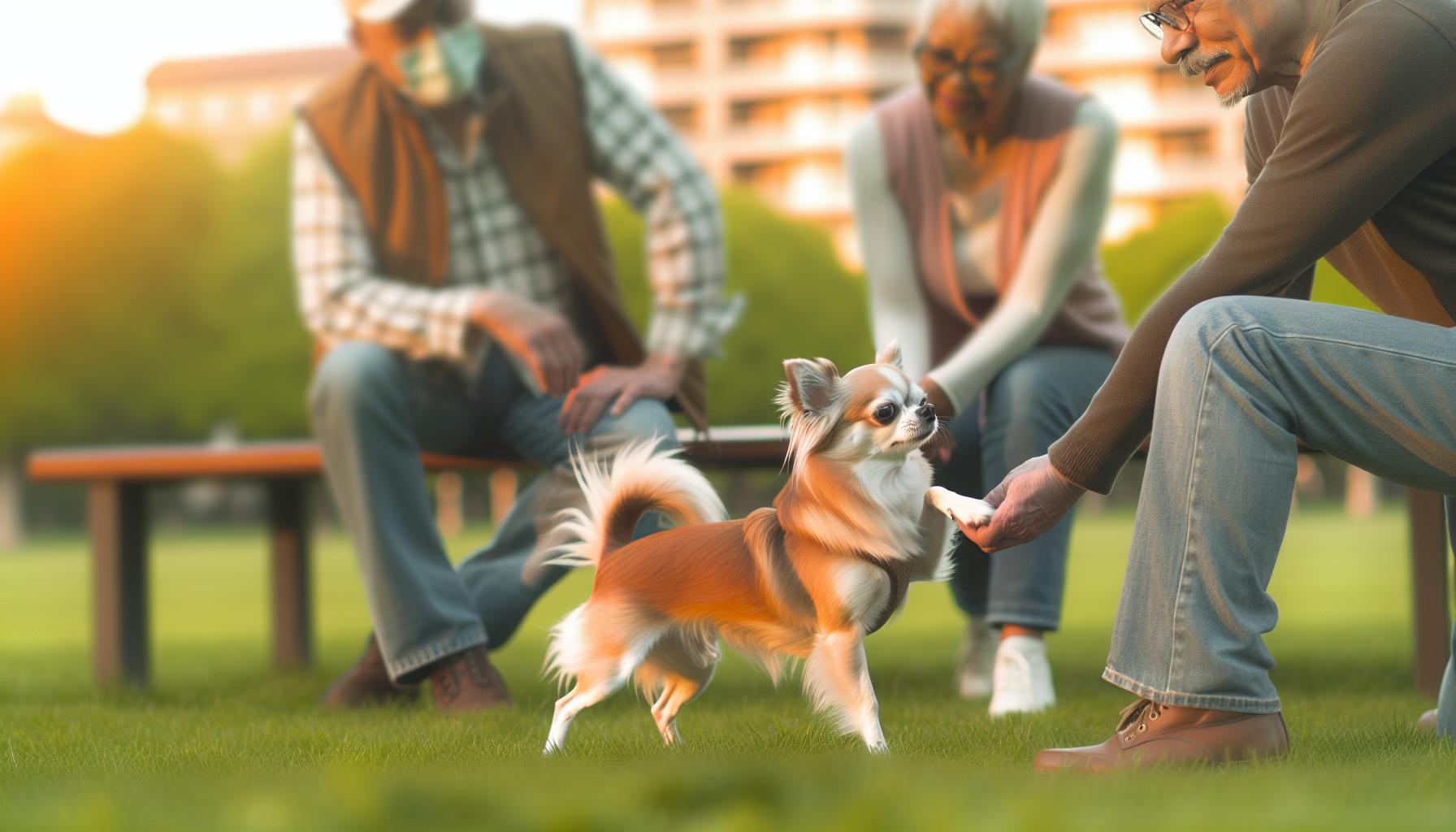
Understanding Chihuahua Temperament and Socialization
Chihuahuas have a unique and vibrant temperament that makes them both endearing and, at times, challenging. These tiny dynamos are known for being vocal, bold, and fiercely loyal to their owners. Understanding their temperament is crucial when considering potential canine companions. Chihuahuas can be both confident and territorial, traits that may influence how they interact with other dogs. Therefore, selecting a companion requires careful thought about their personality, energy levels, and social needs.
Socialization plays a vital role in helping your Chihuahua develop healthy interactions with other dogs. It’s essential to expose them to various environments, sounds, and, crucially, other dogs from an early age. Start by allowing your Chihuahua to play with dogs that are known to be friendly and stable. Be mindful of their size- a large, boisterous dog might intimidate a Chihuahua, while a gentle, similarly-sized dog can offer the perfect blend of playfulness and companionship. For example, many owners have found success introducing their Chihuahuas to other small breeds, such as Dachshunds or Toy Poodles, as these dogs often share a similar play style and energy level.
Creating positive experiences during these interactions is key. Start in a controlled environment, such as a friend’s home or a quiet park, where distractions are minimal. Encourage shallow play rather than overwhelming games, where your Chihuahua can feel at ease. Monitor their body language closely-look for signs of stress or discomfort, such as excessive barking, cowering, or trying to hide. When your Chihuahua displays relaxed behaviors, such as wagging their tail or engaging playfully, you’ll know you’ve found a good match.
Successful socialization will not only help your Chihuahua build confidence but also enhance their overall well-being. Real owner stories often share the delightful outcomes of these introductions, showcasing how a calm companion can encourage a spirited Chihuahua to embrace new friendships, transforming them into more balanced and social dogs. Remember, patience and consistency are your best allies in cultivating lasting companionships for your beloved Chihuahua.
Ideal Playmates: Energetic Breeds Compatible with Chihuahuas
Energetic playmates can bring out the best in your spirited Chihuahua, providing companionship and opportunities for fun. These small dogs thrive on interaction and enjoy engaging playtime, which can help them burn off energy and stay mentally stimulated. The ideal partners are not just energetic but also exhibit friendly dispositions and play styles that align with your Chihuahua’s playful nature.
Certain breeds have proven to be excellent companions for Chihuahuas:
- Pomeranians: These fluffy bundles of joy are full of energy and share a similar playfulness. Their size and temperament make them great playmates, as they can match the zest of a Chihuahua without the risk of overwhelming her.
- Miniature Schnauzers: Known for their spirited and friendly nature, Miniature Schnauzers are slight but robust with a playful attitude. They promote high-energy play while being gentle, ensuring that your Chihuahua enjoys interactive sessions while feeling safe.
- Yorkshire Terriers: Similar in size and temperament, Yorkies are bold and feisty, bringing a playful energy that attracts Chihuahuas. Their shared energy levels can foster exciting playtimes and happy companionship.
It’s crucial to remember that social dynamics vary by individual dog, so the first introductions should occur in a neutral, controlled environment. Start with short play sessions where you closely monitor their interactions. Look for signs of stress, such as excessive barking or retreating, as well as positive signs like tail wagging and playful bounces. Engaging in play that involves chasing or gentle wrestling can help your Chihuahua gain confidence while having fun.
In essence, the right energetic companions can not only provide play and exercise but also help cultivate a balanced and happy social life for your Chihuahua. Owners often share stories of how a lively buddy has transformed their Chihuahua’s behavior from solitary to sociable, enriching both dogs’ lives with the joy and warmth of friendship. By connecting your Chihuahua with the right energetic breed, you open doors to delightful adventures and unforgettable moments.
Calm and Collected: Low-Energy Breeds for Chihuahuas
When considering a companion for your spirited Chihuahua, it’s essential to look beyond just energetic playmates. Low-energy breeds can also be wonderful partners, offering a calm presence that balances your Chihuahua’s bold and vibrant personality. These breeds are generally laid-back, allowing them to coexist peacefully with a Chihuahua, providing comfort and companionship without overwhelming her with hyperactivity.
Certain low-energy breeds are particularly well-suited to complement the Chihuahua’s lively spirit. For example, Bulldogs are known for their relaxed demeanor and gentle disposition. Their sturdy build and mellow temperament mean they won’t intimidate your Chihuahua, making them ideal for cuddly afternoons on the couch. Similarly, Shih Tzus can be great companions; these small, affectionate dogs enjoy snuggling and are patient enough to share their space without imposing their energy levels.
Another great option is the Basset Hound. With their calm nature and muted playfulness, Basset Hounds offer a reassuring presence for a Chihuahua. Their moderate exercise needs can encourage leisurely strolls together, fostering bonding without the frenzied play that some high-energy breeds require. The French Bulldog also fits this profile; their playful yet easygoing temperament allows them to communicate easily with Chihuahuas, creating a harmonious friendship.
When introducing a low-energy breed to your Chihuahua, it’s helpful to create a controlled environment where both dogs can feel safe. Start the introduction slowly, allowing them to sniff and observe each other from a distance before gradually letting them interact. Supervised play should include gentle scenarios, like sharing toys or treating each other to snacks, reinforcing positive experiences together. Watch for signs of comfort, such as relaxed body language and playful bounces, ensuring that both dogs feel secure in each other’s company.
These calm companions not only enhance the serenity of your household but also provide your Chihuahua with a sense of stability. The combination of their laid-back nature and your Chihuahua’s lively personality can lead to a delightful partnership, showcasing how even the most chill canine can make a perfect friend for your lively little bundle of joy.
Size Matters: Small Dogs That Get Along with Chihuahuas
When choosing a companion for your spirited Chihuahua, considering size is crucial. Small dog breeds not only match the Chihuahua’s stature but also complement their lively personality. The right small companion can mirror your Chihuahua’s playful yet bold demeanor while also providing a sense of comfort and safety.
One of the best small dog breeds that get along well with Chihuahuas is the Dachshund. Their playful and curious nature blends seamlessly with the energetic antics of a Chihuahua. Dachshunds are available in two sizes-standard and miniature-making them a suitable playmate for your Chihuahua. Their elongated bodies and short legs may seem a bit comical together, but their shared love for mischief can lead to hours of entertaining playtime.
Another fantastic option is the Pomeranian. These fluffy, lively little dogs often share a similar vocal tendency with Chihuahuas, making them great communicators in a small pack. With their confident demeanor, Pomeranians can match your Chihuahua’s boldness, resulting in playful interactions. Just like Chihuahuas, Pomeranians tend to form strong bonds with their humans, ensuring that your furry family remains tight-knit.
Be sure to consider the Yorkshire Terrier as well. Yorkies are small but feisty, often embodying the same spunky spirit as Chihuahuas. Both breeds may be prone to barking, but this can actually create a dynamic and spirited household. When introducing these two breeds, be mindful of each dog’s personal space, allowing them to engage on their own terms initially.
Introducing a new small companion can be a joyful experience if done right. Begin the introductions in a neutral space, giving your Chihuahua and the new friend ample opportunity to explore each other’s scents and personalities without feeling threatened. Supervised interactions that involve gentle play and shared toys can help breed camaraderie from the start. Look for signs of comfort, such as wagging tails and relaxed bodies-these indicate that both breeds are happy to share their space.
Ultimately, the right small breed partners can enhance your Chihuahua’s life and bring about delightful interactions. Building a small dog family not only enriches playtime but also deepens the emotional bonds within your household, ensuring everyone lives happily under one roof.
Signs of a Successful Dog Pairing with Chihuahuas
When you introduce a companion for your spirited Chihuahua, recognizing the signs that indicate a successful pairing is crucial for harmony in your home. The compatibility between breeds can greatly influence their interactions and the overall peace in your household. Look for specific behaviors and signs that indicate both dogs are comfortable and enjoying each other’s company.
One key sign of a successful pairing is mutual curiosity. Observe how both dogs approach each other. Are they sniffing, wagging their tails, or playfully bouncing around? These behaviors suggest a positive first impression. For instance, if your Chihuahua approaches a new friend with excitement, engaging in gentle play or sharing toys, it signals that they are open to companionship. In contrast, if there is excessive growling or signs of fear, it may be wise to reevaluate the match or slow down the introduction process.
Another indicator of a fruitful relationship is synchronized play styles. Chihuahuas often enjoy energetic and spirited play, so finding a companion who can match that energy-like a feisty Pomeranian or an agile Dachshund-can lead to joyful interactions. If you notice your Chihuahua and their new friend wrestling, chasing each other, or even simply lying near one another in a relaxed state, these are great signs that the pairing is working.
Additionally, watching how both dogs communicate can provide insights into their compatibility. Chihuahuas are known for their vocalizations; if the new addition can hold a playful “conversation” or engage in barks and playful growls, it can strengthen their bond. Successful pairings often include dogs that appreciate each other’s quirky communication styles-this shared vocabulary enhances their connection.
Finally, keep an eye on body language. Look for relaxed postures, wagging tails, and playful bows. If your Chihuahua feels at ease enough to explore the space and share resources without displaying dominance or anxiety, that’s a positive sign. Sometimes, the best friendships develop when both dogs exhibit similar playful energy and a willingness to share boundaries and personal space. Regular supervision during their interactions can help reinforce positive behaviors and ensure both dogs feel secure as they build their friendship.
Social Skills: How to Introduce Chihuahuas to Other Breeds
Introducing your spirited Chihuahua to other breeds can be an exciting journey, filled with opportunities for friendship and play. Understanding how to make these introductions smoothly is key to fostering a harmonious multi-dog household. Start by creating a calm and controlled environment for the first meeting. A neutral space, like a park or a friend’s backyard, can prevent territorial behaviors from either dog.
When you bring the new dog into the mix, consider utilizing a gradual approach. Begin by allowing the dogs to observe each other from a distance on leashes. This way, they can get accustomed to one another without the pressure of direct interaction. As both dogs display relaxed body language-waggling tails or calm postures-slowly decrease the distance between them. Positive reinforcement is invaluable here; reward both dogs with treats and praise when they remain calm and curious about each other.
Take the time to read your Chihuahua’s unique signals during the introduction. Many Chihuahuas exhibit bold personalities, but they can also be sensitive. If your Chihuahua shows signs of stress, like cowering or excessive barking, it’s crucial to reassess the situation. Perhaps giving both dogs some separation and trying again later is best. Remember, patience is your best friend here-some Chihuahuas might need more time than others to adjust to a new companion.
Once initial introductions are made, supervised play sessions can help solidify a budding friendship. Look for dogs with compatible play styles; energetic breeds like Dachshunds or Pomeranians often match well with a spirited Chihuahua. If you notice them engaging in playful activities-whether it’s chasing each other or playful wrestling-these interactions are strong indicators that your Chihuahua feels safe and happy. Always keep the interactions brief at first, gradually extending their playtime as they grow more comfortable together.
Sharing real-life experiences of successful introductions can motivate you. For instance, one Chihuahua owner shared how their energetic Apple Head Chihuahua initially barked at their new Shih Tzu. By allowing them to interact while on leashes and using treats to encourage calm behavior, both dogs learned to appreciate each other’s company over time. Always remember: the goal is a loving and respectful relationship, where both dogs can thrive alongside one another.
Handling Chihuahua Compatibility Challenges
Navigating compatibility challenges with Chihuahuas can be a rewarding journey filled with delightful discoveries about your dog’s personality. Chihuahuas, known for their bold and spirited nature, often have a unique set of social quirks that can affect how they interact with other breeds. Understanding these nuances is crucial for fostering a harmonious environment. Remember, while your Chihuahua may be small, his personality is larger than life-he is vocal, loyal, and sometimes a tad bit sensitive, making introductions and interactions all the more significant.
To address compatibility issues, first observe your Chihuahua’s behavior when meeting other dogs. Some might display confidence, bounding forward with enthusiasm, while others may be more reserved or even anxious. Recognizing these signs can help you choose appropriate companions. For instance, if your little one tends to be timid around larger or rowdier breeds, it’s best to introduce him to gentle, calm dogs who can match his energy level. Conversely, spirited Chihuahuas often thrive when paired with equally energetic companions like Dachshunds or Beagles, who can engage in fun, playful activities without overwhelming him.
If your Chihuahua seems uncertain or defensive during introductions, it’s essential to take things slow. Creating a controlled environment, such as a neutral space for initial meetings, allows both dogs to feel safe. Gradual introductions can make a significant difference-start by letting them see each other from a distance, gradually decreasing that space as they become more comfortable. Use treats and praises generously to reward positive interactions, helping both dogs associate each other with good experiences.
Consider real-life examples that illustrate these points. Think of one owner who shared their experience with a shy Chihuahua meeting a lively Pomeranian. Initially, the Chihuahua was hesitant, barking from behind his owner’s legs. By allowing both dogs to observe each other without forcing interaction and rewarding calm behavior, they eventually became inseparable playmates. This approach not only fostered a strong bond between the two dogs but also gave the Chihuahua the confidence he needed to engage more freely in play.
Ultimately, addressing compatibility challenges with Chihuahuas requires patience, observation, and a willingness to adapt your approach based on your dog’s unique reactions. Celebrate the quirks of your little companion, and understand that with time and positive reinforcement, your Chihuahua can find his perfect match, leading to a fulfilling relationship for both dogs.
Training Tips for Encouraging Harmony with Other Dogs
Embracing the social side of your Chihuahua can lead to wonderful companionships, but successful interactions with other dogs often hinge on proper training. Start by instilling confidence in your little one. Chihuahuas can be quite vocal and occasional warriors despite their size, so encouraging calmness during introductions is key. To achieve this, use positive reinforcement techniques-reward your Chihuahua with treats and praise when he displays relaxed behavior around potential companions. This builds a positive association with other dogs and reinforces good behavior.
Next, focused socialization is pivotal. Gradually exposing your Chihuahua to other dogs can prevent overwhelming experiences. Begin with controlled meet-and-greets in neutral settings. Allow them to sniff each other from a safe distance, gradually closing that space as comfort grows. If your Chihuahua appears anxious or timid, maintain a calm demeanor and let him take his time. For example, one owner found success using a small, friendly Maple, a Cavalier King Charles Spaniel, as a bridge to help their shy Chihuahua, Max, overcome his fear of meeting larger dogs. Over time, Max came to view Maple as a friend and confidant, realizing that not all dogs pose a threat.
As training progresses, it’s also beneficial to teach your Chihuahua key commands like “sit,” “stay,” and “leave it.” These commands can be invaluable when extraneous excitement arises, helping maintain control during interactions. Incorporate distraction techniques when introducing him to a spirited playmate-a well-timed “let’s go” can change the focus of your dog’s attention and keep things moving smoothly. Incorporating play sessions with similarly sized dogs can also help solidify his confidence and encourage proper play behaviors.
Lastly, always supervise interactions, especially during initial meetings or when introducing new dogs. This oversight not only ensures safety but also helps you identify any compatibility issues early. Encouraging your Chihuahua’s unique quirks, like his feisty spirit or loving nature, while balancing his play style with compatible breeds-whether they are low-energy companions like Shih Tzus or energetic playmates like Beagles-will lead to more successful interactions. Through patient training and socialization, your Chihuahua can flourish in a multi-dog household, finding companionship and joy along the way.
Real Owner Stories: Successful Chihuahua Companionship
The journey of finding the perfect playmate for your Chihuahua can be both exciting and challenging. Imagine the stories shared by dog owners who have successfully integrated their small, spirited companions into a multi-dog household. One common thread among these stories is the importance of patience and understanding the unique personalities involved. Several owners have recounted their experiences of bringing home other breeds, learning that the right match can turn those tiny terrors into loyal friends.
One owner, Sarah, shared how her feisty apple-head Chihuahua, Coco, forged an unexpected bond with a gentle Shih Tzu named Bella. Initially nervous about Coco’s tendency to bark at larger dogs, Sarah introduced them in a controlled environment. Instead of a loud confrontation, Bella calmly approached Coco, and before long, they were playfully chasing each other around the yard. Sarah noted that Bella’s laid-back nature helped to temper Coco’s boldness, fostering an environment where both dogs felt secure and comfortable. Their friendship blossomed, proving that even polar opposites can find harmony in their differences.
In another tale, Mark spoke of introducing his Chihuahua, Rusty, to a spirited Beagle, Max. Beagles are known for their playful attitudes, and while Rusty had his reservations, the two quickly found common ground through a shared love for squeaky toys. Mark emphasized the success of gradual introductions. Each meet-up included short play periods, allowing Rusty to gauge Max’s energy levels without feeling overwhelmed. Over weeks, their interactions blossomed into enthusiastic play sessions, highlighting the necessity of finding compatible energy levels in potential companions.
Moreover, the stories often reinforce a crucial aspect: supervision is key. Lisa, who has two Chihuahuas, Bella and Tinker, expertly managed their interactions with a much larger Labrador retriever named Duke. Knowing the potential for misunderstandings, she always monitored their initial meetings. Through careful observation, she noticed how Tinker, the more outgoing of her two Chihuahuas, thrived when Duke offered gentle play, while Bella preferred keeping her distance. Lisa’s attentive approach allowed both her Chihuahuas to express themselves freely, ensuring that each dog felt their needs were respected, leading to a peaceful coexistence.
These owner experiences emphasize that successful companionship for Chihuahuas hinges on patience, proper introductions, and understanding individual temperaments. By sharing stories of diverse pairings and highlighting the positive outcomes, it becomes clear that with the right approach, Chihuahuas can indeed find joy in the company of other breeds, enriching their lives in delightful, unexpected ways.
The Importance of Supervision in Multi-Dog Households
In a multi-dog household, especially with a spirited breed like the Chihuahua, supervision is paramount. Chihuahuas, known for their bold personalities and vocal tendencies, can sometimes misinterpret the body language of larger or even similarly-sized breeds. This can lead to misunderstandings or even conflicts, particularly when playtime turns rowdy. A gentle play session can quickly escalate if not monitored, which is why attentive supervision is necessary.
When introducing a Chihuahua to new furry friends, start with short, supervised interactions. For instance, one owner, Lisa, wisely observed how her Chihuahua, Tinker, thrived during play with her larger Labrador, Duke. During their initial meetings, she kept both dogs on a leash, allowing them to sniff and greet each other in a controlled manner. This gave her the chance to step in if play became too intense or if Tinker showed signs of stress, like barking or retreating. With patience, she helped them build trust, creating a safe space for both dogs to enjoy each other’s company.
Regular supervision extends beyond introductions-it’s essential to monitor playtime down the line. Chihuahuas may not recognize their size advantage, attempting to engage in rough play with larger breeds. To prevent mishaps, consider setting aside a specific area in your home or yard where play occurs. This designated space can foster positive interactions while allowing you to step in if either pup becomes too rambunctious.
Moreover, keeping a watchful eye during feeding times is crucial. Chihuahuas can feel threatened if larger dogs are nearby when they eat. To mitigate stress, feed your Chihuahua in a separate room or at a different time, ensuring she feels secure while enjoying her meal, devoid of competition or anxiety.
In conclusion, the key to successful companionship with a Chihuahua in a multi-dog household is attentive supervision. By staying vigilant and creating a controlled environment, you can encourage harmonious interactions while respecting each dog’s personality. With time, understanding, and careful oversight, your Chihuahua can enjoy thriving friendships with other breeds-even some that might seem mismatched at first glance.
Frequently Asked Questions
Q: What are the best dog breeds for Chihuahuas?
A: The best dog breeds for Chihuahuas include Yorkshire Terriers, Toy Poodles, and Pomeranians. These small breeds share similar energy levels and personalities, making them compatible playmates. Their playful yet gentle nature helps foster a harmonious environment. Consider introducing these breeds gradually, maintaining supervision to ensure positive interactions.
Q: Do Chihuahuas get along with larger dog breeds?
A: Chihuahuas can get along with larger breeds like Cavalier King Charles Spaniels if introduced properly. Look for gentle giants that have a calm demeanor. It’s essential to match their energy levels and ensure that the larger breed is not overly aggressive or boisterous during interactions.
Q: How do I know if my Chihuahua will get along with another dog?
A: Observing body language during initial meetings is crucial. Signs of a successful pairing include relaxed postures, wagging tails, and playful behaviors. If your Chihuahua shows curiosity and not fear, it’s a promising sign for compatibility. Consider seeking advice from a professional trainer for introductions.
Q: Can Chihuahuas live with other small breeds?
A: Yes, Chihuahuas often thrive alongside other small breeds like Maltese and Shih Tzus. These breeds typically have similar play styles and social requirements, fostering a balanced household. Ensuring all dogs are socialized properly will enhance their chances of harmonious coexistence.
Q: What should I consider before introducing a new dog to my Chihuahua?
A: Before introducing a new dog to your Chihuahua, consider their temperament, energy levels, and size. Each dog should be healthy, well-socialized, and compatible in terms of behavior. Gradual introductions in neutral areas can help reduce stress and ensure successful pairing.
Q: How should I introduce my Chihuahua to a new dog?
A: To introduce your Chihuahua to a new dog, start in a neutral space with both on leashes. Allow them to sniff each other while observing their body language. Keep the initial meetings short and positive, gradually increasing their interaction time as they become more comfortable.
Q: What common issues arise when Chihuahuas meet new dogs?
A: Common issues include fear, aggression, or excessive barking. Chihuahuas may feel threatened by larger or overly energetic dogs. It’s essential to watch for signs of stress or discomfort to intervene if needed and redirect the interaction positively.
Q: Are there specific training tips for promoting harmony with other breeds?
A: Yes, consistent training techniques such as positive reinforcement, socialization classes, and setting clear boundaries are vital. Training your Chihuahua to respond to basic commands can facilitate smoother introductions and interactions with other dogs. Regular practice and patience boost their social skills.
Closing Remarks
Understanding which breeds Chihuahuas get along with can transform your dog’s social life and home environment. Remember, while Chihuahuas, with their bold and loyal nature, can thrive with smaller, gentle breeds like Shih Tzus or Toy Poodles, every dog is an individual. If you’re ever uncertain about introducing new furry friends, consulting a dog trainer can provide peace of mind.
For more tips on caring for your Chihuahua, check out our articles on “Chihuahua Health Essentials” and “Training Tips for Your Tiny Teacup.” Plus, don’t forget to subscribe to our newsletter for the latest insights and advice directly to your inbox! Engaging with us means celebrating the quirks of these loving companions while ensuring they lead happy, well-adjusted lives. Share your own experiences in the comments below-what breeds have your Chihuahuas connected with best? Your story can inspire fellow owners on their journey!
Get our latest guides, news, and insights highlighted in your Google Search & AI Overviews.