

Chihuahuas are not just adorable little companions; their vocalizations can be as expressive and varied as their personalities. From charming little barks to enthusiastic yips, understanding what your Chihuahua sounds like is key to communicating and bonding with your furry friend. They often use their voices to express excitement, alertness, or even a bit of sass. This small but mighty breed has a unique way of expressing their needs and emotions, and every bark can tell a different story. Whether you’re a first-time owner or a seasoned Chihuahua enthusiast, uncovering the nuances of these vocal quirks will enhance your relationship and provide insight into your dog’s feelings. Join us as we explore the delightful world of Chihuahua sounds, highlighting their distinctive vocal traits and what they mean for you and your beloved pet.
Understanding Chihuahua Vocalizations: A Unique Journey
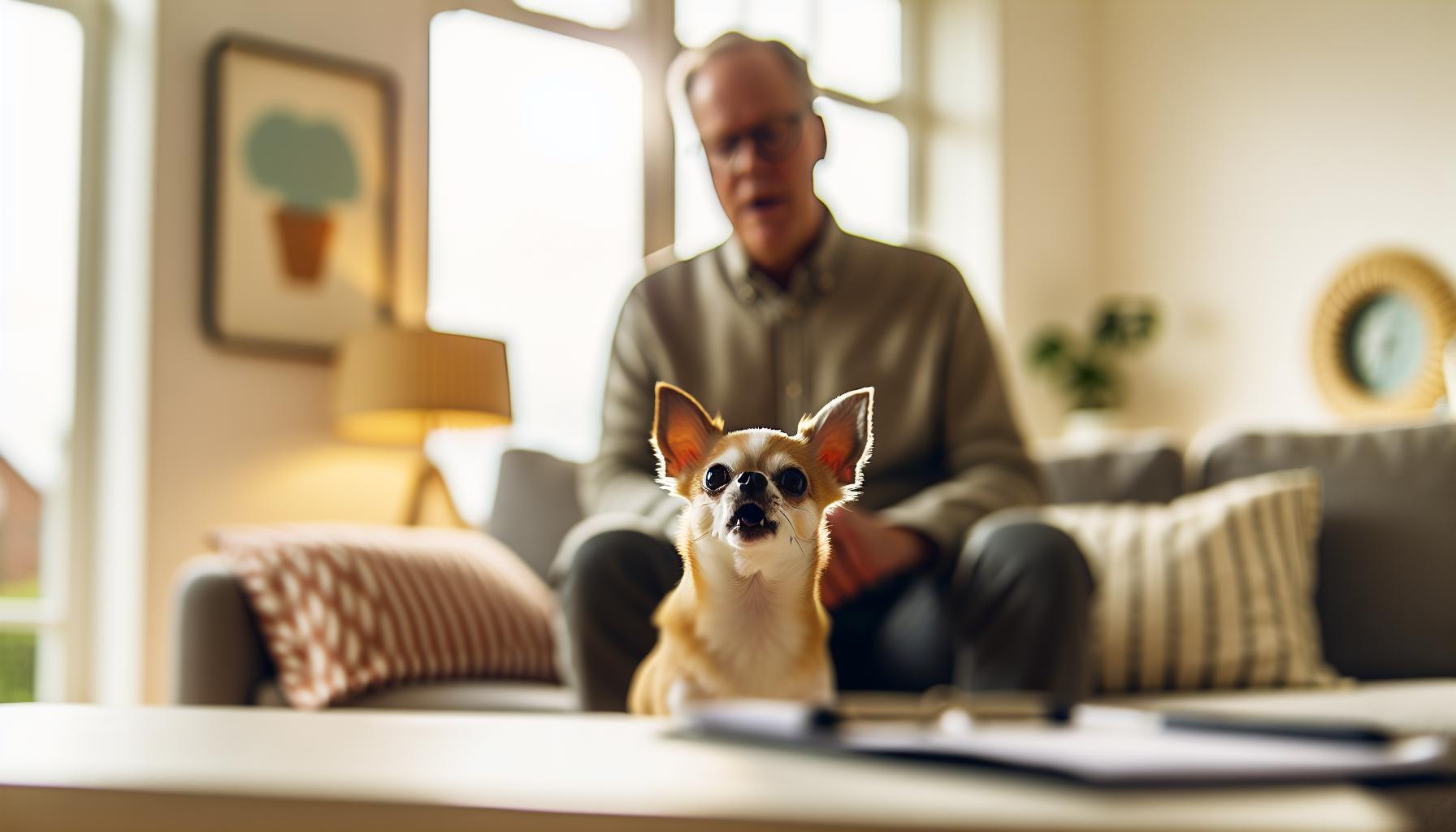
Chihuahuas are known for their distinctive voices, often surprising people with the range and volume of their vocalizations. Did you know that these tiny dogs can express a multitude of emotions and needs just through their barks, whines, and yips? Each sound serves a purpose, offering insight into their feelings or intentions. Understanding these vocal quirks is key to building a solid relationship with your Chihuahua and meeting their emotional needs.
The Essence of Their Barks
Every bark tells a story. Chihuahuas tend to bark when they’re excited, frightened, or even just trying to get your attention. For example, the excited bark might come when your Chihuahua spots a squirrel from the window or when you pick up a toy they love. This is often accompanied by a playful demeanor that invites interaction. In contrast, a sharp, defensive bark may indicate that your furry friend feels threatened or is alerting you to something unusual in their environment. Spending time to observe and differentiate these sounds will enhance your understanding of his feelings and reactions.
Breaking Down Their Sounds
Chihuahuas produce a fascinating array of vocalizations beyond just barking. Here are some common sounds and what they typically mean:
- Whining: Often a sign of anxiety, boredom, or a desire for attention.
- Yipping: Usually indicates excitement and playfulness, perfect for those joyful moments chasing a ball.
- Growling: This can serve as a warning to others, whether to bark back at another dog or to alert you of an intruder.
- Chirping: A rare sound, chirps can occur during play or when your Chihuahua is trying to engage you.
Recognizing these vocalizations will help you respond appropriately to your Chihuahua’s needs. For instance, if she whines, she might simply need a stroll or a little extra affection. Engaging with her during these moments fosters a deep bond based on understanding and trust.
Nurturing Vocal Growth
It’s essential to appreciate that vocalization patterns can evolve as your Chihuahua matures. A young puppy might bark excitedly at everything, while a mature dog may be more discerning in her vocal expressions. Pay attention to these changes; they reflect her growth and adaptation to her surroundings. As a loving owner, you can guide her in learning when it’s appropriate to express herself vocally, reinforcing calm behavior when necessary.
By embracing and understanding your Chihuahua’s vocalizations, you not only celebrate her individuality but also pave the way for a harmonious cohabitation. Communicating with her effectively and patiently responding to her needs will enrich both of your lives. Remember, each bark and whine is a unique expression of her personality, deserving of your attention and respect.
The Story Behind Their Signature Barks

Understanding the vocal repertoire of Chihuahuas is akin to unlocking a treasure chest of emotional expression and personality traits. These little dogs don’t just bark; they have a unique language that conveys everything from excitement to distress. Each bark tells a story, revealing their thoughts and feelings about the world around them. For example, a high-pitched, rapid bark might signal sheer excitement when your Chihuahua plays with his favorite toy – this sound is like his version of laughter. On the other hand, a slow, deep bark may indicate concern, signaling that he detects something out of the ordinary in his environment.
The history of Chihuahuas also plays a significant role in how they communicate. Bred from ancient stock that included the Techichi, these dogs were not only companions but also protectors. This background gives rise to their tendency to be alert barkers; they have retained a keen sense of vigilance from their ancestors. Owners often share anecdotes of their Chihuahuas barking at strangers or even their own reflections in the mirror. This instinct to guard and alert can sometimes lead to excessive barking if not managed properly.
Another fascinating aspect of their vocalizations is the variation in sound depending on emotional context. For instance, a Chihuahua may emit a playful yip during a lively game of chase, which can be contagious and encourage further play. Conversely, if your beloved companion is curled up on your lap and suddenly starts whining, it could signal discomfort or a need for attention. By paying close attention to these subtleties, you can learn to interpret his vocalizations and respond accordingly, fostering a deeper connection.
In essence, every bark, whine, and yip is like a miniaturized expression of your Chihuahua’s vibrant personality. Embracing these sounds not only enhances your understanding of your furry friend but also helps you build a stronger bond. With time and observation, you’ll come to appreciate the nuances of your Chihuahua’s vocalizations, celebrating the joyful chaos they bring to your life.
Common Sounds: What Each Noise Means
Understanding your Chihuahua’s vocalizations can transform your relationship with this spirited breed. Each sound they make is a clue into their world, revealing their feelings, desires, and reactions to their environment. From enthusiastic barks to gentle whines, every noise carries meaning that reflects their unique personality and emotional state.
Chihuahuas are known for a variety of sounds, and recognizing the nuances in their vocalizations can help you respond appropriately. For instance, a series of sharp, high-pitched barks often translates to excitement or alertness. When your little companion spots a squirrel or a new friend, those quick barks are their way of sharing that burst of joy. Conversely, a lower, more drawn-out bark might signal concern or protectiveness. This difference is not just a matter of pitch but also conveys urgency-those deep barks indicate your Chihuahua may feel uncertain or is trying to stand guard.
Whines and whimpers are another significant part of a Chihuahua’s vocal repertoire. This sound often indicates a need for comfort or attention. If your Chihuahua curls up beside you and starts to whine softly, he’s likely expressing his desire for some quality time together. However, prolonged whining might indicate distress or discomfort, so it’s essential to determine whether he needs anything more serious, like a trip to the vet or simply a warm cuddle.
Lastly, the playful yip is a sound that embodies the joy and energy Chihuahuas are famous for. When engaged in play, many will emit a series of quick yips that echo their exuberance. This playful noise can even be contagious, encouraging you to join in their fun. Understanding these various sounds allows you to appreciate your Chihuahua’s vibrant character and deepens the bond between the two of you. Celebrate these vocal quirks-they’re all part of what makes him uniquely him!
Whining and Whimpering: Emotional Expressions
Understanding the nuances of your Chihuahua’s vocalizations opens up a new dimension of your relationship with this spirited breed. Among these sounds, whining and whimpering are often the most poignant, serving as emotional barometers that reflect their internal states. When your little companion curls up next to you and emits a soft whine, it’s not just a sound-it’s a heartfelt request for attention and affection. Chihuahuas, being the sensitive souls they are, communicate their feelings effectively through these vocalizations.
It’s essential to pay attention to the context of your Chihuahua’s whining. A gentle whimper may indicate loneliness or a need for reassurance, while a more persistent whine could signal discomfort or frustration. For instance, if you notice your Chihuahua whining when you leave the room, he may be expressing separation anxiety typical of the breed’s loyal disposition. On the other hand, if he’s lying near his food but whining softly, he could be indicating that he’s hungry or unsure about mealtime. Recognizing these patterns can help you respond appropriately to his needs, ensuring he feels secure and understood.
Moreover, consider that Chihuahuas vary in temperament, and these sounds can also reflect individual personality traits. For example, an apple-head Chihuahua may whine more gently and be more vocal when he feels the need for love, while a more confident deer-head may use whining to assert his feelings or protest. Each sound carries weight and meaning, providing insights into their emotional landscape.
Managing your Chihuahua’s whining starts with understanding what he might be communicating. Regularly interacting with and observing your Chihuahua in different situations will enhance your ability to interpret these sounds. Create a nurturing environment where he feels comfortable expressing himself. With patience and attention, you’ll develop a deeper bond, filled with the delightful quirks that make owning a Chihuahua such a joyous adventure.
The Playful Yip: Fun and Playfulness Explained
The playful yip of a Chihuahua is one of the breed’s most endearing vocalizations, capturing the essence of their spirited personality. Often high-pitched and energetic, this sound embodies their playful nature and excitement, signaling happiness or an invitation to join in on the fun. Chihuahuas are known for their vibrant demeanor, and their yips can often be a cue for you to engage with them, whether that means playing fetch, going for a walk, or simply enjoying a cuddle session on the couch.
These delightful yips can vary greatly between individual dogs, influenced by their unique personalities and styles of communication. For instance, an apple-head Chihuahua might express a more melodious yip, while a deer-head may have a sharper, more exuberant version. Regardless of the sound, these vocalizations are typically associated with joy and enthusiasm, showcasing everything from excitement when you come home to delight during playtime.
To foster this playful spirit, consider incorporating interactive games into your routine. Dogs thrive on mental and physical stimulation, so engaging activities can enhance their yappy expressions. Games like tug-of-war, hide and seek, or agility training can ignite their playful side. Observing their yips can also guide you in understanding their emotional state; a series of quick yips might suggest uncontainable excitement, whereas slower, drawn-out yips could indicate your Chihuahua is trying to get your attention for a quieter play session or a snuggle.
It’s essential to nurture this vocalization by responding positively to their playful yips. This reinforces the behavior, creating a bond of trust and understanding between you and your little companion. Celebrate these moments by laughing, playing, and engaging with your Chihuahua. After all, their vibrant Yip is not just a sound-it’s an invitation to share in the joy they bring to each day.
Chihuahua Communication: Beyond Barks
Chihuahuas are remarkably expressive little companions, and their communication goes far beyond the typical bark. Their vocalizations are a nuanced blend of sounds that reveal their moods and desires, offering a glimpse into their unique personalities. Understanding these various sounds not only strengthens the bond between you and your Chihuahua but also enhances their overall well-being.
Chihuahuas use a variety of sounds to convey different messages. While barking may grab your attention, other vocalizations like whining, whimpering, or the playful yip carry crucial information about their emotional state. For instance, a whine can indicate discomfort, anxiety, or a desire for attention. When Feliz the apple-head Chihuahua whines softly while his owner is cooking, it signals his request for a taste of whatever delicious aroma fills the kitchen. On the other hand, a series of rapid yips from Coco, a feisty deer-head Chihuahua, may mean she’s excited about playtime or invites you to join her in a game of chase.
In addition to vocal sounds, Chihuahuas communicate through their body language. A wagging tail combined with a playful yip can signal joy and eagerness, while a tucked tail accompanied by whining might indicate fear or submission. Pay attention to these cues; they’re integral to deciphering your Chihuahua’s feelings. Creating an understanding of both their vocalizations and body language can significantly improve your interactions and help mitigate any behavioral issues.
To foster better communication, engage in a two-way dialogue with your pet. Respond to their vocalizations appropriately; if they yip with excitement, join in the fun! If they whine for attention, decipher whether it’s a need for comfort or play. Not only does this practice enhance your relationship, but it also helps them learn that their voices matter. Remember, every Chihuahua has a distinct personality, and taking the time to observe and understand your furry friend’s vocal quirks enriches the beautiful journey of companionship you share.
Why Chihuahuas Bark: Common Triggers
Chihuahuas have a unique way of expressing themselves, and understanding why these little dogs bark can reveal much about their personalities and needs. Often mistaken for being overly yappy, Chihuahuas communicate through barking to convey various emotions and reactions to their environment. It’s essential to decipher these barks, as they can indicate everything from excitement to anxiety.
One of the most common triggers for barking is the element of surprise. If a doorbell rings or a stranger approaches, your Chihuahua might bark instinctively to alert you and protect their territory. This fearless attitude is part of what makes the breed so endearing; their tiny size belies a bold spirit. For example, consider Bella, a feisty deer-head Chihuahua who barks at the mailman every day. It’s her way of announcing the arrival of a visitor and, in her mind, defending her home.
Another frequent cause of barking is social interaction. Chihuahuas are highly social creatures that thrive on companionship and often bark when they want to engage with their owners or play. When Sammy, an apple-head Chihuahua, gets excited during playtime, his barks become higher-pitched and rapid, signaling his eagerness for a game of fetch. Likewise, they might bark out of boredom, seeking your attention when they feel neglected. Taking regular time to interact with your Chihuahua can help minimize these behaviors and ensure they feel secure and valued.
Chihuahuas also use barking to express discomfort or stress. Changes in their environment, such as new furniture or a different routine, may trigger anxious barking. It’s a way for them to communicate their unease. For instance, after moving to a new home, Max, a long-haired Chihuahua, barked excessively until he adjusted to his new surroundings. Providing them with a consistent routine and a safe space can significantly reduce anxiety-induced barking.
In summary, barking is a natural form of communication for Chihuahuas, serving multiple purposes. By identifying the triggers behind their vocalizations, you can respond appropriately to their needs, fostering a deeper bond built on understanding and trust. Embracing the quirks of this spirited breed is part of the joy that comes with being a Chihuahua owner!
Vocalization Changes Throughout Development
As your Chihuahua grows from a sprightly puppy into a bold adult, their vocalizations will evolve in remarkable ways. Initially, those tiny barks and playful yips create a symphony of sounds as they attempt to communicate their needs and emotions. Understanding the developmental stages of these vocal changes can help you resonate more deeply with your furry friend.
Puppyhood: The Initial Sounds
In the early weeks, Chihuahuas, especially those adorable apple-heads, emit soft whines and playful barks as their vocal cords develop. These sounds often express discomfort or urge for proximity-whether they’re hungry, tired, or simply seeking your warmth. For instance, a little pup named Daisy barks excitedly when her owner approaches, signaling both joy and a desire to play. At this age, it’s crucial to respond with affection, reinforcing their nascent attempts at communication.
Adolescence: Finding Their Voice
Around the six-month mark, your Chihuahua will begin to express a broader range of emotions through their barks. Teenage Chihuahuas, like Toby, may develop a deeper, more assertive bark, especially as they explore their independence and territorial instincts. This stage often includes more frequent barking due to increased confidence or anxiety when faced with new experiences. Understanding that this is a normal part of development can alleviate concerns. Providing structured training during this formative period can help mitigate excessive barking and teach your pet appropriate responses.
Adulthood: Mastering Communication
As Chihuahuas reach adulthood, their vocalizations will become more refined and purposeful. Mature dogs like Bella often resort to distinctive barks for specific triggers. For example, Bella might bark sharply at the doorbell but emit a low growl when feeling threatened-demonstrating her ability to communicate various feelings clearly. Regular socialization and interactive play continue to refine their vocal skills, reinforcing the bond you share. By continuing to engage with them, you’ll help ensure their vocal expressions remain balanced and joyful.
Conclusion: Embracing Their Quirky Voice
The vocal journey of your Chihuahua is a testament to their vibrant personality. From the initial soft cries of a puppy to the confident barks of adulthood, each sound conveys their feelings and reactions to the world. By attentively listening and responding to their vocalizations, you not only nurture their development but also deepen your connection. Remember, embracing these vocal quirks is part of the delightful experience of being a Chihuahua owner!
Tips for Managing Excessive Barking
Managing a Chihuahua’s barking can be a delightful challenge, as these spirited little dogs tend to express their feelings with a range of vocalizations. If your Chihuahua seems to bark excessively, it’s important to recognize that this behavior can stem from various reasons, including boredom, anxiety, or a strong instinct to protect their territory. Understanding their motivations will help you address the barking effectively, keeping both you and your furry friend happy.
To start, one effective strategy is to provide ample mental and physical stimulation. Chihuahuas, particularly the energetic apple-head variety, thrive on interaction. Engaging them in daily walks, playtime, or even puzzle toys can reduce excessive barking resulting from boredom. For instance, a Chihuahua named Max loves his daily game of hide-and-seek with treats. This not only tires him out but also keeps his mind active, resulting in fewer barks throughout the day.
Another key method is to establish consistent rules and boundaries. When your Chihuahua barks at every little noise outside the window, it can foster a habit of unnecessary alertness. Teach him a ‘quiet’ command paired with positive reinforcement. For example, when Bella the Chihuahua learns to stop barking at the mailman on cue, reward her with a treat or affection. This reinforces the behavior you want to encourage-calmness in specific situations.
Lastly, socialization can play a crucial role in managing barking. By exposing your Chihuahua to various environments, people, and other animals from a young age, they learn to feel more secure and confident, which can minimize fear-based barking. For instance, taking your Chihuahua to dog parks or arranging playdates with friends’ dogs can help them become accustomed to different sounds and sights, reducing anxiety-driven vocalizations.
In celebrating your Chihuahua’s bold personality while gently guiding their behavior, you can enhance your bond with your tiny companion. Remember, a well-barked Chihuahua is a happy Chihuahua; it’s all about channeling that spirited voice into the right moments!
Breed-Specific Factors Influencing Vocalization
Chihuahuas are a breed known for their vibrant vocalizations, and various breed-specific factors greatly influence how they express themselves. Understanding these factors can enhance your relationship with your tiny companion and help you interpret their unique sounds more effectively. From their physical characteristics to their deeply rooted instincts, these little dogs have a lot to say and a myriad of reasons for their vocal outbursts.
One significant factor is their size. Being one of the smallest dog breeds, Chihuahuas often feel the need to project their voices to match their oversized personalities. They tend to bark loudly to assert themselves or to get the attention they crave. For example, a lively apple-head Chihuahua named Coco might unleash a series of barks at the mailman, not out of aggression, but as a way to say, “Hey, I’m here!” This behavior reflects their instinct to protect and alert, despite their diminutive stature.
Moreover, temperament plays a crucial role in vocalization. Chihuahuas can be quite protective and sometimes anxious, leading them to vocalize more frequently. A Chihuahua who has been poorly socialized may bark at unfamiliar noises or people, expressing their discomfort. This tendency can often be mitigated through consistent exposure to different environments and positive reinforcement. Just like Max, who learned to embrace calmness during outings with his owner, fostering a secure environment will help your Chihuahua exhibit fewer fearful barks.
Lastly, health considerations should not be overlooked. Whether it’s a dental issue causing discomfort or other health problems, physical well-being can influence your Chihuahua’s vocal habits. Regular vet check-ups ensure any underlying health issues are addressed, helping to maintain not only their health but also a more stable mood and reduced anxiety. A healthy Chihuahua is a happier Chihuahua, likely leading to fewer exotic vocal displays.
By recognizing these breed-specific factors, you can better understand and respond to your Chihuahua’s vocalizations. Embrace their quirky sounds as part of their charm, and with a little guidance and care, you can enjoy a harmonious relationship where both you and your Chihuahua’s unique voices are celebrated.
Training Your Chihuahua to Control Barking
Chihuahuas are known for their bold personalities, and with that often comes a colorful array of vocalizations. While their barks can be charming, excessive barking might be a concern for you as a dedicated owner. Thankfully, with patience and the right training techniques, you can help your little companion learn to control their vocal outbursts while still allowing their unique voice to shine.
Start by setting clear rules about when barking is acceptable. For instance, a Chihuahua like Luna may bark to alert you of someone at the door, which is a protective instinct, but barking for continuous attention can be managed. Use a command such as “quiet” or “enough.” When your Chihuahua barks, calmly issue the command and wait for silence, even if just for a moment. Once they stop barking, immediately reward their silence with praise or a treat. This reinforces the behavior you want to see. Consistency is key-make sure everyone in your household uses the same commands and rewards.
Another valuable approach is to redirect their focus. If your Chihuahua, like Toby, tends to bark at passing cars or pedestrians, consider using toys or engaging in playtime to distract them. When you anticipate a barking episode, pulling out their favorite squeaky toy can serve as a perfect distraction. Encourage play together and use this time to bond. Over time, this redirection can help lessen their need to bark at external stimuli.
Combining Training Techniques
To create a balanced approach, combine commands with redirection. For every instance where you successfully teach your Chihuahua to remain quiet, praise and engage them with play. You may also find it beneficial to practice desensitization. Gradually expose your Chihuahua to stimuli that trigger barking, rewarding calm behavior as they become accustomed to the presence of those triggers. For example, if your apple-head Chihuahua named Bella tends to bark at other dogs during walks, start by observing them from a distance before gradually closing the gap while rewarding Bella for remaining calm.
Lastly, consider their overall environment and well-being. A well-exercised Chihuahua, like Milo, will likely bark less out of boredom. Incorporate daily walks and play sessions into your routine to burn off excess energy. Engaging toys that challenge their mind can also provide an outlet for their activity and keep them content.
By using a combination of commands, redirecting their focus, and ensuring they receive ample exercise and mental stimulation, you will not only manage excessive barking but also deepen the bond you share with your spirited little friend. Your Chihuahua’s quirky sounds are a part of who they are, and with a bit of dedication, you can enjoy a harmonious home.
Celebrating Your Chihuahua’s Unique Voice
Chihuahuas have an incredibly distinctive vocal talent that can sparkle with personality and charm. Their vocalizations are not just noise; they are an extension of their vibrant spirits. From the confident bark of an apple-head Chihuahua alerting you to a visitor, to the soft whine of a sensitive companion seeking comfort, each sound tells a story about your little friend. Celebrating these sounds means understanding the unique ways your Chihuahua communicates its feelings, desires, and playful nature.
Every bark, yip, or whimper serves a purpose. For instance, the high-pitched yip often signals excitement or playfulness, while a deeper bark can be a warning or a means of asserting their territory. As a dedicated owner, tuning into these nuances can enhance your relationship. When your Chihuahua barks at the mail carrier, it’s a mix of guarding instinct and her desire to communicate her feelings of protectiveness. Acknowledging this behavior, rather than squashing it, transforms a potential nuisance into an opportunity for connection and understanding.
Moreover, each Chihuahua has its own vocal style. Some may have a melodious whine that echoes their dramatic flair, while others might have a series of barks that sound more like a playful conversation. These variations might stem from their socialization, breeding, or simply their individual personality. As an owner, embracing these unique traits means celebrating who your Chihuahua is at heart. Try recording some of their sounds-these will become cherished memories that highlight their quirky expression.
Give your Chihuahua a chance to express herself freely and observe how she uses vocalizations to communicate different needs. Ignite their creativity (and yours!) by creating fun situations where they can shine-like playdates with other dogs or engaging in tricks that encourage her vocal flair. As you both get to know each other’s communication styles, you can appreciate the beautiful give-and-take that comes from sharing a home with such a vocal little companion.
Your Chihuahua’s sounds are not merely background noise; they are the soundtrack of her personality. By recognizing and celebrating these vocal quirks, you’ll deepen your bond and create a more nurturing and joyful environment that truly showcases the lovable, bold nature of this spirited breed.
Frequently asked questions
Q: What are the different sounds a Chihuahua makes and what do they mean?
A: Chihuahuas produce a variety of sounds, including *barks*, *whines*, and *yips*. A *bark* can signal alertness or warning, while *whining* often indicates discomfort or a desire for attention. The *playful yip* is a sign of excitement and enjoyment, highlighting their vibrant personality.
Q: How can I interpret my Chihuahua’s vocalizations?
A: Understanding your Chihuahua’s vocalizations requires observation of context and behavior. Pay attention to their body language-*tail wagging* may accompany happy sounds, while *ears pulled back* could suggest anxiety. Connecting vocal cues with situations helps clarify their moods and needs.
Q: Do Chihuahuas bark more than other dog breeds?
A: Chihuahuas can be more vocal than some larger breeds due to their spirited nature. Their inclination to bark serves as a form of communication and alertness to their surroundings. Proper training can help manage excessive barking behaviors commonly seen in this breed.
Q: Why does my Chihuahua whine so much?
A: If your Chihuahua whines frequently, it may be expressing need for attention, anxiety, or physical discomfort. Identifying the cause involves observing patterns; if whining occurs after specific activities or triggers, that can guide you in addressing their needs effectively.
Q: Can a Chihuahua be trained to reduce excessive barking?
A: Yes, Chihuahuas can be trained to reduce excessive barking through consistent reinforcement techniques. Redirect their attention with commands, reward quiet behavior with treats, and establish a routine to create a more relaxed environment, fostering better communication.
Q: What does it mean when a Chihuahua growls?
A: A growl from your Chihuahua typically indicates discomfort, territorial behavior, or a warning. It’s essential to assess the situation to ensure safety and comfort. A growl can serve as a sign that your Chihuahua feels threatened or is displeased.
Q: Are some Chihuahuas quieter than others?
A: Yes, individual personality traits significantly influence vocalization. Factors like *age*, *genetics*, and *socialization* affect how vocal a Chihuahua may be. While some are naturally quieter, others display a more vocal and expressive nature, which can vary over time.
Q: How does a Chihuahua’s background influence its vocal behavior?
A: A Chihuahua’s background, including *environment* and *early socialization*, can greatly impact its vocal behavior. Dogs raised in lively households may exhibit more vocalization than those in quieter settings. Consider your Chihuahua’s past experiences to understand their sound preferences.
Key Takeaways
Thanks for joining us in exploring the delightful vocal quirks of your Chihuahua! These little companions, known for their spirited personalities, each have unique sounds that reflect their emotions and needs. Whether it’s a joyful bark, a playful yip, or a contented whine, understanding these vocalizations can deepen your bond and enhance your care strategy. If you’re curious about more Chihuahua tips like health and grooming, check out our guides on Chihuahua care and common behavioral issues.
Don’t miss out on staying connected! Subscribe to our newsletter for tips and stories that celebrate these loyal, bold pets. Have questions or experiences to share? We’d love to hear your thoughts in the comments below! Remember, embracing your Chihuahua’s quirks makes for a rewarding journey as a pet owner. Continue your exploration with us-your next favorite read awaits!
Get our latest guides, news, and insights highlighted in your Google Search & AI Overviews.