

Chihuahua dogs are more than just adorable little companions; they are bold, spirited, and exhibit larger-than-life personalities despite their tiny size. Known for their strong loyalty and vocal nature, these little dogs often form deep bonds with their owners. If you’re considering welcoming a Chihuahua into your home or already have one, understanding their unique temperament is essential to fostering a happy and harmonious relationship. From their affectionate nature to their quirky behaviors, this overview will help you navigate the joys and challenges of caring for a Chihuahua, ensuring you provide the best environment for your new furry friend. As we dive deeper, you’ll discover valuable insights that can enhance your life with this vibrant breed-prepare to be enchanted by their charm!
What Makes Chihuahuas Unique?
Chihuahuas are unlike any other breed, embodying a unique blend of charm, personality, and loyalty that captivates dog lovers around the world. One of their most defining characteristics is their boldness; despite their tiny stature, Chihuahuas often act like they own the room. This fearless attitude combined with their vibrant personalities makes them exceptional companions. They are known to form incredibly strong bonds with their humans, often becoming a devoted shadow to their owners.
Breeders have cultivated distinct types within the breed, with variations such as the apple-head and deer-head Chihuahuas. Apple-heads typically have a rounded skull and expressive eyes, while deer-heads feature a more elongated head and longer legs. Each type brings its own unique aesthetic, but both share the quintessential Chihuahua temperament-lively, alert, and sometimes a bit sassy! Recognizing these subtle differences can enrich your understanding of the breed and enhance your relationship with your furry friend.
Chihuahuas are also known for their vocal nature; they often communicate through barking, which is a trait that can be both amusing and challenging for owners. Socialization is critical for Chihuahuas, as their fearless disposition can sometimes translate into overprotectiveness. Exposing them to diverse environments and people is essential to foster balanced behavior. Remember that their emotional well-being is just as vital as their physical health, as stress can lead to behavioral issues. Providing a stable, loving environment while engaging in playful activities not only nurtures their spirit but also enhances their mental health.
In a family dynamic, Chihuahuas can adapt well, often becoming extremely protective of children and forming affectionate bonds. Their adaptability makes them suitable for various living situations, be it an apartment in the city or a house in the suburbs. Celebrating their unique quirks, such as their preference for warm places or their love for cozy blankets, can make life with a Chihuahua even more delightful. Understanding these unique traits helps owners appreciate and care for their Chihuahuas like the special beings they are, ultimately leading to a joyous partnership.
Understanding the Chihuahua Temperament
Chihuahuas possess a temperament that is as vibrant and entertaining as their tiny frames suggest. These spirited little dogs often exhibit a bold personality that belies their size; they frequently act as if they were the largest dog in the room. This bravado can make them seem fearless, as they’ll confront new experiences with curiosity or assert their presence among larger breeds. Understanding this unique temperament is crucial, especially for new owners who may not be familiar with how such a small dog can pack so much personality.
One of the most defining traits of Chihuahuas is their loyalty. They are renowned for forming deep bonds with their human companions, often becoming fiercely devoted shadows. This attachment can lead to protective behavior, especially toward their owners. Adequate socialization from a young age is essential to balance their protective instinct with a friendly demeanor. When exposed to diverse environments and a variety of people, Chihuahuas can learn to feel more secure and less threatened, leading to a more well-adjusted pet.
Chihuahuas also have a reputation for being quite vocal. Their barking can be amusing, but it can also present challenges for owners, particularly in quiet settings. It’s essential to provide training and structure to manage this barking and help instill good habits from early on. Many Chihuahua owners find success using positive reinforcement techniques to train their dogs to bark only when necessary-this approach not only curtails excessive noise but strengthens the bond between owner and dog through consistent communication.
In addition to their vocal nature, the emotional well-being of Chihuahuas is something every owner should prioritize. These small dogs are sensitive creatures that thrive in environments filled with affection and routine. Engaging them in regular playtime and ensuring they feel safe and secure can lead to happier, healthier behaviors. Chihuahuas love warmth and comfort-many will seek out cozy spots and favorite blankets. Providing a snug sanctuary lets them express their unique quirkiness while being a cherished member of the family.
Socialization Needs for Chihuahuas
Chihuahuas, with their big personalities packed into tiny bodies, thrive in dynamic environments where they can explore and engage with the world around them. Socialization is crucial for these spirited dogs, as it shapes their behavior and helps them develop into well-rounded companions. A well-socialized Chihuahua is typically more confident and capable of handling new experiences, while those lacking adequate socialization may become fearful or overly protective. As a proud Chihuahua owner, you can set the foundation for your pup’s social skills right from the start.
Start socializing your Chihuahua at a young age. Exposing him to various people, pets, and environments during his critical development phase-usually between 3 and 14 weeks-will greatly benefit his confidence. Attend puppy classes where he can meet other dogs in a controlled setting. Regular playdates with friendly, vaccinated dogs can also help him learn appropriate social cues and develop bite inhibition. As he mingles, you’ll notice his bold nature shine through, whether he’s playfully barking at a larger dog or snuggling up to a friendly face.
When you are out and about, incorporate positive experiences into the routine. Take your Chihuahua to pet-friendly cafes, parks, and events where he can meet and engage with new people and sights. Always strive for a cheerful and calm demeanor; your positive energy reinforces his feelings of safety. If he encounters something that makes him anxious-like a large crowd or a new dog-offering treats and positive reinforcement can help him associate the experience with good feelings rather than fear or anxiety.
Be mindful, though, that Chihuahuas often have a bold streak that can lead them into trouble if left unchecked. Because of their natural guarding instincts, they may be suspicious of unfamiliar people or pets. Gradually increasing exposure to various stimuli and experiencing controlled introductions can alleviate this behavior. Avoid overwhelming him, and take breaks as needed to prevent stress. With time, patience, and consistent socialization, your tiny friend will blossom into a truly confident companion, reveling in the joys of new encounters while keeping his quintessential charm intact.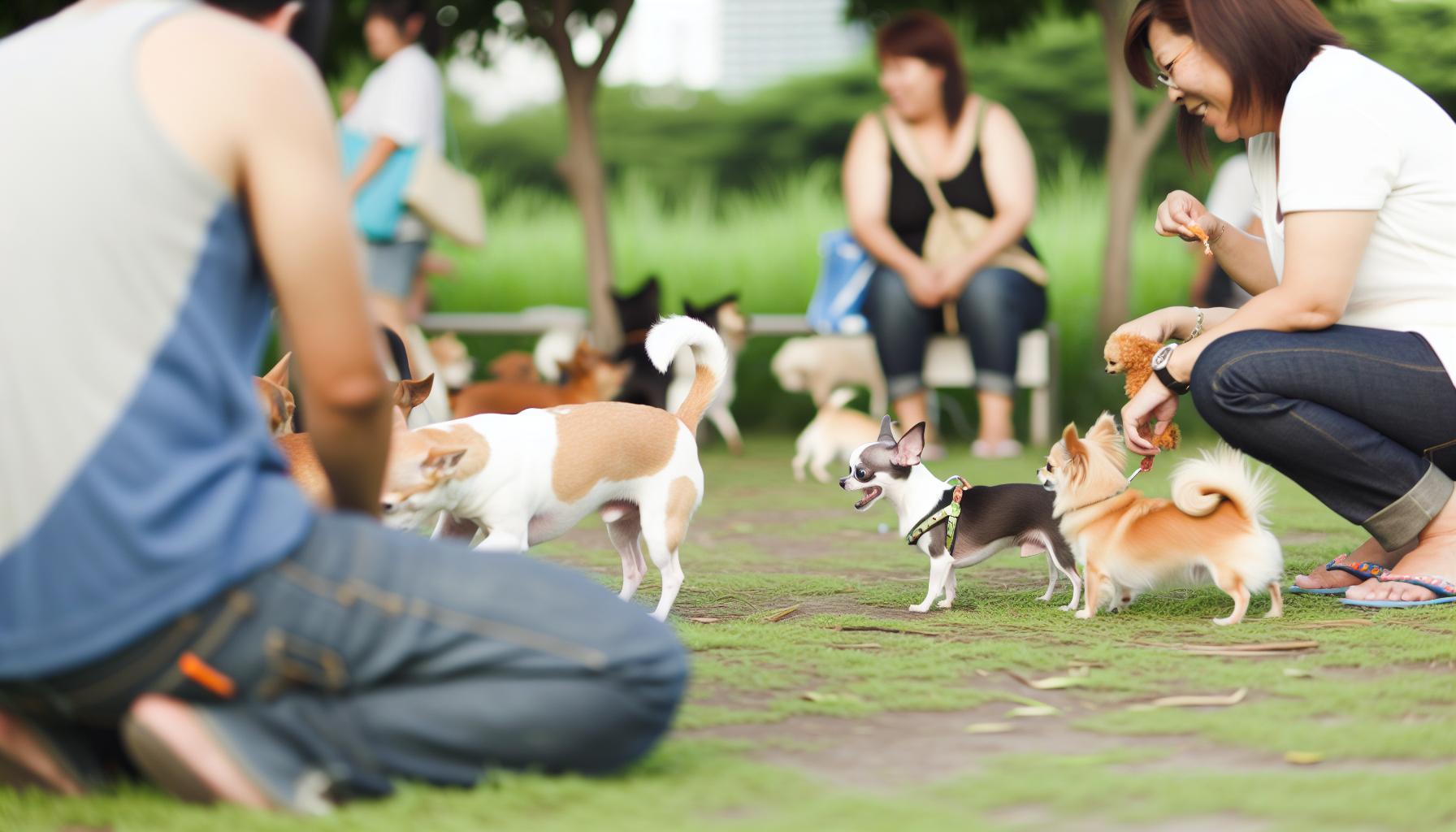
Chihuahua Behavior Traits Explained
Chihuahuas are known for their spirited and vibrant personalities, often surprising people with how much character is packed into their tiny frames. These little dogs can display a range of behaviors that reflect their unique temperament-traits that both endear them to their owners and sometimes pose challenges. Understanding these behavioral traits is essential for fostering a loving, well-adjusted companion.
One of the most defining features of a Chihuahua’s behavior is their strong loyalty to their owners. They tend to form a deep bond with their family, often preferring to stay close to those they trust. This loyalty frequently manifests as a protective instinct, making them excellent watchdogs, despite their small size. However, this can also lead to over-protectiveness, especially towards strangers. It’s not uncommon to find a Chihuahua barking at unfamiliar visitors, showcasing their bold nature. To help manage this tendency, early socialization is key. Introducing your Chihuahua to a variety of people and environments can aid in tempering excessive wariness and encourage a more relaxed demeanor.
Another common trait among Chihuahuas is their vocal nature. These dogs are quite the chatterboxes, using their barks, yips, and whines to communicate their needs and feelings. Fortunately, this vocality can be redirected through training. For example, rewarding quiet behavior can help teach your Chihuahua that calmness is appreciated, rather than their constant barking for attention. A good strategy is to use clicker training; this reinforces positive behaviors and can be incredibly effective for a breed that thrives on interaction and validation.
Chihuahuas are also known for their varying energy levels. While some may have bursts of liveliness, requiring regular play and exercise, others might prefer a more laid-back lifestyle, enjoying cuddle time over a rigorous romp. Understanding your Chihuahua’s unique energy needs is crucial for their well-being. Regular short walks coupled with play sessions can keep them mentally stimulated while allowing for a proper outlet to expend their enthusiasm. For instance, providing them with puzzle toys can also help channel their energy in a constructive way.
In summary, Chihuahuas bring a range of charming behaviors influenced by their loyal, vocal, and energetic dispositions. By understanding these traits and incorporating strategies to embrace and manage them, owners can enjoy a fulfilling relationship with their furry friend that celebrates all their quirks.
Caring for Your Chihuahua’s Emotional Well-Being
Chihuahuas are sensitive little beings, often more attuned to their surroundings and the emotions of their owners than many larger breeds. This heightened awareness means their emotional well-being is paramount to a happy life together. If you’ve ever noticed your Chihuahua curling up next to you or seeking your attention right when you’re feeling low, you’ve seen how deeply he bonds with you. It’s this connection that makes caring for a Chihuahua’s emotional needs essential.
Creating a stable environment where your Chihuahua feels safe and loved can make all the difference. Start with a designated space in your home, like a cozy bed or crate, where he can retreat when feeling anxious or overwhelmed. This little den can be a inner sanctuary amid the hustle and bustle of daily life, especially if you have children or other pets. Remember that Chihuahuas thrive on routines, so feeding and walk times should be consistent to help him feel secure.
Positive Reinforcement and Socialization
Socialization is another critical factor in maintaining your Chihuahua’s emotional health. Exposing him to various people, environments, and experiences aids in reducing shyness or fearfulness. Arrange playdates or attend puppy classes to give him the chance to interact with other dogs, which can build his confidence. For example, one owner recounted how her timid Chihuahua blossomed after regular visits to a dog park, where he learned to engage playfully with both humans and dogs.
Additionally, your training methods can significantly influence his emotional state. Use positive reinforcement to encourage desired behaviors. Rather than punishing unwanted behaviors, redirect his energy by rewarding him when he behaves well. With Chihuahuas, clicker training can be especially impactful; it reinforces good behaviors with immediate feedback. One Chihuahua owner shared how her dog learned to greet visitors calmly rather than bark incessantly, all through a series of fun click-and-treat sessions that celebrated quiet behavior.
Mental and Physical Stimulation
Keep in mind that a well-stimulated mind can lead to a more emotionally balanced Chihuahua. Regular short walks, coupled with play sessions involving her favorite toys, provide the physical outlet he needs while also reducing anxiety. Puzzle toys are excellent for engaging your dog mentally; they challenge him to think and problem-solve, keeping his mind sharp. For instance, if you have an apple-head Chihuahua, he might enjoy treats concealed in a toy that requires him to figure out how to retrieve them.
Lastly, don’t underestimate the power of love and attention. Your presence and the affection you offer can profoundly affect her well-being. Daily cuddle sessions, gentle petting, and speaking to him in a calm and loving manner can foster trust and emotional resilience. Whether you’re welcoming a Chihuahua into your home for the first time or have shared your life with one for years, nurturing this bond will always pay off in wagging tails and happy barks.
Common Behavioral Challenges with Chihuahuas
Chihuahuas are undeniably quirky and lovable companions, but they also come with a unique set of behavioral challenges that can surprise even the most devoted owners. One common issue many Chihuahua owners face is excessive barking. This vocalization can be attributed to their innate protective instincts; Chihuahuas have a fierce loyalty to their families and often feel the need to alert you to anything that seems out of the ordinary. While it’s natural for your little buddy to bark, it’s crucial to train him to be quiet on command to prevent him from becoming a nuisance. A simple method is using treats to reward silence-when he stops barking, praise him and offer a small reward to reinforce the behavior.
Another challenge often encountered is what can be described as “small dog syndrome.” Many Chihuahuas, due to their tiny stature, sometimes exhibit overconfidence, leading them to act aggressively toward larger dogs or even humans. This behavior often stems from insecurity rather than true aggression. Consistent socialization can help mitigate these tendencies. Exposing your Chihuahua to different environments, sounds, and doggy playmates can boost his confidence and help him learn appropriate behavior. As one owner observed, her Chihuahua learned to cautiously approach larger dogs after attending puppy classes where he was gradually introduced to various breeds.
Separation anxiety is also a common hurdle for Chihuahuas. Their strong bond with their owners can lead to distress when left alone, causing behaviors such as destructive chewing or incessant barking. To ease this anxiety, consider creating a comfortable space for your Chihuahua where he feels secure when you’re not around. You might also try gradually increasing the time you leave him alone, associating your departures with positive experiences-like a favorite toy or treat that he only gets when you leave. For instance, one owner found that by providing a special puzzle toy filled with treats, her Chihuahua learned to entertain himself during her absences.
Finally, it’s important to manage their energy levels effectively. Chihuahuas are energetic little pups who require daily physical and mental stimulation to remain balanced and happy. Incorporating regular playtime, short walks, and interactive toys can greatly reduce behavioral issues that arise from pent-up energy. Engaging your Chihuahua in games such as fetch or tug-of-war also reinforces your bond while providing the necessary exercise and mental workout.
By understanding and addressing these common challenges, you can foster a happy and well-adjusted Chihuahua, ensuring that both of you enjoy many delightful moments together. Remember, patience and consistency are key in transforming potential issues into endearing quirks of your little companion.
Training Tips for Your Chihuahua’s Success
Training your Chihuahua can be a rewarding experience, but it also requires patience and creativity, especially given their spirited personality. Known for their loyalty and strong will, Chihuahuas thrive on positive reinforcement and benefit immensely from structured training routines. Starting early is crucial; young Chihuahuas are like sponges, ready to soak up knowledge and habits that will last a lifetime.
To effectively train your little companion, focus on short, engaging sessions that keep his attention. Chihuahuas respond well to treats, praise, and even playtime as rewards. Use specific commands consistently-like “sit,” “stay,” and “come”-and reward immediately when he obeys. For example, if your Chihuahua sits on command, celebrate the achievement with a small treat and enthusiastic praise. This not only reinforces good behavior but also strengthens your bond.
Socialization is another key aspect of training. By exposing your Chihuahua to different environments, people, and other pets from a young age, you can help him become a balanced and confident dog. Enroll him in puppy classes or arrange playdates with other dogs. One owner** shared how her timid Chihuahua blossomed into a more sociable pup after attending regular playgroups. The interactions allowed him to learn appropriate behaviors in a safe setting, which drastically improved his confidence.
Additionally, be mindful of their intelligence. Chihuahuas are clever little dogs who can get bored easily. Integrating fun brain games into your training routine, such as hide-and-seek or puzzle toys, can keep his mind active and engaged. Remember, a tired Chihuahua is a good Chihuahua! Balancing physical exercise with mental challenges will not only help mitigate potential behavioral issues, such as excessive barking or anxiety, but also contribute to a well-adjusted companion.
Ultimately, the journey of training your Chihuahua is about patience, consistency, and mutual respect. Celebrate successes, no matter how small, and always be kind through the process. With the right approach, your little one will not only learn essential commands but also become a cherished member of your family, showcasing all the delightful traits that make Chihuahuas so special.
Health Considerations for Chihuahuas
Chihuahuas are often celebrated for their vibrant personalities, but their delicate size and unique physiology also come with specific health considerations that every owner should be aware of. These little dogs, typically weighing just 2 to 6 pounds, can be prone to a few breed-specific health issues that require attention and proactive care. Understanding these challenges will help you provide the best possible life for your quirky companion.
One of the most common health concerns in Chihuahuas is heart disease, particularly patent ductus arteriosus (PDA) and mitral valve disease. Regular veterinary check-ups that include heart health screenings can help detect these issues early. Another condition to watch for is luxating patella, a dislocation of the kneecap, which is prevalent in small breeds. Keeping your Chihuahua at a healthy weight can significantly reduce the risk and impact of these joint issues-satisfying their little appetites without overindulging is key.
Chihuahuas are also especially sensitive to temperature changes due to their small size and short coats. They can easily get cold; therefore, dressing them in a sweater during chilly months or providing a warm sleeping space can ensure they stay comfortable. Conversely, be cautious in hot weather, as their small bodies can overheat quickly. Always ensure they have water and shade when outdoors, as they love to play but may not always know when to rest.
To support your Chihuahua’s health, consider a nutritious diet specifically formulated for small breeds. This not only fosters overall well-being but also contributes to their energy levels and longevity. Regular dental care is crucial, too, as dental disease is a common issue among Chihuahuas. Owners should establish a routine of brushing their dog’s teeth and providing dental chews to promote good oral hygiene.
While keeping an eye on these health considerations, remember that each Chihuahua is unique with its own quirks and personality traits. Regular exercise and mental stimulation will keep your little friend not only physically fit but also emotionally balanced, helping to mitigate stress-related behaviors. With the right care and attention, your Chihuahua can lead a happy, healthy life filled with cuddles and adventures.
Incorporating these health insights into your routine will empower you as a loving owner. Monitor any changes in behavior, consult your veterinarian regularly, and enjoy discovering all the delightful characteristics that make your furry friend a cherished part of your family.
Adapting to a Chihuahua’s Energy Level
Chihuahuas are known for their big personalities packed into a tiny body, and this energy is a hallmark of what makes them so endearing. Despite their small size, these little dogs possess a surprisingly dynamic and lively disposition, often exhibiting boundless enthusiasm for playtime. Accommodating this energetic nature requires an understanding of their unique energy levels and behavioral patterns.
To adapt to a Chihuahua’s energy level effectively, it is crucial to recognize that every individual has their own pace. Many Chihuahuas thrive on short, frequent bursts of activity. Regular play sessions involving toys like squeaky balls or interactive puzzles can channel their energy positively. For instance, taking your Chihuahua to a dog park can be a wonderful opportunity for socialization and exercise; just be mindful of their size, especially around larger dogs. Being a part of the action without overwhelming them is key. Incorporating a variety of activities will help cultivate both their physical and mental stimulation.
Daily Routine and Engagement
Creating a structured daily routine that includes short walks, playtime, and cuddle sessions can significantly impact your Chihuahua’s overall behavior and happiness. Because they can be quite vocal and spirited, consistent training and engagement will not only help burn off excess energy but also foster a deeper bond between you and your furry companion.
Consider organizing playtime around their natural habits. For example, if you notice your Chihuahua is particularly energetic in the mornings, schedule their walk or playtime then. Likewise, they may enjoy quiet relaxation during the evening. Observing these patterns will allow you to establish a rhythm that nurtures their energy without overwhelming them.
Maintaining Balance
Balancing their energetic spirit with calm moments is essential. Chihuahuas can also be prone to anxiety, so having a cozy area where they can retreat when they need a break will benefit their emotional well-being. This could be a favorite blanket or a designated bed in a quiet corner.
By recognizing your Chihuahua’s energy levels, providing a balanced mix of activity and rest, and understanding their behavioral quirks, you’ll create a harmonious environment where she can thrive. Each interaction is an opportunity to celebrate their unique personality, whether through playful antics or snuggle sessions. With love and care tailored to their needs, your little companion will undoubtedly flourish, bringing joy and laughter to your home.
Chihuahuas and Family Dynamics
In many households, Chihuahuas emerge as the unexpected stars of the family dynamic. Their bold personalities and unwavering loyalty make them cherished companions, and they often bond closely with every family member. Whether it’s a cheeky bark for attention or a warm cuddle on the couch, these tiny dogs captivate hearts with their big character.
Understanding how Chihuahuas integrate into family life involves recognizing their unique temperament. They are naturally alert, sometimes taking on the role of a guard dog despite their size. This means that they may become quite vocal, especially when they sense new people or animals entering their territory. Families with children should teach them how to interact gently with their Chihuahua, emphasizing that while your little companion may love to play, he also needs his personal space and can be easily overwhelmed.
Creating a Safe Space
To foster a harmonious household, it’s essential to provide your Chihuahua with a designated personal area where he can retreat when feeling stressed. This can be a cozy bed in a quiet corner or even a crate, which can serve as a safe haven. Allowing your Chihuahua to have this space will teach children to respect his need for solitude, thus avoiding potential conflict.
Chihuahuas are also incredibly affectionate and thrive on attention. Each family member should engage with him regularly-be it through playtime, training sessions, or simply snuggling together on the couch. They often enjoy being the center of attention and will eagerly participate in family activities. Just remember that these little dogs are often aware of family dynamics; they can sense when someone is feeling down and may seek them out for comfort, showcasing their empathy.
Socialization is Key
Socialization plays a vital role in ensuring your Chihuahua blends well with all family members, including other pets. Early interactions with children, adults, and even different animals can help him develop a balanced temperament. For example, if introducing your Chihuahua to a new family pet, ensure it’s a controlled and calm environment. Supervise their interactions to instill confidence in your Chihuahua and prevent any misunderstandings.
In summary, embracing a Chihuahua as part of your family can lead to a fulfilling and dynamic relationship. With their vibrant personalities and loyal natures, they bring joy and companionship. By creating a safe environment, encouraging gentle interactions, and facilitating positive social experiences, your little Chihuahua will not only thrive but enrich the entire family’s life in ways you may never have expected.
Understanding the Different Types of Chihuahuas
Chihuahuas come in a delightful variety of types, each with distinct traits that contribute to their charm. Understanding these types is key to appreciating the nuances of the breed and finding a match that fits your lifestyle perfectly. From their signature apple-head and deer-head shapes to diverse coat types, each Chihuahua brings its own personality and potential.
One of the most recognizable distinctions among Chihuahuas is their head shape. Apple-head Chihuahuas feature a rounded skull and a short muzzle, giving them that classic, adorable look that many loving owners adore. These little dynamos often embody the quintessential Chihuahua temperament: bold, confident, and full of charisma. They might be a bit more prone to health issues related to their head structure, so regular check-ups with a vet are essential.
On the other hand, deer-head Chihuahuas display a more elongated skull and longer legs, resembling miniature deer. This variety is frequently perceived as slightly more docile than their apple-headed counterparts. They often exude a calm aura and can make fantastic companions for families with younger children who want a soothing presence.
Chihuahuas also boast an array of coat types, ranging from smooth to long-haired. The smooth-coated variety is often easier to groom, with less fur to maintain. They shine with personality and can be just as flamboyant as their fluffier friends. Conversely, long-haired Chihuahuas require more grooming but compensate with their stunning, elegant appearance. Each type of coat has its own maintenance schedule: smooth coats may need occasional brushing, while long-haired coats will benefit from regular brushing to prevent mats.
Color patterns also add to the diversity within the breed. Whether your Chihuahua is a solid, brindle, spotted, or even merle, those color combos often reflect their vibrant personalities. One owner shared how her brindle-coated Chihuahua, Max, was not only striking to look at but also boisterous in attitude, eagerly greeting everyone they encountered.
In summary, understanding these variations makes it easier to find a Chihuahua that fits seamlessly into your life. Regardless of type, you’ll find that each Chihuahua, with their bold loyalty and playful antics, can be an incredible companion that fills your home with love and laughter. Remember, whether you’re drawn to the apple-head’s cuteness or the serene nature of a deer-head, every Chihuahua has the potential to charm and connect on a profound level.
Celebrating Your Chihuahua’s Quirks: Fun Facts
Chihuahuas are known for their larger-than-life personalities packed into tiny, charming bodies. One of the most delightful quirks of this breed is their vibrant vocalization. Not only are they alert and fiercely loyal, but they often express themselves with a variety of barks and yaps, ranging from cheerful greetings to fierce warnings. This vocal trait can endear them to their owners, but it’s essential to train them to differentiate between when to bark at a passing squirrel and when to enjoy a quiet moment on the couch. Regular socialization from a young age can help manage their tendency to be yappy, allowing your little companion to shine while keeping your home a serene space.
Another fascinating aspect of Chihuahuas is their unique bonding behaviors. They are often referred to as “velcro dogs” for a reason-they love to be near their humans. Many Chihuahua owners report that their dogs will follow them from room to room, or curl up tightly against them when relaxing. This intense loyalty can be heartwarming, but it’s crucial to foster healthy independence as well. Introducing safe spaces and encouraging self-play can help your Chihuahua feel secure even when you’re not immediately by their side.
Chihuahuas are also known for their bold and fearless nature, often challenging much larger dogs with a heart full of courage. This boldness can lead to amusing and sometimes surprising situations, such as when a little Chihuahua thunders into a gathering of bigger breeds, wagging his tail proudly as he demands attention. However, it’s important for owners to supervise these interactions to ensure everyone stays safe and feels comfortable. Regular positive reinforcement during dog encounters can help them learn appropriate social cues.
Finally, let’s not forget the whimsical charm of their appearance. Whether sporting a sleek smooth coat or a luxurious long-haired look, Chihuahuas often don unique styles and colors. Their expressive eyes and adorable features can captivate anyone who crosses their path. Owners often dress them up in trendy outfits or cozy sweaters, not just for fashion but also for warmth, as small dogs can be sensitive to temperature changes. Embracing your Chihuahua’s quirks-like their playful demand for inclusivity in everything you do-helps create lasting memories and a closeness that is truly special.
Frequently Asked Questions
Q: What is the typical temperament of a Chihuahua?
A: Chihuahuas are known for their bold and confident nature. They are often loyal and affectionate to their owners, displaying a playful and sassy personality. With proper socialization, they can be great companions, but their protective instincts may lead to barking at strangers.
Q: How can I help my Chihuahua feel more comfortable around strangers?
A: To help your Chihuahua feel comfortable with strangers, engage in positive socialization from a young age. Use treats and praise to reward calm behavior around new people. Gradually introduce them to various environments to build their confidence and reduce anxiety.
Q: Are Chihuahuas good with children?
A: Chihuahuas can be good with children if properly socialized. Supervision is essential to prevent accidental injuries, as their small size makes them vulnerable. Teach children to interact gently and respect the dog’s space, ensuring a harmonious relationship.
Q: What common behavioral issues do Chihuahuas face?
A: Common behavioral challenges include excessive barking, aggression towards strangers, and separation anxiety. Addressing these issues early through consistent training and socialization can help create a well-adjusted pet. Consult a trainer if problems persist.
Q: How do I train my Chihuahua effectively?
A: Effective Chihuahua training relies on positive reinforcement techniques. Use treats and praise for good behavior, keeping training sessions short and engaging. Consistency is key, so reinforce commands daily to help your Chihuahua learn effectively.
Q: What are the best activities for Chihuahuas?
A: Chihuahuas enjoy activities like short walks, interactive play, and puzzle toys. They thrive in environments where they can explore safely and engage with their owners. Regular mental stimulation helps keep their energy in check.
Q: How much exercise does a Chihuahua need?
A: Chihuahuas need about 20-30 minutes of exercise daily. This can include walking, indoor play, or agility exercises. Tailor the amount based on your dog’s energy level, ensuring they stay active and healthy without becoming overwhelmed.
Q: What should I know about a Chihuahua’s emotional needs?
A: Chihuahuas require emotional security and companionship. Spending quality time with your dog and providing a safe, loving environment is essential. They often form strong bonds with their owners, so recognizing signs of anxiety and addressing them early is crucial.
Insights and Conclusions
Chihuahuas are vibrant companions, and understanding their unique temperament can truly enrich your bond. Remember, their confidence belies their small size, making them both vocal and fiercely loyal. If you’re ready to embrace the joys of Chihuahua ownership, explore our guide on Chihuahua health essentials and behavior tips to ensure your furry friend thrives.
Don’t miss out on upcoming articles about caring for your Chihuahua’s specific needs or sharing heartwarming stories from fellow Chihuahua enthusiasts. Ready to dive deeper? Sign up for our newsletter for the latest insights and expert advice, and join our community by sharing your Chihuahua’s quirks in the comments below! Let’s celebrate these charming little dynamos together!
Get our latest guides, news, and insights highlighted in your Google Search & AI Overviews.