
Have you ever noticed your beloved Chihuahua shaking? While it may seem concerning, trembling is actually common in these tiny dogs and can stem from various reasons, including excitement, anxiety, or even the cold. Understanding “Porque Los Chihuahuas Tiemblan” is essential for every owner, as it helps you identify your dog’s needs and ensure their well-being. By getting to know the nuances behind this behavior, you can create a nurturing environment that makes your furry friend feel secure and comfortable. As we explore the myriad factors contributing to this quirk, you’ll not only gain insight into your Chihuahua’s unique personality but also discover how to enhance their happiness and health. Trust me, every tail wag or tiny shiver tells a story worth knowing!
Understanding Why Chihuahuas Tremble: An Overview
Chihuahuas are known for their spirited personalities and, sometimes, their tendency to tremble. This quirk can be puzzling for owners, especially for those new to the breed. Trembling can be more than just an endearing trait; it often serves as a communication tool showcasing a Chihuahua’s emotional state. Understanding why your beloved pet shakes can help you better care for them and address their needs.
There are several common reasons for trembling in Chihuahuas. One prevalent cause is the cold. With their small size and low body fat, Chihuahuas can become chilly quickly, especially in cooler weather. Signs that your Chihuahua is cold may include seeking warmth, curling up tightly, or trying to burrow under blankets. Always ensure your little friend is adequately bundled up during winter walks.
Anxiety and stress can also trigger trembling. Chihuahuas are known to be loyal and somewhat sensitive canines, often reacting to changes in their environment or routine. Situations like loud noises, new visitors, or even a change in your mood can cause them distress. Observing your Chihuahua’s reactions can provide insight into their triggers. For example, if she shakes during thunderstorms, creating a safe, quiet space with her favorite blanket may help her feel more secure.
Health issues can contribute to trembling as well. Conditions such as hypoglycemia (low blood sugar) or more severe health concerns can cause shaking. If your Chihuahua’s trembling is frequent or accompanied by other concerning symptoms-like lethargy or loss of appetite-it’s essential to consult a veterinarian to rule out any underlying health issues.
By staying attuned to your Chihuahua’s unique physiology and behaviors, you can better understand and respond to their trembling. Whether it’s providing extra warmth or helping her feel safe during stressful times, a little insight goes a long way in ensuring your Chihuahua remains a happy, healthy companion.
Common Causes of Trembling in Chihuahuas

Chihuahuas are known for their charming personalities; however, their tendency to tremble can often leave owners scratching their heads. While some might consider this behavior merely a quirk of the breed, it can often point to specific needs or feelings that require attention. Understanding the reasons behind your Chihuahua’s shivering can enhance your bond and ensure they feel secure and healthy.
One of the most is the temperature. Due to their small size and lower body fat, these little pups can chill quickly, especially in cooler climates. If your Chihuahua seeks warmth by curling up tightly or burrowing under blankets, it’s a clear sign they might be feeling cold. Keeping a cozy sweater on hand for winter walks can make all the difference for your little companion.
Additionally, anxiety can be a significant trigger for trembling. Chihuahuas are exceedingly loyal and sensitive creatures; they often react to stressors in their environment. Loud noises, like thunder or fireworks, unfamiliar visitors, or even subtle changes in your mood can lead them to shake. Creating a safe space with familiar items-like their favorite blanket or a snug bed-can help alleviate this anxiety. You might even consider desensitizing your Chihuahua by gradually introducing them to potentially stressful situations in a calm and controlled manner.
Health concerns should also be a primary consideration. Trembling can indicate underlying issues such as hypoglycemia (a common concern in small breeds), dental pain, or other medical conditions. If you notice frequent trembling or other symptoms, such as lethargy or changes in appetite, consulting a veterinarian is crucial for your Chihuahua’s well-being. Regular wellness visits and maintaining a balanced diet are essential components of keeping your pup healthy and happy, as these can also reduce the frequency of trembling episodes.
By tuning into your Chihuahua’s needs-whether it’s warmth, comfort, or medical attention-you’re not only helping to manage their trembling but also ensuring that you nurture a happy and healthy relationship with your four-legged friend.
Is Your Chihuahua Cold? Signs to Look For

Chihuahuas are not just adorable companions; they are sensitive to temperature changes due to their small size and lower body fat. This makes them particularly vulnerable to the cold, and as a responsible owner, it’s crucial to recognize when your little friend is feeling chilly.
To determine if your Chihuahua is cold, watch for certain behaviors. For instance, if she curls up tightly in a ball, burrows under blankets, or seeks out warm spots in the house, these are clear signals that she might be too cold. You may also notice her shivering or shaking, which can happen even in mildly cool weather, especially during winter walks. Additionally, pay attention to her ears and paws; if they feel cold to the touch, it’s a strong indication that she needs some extra warmth.
Another telling sign is her reluctance to go outside, particularly if it’s chilly or windy. A confident little Chihuahua might suddenly become hesitant to step out, preferring the coziness of the indoors. In such cases, a well-fitted doggy sweater can not only help keep her warm but also serve as a stylish accessory to celebrate her unique personality. Remember, keeping your Chihuahua warm isn’t just about comfort; it can help prevent health issues associated with prolonged exposure to cold temperatures.
It’s essential to create a warm environment at home. Provide her a cozy bed in a draft-free area, and consider using blankets to create a snug retreat. A safe space allows your Chihuahua to feel secure and comfortable, especially during those colder months. By being attuned to her needs, you ensure she remains happy, healthy, and full of that delightful Chihuahua spirit, no matter the weather outside.
Anxiety and Stress: The Emotional Triggers
The emotional landscape of Chihuahuas is intricate, greatly influenced by their small size and perceptive nature. These little dogs can be particularly sensitive to their environment, making them prone to anxiety and stress, which often manifest as trembling. Understanding the root causes behind this behavior is essential for any Chihuahua owner, ensuring a happier, healthier life for their furry companion.
Stressful situations for your Chihuahua can vary widely, from loud noises like thunderstorms and fireworks to changes in routine or the introduction of new family members. This breed, known for its loyalty, may also experience anxiety when separated from their owner, often referred to as separation anxiety. For example, a Chihuahua who is used to having their owner at home might tremble or become agitated when left alone, displaying signs of distress such as whining or excessive barking.
There are several strategies to help manage anxiety in your Chihuahua. Creating a calm environment can work wonders. Consider using soft, soothing music or a white noise machine to mask unsettling sounds from outside. Providing a cozy, secure space where your Chihuahua can retreat when feeling anxious is crucial. A familiar blanket or a favorite toy can serve as comfort items, helping her to feel more at ease.
Training plays a significant role in alleviating anxiety as well. Positive reinforcement techniques can help your Chihuahua associate potentially stressful events, like loud noises, with positive outcomes. For instance, rewarding her with treats and praise for remaining calm during a thunderstorm can gradually reduce her fear. Remember, patience is key! Each dog responds differently, and it may take time to find what works best for her.
In addition to environmental adjustments and training, engaging her mind with interactive toys or puzzle games can serve as a great distraction during stressful times. Understanding the specific triggers for your Chihuahua’s anxiety allows you to be proactive in managing her emotional health, paving the way for a more secure and happy life together.
Health Issues That Cause Trembling

Chihuahuas are adorable little companions known for their big personalities, but their small size also makes them susceptible to certain health issues that can trigger trembling. Understanding the underlying medical reasons is essential for any Chihuahua owner to ensure their beloved pet stays healthy and happy.
One common health concern that can lead to trembling is hypoglycemia, or low blood sugar. This condition is particularly prevalent in smaller breeds like Chihuahuas, whose tiny bodies can quickly run out of energy. Symptoms of hypoglycemia include not only trembling but also weakness, disorientation, and lethargy. Keeping your Chihuahua on a regular feeding schedule and providing high-quality dog food can help maintain stable blood sugar levels.
Another issue might be a neurological disorder, such as idiopathic tremors. This condition causes rhythmic shaking, typically affecting the head, neck, or limbs. While it is often not life-threatening, it can be distressing for both the dog and the owner. If you notice persistent shaking that doesn’t appear to result from cold or anxiety, a visit to the veterinarian is crucial for a proper diagnosis and treatment plan.
Additionally, Chihuahuas can be prone to patellar luxation, a condition where the kneecap dislocates. This not only causes pain but can also manifest as trembling, especially when the dog is trying to walk or run. Observing your Chihuahua for signs of discomfort while moving or playing can be helpful in identifying this issue early.
Lastly, certain infections or underlying health conditions, such as kidney disease or pancreatitis, may also cause trembling as a symptom. Regular veterinary check-ups are essential for early diagnosis and intervention, ensuring that your Chihuahua leads a long, healthy life.
Being observant and proactive about your Chihuahua’s health will help you address any concerns swiftly. If trembling persists, consult with your veterinarian to explore these potential health issues and secure the well-being of your furry friend.
Age-Related Trembling in Senior Chihuahuas
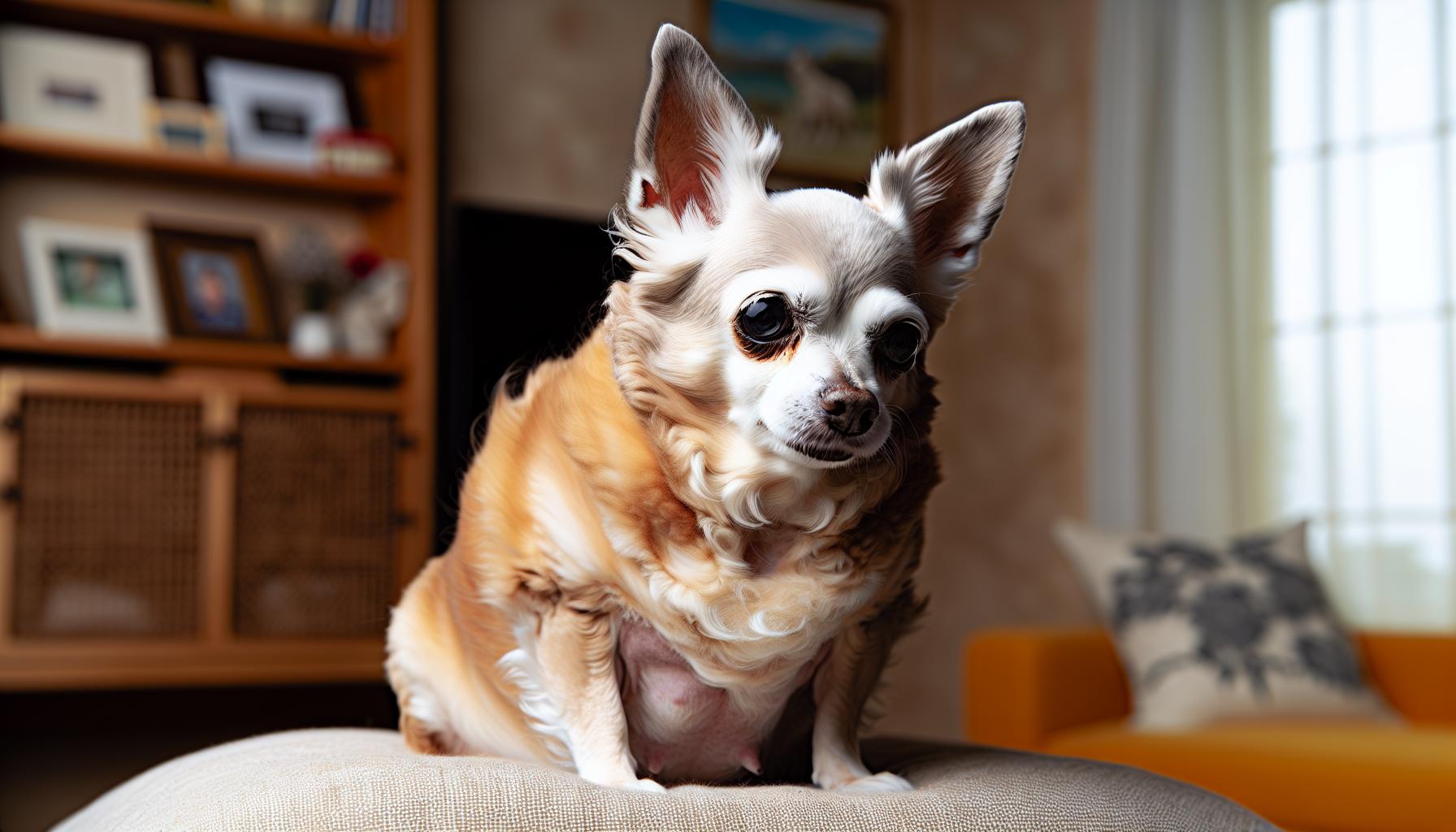
As your beloved Chihuahua grows older, it’s common to notice changes in her behavior, including an increase in trembling. This can be particularly concerning for owners who want to ensure their pet remains comfortable and happy in her golden years. Understanding the reasons behind this trembling in senior Chihuahuas can help you provide the best care possible.
One significant factor contributing to trembling in older Chihuahuas is muscle weakness, which can occur due to natural aging processes. Just like in humans, aging muscles may not respond as vigorously as they once did, leading to a quivering that owners might misinterpret as anxiety or fear. Additionally, the body temperature regulation may decline, making it harder for her to keep warm, particularly given their small stature. It’s essential to monitor her environment; providing a cozy, warm spot for her, such as a soft blanket or a heated dog bed, can help alleviate discomfort associated with the cold.
Another element to consider is the development of age-related health conditions. Senior Chihuahuas can face various health issues, from arthritis to neurological disorders, which may manifest as trembling. For example, pain from arthritis might cause her to shake or tremble, especially when she’s moving around or getting up from resting. Observing changes in her mobility or signs of discomfort while moving can give you clues about what she might be experiencing. Regular check-ups with the veterinarian are vital to address these evolving health concerns and adjust her care plan accordingly.
Lastly, emotional factors cannot be overlooked. Older Chihuahuas might experience anxiety when faced with significant changes in their environment, such as the introduction of new pets or changes in household routine. Providing a reassuring presence is crucial-spending quiet time with her, offering gentle petting, and maintaining a familiar routine can help soothe her nerves. You’re her safe haven, and retaining that sense of security will help reduce her trembling and improve her overall well-being.
By being attentive and proactive, you can greatly enhance your senior Chihuahua’s quality of life. Keep an eye on her habits and behavior, and don’t hesitate to reach out to your veterinarian with any concerns. After all, a little awareness can make a big difference in how she feels each day.
How to Calm Your Shivering Chihuahua
To see your Chihuahua shivering can be a heart-wrenching sight, especially when you know how much this breed adores being cozy and warm. But don’t worry; there are several strategies you can employ to help calm your beloved companion and ease those trembling moments. First, ensure that her environment is always warm. Given their small size and thin coats, Chihuahuas can easily feel the chill. A soft, heated dog bed or a pile of warm blankets can provide the fluffy comfort she needs. On colder days, consider layering her outfit with a snug dog sweater to keep her warm while she’s out and about.
In addition to a warm environment, providing a consistent routine can significantly reduce your Chihuahua’s anxiety. Dogs are creatures of habit, and changes in their schedule can trigger shaking. Establishing regular feeding times, potty breaks, and play sessions helps your Chihuahua feel secure. If she’s trembling due to fireworks, thunderstorms, or other loud noises, create a safe space for her with her favorite toys and blankets. Some owners have found that a comforting companion, like a gentle cuddle or simply lying next to her, can make a substantial difference.
Moreover, remember to keep a close eye on her health. Sometimes trembling may indicate discomfort due to health issues, so regular vet check-ups are a must. Anxiety-related trembling can also be mitigated with the right training techniques. Reward-based training, which reinforces calm behavior with treats and praise, builds confidence and can reduce anxious responses.
Lastly, don’t underestimate the power of a healthy diet. A well-balanced diet can help maintain her energy levels and overall well-being, which are crucial in managing anxiety. Feeding your Chihuahua high-quality dog food designed for her age and size will ensure she gets the nutrients she needs. Each small step you take towards her comfort makes a significant difference in her happiness and quality of life.
The Role of Diet in Your Chihuahua’s Health
A well-balanced diet is not just about satisfying hunger; for Chihuahuas, it plays a crucial role in their overall health and helps manage behaviors, including trembling. These small but mighty dogs have unique nutritional needs, particularly given their active personalities and high metabolism. When you provide the right nutrients, you’re not only fueling their lively spirit but also supporting their physical well-being, which can significantly reduce anxiety-related trembling.
Chihuahuas thrive on diets rich in high-quality proteins, healthy fats, and essential vitamins. Protein sources like chicken, turkey, and fish promote muscle development and energy levels, while moderate fat levels provide necessary energy without leading to obesity. Always check that the dog food includes animal-based proteins rather than fillers, as this is a key factor in maintaining your Chihuahua’s energy and endurance.
Dietary sensitivities can also contribute to shaking. Some Chihuahuas may react negatively to certain ingredients commonly found in commercial dog foods, such as grains or artificial additives. If you notice your dog shivering more frequently after meals, consider keeping a food diary. Record what she eats and any signs of discomfort, discussing potential food sensitivities with your veterinarian. Switching to a limited-ingredient diet may help in these cases.
Hydration is another vital component. Chihuahuas are prone to dehydration, particularly if they’re active or experiencing stress. Ensure fresh water is always available and consider incorporating wet food into her meals for added moisture. Additionally, treats can be used strategically; healthy snacks like small pieces of cooked pumpkin or sweet potatoes can be both nutritious and calming.
Strong bonds are built through shared meals. Use mealtime as an opportunity for connection. Not only does feeding your dog help fulfill her nutritional needs, but it also offers a chance to reinforce positive behavior with training techniques. Rewarding her for calm behavior during meals can instill a sense of security and help reduce anxiety.
In summary, a carefully considered diet tailored to your Chihuahua’s specific needs can make a significant difference in her health and behavior. By focusing on high-quality ingredients and maintaining proper hydration, you’re nurturing her body, which ultimately helps her tackle everyday challenges, including those pesky tremors. Always consult your veterinarian to tailor the best dietary plan for her unique needs-because a happy Chihuahua is a healthy Chihuahua!
Behavioral Insights: Why Chihuahuas Shake
Chihuahuas are known for their distinct personalities and vibrant energy, which can make their occasional shaking seem perplexing. Understanding these small dogs reveals that their tremors often stem from their unique behavioral traits. For many Chihuahuas, shaking is a natural expression of excitement, nervousness, or even their charmingly bold attitude. Unlike larger breeds that may need to assert their presence through more substantial means, Chihuahuas possess a captivating ability to command attention even with a slight tremor.
One common reason why your Chihuahua may shake is due to anxiety or stress. These little companions are highly attuned to their environments and can become anxious in unfamiliar situations, loud noises, or changes in routine. If you’ve noticed your pup trembling during storms or when guests arrive, consider creating a safe space where he can retreat to feel secure. Using cozy blankets or a specially designated corner can help him relax when the world feels overwhelming.
Another facet of Chihuahua behavior is their instinctive reaction to temperature. As small dogs with minimal body fat, Chihuahuas can feel cold more acutely than larger breeds. If you live in a chilly climate, keep an eye on your Chihuahua’s body language. If he’s shaking, it might be his way of signaling that he’s feeling the chill. Sweaters designed for Chihuahuas can not only keep them warm but also stylish while providing comfort.
Diet and hydration play significant roles in your Chihuahua’s behavior as well. Dehydration can lead to nervousness and increased shaking. Always ensure your little companion has access to clean, fresh water and consider adding water-rich foods to his diet, especially during hot weather. Monitoring your Chihuahua’s nutritional intake can help maintain his overall health, further stabilizing his emotional responses.
Lastly, remember that while it’s important to recognize these tremors, not every shake is worrisome. Embrace your Chihuahua’s vibrant nature and consider their shakes a quirky part of their personality. With a keen understanding of your furry friend’s behaviors, you can foster a nurturing environment that reduces anxiety and keeps your Chihuahua feeling secure and loved.
Understanding the Chihuahua’s Unique Physiology
Chihuahuas are fascinating creatures, bursting with personality despite their tiny stature. Their unique physiology plays a crucial role in their behaviors and responses, including the shaking that often baffles their owners. Understanding how their bodies function can shed light on why these little dogs tremble and help you respond appropriately as a loving pet parent.
One of the most significant aspects of a Chihuahua’s physiology is their small size and lightweight build. Typically weighing between 2 to 6 pounds, Chihuahuas have less body fat than larger breeds, which makes them more sensitive to temperature changes. Their diminutive size means they generate less body heat and can cool down quickly in colder environments. If your Chihuahua is shivering, it could be as simple as him being too cold, especially if he’s been outside for a prolonged period without protection. Investing in a well-fitted sweater or coat can not only keep your Chihuahua warm but also serve as a cute fashion statement.
Additionally, Chihuahuas possess a faster metabolism, which can also contribute to their trembling when they are excited or agitated. This rapid metabolic rate can lead to heightened energy levels, making them more prone to excitement-induced shaking. For instance, if you come home from work and your pup races to greet you, you might notice him quivering with joy. Recognizing these moments as expressions of happiness rather than distress is important for nurturing a positive environment for your furry friend.
Chihuahuas also have a distinct reaction to stress due to their highly sensitive nature. Their elevated heart rate can trigger shivering or shaking when they feel anxious. This is often seen in situations like vet visits or loud noises, such as thunderstorms. Creating a calming environment with safe spaces-like a cozy bed in a quiet area-can help alleviate some of this anxiety. Once you understand your Chihuahua’s physiological responses, you can better support him during times of stress.
By celebrating these unique traits and understanding their implications, you can foster a compassionate and loving environment for your Chihuahua. Each tremble tells a story about his needs or emotions, allowing you to respond with care and attention that enhances his well-being.
When to Consult a Veterinarian for Trembling
While trembling is a common behavior among Chihuahuas, it’s essential to know when it may signal a more serious issue that requires veterinary attention. Although many small shakes can be harmless and even an expression of excitement or nervousness, prolonged or sudden onset trembling, especially if accompanied by other symptoms, should not be ignored.
Pay close attention if your Chihuahua’s shaking lasts for an extended period or escalates in severity. Here are some scenarios where a vet visit is advisable:
Signs That Indicate a Trip to the Vet
- Prolonged Trembling: If your little one shakes continuously for several minutes without stopping, it may be a sign of distress or a health issue.
- Lethargy or Weakness: Trembling coupled with a lack of energy or reluctance to move is a clear indicator that something might be wrong.
- Loss of Appetite: If your Chihuahua is shaking but refuses to eat or drink, consult your veterinarian to rule out any underlying health concerns.
- Changes in Behavior: Sudden behavioral changes, such as increased aggression or withdrawal, alongside trembling may require a professional’s opinion.
Remember that Chihuahuas are particularly sensitive dogs, and issues related to anxiety and stress often manifest as trembling. However, conditions such as hypoglycemia (low blood sugar), neurological disorders, or even pain can cause similar symptoms. For instance, a friend of mine had a Chihuahua that began trembling uncontrollably after a bad fall. It turned out his little furball had injured a leg, which was causing pain and fear.
To ensure you provide the best care for your Chihuahua, keep a close eye on his overall health and behavior. If trembling becomes concerning, a prompt veterinary check can help identify any potential health issues early, leading to better treatment outcomes and a happier pup. Prioritizing regular vet visits is crucial in maintaining your Chihuahua’s health, especially given their unique vulnerabilities. Always trust your gut as an owner; if something feels off, it’s better to be safe and consult a professional.
Preventative Care Tips for a Happy Chihuahua
To keep your Chihuahua happy and healthy, preventative care is essential. These little furballs are known for their lively personalities, but their sensitive nature also means they can face various health challenges. By being proactive, you can help minimize the chances of trembling and other issues.
One crucial aspect is ensuring they stay warm, especially during colder months. Chihuahuas have a higher surface area relative to their volume and can lose heat quickly. Dress your Chihuahua in a snug sweater or coat, and consider providing a cozy bed with blankets for added comfort. It’s incredibly simple, but it makes a big difference. Many owners find that their dogs thrive with the right insulation-my own Chihuahua, Bella, calms down significantly when tucked in her favorite fleece blanket during chilly evenings.
Regular vet visits form the backbone of preventative health care. Schedule annual check-ups to catch any issues early-this includes dental exams, which are vital since dental problems can lead to pain and systemic health issues, causing unnecessary stress that may result in trembling. Vaccinations and parasite prevention should also be part of this plan. For example, a friend’s Chihuahua developed tremors because of a severe flea infestation. Regularly treating for fleas, ticks, and worms can not only keep your Chihuahua comfortable but also prevent serious health complications.
Nutrition is another integral piece of the puzzle. Feed high-quality dog food that meets their specific nutritional needs. A balanced diet supports not only their physical health but their emotional well-being as well. Small, frequent meals can help manage blood sugar levels, particularly in those prone to hypoglycemia-an important consideration for this breed. Monitor their weight and adjust portions as needed to avoid obesity, which could exacerbate health issues.
Lastly, socialization and mental stimulation can significantly reduce anxiety-related trembling. Engage your Chihuahua in regular play, training sessions, and interactive toys. This keeps their mind sharp and their spirits high. I’ve found that puzzle toys can be surprisingly effective in redirecting anxious energy, resulting in a calmer pup overall. Remember, a busy Chihuahua is often a happy Chihuahua!
By integrating these preventative care strategies into your routine, you can ensure your Chihuahua lives a joyful, trembling-free life. Celebrate their quirks and unique personality, and you’ll build a bond that helps both of you thrive.
Faq
Q: Why do Chihuahuas shake all the time?
A: Chihuahuas may shake frequently due to their small size, which makes them more sensitive to temperature changes. This shaking can be a response to feeling cold, anxious, or overwhelmed. If your Chihuahua shakes often, consider providing a warm blanket or a safe space to help them feel secure.
Q: What can I do to stop my Chihuahua from trembling?
A: To help stop your Chihuahua from trembling, create a calm environment and provide comfort items like blankets or toys. Ensuring they are not cold and addressing any anxiety triggers can make a significant difference. Consult your vet if trembling persists for further advice.
Q: When should I worry about my Chihuahua’s shaking?
A: You should be concerned if your Chihuahua’s shaking is accompanied by other symptoms such as lethargy, vomiting, or if it occurs excessively without a clear cause. Consulting a veterinarian can help rule out underlying health issues or confirm if the behavior is stress-related.
Q: Can diet affect my Chihuahua’s trembling?
A: Yes, diet can influence your Chihuahua’s overall health, including trembling. A balanced diet rich in essential nutrients supports your Chihuahua’s energy levels and immune system, potentially reducing anxiety-related shaking. Consider consulting your vet for diet recommendations that suit your Chihuahua’s specific needs.
Q: Do all Chihuahuas shake due to anxiety?
A: Not all Chihuahuas shake due to anxiety. While anxiety is a common cause, other factors such as cold weather, excitement, or even certain health conditions can lead to trembling. Observing the context of the shaking will help determine the cause.
Q: What are the signs my Chihuahua is cold and shaking?
A: If your Chihuahua is cold, you may notice shivering, seeking warmth, or curling up tight. They might also avoid going outside or show signs of discomfort, such as whining. Providing a warm place and checking for drafts can help alleviate their discomfort.
Q: How can I identify if my Chihuahua’s shaking is a health issue?
A: To determine if your Chihuahua’s shaking is a health issue, observe other symptoms like difficulty walking, pain responses, or unusual behavior. A visit to the veterinarian is crucial to rule out conditions such as hypoglycemia or neurological disorders.
Q: Are Chihuahuas more prone to shaking than other breeds?
A: Yes, Chihuahuas are generally more prone to shaking compared to larger breeds due to their small size and high metabolism. Their heightened sensitivity to environmental changes can also make them more likely to tremble when stressed or cold.
For further guidance on managing your Chihuahua’s health and behavior, feel free to explore sections on calming techniques and preventative care in our main article.
The Way Forward
Understanding why Chihuahuas tremble can transform your bond with these spirited little companions. Whether it’s excitement, anxiety, or just a chilly day, recognizing their unique behaviors will enhance your experience as a proud Chihuahua owner. For tailored health tips, explore our guides on Chihuahua care and training, ensuring your beloved friend remains happy and healthy.
Don’t miss out on joining our vibrant community-subscribe to our newsletter for the latest insights, or check out our detailed articles on managing Chihuahua behavior and grooming essentials. Your journey with your furry friend is just getting started, so dive deeper into the world of Chihuahuas! And remember, every wag, shiver, and bark is a part of what makes your Chihuahua so special. Share your experiences below; we love hearing from fellow Chihuahua enthusiasts!
Get our latest guides, news, and insights highlighted in your Google Search & AI Overviews.