

Chihuahuas, while small and seemingly feisty, often get a bad rap when it comes to bite risks. Did you know that despite their bold personalities, most Chihuahuas are more about loyalty and love than aggression? Understanding the realities behind their bite risks is crucial for current and prospective owners alike. You’ll want to uncover the truth behind common misconceptions, especially if you’re concerned about their behavior around children or other pets. This article will explore the true nature of Chihuahuas, providing insights into their temperament, triggers for anxiety, and how to foster a safe environment. Whether you’re a seasoned Chihuahua parent or considering bringing one into your home, arming yourself with the right knowledge can prevent misconceptions and help cultivate a stronger bond with your pint-sized companion. Join us as we delve deep into the heart of this beloved breed and demystify their reputation.
Is a Chihuahua a Guard Dog? Understanding Their Protective Nature
Despite their small size, Chihuahuas carry an impressive reputation for being feisty and fiercely protective of their owners and territory. These tiny companions may not fit the classic image of a guard dog, but their loyalty and vigilance often shine through in ways that can surprise many. Chihuahuas possess a natural instinct to alert their family to any perceived threats or unusual activity, and this trait can make them effective watch dogs. Their bark may be small, but trust me, it can echo with the confidence of a much larger dog.
Being naturally curious, Chihuahuas are keen observers of their environment. They notice when someone approaches the house or if something feels out of place. This innate alertness is one reason many owners feel secure knowing their Chihuahua is on guard. However, it’s crucial to understand that their protective nature must be guided and nurtured. Without proper socialization and training, a Chihuahua’s protective instincts can sometimes lead to overzealous barking or aggression towards strangers.
To channel their protective traits positively, you can focus on consistent training and early socialization. Exposing your Chihuahua to various environments, people, and other animals when they are young can help them become more confident and less fearful. Teaching commands like “quiet” and “leave it” can also help manage their alertness, creating a more balanced temperament. Remember, every bark is a call for attention and communication, and understanding this can help strengthen the bond you share while mutualizing their instinctive behaviors.
Keeping your Chihuahua physically and mentally stimulated can also enhance their protective instincts. Engaging in daily activities, whether through play or training sessions, can alleviate anxiety and build confidence. A confident Chihuahua is more likely to manage its protective behaviors positively. Ultimately, with love, attention, and the right guidance, your Chihuahua can be not just a loyal companion, but also a committed guardian of your home and family.
Chihuahua Temperament: Friendly or Fearful?
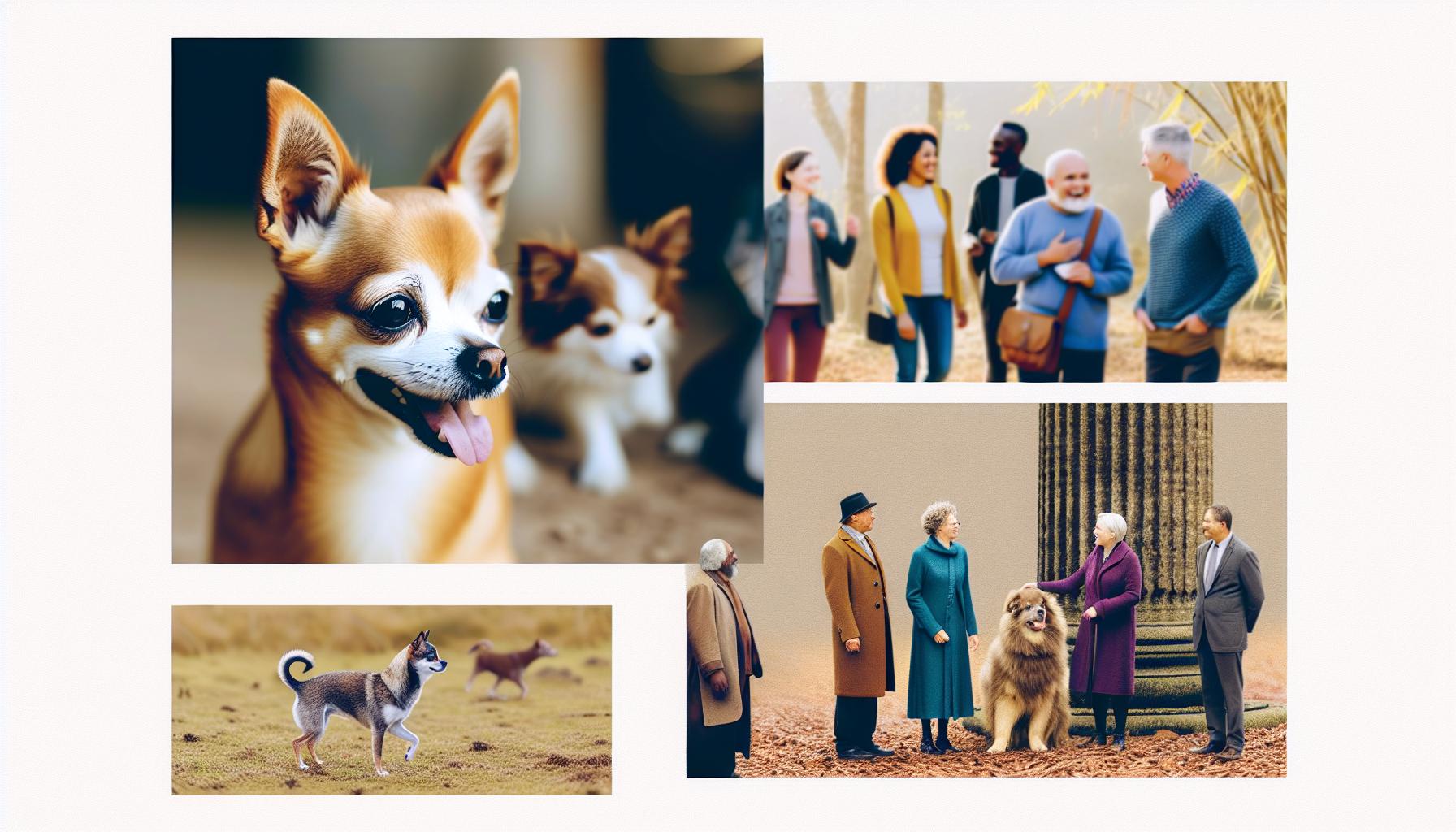
Chihuahuas are often misunderstood, caught between their small stature and their big personalities. While they are small and may seem fragile, they compensate for this with a fiercely bold attitude that can be both endearing and alarming, especially to new owners. Their temperament can range significantly, making them either friendly and outgoing or fearful and nervous, which is crucial for potential owners to understand in the context of bite risk.
Many Chihuahuas thrive on interaction and develop close bonds with their family members. They are known to be affectionate, loyal, and often seek attention, making them delightful companions. These sociable traits can lead to positive experiences in well-socialized dogs that enjoy meeting new people and other pets, displaying affection through playfulness, tail wags, and little kisses. However, their temperament can shift dramatically in response to fear or insecurity. For example, a Chihuahua that hasn’t been properly introduced to new environments or people may exhibit fearful behaviors that could lead to biting as a defensive mechanism.
To foster a friendly demeanor, it’s vital to begin socialization early. Introduce your Chihuahua to a variety of people, sounds, and experiences while they’re still a pup. This exposure helps them build confidence and learn how to react appropriately in different situations. You want to aim for a well-rounded personality, where your Chihuahua feels secure enough to trust you and others, rather than fearing them. Training should also incorporate positive reinforcement techniques, rewarding calm behavior and teaching them to respond to commands like “sit” or “stay,” which can help alleviate nervousness.
Additionally, understanding the signs of a fearful Chihuahua is essential. If she tucks her tail, hides, or growls, she’s expressing discomfort or fear. Instead of pushing her into uncomfortable situations, offer her a safe space and allow her to approach new experiences at her own pace. Remember that each Chihuahua is unique – the goal is to play to her strengths. With patience and love, you’ll help her become the confident companion you envision, reducing the risk of bites that may stem from fear or anxiety.
Common Misconceptions About Chihuahua Bites

Chihuahuas often get a bad rap when it comes to their biting tendencies. Too frequently seen as cute little companions with an attitude, some people mistakenly equate a small dog’s bark and bravado with an inherent danger. Understanding the reality behind these misconceptions is key to fostering a safe and happy environment for both your Chihuahua and those around them.
One common myth is that Chihuahuas are naturally aggressive and prone to biting. In truth, many factors influence a Chihuahua’s bite behavior, most notably their upbringing and socialization. With proper training and early exposure to diverse settings and people, Chihuahuas can develop into friendly and well-adjusted pets. For example, an owner who consistently socializes their Chihuahua with dogs of various sizes, new environments, and unfamiliar faces often finds that their pet learns to be more confident rather than protective or fearful.
Another misconception is that a Chihuahua’s small size means their bites are harmless. While it’s true that their bites may not cause the same physical damage as those from larger breeds, the psychological impact on the bitten person can still be significant. A bite from a Chihuahua can be startling and lead to fearful associations with dogs in general, which is why it’s essential for owners to take proactive steps in managing their pet’s behavior. By cultivating positive experiences, providing consistent training, and using positive reinforcement, owners can mitigate risks and debunk the myth that Chihuahuas are inherently dangerous.
Lastly, many might believe that Chihuahuas are just “little fluff balls” who don’t require much training or discipline. This couldn’t be further from the truth. Like any breed, Chihuahuas thrive on structure and guidance. By investing time in training and socializing your little companion, you can significantly reduce the chance of bites while enhancing their well-being. Embracing their quirky personality-whether they are apple-headed or have a smooth coat-makes for a fulfilling relationship, allowing you to enjoy the bold and loving character unique to Chihuahuas.
Factors Influencing a Chihuahua’s Bite Behavior
Chihuahuas are often seen as small companions with a bold personality, but this very demeanor can be a double-edged sword when it comes to their biting behavior. Understanding the various factors influencing a Chihuahua’s inclination to bite can significantly help owners create a safe and harmonious environment. One of the biggest influences is socialization. Chihuahuas that are not adequately socialized during their critical development phases may develop fear or aggression towards strangers, other animals, or new situations. For instance, a Chihuahua who has had limited exposure to different environments and experiences may perceive a simple encounter with an unfamiliar person as a threat, leading to defensive behaviors, including biting.
Another essential factor is upbringing. A Chihuahua raised in a nurturing and structured environment tends to be more balanced and confident. On the other hand, a lack of consistent rules or excessive pampering can result in anxiety or a sense of entitlement, which may manifest in aggressive behaviors. For example, a little Chihuahua named Bella, who was treated as a fragile accessory rather than a spirited dog, became overly protective of her owner. This behavior intensified when she felt threatened, often leading to nips at any perceived outsider. Proper training and guidance can ameliorate such tendencies, encouraging her to feel secure and less anxious.
Additionally, health issues can play a critical role in bite behavior. Chihuahuas are known to have a few common health problems, such as dental issues or pain from injuries, which can lead to irritability. A normally friendly Chihuahua might resort to biting if it feels unwell or experiences discomfort. Regular veterinary check-ups, dental care, and observing behavioral changes are vital to understanding your Chihuahua’s needs and feelings.
Other factors include their individual temperament and past experiences. Some Chihuahuas may be naturally more assertive or skittish than others. Consider Momo, an apple-headed Chihuahua who, after a traumatic encounter with a larger dog, became hesitant and bitey when approached by unfamiliar dogs. Here, patience and gradual desensitization were key to helping Momo regain confidence.
In summary, the behavior of a Chihuahua, particularly concerning biting, is shaped by a constellation of factors such as socialization, upbringing, health, and individual temperament. Owners who actively engage in training, social exposure, and health monitoring can cultivate a more balanced, well-adjusted companion, reducing the risk of biting while enriching their relationship with their tiny, lovable friend.
Small but Mighty: Chihuahua Bite Force Explained
Chihuahuas may be tiny, but they possess a surprisingly robust bite force relative to their size. This breed typically exhibits a bite force ranging from 100 to 150 pounds per square inch (psi), which is impressive given their small stature. To put this into perspective, the average bite force of a medium-sized dog is around 300 psi, yet for a dog weighing just a few pounds, the Chihuahua’s strength is noteworthy. Their strong jaws are capable of delivering a painful nip, which can catch even the most unsuspecting person off guard.
The bite behavior in Chihuahuas often stems from various factors, including their protective instincts and their natural tendencies. For example, a Chihuahua named Daisy, known for her fierce loyalty, might bite when she perceives a threat to her owner, showcasing how her instinct to defend manifests through her bite. Understanding this aspect of their behavior can help owners manage their pets’ reactions in different scenarios. Additionally, Chihuahuas are notorious for being vocal – they often express their feelings through barking and growling, which can serve as a warning sign before a bite occurs.
Factors Affecting Bite Pressure
Several factors influence the bite pressure exerted by a Chihuahua, including:
- Emotional State: Fear, anxiety, or excitement can heighten a Chihuahua’s tendencies to bite. Recognizing triggers, such as loud noises or unfamiliar people, can help owners anticipate and manage these reactions.
- Health Issues: Pain or discomfort from dental problems or injuries can lead to unexpected biting behavior. Regular veterinary visits and attention to dental health are crucial for ensuring your Chihuahua remains comfortable and non-aggressive.
- Training and Socialization: Proper training from an early age can prevent aggressive biting. Exposing a Chihuahua to various situations and people can help them feel more secure and less likely to bite out of fear.
By understanding that a Chihuahua’s bite is not only powerful relative to their size but also influenced by emotional and physical health, owners can take proactive steps to mitigate the risk of biting incidents. Regular training, social exposure, and health checks play vital roles in fostering a well-adjusted companion, making your relationship with your vibrant little friend even more enjoyable and safe.
Recognizing Warning Signs: When a Chihuahua Might Bite
Understanding when your tiny companion might bite is crucial for fostering a safe and harmonious environment. Chihuahuas, with their bold personalities, often signal their discomfort or fear before resorting to biting. By recognizing these warning signs, you can take proactive steps to manage their behavior and create a more secure atmosphere for everyone involved.
A Chihuahua may begin to display warning signs before biting, including vocalizations like growling or barking. This vocal expression serves as a clear alert that they feel threatened or anxious. Pay close attention to their body language as well; a stiff posture, ears pinned back, or a furrowed brow can indicate that a bite may be imminent. For instance, if your Chihuahua, like many others, is approached by a stranger and suddenly plants his feet firmly while growling, it’s a clear sign he’s uncomfortable and needs space.
Another telltale signal is the tail position. If your Chihuahua’s tail is tucked between his legs, he’s generally scared and may feel cornered. Conversely, if his tail is upright and wagging rapidly but with a tense body, he might be overly excited or agitated. Understanding the context of their environment, such as the presence of loud noises or unfamiliar people, can help you gauge their emotional state more effectively.
Observing these behaviors allows you to intervene before biting can occur. For example, if you notice your Chihuahua becoming agitated during holiday gatherings, having a quiet space where she can retreat might alleviate her stress. Regular training and socialization can also greatly reduce anxiety, ensuring that your little one feels secure in various situations.
By being attuned to these indications and responding appropriately, you can help your Chihuahua feel more at ease and minimize the risk of biting incidents. Remember, it’s all about creating a bond of trust and understanding with your spirited friend.
Managing Aggression: Training Tips for Owners
When it comes to managing aggression in your Chihuahua, understanding their unique personality is crucial. These little dogs are not only known for their bold and spirited nature but also for their loyalty. Proper training can harness their feisty demeanor in a way that promotes positive behavior rather than aggression. Start by considering the environment your Chihuahua thrives in. A stable, consistent environment with plenty of love and attention creates a foundation for good behavior.
Consistent Training
Training should be consistent and positive. Use reward-based techniques to encourage desired behaviors. For instance, if your Chihuahua begins to growl when a stranger approaches, a firm “no” followed by redirecting them to a toy or command can help them learn more appropriate reactions. It’s essential to reward them when they respond correctly. A simple treat or affection goes a long way. Remember, Chihuahuas are highly motivated by praise and food.
Socialization is Key
Proper socialization plays a critical role in reducing aggressive tendencies. Expose your Chihuahua to different environments, people, and other pets gradually. Start with short, positive experiences, and increase exposure as she becomes more comfortable. For example, daily walks can serve as excellent opportunities for socialization. Just be mindful of her comfort-if she appears anxious, create distance before she feels threatened.
Understanding Triggers
Identifying and understanding what triggers your Chihuahua’s aggression is paramount. Does she react to strangers, loud noises, or other dogs? Once you recognize these triggers, you can work on desensitization techniques. For instance, if your Chihuahua barks at delivery people, practice having them come to the door while rewarding calm behavior. Allow her to observe from a safe distance until she feels more at ease.
Incorporating these training strategies not only helps manage aggressive behavior but also fosters a deeper bond between you and your Chihuahua. With patience, love, and an understanding of her unique quirks, you can transform her assertive nature into a well-mannered companion.
Socialization Strategies for a Well-Behaved Chihuahua
Socialization is vital for your Chihuahua’s well-being, helping to ensure she grows into a well-adjusted and friendly companion. These tiny dynamos often have big personalities, which can sometimes translate into fear or aggression if they feel threatened. By exposing her to various people, environments, and experiences early on, you lay the groundwork for a confident, sociable dog.
To start, take advantage of the natural curiosity of Chihuahuas. Engage her in experiences that are enjoyable and stress-free. This can include short trips to the park or inviting friendly neighbors over to meet her. Remember, the key is to keep interactions positive. Offer treats and praise during these encounters to reinforce good behavior. For instance, if she meets a new person and reacts well, reward her immediately with a little treat or a loving scratch behind the ears.
Gradual Exposure to New Environments
Introduce your Chihuahua to new experiences gradually. Here are some strategies that may help:
- Short Walks: Lead her on daily walks in different locations to help her adapt to diverse sights and sounds.
- Choose Calm Settings: Start socialization in less crowded environments before moving to busier places to prevent overwhelming her.
- Playdates with Other Dogs: If she’s good with other pets, schedule playdates with calm, friendly dogs, ensuring she feels safe throughout.
Observing how she reacts during these experiences is crucial. If she seems anxious or overwhelmed, it’s important to give her space and gradually acclimate her at her own pace. Each positive experience builds her confidence.
On-Going Socialization
Socialization isn’t a one-time event; it’s an ongoing process. Even adult Chihuahuas can benefit from continued exposure to new environments and social scenarios. Celebrate her little victories, such as being calm around new guests or not barking at strangers on a walk. You’re not just helping her become a better companion; you’re enriching her life and reducing the chances of future anxiety or aggressive behavior.
Ultimately, socializing your Chihuahua is about creating a safe and loving environment where she can thrive. With patience, understanding, and consistent practice, she’ll learn that the world is a friendly place, ensuring her personality shines brightly while significantly lowering any risk of aggression.
The Importance of Early Intervention in Bite Prevention
Early intervention can transform a Chihuahua’s behavior and help prevent biting incidents before they escalate. These delightful dogs, with their bold personalities and protective nature, sometimes respond to perceived threats with aggression. If your Chihuahua is showing signs of fear or anxiety, addressing these behaviors early is crucial. Training and socialization can’t wait; they need to start from the moment you bring your puppy home.
One common misconception is that the small size of a Chihuahua makes them less capable of serious behavior issues. However, these spirited little dogs can exhibit significant emotional responses if they don’t receive proper guidance. For instance, a Chihuahua who hasn’t been properly socialized may bark excessively or snap at new people or pets, not because they are innately aggressive but out of fear or insecurity. By exposing your Chihuahua to a variety of situations, people, and environments at a young age, you can build their confidence and reduce the chances of a negative reaction.
Utilizing positive reinforcement techniques is also essential. Simple commands like “sit” or “stay” can create a sense of structure and security for your dog. For example, if you notice your Chihuahua becoming anxious in a crowded space, instructing them to “sit” can help calm them down. Reward calm behavior with treats or praise, reinforcing their understanding that they can feel safe, even in overwhelming situations.
Maintain consistency in your expectations and routines; this structure helps your Chihuahua feel secure. Consider regular playdates with gentle, well-mannered dogs to foster social skills. Remember that every positive interaction is a building block for lasting behavioral change, making early intervention not just preventive but also transformative for you and your Chihuahua.
Chihuahua Bite Statistics: What the Data Shows
While Chihuahuas may be small in stature, there’s a significant conversation around their bite statistics that often surprises those unfamiliar with the breed. In recent years, reports indicate that Chihuahuas are indeed involved in bite incidents, though the severity is generally less than that of larger breeds. According to various studies, small dogs, and particularly Chihuahuas, account for a notable percentage of dog bite claims. However, it’s essential to contextualize these statistics; the bites from small breeds tend to result in minor injuries compared to those from larger dogs.
In examining bite incidents involving Chihuahuas, it’s important to understand the underlying factors that contribute to such behaviors. Factors such as poor socialization, fear, and protective instincts often play significant roles. In fact, many reported bites are actually defensive reactions to feeling threatened or cornered, particularly in unfamiliar situations. For instance, a well-socialized Chihuahua who has been gradually introduced to new people and environments is far less likely to demonstrate aggressive behavior than one who leads a sheltered life. Owners often note that their Chihuahuas, while initially skittish, become more confident and relaxed with proper exposure and encouragement.
Moreover, studies consistently reveal that injuries caused by Chihuahua bites are usually minor and often involve children or unfamiliar individuals who may have unintentionally provoked the dog. This observation highlights the critical nature of teaching children how to approach and interact with small dogs respectfully. Educating family members and friends about a Chihuahua’s body language can significantly reduce the risk of triggering a bite incident.
Ultimately, while the statistics may raise eyebrows, it’s crucial to approach the topic with a balanced perspective. By focusing on early socialization, training, and understanding breed behavior, owners can foster a loving and secure environment for their Chihuahuas, significantly mitigating bite risks. Embracing these tiny companions for their loyalty and charm, while acknowledging their quirky personalities, ultimately leads to a safer and more enjoyable relationship.
When to Seek Professional Help for Aggressive Behavior
Understanding when to seek professional help for your Chihuahua’s aggressive behavior is crucial for ensuring a peaceful and safe environment for both your dog and those around it. While many Chihuahuas display a bold demeanor, unnecessary aggression can be a sign of underlying issues that need addressing. If your little companion begins to exhibit consistent aggression towards people or other pets, it might be time to consult a professional.
Recognizing the signs of aggression in Chihuahuas is the first step. These signs can include growling, snapping, or a stiff body posture. If your Chihuahua’s aggression becomes frequent or escalates, especially in typically non-threatening situations, professional guidance is essential. For instance, if a once-friendly Chihuahua starts to react aggressively when approached by strangers, this behavior may indicate insecurity or fear, rather than true aggression. In such cases, the insight of a qualified trainer or behaviorist can be invaluable.
Professional help becomes even more vital when the aggression leads to biting incidents. Chihuahuas, while small, have the potential to cause serious injuries, especially to children or seniors. If your Chihuahua bites and breaks the skin, or you find yourself avoiding situations where they may react aggressively, don’t hesitate to reach out for assistance. Trainers who specialize in small breeds can provide tailored strategies to address the specific needs of your Chihuahua, helping to transform fear-based reactions into calm and confident behaviors.
Engaging a professional isn’t just a reactive measure; it’s also a proactive strategy for prevention. Training classes can help socialize your Chihuahua and teach you how to respond to their unique behaviors effectively. Many owners find group classes to be beneficial in building a bond with their Chihuahua, alleviating anxiety, and establishing better communication. Remember, nurturing a well-rounded and happy Chihuahua not only enhances their quality of life but also enriches your relationship, paving the way for a harmonious cohabitation.
Caring for Your Chihuahua: Preventing Biting Incidents
Chihuahuas, often characterized by their bold personalities and spirited nature, can indeed pack quite a bite despite their small size. Understanding how to care for your Chihuahua is essential to preventing biting incidents, which not only protects those around them but also ensures a happy, confident pup. Healthy socialization and proactive training are key components in this endeavor.
To start, socialization is crucial for your Chihuahua’s development. Introducing her to a variety of people, environments, and other pets from an early age can help her build confidence and reduce fear-based aggression. Consider taking her to dog-friendly stores or arranging playdates with well-mannered dogs. Pay attention to her body language during these interactions; if she seems overwhelmed, take a step back and allow her to acclimate at her own pace. This gradual exposure helps her learn to navigate the world without feeling threatened, which can significantly decrease the likelihood of biting.
Training is another pillar of preventing biting incidents. Positive reinforcement techniques, such as clicker training or using treats to reward desired behaviors, can effectively teach your Chihuahua commands and improve her behavior. Commands like “leave it” or “no bite” help communicate boundaries and expectations. Consistency is key-ensure that everyone in your household applies the same rules and voice commands to avoid confusing her. Small, frequent training sessions will keep her engaged and reinforce learning without overwhelming her.
Be vigilant about her health and well-being, too. Sometimes, biting can stem from pain or discomfort. Regular vet check-ups and monitoring any changes in behavior will ensure she remains healthy. Additionally, addressing any signs of stress or anxiety-such as excessive barking or hiding-can help prevent reactive behaviors, including biting. If issues arise, consult a professional trainer or a veterinarian who understands breed-specific behaviors.
By combining socialization, training, and health monitoring, you foster a trusting relationship with your Chihuahua. Remember, a well-rounded, confident pup is less likely to resort to biting when faced with challenges. Celebrate her quirks, and approach her care with love and patience-these tiny dynamo companions truly thrive in a nurturing environment.
Faq
Q: Are Chihuahuas likely to bite strangers?
A: Chihuahuas can be wary of strangers due to their protective nature. Early socialization helps reduce this behavior. Exposing them to various people and environments can build their confidence and reduce bite risk. For more tips on managing fear-based aggression, check the section on Socialization Strategies for a Well-Behaved Chihuahua.
Q: What should I do if my Chihuahua shows signs of aggression?
A: If your Chihuahua displays aggression, it’s crucial to identify the triggers and avoid them. Training techniques such as positive reinforcement and seeking advice from a professional trainer can be beneficial. Consider reading about Managing Aggression: Training Tips for Owners for practical strategies.
Q: How can I prevent my Chihuahua from biting children?
A: To prevent biting, supervise interactions between your Chihuahua and children closely. Teach children how to respect your dog’s space and signals. Regular training and reinforcement of calm behavior can foster a peaceful environment. See The Importance of Early Intervention in Bite Prevention for detailed approaches.
Q: Are certain Chihuahua types more prone to biting?
A: Generally, Chihuahua temperament does not differ significantly by type, but individual personality varies widely. Factors like genetics, upbringing, and environment play a crucial role. Learn more about the traits of different types in the section on Chihuahua Temperament: Friendly or Fearful?.
Q: What age is best for training a Chihuahua to prevent biting?
A: The best age to start training your Chihuahua is between 8 weeks and 16 weeks. Early training leads to better results in behavior management. Focus on foundational obedience and gentle exposure to various environmental stimuli. Check out The Importance of Early Intervention in Bite Prevention for insights.
Q: Can socialization reduce a Chihuahua’s biting risk?
A: Yes, proper socialization significantly reduces the likelihood of biting. Gradually introducing your Chihuahua to new experiences, people, and other animals fosters confidence and reduces fear-based responses. Explore more in the Socialization Strategies for a Well-Behaved Chihuahua section for practical tips.
Q: How do I recognize if my Chihuahua is about to bite?
A: Signs that your Chihuahua may bite include growling, stiff body posture, and pinned ears. Learning to recognize these cues can help you intervene before a bite occurs. For a comprehensive guide on warning signs, refer to the section Recognizing Warning Signs: When a Chihuahua Might Bite.
Q: Is a Chihuahua’s bite force dangerous compared to larger dogs?
A: Although a Chihuahua’s bite force is lower than larger breeds, their small size can lead to serious injuries, especially for small children or those with fragile skin. Understanding their bite dynamics through the Small but Mighty: Chihuahua Bite Force Explained can be enlightening.
To Wrap It Up
In conclusion, understanding the true nature of a Chihuahua can help you appreciate this vibrant breed without unnecessary concerns. While they can be vocal and bold, the reality is that with proper training and socialization, these tiny companions are far from dangerous. Remember, every dog is unique-some may take time to adjust, but many Chihuahuas thrive in loving homes where they can express their quirky personalities.
If you’re curious about enhancing your Chihuahua’s social skills, check out our tips on Chihuahua Training Techniques or discover the importance of Regular Health Checkups for Your Chihuahua. Don’t forget to subscribe to our newsletter for more insights on caring for your furry friend. Your journey as a Chihuahua owner is just getting started-explore our site for more resources tailored just for you. Share your thoughts or experiences in the comments below-let’s celebrate the joys of having a Chihuahua together!
Get our latest guides, news, and insights highlighted in your Google Search & AI Overviews.