

Chihuahuas are known for their bold personalities packed into tiny bodies, but their vigor can sometimes lead to unexpected aggression. Understanding “How Many Chihuahua Attacks Per Year: Bite Statistics” is crucial for both current and prospective owners. Knowing the frequency and context of these incidents not only fosters a safer environment for everyone but also helps owners better manage their beloved pets’ behaviors.
As a proud Chihuahua enthusiast, I can relate to the joys and challenges of raising these vocal and spirited companions. Whether you’re a first-time owner or a seasoned Chihuahua parent, comprehending the nuances of their temperament can significantly enhance your bond. Join me as we explore important statistics and insights that will empower you to keep your Chihuahua happy and safe, while also safeguarding your family and fellow pet owners.
Common Causes of Chihuahua Attacks
Understanding the underlying reasons for Chihuahua attacks can be crucial for both current and prospective owners. Chihuahuas, known for their vibrant personalities and loyalty, are often more bold than their petite size might suggest. Instead of being overtly aggressive, these little dogs may defend themselves or their territory when they feel threatened. Some common causes of attacks include:
- Fear or anxiety: Many Chihuahuas can be nervous or anxious, especially if they have not been properly socialized. A sudden noise, unfamiliar person, or looming larger animal can easily trigger a fearful response.
- Protectiveness: These dogs are fiercely loyal and may perceive potential threats to their owners or space, showing aggressive behavior as a form of defense.
- Overstimulation: Chihuahuas thrive on attention and affection, but too much excitement, especially around children or other pets, can overwhelm them, leading to defensive bites.
- Pain or illness: A normally friendly Chihuahua might bite if it is in pain or feeling unwell, communicating distress through aggression. Owners should be attentive to changes in behavior and consult a vet if necessary.
Educating yourself about these triggers is vital, as prevention usually starts with recognizing the signs of discomfort or agitation in your dog. Socializing your Chihuahua with various people, pets, and environments can greatly reduce the likelihood of aggressive incidents. Regularly engaging in gentle training sessions can also help instill confidence and appropriate responses to potential stressors. Each Chihuahua is unique, and understanding their specific personality traits can guide you in fostering a calm and secure environment for them.
Understanding Chihuahua Behavior and Temperament
Chihuahuas, with their petite stature and vibrant personalities, often surprise first-time owners with their boldness. It’s essential to understand that beneath their tiny frames lies a fascinating array of behavioral traits and temperaments that can shape how they interact with the world around them. Often perceived as yappy or overly protective, Chihuahuas are, in fact, deeply loyal companions who thrive on affection and attention. However, their strong personalities can lead to misinterpretations of their actions, particularly when they feel threatened or insecure.
A major influence on a Chihuahua’s behavior is their early socialization and experiences. These dogs can be quite sensitive to their environments; thus, exposing them to different people, other animals, and new settings can be crucial. For example, a Chihuahua named Bella became overly anxious and displayed defensiveness when visitors came to her home because she hadn’t been adequately exposed to strangers as a puppy. However, after gradually introducing her to new people in controlled settings, Bella learned to feel more secure, leading to a marked decrease in her aggressive tendencies. This emphasizes the significance of socialization in cultivating a balanced demeanor.
Another interesting aspect of Chihuahua behavior stems from their natural instincts. They can often act as excellent watchdogs due to their alertness and tendency to bark at unusual sounds. That said, without proper guidance, their protective nature might escalate into aggressive behavior, especially towards larger dogs or unknown visitors. Owners should recognize this instinct and provide clear boundaries while offering reassurance to their Chihuahuas. Engaging in consistent training and positive reinforcement not only enhances their responsiveness but also builds a trusting relationship between owner and pet.
Moreover, it is essential to pay attention to the individual personality of each Chihuahua. Factors such as coat type, age, and previous experiences can influence their temperament. For instance, an apple-head Chihuahua may exhibit slightly different behavior than a deer-head counterpart simply due to inherent traits associated with their breeding. Understanding these nuances helps owners tailor their training approaches and socialization tactics, fostering a happier and more secure companion. Ultimately, embracing the unique quirks of your Chihuahua, while being aware of their behavioral tendencies, allows for a more harmonious relationship and enhances the joy they bring into your life.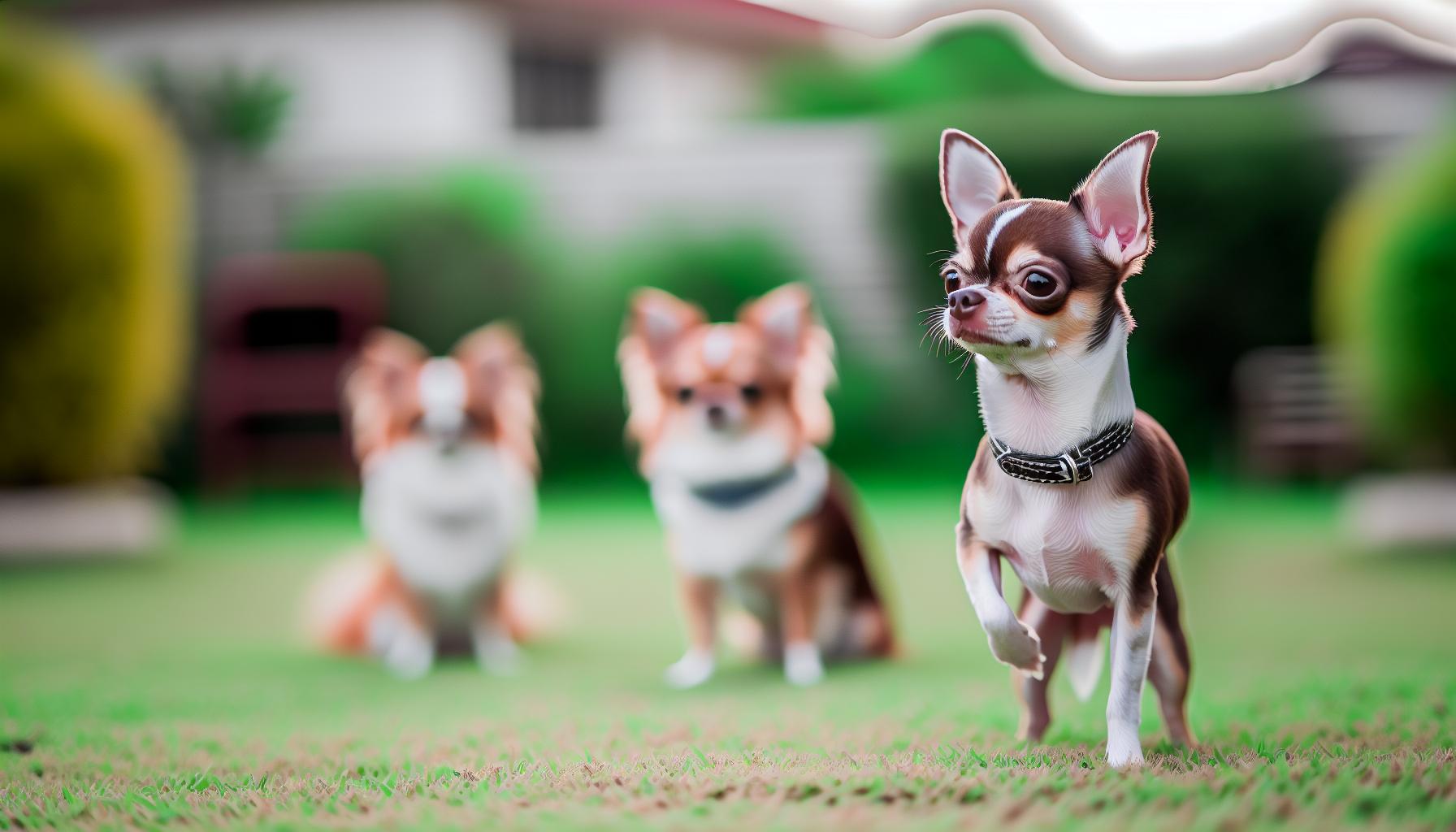
Chihuahua Bite Statistics: What the Data Says
Chihuahuas may be small in stature, but their vocal and spirited personalities often lead to misconceptions about their behavior, especially regarding biting incidents. While they are not typically known as aggressive dogs, understanding where they fit within bite statistics can help clarify the risks. Various studies and reports have shown that Chihuahuas, despite their bold demeanor, are relatively less likely to be involved in severe bite incidents compared to larger breeds.
In general, statistics indicate that small dog breeds, including Chihuahuas, are responsible for a smaller percentage of dog attacks. According to data collected from animal control agencies and veterinary reports, Chihuahuas account for only about 2-3% of recorded dog bites annually, a surprisingly low figure considering their popularity as companions. Most harm caused by Chihuahuas tends to involve nips and minor bites, often resulting from fear or overexcitement rather than true aggression. This is crucial for owners to understand: while bites can happen, they are typically not severe in nature.
Factors influencing these bite statistics include the dog’s environment, training, and socialization level. A well-socialized Chihuahua, introduced carefully to new experiences, usually exhibits more balanced behavior. For example, a seasoned owner shared that his Chihuahua, Max, was initially prone to snapping at strangers due to a lack of exposure. After consistent socialization with friends and family, Max learned to feel more at ease, and his bite frequency significantly decreased. This scenario underlines the importance of early socialization and consistent training for reducing aggressive tendencies.
Moreover, the bite force of a typical Chihuahua is limited due to their small jaw size. Recent studies reveal that while a Chihuahua’s bite can be surprising for its owner due to their tenacity, the force measured is considerably less than that of larger breeds, further emphasizing that although they may nip, serious injuries are rare. As a Chihuahua owner, recognizing your furry friend’s triggers and tendencies can lead to a safer environment for both your pet and those around you. Maintaining vigilance, promoting respectful interactions, and investing time in training can lead to a harmonious household where your Chihuahua’s spirited nature is celebrated without risk.
Comparing Chihuahua Attacks to Other Breeds
Despite their confident and bold personalities, Chihuahuas represent a surprisingly small fraction of dog bites compared to larger breeds. Studies indicate that they account for only 2-3% of recorded dog attacks annually. This is not only a testament to their nature but also reinforces the notion that size doesn’t always correlate with bite severity. For many Chihuahua owners, this statistic can be a reassurance; their little companions, while sometimes vocal and spirited, are generally less likely to inflict serious harm.
One common point of comparison is between Chihuahuas and much larger breeds, like Pit Bulls or Rottweilers, which often dominate the media reports on dog attacks. The reality is that larger breeds are more likely to cause severe injuries due to their size and strength. Chihuahuas, with their petite stature and lightweight build, typically deliver only minor nips and bites, often arising from fear or excitement rather than aggression. For example, a Chihuahua that feels threatened might snap out of fright, usually resulting in a quick yip and a small puncture rather than a deep wound.
Understanding these differences can help owners create a safer environment for their Chihuahuas and those around them. Socialization plays a critical role; a well-trained and exposed Chihuahua is far less likely to exhibit insecurity or aggression. A story from a fellow Chihuahua enthusiast illustrates this well: after a series of introductions to friendly dogs and people, her once cautious Chihuahua became much friendlier and confident, showing how positive experiences can reshape behavior.
Ultimately, while any dog has the potential to bite, Chihuahuas are less likely to be involved in severe attacks compared to many larger breeds. By focusing on proper training and socialization, owners can significantly reduce the occurrence of biting incidents and help their Chihuahuas thrive as the lively little companions they are meant to be.
Prevention Strategies for Owners
Understanding the dynamic and spirited nature of Chihuahuas is essential for anyone looking to foster a safe and loving environment for their tiny companions. With their bold personalities often disguised in a compact frame, these little dogs can sometimes exhibit behaviors that lead to biting. However, proactive measures can significantly minimize these risks and enhance the relationship you have with your Chihuahua.
One effective prevention strategy is socialization. Regular exposure to different people, dogs, and environments helps Chihuahuas build confidence and reduces anxiety. For instance, consider arranging playdates with friendly dogs or enrolling your Chihuahua in puppy classes. These interactions can ease their fears and help them learn appropriate behaviors in various situations. As one owner shared, after consistently exposing her Chihuahua, Max, to new friends at the park, his initial nervousness transformed into joyful confidence, leading him to engage playfully rather than defensively.
Training is equally vital. Basic commands like “sit,” “stay,” and “leave it” not only improve good manners but also give you tools to redirect unwanted behaviors. Consistent positive reinforcement techniques-like treats and praise-work wonders. For example, if your Chihuahua barks or snaps out of fear, gently redirect them with a command they know. This approach reassures them and discourages aggression triggered by anxiety.
Lastly, creating a safe space for your Chihuahua at home can alleviate stress. A cozy bed in a quiet corner, away from the chaos of the household, provides a sanctuary where they can retreat if feeling overwhelmed. Plus, understanding triggers that might provoke aggressive behavior-like sudden loud noises or unfamiliar animals-allows you to manage their environment better.
By prioritizing these strategies, you’re not just reducing the likelihood of biting incidents; you’re nurturing a more confident and well-adjusted companion. Chihuahuas thrive on love, attention, and a structured environment, making them wonderfully rewarding pets when their needs are thoughtfully met.
Recognizing the Signs of Aggression
Chihuahuas are known for their confidence and bold personalities, but even the tiniest companion can exhibit signs of aggression when they feel threatened or anxious. Recognizing these signs early can make a significant difference in how you manage your Chihuahua’s behavior and nurture a trusting relationship. It’s essential to stay alert to their body language and vocalizations to understand their emotional state.
One of the first signs of potential aggression in Chihuahuas is a shift in posture. Watch for a rigid stance, with their body leaning forward and tail held high or stiff. These physical cues can indicate that your Chihuahua feels threatened or defensive. An especially vocal breed, Chihuahuas will often bark excessively in response to perceived danger. A growl, often accompanied by a bared teeth display, should raise immediate concern. These vocal changes indicate your pooch is not feeling comfortable in their environment.
Another important sign is direct eye contact. If your Chihuahua is freezing and staring without breaking eye contact, they may be sizing up a perceived threat. This behavior can lead to a snap if the source of their agitation doesn’t back down. Additionally, keep an eye on their ears; if the ears are perked up and pointed forward, this can indicate heightened alertness, while flattened ears often signal fear or submission, setting the stage for possible aggressive outbursts as your Chihuahua tries to assert themselves.
It’s critical to consider the context of these behaviors. For instance, a well-socialized Chihuahua, like Bella, who was raised in a loving environment, might exhibit these signs less frequently than one from a high-anxiety background. Bella’s owner, noticing her distaste for strange or loud noises at the dog park, proactively shielded her from triggering scenarios, helping to maintain her confidence and comfort.
Remember, no two Chihuahuas are alike, and behavioral triggers can significantly vary. Understanding your furry friend’s unique personality will help you recognize when something’s amiss. Always approach a potentially aggressive Chihuahua with care, and if you notice consistent signs, it may be wise to consult a professional trainer or behaviorist for further assistance. Embracing your Chihuahua’s quirks while being vigilant about aggression can foster a more harmonious living environment for both of you.
When to Seek Professional Help
Understanding your Chihuahua’s behavior can sometimes feel like deciphering a secret code. While these little dogs are known for their loyalty and big personalities, there are moments when their actions raise red flags. If you notice signs of aggression, such as growling or snapping, it’s essential to determine when it’s time to seek professional help. This decision can dramatically improve your furry friend’s social skills and your overall safety.
Recognizing the right moment to consult a trainer or behaviorist is crucial. If your Chihuahua displays consistent aggressive behavior towards other dogs or people – particularly escalating situations where they bite or threaten – it’s a clear indicator that professional intervention is needed. For example, if your Chihuahua, a feisty apple-head, has started to react aggressively at the dog park, despite previous good behavior, reaching out for professional guidance becomes paramount.
Here are some additional signs that it might be time to seek help:
- Uncontrollable Barking: If your Chihuahua’s barking has escalated to a point where it’s disruptive or persistent, it may signal anxiety or frustration that needs addressing.
- Fearful or Skittish Behavior: If your Chihuahua appears overly fearful of new situations or people, a behaviorist can help desensitize them to these stimuli.
- Resource Guarding: If your Chihuahua becomes possessive of toys, food, or space, it could lead to serious aggression issues without intervention.
- Difficulty Socializing: A refusal to engage positively with other pets or people could also warrant professional insights to enhance social comfort.
Engaging a professional early on can lead to highly effective training techniques tailored to your Chihuahua’s unique quirks and temperament. Remember, some owners find great success with group classes, while others may prefer one-on-one sessions to give their pup personalized attention. Whatever path you choose, acting promptly not only helps your beloved companion but also strengthens the bond and trust between you.
Impact of Socialization on Attack Rates
Understanding how socialization affects your Chihuahua’s behavior can be pivotal in preventing aggressive incidents. Research indicates that dogs who experience positive interactions with various people, pets, and environments during their formative months are typically less prone to aggression. It’s crucial to remember that Chihuahuas, despite their small size, can exhibit bold and powerful personalities. A well-socialized Chihuahua, like Bella, an adorable long-haired apple-head who thrives in mixed company, demonstrates that exposure to new experiences helps build confidence and reduce fear-based responses that can lead to bites.
Early socialization can significantly lower the chance of aggression. The critical period for socialization typically runs from about 3 weeks to 16 weeks of age. During this time, it’s essential to carefully introduce your Chihuahua to different environments, varying surface textures, and a spectrum of sounds. By exposing her to a variety of both humans and fellow pets, you’re laying the foundation for a well-adjusted adult dog. This proactive approach not only fosters resilience but also promotes a natural curiosity and comfort in diverse situations.
You may also find that structured socialization can help mitigate potential attack rates. For instance, enrolling your Chihuahua in puppy classes isn’t simply about learning commands-it creates a safe space for her to interact with other dogs and gain social skills. Regular experiences in dog parks, under controlled settings, will help your little friend learn appropriate boundaries and refine her responses to unfamiliar situations.
Conversely, a lack of social exposure can lead to anxiety and aggression. A Chihuahua who hasn’t been properly socialized may perceive newcomers as threats, which can result in defensive behavior. For instance, consider Max, a once-timid Chihuahua who without adequate exposure became increasingly reactive to strangers. With dedicated training focused on positive social interactions, his anxiety diminished, showcasing how effective continued socialization is for potentially aggressive behaviors.
In essence, nurturing social connections for your Chihuahua will not only enrich her life but also create a calmer, more balanced creature that’s less likely to resort to aggression. Actively investing time in socializing helps ensure that barks of warning turn into friendly greetings, making both your life and your Chihuahua’s more enjoyable.
Chihuahua Size and Its Influence on Bite Severity
Understanding how the size of a Chihuahua affects the severity of its bites can be essential for dog owners. Despite their small stature, Chihuahuas possess a surprisingly spirited personality and confidence that can lead to aggressive encounters under certain circumstances. A bite from a Chihuahua might not be as physically damaging as that of a larger breed, but it can still cause significant emotional distress and physical injury, particularly due to the dog’s assertiveness and the circumstances surrounding the attack.
Chihuahuas usually weigh under six pounds and stand about six to nine inches tall, making them one of the tiniest breeds recognized. However, this diminutive size means that their bites often occur in situations where they feel threatened or cornered, as they may resort to biting as a form of self-defense. For example, consider a scenario where a small child unexpectedly approaches a Chihuahua without the owner’s supervision. The dog may feel overwhelmed by the sudden interaction and bite in a panic. Because of their size, the context of their bite can often be overlooked, leading to a minimization of the risk they pose during aggressive encounters.
Moreover, the severity of a Chihuahua’s bite can be affected by various factors, including their temperament and energy levels. Chihuahuas are known for being vocal and sometimes intolerant of behaviors they find intrusive, especially from unfamiliar people or animals. An untrained or improperly socialized Chihuahua may exhibit increased levels of anxiety, leading to more aggressive reactions that can result in bites. It’s critical for owners to recognize their dog’s body language and the signs of discomfort, which can include growling, raised hackles, or avoidance behaviors.
To minimize the risks associated with bites, Chihuahua owners must prioritize socialization from a young age. Regular interactions with diverse situations and individuals can help instill a sense of confidence and reduce fear-based reactions. Puppies who are properly socialized tend to grow into well-adjusted adults who are less likely to resort to biting. By fostering positive experiences, you can promote more adaptable behavior in your Chihuahua, making for a healthier and happier pet who is less prone to aggression when faced with unfamiliar scenarios.
Famous Chihuahua Attacks: Lessons Learned
It’s often surprising to learn that even the tiniest of dog breeds can make headlines for aggressive behaviors. Chihuahuas, despite their petite size, have been involved in notable attacks that highlight the importance of understanding their temperament and the environment in which they thrive. The stories often serve as cautionary tales for Chihuahua owners and those considering welcoming a Chihuahua into their homes.
One infamous incident involved a Chihuahua that attacked a postal worker, leaving the delivery person traumatized and prompting discussions about breed behavior and owner responsibility. This case, among others, underscores how critical it is for owners to train and socialize their Chihuahuas properly. Chihuahuas can be surprisingly bold and territorial, but with the right guidance, they can learn appropriate responses to strangers and other animals.
Chihuahua attacks often occur in specific situations, like when the dog feels provoked or threatened. Understanding these triggers can help prevent incidents. Here are a few key lessons learned from notable Chihuahua attacks:
- Socialization is key: Early and consistent exposure to various people, pets, and environments can reduce anxiety and aggressive tendencies.
- Training matters: Basic obedience training can instill a sense of discipline and calmness in your Chihuahua, equipping them with better coping mechanisms.
- Understand body language: Learning to read your dog’s signals-like growling or stiff postures-can help you intervene before tensions escalate.
- Safe interactions are crucial: Supervise interactions, especially with small children, to prevent overwhelm and ensure positive experiences.
By recognizing the unique quirks of Chihuahuas-such as their vocal nature and desire to protect their territory-owners can foster a safe and loving environment that minimizes the risk of aggressive incidents. These lessons remind us that while Chihuahuas are loyal and spirited companions, they require diligent training and socialization to thrive.
Understanding Bite Force: How Strong Is a Chihuahua?
Chihuahuas are often underestimated due to their small stature, yet their bite force can be surprisingly noteworthy for such tiny companions. This breed, known for its bold personality and spunky nature, can deliver a bite that packs a punch relative to its size. On average, a Chihuahua’s bite force measures about 150 to 200 psi (pounds per square inch), which is substantial for a dog weighing merely 3 to 6 pounds. To put this into perspective, while larger breeds like German Shepherds can exert a bite force of over 700 psi, Chihuahuas still possess the ability to inflict real harm, especially on unsuspecting targets.
Understanding a Chihuahua’s bite strength is vital, not just for awareness of potential risks but also as a reminder of the importance of proper training and socialization. Owners should recognize that feeling threatened can trigger a Chihuahua’s instinct to protect, leading to bites in stressful situations. Training should focus on desensitizing them to perceived threats and teaching them appropriate reactions. For instance, a well-socialized Chihuahua who is used to various environments and people is less likely to feel cornered or anxious, reducing the likelihood of an aggressive response.
It’s also important to remember that the severity of a bite isn’t solely determined by the force; the context of the situation matters greatly. While a Chihuahua’s bite can be painful, the small size can limit the overall damage compared to a larger breed. Nevertheless, any bite should be taken seriously, especially with children or elderly individuals who may be more vulnerable to injury. Owners should always supervise interactions to prevent any incidents from arising.
Training and managing a Chihuahua’s behavior are crucial in minimizing the risk of bites. Positive reinforcement techniques, such as rewarding calm behavior in the presence of visitors or new pets, can significantly reduce anxiety and fear-related responses. Remember, a well-loved, well-trained Chihuahua is not only a delightful companion but also more likely to remain a safe one.
Legal Consequences of Chihuahua Attacks
When it comes to the legal implications of Chihuahua attacks, owners must understand that even the smallest bites can lead to significant consequences. While Chihuahuas are often playful and loving, their bites, though relatively minor in terms of severity, can prompt legal repercussions. Owners can find themselves facing liability claims if their Chihuahua injures another person or even another pet. Insurance companies often require pet owners to disclose the breed of their dog, and a history of aggression can affect coverage or lead to increased premiums. In some jurisdictions, specific laws govern dog attacks and can mandate strict liability, meaning owners are held responsible regardless of whether they knew their dog would act aggressively.
Legal outcomes can vary widely depending on the severity of the bite and the circumstances surrounding the incident. For instance, if a Chihuahua bites someone who is interacting with it improperly or invading its personal space, the owner might have grounds for defending against a claim by proving the other party was at fault. However, if the bite occurs in a public area or when the dog is provoked, the owner may face stricter liability. It’s essential for Chihuahua owners to maintain proper training and socialization to mitigate the risk of bites and thereby protect themselves from potential legal challenges.
Moreover, the emotional and financial toll of legal disputes can be significant. Consider the story of a Chihuahua named Bella; despite her small size and non-aggressive demeanor, she caused a scare in the neighborhood by biting an unfamiliar mail carrier. The incident led to a costly legal battle, forcing her owner to reassess her training and safety measures. Such experiences highlight the importance of being proactive in understanding both legal responsibilities and the specific behaviors characteristic of Chihuahuas.
To safeguard themselves, owners should consider the following actions:
- Invest in proper training and behavior reinforcement.
- Establish clear boundaries for social interactions, especially with unfamiliar people and animals.
- Communicate openly with neighbors about your Chihuahua’s behavior and any concerns.
- Consider acquiring liability insurance that covers dog-related incidents.
The safety and happiness of both your Chihuahua and those around her hinge on responsible ownership and proactive measures. By staying informed and vigilant, you can help ensure that your beloved companion remains a cherished member of your family without the shadow of legal concerns hanging over your head.
Q&A
Q: What are the most common reasons for Chihuahua attacks?
A: The primary reasons for Chihuahua attacks include fear, territorial behavior, or protection of their owner. They may lash out if they feel threatened or cornered. Understanding these triggers can help owners mitigate aggressive behavior and improve socialization efforts.
Q: How do Chihuahua bite statistics compare to larger breeds?
A: While Chihuahuas often have lower bite statistics than larger breeds, their bites can still cause injury due to their relative size. It’s crucial to consider both bite frequency and severity to understand the risk associated with any breed, including Chihuahuas.
Q: Are there specific behaviors that indicate a Chihuahua might attack?
A: Yes, signs include growling, baring teeth, or sudden stiffening of the body. Recognizing these behaviors early allows owners to intervene calmly and redirect their Chihuahua’s attention, helping prevent potential attacks. Refer to our section on recognizing aggression for detailed strategies.
Q: How can I prevent my Chihuahua from becoming aggressive?
A: Socialization is key; expose your Chihuahua to various people and environments from a young age. Positive reinforcement training also plays a crucial role in teaching appropriate behaviors. For more prevention strategies, check our prevention section for comprehensive tips.
Q: What should I do if my Chihuahua bites someone?
A: Immediately ensure the victim receives medical attention, even for minor bites. Assess the situation to understand why the bite occurred and speak with a veterinarian or a dog behaviorist to prevent future incidents. Review our section on when to seek professional help for further guidance.
Q: How does a Chihuahua’s size affect the severity of its bite?
A: Despite their small size, Chihuahuas can inflict painful bites due to their strong jaws relative to their body size. While their bites may not cause severe damage like larger breeds, they can still result in significant injuries, especially to small children.
Q: What legal consequences can arise from a Chihuahua bite?
A: Legal consequences may include liability for medical costs or potential penalties under local dog laws. Owners should understand their responsibilities and take precautionary measures to avoid incidences. For a complete overview, review our section on legal consequences of Chihuahua attacks.
Q: How can socialization impact Chihuahua attack rates?
A: Proper socialization significantly reduces the likelihood of aggressive behavior. Chihuahuas exposed to diverse environments and experiences as puppies tend to be calmer and less reactive. This proactive approach is essential for fostering a well-adjusted dog.
Wrapping Up
Understanding how many Chihuahua attacks occur yearly can empower you as a responsible owner. Remember, most Chihuahuas are loving and loyal companions, but their unique personalities can lead to misunderstandings. If you’ve found this information helpful, don’t stop here! Check out our articles on Chihuahua behavior and training tips for effective management of your pet’s quirks and to ensure a safe environment for all.
Also, consider signing up for our newsletter to receive more valuable insights into Chihuahua care, health, and training techniques directly in your inbox. We invite you to share your experiences in the comments below or explore our resources on nutrition and health checklists specific to Chihuahuas. Together, let’s celebrate and ensure the well-being of our tiny furballs. Remember, every little action contributes to a safer, happier life for you and your pup!
Get our latest guides, news, and insights highlighted in your Google Search & AI Overviews.