
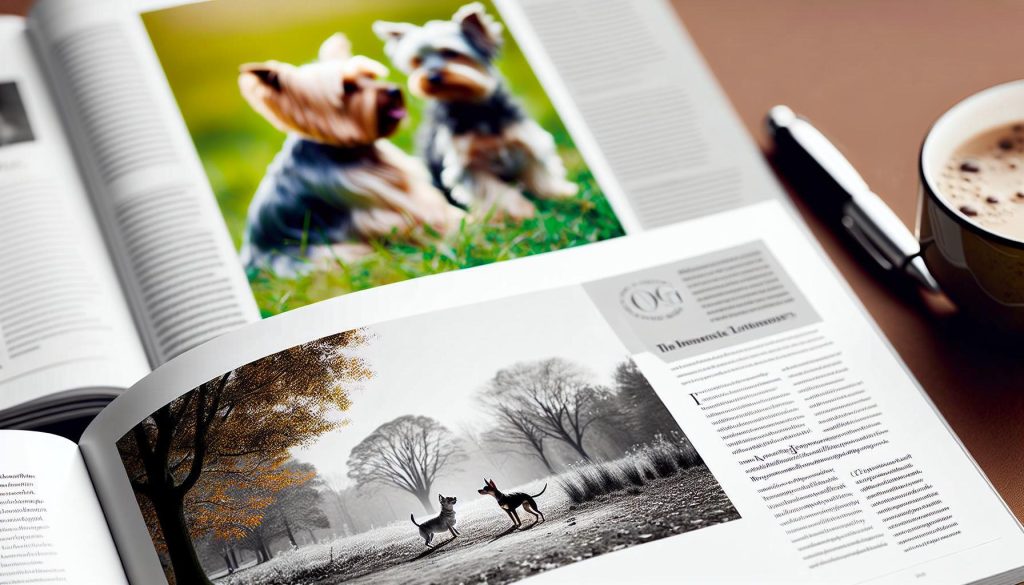
Did you know that both Yorkies and Chihuahuas are among the most popular small dog breeds loved for their vibrant personalities? However, as a proud Chihuahua owner, you might wonder if these two feisty breeds can coexist peacefully. Understanding breed compatibility is crucial, especially if you’re considering adding a Yorkie to your family or already share your space with one.
Both breeds are tiny but pack a punch-Yorkies with their playful spirit and Chihuahuas with their bold, loyal nature. Unfortunately, their strong personalities can sometimes clash, leading to a less-than-harmonious household. This article will explore their temperaments, social behaviors, and how to facilitate a smooth introduction. Whether you’re a first-time owner or a seasoned enthusiast, knowing how these charming companions interact can enhance your decision-making and enrich the lives of both dogs. Let’s dive into the fascinating dynamics of Yorkies and Chihuahuas and discover how to foster a loving relationship between them!
Understanding the Temperament of Yorkies and Chihuahuas
requires an appreciation of their distinct personalities and behavioral quirks. Both breeds are small but mighty, often boasting larger-than-life attitudes. For instance, a Yorkie’s playful demeanor and bold nature can be a delight, embodying both fun and feistiness. Chihuahuas, especially the apple-head variety, are known for their strong loyalty and protective instincts, making them wonderfully affectionate companions yet occasionally wary of newcomers.
These two breeds may seem similar at first glance, but their temperaments can vary significantly. Yorkies are typically more outgoing and enjoyed socializing, often thriving in dynamic environments filled with people and other pets. Chihuahuas, on the other hand, can display shyness, particularly around unfamiliar faces or situations. This difference can lead to misunderstandings if not carefully managed. For example, a Yorkie’s exuberance might overwhelm a timid Chihuahua, leading to tension rather than companionship.
Successful integration of both breeds in a household hinges on understanding these behavioral traits. Socialization is paramount; early exposure to varied situations, pets, and people can help both breeds adapt and thrive. Furthermore, patience is vital when introducing them to one another. Creating a relaxed environment in which both dogs feel secure can foster positive interactions, gradually building their trust and allowing them to learn each other’s play styles.
In practice, encourage play that suits both personalities; for instance, using toys that accommodate different energy levels can keep playtime enjoyable for both. As they explore their unique quirks – a Yorkie’s love for exploration and a Chihuahua’s penchant for snuggling – owners can celebrate the blend of their vibrant characters, paving the way for a harmonious household.
Common Behavioral Traits of Yorkies and Chihuahuas
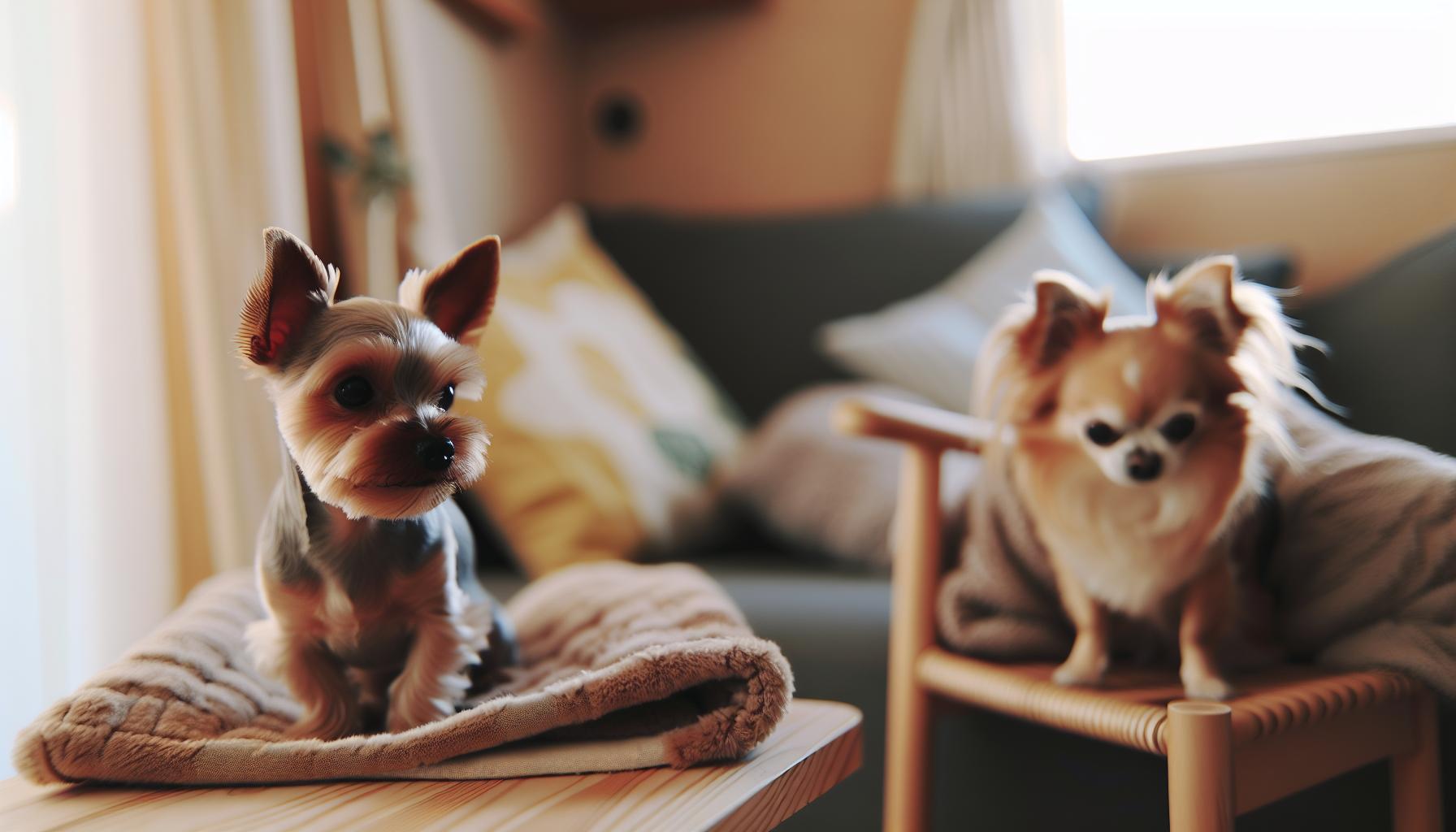
Born with vibrant personalities, both Yorkies and Chihuahuas showcase unique behavioral traits that can influence their compatibility as companions. Yorkies are known for their spirited, outgoing demeanor. Often described as confident and playful, they thrive on interaction, making new friends quickly whether they are humans or other dogs. Their curious nature leads them to explore their surroundings, often with a boldness that might come off as cheeky. Chihuahuas, particularly the apple-head variety, offer an intriguing contrast. While they can be fiercely loyal and affectionate toward their owners, they may also possess a timid streak, especially when encountering new situations or unfamiliar faces. This often manifests as wariness, requiring their humans to provide reassurance and gentle guidance.
To foster a harmonious environment between these two breeds, understanding their individual quirks is essential. For instance, a Yorkie’s vibrant energy can sometimes overwhelm a more reserved Chihuahua. Owners need to observe how their pets interact, noting that Chihuahuas often enjoy a more laid-back pace. It’s crucial to create structured playtime that accommodates both personalities. Bouncing balls may excite a Yorkie, while a Chihuahua might prefer snuggling plush toys. Recognizing these preferences allows for enjoyable interactions, reducing potential stress.
When introducing Yorkies and Chihuahuas, a thoughtful approach can pave the way for mutual respect. Early socialization experiences can tremendously help them adapt, allowing both breeds to feel secure in their shared space. Having them engage in supervised activities, like walking side by side or participating in training sessions, can reinforce positive associations.
Key Traits to Keep in Mind
- Yorkies: Bold, playful, and social; they crave interaction and thrive in dynamic environments.
- Chihuahuas: Loyal and affectionate, yet may exhibit shyness; they require a secure and calm atmosphere.
Creating a comfortable setting for both breeds encourages positive experiences, allowing their personalities to shine while building a delightful bond. As they learn to understand one another, a harmonious relationship can flourish, enriching the lives of both the Yorkie and the Chihuahua.
Socialization: Key to Happy Interactions

When it comes to making Yorkies and Chihuahuas comfortable and happy together, socialization is crucial. These small breeds have distinct personalities; Yorkies are known for their boldness and exuberance, while Chihuahuas often exhibit a more reserved demeanor. This difference becomes evident during their initial introductions, where the vibrant energy of a Yorkie can easily overwhelm a shy Chihuahua. Ensuring both breeds feel safe and secure is the first step in fostering a positive relationship.
One effective way to socialize them is through gradual introductions in a controlled setting. Start by letting them meet in a neutral area where neither feels territorial. Short, supervised interactions allow each dog to get accustomed to the other without too much pressure. For instance, you might set up gentle playdates where they can explore toys in the same space, allowing for curiosity and cautious engagement. Use treats to reward calm behavior and create positive associations between the two. This helps establish trust and paves the way for more interactions.
Engaging in shared activities can really help solidify their bond. For example, walking side by side with you on a leash helps them feel like a team. Encourage them to participate in training sessions together; working towards common goals can enhance their relationship. A playful Yorkie can become a wonderful motivator for a Chihuahua to come out of their shell, especially when training sessions involve praise and rewards. It’s delightful to witness a Chihuahua finding courage with a Yorkie’s encouragement, showcasing their unique strengths.
Always keep an eye on their body language during interactions. Signs of stress in a Chihuahua may include flattened ears or a tucked tail, indicating a need for space. On the flip side, a playful Yorkie will exhibit a relaxed stance with a wagging tail. Recognizing these signals ensures you can intervene if necessary, allowing both dogs to build confidence progressively. As they learn to engage positively and respectfully, they’ll not only enrich each other’s lives but also create a harmonious home that’s bustling with joy and companionship.
Introducing Yorkies and Chihuahuas Safely

Introducing two small breeds like Yorkies and Chihuahuas can be a delightful adventure, yet it requires thoughtful preparation. Remember, both breeds have strong personalities that can shape their interactions. The curious and exuberant nature of a Yorkie often contrasts with the more reserved demeanor of a Chihuahua. This contrast can lead to misunderstandings and potential tension if introductions aren’t handled with care.
Start the introduction in a safe, neutral space where neither dog feels territorial. This could be a quiet area of your home or even outside in a calm environment. Allow the dogs to sniff each other from a distance before bringing them closer. Short, controlled interactions are key; think of them as mini playdates focused on curiosity rather than overwhelming energy. Initially, keep the sessions brief-just a few minutes at a time-and monitor their body language closely. For example, if your Chihuahua shows signs of stress, like flattening their ears or hiding, give them space.
Using treats can be a fantastic way to create positive associations. When both dogs are calm and showing friendly behavior, reward them generously. This not only reinforces good behavior but also helps them learn that being together can be a pleasurable experience. As they become more comfortable, gradually increase the duration of their interactions.
Another effective technique is to engage them in shared activities. Walking them side by side helps build a bond and allows them to feel like a team, while training sessions can encourage cooperation. For instance, teaching them basic commands together, such as “sit” or “stay,” can be both fun and beneficial. It’s heartwarming to see a shy Chihuahua gain confidence with a playful Yorkie as a friend, right? Emphasizing their unique traits-like a Yorkie’s spirited nature and a Chihuahua’s fierce loyalty-can turn potential awkwardness into a beautiful friendship.
By approaching the introduction process with patience and understanding, you can help foster a harmonious relationship between your Yorkie and Chihuahua. Always be observant and ready to intervene if necessary, as this vigilance will go a long way toward ensuring that both dogs feel secure and happy in their new companionship.
Potential Conflicts Between Yorkies and Chihuahuas
Introducing a Yorkie and a Chihuahua into the same household can be a rewarding experience filled with joy, but it’s essential to be aware of the potential conflicts that may arise due to their distinct temperaments. Yorkies are known for their spunky and playful demeanor, while Chihuahuas often display a more reserved yet intensely loyal character. This difference in behaviors can trigger misunderstandings, leading to unnecessary tension.
One common issue is the Yorkie’s exuberance clashing with the Chihuahua’s sensitivity. A lively Yorkie might easily overwhelm a shy Chihuahua, who may react defensively, leading to barking or growling. It’s crucial to recognize these behaviors as communication signals and to intervene gently. For instance, if you observe your Chihuahua retreating or showing signs of stress, it’s best to give him some space.
Another possible conflict is food guarding. Both breeds can be possessive of their resources, including treats and toys. It’s vital to establish feeding routines where both dogs eat in separate areas to prevent conflicts over food. Using crate training can also provide both breeds with a safe space where they can retreat if they feel overwhelmed.
Socialization plays a significant role in minimizing these conflicts. Regularly exposing your Yorkie and Chihuahua to different environments and other dogs can help them develop better social skills and reduce anxiety. Engaging them in shared activities, like training sessions or playtime, can foster a bond and improve their compatibility. Remember, patience is key; with time and care, these two breeds can learn to appreciate each other’s quirks and develop a harmonious relationship.
Tips for Encouraging Positive Playtime
Creating an environment where your Yorkie and Chihuahua can play together harmoniously involves a blend of understanding their unique personalities and employing effective strategies. Both breeds, while small, have vibrant temperaments-Yorkies with their bold, energetic nature and Chihuahuas with their spirited yet sometimes reserved disposition. This combination can lead to exciting playtime moments, provided you set the right stage for their interactions.
One of the most crucial aspects of encouraging positive playtime is ensuring safe, stimulating toys are available. Interactive toys like puzzle feeders can engage both breeds and keep their excitement directed toward a fun challenge rather than competing for your attention or each other’s toys. It’s wise to observe which toys each dog prefers; for instance, some Chihuahuas might gravitate toward plush toys, while a Yorkie may love a tug rope. Rotate the toys regularly to maintain interest and prevent any jealousy.
Establishing Playtime Guidelines
Setting ground rules for play is vital. Since Yorkies tend to be more boisterous, monitor the intensity of their play. If you notice your Yorkie getting too rough, gently redirect their energy. For example, if your Chihuahua seems overwhelmed, initiate a calmer activity like a gentle game of fetch or cuddling time to soothe. This teaches both dogs to read each other’s cues and respond appropriately.
Introducing structured playdates is another effective method. You might start with short sessions in a neutral space, gradually increasing the duration as they become more comfortable. During these sessions, allow them both to explore and play freely but supervise closely. For example, if your Chihuahua begins to feel cornered during play, step in with treats or a favorite toy to divert the Yorkie’s attention, ensuring your Chihuahua does not feel threatened.
Positive Reinforcement
Utilizing positive reinforcement will also enhance their playtime interactions. Celebrate shared moments with praise or treats, reinforcing the behavior you want to encourage. For instance, if both dogs play nicely together, shower them with affection and allow some treat rewards. This positive association helps both breeds see each other as companions rather than competitors.
Every day is a new opportunity to strengthen their bond. As a Chihuahua enthusiast, you’ll appreciate the loyalty and courage of your little one, while your Yorkie’s adventurous spirit will bring a dynamic zest to your household. With time, structure, and a sprinkle of patience, your Yorkie and Chihuahua can create countless cherished moments together.
Housing Considerations for Yorkie-Chihuahua Households
Creating a comfortable and safe living environment for both your Yorkie and Chihuahua is essential for fostering a harmonious household. These breeds, while small, are full of personality and require specific considerations in their living arrangements to ensure their well-being and compatibility.
When it comes to space, both Yorkies and Chihuahuas thrive in cozy environments where they can safely explore and play. Your home should include designated areas where each dog can retreat for quiet time, particularly after energetic play sessions. Small dog beds placed in quiet corners or even your bedroom can provide comfort and security. Ensure that these areas are free from larger dog toys and any potential hazards, like heavy furniture with sharp edges that could injure a small dog during roughhousing.
Furniture Layout plays a significant role in how your dogs interact with each other and their environment. Arrange furniture to create open pathways while avoiding clutter that could lead to accidents. Consider small ramps or steps to help your tiny companions access sofa cushions or other heights easily, as both breeds can benefit from safe vantage points. Moreover, be mindful of their need for warm spots-Chihuahuas, in particular, love to snuggle up where it’s cozy and can become especially cold if left in chillier areas.
Another important aspect is making your home puppy-proof. Use baby gates to restrict access to areas that might be hazardous or overwhelming, such as staircases or rooms with large animals. Likewise, keep valuable items out of their reach, as both breeds tend to be curious and may collect items they shouldn’t have. Identifying and eliminating potential choking hazards, like small toys or string-like objects, will also help your Yorkie and Chihuahua enjoy safe playtime without accidents.
Lastly, fostering a healthy social dynamic often involves gradual introductions to various living spaces and experiences. Always supervise their initial interactions in new areas. For example, introducing them to a park can be exciting yet overwhelming; thus, keeping them on leashes until they are comfortable with larger spaces can help ease tension. Each positive experience reinforces their bond, creating a shared sense of adventure while building trust in one another.
By tailoring your home to accommodate the unique personality quirks of your Yorkie and Chihuahua, you lay the groundwork for a loving and compatible relationship. Both breeds offer unmatched loyalty and spirit, so creating an environment that embraces their needs-and celebrating their adorable attributes-will enhance life together.
Understanding Health Concerns in Small Breeds
Small breeds like Yorkies and Chihuahuas are known for their vibrant personalities, but they also come with specific health concerns that every owner should be aware of. These little companions are prone to certain conditions due to their size and structure, so understanding these issues can help ensure they live happy, healthy lives. For instance, both breeds can suffer from dental problems; their small mouths often lead to crowded teeth and an increased risk of periodontal disease. Regular dental care, such as brushing their teeth and providing dental chews, is vital for maintaining their oral health.
Another common health concern in these breeds is patellar luxation, a condition where the kneecap dislocates from its normal position. This issue can cause pain and affect mobility, especially in active puppies who love to play and explore. If you notice your little one limping, or if he suddenly avoids using a leg, it’s crucial to consult a veterinarian for proper evaluation and management.
Weight Management
Frequent obesity is a challenge in small breeds, and both Yorkies and Chihuahuas can put on weight easily if not monitored. Their tiny frames make even a few extra ounces significant. Owners should be diligent about portion control and ensure their furry friends get regular exercise, whether through short walks or playtime in the yard. For example, my friend has a Chihuahua named Bella who loves to run around the park; she carefully measures Bella’s food and uses her playful energy to keep the little one fit.
Temperature Sensitivity
Small breeds can also be sensitive to temperature extremes. Chihuahuas, in particular, are prone to feeling cold due to their sparse coat. If you live in a colder climate, it’s essential to have warm clothing for outings and cozy blankets for indoor relaxation. Likewise, avoid leaving them outside in extreme heat, as both breeds can quickly overheat. A good practice is to limit outdoor time during peak heat and watch for signs of distress, such as panting or lethargy.
Regular Veterinary Care
For both Yorkies and Chihuahuas, routine veterinary check-ups are essential. Regular visits allow for early detection of health issues. Vaccination, parasite prevention, and weight checks should be part of your dog’s healthcare regimen. Partnering with a vet who understands the unique traits and needs of these breeds can make a significant difference.
By recognizing and addressing these health concerns early, you can provide the best care for your Yorkie or Chihuahua. Remember, a well-cared-for pup not only enjoys a longer life but also enriches your life with love and companionship.
Training Techniques for Cooperative Living
When you bring together two spirited breeds like Yorkies and Chihuahuas, effective training is essential for a harmonious household. Both breeds are known for their bold and vibrant personalities, which can lead to conflicts if not properly addressed. Starting with basic obedience training helps establish a foundation for cooperative living. Focus on commands such as “sit,” “stay,” and “leave it” to promote a respectful atmosphere. Consistency is key; use positive reinforcement techniques, like treats and praise, to encourage good behavior. Remember, both breeds thrive on excitement from training sessions, so keep them short and engaging.
Socialization is equally important. Early exposure to different environments, people, and other animals will significantly impact how your Yorkie and Chihuahua interact with each other and the world around them. Arrange playdates with well-behaved dogs to teach them appropriate social skills. Positive encounters will help reduce fear and anxiety, making them more comfortable in each other’s company. For instance, I recall a friend whose Chihuahua, Max, initially showed possessiveness over toys. By regularly involving him in supervised playtime with their Yorkie, Lucy, he learned to share and play without escalation.
It’s also vital to establish routines that consider the temperamental differences between the two breeds. Yorkies are often more adaptable, while Chihuahuas can be quite vocal and may display territorial behavior. Therefore, creating separate spaces for each dog during feeding times or when they need to relax can help maintain peace. Introduce initial boundaries and gradual freedom as they learn to coexist better. If one displays signs of aggression or fear, it’s essential to intervene calmly and safely, redirecting their attention to a favorite toy or a command they understand.
Lastly, always celebrate their unique quirks with patience. Chihuahuas are known for their loyalty and can be quite the little protectors, often trying to assert themselves over larger breeds or even a Yorkie. Use this to your advantage by incorporating fun activities that utilize their energy, like agility training or trick sessions. A well-exercised dog is generally a happier dog, making the likelihood of conflict decrease significantly. By fostering a cooperative and loving environment through effective training and understanding, you can build a beautiful bond between your Yorkie and Chihuahua.
What to Do If Conflicts Arise
When spirited little dynamos like Yorkies and Chihuahuas share a home, conflicts can occasionally bubble up. Both breeds come with bold personalities and can exhibit strong territorial instincts, which may lead to friction. Understanding how to calmly navigate these tensions can help you maintain a peaceful atmosphere in your household.
First and foremost, stay calm and composed. If a disagreement arises, avoid yelling or showing frustration, as this will only escalate the situation. Instead, take a moment to breathe and approach the scenario with a clear head. When a conflict flares, divert their attention using distractions-this could be a favorite toy or a tasty treat. For example, if your Chihuahua is showing aggression over a bone, gently offer a different toy or a reward for calm behavior.
Establish clear boundaries. It’s essential to create a structured environment where both breeds understand their space and privileges. For instance, designate separate feeding areas or resting spots to reduce competition for resources. Yorkies and Chihuahuas can benefit from having distinct safe zones they can retreat to when feeling overwhelmed. This can significantly decrease tensions and allow each dog to decompress independently.
Another effective strategy involves encouraging positive associations through shared activities. Engage both your Yorkie and Chihuahua in training sessions where they can work for treats or play simultaneously. This not only strengthens your bond with each dog but also promotes cooperative behavior and reduces rivalry. ChiChi, one owner’s spirited Chihuahua, found he could enjoy playing fetch alongside Max, a feisty Yorkie, when both were rewarded for sharing their turns with treats. This shared playtime transformed their interactions from competitive to harmonious, fostering a sense of camaraderie.
Lastly, always monitor their interactions and be prepared to intervene gently if tensions rise unexpectedly. If one starts to growl or show signs of discomfort, separate them calmly and allow them to regroup. Sometimes, taking a brief break from each other is all they need to reset their emotions. Remember, both your Yorkie and Chihuahua have their unique quirks-embracing these while managing disagreements with patience and understanding will ultimately lead to a richer, more loving relationship between your pets.
Owner Testimonials: Real-Life Experiences
When two spirited breeds like Yorkies and Chihuahuas share a home, the potential for enriching companionship is immense, but so is the challenge of navigating their strong personalities. Many owners have documented their journeys, sharing insights into the dynamics of blending these two vibrant breeds. For instance, one owner, Sarah, describes her experience with Bella, her feisty Chihuahua, and Max, her playful Yorkie. At first, there were some apprehensions. Bella, being the more vocal of the two with her bold, apple-head demeanor, often tried to assert her territory by barking at Max whenever he approached her favorite spot on the couch. However, through patience and structured introductions, the two learned to respect each other’s space.
A key takeaway from Sarah’s experience is the importance of establishing a routine that includes joint playtime. She started with short, supervised sessions, rewarding both dogs with treats for calm behavior. This not only encouraged positive interactions but also decreased competition over toys. Over time, their playdates evolved into a delightful routine where Max even took turns fetching the ball for Bella, showcasing a level of cooperation beyond what Sarah had anticipated. She noted that their bond grew stronger as they learned to communicate and play together, which significantly reduced the initial territorial skirmishes.
Another common theme among owners is the need for personal space. Doug, a proud dog dad to both a Yorkie named Toby and a Chihuahua named Coco, emphasizes the significance of designated safe zones. He made sure to provide separate beds and feeding areas, allowing each dog to have their own secure retreats. Doug has found that this separation helps when tensions rise, such as during mealtime-Coco, being the more dominant, could sometimes become a little snippy at feeding time. By keeping their spaces distinct, he minimized confrontations and created a calmer environment in their home.
Finally, many owners agree on the need for consistent training and positive reinforcement. Lisa, another dog owner, shares how she taught her Chihuahua, Lily, and her Yorkie, Charlie, to respond to basic commands that fostered cooperation. “When they know ‘sit’ and ‘stay,’ it not only keeps them in check during playtime but gives them a job to do,” she explains. With these practical tactics and real-life experiences, it becomes evident that with love, patience, and a bit of structure, Yorkies and Chihuahuas can indeed thrive together, transforming potential conflicts into heartfelt companionship.
Building a Harmonious Environment for Both Breeds
Creating a harmonious home for both Yorkies and Chihuahuas is not just desirable; it’s entirely achievable with a little effort and understanding of their unique personalities. Both breeds are characterized by their bold temperaments and spirited nature. Yorkies, with their lively disposition, and Chihuahuas, known for their fierce loyalty, can thrive together, provided their environment is structured to cater to the needs of both.
One essential component is understanding personal space. Owners like Doug, who brings home both a Yorkie named Toby and a Chihuahua named Coco, have found success by establishing clear boundaries. He ensures that each dog has designated spots-whether for sleeping, eating, or playtime. Toby might have the quieter corner of the living room, while Coco prefers the sunny patch on the porch. This careful arrangement helps prevent territorial disputes, especially during mealtime or cozy cuddle sessions, fostering a peaceful coexistence.
Encouraging Positive Interaction
To further enhance their relationship, structured play can play a transformative role. Introducing synchronized playtime activities can set the stage for positive interactions. Sarah, who has Bella the Chihuahua and Max the Yorkie, started with joint play sessions that were short and supervised to monitor their interactions. Gradual exposure allowed Bella to feel safe while Max learned to be respectful of her space. Over time, these playdates evolved into delightful routines, highlighting the joy that can come from shared activities. Treating them kindly during these sessions not only solidifies their bond but also trains them to associate each other with fun and excitement.
Training for Harmony
Training is another integral element of building an amicable environment. Employing positive reinforcement techniques benefits both breeds, instilling commands such as “sit” and “stay” to manage their behavior during play. Lisa’s experience with her dog Charlie, the Yorkie, and Lily, the Chihuahua, exemplifies this. By practicing basic commands, they establish clear communication between the two, reducing moments of conflict during energetic play or food time. This not only keeps both dogs in check but also provides them with a sense of purpose in their interactions.
Establishing a harmonious atmosphere in a Yorkie-Chihuahua household takes patience, consistency, and a touch of creativity. By prioritizing personal space, encouraging joint play, and enforcing effective training habits, these spirited breeds can learn to coexist joyously, transforming the dynamic from potential rivalry to a beautiful companionship filled with playful antics and mutual respect.
Frequently Asked Questions
Q: Can Yorkshire Terriers and Chihuahuas live together peacefully?
A: Yes, Yorkshire Terriers and Chihuahuas can coexist peacefully with proper introduction and socialization. Establishing a neutral space and supervised interactions can help both breeds adjust comfortably to each other, reducing potential territorial behavior.
Q: What are the common behavioral differences between Yorkies and Chihuahuas?
A: While both breeds are small, Yorkies tend to be more playful and energetic, whereas Chihuahuas can be more protective. Understanding these differences is crucial for fostering compatibility. Focus on gentle introductions to minimize misunderstandings during play.
Q: How can I promote positive interactions between my Yorkie and Chihuahua?
A: To encourage positive play, ensure both dogs have their own space and toys. Use training commands and positive reinforcement during interactions to reward calm behavior. Regular exercise for each breed also helps reduce excess energy that might lead to conflicts.
Q: Are there specific health concerns when housing a Yorkie with a Chihuahua?
A: Yes, both breeds may face health issues like dental problems and patellar luxation. Regular vet check-ups and a healthy diet are essential. Consider their health needs when introducing them and during joint activities to prevent injury.
Q: What should I do if my Yorkie and Chihuahua show aggression towards each other?
A: If aggression occurs, separate the dogs immediately and assess the situation. Gradual re-introduction in a controlled environment, using positive reinforcement for calm behavior, can help. Consult a professional trainer for persistent issues to ensure both breeds feel secure in their environment.
Q: How does age affect the compatibility of Yorkies and Chihuahuas?
A: Age can influence compatibility; younger dogs may adapt more easily while older dogs may have established territories or habits. Introducing younger dogs to older ones slowly can help mitigate stress and promote harmony.
Q: Should I supervise my Yorkie and Chihuahua when they play?
A: Yes, supervising playtime is essential, especially during initial interactions. This allows you to intervene if any aggressive behavior arises and helps reinforce positive behavior through encouragement, fostering a safe and enjoyable environment for both breeds.
Q: What training techniques are effective for Yorkie-Chihuahua households?
A: Positive reinforcement is key. Use commands like “sit” and “stay” during joint training sessions. Encourage shared activities that require cooperation, such as group walks. Consistent training reinforces good behavior and strengthens the bond between your Yorkie and Chihuahua.
Wrapping Up
As you consider adding a Yorkie or Chihuahua to your family, remember that both breeds can thrive together with the right environment and careful introductions. Address any concerns you may have by exploring our guides on Yorkie behavioral traits and essential Chihuahua care tips. Each dog brings a unique personality-Yorkies are known for their spirited nature, while Chihuahuas charm with their loyalty and boldness.
Don’t hesitate! The journey toward harmonious breed compatibility begins today. For more insights on creating a happy home for your furry friends, check out our articles on mixed breed socialization and training tips. Share your experiences in the comments; we love hearing from other dedicated owners! Remember, every little step you take will help ensure a joyful relationship between your small companions. Explore more and join our community of passionate dog lovers today!
Get our latest guides, news, and insights highlighted in your Google Search & AI Overviews.