

Are you considering welcoming a Chihuahua into your home? These tiny dogs pack a big personality, often defying their size with boldness and loyalty. Chihuahuas are known for their affectionate nature, making them cherished companions-but they also come with unique challenges that prospective owners should be aware of. In this article, we’ll explore the honest pros and cons of having a Chihuahua, shedding light on their health, behavior, and care needs. By understanding what makes this breed special as well as the potential drawbacks, you can make a well-informed decision that suits your lifestyle. Whether you’re a first-time dog owner or an experienced handler, let’s dive into the vibrant world of Chihuahuas to see if they’re the right fit for you!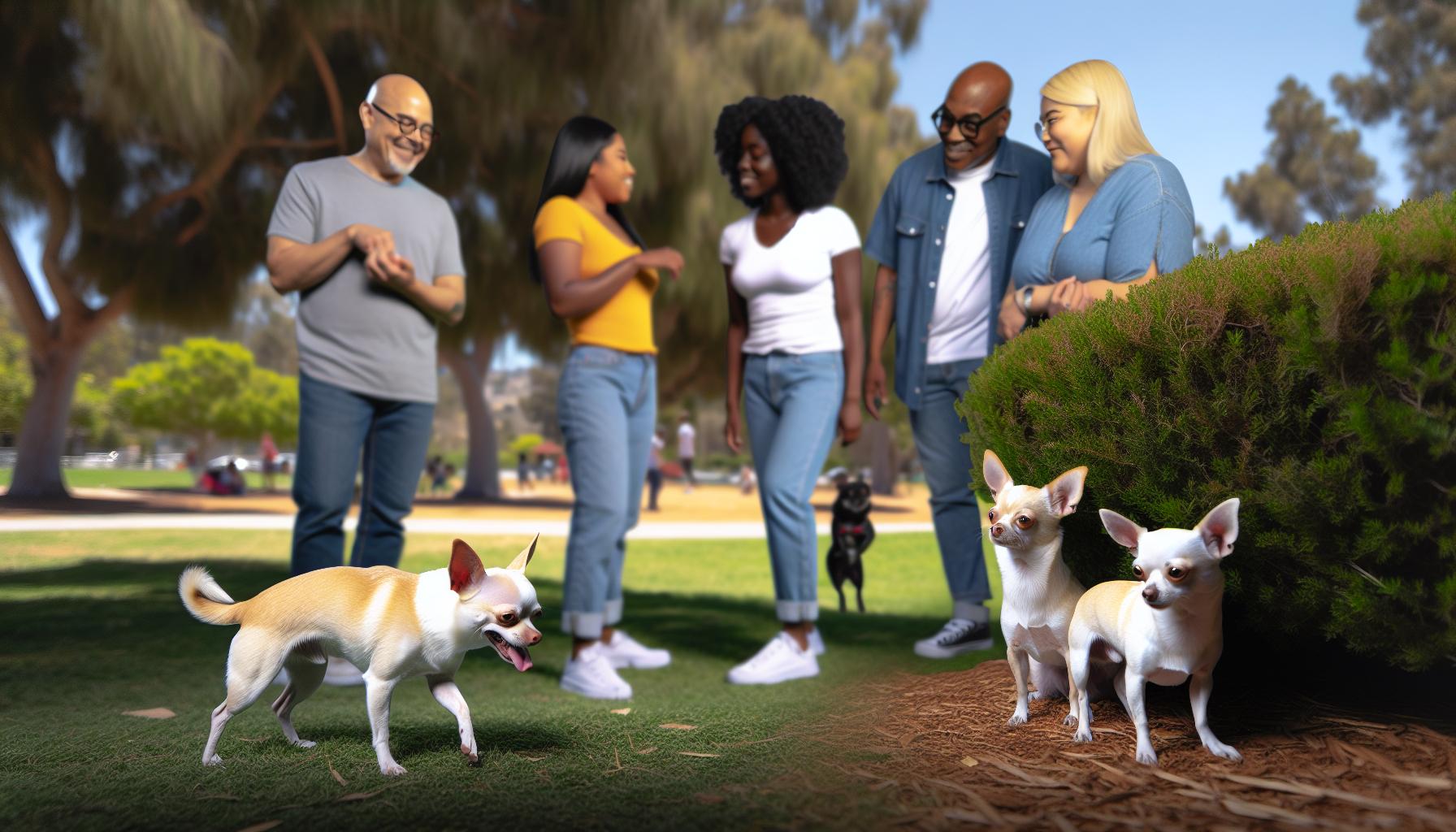
Are Chihuahuas Right for You? Understanding Their Unique Traits
Owning a Chihuahua can be a delightful experience, but it comes with unique traits that every potential owner should consider. Known for their tiny stature, these little dogs embody a larger-than-life personality. They are often fearless, bold, and possess a charmingly vocal nature that adds character to your home. For those who appreciate a companion that’s both entertaining and affectionate, a Chihuahua may just be the perfect fit.
Chihuahuas are highly loyal to their owners and tend to form an unbreakable bond. They thrive on companionship and often follow their humans from room to room, providing a sense of comfort and security through their unwavering presence. Their playful nature can turn even the simplest moments into fun-filled adventures-whether it’s chasing after a toy or snuggling up on your lap for a nap. This deep connection can be incredibly rewarding for those willing to invest time in nurturing their bond.
It’s essential to be aware of some typical traits that can influence how a Chihuahua might fit into your household. Their strong-willed demeanor means they need consistent training, and early socialization is crucial to help them develop into well-rounded companions. Additionally, some Chihuahuas can exhibit a “big dog” attitude, which might lead them to be territorial or blend hesitantly with other pets and people unless socialized properly.
In terms of physical needs, Chihuahuas don’t require extensive exercise; however, they thrive in interactive environments. Short walks and playtime are typically sufficient to keep them happy and healthy. When considering whether a Chihuahua is right for you, reflect on your lifestyle and ensure you can provide an environment where their vibrant personality can shine without overwhelming your daily routine. Each Chihuahua is unique, so understanding their specific needs and traits will help you determine if they’re a good match for your home.
The Adorable Quirks of Chihuahuas: Why They Steal Hearts
Owning a Chihuahua is like inviting a little bundle of joy into your home, full of personality and charm. Did you know that their tiny size doesn’t hold back their enormous spirit? Chihuahuas have a way of captivating hearts with their affectionate nature and quirky behaviors that leave lasting impressions. Whether it’s their boldness in approaching a larger dog or their playful antics that make you burst into laughter, these tiny companions are full of delightful surprises.
One of the most endearing traits of Chihuahuas is their remarkable loyalty. They often form incredibly strong bonds with their owners, preferring to cuddle up close and follow you everywhere. Picture this: as you move around the house, your little friend proudly struts behind you like a devoted shadow. This unwavering companionship can turn everyday moments into cherished memories. Their vocal nature also adds a dash of humor; whether they’re barking at the mailman or engaging in spirited conversations with you, their voices are unmistakably charming.
As bold adventurers, Chihuahuas love to explore their surroundings. Their curiosity might lead them to chase after a leaf fluttering by or to investigate anything new in their environment. This playful spirit not only keeps them entertained but also creates an engaging atmosphere for their owners. Plus, many Chihuahuas showcase a variety of unique appearances-like the beloved apple-head variety with their rounded skulls and wide-set eyes-as well as a range of coat types, from smooth to longhaired, all contributing to their adorable charm.
Those who appreciate vitality in a small package often find that the quirks of Chihuahuas-a bit of sass, a flair for playfulness, and boundless affection-make life with them a delightful adventure. They bring joy, laughter, and unconditional love, stealing your heart one wag at a time. If you’re a first-time owner or a seasoned Chihuahua enthusiast, embracing these little quirks will surely enrich your life and bring countless smiles.
Pros of Owning a Chihuahua: Loyalty, Personality, and More
Owning a Chihuahua can be an incredibly rewarding experience that comes with a unique blend of personality traits that many dog lovers find irresistible. One of their standout features is their loyalty. Chihuahuas are known for forming strong, almost unbreakable bonds with their owners. They thrive on human companionship and will often follow you from room to room, relishing every chance to be by your side. This unwavering loyalty makes them not just pets, but true family members who share in the joys and challenges of everyday life.
In addition to their loyalty, Chihuahuas are brimming with distinct personalities that can fill your home with warmth and joy. Their spirited nature means they often approach life with enthusiasm. You might find your Chihuahua engaging in playful antics, chasing after toys, or bravely barking at much larger dogs, displaying a confidence that belies their tiny stature. This boldness is one of the many quirks that make Chihuahuas so endearing, turning mundane moments into delightful memories. For instance, a friend of mine has a charming apple-headed Chihuahua who tends to steal the spotlight during gatherings, showcasing his playful side by performing little tricks and demanding everyone’s attention.
Furthermore, Chihuahuas can adapt well to various lifestyles, making them suitable companions for first-time owners and seasoned pet enthusiasts alike. They generally require less exercise than larger breeds due to their small size, which makes them an excellent fit for apartment living. However, their playful disposition means they still benefit from regular playtime and short walks, allowing them to explore the world around them. When cared for properly, these little dogs are known to live long, happy lives, bringing joy to their owners for many years.
When considering a Chihuahua, it’s crucial to acknowledge their vocal nature as part of their personality. This breed loves to communicate, whether it’s barking to alert you of intruders or simply sharing their excitement during playtime. Their expressive nature ensures that there’s never a dull moment with a Chihuahua around. This combination of loyal companionship, spirited personality, and adaptability makes Chihuahuas a delightful addition to any household, enriching lives with their loving presence.
Cons of Chihuahuas: Challenges Every Owner Should Know
Not every aspect of owning a Chihuahua is a walk in the park; potential owners should be aware of the challenges that come with this spirited breed. While their loyalty and vivaciousness are enchanting, there are distinct hurdles that can arise, especially for those new to dog ownership.
One of the most noticeable challenges is their vocal nature. Chihuahuas are known for their tendency to bark, which can sometimes escalate to excessive yapping. This behavior is rooted in their protective instincts and their desire to communicate. For instance, if you have a Chihuahua like my friend’s who barks at every passerby or unexpected sound, it can become a nuisance to both you and your neighbors. Training to manage their barking early on is essential, and establishing boundaries can help mitigate this vocal tendency.
Moreover, their small size comes with its own set of concerns. Chihuahuas are incredibly delicate; this means they can easily be injured in rough play or by larger pets. It’s important to supervise interactions with children and other animals to ensure everyone stays safe. Additionally, their tiny stature makes them susceptible to various health issues, including dental problems and patellar luxation, which is a dislocation of the kneecap. Regular vet visits can help catch these concerns early, but potential owners should be prepared for the responsibility that comes with managing their health.
Socialization is another area where Chihuahuas can be challenging. Their bold personality can turn into possessiveness or fearfulness if they are not properly socialized. In environments where they encounter new people, pets, and experiences, a Chihuahua might react defensively. Owners should focus on gradual introductions and consistent positive experiences to help their Chihuahua develop confidence and social skills.
With these considerations in mind, it is clear that while Chihuahuas bring immense joy and companionship, they also require dedicated training, socialization, and health management. Being proactive about these challenges will foster a loving environment where your beloved Chihuahua can thrive.
Chihuahua Health Concerns: What to Watch For
Owning a Chihuahua can be an incredibly rewarding experience, but it does come with a unique set of health concerns that every potential owner should be aware of. Known for their tenacious personality packed into a tiny frame, Chihuahuas face distinct health challenges that require attentive care and management. Understanding these issues can help ensure your little companion lives a long, healthy, and joyful life.
Chihuahuas are notably prone to dental issues due to their small mouths. Regular dental care is essential. Daily teeth brushing, along with dental treats that promote oral hygiene, can make a significant difference. Additionally, be vigilant for signs of gum disease, such as bad breath or difficulty eating, and schedule regular veterinary dental check-ups.
Another common health issue is patellar luxation, which is when the kneecap dislocates from its normal position. This condition can lead to pain and difficulty walking. Be observant of any signs of limping or changes in activity levels. If your Chihuahua is diagnosed with this condition, your vet may recommend weight management, physical therapy, or, in severe cases, surgery to correct the issue.
Chihuahuas can also have heart problems, particularly mitral valve disease, which affects the heart’s ability to pump blood effectively. Because of their size, even slight heart issues can progress rapidly, so regular check-ups with a veterinarian are crucial. Watch for symptoms like coughing, lethargy, or a decrease in appetite, and report these to your vet promptly.
It’s important to maintain a healthy weight for your Chihuahua as obesity can exacerbate many health problems like heart disease and joint issues. Engaging them in daily exercise and providing a well-balanced diet will help manage their weight. Owners should be mindful of their Chihuahua’s unique nutritional needs, ensuring they receive proper portions of high-quality kibble suited for small breeds.
The breed’s susceptibility to temperature extremes should also not be overlooked. Due to their small size and low body fat, Chihuahuas can be sensitive to cold weather. Providing a warm coat during winter walks and ensuring they have a cozy bed indoors can help keep them comfortable.
By keeping an eye out for these common health concerns and maintaining a proactive approach to care, you can help your Chihuahua thrive. Establishing a close relationship with a veterinarian who understands the breed and its specific needs can also make a world of difference in managing their health effectively. A little diligence will go a long way in ensuring your spirited little friend remains your loyal companion for years to come.
Training Your Chihuahua: Tips for Success
Training a Chihuahua can be an incredibly rewarding experience, not only for the pup but for you as the owner. Known for their spirited personalities, Chihuahuas may be tiny, but they pack a punch in terms of intelligence and character. With the right approach, you can turn your little friend into a well-mannered companion who is both fun and engaging.
Start with positive reinforcement, which is key to training effectively. Chihuahuas respond remarkably well to praise and rewards, so be prepared to have plenty of treats on hand. When your Chihuahua follows a command or displays good behavior, reward them immediately. This could be a tasty treat, a toy, or simply your enthusiastic praise, which they adore. Consistency is crucial, so ensure everyone in your home uses the same commands and rewards, creating a clear and cohesive learning environment.
Understanding Commands
Begin with simple commands such as “sit,” “stay,” and “come.” Chihuahuas can have a stubborn streak, so keep training sessions short and fun-aim for about 5 to 10 minutes per session. Break down each command into manageable steps. For example, to teach “sit,” hold a treat above their nose and slowly move it back towards their tail. As their head goes back to follow the treat, their rear will naturally lower. The moment they sit, give them the treat and shower them with praise.
Socialization Skills
Socialization is vital for a well-rounded Chihuahua. Expose her to a variety of people, pets, and environments while she is still a puppy. This helps her develop confidence and reduces the likelihood of fearful behaviors later in life. Arrange playdates with other dogs or attend puppy classes to help with this process. Small breed meet-ups can also be fantastic for encouraging her to interact with dogs of her size. Remember that leash-training also plays a crucial role; due to their small size, ensuring they feel secure while on walks is essential for their overall behavior and comfort.
Lastly, be patient and adapt your methods as necessary. Some Chihuahuas may thrive on a particular type of training, while others may need a different approach. If she seems distracted or disinterested, try changing your location or adding a new element to your training, like a favorite toy. Celebrate each small victory; remember, every positive interaction solidifies their bond and boosts their confidence. With time, effort, and love, your Chihuahua will not only be well-trained but also a delightful companion who brightens every room with her unique charm.
Socialization Strategies for Chihuahuas: Building Great Relationships
Chihuahuas are known for their spirited personalities, but their boldness can also make them a bit worrisome, especially if they haven’t been properly socialized. Socializing your Chihuahua is a crucial step in ensuring she becomes a well-adjusted and confident adult. From puppyhood and continuing throughout her life, exposing her to a variety of people, pets, and environments will help mitigate fears and anxieties she may encounter. Engaging her in diverse social situations not only builds her confidence but also enhances her ability to adapt to new experiences.
When starting the socialization process, it’s essential to introduce positive experiences. Take her to local parks, pet stores, or dog-friendly cafes where she can interact gently with other dogs and people. Arrange playdates with friendly, well-behaved dogs-preferably those who are close to her size to prevent overwhelming her. Chihuahuas can be vocal, but they often act as if they are much larger than they are! Supervising these interactions helps ensure they remain fun and stress-free. If she exhibits signs of fear or aggression, don’t push her too hard; instead, gradually expose her to new experiences at her pace.
Another effective strategy is enrolling her in puppy socialization classes. These classes not only teach basic commands but also offer controlled environments for her to meet other dogs and humans. Being around varied breeds can broaden her social skills. A seasoned trainer can also guide you on how to reinforce her behaviors positively. Given that Chihuahuas may display a stubborn streak, incorporating fun games that stimulate her mind while socializing will keep her engaged and eager to learn.
Finally, take the time to socialize your Chihuahua with various sounds, sights, and experiences around your home and neighborhood. Gradually introducing her to household noises like the vacuum, doorbell, or children playing can prevent these from becoming sources of fear in adulthood. With patience and consistent socialization, your little furball will grow into a confident companion, ready to brave the world alongside you. Remember, every interaction can be a step towards building her trust and comfort in her surroundings, strengthening the bond you share.
Living with Chihuahuas: Space, Exercise, and Environment Needs
Living with a Chihuahua is a delightful experience, but it comes with unique space, exercise, and environmental needs that every owner should consider. These tiny dogs, often weighing between 2 to 6 pounds, may be small, but their energy levels and personalities are larger than life! A common misconception is that Chihuahuas don’t need much room due to their size; however, they thrive in environments that provide them with stimulation, comfort, and plenty of love.
When it comes to space, Chihuahuas can adapt well to apartments or smaller homes as long as their environment is enriched. They need a safe space to play, explore, and retreat to when they want some alone time. Creating designated areas with soft blankets, toys, and a cozy bed will help them feel secure in their home. Regular playtime is essential, and if you have limited space indoors, consider taking them to a fenced yard or a nearby dog park for a good romp. Engaging them in games like fetch or even hide-and-seek can burn off excess energy and strengthen your bond.
Exercise is crucial for your Chihuahua’s physical and mental health. While their small size means they don’t require extensive walks, they do enjoy daily exercise to stay healthy and stimulated. Aim for at least 30 minutes of moderate activity each day. This could include brisk walks around the neighborhood, interactive play sessions, or training exercises that challenge their minds. For instance, teaching her new tricks not only keeps her agile but also helps to curb any potential behavioral issues stemming from boredom.
Chihuahuas often exhibit bold and vocal personalities; thus, it’s important to create a calm environment. They can be sensitive to loud noises and chaotic settings. If you live in a bustling household or near a busy street, providing a quiet retreat with the right sound-dampening elements can be beneficial. Adding cozy blankets and creating a consistent routine helps your furry friend feel secure amidst any commotion.
In summary, living with a Chihuahua is about understanding their need for space, exercise, and a comforting environment. With the right balance of playful activity, warm companionship, and a safe haven, these little furballs can truly thrive in your home and bring immense joy to your life. By accommodating their unique needs, you’ll ensure that your Chihuahua remains the affectionate, spirited companion you fell in love with.
Chihuahua Grooming Essentials: Keeping Your Pup Looking Great
Your Chihuahua’s grooming routine is more than just a way to keep their tiny body looking great-it’s an essential part of their overall health and happiness. With their unique coat types and adorable quirks, each grooming session can be a bonding experience, not to mention an opportunity to keep your little one comfortable and clean. From the glossy apple-heads to the more elongated deer-heads, Chihuahuas require attention that caters specifically to their characteristics.
Start by understanding the grooming needs based on your Chihuahua’s coat type-either short or long. Short-haired Chihuahuas generally need less maintenance; brushing them once a week can help to keep their coats shiny and remove any loose hairs. On the other hand, long-haired varieties may require more frequent grooming, ideally every few days, to prevent tangles and mats which can be uncomfortable for them. Use a gentle slicker brush for both types to avoid irritating their sensitive skin.
Bathing Your Chihuahua
Bathing frequency will depend on his activity level and whether he enjoys rolling in less-than-clean spots! Typically, a bath every 3-4 weeks is sufficient, but avoid over-bathing as it can dry out their skin. Always use a dog-friendly shampoo-human products can be too harsh. When bathing, ensure you thoroughly rinse out any residue, as a lingering product can lead to skin irritation.
Nail Care and Dental Health
Don’t overlook nail care-regular trimming is crucial to avoid painful splits or breaks. Ideally, check his nails every three weeks; if you hear clicking on the floor, it’s time for a trim. If you’re unsure how to clip them without hurting him, a simple nail grinder can prevent quick cuts and offer a smoother edge.
Additionally, dental health is essential for Chihuahuas, as they are prone to dental issues. Daily brushing is best, but if that sounds overwhelming, aim for 2-3 times a week. Provide dental chews designed for small dogs to help maintain oral hygiene and keep his breath fresh.
Keeping your Chihuahua looking adorable goes beyond just grooming-it’s about maintaining their health and ensuring a happy, affectionate life together. Celebrate their quirky spirit with regular grooming routines that can be both practical and enjoyable for you both. With proper care, your little companion will not only feel great but also strut with confidence in their radiant coat!
Nutritional Needs of Chihuahuas: Diet Tips for a Happy Dog
Chihuahuas may be small in stature, but their nutritional needs are quite significant. Due to their petite size, you might think they don’t require much, but ensuring your little companion gets the right balance of nutrients is vital for their health and happiness. Proper nutrition plays a key role in their energy levels, longevity, and overall well-being. It’s essential to tailor their diet according to their individual needs, which can vary based on their age, weight, and lifestyle.
When selecting food for your Chihuahua, consider high-quality dog food that lists meat as the first ingredient. Chihuahuas thrive on protein-rich diets, so look for options that include real meat like chicken, turkey, or beef. However, be cautious with portion sizes; these tiny dogs are prone to obesity, which can lead to serious health issues like diabetes and heart disease. Consult your veterinarian to determine the right calorie intake based on your dog’s age and activity level.
Supplementing Their Diet
In addition to dry kibble, many owners incorporate wet food or homemade meals into their Chihuahua’s diet. If you opt for homemade options, ensure they include a viable source of protein, carbohydrates, and vegetables. Avoid common human foods that are toxic to dogs, such as chocolate, garlic, and onions. Small treats during training or as rewards are perfectly acceptable, but maintain moderation. Human-grade treats can be great; however, always check for caloric content.
You can enhance your Chihuahua’s diet with nutritional supplements if advised by a veterinarian. Fish oil, for example, can improve skin and coat health, while probiotics can aid digestion-both are wonderful additions to your Chi’s meal plan. Remember, incorporating any new food or supplement should be done gradually to avoid gastrointestinal upset.
Hydration: Essential for Health
Don’t forget about hydration! Chihuahuas can be prone to dental issues, so always provide fresh water. Dehydration can lead to significant health issues, especially in small dogs. If your Chihuahua isn’t a fan of drinking from a bowl, consider a water fountain to encourage them to hydrate. Keeping their dental health in check by providing water and dental chews will promote a happy and vibrant life.
By understanding and catering to your Chihuahua’s unique dietary requirements, you can help them flourish. With proper nutrition, your little friend will remain the lively, loyal companion you adore. So celebrate their quirky personality with delicious meals and healthy treats that contribute to their overall well-being!
Barking and Behavior: Understanding Your Chihuahua’s Communication
Chihuahuas are renowned for their big personalities, and their vocal nature is one of the most distinctive traits that owners quickly come to love and appreciate. Did you know that these tiny pups are often referred to as “the big dogs in small packages”? This reputation for being animated and spirited extends to how they communicate, both with their humans and their furry peers. Understanding the nuances of your Chihuahua’s barking and behavior is essential for fostering a harmonious relationship and addressing any potential challenges that arise during training and socialization.
When your Chihuahua barks, it’s telling you something, and different barks can convey various emotions or needs. For instance, a high-pitched bark can signal excitement or a need for attention, while a deep, guttural bark may serve as a warning or alert to something perceived as a threat. Recognizing these distinctions can help you respond appropriately to your dog’s needs. If your Chihuahua is barking excessively out of fear or anxiety, it’s crucial to address the underlying cause. For example, if he feels insecure when strangers approach, gradually desensitizing him to those situations can make a world of difference.
Body Language Matters
In addition to vocalizations, Chihuahuas express themselves through body language. Pay attention to his posture, tail position, and ear orientation. A wagging tail and relaxed ears often indicate happiness or excitement, while a tucked tail and stiff body can signal fear or submission. By combining these visual cues with vocalizations, you’ll gain a clearer picture of what your Chihuahua is feeling and can adjust your interactions accordingly.
Training Tips for Better Communication
Proper training plays a significant role in managing your Chihuahua’s barking and behavior. Here are some effective strategies to consider:
- Positive Reinforcement: Reward your Chihuahua with treats or affection for quiet moments. This reinforces the behavior you want to see.
- Teach Commands: Commands like “quiet” or “enough” can be useful. Start by calmly saying the command when he barks and reward him when he stops.
- Socialization: Introduce your Chihuahua to various environments, people, and situations to help reduce anxiety-related barking.
Understanding your Chihuahua’s communication style enhances your bond and helps manage his behavior effectively. With patience, love, and a little training, you’ll find that your Chihuahua’s spirited nature becomes a delightful part of your shared life, filled with playfulness and affection. Embrace their bold personality, and you’ll have a faithful friend who brings joy to your everyday moments.
Choosing the Right Chihuahua for Your Lifestyle: Factors to Consider
When considering adding a Chihuahua to your life, it’s essential to reflect on how this lively breed fits into your daily routine and living situation. Despite their tiny size, Chihuahuas possess vibrant personalities that can both charm and challenge their owners. Their needs and behaviors require thoughtful consideration, especially regarding your lifestyle, household dynamics, and environment.
Chihuahuas are known for their strong loyalty and attachment to their families, often forming deep bonds with their owners. This affectionate nature means they thrive in environments where they can be actively involved in daily life. If you enjoy spending time socializing or engaging in activities at home, a Chihuahua may be the perfect companion. However, if you’re often away or have a busy lifestyle, you might need to consider how it may affect your pup. These little dogs can suffer from separation anxiety if left alone for extended periods, which might lead to barking or destructive behaviors.
Space is another critical factor. Chihuahuas do well in smaller living arrangements, such as apartments or condos, but they do need some room to play and explore. Daily exercise can be easily managed with short walks and indoor play sessions, but a secure area for them to roam, even if just a small yard or living room, is beneficial. Also, consider whether your living situation includes other pets; Chihuahuas can be feisty and may require gradual introductions to navigate potential territorial behavior.
Finally, consider the breed’s health and care requirements. Chihuahuas can face specific health concerns, such as dental issues and patellar luxation, especially as they age. Being proactive about veterinary care and maintenance is crucial. Additionally, they come in two coat types-smooth and long-haired-which may require different grooming needs. Understanding these factors and how they align with your ability to provide a stable and loving environment is essential for ensuring a happy and healthy life for your Chihuahua.
In essence, the decision to welcome a Chihuahua into your home is not just about their adorable looks and vibrant energy; it’s about ensuring that you can accommodate their unique needs, personality traits, and potential challenges. Embracing this small dog’s quirks can lead to a fulfilling companionship, enriching both your lives in the process.
FAQ
Q: What are common misconceptions about Chihuahuas?
A: A common misconception is that Chihuahuas are aggressive. In reality, their behavior often stems from anxiety or lack of socialization. Additionally, some believe they are not good family pets, but with proper training, they can be affectionate companions. Understanding their unique personality is key to dispelling these myths.
Q: How much exercise do Chihuahuas need daily?
A: Chihuahuas require about 30 minutes of exercise a day, including walks and playtime. They enjoy indoor activities too, such as fetch. Regular exercise helps manage their weight and energy levels, supporting their overall health and happiness.
Q: Are Chihuahuas good with children?
A: Yes, Chihuahuas can be good with children if they are socialized early and treated kindly. However, they may not be the best fit for very young kids who might inadvertently hurt them due to their small size. Always supervise interactions to ensure a safe environment.
Q: What health issues are Chihuahuas prone to?
A: Chihuahuas are prone to specific health issues such as patellar luxation, heart disease, and dental problems. Regular veterinary check-ups and a proper diet can help mitigate these risks. Be proactive about their health, as it can lead to a longer, happier life.
Q: How should I groom my Chihuahua?
A: Grooming a Chihuahua involves regular brushing-especially for long-haired varieties-to prevent mats and tangles. Additionally, routine dental care and nail trimming are essential. Keeping up with grooming not only maintains their appearance but also supports their health and comfort.
Q: What is the best diet for a Chihuahua?
A: The best diet for a Chihuahua includes high-quality, nutrient-dense dog food, appropriate for their age and activity level. Ensure the food has the right balance of protein and fats, as well as small kibble size to make it easier for them to eat. Consult your vet for tailored dietary advice.
Q: Can Chihuahuas be trained easily?
A: Yes, Chihuahuas can be trained relatively easily, though they may be stubborn at times. Positive reinforcement techniques, such as treats and praise, work best. Consistency and patience are essential for successful training. Refer to the training section of our article for specific tips.
Q: Do Chihuahuas require a lot of space?
A: Chihuahuas adapt well to both small apartments and larger homes. They need space to play, but their compact size makes them suitable for various living environments. Focus more on their exercise needs rather than space, ensuring they have opportunities for movement and stimulation.
Concluding Remarks
In summary, Chihuahuas can be fantastic companions, offering unique traits like loyalty and boldness that make them endearing to many owners. They thrive in nurturing environments and can adapt well if cared for properly. Whether you’re drawn to the apple-heads or the various coat types, understanding their specific needs-like health care and behavior-is key to ensuring a happy life together. If you’re considering welcoming a Chihuahua into your family, take a moment to read about essential tips for Chihuahua care and the best practices for training them to engage their vibrant personalities.
For more insights, check out our articles on “Chihuahua Health Tips” and “Training Your Chihuahua: Effective Techniques.” Don’t forget to join our newsletter for expert advice and community stories from fellow Chihuahua enthusiasts. Share your experience or ask questions in the comments-your thoughts contribute to our growing community, and we love hearing from passionate dog owners like you! Let’s celebrate these charming little dogs together as we explore the joys and quirks they bring into our lives. Your journey with your Chihuahua starts here!
Get our latest guides, news, and insights highlighted in your Google Search & AI Overviews.