
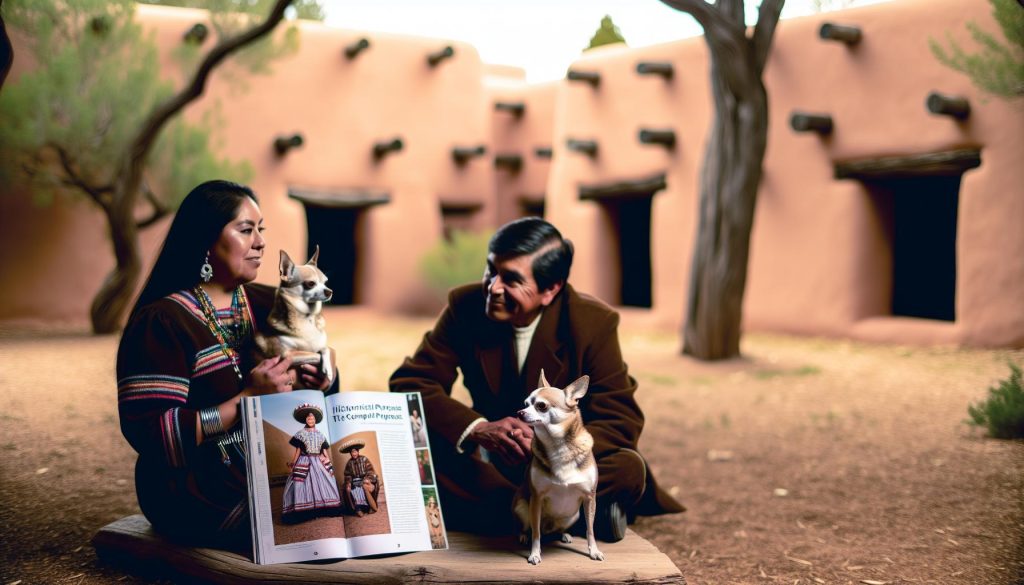
Chihuahuas are more than just tiny companions; they have a fascinating historical purpose that deserves exploration. Originally bred by ancient civilizations in Mexico, these little dogs served important roles – from spiritual guides to cherished family members. Understanding why Chihuahuas were bred unveils the rich tapestry of their history, highlighting their loyalty, boldness, and unique personalities.
As a proud Chihuahua owner, you might find yourself entranced by their vocal nature and distinctive traits, such as the apple-head shape and variety of coat types. Whether you’re considering bringing a Chihuahua into your home or already cherish one, knowing their background not only enriches your bond but also equips you to meet their specific needs better. Dive into their history with us and discover how this little breed has triumphed through the ages, becoming a beloved member of many households worldwide. Unlock the secrets of your furry friend’s origins, and continue reading to learn more about the special role they were meant to play in our lives.
Historical Roots of the Chihuahua: Discovering Origin Stories
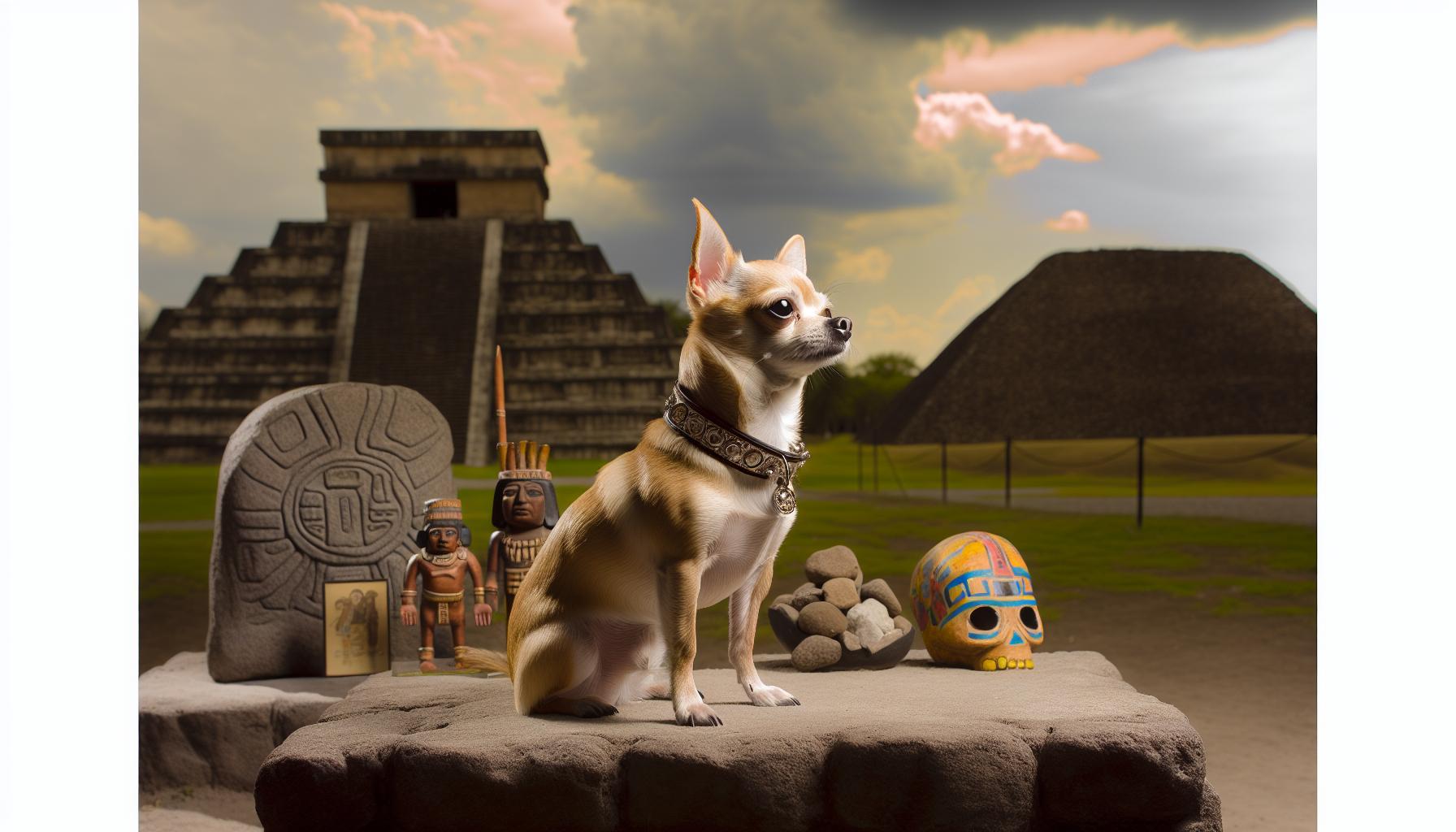
The Chihuahua, with its vibrant personality and tiny stature, is a breed steeped in rich history. Originally traced back over a thousand years, these dogs are thought to have descended from the Techichi, a companion dog of the ancient civilizations in Mexico, including the Toltecs. These early dogs held significant cultural importance, often accompanying their owners in both life and afterlife; it is believed that they were even buried with their humans, showcasing their valued status.
Modern Chihuahuas can be seen as living pieces of history, embodying the traditions and practices of their ancestors. Their breeding was initially aimed at creating loyal companions, a purpose that still rings true today. The breed emerged in the mid-19th century when they gained recognition outside Mexico, primarily through travelers who were captivated by their charm. As they were brought into the homes of new owners, Chihuahuas quickly adapted to larger living environments while retaining their bold and spirited character.
Understanding the Chihuahua’s origins empowers owners to appreciate the breed’s unique traits and historical significance. Chihuahuas, known for their distinct personality traits-such as loyalty and fearless temperaments-provide more than companionship; they offer a glimpse into ancient culture. By nurturing this heritage, owners can create a more enriching environment that respects and celebrates their Chihuahua’s roots. It’s essential to provide proper care, training, and socialization to honor these ancient companions while ensuring their well-being in today’s world.
The Purpose Behind Chihuahua Breeding: What Were They Meant For?
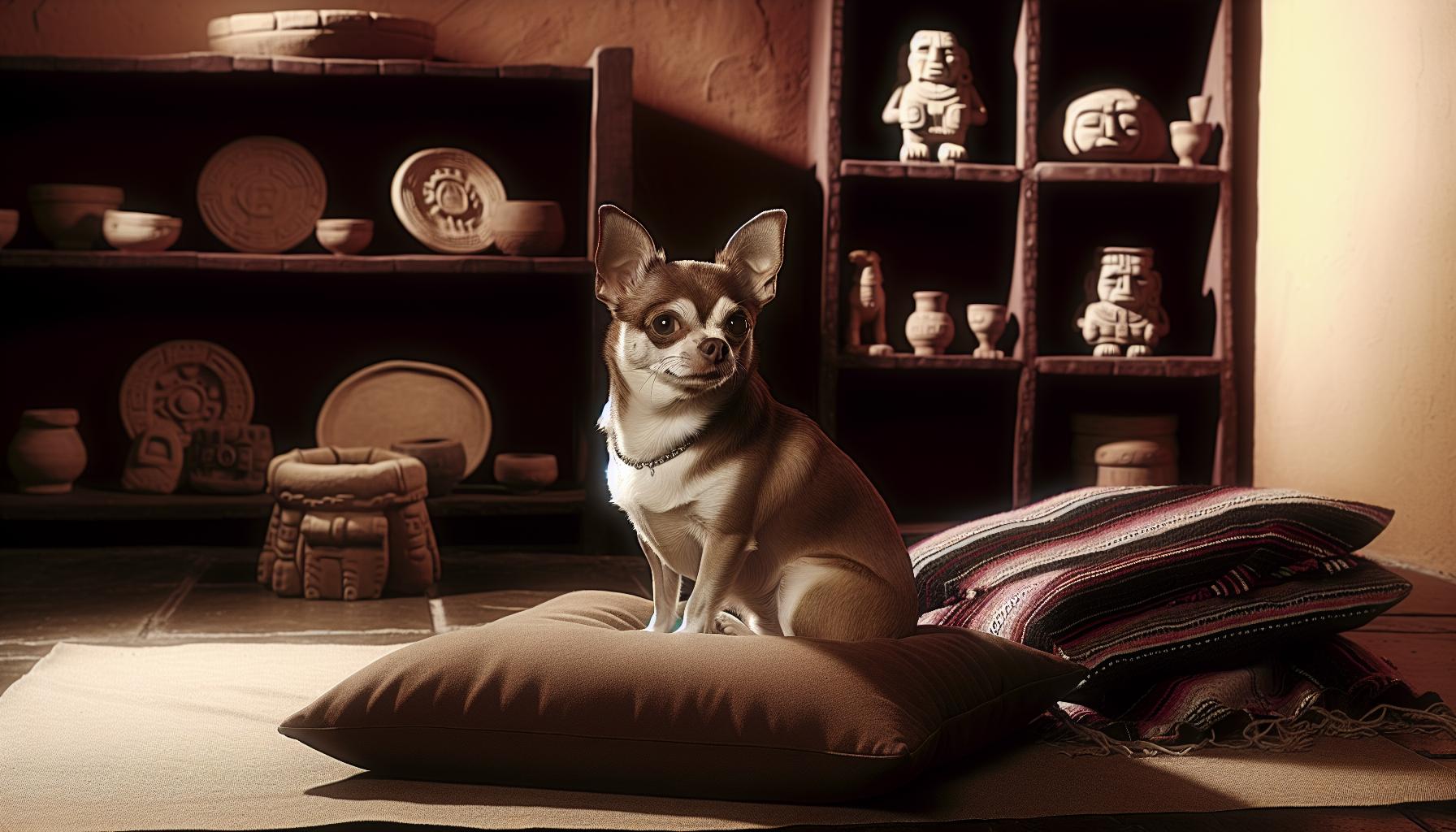
Chihuahuas, with their tiny bodies and big personalities, were originally bred with a clear purpose that has shaped their behaviors and characteristics throughout the centuries. Alongside their ancient predecessors, the Techichi, these remarkable dogs have been companions to humans for over a millennium. They were not only cherished as pets but also served significant roles in their owners’ lives, often mediating the spiritual connection between the earthly realm and the afterlife. Understanding the purpose behind their breeding helps current owners appreciate and nurture their unique traits.
Historically, the breeding of Chihuahuas was deeply intertwined with the cultural beliefs of the ancient civilizations in Mexico. They were believed to have healing powers and were commonly found in households as pets that provided warmth and companionship. The Techichi was originally bred not for sport or labor but fundamentally as a companion dog. Their small size made them perfect for snuggling, and their loyalty ensured they stayed close to their human counterparts. This reliance on their owners fostered the deep bond we still observe in modern Chihuahuas-an instinctual need to be near their people at all times, often manifesting in their protective and vocal nature.
Furthermore, the introduction of Chihuahuas to broader audiences in the mid-19th century added layers to their purpose. As travelers from outside Mexico discovered these charming dogs, they found not only faithful companions but also a breed that adapted uniquely to domestic life. This adaptation included embracing urban environments and developing traits that showcased their vibrant and bold personalities. Today’s Chihuahuas maintain that intrinsic boldness, often exhibiting fearless attitudes despite their small stature.
As an owner, nurturing these historical traits means providing Chihuahuas with environments and lifestyles that respect their heritage. This involves regular socialization, training that reinforces their natural instincts, and a commitment to active companionship. By honoring their lineage, you can help your Chihuahua thrive-balancing their ancient needs for companionship and security with modern expectations of care and comfort. Whether you’re a first-time Chihuahua parent or a seasoned aficionado, recognizing and embracing the historical purpose behind their breeding can strengthen the bond you share, allowing your little friend to shine and remain a true companion.
Chihuahua Traits: Behaviors Shaped by Their History
Chihuahuas are not just tiny dogs; they are little bundles of history and personality. Their unique traits, shaped by centuries of evolution as companions, speak volumes about their origins and the purpose for which they were bred. Historically, these dogs were much more than mere pets; they were deeply integrated into the lives of ancient civilizations, often believed to carry spiritual significance. This rich heritage is reflected in their behaviors today, making understanding these traits essential for every Chihuahua owner.
One of the most prominent characteristics of Chihuahuas is their remarkable loyalty. Bred primarily as companions, Chihuahuas form strong bonds with their humans, often following them everywhere as a testament to their desire to remain close. This loyalty can manifest in protective behaviors, as they instinctively guard their owners and territory. For example, many Chihuahua owners share stories of their dogs barking fiercely at strangers or unfamiliar noises, showcasing their vigilant nature. This instinct is rooted in their historical role as guardians of not just homes but also spirits, as ancient cultures believed they aided in navigating the afterlife.
Along with loyalty, Chihuahuas are known for their vibrant personalities, often displaying a bold and confident demeanor despite their petite size. This fearless attitude is a carryover from their ancestors, who needed to assert themselves in various situations to be effective companions and protectors. As an owner, it’s essential to channel this boldness positively. Engaging your Chihuahua in activities that build confidence, such as agility courses or socialization with others, can foster a well-rounded temperament. Regular positive reinforcement training helps manage their spirited nature and allows Chihuahuas to thrive in today’s household.
Their history as warm, cuddly companions is also deeply reflected in their affection-driven behaviors. Chihuahuas love to snuggle and often seek warmth from their owners, making them ideal lap dogs. This behavior harkens back to their past roles, where they would cozy up to their humans for comfort. Particularly during colder months, you may notice your Chihuahua burrowing into blankets or seeking your lap as their favorite spot. Understanding the significance of this behavior helps reinforce the bond between you and your furry friend.
Ultimately, embracing these traits and understanding their origins will help you create an environment where your Chihuahua feels secure and loved. Regular interaction, mental stimulation, and honoring their heritage lead to a fulfilling life for both you and your beloved companion. Recognizing the philological threads that connect the past to the present will not only enrich your relationship but also celebrate the unique charm of your little guardian.
From Ancient Companions to Modern Pets: Evolution of the Chihuahua
Chihuahuas have journeyed through history from revered companions of ancient civilizations to the adored pets we cherish today. Originating in Mexico, these tiny dogs were once believed to possess spiritual significance, often serving as companions in the afterlife for their owners. The evolution of the Chihuahua reflects not only their physical characteristics and temperaments but also the deep bond they have forged with humans over millennia.
Hailing from the Techichi, a dog breed kept by the ancient Toltec civilization, Chihuahuas were bred for companionship and, in some cultures, as offerings to the gods. Their small stature allowed them to thrive as lap dogs, fitting comfortably on their owners’ laps, which was a mark of status and affection. As these early dogs became interwoven into the lives of their owners, they were selected for traits such as loyalty and protective instincts. Modern Chihuahuas showcase these same characteristics, often forming strong emotional attachments and exhibiting vigilant behavior toward perceived threats.
In contemporary settings, Chihuahuas vary in size and coat, but each one retains the spirited attitude and endearing quirks that have captivated dog lovers. From the apple-headed types with their distinctive round skulls to the more deer-headed variety known for longer muzzles, Chihuahuas exemplify diversity within a single breed. Their coats can be smooth or long-haired, adding to their unique charm. This variety means that prospective owners should consider which type fits their lifestyle best. For instance, long-haired Chihuahuas may require more grooming, while short-haired ones often have lower maintenance demands, making it easier for first-time owners to adapt.
To understand the evolution of Chihuahuas is also to appreciate their adaptability. Today, they are often seen as city dwellers due to their small size and low exercise needs, yet they still maintain a spirit that calls back to their ancient roots. Engaging them in play and providing mental stimulation is crucial to channel their energetic nature positively. Activities such as gentle playtime, short walks, and socializing with other pets are essential, as they help sustain their health and well-being. Moreover, fostering an environment where they can be themselves-vocal, playful, and assertive-honors their lineage and nurtures their inherent spirit.
As you welcome a Chihuahua into your home, remember that you are not just gaining a pet; you’re embracing a piece of history. By understanding their background and evolution, you can nurture your Chihuahua’s unique traits, ensuring that both you and your little companion enjoy a fulfilling companionship that bridges the past with the present.
Cultural Significance of the Chihuahua: Myths and Legends Explored
The Chihuahua, one of the smallest dog breeds, carries a rich tapestry of cultural significance rooted in ancient rituals and beliefs. Originating from Mexico, Chihuahuas were once intertwined with the spiritual lives of the people, often believed to guide souls in the afterlife. This connection has given rise to numerous myths and legends that speak to their revered status.
One prominent myth is centered around the Techichi, the Chihuahua’s ancient ancestor, which was revered by the Toltec civilization. These small dogs were not only companions but also played a role in religious ceremonies. In some traditions, they were buried alongside their owners, believed to accompany them to the next world. This sacred bond helped create the perception that Chihuahuas are more than just pets; they are guardians of the spirit, embodying loyalty and commitment beyond life itself. Their bold personalities and protective instincts further underscore this legacy.
In addition to their spiritual significance, Chihuahuas also symbolize social status and affection. In many cultures, being able to offer a Chihuahua as a gift signified a deep bond and a position of respect. They were often seen nestled in the laps of the elite, making them both a status symbol and a beloved companion. Such historical contexts shape the perception of Chihuahuas today, as many owners cherish not just the breed’s companionship but also the cultural weight they carry.
As you embrace a Chihuahua in your life, consider these historical narratives and myths that enrich your bond with him or her. Whether your Chihuahua is an apple-headed little companion or a sleek, deer-headed charm, each dog possesses a distinctive personality and a piece of history that connects you to their past. Think of the stories their ancestors lived through as you train and care for your Chihuahua, ensuring that their legacy of loyalty, courage, and companionship continues in your shared journey.
Chihuahua Varieties: Understanding Size and Coat Differences
Chihuahuas are a diverse breed, boasting a variety of sizes and coat types that reflect their rich history and the purposes for which they were bred. Understanding these differences not only enhances your appreciation for your furry friend but also aids in choosing the right care, training, and grooming practices that align with their unique traits.
One of the most notable distinctions among Chihuahuas is their size. Typically, they fall within a weight range of 2 to 6 pounds, making them one of the smallest dog breeds. However, you may come across tiny “tea cup” Chihuahuas that weigh even less, although they can pose health risks due to their extreme size. Regardless of size, Chihuahuas are known for their bold and confident personalities. For example, you might see a small, apple-headed Chihuahua named Bella who fancies herself a watchdog, bravely barking at much larger dogs while keeping a protective eye on her owner.
When it comes to coat types, Chihuahuas can be classified into two main categories: smooth coat and long coat. The smooth coat variety features a sleek and shiny fur that is low-maintenance, requiring only occasional brushing to keep loose hair at bay. On the other hand, long coat Chihuahuas possess softer, fluffier fur that demands more frequent grooming to prevent tangling and matting. This variety often has a more dramatic appearance, with flowy tails and ear feathering, adding to their charm. For instance, Max, a long coat Chihuahua, has a luxurious coat that his owner enjoys styling and grooming, making bath time a fun bonding experience.
Health considerations can vary between sizes and coat types too. Smaller Chihuahuas might be more susceptible to certain health issues, such as heart problems or dental issues, while those with long coats may be prone to skin irritations if not groomed properly. Owners need to be proactive in managing their Chihuahuas’ health; routine check-ups, a balanced diet, and an appropriate exercise regime are crucial. Regardless of coat type or size, regular attention to dental care is essential to prevent common issues seen in the breed.
In summary, the impressive variety within the Chihuahua breed is not just about aesthetics-it plays a crucial role in how you interact with and care for your dog. Embrace these differences as part of the personality of your Chihuahua and remember that their unique traits, whether boldness, loyalty, or companionship, stem from their rich history as cherished companions throughout the centuries.
Health & Care Insights: Tailoring Care to Your Chihuahua’s Heritage
Tailoring care for your Chihuahua goes beyond mere necessities; it’s about honoring the remarkable heritage that has made these vibrant little companions what they are today. Bred primarily as companions, Chihuahuas carry the lineage of being cherished pets. Understanding their historical purpose can shape how we meet their needs and manage their health.
Chihuahuas historically thrived in warm environments, which makes them sensitive to temperature extremes. This sensitivity emphasizes the importance of providing a comfortable living space. Ensure your home is warm and cozy during colder months, and consider a doggy sweater for those extra chilly walks. Staying mindful of their small size, keeping them indoors in harsh weather can help prevent health complications related to hypothermia or overheating.
In terms of diet, tailoring their meals to their size and energy levels is crucial. Smaller breeds like Chihuahuas can be prone to dental issues, so focusing on high-quality kibble designed for small breeds is advantageous. These foods often support dental health and help manage their weight-an essential factor since obesity can lead to joint problems and heart disease. Owners like you might find success by incorporating high-quality wet food into their diet, providing hydration and enticing flavors that encourage fussy eaters.
Regular veterinary check-ups are vital. Chihuahuas may be predisposed to specific health concerns, such as patellar luxation or heart disease, making it essential to monitor their health proactively. Owners often find that keeping a health journal, noting any changes in behavior or appetite, can aid conversations with the vet and ensure that any issues are caught early.
Understanding your Chihuahua’s behavioral quirks also plays a significant role in their care. These little dogs are known for their boldness and loyalty. Engaging with positive reinforcement training not only nurtures their confident spirit but also builds a stronger bond with you. Behaviors like barking at larger dogs may be rooted in their ancient role as protectors; channeling this instinct through appropriate training can make a significant difference.
By embracing these insights based on their heritage, you can foster a nurturing environment that celebrates the unique personality of your Chihuahua. Your attentiveness to their needs-be it comforts of the home, dietary considerations, health monitoring, or behavioral training-ensures a happy and healthy life for your tiny companion.
Training a Chihuahua: Tips from Their Ancestral Background
Training your Chihuahua can be a delightful journey, enriched by understanding the breed’s fascinating history. Originally bred as companions, these spirited little dogs carry forward a heritage that influences their behavior and training. Their ancestors, often linked to ancient civilizations in Mexico, served as cherished pets and even spiritual symbols. This unique background shapes how we can best train and care for them today.
When it comes to training techniques, employing positive reinforcement methods is particularly effective for Chihuahuas. Their bold and confident nature thrives on praise and treats. Whether it’s teaching basic commands or addressing behavioral quirks, rewarding good behavior fosters a trusting bond between you and your furry friend. For example, if your Chihuahua barks excessively at strangers, try a training session where you reward her with treats for calm behavior. This not only helps manage the barking but also builds her confidence in new situations.
Understanding Their Ancestral Traits
Chihuahuas are known for their loyalty and protectiveness, traits that stems from their historical roles as companions. These dogs often feel a strong need to guard their home and loved ones. It’s crucial to recognize that while their bark may seem disproportionate to their size, it’s a reflection of their protective instincts. Training that channels this behavior positively can help prevent excessive barking. Consider using commands like “quiet” during training sessions, rewarding her when she complies. Over time, this encourages a balance between her instinct to protect and the calm demeanor you desire.
Tailoring Training Techniques
Their small size doesn’t negate their need for mental and physical stimulation. Engage in activities that challenge them, such as agility training or interactive toys that require problem-solving skills. Regular play sessions not only satisfy their energy needs but also provide great opportunities for bonding and reinforcing training commands playfully. For instance, hide-and-seek games can motivate her to recall commands while ensuring she’s active.
Lastly, remember that socialization is key. Introduce your Chihuahua to various environments, people, and even other animals at her own pace. This not only builds confidence but also helps her adapt to new situations, reducing anxiety and fostering a calm demeanor in public or around visitors. Puppy classes can be particularly beneficial, providing a controlled environment to learn and socialize with her peers.
Through understanding her ancestry and implementing tailored training strategies, you can nurture a well-rounded and happy Chihuahua. Celebrating her unique personality while guiding her through training ensures that she grows into the loyal and vibrant companion she was always meant to be.
Chihuahua Temperament: Loyalty and Boldness Uncovered
Chihuahuas, despite their tiny stature, are renowned for their bold and vibrant personalities. These little dogs were originally bred for companionship, serving as cherished companions in ancient Mexican civilizations. Their temperament reflects their historical purpose; Chihuahuas are fiercely loyal to their families and often exhibit a protective nature that can be surprising given their small size.
The Chihuahua’s loyalty is unmatched, making them devoted companions. They often bond closely with their owners and may exhibit protective instincts, barking at perceived threats or unfamiliar faces. This behavior stems from their ancestral roles as guardian pets, where they were valued not only for companionship but also for their ability to alert their humans to potential dangers. As an owner, it’s crucial to channel this protective nature positively through consistent training and socialization. For instance, teaching commands such as “quiet” or “leave it” can help moderate excessive barking while still honoring their instincts.
In addition to their loyalty, Chihuahuas are known for their boldness. Whether it’s standing their ground against much larger dogs or being outspoken in social situations, their fearless demeanor is part of their charm. Owners often recount stories of their Chihuahuas taking on big challenges, whether it’s bravely exploring new environments or playfully asserting themselves among larger pets. It’s essential to reinforce this bold spirit with positive experiences and adventures, ensuring that your Chihuahua feels confident and secure in their surroundings.
Ultimately, the combination of loyalty and boldness creates a unique personality that makes Chihuahuas such delightful companions. Embracing these traits while providing proper training and socialization can help you navigate the nuances of their behavior, ensuring a harmonious relationship. Engaging in activities that stimulate their minds, like puzzle toys or agility courses, can enhance their natural confidence, turning their spirited energy into a joyful experience for both you and your furry friend.
Chihuahuas in Today’s Society: Ongoing Popularity and Trends
The Chihuahua has found its place in the hearts of dog lovers worldwide, not just for its pint-sized presence but also for its rich history as a loyal companion. Today, this breed continues to thrive in urban environments, where their small size and manageable care needs make them ideal pets for city dwellers. Interestingly, their historical role as companion animals is echoed in their modern popularity; they remain fiercely devoted to their owners and often seek out social interaction, showcasing a personality that is every bit as engaging as their larger counterparts.
Chihuahuas are trending for their distinctive traits and charm. Social media has played a significant role in elevating their profile, with countless videos and memes highlighting their quirky behaviors and bold attitudes. From fashion shows featuring Chihuahua attire to their frequent appearances in pop culture-think movies, television series, and even celebrity endorsements-these little dogs are more than just pets; they are cultural icons. A trend that has emerged is the increasing popularity of “Chihuahua cafes,” where enthusiasts gather to enjoy coffee with their pups, fostering community among Chihuahua lovers.
Their presence in households is evolving as well. Many owners are now prioritizing health and wellness more than ever before, reflecting a shift toward responsible pet ownership. This includes choosing high-quality foods, engaging in regular vet checkups, and participating in fitness activities to keep their Chihuahuas healthy and active. Training classes are gaining traction, emphasizing positive reinforcement to build strong bonds based on trust and understanding-essential for a breed known for its spirited nature.
The appeal of Chihuahuas also lies in their adaptability. Whether you live in a cozy apartment or a larger home, Chihuahuas can thrive in various environments. Their need for exercise is modest compared to larger breeds, making them suitable for owners with varying lifestyles. They appreciate daily walks but also enjoy indoor play. Furthermore, the rise of dog-friendly establishments has laid the groundwork for increased social interactions, allowing Chihuahuas to exhibit their naturally lively and spirited characters in diverse settings.
Thus, the ongoing popularity of Chihuahuas can be attributed not just to their historical roots as cherished companions but also to their dynamic presence in today’s society. With their undeniable charisma combined with commitment to health and social engagement, Chihuahuas continue to capture the hearts of both new and experienced owners alike, ensuring they remain a beloved breed for generations to come.
Inspiring Chihuahua Stories: Real-Life Experiences from Owners
Chihuahuas have not only captured the hearts of dog lovers, but their unique stories often illuminate the historical purpose behind their breeding. One owner, Lisa, shares how her Chihuahua, Bella, transformed from a timid pup into a confident little companion, reflecting the breed’s original role as loyal protectors. “When Bella first came to us, she was afraid of everything-loud noises, big dogs, even her own shadow. But as I introduced her to new experiences, she blossomed. Now, she guards our home fiercely, barking at the slightest hint of an intruder,” Lisa recalls. This protective instinct stems from their ancestry as companions to ancient tribes, where these small dogs were cherished not just for their companionship, but also for their vigilance.
Another owner, Tom, has seen firsthand how his Chihuahua, Toby, embodies the spirited nature that has made the breed so beloved. “Toby is bold and fearless, often challenging much larger dogs at the park. It’s like he doesn’t know he’s only five pounds!” says Tom. This bravado is a reflection of the Chihuahua’s lineage as spirited companions. Historically, they were bred to be both affectionate and assertive, serving as both companions and guardians. Recognizing this trait is essential for new owners, as it shapes their training and socialization needs.
Cultural connections also come to life through these dogs. Sara, who runs a Chihuahua-themed café, reports, “Every day, I hear heartwarming tales from customers about how their Chihuahuas pulled their families together or supported them through tough times. They thrive in settings that nurture their social animal instincts, just like their ancestors did in communities.” This fosters a deeper understanding of their role in our lives-their loyalty and companionship provide emotional support, paralleling the breed’s historical purpose.
The care of a Chihuahua should also echo its historical roots. Providing a warm and loving environment, along with tailored health care, can help honor their lineage. Owners should consider:
- Nutrition: A balanced diet that caters to their small size can help prevent common health issues.
- Exercise: Regular walks and playtime keep them physically fit, acknowledging their spirited nature.
- Socialization: Early and positive interactions with others can enhance their natural friendliness and boldness.
Chihuahuas are not just tiny pets; they are a blend of history, personality, and unique traits that connect their past to our present. By understanding their historical purpose, owners can forge even deeper bonds, transforming them into the cherished companions they were always meant to be.
Chihuahua Care Essentials: Bridging History with Modern Needs
Caring for a Chihuahua is as much about honoring their rich history as it is about meeting their modern needs. These spirited little dogs, originally bred as companions and guardians, require a nurturing environment that respects their unique traits and ancestral roles. Understanding their needs will help you strengthen the bond with your furry friend, allowing her to thrive both emotionally and physically.
When it comes to nutrition, Chihuahuas require a balanced diet tailored to their small stature. They can be prone to obesity, which can lead to serious health issues. Opt for high-quality dog food that lists meat as the first ingredient, and consider portion control based on your dog’s weight and activity level. Regularly monitoring his weight will also help prevent health problems down the line. You might be surprised how much one tiny treat can affect a five-pound dog! Always consult with your veterinarian for personalized advice.
Exercise is another crucial aspect of caring for your Chihuahua. Although she may seem like a small ball of energy, her exercise needs are relatively manageable. Daily walks, playtime with toys, or even a short game of fetch can keep her physically fit and mentally stimulated. One Chihuahua owner, Emily, found that her little companion, Coco, transformed from a reluctant wanderer to a lively explorer after introducing her to different walking routes and local parks. This discovery not only showcased Coco’s adventurous spirit but also emphasized the importance of variety in their exercise routine.
Socialization plays a pivotal role in a Chihuahua’s development. Their history as companions and protectors means they thrive on social interactions. Actively engaging her with a variety of environments, people, and other pets will help her build confidence and friendliness. For instance, Marco, who shares his life with a feisty Chihuahua named Max, noticed that frequent visits to a local dog park helped Max overcome his initial shyness and become more personable and assertive. Early and consistent socialization can shape behavior positively and reduce fear-based reactions.
Incorporating these elements into your Chihuahua’s care routine not only respects her heritage but ensures her happiness and well-being. After all, every small bark, wag, and cuddle speaks volumes about the deep connection these dogs have with their human companions, a bond that has endured for centuries. By embracing their historical significance, you can provide a fulfilling life that mirrors the loyalty and courage embedded in their lineage.
Frequently Asked Questions
Q: What were Chihuahuas originally bred for?
A: Chihuahuas were originally bred as companions for ancient civilizations like the Toltecs and Aztecs. Their small size made them ideal as lap dogs and protectors of household treasures. This historical role shaped their loyalty and affectionate nature, making them beloved pets today.
Q: How have the traits of Chihuahuas evolved over time?
A: Over time, Chihuahuas have developed traits that reflect their environment and roles. Their bold temperament and high energy stem from their historical use as guardians. Modern breeding has also highlighted their unique size variations and coat types, catering to diverse owner preferences.
Q: Why are Chihuahuas associated with specific cultures?
A: Chihuahuas hold cultural significance in Mexican heritage, often appearing in art, folklore, and symbolism. Their connection to ancient tribes serves as a testament to their role as spiritual companions and protectors, leading to their status as cultural icons.
Q: What health issues are common in Chihuahuas due to their breeding history?
A: Common health issues in Chihuahuas include heart problems, dental diseases, and patellar luxation. Their small size can exacerbate conditions, so regular vet visits and tailored health care are essential for maintaining their well-being. Understanding their heritage aids in proactive care.
Q: How should Chihuahuas be trained considering their historical background?
A: Training Chihuahuas requires consistent, positive reinforcement techniques. Given their heritage as companions, they respond well to short, engaging sessions that build trust. Incorporating socialization and obedience training is crucial for addressing their bold nature and forming a strong bond.
Q: What is the significance of the Chihuahua’s size in their breeding?
A: The Chihuahua’s small size was advantageous for domestication and companionship in ancient societies. It allowed for easy transport and made them perfect for keeping close to their owners. This size remains a defining characteristic, enhancing their appeal in modern households.
Q: Are there different varieties of Chihuahuas based on historical breeding?
A: Yes, there are two primary varieties: the apple-head and the deer-head, each with unique features. These variations reflect historical breeding preferences and have developed distinct personalities and traits, appealing to different owner tastes.
Q: How do Chihuahuas fit into modern lifestyles compared to their ancestors?
A: Chihuahuas have adapted well to modern lifestyles, often thriving as household companions. Their size makes them suitable for apartments, while their loyal temperament continues to provide emotional support. Understanding their history helps owners nurture their unique traits in today’s society.
Wrapping Up
Understanding the historical purpose behind Chihuahuas enriches the bond you share with your tiny companion. These loyal and bold little dogs were bred not just for their stature but for their vibrant personality, making them remarkable pets today. If you’re curious about how to provide the best care for your Chihuahua, explore our guide on Chihuahua health and behavior, or learn about the unique traits of apple-head Chihuahuas.
Don’t miss out on more valuable insights-subscribe to our newsletter for tips, training advice, and community stories that bring owners like you together. Have thoughts or experiences with your Chihuahua? Share them in the comments! Your voice matters in our community. The journey of understanding this breed’s quirks and needs doesn’t end here; let’s continue exploring together. Remember, whether you’re a first-time owner or a seasoned Chihuahua enthusiast, we’re here to support you every step of the way!
Get our latest guides, news, and insights highlighted in your Google Search & AI Overviews.