

Do Chihuahuas get along with cats? This question is crucial for many pet owners considering adding a feline friend to their household, especially when they already have this sassy little canine companion. Chihuahuas, known for their boldness and loyalty, can display quirks that make their interactions with cats both entertaining and challenging. Understanding the compatibility of these two distinct personalities is vital for fostering a harmonious home environment.
As a Chihuahua enthusiast, you’ll find that the breed’s vocal nature and spirited demeanor can sometimes clash with a cat’s independent tendencies. However, with patience and the right approach, these two can coexist peacefully. Whether you’re a seasoned Chihuahua owner or new to the breed, this guide will equip you with the insights and strategies to facilitate a successful introduction and lasting friendship. Let’s dive in and explore how to make this unique pairing work!
Understanding Chihuahua Temperament and Behavior
Chihuahuas are often described as the little dogs with big personalities, characterized by their boldness and spirited nature. This breed thrives on companionship and loyalty, making them wonderfully affectionate pets, but their temperament can lead to unique challenges, especially when integrating them into a multi-pet household. Generally, Chihuahuas are known for being vocal and alert, often acting as fierce guardians despite their small size. This protectiveness can sometimes make them wary of unfamiliar animals, including cats, which is why understanding their behavior is critical to fostering a harmonious environment.
One fascinating element of Chihuahua temperament is their sensitivity. These tiny companions can pick up on the emotions of their owners, which means a calm and reassuring demeanor will go a long way in helping them adjust to a new feline friend. For instance, if a Chihuahua perceives apprehension or distress from its owner during introductions, it may respond with anxiety or aggression. To counter this, positive reinforcement is key. Rewarding her with treats and affection when she shows calm behavior around the cat can help her associate the new presence with positive experiences.
Additionally, Chihuahuas often exhibit strong territorial instincts. They may see themselves as the protector of their space, which can lead to possessiveness over toys, food, or even their chosen spots in the house. This is particularly important to keep in mind during interactions with a cat, as a Chihuahua may exhibit jealousy or aggression if they feel their territory is being encroached upon. Introducing them to the cat in a controlled environment can ease this transition; using gates or crates can create a safe distance at first, allowing both pets to observe each other without direct contact.
Lastly, socialization is crucial for Chihuahuas. Early exposure to different animals and environments can significantly influence how well they adapt to having a cat around. Engaging in regular playdates with well-behaved cats or other pets can help a Chihuahua learn proper boundaries and behaviors with her furry counterparts. A well-socialized Chihuahua tends to be much more accepting of new friends, making it easier for both pets to coexist in peace. With patience and understanding, you can nurture your Chihuahua’s unique personality while fostering a loving relationship with your cat.
The Cat’s Perspective: Understanding Feline Behavior
Understanding feline behavior is essential when considering the introduction of a Chihuahua into a multi-pet household. Cats, with their unique personalities and instinctual behaviors, can sometimes be perplexing to dog owners. Whether your future feline friend is a dignified domestic longhair or a curious Tabby, comprehending how cats perceive their surroundings will greatly aid in facilitating a smooth cohabitation.
Cats are innate observers, preferring to assess new situations from a safe distance. When they encounter a Chihuahua, who may be eager to engage, it’s important to remember that a cat’s initial response can range from curiosity to caution. They often communicate feelings through body language, exhibiting signs of relaxation or stress. A twitching tail, for example, signals excitement or agitation, while a slow blink can indicate comfort and trust. Pay attention to these cues when your Chihuahua and cat first meet; the more attuned you are to the cat’s signals, the better you can guide interactions.
As you introduce a Chihuahua to a cat, you should consider the cat’s innate territorial instincts. Cats are creatures of habit and often feel most secure in their established territories. A Chihuahua’s bold and curious nature might be perceived as a threat, prompting defensive behaviors from the cat, such as hissing or swatting. It’s wise to create a safe space where the cat can retreat if they feel overwhelmed. This could be a designated room or an elevated perch where the cat can observe without being approached.
To foster a positive relationship between your Chihuahua and cat, support shared activities that encourage bonding. Playtime can be an excellent bridge-using toys that excite both pets while keeping them at a manageable distance can help them learn that the presence of the other isn’t something to fear. For instance, utilizing feather wands or laser pointers can capture both their attentions, nurturing playful interactions without direct confrontations. Gradually allow closer encounters as they become comfortable, rewarding both pets for calm behavior with treats and praise.
Building a successful relationship requires time and patience. Understanding that cats have their own quirks-like sudden bursts of energy or moments of solitude-will help you create a harmonious home. Remember, every cat is different; some may warm up quickly to a Chihuahua, while others may need extended periods of acclimation. With empathy and a clear understanding of feline dynamics, your Chihuahua and cat can learn to share a home filled with playful interactions and mutual respect.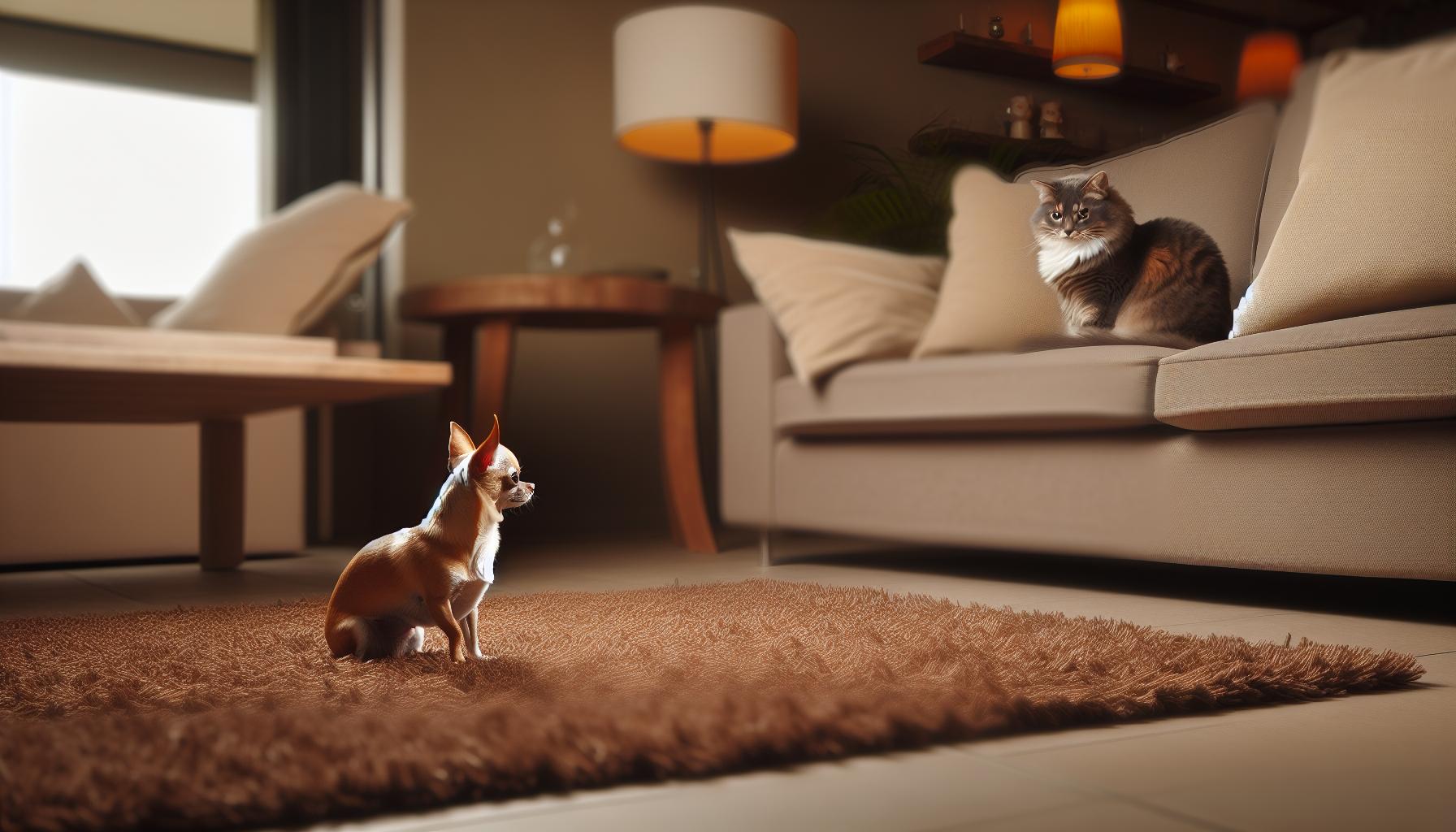
How to Introduce a Chihuahua to a Cat
Introducing your Chihuahua to a cat can feel like a daunting task, but with the right approach, you can help both pets build a harmonious relationship. Chihuahuas, known for their bold and vibrant personalities, may exhibit curiosity or excitement when encountering a new feline friend. However, it’s crucial to consider the cat’s perspective, as cats are often more cautious and territorial. Understanding this dynamic is key to ensuring a smooth introduction.
Start the process slowly. Set up a safe, separate area for your cat where she can observe the Chihuahua from a distance without being directly confronted. This could be a room or a high perch, like a feline-friendly shelf. Allow the Chihuahua to explore the common areas while keeping the cat confined to her safe space initially. This will give both pets time to adjust to each other’s scents and presence without the pressure of direct interaction.
When introducing them face to face, choose a neutral area and keep your Chihuahua on a leash. This helps you maintain control and prevent any sudden lunges or barks that could scare the cat. Allow the cat to approach on her own terms; she might take her time or even choose to stay hidden initially. Always pay attention to body language: a relaxed cat will have her tail up and may display slow blinking, while a tense cat might hiss or swat. If you observe any signs of distress from either pet, it’s important to back off and try again later.
Interactive play can be a fantastic way to forge a bond between your Chihuahua and cat. Use toys like feather wands or laser pointers to engage both pets at a distance, allowing them to become accustomed to each other’s presence in a fun and non-threatening manner. Over time, and with plenty of positive reinforcement like treats and praise for calm behaviors, they can start to feel more comfortable in each other’s company.
Patience is paramount in this process. Some Chihuahuas may adjust quickly, while others take longer to feel secure. Celebrate the small victories, whether it’s a brief moment of mutual sniffing or a playful interaction. With consistent effort and understanding, your Chihuahua and cat can develop a rewarding friendship, filled with playful antics and mutual respect, ensuring both can thrive in their shared home.
Creating a Safe Space for Both Pets
Creating a peaceful environment for both your Chihuahua and cat is essential for helping them coexist harmoniously. By establishing safe spaces tailored to their needs, you can reduce stress and encourage a more friendly interaction. Remember, Chihuahuas, with their playful and vocal nature, may approach things from a different angle than your cat, who typically values her territory and safety.
To start, designate a quiet zone for your cat where she can retreat to observe the household dynamics without feeling threatened. This can be a separate room or even a high perch that she can easily access. Cats love vertical spaces, so consider investing in a tall cat tree or shelves where she can perch safely above your Chihuahua’s curious advances. Ensure her safe zone contains her essentials: food, water, litter box, and cozy bedding. This sanctuary will give her a sense of security, allowing her to adjust to the presence of your Chihuahua at her own pace.
Meanwhile, it’s important to create a designated area for your Chihuahua as well. Since they are small yet bold, having a space where he can feel secure, such as a crate or a specific room, can help him relax when tensions rise. Use this area for training sessions or quiet time with his favorite toys and blankets. Remember, keeping routines in place-like feeding and playtime-creates stability which is reassuring for both pets.
Temperature Control and Sensory Needs
Temperature can affect the comfort of your Chihuahua, especially since many have low tolerance for the cold. Ensure that both pets’ safe spaces are temperature-controlled and free from drafts. Furthermore, consider their senses: cats are more sensitive to noise and sudden movements than Chihuahuas, so choosing a quieter part of your home for their areas can be beneficial.
Lastly, be prepared to rotate access to different areas of the house. For example, let your Chihuahua explore a common area with supervision while keeping your cat in her safe space. This gradual progression allows both pets to familiarize themselves with each other’s scents and sounds without overwhelming either of them. By collaborating on the design of their safe spaces, you’re setting the stage for a positive relationship filled with bonding moments, reducing the likelihood of misunderstandings or conflicts down the road.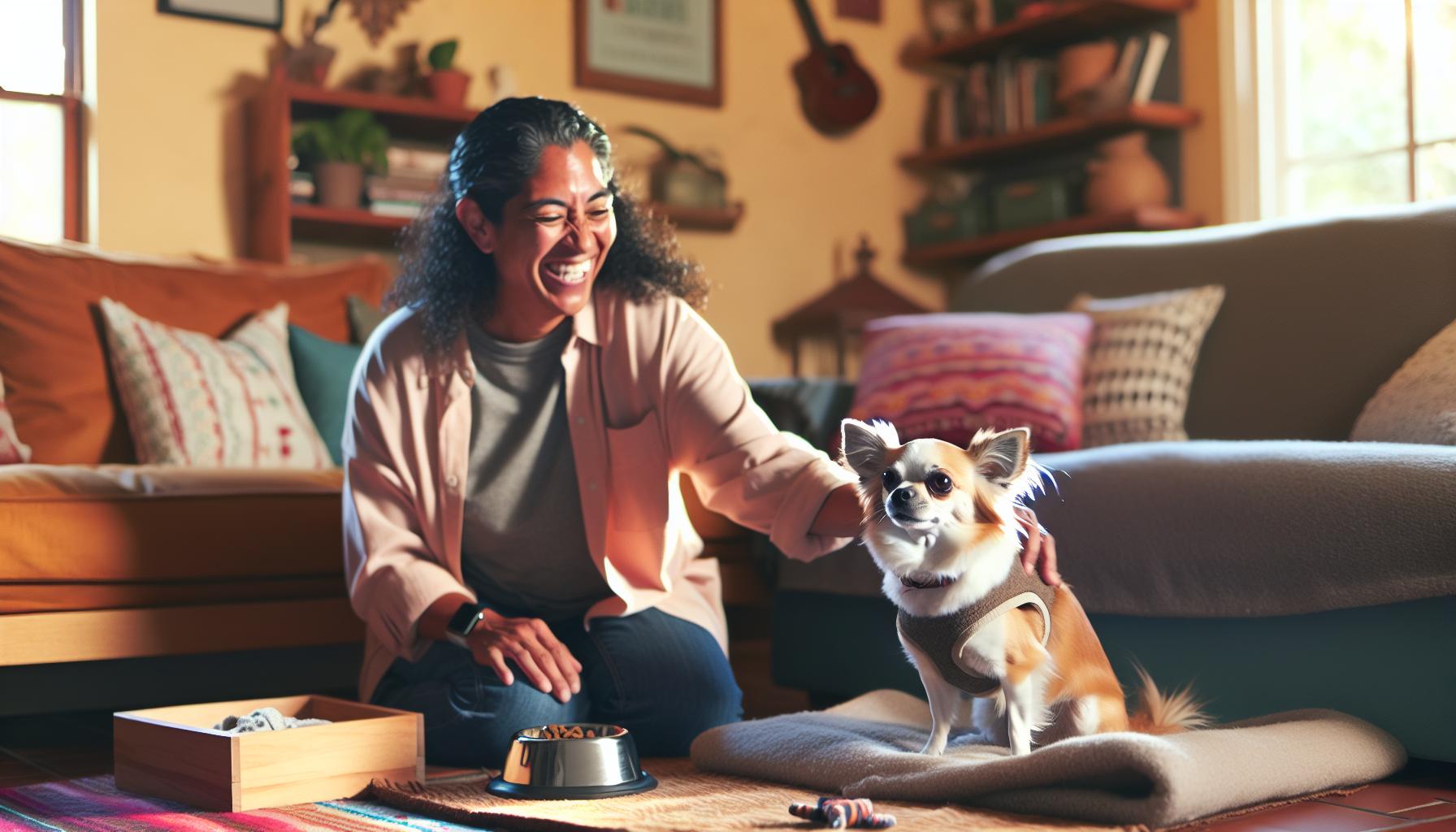
Signs Your Chihuahua is Adjusting Well
As you navigate the journey of introducing your Chihuahua to a cat, it’s heartening to recognize the signs that indicate your little buddy is adjusting well to this new dynamic. Chihuahuas are known for their bold and enthusiastic nature, and once they start feeling comfortable around their feline housemate, you’ll notice some visible shifts in their behavior.
One of the first signs of a successful adjustment is decreased anxiety. Observe your Chihuahua’s body language; a relaxed pup will display a calm demeanor rather than the heightened alertness or barking that often accompanies uncertainty. A wagging tail, playful posture, and an eagerness to explore shared spaces without constant vigilance are all indicators that your Chihuahua is becoming more at ease. If he starts seeking out the cat’s company, whether to sniff, play, or even just to lounge nearby, that’s a huge thumbs up.
Another hallmark of a successful introduction is when your Chihuahua begins to display more friendly interactions, such as soft barking or gentle nudging to initiate play. Encouragingly, if he shows interest in the cat’s toys or attempts to engage her in play-while respecting her boundaries-this can signify a blossoming friendship. It’s essential to monitor these exchanges, ensuring they remain positive and non-threatening. If your Chihuahua often finds himself sharing space with the cat, indicating a level of comfort, you’ve made significant progress.
You might also notice changes in your Chihuahua’s daily routines. An adjusting pup may eat well, sleep soundly, and partake in regular playtime, signaling that he is less stressed about his new companion. Furthermore, his willingness to explore common areas of the home, perhaps pausing to glance toward the cat without attention-seeking behavior or anxiety, demonstrates a healthy acceptance of the living arrangement.
Embracing this period of adjustment requires patience and careful observation. With every small step your Chihuahua takes towards comfort, you’re fostering a harmonious environment where both pets can thrive together. Celebrating these milestones not only reinforces positive behaviors but also deepens the bond between your Chihuahua and his new feline friend.
Common Challenges: Chihuahuas and Cats
Introducing a Chihuahua to a cat can be a rewarding yet challenging journey, primarily due to the Chihuahua’s bold and often headstrong personality. While many Chihuahuas can coexist peacefully with their feline companions, several common challenges can arise during the integration process.
First, Chihuahuas are quite vocal and may express their feelings with yips and barks, especially when they are curious or anxious. This assertive behavior can sometimes intimidate a more timid cat. It’s essential to understand that while your Chihuahua is just being his spirited self, the cat might perceive these vocalizations as threats. Therefore, managing introductions in calm settings where both pets can observe each other without immediate interaction can help reduce stress for both animals. Setting up a baby gate or using a crate during initial introductions can provide a safety barrier that allows for gradual acclimation.
Additionally, territorial behavior can be a significant hurdle. Chihuahuas are fiercely loyal and protective of their home turf. If your Chihuahua perceives the cat as an intruder, you might experience heightened barking and even aggressive posturing. Techniques to mitigate this include establishing separate safe spaces where each pet can retreat to feel secure. Gradually introducing shared spaces-like a common living area-under your supervision can help ease potential conflicts.
Another challenge is the differing play styles between Chihuahuas and cats. Chihuahuas often engage in playful nipping or chasing, which may not align with a cat’s play preferences. While some cats may enjoy a good chase, others could interpret this as unwanted aggression. Observing how your Chihuahua interacts with toys and other pets can provide insight into his play style, helping you navigate these interactions carefully. Encouraging gentle play and teaching your Chihuahua commands like “leave it” can foster a positive environment.
Lastly, patience is key. Some Chihuahuas may take longer to accept a new feline friend, and it’s not uncommon for them to exhibit jealousy or mixed signals during this adjustment period. Monitoring their interactions is crucial-if you notice signs of distress or aggression from either pet, it’s vital to separate them and try again later. With consistent monitoring, structured introductions, and gentle guidance, you can help your Chihuahua and cat cultivate a harmonious relationship over time.
Tips for Managing Aggression Between Pets
When integrating a Chihuahua with a cat, it’s essential to navigate their interactions with care to avoid aggression. Chihuahuas are known for their bold personalities and vocal tendencies, which can sometimes come off as intimidating to a more reserved feline. This dynamic creates a unique challenge, yet with the right strategies, you can foster a peaceful coexistence.
To alleviate the potential for conflict, begin by establishing safe spaces for both pets. Chihuahuas thrive in familiar environments, so providing each pet with a personal area can greatly reduce territorial disputes. Use baby gates or separate rooms to allow them to get used to each other’s scents and sounds without direct contact. This gradual exposure aids in building familiarity and reducing anxiety on both sides.
Another effective tactic is to engage both pets in positive reinforcement training. Reward your Chihuahua for calm behaviors around the cat with treats and praise, reinforcing the idea that being relaxed leads to rewards. Commands like “leave it” will be invaluable when interactions escalate. For instance, if your Chihuahua starts barking excitedly, calmly redirect him with a treat when he stops. This method teaches your Chihuahua to associate calmness with positive outcomes.
It’s also crucial to monitor their play styles. Chihuahuas often enjoy playful nipping or chasing, which can be perceived as threatening by cats. Thus, encouraging shared play sessions using toys that both pets enjoy helps create a bond. For example, a feather toy can allure the cat while allowing your Chihuahua to engage without the risk of nipping. After some positive interactions, they may even learn to play together harmoniously.
Lastly, cultivate patience as they adjust to each other. Every pet has a unique personality, and some Chihuahuas may take longer to accept a new feline friend. Observing their body language for signs of stress, like tail tucking or excessive growling, can guide you in managing their interactions. If aggression arises, it’s important to separate them and allow some cooling-off time. Consistency, supervision, and gradual introductions with plenty of positive experiences will lead them to find their rhythm together. Remember, this journey of coexistence is a process, and each step towards harmony is worth celebrating.
Socializing Your Chihuahua with Other Pets
is a rewarding journey that plays an essential role in ensuring a harmonious home. Chihuahuas, with their bold and sometimes feisty personalities, can sometimes come off as too boisterous for more reserved animals, like cats. However, with the right approach, you can help your Chihuahua navigate social interactions smoothly. Remember, smooth integration often requires patience, careful observation, and a willingness to adapt strategies based on your pets’ unique temperaments.
To start off, early socialization is crucial. Introducing your Chihuahua to various pets, environments, and experiences from a young age helps them develop confidence and reduces anxiety. When bringing a Chihuahua into a multi-pet household, consider inviting other animals into their playful circle gradually. Begin with supervised meet-and-greets in a neutral space to prevent territorial behaviors. It’s wise to have treats ready to reward calm interactions and encourage positive associations.
Another effective strategy is creating positive experiences through shared activities. Find common ground, like engaging in playtime. For instance, incorporate games that both your Chihuahua and another pet can enjoy, such as fetch or hide-and-seek, using toys that stimulate both pets. Observing their play styles can provide insights; a Chihuahua’s energetic nature might clash with a more laid-back pet. Be gentle and ensure the games do not overwhelm your Chihuahua’s new friends. If your Chihuahua shows too much excitement-like excessive barking or chasing-take a step back and allow them some timeout to regroup.
Equally important is to monitor body language during these interactions. Chihuahuas can bundle a lot of emotion into their small frames. If your Chihuahua is overly vocal or appears tense, consider calling a brief halt to the playtime. Look for signs of comfort-like relaxed postures, wagging tails, and playful bows. If a buddy is feeling stressed, they might exhibit avoidance behaviors or a lowered posture. Recognizing these cues will help you gauge how well the socialization progresses.
Above all, celebrate the small victories during this social journey. Whether it’s a calm greeting or your Chihuahua choosing to play side-by-side with another pet, each positive step counts. Building relationships takes time, but with consistent, gentle encouragement, your Chihuahua can thrive in a family of furry friends. Establishing a peaceful, multi-pet household not only enriches your Chihuahua’s life but also creates a more fulfilling environment for every animal involved.
The Importance of Early Socialization
Introducing a young Chihuahua to various social experiences can significantly shape his personality and behavioral development. When acclimated to different animals, environments, and situations at a young age, Chihuahuas can build confidence, reduce anxiety, and learn how to interact positively with others-especially cats. This early socialization can mean the difference between a Chihuahua who coexists happily with feline friends and one who feels threatened or overly assertive.
Start by exposing your Chihuahua to different types of animals, including cats, as early as possible. Gradual introductions are key; consider using neutral spaces for initial meetings and have calming treats on hand to reward both pets for good behavior. The goal is to create positive associations right from the start. For instance, if your Chihuahua receives praise while calmly observing a cat, he will start to view the cat as a friend rather than an intruder.
Monitoring your Chihuahua’s reaction to the cat is essential. Look for signs that indicate comfort or discomfort, such as relaxed postures or excessive barking. As a small breed known for their boldness, Chihuahuas can sometimes become overly excited or defensive. Keeping interactions positive and controlled is vital. Always remember to celebrate small victories-the first time they lie near each other or engage in a gentle exchange can be powerful moments in their relationship.
Chihuahuas are naturally inquisitive and social animals who thrive on companionship. The earlier they learn to appreciate the presence of a cat, the more harmonious your household can become. Moreover, early socialization not only aids in developing a friendly demeanor towards other pets but can also enhance your Chihuahua’s overall adaptability and resiliency when facing new experiences throughout his life.
Activities to Foster Bonding Between Chihuahua and Cat
Creating a harmonious environment where your Chihuahua and cat can thrive together involves engaging activities that foster their bond. Chihuahuas, known for their loyalty and vibrant personalities, can develop a special friendship with a cat if given the right opportunities. By introducing playful and interactive experiences, you not only help them grow closer but also enhance their overall well-being.
Start with supervised play sessions that incorporate both pets’ interests. For instance, use a feather toy that the cat enjoys while engaging your Chihuahua with a soft ball. This not only entertains them but encourages them to observe each other positively. Keep sessions short initially, allowing them to build familiarity without overwhelming either pet. You might also want to employ the “treat exchange” method-reward both animals for calm behavior in each other’s presence. This can create a positive association with being near each other.
Incorporating scent exploration into their routine is another effective bonding activity. You can introduce items with the other’s scent into their respective spaces. For example, allow your Chihuahua to sniff a blanket that has the cat’s scent and vice versa. This subtle method can pave the way for familiarity, reducing potential apprehension. Furthermore, creating shared spaces with comfortable pet beds or cozy sunlit spots can encourage them to relax together. When they feel secure, their interactions are more likely to be friendly, promoting a peaceful home.
Lastly, walking together can be a beneficial activity if your Chihuahua is leash-trained. Allowing both pets to experience a stroll around the neighborhood can provide new sights and sounds, fostering an exploratory spirit together. Take it slow; let your Chihuahua lead and your cat follow if they are comfortable being outside on a harness. Always prioritize safety and monitor both pets to ensure a positive experience. With time, patience, and these engaging activities, you can nurture a caring bond between your Chihuahua and cat, harnessing their unique personalities to create lasting friendships.
When to Seek Professional Help: Behaviorists and Trainers
Introducing a Chihuahua to a cat can be a delightful journey, but it isn’t always seamless. If you find yourself facing persistent behavioral issues or your Chihuahua exhibits aggression or extreme fear, it may be time to consider seeking professional help from behaviorists or trainers.
Recognizing the signs that your pup needs expert intervention is crucial. If your Chihuahua is consistently barking, lunging, or displaying tense body language around cats, or if your interactions are filled with stress rather than playfulness, a trained behaviorist can offer tailored strategies. These professionals understand the unique characteristics of Chihuahuas – their vocal nature and bold personalities – and can provide insights into managing these traits more effectively.
When looking for help, opt for a certified animal behaviorist or a trainer who specializes in positive reinforcement techniques. Look for someone with experience in managing dog-cat dynamics specifically. They can guide you through structured introductions and give you tools to create a more peaceful home environment. For example, they may suggest desensitization techniques, where your Chihuahua learns to associate the cat with positive experiences, or they might help establish clear boundaries to ensure both pets feel secure.
Strong communication and commitment are vital during this process. Share your observations and any concerns you have about your Chihuahua’s behavior. For instance, if furry little Lola can’t seem to relax around Mr. Whiskers despite your best efforts, a professional can glean insights from those dynamics and advise on next steps. Remember, it’s not just about curbing undesirable behaviors; it’s about fostering a harmonious relationship between your Chihuahua and cat. A well-chosen expert can make a world of difference, nurturing not only your pets’ interactions but also your peace of mind.
Breeds That Typically Get Along with Chihuahuas
When considering companions for your Chihuahua, it helps to know which breeds tend to harmonize well with their unique temperament. Chihuahuas are known for their spirited, curious nature, often exuding confidence despite their tiny size. They thrive in a lively environment and can make friends with various pets, provided the introductions are handled correctly.
Breeds that typically get along well with Chihuahuas share similar energy levels and temperaments. Here are a few examples of such breeds:
- Pugs: Pugs have a playful and sociable personality that complements the Chihuahua’s spirited nature. Their affectionate demeanor can help ease any tensions during initial meetings.
- Bichon Frise: This breed is friendly and adaptable, making them a good match for Chihuahuas. Their gentle disposition allows them to engage without overwhelming your tiny companion.
- Shih Tzus: Known for their calm and affectionate nature, Shih Tzus often get along well with Chihuahuas. They enjoy companionship and can help create a balanced social environment.
- French Bulldogs: Their laid-back demeanor can reduce any anxiety your Chihuahua might feel during introductions. French Bulldogs are also robust, which gives them the ability to handle the occasional boisterous playfulness of a Chihuahua.
While the temperament of each individual dog will vary, these breeds generally bring a loving attitude that works well with Chihuahuas. Ensuring that both pets have a space where they feel safe and can retreat to when needed will also facilitate a smoother bonding process. Remember, early socialization and supervised interactions are key to fostering a strong friendship between your Chihuahua and a new furry sibling.
Q&A
Q: Are Chihuahuas aggressive towards cats?
A: Chihuahuas can exhibit aggression towards cats, particularly if not properly socialized. Their bold personality may lead them to see cats as prey. Gradual introductions and careful supervision can help mitigate this behavior. Consider focusing on early socialization, as discussed in the section on The Importance of Early Socialization.
Q: What breeds of cats get along best with Chihuahuas?
A: Cat breeds that are known to be more social and less skittish, such as Ragdolls or Maine Coons, often get along well with Chihuahuas. Their calm demeanor may help ease any initial tension. For more tips, refer to the Breeds That Typically Get Along with Chihuahuas section.
Q: How long does it take for a Chihuahua to adjust to a cat?
A: The adjustment period for a Chihuahua to accept a cat varies, typically taking several weeks to a few months. Factors include the Chihuahua’s temperament, age, and prior experiences. Regular interaction and patience are key to facilitating a smooth transition, as mentioned in Signs Your Chihuahua is Adjusting Well.
Q: Can I train my Chihuahua to coexist peacefully with my cat?
A: Yes, you can train your Chihuahua to coexist with your cat peacefully. Start with training commands and positive reinforcement. Gradually increasing their exposure to each other in a controlled environment can foster a better relationship. See the How to Introduce a Chihuahua to a Cat section for detailed steps.
Q: What signs indicate my Chihuahua is comfortable around a cat?
A: Signs that your Chihuahua is comfortable around a cat include relaxed body language, wagging tails, and ignoring the cat during playtime. Positive interactions such as sniffing each other without aggression are also good indicators. For more insights, check out Signs Your Chihuahua is Adjusting Well.
Q: What should I do if my Chihuahua chases my cat?
A: If your Chihuahua chases your cat, redirect their attention immediately to prevent reinforcing this behavior. Use commands like “leave it” and reward them for calm behavior. Consistent training will help build a safer environment, as discussed in Tips for Managing Aggression Between Pets.
Q: Are male or female Chihuahuas better with cats?
A: There is no definitive answer, as individual temperament is more significant than gender. Some female Chihuahuas may be more nurturing, while males can be more dominant. Assess each dog’s personality to determine compatibility. For broader compatibility tips, explore Socializing Your Chihuahua with Other Pets.
Q: How can I create a multi-pet household?
A: To create a harmonious multi-pet household, gradually introduce each pet, establish safe spaces, and supervise interactions. Consistency with training and providing separate areas for each pet can prevent conflicts. For detailed strategies, refer to Creating a Safe Space for Both Pets in the article.
The Way Forward
Now that you know how Chihuahuas can coexist with cats, remember that patience and proper introductions are key to a harmonious relationship. Celebrate their unique quirks, from their boldness to their loyalty, and always supervise their interactions to foster a safe environment. If you’re considering adding a cat to your household or seeking tips for a smoother integration, check out our articles on Chihuahua behavior and training tips.
Don’t miss out-subscribe to our newsletter for more expert tips and insights on Chihuahua care, and share your experiences in the comments below! Your hands-on stories not only help fellow pet owners but also build our vibrant community of Chihuahua enthusiasts. Explore your next steps today; both you and your furry friends will thank you!
Get our latest guides, news, and insights highlighted in your Google Search & AI Overviews.