
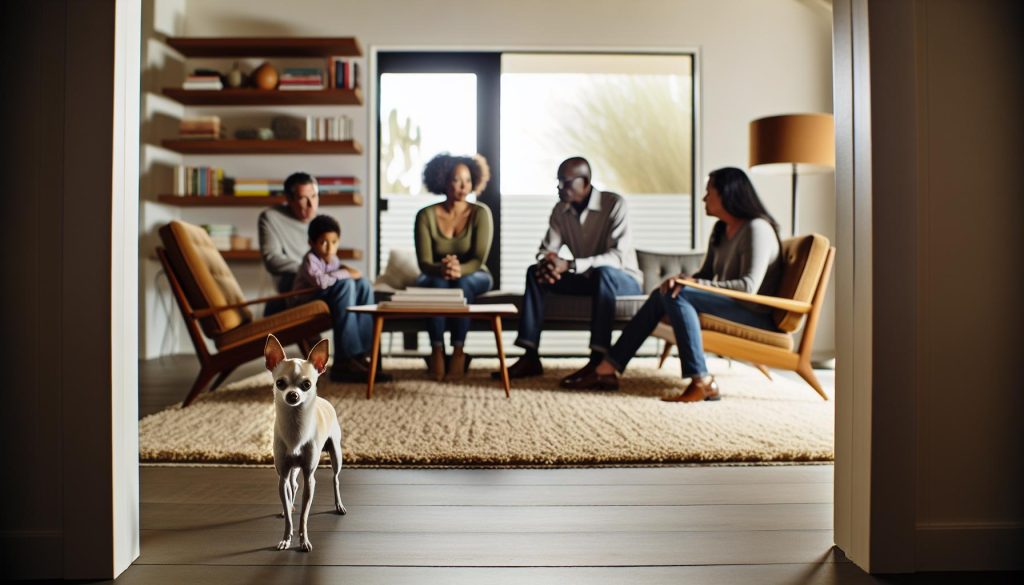
Chihuahuas, despite their tiny stature, often exhibit surprisingly bold behaviors, including a propensity for guarding their territory. Understanding whether Chihuahuas are truly territorial can help you foster a harmonious home for both you and your vibrant little companion. As devoted and vocal protectors, these pint-sized pooches can be both endearing and challenging. Many owners may worry about their Chihuahua’s guarding tendencies, especially when introducing new people or pets into the home. By examining their innate behaviors and motivations, we can not only reassure anxious owners but also equip them with practical strategies to manage this common trait. Join me as we delve into the nuances of your Chihuahua’s guarding behavior, revealing why these feisty dogs might feel the need to protect their space, and how you can create a balanced environment that respects their personality while promoting peaceful interactions.
Understanding the Territorial Nature of Chihuahuas
Chihuahuas are often regarded as fierce little guardians, and this reputation is well-earned. Despite their petite size, they display a notable territorial instinct, making them vigilant protectors of their home and family. Their strong sense of territory stems from their ancestral roots: originally bred as companions, these spirited dogs exhibit boldness that belies their stature. This behavior can manifest in various ways, from barking at passersby to standing their ground against larger animals. Understanding this trait is crucial for any Chihuahua owner, as it plays a significant role in their overall temperament and needs.
Territorial behavior in Chihuahuas can be triggered by several factors. Typically, they feel most secure within their defined spaces-be it your home or even a favorite spot on the couch. When new people or animals enter these spaces, your Chihuahua might exhibit protective behaviors such as growling, barking, or even showing signs of aggression. This instinct serves to alert you to potential threats, but it can lead to issues if not managed properly. Events like the arrival of house guests or even a harmless delivery person can provoke these reactions, underscoring the importance of socialization. The more your Chihuahua is exposed to various environments, people, and animals, the better equipped they will be to differentiate between real threats and benign situations.
A critical aspect of owning a Chihuahua is recognizing the signs of their territorial mentality. You might notice her standing tall, ears perked, tail straight, and giving a watchful eye to any activity outside. Such postures indicate heightened alertness and a readiness to defend her domain. It’s also common for Chihuahuas to be vocal, using their barking to assert their presence and alert you to anything they perceive as unusual. Owners should learn to interpret these signs and respond appropriately, ensuring they don’t inadvertently reinforce unwanted guarding behaviors. Taking proactive steps to manage these instincts will not only keep your Chihuahua calmer but also foster a more peaceful environment at home.
In conclusion, embracing and understanding your Chihuahua’s territorial nature is essential for a harmonious relationship. By providing them with the proper training, socialization, and a clear structure, you can help reduce the intensity of their guarding behaviors while celebrating their spirited personalities. After all, your tiny guardian may be small in size but is certainly large in heart and loyalty, making them a cherished companion in any household.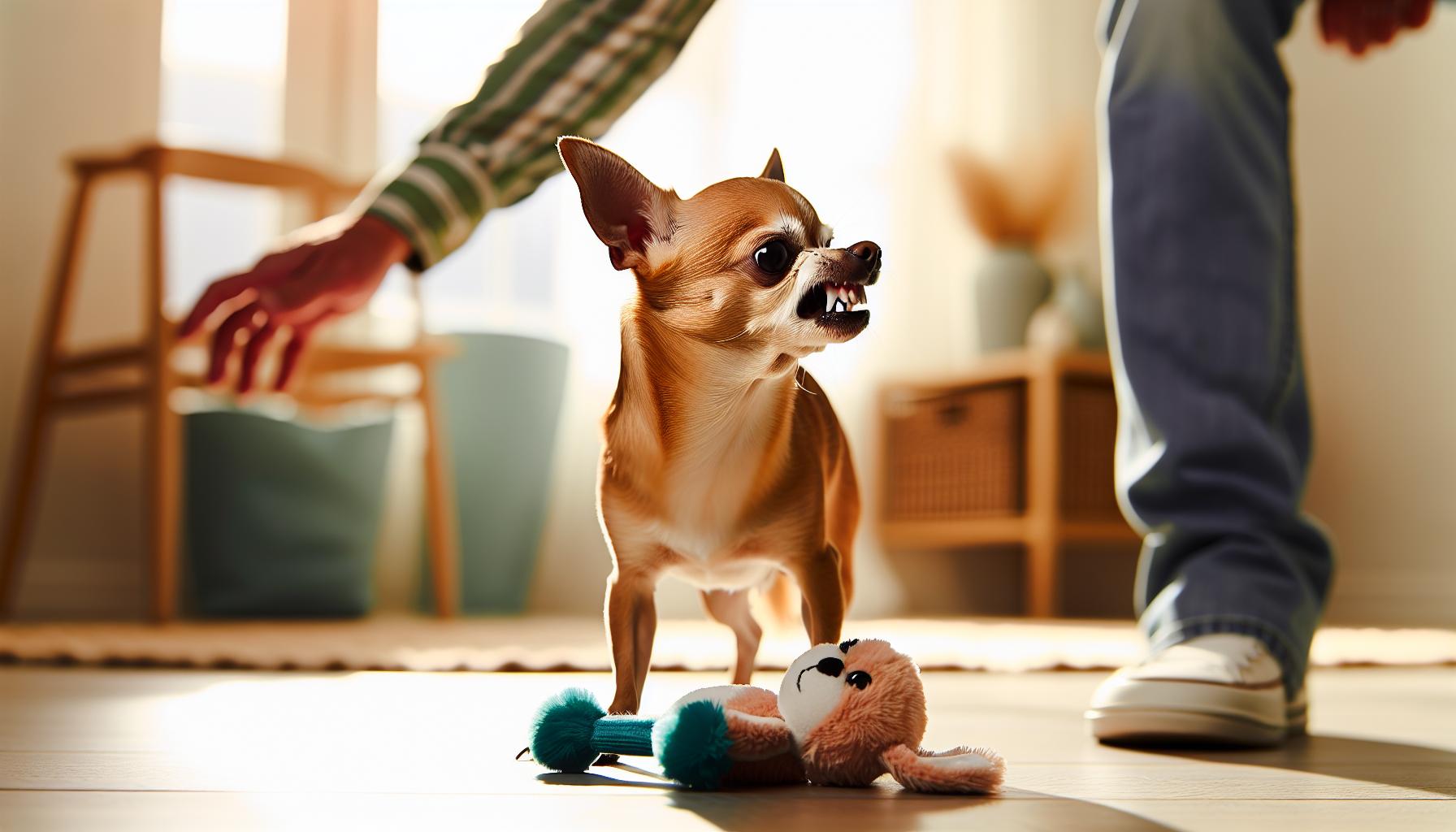
What Triggers Guarding Behavior in Chihuahuas?
Chihuahuas, with their bold personalities, often display guarding behaviors that leave many owners contemplating the triggers behind this instinctual response. These spirited little dogs tend to view their environment through a lens of ownership, leading them to react strongly when they perceive a disruption in their territory. Common triggers for these behaviors can include the arrival of guests, unfamiliar sounds, or the sight of other animals invading their space. For instance, a delivery person approaching your front door might set off a flurry of barking, as your Chihuahua feels compelled to protect their home.
One of the crucial elements that fuels a Chihuahua’s guarding behavior is their innate need for security. In their eyes, your home represents a safe haven. When newcomers enter this space, your Chihuahua may feel threatened and instinctively seek to assert their dominance. This can be observed in a variety of scenarios-perhaps your neighbor’s cat lounging on your porch prompts an immediate response from your pup, showcasing her readiness to defend her domain.
It’s essential to recognize that these protective instincts can also be influenced by a Chihuahua’s past experiences. A previously negative encounter with a stranger or an unfamiliar dog can lead to heightened guarding tendencies. This is particularly true for younger Chihuahuas who are still learning about the world around them. Socialization plays a significant role here; the more positive interactions your Chihuahua has with different people and environments, the more they will learn to distinguish between legitimate threats and friendly faces.
By understanding the specific triggers that provoke your Chihuahua’s guarding behavior, you can take steps to manage it effectively. For instance, gradually exposing her to new people in a controlled manner while rewarding calm behavior can help her build confidence. Remember, patience and consistency are key. With the right approach, you can help your tiny guardian feel more at ease, reducing her urge to protect her perceived territory at all costs.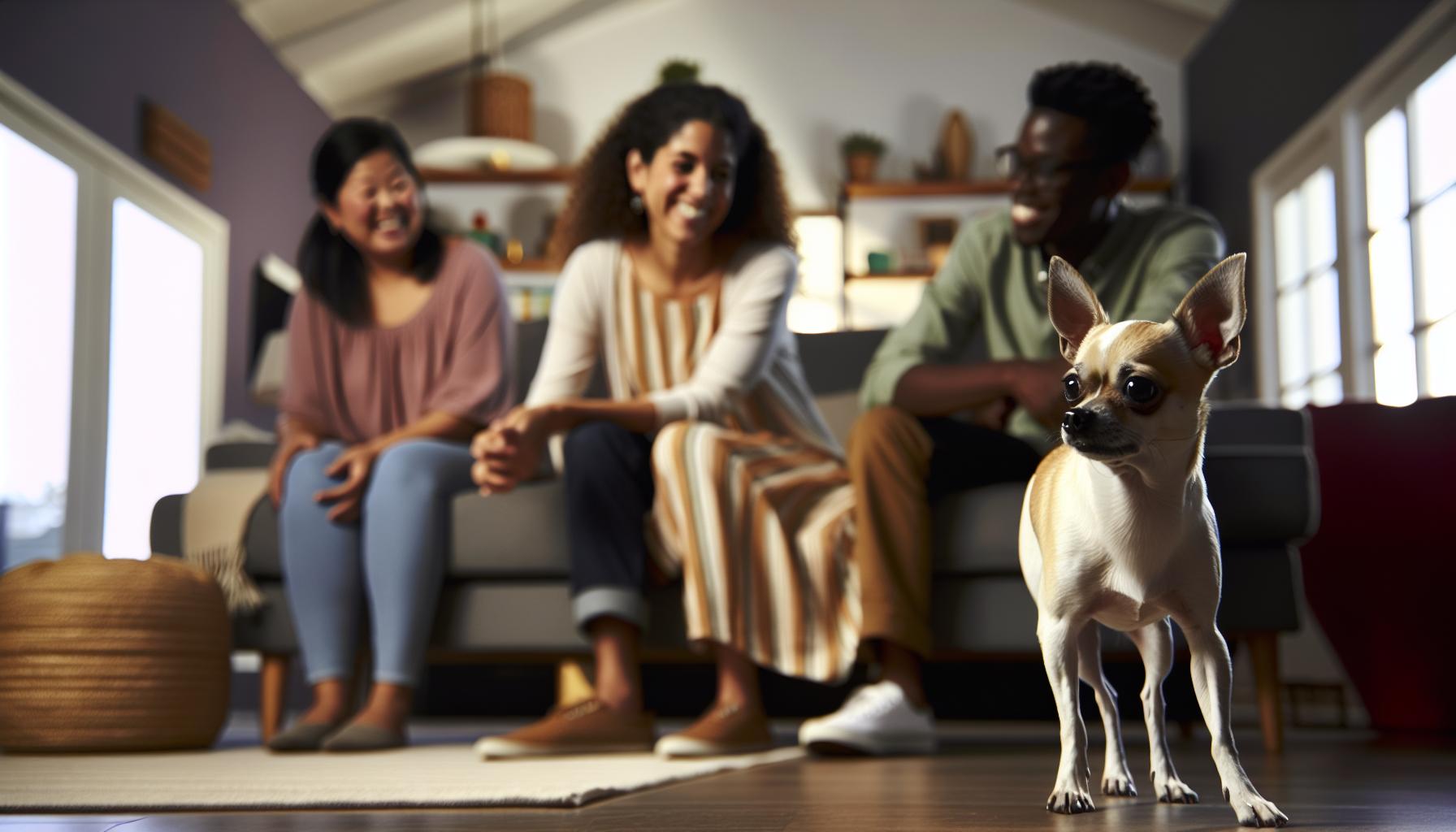
Signs Your Chihuahua is Being Protective
Chihuahuas are tiny guardians with a fierce sense of loyalty and protection for their families. If you’re a proud owner of one of these spirited little dogs, you may have noticed certain signs that indicate your Chihuahua is feeling protective. These indicators can help you understand his feelings and actions better, allowing you to manage his guarding behavior effectively.
One of the most obvious signs is barking. When your Chihuahua hears unfamiliar sounds or senses an unknown presence-like someone arriving at the front door-his volume may increase dramatically. This vocalization isn’t just annoying; it’s his way of sounding the alarm. You might also observe him standing tall with his tail raised and ears perked, showcasing his readiness to defend his territory.
Another common behavior is the establishment of a “watching” position. You may find him perched on furniture or other high spots, where he can survey his domain. This is typical for Chihuahuas who want to keep an eye on the surroundings and feel secure in their ability to react to any perceived threats. Pay attention to how he reacts to people and animals passing by. If he growls or adopts a stiff body posture, it may indicate that he perceives a challenge to his space.
Additionally, physical closeness to you can be a sign of protective behavior. If your Chihuahua feels the need to position himself between you and an approaching individual-especially if that individual is new-he’s likely expressing his desire to protect you. Understanding these signs can enhance your relationship and ensure that you address any protective tendencies in a positive way.
Recognizing these behaviors helps foster a safe environment for both you and your Chihuahua. Every little quirk is part of what makes them such unique companions, and by learning how to read their cues, you can enjoy a harmonious relationship in which both of you feel secure.
Chihuahuas and Socialization: Key to Reducing Territoriality
Socialization plays a critical role in shaping your Chihuahua’s behavior and can significantly reduce their territorial instincts. These little dogs, known for their big personalities, often react strongly to new experiences and environments. The earlier and more effectively you socialize your Chihuahua, the more confident and well-rounded he’ll become. Exposure to a variety of people, places, and other animals helps diminish fears and anxieties that can lead to protective behavior.
One effective approach is to start socialization as early as possible. If you’ve just welcomed a young Chihuahua into your home, introducing him to new sights and sounds can be incredibly beneficial. Simple outings, such as trips to pet-friendly stores or local parks, can help him learn to navigate the world beyond his home. Engage him gently with new friends, both human and canine, allowing him to associate new experiences with positive outcomes. This gradual exposure can help him understand that new people and situations are not threats to his territory.
For Chihuahuas who may already be exhibiting signs of territoriality, consider structured socialization methods such as obedience classes. These environments offer a controlled space for your dog to interact with others while under your guidance. Additionally, making a point to involve your Chihuahua in family gatherings or playdates with other dogs can reinforce the idea that not every visitor is a challenger. You can encourage positive interactions by bringing treats and praise into these scenarios. This not only rewards good behavior but also strengthens your bond as he learns to trust you in unfamiliar environments.
Ultimately, remember that patience and consistency are key. Every small victory in socializing your Chihuahua-be it a calm meet-and-greet with another dog or a relaxed visit from a friend-builds his confidence. Over time, this will help to decrease his instinctual guarding behavior, making him a well-adjusted and happy companion. Socializing your Chihuahua is not only about reducing territoriality; it’s about nurturing his natural curiosity and zest for life, all while celebrating those adorable quirks that make him who he is.
Effective Training Techniques for Guarding Behavior
When addressing guarding behavior in Chihuahuas, it’s essential to recognize that these pint-sized pups carry a mighty personality. Their instinct to protect their territory can be attributed to their courageous nature, but it’s crucial to channel that instinct through effective training techniques. These methods not only help in managing their protective tendencies but also reinforce their bond with you, turning potential challenges into rewarding experiences.
One effective training technique is positive reinforcement. This approach encourages desirable behaviors by rewarding them, fostering a trusting relationship between you and your Chihuahua. For example, if your Chihuahua remains calm during a visit from a new friend, offer him a treat and plenty of praise. This not only reinforces the calm behavior but makes him associate newcomers with positive experiences. Consistent use of treats, toys, or verbal praise as rewards makes training both enjoyable and effective.
Another valuable strategy is desensitization. Start by exposing your Chihuahua to various triggers that he may perceive as threats-doorbells, strangers, or other pets-at a distance where he can observe without reacting. Gradually decrease the distance as he becomes more comfortable. For instance, if a neighbor comes over regularly, have them wait outside until your Chihuahua notices them. Once he displays calm behavior, bring him closer, rewarding him with snacks and affection. This step-by-step approach helps him learn that these situations do not necessitate his protection efforts.
Utilizing structured training sessions can also be beneficial. Implementing basic commands such as “sit,” “stay,” and “leave it” not only enhances obedience but also diverts his attention away from potential triggers. For example, during a family gathering, if your Chihuahua begins to show signs of guarding behavior, a quick “sit” command can help redirect his focus, allowing him to relax instead of viewing guests as potential intruders.
Lastly, stay consistent and patient throughout this training process. Chihuahuas thrive on routine, and sudden changes can create confusion or anxiety. Make daily training a part of your routine, ensuring that sessions are short and fun-ten to fifteen minutes is plenty. Celebrate each small success, recognizing that helping your Chihuahua overcome guarding instincts takes time and commitment. By employing these techniques, you’ll not only manage guarding behaviors but also nurture your Chihuahua’s unique spirit, allowing him to flourish in a welcoming environment.
How to Manage Your Chihuahua’s Territorial Instincts
Understanding the unique personality of Chihuahuas is essential when navigating their territorial instincts. These little guardians are known for their protective nature and fierce loyalty, often treating their home as an empire to defend. However, with effective management techniques, owners can help their Chihuahuas feel more secure and less inclined to act out defensively.
One practical approach is to establish a routine that includes consistent training sessions. Chihuahuas thrive on predictability, so incorporating structured obedience training, such as commands like “sit,” “stay,” and “leave it,” can redirect their focus during potentially triggering situations. For instance, if your Chihuahua starts barking at the doorbell, calmly command him to “sit” and reward him with a treat when he complies. This not only diffuses the situation but reinforces positive behavior. Regular practice helps solidify these commands in his mind, making him more reliable in various scenarios.
Creating a calm and welcoming environment also plays a vital role in managing a Chihuahua’s territorial instincts. This can be accomplished by gradually introducing them to new stimuli. For example, if you have guests over, prepare him in advance by allowing him to investigate their scent on a piece of clothing before their arrival. Combine this with desensitization techniques-exposing him to new people or situations at a distance and rewarding him for calm behavior-even before they enter the house. This prepares your Chihuahua to associate interactions with positive experiences instead of seeing newcomers as intruders.
Lastly, engage in regular socialization activities. Introducing your Chihuahua to a variety of people, pets, and environments will help diminish his need to guard. Start small-perhaps taking him to a dog-friendly café or a dog park during off-peak hours. Praise him and offer treats when he remains calm and relaxed in the presence of others. Building his confidence around new experiences can significantly decrease knee-jerk guarding reactions.
By employing these strategies, you’ll nurture your Chihuahua’s inquisitive character while gently guiding them towards more relaxed behavior in their territory. Remember, it takes time and patience, but the results will result in a happier, more sociable pup who can enjoy his environment-and you can feel secure knowing he’s well-adjusted.
Common Myths About Chihuahuas and Their Guarding Behavior
Many people are surprised to learn that Chihuahuas, despite their small stature, often come with big personalities, especially when it comes to guarding behavior. One common myth is that all Chihuahuas are overly aggressive or territorial. While it’s true that this breed can display protective instincts, not every Chihuahua exhibits extreme guarding behaviors. Understanding their unique temperament is key; they are often just as lovable and friendly as they are watchful.
Another misconception is that Chihuahuas do not require training because they’re small and can be easily controlled. This point of view can lead owners to overlook the significant impact of training on a Chihuahua’s behavior. Just as with larger breeds, Chihuahuas need consistent, positive reinforcement training to help them manage their guarding tendencies. For example, teaching commands like “quiet” or “leave it” can effectively curb vocal outbursts when the doorbell rings or when strangers approach. A well-trained Chihuahua is not only more confident but also more relaxed, realizing that they don’t need to be on high alert all the time.
Many owners also believe that because Chihuahuas are “tiny”, their guarding behavior doesn’t pose much of a problem. However, their size can sometimes amplify their boldness. Chihuahuas may bark fiercely at perceived threats, making them sound much more menacing than they truly are. This behavior, while innate, can create misunderstandings with guests and other pets. It’s important to remember that the combination of a Chihuahua’s vocal nature and their desire to protect can sometimes lead to challenging interactions. Socialization is a crucial remedy; exposing your Chihuahua to new people and environments will help them learn that not every visitor needs to be treated as a threat.
Additionally, myths persist that Chihuahuas can’t be socialized or are naturally unfriendly to other dogs. In reality, many Chihuahuas thrive in social settings when introduced properly and gradually. Their personalities are as varied as their coat types-be it smooth or long-haired, they can be both affectionate companions and confident protectors with the right guidance. Building their confidence through positive experiences can reshape their instinct to guard.
In summary, dispelling these myths not only helps current owners understand their furry companions better but also fosters better relationships with Chihuahuas as they learn to live happily alongside others, whether they are humans or other pets. Emphasizing training, socialization, and understanding of individual personality traits helps create a more balanced and joyful life together.
Creating a Safe Environment for Your Chihuahua
Creating a safe and welcoming environment for your Chihuahua is essential to managing their protective instincts and ensuring they thrive in your home. These little guardians may bark at shadows, but with the right setup, you can help them feel secure without turning every noise into a potential threat.
Start with their space. Designate a cozy, safe area where your Chihuahua can retreat for comfort, complete with a soft bed and some favorite toys. This can be a crate or a quiet corner in the living room. By giving her a dedicated space, she will learn that it’s a secure zone, helping reduce anxiety when unexpected visitors arrive. For instance, an apple-head Chihuahua named Bella perks up significantly when she knows she can retreat to her blanket fort during chaotic moments, allowing her to feel in control.
| Environment Tips |
|---|
| Provide a quiet retreat area with familiar bedding |
| Use baby gates to define boundaries and create safe zones |
| Introduce new people gradually, giving her time to adjust |
| Limit exposure to loud noises that could startle her |
Next, consider the flow of your household. Create a space where your Chihuahua can observe without feeling overly exposed. This could mean placing her bed near a window or an area where she can see the entrance. It promotes confidence as she can assess her domain. However, make sure she has the option to move away from busy activity. Chihuahua owners often report that their pets are calmer when they can choose how much to engage with the family hustle and bustle.
Finally, encourage positive experiences. Pair arrivals of guests with treats and praise, reinforcing that new people bring good things. Over time, she will associate visitors with pleasant outcomes, softening her reactions. One owner, after some consistent approach, found his Chihuahua Chester greeting guests enthusiastically rather than barking from his fortress.
By thoughtfully constructing her environment with safety and engagement, your Chihuahua can feel secure and confident, minimizing guarding behavior and fostering a loving home. This balance of security and socialization not only keeps her happy but strengthens the bond you share.
The Role of Size in a Chihuahua’s Guarding Behavior
Small in stature but large in heart, Chihuahuas have a unique perspective on what it means to be a protector. Their diminutive size often belies their bold guarding instincts, which stem from a deep-seated loyalty to their humans. In their minds, these pint-sized pooches are fierce guardians, ready to defend their territory regardless of their physical limitations. A Chihuahua’s size plays a pivotal role in shaping its guarding behavior; they often feel the need to compensate for their small frame by being exceptionally vocal and assertive.
Because they are small, Chihuahuas may perceive themselves as underdogs in a world much larger than they are. This can lead to a heightened sense of territoriality. A Chihuahua’s tendency to bark at perceived intruders or threats is often a reflection of their instinct to communicate and establish boundaries. They may see themselves as the first line of defense, using their vocalizations to ward off anything they find suspicious. Owners frequently observe this behavior when a friend or family member approaches the door, as their Chihuahua springs into action, barking to announce the arrival.
Understanding the dynamics of a Chihuahua’s size can help owners manage their territorial instincts more effectively. It is important to create an environment where your Chihuahua feels secure and confident. Providing them with a designated space, such as a cozy bed away from foot traffic, allows them to retreat when they feel overwhelmed. Gradual introductions to new people and experiences will also help your Chihuahua learn that not everyone is a threat. For instance, a fellow Chihuahua owner shared how his little companion, Luna, transformed from a barker to a relaxed greeter after several positive experiences with guests. Each time someone new came over, he rewarded her with treats and affection, effectively reshaping her perception of newcomers.
To further support your Chihuahua’s guarding instincts, consider engaging them in training that emphasizes trust and confidence-building. Techniques such as positive reinforcement can teach your furry friend that there is no need to be anxious about unfamiliar situations. Remember, while their size may cause them to feel the need to be vocal and assertive, it’s crucial to guide them in understanding what true guarding means-being confident, calm, and ready to protect without resorting to unnecessary barking. By recognizing the interplay between size and guarding behavior, you can better appreciate the unique quirks that make Chihuahuas such endearing companions.
Real-Life Stories: Chihuahuas in Action
Chihuahuas are often misunderstood due to their tiny size, but these little dogs pack a big personality and fierce loyalty that makes for some amusing and heartwarming real-life stories. Imagine a bustling family gathering, laughter echoing through the house. As guests arrive, it’s not the humans making the most noise-it’s Bella, a spirited apple-head Chihuahua, who proudly takes her position at the door. Her barks are a mix of alertness and enthusiasm, a clear signal that her territory is being encroached upon. According to her owner, Maria, Bella doesn’t just bark; she performs, prancing back and forth as if conducting the entrance.
One afternoon, while Maria was gardening, Bella took her role as protector to a new level. A curious squirrel ventured too close for her liking, and she promptly launched into a full-scale chase, her little legs a blur as she defended her yard. Maria laughed as she noted, “You’d think Bella was guarding the fortress. That squirrel didn’t stand a chance!” This incident vividly illustrates the Chihuahua’s commitment to safeguarding what they perceive as their territory, showcasing their natural instincts and unwavering bravery despite their size.
Notably, Chihuahuas like Bella also display remarkable adaptability to family dynamics. A friend of mine, James, shared the story of his Chihuahua, Paco, who initially had a tough time adjusting to the arrival of a newborn. Paco often barked and seemed distressed whenever the baby cried. Rather than allowing this behavior to escalate, James took proactive steps to help Paco adjust without feeling threatened. He included Paco in family interactions, rewarding him with treats whenever the baby cooed peacefully. Over time, Paco transformed into a watchful guardian, sitting beside the crib, ears perked as he learned to identify the sounds of his new sibling.
These anecdotes highlight the power of socialization and the importance of setting up a puppy for success in a multi-pet home. Whether it’s through positive reinforcement or gradual exposure to new situations, guiding a Chihuahua’s protective instincts can turn what might be perceived as a territorial challenge into a heartwarming display of love and loyalty. With the right approach, your Chihuahua can embody the ideal combination of spirited protector and loving family member, ready to lend courage and affection to those they cherish most.
When to Seek Professional Help for Aggressive Behaviors
It’s essential to recognize that even the most spirited and committed little guardian can sometimes need extra support. Aggressive behaviors in Chihuahuas, especially when triggered by territorial instincts, can escalate from being protective to potentially harmful. If you notice that your Chihuahua is frequently barking excessively, growling at strangers or even showing signs of biting, it may be time to consider reaching out for professional help. Early intervention is key in managing these behaviors; waiting until the problem escalates could lead to more complex issues in the future.
When to Seek Help
Understanding when to consult a professional can be challenging, but certain behavioral signs should not be overlooked. If your Chihuahua exhibits aggression towards family members or guests, or if they feel the need to guard resources like their food, toys, or space extremely aggressively, these are red flags that warrant professional attention. Additional signs include:
- Incessant barking or lunging: This behavior can indicate heightened anxiety or fear.
- Refusal to socialize: If your Chihuahua avoids interactions with other dogs or people, it may signify underlying behavioral issues.
- Escalating reactions: If your dog’s protective behavior starts to increase in frequency or intensity, it is crucial to act.
The Role of a Professional
Trainers and behaviorists can provide valuable insights tailored specifically to your Chihuahua’s needs. They often employ techniques grounded in positive reinforcement, allowing your dog to feel more secure in their environment. A professional can help identify triggers and develop a tailored training plan that addresses aggressive behaviors without compromising your Chihuahua’s lively spirit.
For instance, one owner might recount how her apple-head Chihuahua, Luna, became increasingly fearful and aggressive, especially during neighborhood walks. After consulting with a certified trainer, they were able to introduce controlled exposure to new sights and sounds while reinforcing calm behavior with treats. Over time, Luna learned to manage her anxiety, which significantly reduced her guarding inclinations during these outings.
Final Thoughts
Seeking professional guidance does not mean that you are failing as an owner; rather, it shows your commitment to understanding and nurturing your Chihuahua’s unique character. Every dog is different, and identifying the right approach to help your furry friend learn and grow in a safe, supportive manner can foster a happier, healthier relationship. With patience and the right strategies, even the most territorial Chihuahua can thrive within a loving home.
Frequently Asked Questions
Q: Are Chihuahuas more territorial than other dog breeds?
A: Yes, Chihuahuas often exhibit more territorial behaviors compared to larger breeds due to their instinctual need to guard their space. Their *small size* makes them feel vulnerable, prompting protective actions. Understanding this behavior can help owners manage territorial tendencies effectively.
Q: How can I tell if my Chihuahua is feeling threatened?
A: Signs that your Chihuahua feels threatened include barking, growling, or standing stiffly. They may also display *defensive postures*, such as raising their fur or showing their teeth. Recognizing these signs can help you take appropriate action to reassure your dog.
Q: What can I do to reduce my Chihuahua’s guarding behavior?
A: To reduce guarding behavior, socialize your Chihuahua from a young age and use positive reinforcement training techniques. Providing *consistent structure* and exposure to various environments helps them feel more secure. See our section on “Chihuahuas and Socialization” for detailed tips.
Q: Why do Chihuahuas bond closely with their owners?
A: Chihuahuas are known for their *strong loyalty* and affectionate nature. Their desire to protect their owners often leads to deep emotional bonds, making them feel responsible for their safety. Understanding this can enhance your relationship with your Chihuahua.
Q: What age should I start training my Chihuahua for guarding behavior?
A: Begin training your Chihuahua for guarding behavior as early as 8 weeks old. Early training fosters *healthy habits* and socialization, which can mitigate unwanted territorial instincts. For effective techniques, refer to our “Effective Training Techniques” section.
Q: Can neutering or spaying affect my Chihuahua’s territorial behavior?
A: Yes, neutering or spaying can reduce territorial aggression and mitigate some guarding instincts in Chihuahuas. These procedures often help in promoting better behavior and *calmness*, which benefits both the dog and the owner.
Q: How should I introduce my Chihuahua to new people or pets?
A: Introduce your Chihuahua to new people and pets slowly and calmly. Use *treats* and positive reinforcement to create a positive association. This careful introduction helps alleviate fear and reduces territorial challenges. Refer to our section on “Common Myths About Chihuahuas and Their Guarding Behavior” for further insights.
Q: What should I do if my Chihuahua shows aggression towards visitors?
A: If your Chihuahua displays aggression towards visitors, *immediately remove* them from the situation and redirect their attention. Gradual desensitization to visitors and controlled introductions can help. Consult our section on “When to Seek Professional Help for Aggressive Behaviors” for more tactics.
To Conclude
Understanding your Chihuahua’s guarding behavior is just the beginning of creating a harmonious home. By recognizing their unique traits-like their loyalty, boldness, and vocal nature-you can better address any territorial tendencies. Remember, these little dogs need proper socialization and training to thrive. If you’re looking for more tips, check out our guides on Chihuahua care and behavior to deepen your knowledge.
Don’t miss out on the chance to connect with other Chihuahua lovers in our community! Share your experiences in the comments below and explore our resources for training techniques and health care advice. Sign up for our newsletter to receive the latest tips and insights directly to your inbox. Your journey with your Chihuahua is just starting-let’s make it a great one together!
Get our latest guides, news, and insights highlighted in your Google Search & AI Overviews.