

When you think of guard dogs, the image of a massive protector often comes to mind. Yet, Chihuahuas, despite their petite stature, can possess surprising protective instincts. These little warriors are fiercely loyal and often see themselves as the guardians of their families. But what drives this bold behavior in such a tiny package? Understanding whether Chihuahuas are truly protective gives insight into their unique personalities and can help you strengthen the bond you share with your little companion. If you’re a first-time owner or an experienced Chihuahua enthusiast, discovering how these spirited dogs balance their boldness with their playful nature can enhance your journey together and ensure a harmonious home. Read on to explore the fascinating blend of courage and affection in these tiny guardians.
Are Chihuahuas Naturally Protective?
Chihuahuas may be small, but their hearts are big, and many owners find that their little companions exhibit surprisingly protective instincts. While they may not be the traditional guard dogs one might envision, Chihuahuas are known for their fierce loyalty and vigilance. Their natural behaviors often stem from a deep-rooted need to protect their territory and those they love. You’ll find that many Chihuahuas have a strong desire to alert their owners to any perceived threats, which can manifest through barking or standing their ground against unfamiliar situations.
To understand their protective nature, consider the Chihuahua’s history. This breed has been a companion to humans for centuries, often serving as a lap dog for nobility. This close bond has cultivated an instinctive desire to guard their humans, leading to what some refer to as “small dog syndrome.” Despite their petite size, they possess an unwavering courage that belies their stature. Owners often share stories of their Chihuahuas bravely standing up to much larger animals, proving that bravery isn’t measured by size but by spirit.
However, it’s important to recognize that not all Chihuahuas will display the same protective behaviors. Factors such as socialization, individual personality, and even genetics play significant roles. While some may instinctively bark at strangers or stand guard by your side, others may be more reserved and less inclined to protect their home. Effective socialization from a young age can help gauge and nurture these instincts, ensuring that your Chihuahua feels comfortable and confident in various environments.
In sum, yes, Chihuahuas can be naturally protective, showing their loyalty in uniquely courageous ways. By understanding and nurturing these instincts, you can appreciate the quirky, bold nature of your little guardian while ensuring they grow into well-rounded companions.
Understanding the Guard Dog Instincts in Chihuahuas
Chihuahuas may be small, but their impressive guard instincts often surprise those who expect a docile companion. These pint-sized pooches possess a natural inclination to protect their territory and their humans, a characteristic that stems from their long history as loyal companions. Understanding these instincts can enhance your relationship with your Chihuahua and help you appreciate their unique personality.
One of the defining attributes of Chihuahuas is their characteristic alertness. Despite their size-usually ranging from 2 to 6 pounds-many Chihuahuas are known to be vocal watchdogs. They readily bark at unusual sounds or unfamiliar visitors, alerting their owners to potential threats. This instinct is often tied to their close familial bonds; Chihuahuas develop a keen sense of their immediate surroundings and the people within them. For instance, an owner may notice that his Chihuahua barks at the mailman but remains calm around familiar faces, showcasing an instinctual protective behavior.
The Role of Environment
The environment in which a Chihuahua grows up can have a significant impact on its protective tendencies. Early exposure to different people, animals, and situations can either bolster or dampen a Chihuahua’s natural instincts. For example, a well-socialized Chihuahua who interacts positively with strangers is likely to respond with curiosity rather than aggression, while one that is shielded from new experiences may act defensively around newcomers. As such, introducing your fluffy friend to varied settings is crucial in shaping their behavior.
Real-Life Examples
Chihuahua owners often share delightful stories about their pets’ protective antics. For instance, one owner recounted how her “Apple-head” Chihuahua bravely chased off a neighborhood cat that wandered too close to their door. Another owner described how her Chihuahua would position herself between her owner and guests, barking assertively until she deemed the visitors friendly. Such stories illustrate how even the smallest dogs can embody immense courage and loyalty.
Understanding these instincts allows you not only to appreciate your Chihuahua’s protective behaviors but also to guide them appropriately. By nurturing these traits through positive reinforcement during training sessions, you can help develop confident little guardians that are protective, yet sociable. Balancing their natural urge to protect with ongoing socialization is key to raising a well-rounded companion.
How Size Affects a Chihuahua’s Protective Behavior
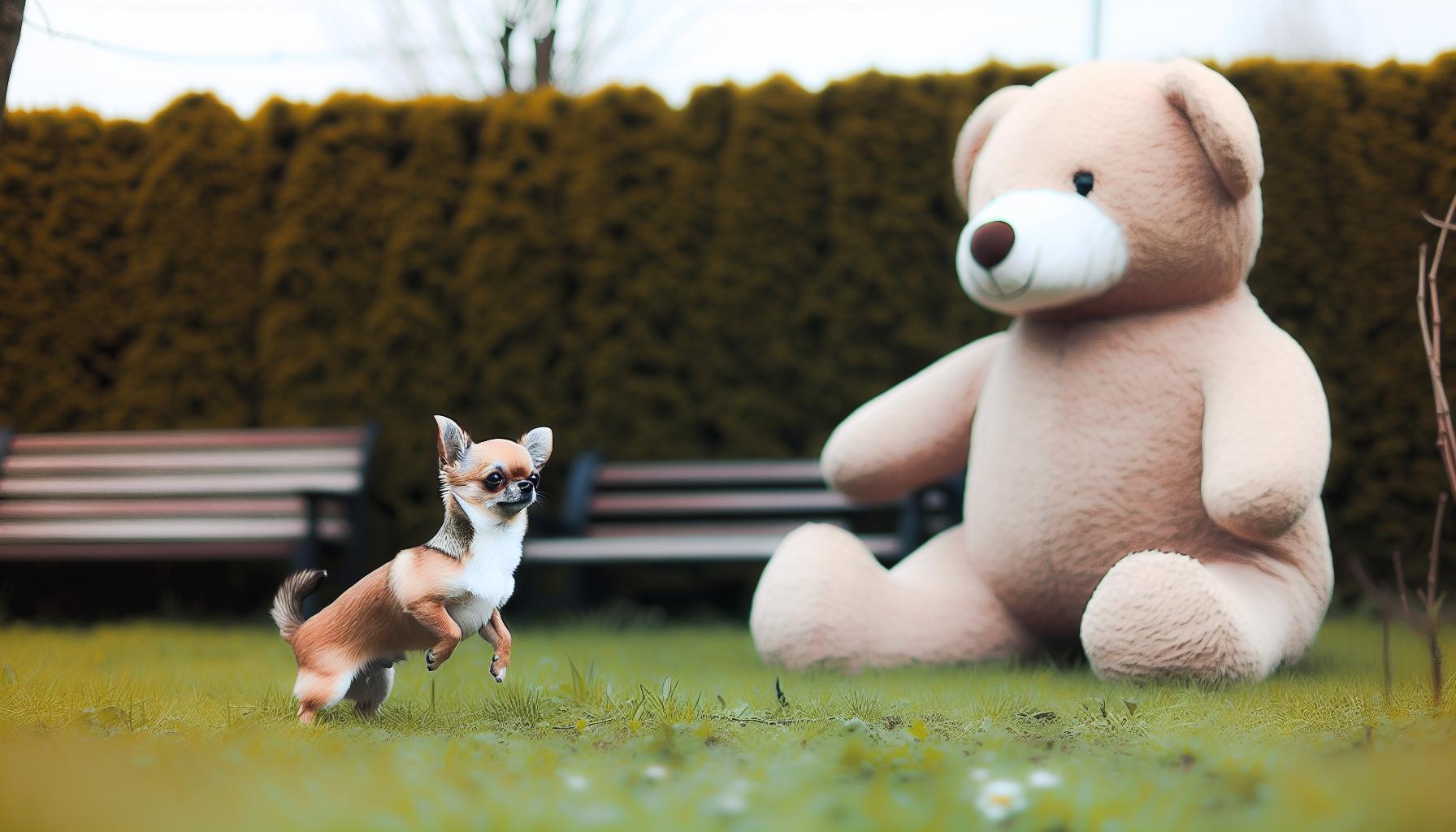
Despite their diminutive size, many Chihuahuas possess an unwavering belief in their ability to protect their homes and families. This fierce guard instinct often surprises those who view them merely as small lap dogs. Their small stature, usually between 2 to 6 pounds, does little to dampen their boldness or determination. In fact, many Chihuahua owners can attest to their pets’ remarkable ability to sound the alarm at the slightest hint of an intruder or unfamiliar noise. This behavior can stem from a combination of instinct and their innate desire to defend their territory.
Interestingly, a Chihuahua’s size can influence how they display their protective tendencies. While they may not be physically intimidating like larger breeds, Chihuahuas often compensate with assertiveness and vocalization. Their loud barks can serve as a surprisingly effective warning system. For example, a Chihuahua named Bella would guard her family’s driveway, barking ferociously at passing cars and pedestrians. Although Bella might not physically deter anyone, her fierce warning let everyone know she was on guard, showcasing how size is less significant than sheer spirit when it comes to protective behavior.
The Impact of Socialization
Their size, however, can pose challenges in social settings. Chihuahuas often rely on vocal alerts rather than physical confrontations, which can be misinterpreted. Owners must navigate this delicate balance by ensuring their Chihuahuas feel secure enough to express their protective instincts without crossing into aggression. An effective approach is gradual socialization-introducing them to new experiences and stimuli can help them learn to distinguish between genuine threats and harmless visitors.
Engaging in positive reinforcement during these encounters not only reinforces desirable behaviors but also builds your Chihuahua’s confidence. Owners should remember that while their Chihuahuas might be small, their hearts and instincts to protect are as vast as any larger breed. Through thoughtful training and socialization, your Chihuahua can become a confident and loving guardian, unbothered by their size, equipped with the spirit of a protector.
Chihuahua Temperament: Traits That Foster Loyalty
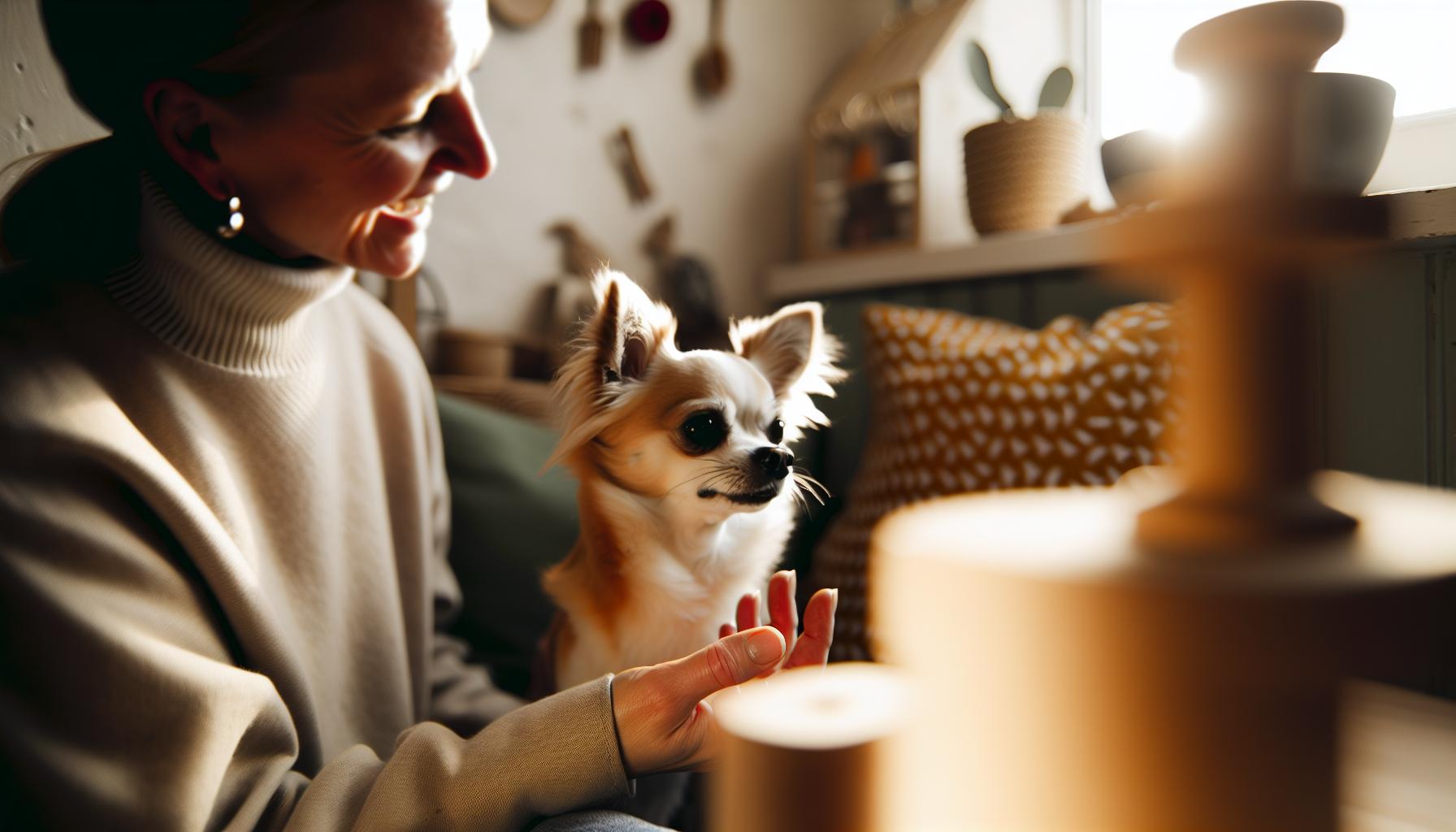
Chihuahuas are often seen as tiny companions, but their temperament reveals a remarkable depth of loyalty and protectiveness that can surprise even seasoned dog owners. This breed, known for its vibrant personality, exhibits traits that foster an unwavering bond with their families, making them natural guardians despite their miniature size. The Chihuahua’s loyalty stems from a strong pack mentality. They thrive on companionship and are often very attached to their human family members. This devotion can manifest as a protective instinct, where your little buddy feels motivated to safeguard you and your home.
Strong-willed and confident, Chihuahuas are not easily intimidated. Their vocal nature serves as a significant aspect of their protective repertoire; a loud bark from such a small dog adds to their alertness, ensuring potential threats-and family members-are made aware of their presence. Many owners recount tales of their Chihuahuas bravely confronting larger dogs or strange noises, showcasing their boldness and fearless spirit. For example, one owner described how her apple-head Chihuahua, Coco, stood her ground against an intruder who approached her home, barking with conviction as if to say, “You’re not welcome here!”
It’s essential to recognize the impact that positive reinforcement and proper training can have on developing these protective traits. Encouraging your Chihuahua to safeguard your home in a healthy manner-without tipping into excessive barking or aggressive behavior-fosters confidence. Engaging your pet in activities such as obedience training and socialization can enhance their instincts while allowing them to differentiate between real threats and harmless scenarios. For instance, a well-socialized Chihuahua is less likely to bark at every visitor, learning to reserve their protective responses for when it truly counts.
Moreover, the unique mix of characteristics within the breed-whether your Chihuahua has a smooth or long coat, or bears distinctive markings-contributes to their personal charm and temperament. Embrace these traits and nurture your Chihuahua’s instincts with understanding and love. With the right care, your little protector will grow into a loyal companion, always ready to defend their family with a heart as big as their bark.
Recognizing Signs of a Protective Chihuahua
Chihuahuas may be small, but their protective instincts can be surprisingly pronounced. A keen owner will quickly recognize when their little companion steps into the role of a guardian. One of the most notable signs is the infamous “Chihuahua bark.” When faced with potential threats-be it an unfamiliar person or a strange noise-your Chihuahua might unleash their formidable bark, clearly indicating their willingness to alert you and stand their ground. This vocal nature, combined with an intense focus on the perceived danger, highlights their protective instincts.
Another telltale sign of a protective Chihuahua is their body language. Look for behaviors such as raised fur along their back, a stiff tail held high, and a generally alert posture. These physical cues indicate they are on high alert and prepared to defend. For instance, if your apple-head Chihuahua adopts a defensive stance while watching strangers from the window, it’s a clear indication of their protective behavior. They often position themselves between you and what they perceive as a threat, showcasing their instinct to shield you, even if it’s against something as mundane as a passing squirrel.
When social interactions occur-whether with new people or other pets-watch how your Chihuahua responds. Protective Chihuahuas may initially approach with caution, keeping a wary eye on anyone who comes near their owner. They might also show hesitation before allowing new friends to pet them, often seeking your reassurance before feeling comfortable. This act of careful evaluation is not just natural curiosity; it’s an inherent instinct to protect their territory and loved ones.
Understanding these signs is crucial for fostering a healthy protective instinct in your Chihuahua. If your little guardian frequently displays anxious or aggressive behaviors, it’s essential to guide them through positive reinforcement. Rewarding calm behavior during new encounters can help alleviate their stress, enabling them to differentiate between genuine threats and harmless situations. This way, your Chihuahua can thrive as a confident protector while maintaining harmony in your home. Remember, embracing their quirks and supporting their instincts with training and love will ensure your Chihuahua remains a loyal companion and effective guardian.
Common Misconceptions About Chihuahuas as Guard Dogs
Chihuahuas are often underestimated due to their size; many people assume that because these little dogs weigh no more than a bag of flour, they can’t be effective guard dogs. However, this sentiment misses the heart of a Chihuahua’s protective nature. Despite their small stature, Chihuahuas possess a fierce spirit and a determination to defend their home and loved ones. The stereotypical image of a fierce protector might be a large breed, but Chihuahuas prove that heart and loyalty matter more than size.
One common misconception is that Chihuahuas are merely yappy and not capable of serious protective behavior. In reality, their vocalizations are often a first line of defense, used to alert their owners of potential threats. That infamous bark isn’t just noise; it’s an expression of their instinct to protect. Living with an apple-head Chihuahua, for instance, you may notice how he barks not only to inform you of a stranger at the door but also to convey his unease about the situation, showcasing an inherent awareness far beyond what many assume.
Another misunderstanding is that Chihuahuas are social butterflies that will willingly welcome strangers. While some can be quite friendly, many are cautious, evaluating new people before warm acceptance. This reticence can be misconstrued as aggression, but it is often rooted in a protective instinct. Owners should foster this cautious behavior by gradually introducing their Chihuahua to new faces in a comforting manner, so they learn that not every new person poses a threat.
Furthermore, people frequently overlook the importance of training in developing a Chihuahua’s guard dog instincts. Many assume their little protector will naturally know when to be defensive. In truth, consistent training and positive reinforcement are vital. For example, when your Chihuahua responds well to an unfamiliar visitor by barking instead of lunging, rewarding this calm behavior creates a balance between protecting you and maintaining social harmony. The drive to be your protector is strong in Chihuahuas, and with the right guidance, they can flourish into confidence-filled guardians.
Embracing their quirks and understanding their behavior allows us to appreciate the unique role Chihuahuas play in our lives as protective companions. They may be small, but their ability to care for their owners is genuinely monumental.
How to Train Your Chihuahua for Protective Behavior
Training your Chihuahua to embrace their protective instincts can be an empowering journey for both you and your spirited companion. These little guardians may be small in stature, but with the right guidance, they can become confident protectors of their home. By utilizing positive reinforcement and understanding their unique personality traits, you’ll help cultivate their natural protective behavior effectively.
One of the first steps in this training process is to establish a solid foundation of obedience. Chihuahuas thrive on routine and clarity. Begin with basic commands like “sit,” “stay,” and “come.” These are crucial in managing their protective impulses. For instance, if your Chihuahua barks at an approaching stranger, call them to you and reward them for returning. This teaches her that responding to your command is just as important as alerting you to potential threats. Positive reinforcement-using treats or praise-ensures your Chihuahua associates obedience with rewards.
Socialization is equally vital in shaping a well-rounded protective demeanor. Early exposure to various environments, people, and other animals helps your Chihuahua learn to differentiate between real threats and normal occurrences. Start by introducing her to friends or family members in controlled settings, allowing her to assess new people at her own pace. You can gradually expose her to bustling areas or friendly pets, reinforcing positive interactions with treats or affectionate praise. This experience helps her gain confidence, reducing anxiety when facing unfamiliar situations.
Moreover, it’s essential to recognize and reward your Chihuahua’s protective traits. If she barks when someone knocks at the door, praise her for being alert and encourage her to calm down afterward. This not only reinforces the behavior you want but also helps her learn when it’s appropriate to be vocal. If her barking becomes excessive or aggressive, redirect her with a command and reward her once she settles down.
Lastly, consistency is key. Make training sessions short-around five to ten minutes-so she remains engaged and focused. Daily practice strengthens her skills while deepening your bond. With patience and regular training, your Chihuahua will not only respond to protective instincts but also thrive as a loyal companion who knows her place in your home-a tiny guardian with a big heart. Embracing her quirks and celebrating her progress along the way will make the training experience fulfilling and enjoyable for both of you.
The Role of Socialization in Protective Chihuahuas
The characteristic boldness of Chihuahuas often surprises those who encounter them. Despite their petite size, these little dogs possess a spirited nature that can translate into impressive protective instincts, especially when they’re well-socialized. Socialization plays a pivotal role in shaping how your Chihuahua perceives the world around them. Early and consistent exposure to a variety of people, environments, and other pets can enhance their confidence and help them navigate potential threats more effectively.
Starting from a young age, introducing your Chihuahua to different situations allows them to develop a keen judgment about what constitutes a true threat versus harmless stimuli. For instance, meeting new people should be a gradual process-allowing your pup to observe from a distance before approaching can help them feel secure. This method is especially important for our Apple-head Chihuahuas, who might initially be more reserved. By rewarding your dog with treats and praise during these introductions, you reinforce a positive association with new experiences, bolstering their confidence to act protectively when necessary.
Moreover, regular outings to dog-friendly parks or busy shopping areas can help expose your Chihuahua to various stimuli, from loud noises to other animals. During these outings, watch for signs of anxiety or overexcitement; these are opportunities to train them to remain calm and focused. For example, if they react loudly to a stranger, gently redirect their attention back to you and reward them for a calm response. This approach not only emphasizes the importance of socialization but helps them discern between safe situations and those that warrant alertness, paving the way for them to serve as dependable little guardians of your home.
In each of these experiences, it’s vital to maintain a consistent routine and positive reinforcement. Using short and engaging training sessions helps keep your Chihuahua in a learning mindset and strengthens your bond. By embracing the quirks that make Chihuahuas so special-like their vocal nature-we can mold their protective instincts into behaviors that not only safeguard our homes but deepen our companionship with these loyal little friends.
Real-Life Stories: Chihuahuas Who Defended Their Owners
One of the most surprising aspects of owning a Chihuahua is their unwavering loyalty and protective spirit. Despite their small size, many Chihuahuas have made headlines for defending their owners against unexpected threats. Take the heartwarming story of Bella, a tiny Apple-head Chihuahua who bravely barked and nipped at a larger dog trying to invade her family’s yard. Her owners were astounded by her boldness, showing that a little courage can come in a small package. Bella’s actions not only scared off the intruder but also showcased the fierce loyalty that many Chihuahuas possess.
Another remarkable incident involved a Chihuahua named Max, who alerted his sleeping owner to a fire that had started in the kitchen. As the smoke filled the house, Max jumped onto the bed and barked persistently until his owner woke up. This quick thinking not only saved the owner but also exemplified how deeply connected Chihuahuas are to their families. Their keen senses and protective instincts make them not just companions but watchful guardians, ever alert to changes in their environment.
Chihuahuas have also been known to defend family members against perceived threats, no matter if the intruder is human or animal. A story from a proud owner reveals how her Chihuahua named Coco scared off a would-be thief. When the thief attempted to approach the door, Coco launched into an impressive cacophony of barks that startled the intruder, causing him to flee. These fearless acts highlight how, with the right encouragement and socialization, Chihuahuas can exhibit remarkable protective behaviors that surprise those who underestimate them due to their small stature.
It’s essential to remember that fostering this protective nature begins with building a strong bond and confidence in your Chihuahua. Engaging in training and socialization not only enhances their skills but also reinforces their instincts to protect you. Encourage your Chihuahua’s bravery through positive reinforcement and proper exposure to various environments, which can nurture their natural instincts into a reliable safeguard for your home. With the right guidance, even the tiniest furballs can act as formidable protectors.
Health Considerations for a Alert and Protective Chihuahua
Owning a Chihuahua, especially one with a protective streak, comes with a unique set of challenges and joys. Just like any small breed, health considerations play a vital role in maintaining your pup’s alertness and protective behavior. Keeping your little guardian healthy can significantly contribute to their instinctual protective nature, and it starts with understanding their specific health needs.
Chihuahuas are prone to certain health issues that can affect their energy levels and overall demeanor. These can include dental problems, heart conditions, and patellar luxation, which is a dislocated kneecap. Regular veterinary check-ups are crucial. Ensure your furball receives a balanced diet rich in essential nutrients to promote good health. High-quality small breed kibble supports their metabolism, while supplements like Omega-3 fatty acids can foster a shiny coat and reduce inflammation, keeping them active and alert.
Exercise is another key factor. Despite their size, Chihuahuas require daily physical activity to maintain their alertness and energy levels. A well-exercised Chihuahua is more likely to respond quickly to perceived threats. Short walks, interactive playtime, or even agility training can keep their minds sharp and bodies fit. Owners like Julia, whose spirited Chihuahua, Gus, thrives on agility courses, find that it not only builds confidence but also enhances protective instincts.
Additionally, consider mental stimulation as part of your Chihuahua’s regimen. Puzzle toys and training sessions can keep their minds engaged. Engaging your pup in learning new commands or tricks can boost their confidence and strengthen their bond with you, ultimately fostering a protective nature. It’s essential to keep their environment safe and secure, minimizing stressors that could lead to anxiety – a common issue in this breed that can detract from their protective instincts.
Lastly, socializing your Chihuahua from a young age helps them become more comfortable in various situations, allowing them to react appropriately to threats rather than out of fear. Positive experiences with new people and environments can lay a strong foundation for confident protectiveness. Remember, a well-rounded, healthy Chihuahua is not just more likely to be alert but also happier and more connected to you.
Tips for Enhancing Your Chihuahua’s Confidence
Building your Chihuahua’s confidence is essential, especially if you want to tap into their natural protective instincts. These tiny guardians may be small, but their bold personalities often surprise us. When a Chihuahua feels secure and confident, they are more likely to protect you and their territory. Here are some effective strategies to foster that confidence.
Regular Exercise and Play
Ensuring your Chihuahua gets ample physical activity is crucial for building confidence. Daily walks and play sessions not only help them burn off energy but also allow them to explore their environment. Engage in fun activities like fetch or agility training. For instance, my friend Lisa found that her Chihuahua, Benny, grew significantly more self-assured after participating in small agility courses, where he learned to navigate tunnels and jumps. The excitement of mastering new skills directly boosts their confidence and encourages them to tackle new challenges fearlessly.
Positive Reinforcement Training
Incorporate positive reinforcement methods during training to enhance your Chihuahua’s self-assurance. Reward them generously with treats, praise, or playtime when they respond well to commands or display bold behavior. Start with basic obedience commands, gradually introducing more complex tricks. This approach reassures them that they’re making the right choices in various situations. For example, instilling the “stay” command can give them the confidence to hold their ground instead of retreating in uncertainty.
Socialization Experiences
Socialization is key to developing a well-rounded, confident Chihuahua. Introduce them to different environments, people, and other dogs from a young age. Positive experiences during these interactions help them feel safe and secure in their surroundings. Attend puppy classes or arrange playdates with other friendly dogs. As they become accustomed to different stimuli, their fear and anxiety will diminish, transforming them into alert little protectors rather than timid companions.
Creating a Safe Space
Lastly, ensure your Chihuahua has a safe space where they can retreat when feeling overwhelmed. This could be a cozy bed in a quiet part of your home or a designated crate where they feel secure. Allowing them the option to step away from stressful situations can help reduce anxiety and promote a sense of security.
Building a confident Chihuahua is an ongoing journey, but with patience, love, and the right activities, your little guardian can thrive as both an affectionate companion and a brave protector.
The Unique Quirks of Being a Protective Chihuahua Owner
Being the owner of a protective Chihuahua is like being a guardian to a tiny, spirited warrior. These little dogs may weigh only a few pounds, but their hearts and personalities are immense. You might find it amusing how fiercely they defend their territory, often barking at the slightest rustle outside or at unsuspecting visitors with enthusiastic vigor. These traits, while endearing, do hold a unique set of quirks that come with being a protective Chihuahua owner.
One of the most charming aspects of Chihuahuas is their loyalty. Once they bond with you, they become devoted companions. This loyalty can turn into fierce protectiveness, as they see themselves as your guardian. For example, many Chihuahua owners have shared stories of their dogs alerting them to unusual sounds at night. It’s not uncommon for a Chihuahua to leap into action, barking fervently to warn their humans of any perceived danger, no matter how small it might be. This instinct to protect can sometimes lead to humorous situations, like when they defend you against inanimate objects such as falling leaves or the neighbor’s cat.
Another quirk is their vocal nature. Chihuahuas love to “speak” their minds, which can be both entertaining and challenging. Their barks can be startlingly loud for their size, especially when they feel the need to warn you of another dog’s presence or any new arrival, even if it’s just the mailman. As an owner, you may learn to discern between their different barks-what’s a friendly greeting versus an urgent alarm. Managing this barking can require patience and training, but it also helps in strengthening the bond between you and your little guardian.
Incorporating socialization and training into their routines is vital not only for your Chihuahua’s confidence but also to fine-tune their protective instincts. A well-socialized Chihuahua may still be alert and protective, but they’re less likely to bark incessantly or challenge every person they encounter. Engaging in training exercises, like teaching them the “quiet” command, can help balance their instincts. Remember, a confident Chihuahua is often a calmer one, making your protective pooch a well-rounded companion.
Lastly, enjoy the quirky moments that come with owning such a feisty little protector. Whether it’s their silly antics when meeting new friends or the way they try to assert dominance over much larger dogs, these traits enrich your life in ways you may never have expected. Embrace the uniqueness of your Chihuahua’s personality; after all, they are a one-of-a-kind companion who just happens to take their role as guardian to heart!
FAQ
Q: Do Chihuahuas bark a lot when they feel protective?
A: Yes, Chihuahuas are known for their vocal nature. When they feel protective, they may bark to alert their owners to perceived threats. This behavior is part of their instinctual guard dog traits. Training can help manage excessive barking while still allowing them to express their protective instincts.
Q: How can I tell if my Chihuahua is being protective or just anxious?
A: Protective Chihuahuas may exhibit behaviors such as barking, growling, or standing their ground when they sense a threat. In contrast, anxiety can lead to hiding or cowering. Observing their body language and context can help you distinguish between the two.
Q: Are Chihuahuas suitable guard dogs for families with children?
A: Chihuahuas can be protective of their family, including children, but their temperament varies by individual. Socialization and training from a young age are critical to ensuring they are both protective and gentle around kids. Always supervise interactions to ensure safety.
Q: What training methods work best for fostering a protective behavior in my Chihuahua?
A: Positive reinforcement training is highly effective for encouraging protective behavior. Praise and rewards for alerting you to noises or approaching strangers can reinforce their instincts. Ensure training is consistent to develop confidence while maintaining obedience.
Q: Can an untrained Chihuahua still exhibit protective behavior?
A: Yes, untrained Chihuahuas can display protective instincts as part of their natural behavior. However, without training, these instincts might manifest in undesirable ways, such as excessive barking or aggression. Training is essential for channeling their protective nature positively.
Q: Why do some Chihuahuas act more protective than others?
A: The level of protectiveness in Chihuahuas varies based on genetics, socialization, and individual personality. Factors like early experiences and environment significantly influence their behavior. Understanding your Chihuahua’s unique traits can help you nurture their protective instincts appropriately.
Q: What are some signs that indicate a Chihuahua feels threatened?
A: Signs that your Chihuahua may feel threatened include growling, raised hackles, a stiff tail, and intense barking. They may also position themselves between you and the perceived threat. Recognizing these signs early can help mitigate potential issues.
Q: How does socialization impact a Chihuahua’s protective instincts?
A: Socialization is crucial in shaping a Chihuahua’s protective instincts. Early and positive exposure to various environments, people, and animals can help them differentiate between real threats and non-threatening situations. Socialization can prevent unnecessary anxiety and over-protectiveness.
Future Outlook
In summary, Chihuahuas can be surprisingly protective, driven by their strong loyalty and guarding instincts. As owners, understanding these qualities helps you nurture your pup’s natural behaviors while also considering their unique needs, like socialization and training. If you want to delve deeper into training tips or health advice specific to your Chihuahua, check out our articles on effective socialization techniques and common health concerns specific to smaller breeds.
Ready to give your tiny guardian the best life possible? Explore our resources for tailored products and expert insights that keep your Chihuahua happy and healthy. Don’t forget to subscribe to our newsletter for the latest tips and community stories from fellow Chihuahua enthusiasts. Share your experiences in the comments below-your stories may inspire future owners! Your journey with your little protector is just beginning; let’s continue it together!
Get our latest guides, news, and insights highlighted in your Google Search & AI Overviews.