

Chihuahuas are known for their bold personalities packed into tiny bodies, and with that comes a possessive nature that many owners notice. This jealousy can manifest when they feel like their territory or their favorite human is being threatened, leaving us to wonder: Are Chihuahuas inherently jealous dogs? Understanding this behavior is crucial for effective training and fostering a harmonious home. Many Chihuahua owners grapple with managing jealousy, especially when introducing new pets or changes in their routine. By exploring the roots of this possessiveness-whether it’s linked to their loyalty, their love for attention, or even their unique health and behavioral traits-we can learn how to nurture a balanced environment for our beloved companions. Dive into this article to discover insights, tips, and real owner experiences that shine a light on the affectionate yet possessive nature of our delightful Chihuahuas. Your journey to better understanding your feisty friend starts here!
Are Chihuahuas Naturally Jealous? Understanding Their Instincts
Chihuahuas are known for their bold personalities, and their tendency towards jealousy can often surprise new owners. This breed is fiercely loyal and protective of their humans, which can sometimes morph into possessiveness, especially when they feel their bond is threatened. This instinct stems from their ancestral roots as tiny dogs bred for companionship; they thrive on attention and affection, making them particularly sensitive to changes in their environment or the dynamics with other pets.
Understanding why your Chihuahua may display jealousy is key to addressing it effectively. Unlike larger breeds, Chihuahuas often feel that they need to assert themselves, partly due to their small stature. They might perceive competition from new pets, visitors, or even other people vying for your affection. Common signs of jealousy include growling, barking, and attempts to push other pets away from you-behavior that is not necessarily aggressive but rather a reflection of their deep-seated attachment to you.
To foster a balanced and harmonious home, it’s crucial to manage your Chihuahua’s jealousy with appropriate socialization and training strategies. Here are some practical tips:
- Establish routines: Predictability can help your Chihuahua feel more secure, reducing anxiety that leads to jealousy.
- Encourage positive interactions: When introducing new pets or visitors, reward your Chihuahua with treats and praise for calm behavior to reinforce good associations.
- Give individual attention: Make sure to spend quality time with each pet to prevent feelings of neglect or competition.
By understanding these instincts and actively working to integrate your Chihuahua’s needs with those of other pets, you can cultivate not just a peaceful environment but also one that celebrates the close bonds characteristic of this charming breed.
The Possessive Nature of Chihuahuas: What to Expect

Chihuahuas are small dogs with big personalities, and their possessive nature is one of the defining traits of the breed. These devoted companions often feel that they must defend their territory and their humans from perceived threats, whether that means other pets or even visitors. This behavior is deeply rooted in their history as companion dogs; they were bred to be close to their owners, thriving on affection and attention. Because of this unique background, it’s not uncommon for Chihuahuas to display signs of jealousy when they feel their bond with you is challenged.
You might notice your Chihuahua becoming more vocal or acting out when another pet approaches you. This possessiveness isn’t necessarily aggressive; instead, it’s a way for your Chihuahua to express their need for attention and reassurance. They might growl softly, bark sharply, or even try to wedge themselves between you and others. For instance, one owner shared that her Chihuahua would bark furiously if her partner attempted to cuddle with her on the couch, clearly indicating that he believed he was the rightful recipient of her affection. Understanding these behaviors is crucial for managing them effectively.
To help your Chihuahua feel secure and confident, it’s essential to create an environment that supports their emotional needs. Establishing routines can be incredibly beneficial; knowing when they will receive playtime, meals, or cuddles can help ease their anxiety. Additionally, when introducing new pets or friends into your home, it’s wise to facilitate positive interactions. For example, reward your Chihuahua with treats and praise when they remain calm during these introductions. Over time, this can help them understand that new friends don’t diminish their place in your heart.
Finally, remember that a Chihuahua’s possessiveness often stems from a place of love and loyalty. By recognizing and addressing these behaviors, you can foster a deeper, healthier bond with your furry friend while encouraging a more harmonious environment in your home.
Signs Your Chihuahua is Feeling Jealous
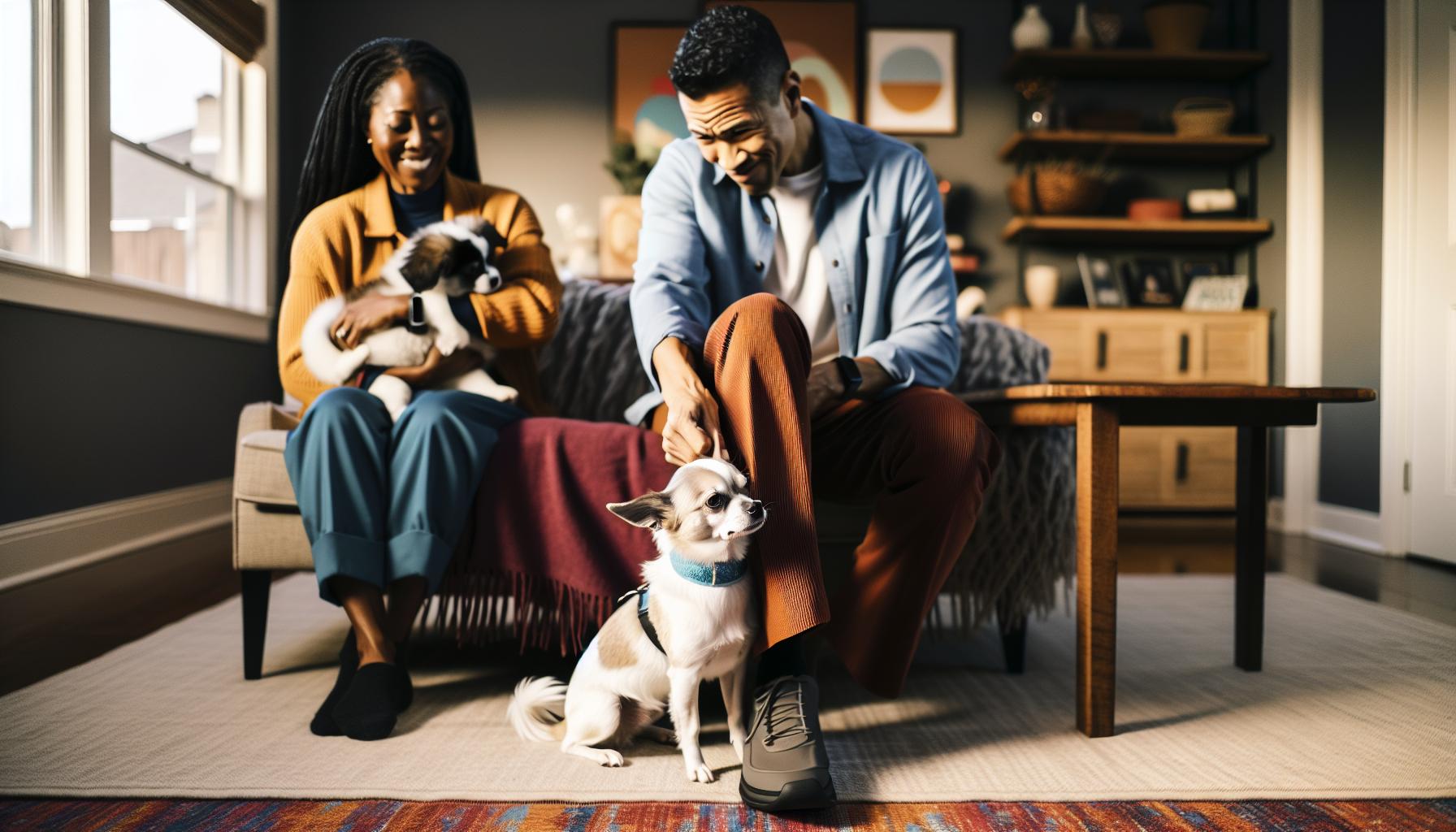
When it comes to chihuahuas, their ability to express emotions is as big as their tiny stature. While their fierce loyalty and affectionate nature make them wonderful companions, it can also lead to possessive behaviors that many owners recognize as jealousy. If you’ve noticed your little buddy acting differently around other pets or even people, they might just be feeling a little left out.
Voice and Body Language Changes
One of the first signs of jealousy is often vocalization. Chihuahuas are naturally vocal dogs, but if you see a noticeable increase in barking, whining, or growling when another pet approaches you, it’s a clear sign they feel threatened. For example, a proud Chihuahua named Bella would bark up a storm every time her owner received a visitor, determined to reclaim her spot as the center of attention. In addition to vocalizations, body language can also reveal jealousy. If your Chihuahua is tense, has raised hackles, or is trying to position themselves between you and another animal, these are strong indicators of their emotional state.
Behavioral Changes
Observe any sudden shifts in behavior. If your typically calm Chihuahua becomes more clingy or protective, it may indicate jealousy. They might start following you around the house more closely, trying to intercept cuddle time you share with another pet. For instance, Duke, a long-haired Chihuahua, would frequently jump into his owner’s lap whenever the family cat came too close, furrowing his brow in agitation as if to say, “No one else but me!”
Physical Interventions
In some cases, jealous behavior can escalate to more significant actions. If your Chihuahua starts engaging in inappropriate behaviors, like excessive barking, attempting to bite, or even breaking house rules (like jumping on the furniture), take notice. These are often desperate attempts to recapture your focus and show other pets that they’re still your number one.
Situational Awareness
It’s also helpful to note the context of these behaviors. Changes in dynamics, such as introducing a new pet or friend to your home, can trigger jealousy in even the most well-adjusted Chihuahua. An owner of two Chihuahuas, Max and Lulu, learned this firsthand when Max began to act out upon the arrival of a new puppy, suddenly asserting himself more aggressively during playtime.
By recognizing these signs, you can start to address your Chihuahua’s emotional needs effectively. Understanding their feelings allows you to foster a deeper, more secure bond, ensuring that both you and your furry friend can navigate through moments of jealousy without fear or frustration. Being attuned to their quirks not only enhances their overall behavior but also strengthens your relationship with your loyal little companion.
Managing Jealous Behavior in Chihuahuas: Tips for Owners

When you bring a Chihuahua into your home, you’re welcoming a tiny bundle of energy and emotion. These small dogs, known for their vocal personalities and fierce devotion, can sometimes show jealous behaviors, especially when they perceive competition for your attention. Understanding how to manage this can make your relationship even stronger. Here are some practical tips to help you navigate those moments of jealousy.
Establish Individual Attention
Make intentional time for one-on-one interactions with your Chihuahua. While they thrive on companionship, individual attention is crucial in preventing feelings of jealousy, especially if you have multiple pets. Set aside special cuddle time or play activities where your Chihuahua is the center of your universe. For example, if you have a long-haired Chihuahua like Frankie, dedicated fetch sessions at the park can reinforce your bond while ensuring he feels valued, even when other animals are around.
Encourage Positive Associations
Whenever your Chihuahua is calm and accepting of nearby pets or people, reward that behavior. Use treats, praise, or his favorite toy to reinforce that positive interactions with others are a good thing. Let’s say Lucy, your fawn-colored Chihuahua, tends to bark at the neighbor’s cat. Instead of reacting negatively, reward her with a treat when she quietly observes the cat instead. This strategy trains her to associate the presence of others with good outcomes.
Utilize Training Techniques
Training not only helps with jealousy but also boosts confidence. Basic commands like “sit,” “stay,” or “leave it” can redirect focus away from jealousy triggers. For example, if your Chihuahua is feeling possessive while you’re playing with another pet, a quick command like “sit” can help re-establish calmness and control. Incorporate short training sessions throughout your day-these brief moments can work wonders for reinforcing positive behaviors and diminish signs of jealousy over time.
Monitor Environment Changes
Be attentive to changes in your Chihuahua’s environment that may trigger jealousy. Whether adding a new pet, moving furniture, or having guests over, these shifts can make your little buddy feel insecure. If you’re welcoming a new family member, it’s important to introduce everyone slowly and under different circumstances. Gradually let your Chihuahua get accustomed to the new addition, allowing him to explore scents and sounds safely. For instance, when bringing a puppy home, let your Chihuahua observe from a distance until he’s comfortable, rewarding him for calm behavior.
By being proactive and understanding the emotional landscape of your Chihuahua, you can significantly reduce jealous behaviors. Every little step you take strengthens the bond you share, ensuring that your Chihuahua knows just how special he truly is in your life. With patience and love, you can create a harmonious environment where your feisty little friend can thrive alongside others.
Socialization Strategies for Jealous Chihuahuas
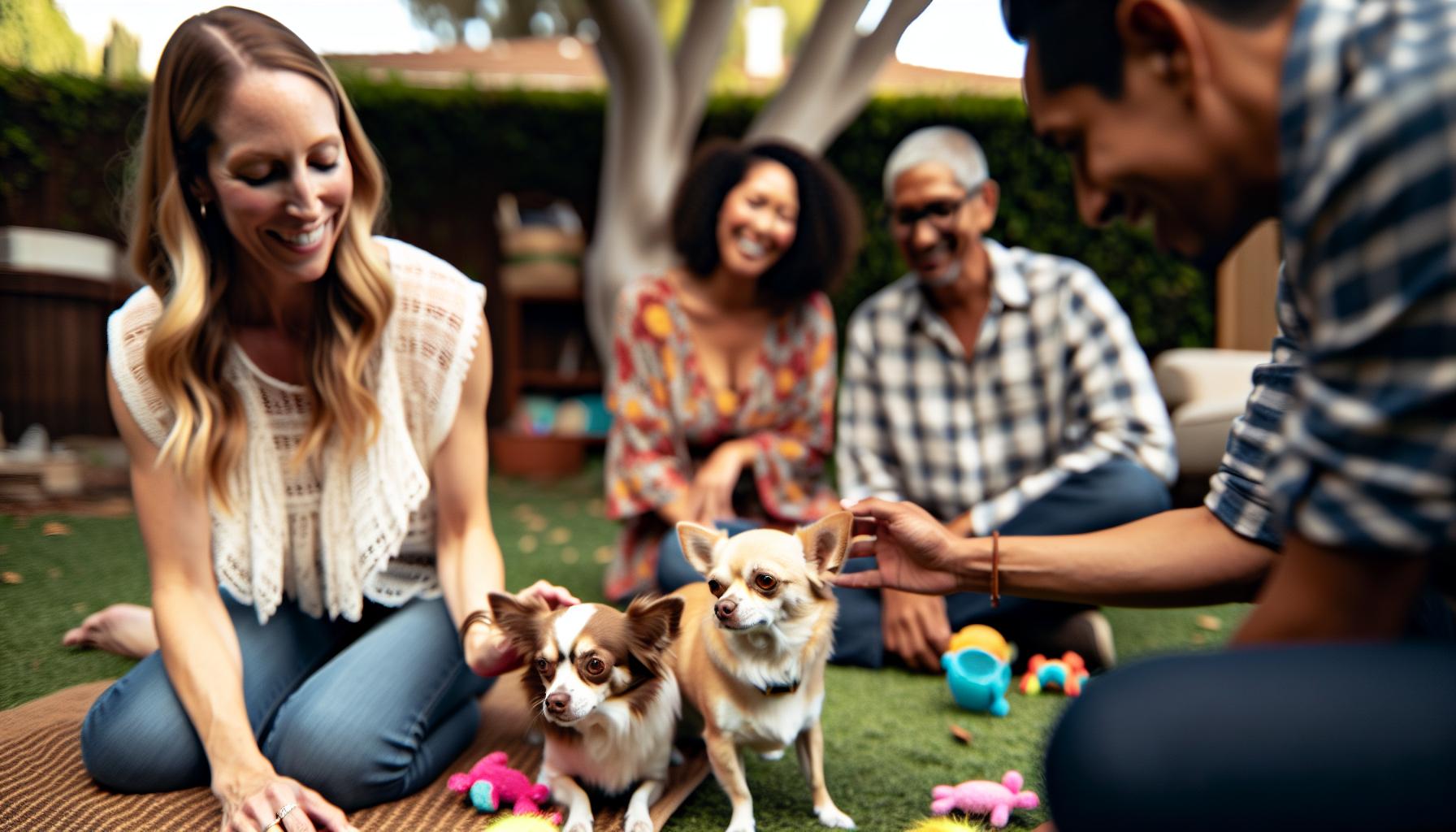
Chihuahuas, with their vibrant personalities and deep bond with their owners, often exhibit behaviors that can be perceived as jealousy, especially in settings where their territory or the affection of their humans is threatened. Socializing your Chihuahua properly can significantly help in mitigating these jealous tendencies. This process involves gradual exposure to various environments and situations, ensuring your little friend feels secure in their place within the family structure.
One effective strategy is to introduce your Chihuahua to new experiences gradually. Start with controlled encounters with other dogs or unfamiliar individuals. For instance, arrange playdates with well-behaved dogs, allowing your Chihuahua to engage in supervised activities. This promotes positive interactions and teaches him that sharing your attention doesn’t diminish his value. A great example is Bella, a feisty apple-head Chihuahua, who initially struggled with other dogs during walks. Her owner introduced her to a calm, older dog in a neutral area, rewarding Bella with treats and praise each time she played nicely. Over time, Bella became more self-assured and less aggressive toward new companions.
Another important aspect of socialization involves exposing your Chihuahua to various environments. Frequent trips to different parks, pet-friendly cafes, or even just strolls through bustling neighborhoods can help your dog adapt to change. Each outing should be paired with positive reinforcement, like treats or affection, to create a positive association with new surroundings. Just remember, small doses are key; don’t overwhelm your Chihuahua with too many new experiences at once, or he may become anxious.
In addition to external socialization, involve your Chihuahua in family activities. Encourage interactions with family members and friends, building up an understanding that more people mean more love, not less. If your Chihuahua displays jealous behavior when you cuddle with another pet or person, calmly redirect his attention to engage in a fun activity. This approach not only alleviates feelings of jealousy but also reinforces the idea that love and attention are abundant.
Lastly, continuous training is essential. Consider integrating basic obedience commands during socialization outings. By teaching your Chihuahua commands like “leave it” or “come,” you help him understand that he can still get attention even when there are distractions. For example, when inviting friends over, have your Chihuahua perform commands to earn treats, reiterating that good behavior leads to positive outcomes.
By embracing these socialization strategies, you create a well-adjusted Chihuahua who feels secure and loved, even when the attention isn’t solely directed at him. Celebrate these small victories and nurture that unique bond you share, knowing that with patience and love, you’re setting the stage for a harmonious relationship.
The Impact of Environment on Chihuahua Jealousy
Chihuahuas thrive on routine and familiar environments, but the setting you provide for them can significantly influence their feelings of security and allegiance. This breed often perceives their home, their humans, and even their favorite resting spots as their territory. When new elements are introduced into this space-like new pets, unfamiliar visitors, or even changes in the household routine-your Chihuahua might react possessively, showcasing behaviors that can be interpreted as jealousy.
Understanding how environment affects your Chihuahua’s behavior can help you manage potential jealousy effectively. For example, if you bring home a new pet, start by establishing separate spaces for both animals. Allow your Chihuahua to observe the newcomer from a safe distance before facilitating gradual introductions. A good rule of thumb is to associate these introductions with positive experiences-treats, play, and praise-so that your Chihuahua learns to view new pets as companions rather than rivals for your attention.
Common Environmental Triggers
Certain environmental changes can trigger jealousy in Chihuahuas. Here are some common situations to watch for:
- New Pets: The arrival of another animal can upset your Chihuahua’s sense of security and territory.
- Guests and Visitors: Unfamiliar faces in the home can cause anxiety, especially if your Chihuahua feels they are competing for your affection.
- Changes in Routine: Variations in feeding times, walks, or play can create discomfort, prompting jealousy as your dog may feel neglected or insecure.
To ease these transitions, maintain consistency in other areas, such as your Chihuahua’s daily schedule. This balance can mitigate feelings of jealousy. When planning playdates or social gatherings, ensure that your Chihuahua is included in activities and given equal attention, reinforcing the idea that new experiences can be enjoyable rather than threatening.
Creating a Safe Environment
Fostering a secure and loving home environment is essential for reducing jealousy. This can be achieved through:
- Personalized Spaces: Create designated areas for your Chihuahua where he can retreat and feel secure, such as a cozy bed or a crate.
- Positive Reinforcement: Utilize treats and praise when your Chihuahua behaves positively around new people or pets, reassuring him that he remains loved and valued.
- Gradual Introduction: Introduce any changes slowly, whether it’s a new family member or alterations in your daily routine, giving your Chihuahua time to adjust.
When involving your Chihuahua in family interactions, encourage him to join in rather than isolate him. This will reassure your little companion that he is still an important part of your life, even if others are present. Celebrate his quirks, from his vocal nature to his bold attitude, reinforcing that different members of the household add richness to his life rather than detract from it.
By being mindful of how environmental factors can affect your Chihuahua’s behavior, you can cultivate a loving and supportive atmosphere that minimizes jealousy and nurtures your special bond. With patience and understanding, you’ll create a harmonious home that accommodates your Chihuahua’s unique personality while allowing him to flourish even in the presence of new friends.
How to Foster Healthy Relationships Among Pets
Building harmonious relationships among pets, especially with a Chihuahua, is essential for fostering a peaceful home environment. Chihuahuas are notoriously loyal and can display possessiveness, which can lead to jealousy when new pets are introduced. To promote healthy dynamics, start with gradual introductions. For instance, if you’re bringing home another dog, allow them to smell each other through a gate or crate before any face-to-face meeting. This ensures that your Chihuahua can control the initial interaction, reducing anxiety and fear of losing their place in your heart.
Encourage positive associations by offering treats and praise during these introductions. For example, if your Chihuahua appears calm around the new pet, reward his behavior with a tasty treat or enthusiastic praise. Engaging in interactive play sessions with both pets can also help; toys like tug ropes or balls can create a fun, cooperative atmosphere. This not only diverts attention from potential jealousy but fosters camaraderie among your pets.
Establishing Routines and Boundaries
Consistency is key. Chihuahuas thrive on routine, so try to maintain regular feeding, walking, and playtimes for all pets. Establish clear boundaries regarding space, ensuring that both pets have their own designated areas where they feel safe. For example, if your Chihuahua prefers a specific corner of the living room, make sure it’s respected and undisturbed by the newcomer.
Regular training sessions can further strengthen their relationship. Teaching commands like “sit” or “stay” can enhance communication while reinforcing leadership. Chihuahuas often respond well to training, and positive reinforcement can cultivate a stronger bond between you and your dog, making him feel secure and less inclined to act out against a new pet.
Individual Attention and Affection
Don’t forget to shower each pet with individual attention. Chihuahuas, with their bold and spirited nature, can thrive when they feel valued and loved. Spend quality time with your Chihuahua away from the other pet; this could be a short walk or a cuddle session on the couch. This affirmation restores his confidence and reassures him of his cherished place in your life.
Above all, celebrate your Chihuahua’s unique quirks. Whether it’s his vocal personality or slightly eccentric habits, embracing these traits not only reinforces his self-esteem but also signals to him that having another pet around can enhance the fun, rather than threaten it. With patience and commitment to socialization, you can cultivate an environment where your Chihuahua and his companions co-exist happily, turning potential rivalry into friendship.
Understanding Human Emotions: Can Chihuahuas Sense Jealousy?
Despite their tiny stature, Chihuahuas possess a profound emotional sensitivity that often surprises owners. These spirited little dogs are known for their unique ability to intuitively connect with human emotions, including jealousy. This strong bond can sometimes lead to possessive behaviors, especially when they sense a competition for attention or affection. Their loyalty is unparalleled, but it also means they can become distressed if they think their place in your heart is being threatened by another pet or even a new person.
Many Chihuahua owners can attest to their dog’s keen ability to pick up on changes in their emotional landscape. For example, if you’ve recently brought home a new pet and your Chihuahua exhibits signs of stress or agitation, it’s likely he feels threatened by this change. His vocal nature might amplify as he attempts to reclaim your undivided attention. This behavior can manifest in various ways, from growling to trying to push between you and the newcomer. Understanding this instinct is crucial in helping manage these situations. You need to convey that love and affection can be shared without diminishing the bond you have with him.
To foster a healthy emotional environment, consider implementing socialization techniques that emphasize security and reassurance. When introducing a new pet, be proactive about maintaining your Chihuahua’s routine to provide stability. Give him plenty of individual attention to reinforce his importance in your life. Engaging with both pets in interactive play can also help dissolve feelings of jealousy, turning rivalry into companionship over time. For instance, if both pets can enjoy a toy together, they are more likely to associate each other with positive experiences rather than competition.
Additionally, reinforcing good behavior through training can help mitigate jealousy. Teaching commands and rewarding calm, cooperative actions can foster a sense of security and reinforce the idea that being a good companion is beneficial for both him and his new friend. Remember, your Chihuahua not only senses jealousy but can also experience genuine joy in forming friendships. By embracing his quirks and providing consistent love, you’ll create a nurturing environment that minimizes jealousy and maximizes happiness for all dogs in your home.
The Role of Training in Reducing Jealousy
To effectively address jealousy in your Chihuahua, training plays a crucial role in creating a balanced emotional environment. These pint-sized companions, known for their vocal personalities and fierce loyalty, often respond intensely to perceived threats to your affection. By implementing consistent training strategies, you can not only reduce jealous behaviors but also strengthen the bond between you and your furry friend.
One of the best approaches is to use positive reinforcement. This method encourages your Chihuahua to associate desirable behaviors with rewards, fostering a sense of security. For instance, when your Chihuahua displays calmness around a new pet or when you give attention to another animal, reward him with treats or praise. This reinforces the idea that his good behavior earns him love and treats, which can help alleviate feelings of jealousy.
Another effective technique is desensitization. Gradually introduce your Chihuahua to the situation or the new pet that triggers his jealousy. Start with short, supervised interactions where he can observe from a distance. Over time, as he becomes more comfortable, you can shorten that distance, allowing controlled interactions. Consistent training during these experiences not only helps him adapt but also builds his confidence in sharing your affection with others.
Lastly, teaching commands like “stay,” “leave it,” or even engaging in trick training can actively redirect your Chihuahua’s focus. When he begins to show signs of jealousy, redirect him with a command that requires his attention, then reinforce with praise when he complies. Establishing clear boundaries through training not only provides structure but also encourages better behaviors. By blending these practices into your dog’s routine, you can cultivate a harmonious atmosphere in your home, allowing your Chihuahua to thrive alongside any new companions.
Real-Life Stories: Overcoming Jealousy in Chihuahuas
It’s not uncommon for owners of Chihuahuas to encounter behaviors that suggest jealousy, especially when their beloved companions feel overlooked in favor of other pets or family members. One particularly heartwarming story comes from Jenna, who adopted a spirited apple-head Chihuahua named Bella. After bringing home a second dog, Bella exhibited signs of jealousy, such as barking and trying to nudge her way between Jenna and the new pup. To manage this possessive nature, Jenna employed a strategy that not only helped Bella but also fostered a closer bond among her pets.
Jenna started implementing dedicated “alone time” with Bella, reaffirming her love through one-on-one play sessions. During these times, she engaged Bella with her favorite toys and incorporated plenty of positive reinforcement. This not only secured Bella’s trust but also made her feel valued despite the changes in the household dynamic. Furthermore, Jenna introduced the new dog gradually, allowing Bella to observe from a distance initially. By controlling the environment and ensuring that Bella felt secure, the initial tension gradually diminished.
Another inspiring example comes from Daniel, who faced a different challenge with his Chihuahua, Coco. Daniel noticed that Coco became extremely vocal and possessive whenever he spent time with friends, often demanding attention. Understanding that this behavior stemmed from Coco’s desire to be the center of attention, Daniel decided to include her in social gatherings rather than removing her. He encouraged his friends to engage with Coco, rewarding her calm behavior with treats and praise. This proactive approach shifted Coco’s focus from feeling threatened by others to enjoying their company, which significantly reduced her jealous tendencies.
Through these real-life experiences, we see that patience, creativity, and a commitment to training play vital roles in overcoming jealousy in Chihuahuas. Each dog is unique, and what works for one may not work for another; therefore, being attentive to their individual needs is crucial. With love and a consistent approach, it’s entirely possible to cultivate an environment where your Chihuahua feels secure and cherished, enabling harmonious coexistence with other pets and family members.
Exploring Chihuahua Temperament: Unique Traits Explained
Living with a Chihuahua often means embracing their bold personality and dynamic emotions. These tiny dogs, renowned for their big hearts and even bigger attitudes, can display possessive behaviors that stem from their unique temperament. Friendly and loyal to their humans, Chihuahuas are known to form strong bonds, which unfortunately can lead to jealousy when they perceive a threat to their relationship-whether from other pets or even new family members.
Chihuahuas typically display an array of traits that make them particularly expressive companions. Many owners, like Sarah with her long-haired Chihuahua, Trixie, notice how Trixie’s vocalizations-barking or growling-can signal her discontent when feeling overshadowed by another pet. This behavior is not just a quirk; it’s deeply rooted in their instincts as small dogs that want to assert their presence. Understanding this aspect of their nature helps owners provide the support required to manage these feelings effectively.
To create a nurturing environment, consider the following approaches:
- Respect Their Space: Allow your Chihuahua some alone time with you, especially if you have additional pets. Engaging in play sessions that focus solely on them can reaffirm your love and mitigate feelings of jealousy.
- Socialization is Key: Gradually introduce new pets into the household. Give your Chihuahua time to adjust by letting them observe newcomers from a distance before direct interaction.
- Positive Reinforcement: Use treats and praises to reward calm behavior when your Chihuahua is around others. This helps them associate the presence of other pets or people with positive experiences.
Chihuahua social dynamics can be incredibly nuanced, and addressing feelings of jealousy requires a keen understanding of these little dogs’ emotional landscapes. Offering structured training sessions can prove pivotal not only in managing jealousy but also in enhancing their confidence. For example, Daniel found success by including his Chihuahua, Coco, in gatherings, teaching her that sharing attention didn’t mean losing love.
Being mindful of these unique traits empowers owners to guide their Chihuahuas through emotional challenges. With a committed approach and plenty of love, you can foster a peaceful atmosphere that celebrates your Chihuahua’s spirited nature while ensuring they feel secure in their relationships.
Myths and Misconceptions About Jealous Chihuahuas
Living with a Chihuahua often comes with the belief that these tiny companions are inherently more jealous than other breeds. However, many of the common misconceptions about their jealousy arise from misunderstandings of their behavior and instincts. It’s important to distinguish between possessiveness and genuine jealousy. While Chihuahuas are known for their fierce loyalty and can display possessive tendencies, it doesn’t mean that every display of discontent is rooted in jealousy.
One prevalent myth is that Chihuahuas are always jealous of other pets or individuals. In reality, their reactions often stem from their desire to be at the center of attention. For example, just like Bella, a feisty apple-head Chihuahua, who barks when her owner cuddles with another pet, this behavior reflects her innate need for recognition rather than outright jealousy. Understanding your Chihuahua’s personality is crucial; they may simply be expressing their wishes to engage and interact with their human, not necessarily resentful towards others.
Another misconception is that only the most dominant or aggressive Chihuahuas experience jealousy. However, even the gentlest Chihuahuas can display this behavior, often driven by insecurity or anxiety rather than a desire to assert dominance. For instance, Mike’s long-haired Chihuahua, Lola, tends to cling to him more fiercely when new people enter their home. This doesn’t indicate jealousy in a troublesome way; rather, it shows her need for reassurance in changing surroundings.
To help manage misconceptions surrounding their behavior, owners should focus on creating a positive environment. Employing strategies such as consistent training, enriching playtime, and ensuring each pet in the home feels valued can alleviate the anxious tendencies that lead to jealousy. Engaging in individual activities with each pet reinforces their sense of security while reducing competitive feelings. Through understanding and proper care, we can celebrate our Chihuahuas’ vibrant personalities while fostering a harmonious home.
Faq
Q: Do Chihuahuas experience jealousy like humans do?
A: Yes, Chihuahuas can display jealousy, mirroring human emotional responses. Their possessive nature often arises from strong bonding with their owners. To mitigate jealousy, ensure balanced attention among pets and provide regular socialization opportunities, as discussed in the section on Managing Jealous Behavior.
Q: What are common signs of jealousy in Chihuahuas?
A: Common signs include barking, growling, or pushing other pets away when seeking attention. A jealous Chihuahua may also engage in attention-seeking behavior or refuse to obey commands. Recognizing these signs early can help pet owners address jealousy effectively.
Q: Can Chihuahua jealousy be trained away?
A: Yes, training can significantly reduce jealous tendencies. Using positive reinforcement techniques, focus on rewarding desirable behaviors when your Chihuahua interacts calmly with other pets. Consistency and patience are key to seeing improvement over time, as highlighted in the Role of Training section.
Q: Why are Chihuahuas particularly possessive?
A: Chihuahuas are naturally possessive due to their instinctual drive to protect their territory and loved ones. This behavior is amplified by their small size and close bond with their owners, which makes them feel vulnerable. Understanding this can guide owners in managing their Chihuahua’s behavior more effectively.
Q: How can I socialize a jealous Chihuahua?
A: To socialize a jealous Chihuahua, start slowly by introducing him to new people and pets in controlled environments. Reward positive interactions and gradually increase exposure. Implementing these strategies can help alleviate jealousy and foster a more confident, social demeanor.
Q: Are there environmental factors that affect Chihuahua jealousy?
A: Yes, chaotic or unstable environments can exacerbate jealousy in Chihuahuas. Changes like moving, new pets, or frequent visitors may trigger jealous behavior. Creating a stable routine and a secure environment can help minimize these feelings and promote calmness.
Q: What should I do if my Chihuahua shows aggression towards other pets?
A: If your Chihuahua exhibits aggression, it’s crucial to intervene gently. Consult a professional trainer or behaviorist for tailored strategies. Avoid punishing aggressive behavior; instead, focus on reinforcing calmness and rewarding quiet interactions with other pets.
Q: How can I create a loving and non-competitive environment for my Chihuahua?
A: To foster a loving environment, provide individual attention to each pet, use separate feeding areas, and engage in independent playtime. Regularly rotate toys and treats to prevent competition, ensuring all pets feel valued and secure in their space.
Wrapping Up
Understanding your Chihuahua’s possessive nature is key to fostering a loving and balanced relationship with your little companion. These spirited dogs thrive on attention and can sometimes display jealousy, especially in shared environments. By recognizing their emotions and ensuring they feel secure, you can minimize possessiveness and promote harmony in your home.
Ready to deepen your connection? Explore our guide on Chihuahua behavioral traits for tips on managing jealousy, and check out our article on how to socialize your Chihuahua effectively. If you’re looking for more personalized insights, consider signing up for our newsletter for expert advice straight to your inbox. Your feedback matters-share your experiences in the comments below and join our community of Chihuahua lovers! Celebrate their unique personalities and enjoy this wonderful journey together!
Get our latest guides, news, and insights highlighted in your Google Search & AI Overviews.