
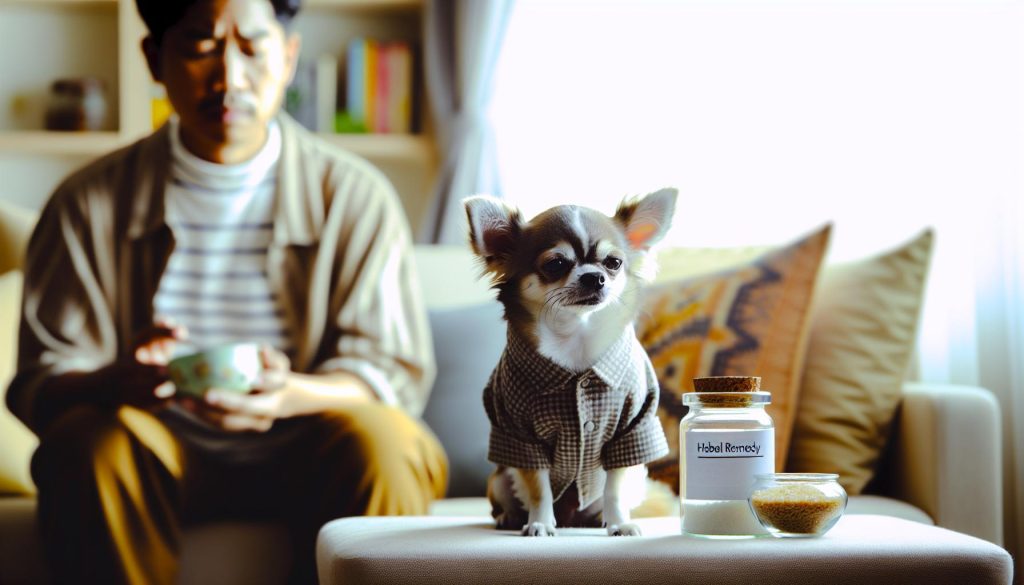
As a loving Chihuahua owner, you may feel a wave of concern when your tiny companion suddenly starts vomiting. This small breed is known for their bold personalities and vocal nature, but their delicate stomachs can sometimes lead to unsettling health issues. Understanding why your Chihuahua might be throwing up is crucial, not just for their comfort, but for your peace of mind too. From dietary indiscretions to stress, the reasons can vary widely, and knowing how to identify the cause can help you take the right steps toward solutions. In this article, we’ll explore common causes of vomiting in Chihuahuas and provide practical advice to ensure your furry friend stays happy and healthy. Let’s dive into the world of Chihuahuas and uncover the answers you need to keep your little one feeling their best.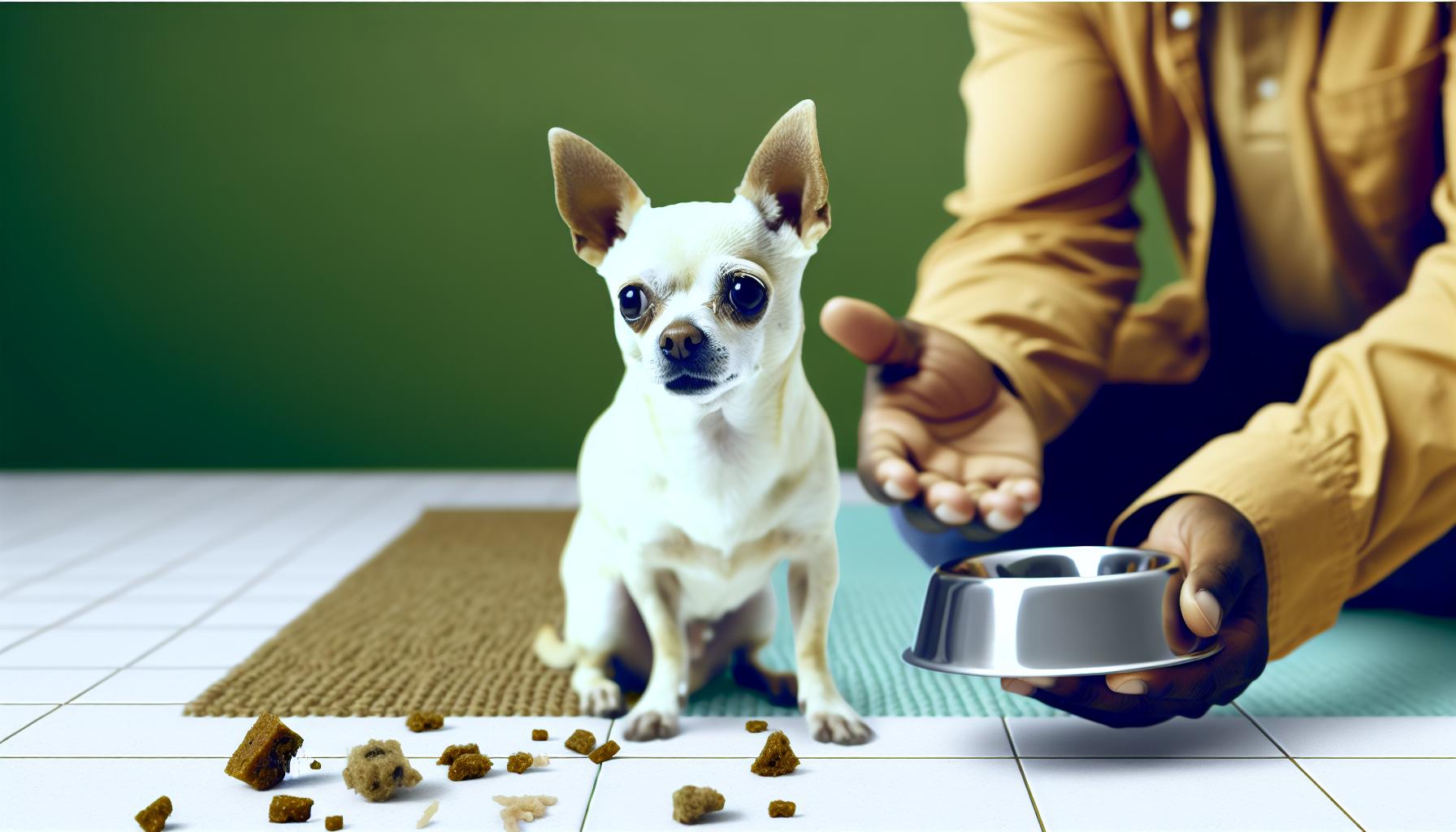
Understanding Common Reasons for Chihuahua Vomiting
Chihuahuas are known for their big personalities packed into tiny bodies, and as a devoted owner, it’s essential to understand the common reasons for your little one’s vomiting. Vomiting in Chihuahuas can stem from a variety of causes, and being aware of these can help you provide the best care for your furry friend. One frequent reason is their delicate stomachs. Chihuahuas, especially those with the apple-head shape, may have more pronounced sensitivity due to their compact size, making them prone to digestive upset.
Diet plays a critical role in your Chihuahua’s health. A sudden change in food, low-quality ingredients, or inappropriate human foods can lead to irritation. It’s not uncommon for owners to mistakenly give their pet something that seems harmless-like a scrap from dinner-which can upset their sensitive stomach. Additionally, overeating or eating too quickly can cause them to regurgitate. Implementing a slow-feeder bowl can help with this, allowing for better digestion.
Another factor to consider is the possibility of underlying health issues. Chihuahuas are susceptible to specific conditions like pancreatitis or gastrointestinal disorders, which can lead to vomiting. Signs of these can often be subtle, so it’s crucial to monitor your pup’s overall health. If you notice frequent vomiting, changes in appetite, or lethargy, it’s advisable to consult your veterinarian.
Ultimately, understanding the reasons behind your Chihuahua’s vomiting can ensure you address the issue promptly and appropriately. Maintaining a regular feeding schedule, avoiding sudden dietary changes, and offering smaller, more frequent meals can all promote better digestive health in your little companion. Always remember that while occasional vomiting can be normal, persistent vomiting is a concern that warrants immediate veterinary attention. Your proactive approach can help keep your Chihuahua happy and healthy for many years to come.
Identifying Symptoms: When to Worry About Vomiting
If your Chihuahua has ingested something questionable or if a meal didn’t sit well, watch closely for symptoms that may indicate a serious issue. Unlike some breeds, Chihuahuas can be particularly vulnerable to digestive problems due to their small size and sensitive stomachs. While occasional vomiting might not be a cause for alarm, it’s crucial to differentiate between a minor upset and something that requires immediate attention.
When is Vomiting a Concern?
Consider the following signs that should prompt a call to your vet:
- Frequent Vomiting: If your Chihuahua vomits more than once or twice in a short period, it may indicate a serious problem.
- Blood in the Vomit: Whether it’s bright red blood or a coffee ground-like appearance, this can signal internal bleeding and requires urgent veterinary care.
- Lethargy: If your tiny companion seems unusually tired, withdrawn, or less playful, this could indicate they are not feeling well and need to be checked out.
- Changes in Appetite: A sudden loss of interest in food or water is a red flag. If your Chihuahua refuses to eat for more than 24 hours, seek professional advice.
- Diarrhea: Accompanying vomiting with diarrhea can suggest a gastrointestinal infection or toxic ingestion that needs immediate attention.
- Abdominal Distension: A swollen or tender belly may indicate a serious condition like bloat or pancreatitis, especially in small breeds like Chihuahuas.
One owner shared how she noticed her apple-head Chihuahua, Bella, vomiting after eating her favorite treat. Initially, she brushed it off, but when Bella continued to vomit and became lethargic, she realized it was time to consult her vet. Bella was diagnosed with mild pancreatitis, highlighting the importance of being vigilant about symptoms, especially in a breed known for its quirky digestive sensitivities.
Always remember, being proactive about your Chihuahua’s health can prevent minor issues from becoming major concerns. Trust your instincts as a pet owner; if something feels off, it’s better to err on the side of caution and consult your veterinarian.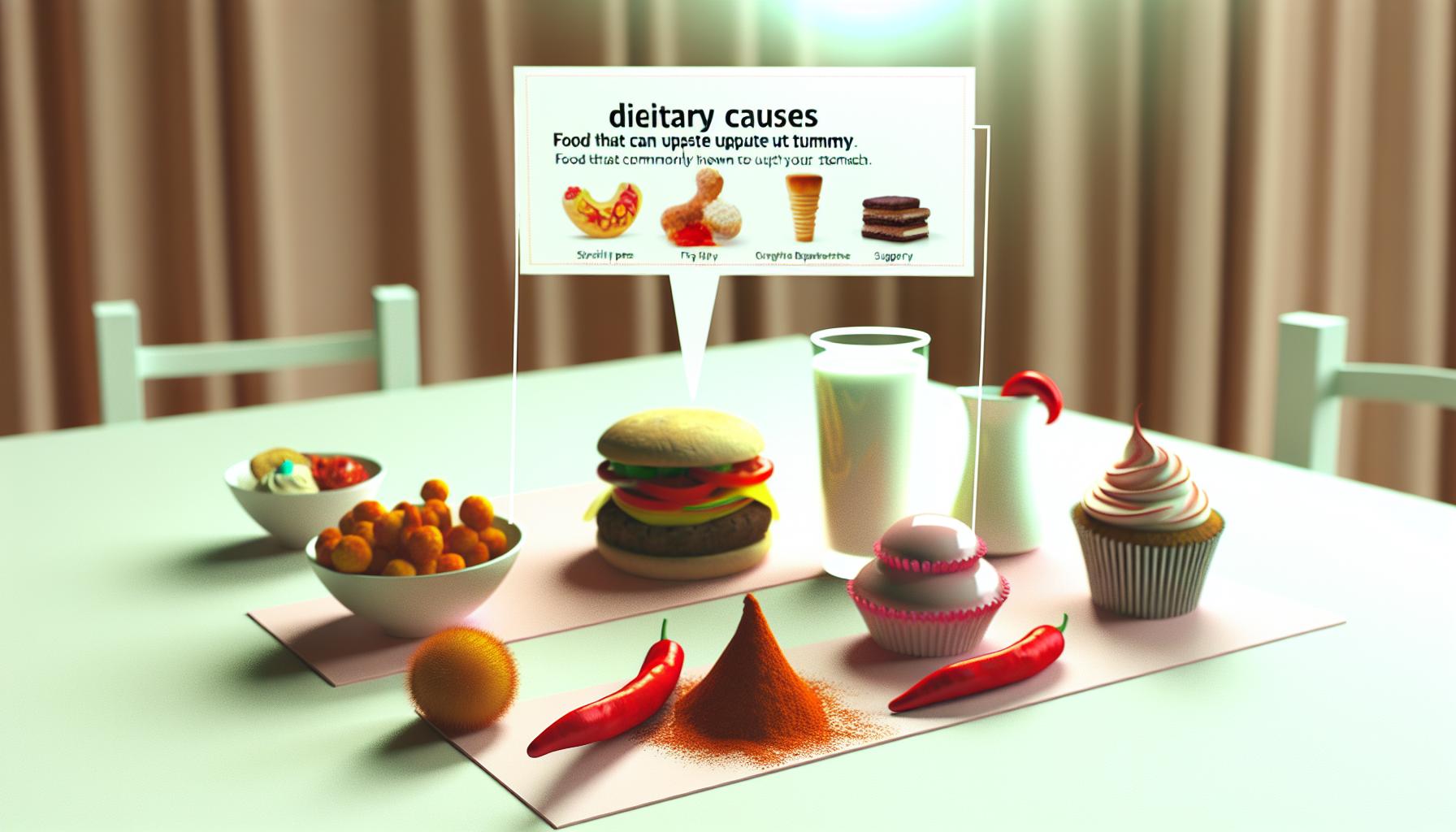
Dietary Causes: Food That Can Upset Tummy
Understanding what might upset your Chihuahua’s stomach can be a crucial part of keeping your little friend happy and healthy. Chihuahuas, with their petite bodies and unique digestive profiles, can be particularly sensitive to certain foods. As a breed, they often deal with tummy troubles, making it important to identify dietary triggers early on. Whether it’s a sudden change in diet or a new treat, being aware of what can make your Chihuahua feel unwell is essential.
Certain human foods can create chaos in your Chihuahua’s digestive system. Foods like chocolate, onions, and garlic are well-known to be toxic, but there are other common items that may cause vomiting without being outright poisonous. Dairy products, for example, can be hard for many dogs to digest, potentially leading to upset stomachs and vomiting. Similarly, fatty foods-perhaps a piece of bacon or leftover gravy-might seem like a treat, but they can trigger pancreatitis in sensitive pups like Chihuahuas.
Another factor that often gets overlooked is the quality of the dog food itself. Low-quality kibble filled with fillers and artificial ingredients can lead to digestive distress. Keep an eye on how your Chihuahua reacts to food changes; even a sudden switch from one type of kibble to another can upset their stomach. A gradual transition over several days can help, allowing your dog’s system to adjust.
Real-world examples can help highlight this issue. One Chihuahua owner shared her experience with Daisy, her fussy eater, who would throw up after indulging in store-bought dog treats filled with questionable ingredients. When she switched to natural treats made from single, high-quality proteins, Daisy’s digestive troubles improved dramatically. The moral here is simple: knowing your Chihuahua’s specific dietary needs and potential food sensitivities can go a long way in preventing stomach upset and keeping her playful and happy.
In summary, remain mindful of what you feed your Chihuahua. Choose high-quality foods, be cautious with treats, and listen to his body. If intermittent vomiting occurs, evaluating his diet could very well be the first step to restoring his tummy’s happiness.
Common Health Issues Linked to Vomiting
Chihuahuas, with their vibrant personalities and delicate constitutions, can sometimes face health challenges that result in vomiting. Understanding the underlying health issues associated with this symptom is crucial for a responsible owner. Chihuahuas are prone to several conditions that can upset their stomachs, ranging from mild to serious. Recognizing these issues early can save you and your furry friend a lot of distress.
One common health issue is gastroenteritis, an inflammation of the stomach and intestines. This condition may arise from dietary indiscretion, such as eating something they shouldn’t, or bacterial infections. Symptoms often include vomiting, diarrhea, and abdominal discomfort. Owners should keep a keen eye on their Chihuahuas for additional signs of distress, like lethargy or refusal to eat, as these may indicate a need for vet intervention.
Another serious concern for Chihuahuas, particularly those who are overweight, is pancreatitis. This condition, which involves inflammation of the pancreas, can develop after a pet consumes fatty foods-a treat that many might think is harmless. Besides vomiting, symptoms may include severe abdominal pain and a decrease in appetite. For example, one Chihuahua owner learned the hard way not to share fried food; after her pup displayed symptoms of pancreatitis, they switched to a strictly controlled diet rich in low-fat proteins.
Chihuahuas are also susceptible to kidney issues, especially as they age. Frequent vomiting can be a sign of chronic kidney disease, where the kidneys struggle to filter waste properly. Alongside vomiting, symptoms can include increased thirst and urination, and weight loss. Regular vet check-ups are essential, as early detection can significantly influence management and outcomes.
Lastly, don’t overlook the impact of stress and anxiety on your Chihuahua’s health. This breed can be quite sensitive, and stressful situations-new environments, loud noises, or changes in routine-can lead to gastrointestinal upset. Owners have found that providing a safe, quiet space and sticking to familiar routines can help alleviate their Chihuahua’s stress and prevent vomiting episodes.
In summary, recognizing the signs of potential health issues that lead to vomiting is vital for the well-being of your Chihuahua. Stay vigilant about their health, seek veterinary advice when necessary, and maintain a diet that suits their unique digestive needs. Building a strong relationship with your vet plays a crucial role in ensuring your little companion remains happy and healthy.
How Stress and Anxiety Affect Your Chihuahua’s Stomach
Your delightful Chihuahua, the tiny dynamo of joy, can exhibit a range of emotions-from excitement to anxiety. It’s important to understand that stress and anxiety can significantly impact their health, particularly their digestive system. The sensitive stomachs of Chihuahuas can react dramatically to stress, causing vomiting as a way of coping with discomfort. This breed’s natural exuberance often belies their delicate state, making it crucial to stay vigilant about their emotional well-being.
One of the most common stressors for Chihuahuas includes changes in their environment. For instance, moving to a new home, the arrival of new family members, or even shifts in routine can make your little one feel unsettled. If you notice your Chihuahua becoming more vocal or clinging to your side during such changes, these may be signs of anxiety. Implementing a consistent routine can be comforting; regular feeding times and play sessions can help alleviate their stress. Additionally, creating a safe space with cozy blankets and favorite toys can encourage your pup to relax.
Real-world experiences highlight how pivotal owner awareness is in managing a Chihuahua’s stress. One devoted owner noted that her pup started throwing up when visitors arrived, a clear signal of his unease with unfamiliar faces. By providing a quiet retreat during gatherings, he was able to settle down without feeling overwhelmed. Likewise, loud noises, such as fireworks or thunderstorms, can trigger panic. Consider calming strategies like anxiety wraps or natural supplements after consulting with your veterinarian, as these can promote a sense of security and ultimately reduce the risk of vomiting caused by stress.
Recognizing the signs of anxiety is vital. If your Chihuahua shows symptoms like lip licking, pacing, or hiding, monitor their situation closely. Addressing their emotional needs not only enhances their overall health but also strengthens the bond you share. With understanding and a gradual approach, you can help your adorable companion thrive, both physically and emotionally.
Home Remedies: What You Can Do Immediately
When your Chihuahua throws up, it can be concerning, but there are several quick remedies you can try at home to help soothe her stomach. These tiny pups, with their sensitive tummies and quirky personalities, sometimes just need a little TLC to bounce back. While it’s crucial to keep a close eye on her condition, here are some helpful steps you can take immediately.
First and foremost, ensure that your Chihuahua stays hydrated. Vomiting can lead to dehydration, which is especially dangerous for smaller breeds. Offer her small amounts of fresh water frequently; you can even try ice chips if she seems reluctant to drink. In some cases, adding a little bit of low-sodium broth can make water more appealing and encourage her to hydrate.
Next, consider adjusting her diet for the next few meals. After a vomiting episode, it’s best to withhold food for about 12 hours to give her stomach a break. After that, you can offer bland, easy-to-digest foods. Common options include boiled chicken (no skin or bones) and plain rice. Start with small portions, and watch how she responds-if there’s no further vomiting, gradually reintroduce her regular food. Owners have found success using this method; one exuberant Chihuahua owner mentioned how her pup returned to normal after just two days of chicken and rice!
Additionally, keep a calm environment for your little companion. Stress can exacerbate her stomach issues, so creating a peaceful area where she can relax is essential. Use cozy blankets, her favorite toys, and create a quiet space away from noise and commotion. If she’s an anxious pup, consider using calming products like pheromone diffusers or a snug anxiety wrap to provide comfort.
Lastly, pay attention to any behavioral changes. If she seems lethargic, refuses to eat after 24 hours, or continues to vomit, it’s time to consult your veterinarian. These signs are vital in deciding whether a vet visit is necessary. Your Chihuahua’s health and happiness are paramount, and taking these steps can help her feel better swiftly while you prepare for any necessary next steps. With love and attention, she’ll be back to her lively self in no time!
When to Visit the Vet: Signs Not to Ignore
When your Chihuahua experiences vomiting, it can be both worrisome and confusing, especially when their little bodies are already susceptible to health issues. Understanding the warning signs that indicate a trip to the vet is crucial. It’s important to recognize that while occasional vomiting can be normal for some dogs, persistent or severe symptoms often require professional attention.
One significant red flag is persistent vomiting, which continues for more than 24 hours. If your Chihuahua keeps throwing up despite your efforts to soothe her stomach, it might point to an underlying issue that needs immediate care. Additionally, if she shows signs of dehydration-like dry gums, lethargy, or skin that doesn’t bounce back when pulled-this is an urgent signal. Small breeds like Chihuahuas can become dehydrated quickly, and preventing this should be a priority.
Pay close attention to other physical symptoms. If your little one is also experiencing diarrhea, bloating, or pain during tummy rubs (which Chihuahuas generally love), it’s time to consult your vet. A sudden change in behavior, such as becoming withdrawn or overly vocalizing in pain, should not be ignored. Owners have shared experiences where their pups, who were typically playful and vocal, suddenly became quiet and lethargic before needing vet intervention.
Lastly, note any changes in appetite. If she refuses food for more than 24 hours or shows a marked drop in interest in her favorite snacks, it’s an indication that something is off. Often, Chihuahuas are food-driven and any sudden disinterest could be a early sign of distress.
Being proactive about these signs can make a huge difference in your Chihuahua’s health. If you ever feel unsure, making that call to your vet is always a wise choice. Your adorable companion depends on you to recognize these signals and to take action when needed, ensuring she remains vibrant and healthy!
Long-Term Solutions for Preventing Vomiting
Maintaining your Chihuahua’s digestive health is essential to preventing vomiting, and as a dedicated owner, there are proactive steps you can take to support your pup’s well-being. One of the keys is understanding their unique digestive needs. Chihuahuas have tiny stomachs and can be particularly sensitive to changes in diet or feeding routines. Always introduce new foods gradually over several days to give their systems time to adjust. This not only helps in reducing gastrointestinal upset but also allows you to monitor how they react to the new food.
Dietary Management
A well-balanced diet plays a pivotal role in preventing vomiting. Choose high-quality dog food that is specifically formulated for small breeds. Look for options with easily digestible ingredients, and avoid common allergens like wheat, soy, and artificial additives. Many owners find success with limited ingredient diets or grain-free formulas tailored for Chihuahuas. Furthermore, remember to keep meals consistent; feeding at the same times each day can help regulate their digestive system and minimize the risk of vomiting.
Consider incorporating small, frequent meals into your Chihuahua’s routine. Instead of two larger meals, try offering three or four smaller portions throughout the day. This approach can alleviate pressure on their stomach while stabilizing digestive function. Also, be mindful of table scraps or human food; while it’s tempting to share, many foods can be harmful or difficult for a Chihuahua’s digestive system to process.
Hydration and Exercise
Never underestimate the power of hydration in maintaining gastrointestinal health. Ensure your Chihuahua has access to fresh water at all times, as dehydration can lead to various health issues, including vomiting. During hotter months or after exercise, keep an eye out for signs of thirst and encourage drinking, especially if they seem less active than usual.
Physical activity is equally important. Regular, moderate exercise helps stimulate digestion and can reduce the likelihood of stress-related vomiting. Chihuahuas may be small, but they have plenty of energy! Short walks and play sessions can go a long way in keeping their spirits high and their stomachs content.
Stress Reduction
Another crucial factor is managing stress and anxiety, which Chihuahuas are prone to due to their sensitive nature. Create a calm living environment free from loud noises or chaotic activity, especially during feeding times. Safe spaces with cozy beds or blankets can provide comfort. Engaging in regular play and offering mental stimulation-like toys that challenge their problem-solving skills-can help keep anxiety levels in check, further reducing the chances of stomach issues.
In essence, by closely monitoring diet, hydration, exercise, and stress levels, you can foster a stable environment that promotes digestive health. Always remember, a happy Chihuahua is a healthy Chihuahua, so celebrate their unique quirks while ensuring they thrive!
The Importance of Regular Vet Check-Ups
Regular veterinary check-ups are not just a routine; they’re essential for your Chihuahua’s health, especially when it comes to deciphering the causes of vomiting. Given their small size and unique physiology, Chihuahuas can be prone to various health issues that may not present obvious symptoms until they become serious. A vet visit can often catch these developing problems early, allowing for prompt treatment and a better prognosis.
During check-ups, veterinarians can assess your Chihuahua’s weight, dental health, and overall condition, which are critical since dental disease is common in this breed. Moreover, Chihuahuas are susceptible to gastroenteritis and other digestive disorders, making it crucial for your vet to monitor their gastrointestinal health. For example, a sudden change in your pup’s weight might signal underlying issues that could lead to vomiting. By discussing any behavioral changes or dietary adjustments at these visits, you can receive tailored advice that suits your Chihuahua’s unique needs.
Additionally, regular check-ups provide an excellent opportunity to stay up-to-date on vaccinations and preventative treatments. Chihuahuas can be especially sensitive to parasites and infections, which can exacerbate vomiting and other digestive troubles. For instance, heartworm disease is a serious concern; keeping your pet on a preventative medication, as recommended by your vet, is key in avoiding health crises that could lead to vomiting.
Cultivating a trusting relationship with your veterinarian also allows you to be more proactive in your pet’s healthcare journey. They can help you devise a long-term wellness plan that includes appropriate diet, exercise, and stress management strategies tailored to your Chihuahua’s specific temperament and lifestyle. With consistent vet visits, you can celebrate many more happy, healthy days with your vocal, loyal, and ever-adorable companion.
Nutrition Tips for a Healthy Chihuahua
Feeding your beloved Chihuahua a balanced diet is crucial for preventing various health issues, including vomiting. These tiny, vocal companions often have unique dietary needs and sensitivities that owners need to recognize. For example, many Chihuahuas are prone to having delicate stomachs, which can react adversely to certain foods or feeding habits. By prioritizing their nutrition, you can significantly enhance their overall well-being and reduce instances of digestive distress.
Start by choosing high-quality dog food specifically formulated for small breeds. Look for options that list real meat as the first ingredient and avoid fillers like corn and soy. Many Chihuahuas thrive on grain-free diets, but it’s essential to consult with your veterinarian before making any drastic changes. Portion control is equally important; these little ones can easily become overweight, leading to additional health problems. As a general guideline, measure food according to package instructions and adjust based on your Chihuahua’s activity level and weight.
When introducing new foods, do so gradually to prevent digestive upset. Ideally, mix a small amount of the new food with the current diet over several days. Additionally, be cautious with human food. While it may be tempting to share your meals, many common ingredients like chocolate, onions, and garlic are toxic to dogs. Instead, consider safe fruits and vegetables like carrots or blueberries as treats.
Hydration is Key
Never underestimate the importance of keeping your Chihuahua hydrated. Fresh, clean water should always be available, as dehydration can exacerbate vomiting and other health issues. Some Chihuahuas enjoy having ice cubes in their water bowl during warmer months, which can encourage drinking.
Finally, vitamins and supplements can support your pet’s digestive health, especially those formulated for small breeds. Probiotics may help maintain a healthy gut flora and improve digestion. Before adding any supplements, consult with your veterinarian to ensure they are appropriate for your pup’s specific needs.
By focusing on proper nutrition and making informed dietary choices, you can help ensure your Chihuahua leads a happier, healthier life while minimizing the risk of throwing up. Celebrating the quirks of this delightful breed is part of the joy of being a Chihuahua owner-and a happy tummy is just one way to keep that joy alive!
Understanding Your Chihuahua’s Unique Digestive Needs
Chihuahuas are known for their spirited personalities and endearing quirks, but these tiny dogs often face unique challenges when it comes to their digestive health. Their small size means they have a swift metabolism, which can leave their tummies feeling sensitive. Understanding your Chihuahua’s digestive needs is vital for ensuring they live a healthy and happy life, free from the discomfort of frequent vomiting.
One key factor is selecting the right food. Look for high-quality, breed-specific dog food that caters to the nutritional requirements of small breeds. Many Chihuahuas thrive on diets rich in protein, so the first ingredient should ideally be a meat source. Grain-free options are popular among Chihuahua owners, as grains can sometimes be difficult for them to digest. It’s also critical to avoid feeding your pup table scraps or human food, which often contain ingredients that are harmful to their sensitive stomachs, like toxic seasonings and certain vegetables.
Portion control cannot be overstated. Overfeeding can lead to obesity, which in turn increases the risk of digestive issues, including vomiting. Measure your Chihuahua’s food carefully based on their weight and activity level. Some owners have found success in using a feeding schedule that incorporates smaller, more frequent meals instead of one large meal. This method can help mitigate digestive upset and provide a steady stream of energy throughout the day.
The Role of Hydration
Keeping your Chihuahua well-hydrated is equally important. Fresh water should always be accessible, as dehydration can exacerbate vomiting and other health issues. Be observant of your dog’s drinking habits; they might appreciate having ice cubes to play with in their water bowl, which can encourage them to drink more, especially during hot weather.
Lastly, consider the impact of stress and anxiety on your Chihuahua’s stomach. These dogs can be quite sensitive, and changes in their environment or routine can lead to digestive disturbances. Providing a stable and calming environment is crucial. Engage in regular playtime and maintain a consistent schedule to help minimize anxiety-triggered vomiting.
By recognizing and addressing your Chihuahua’s unique digestive needs, you can help prevent vomiting and ensure she enjoys a healthy, vibrant life. Your awareness and dedication to her well-being will strengthen your bond and enhance the joy of having such a beloved companion.
Breed-Specific Advice: Caring for Your Chihuahua
Chihuahuas are more than just small dogs; they embody a unique charm and charisma that can make them a beloved member of your family. However, being a tiny breed with a big personality comes with its own set of responsibilities-especially when it pertains to their health and wellness. Understanding how to care for your Chihuahua can significantly impact their digestive health and overall happiness, particularly when it comes to issues like vomiting.
First and foremost, consider their dietary needs. Since Chihuahuas have small stomachs, it’s essential to choose a high-quality, breed-specific food that provides the right balance of nutrients. Look for diets high in protein, and ensure the first ingredient is a meat source. Additionally, be cautious with portion sizes. Overfeeding is a common mistake many owners make; even a small increase in food can lead to obesity, which exacerbates digestive problems. Instead, try feeding smaller meals throughout the day to help maintain their energy levels and support proper digestion.
Another critical factor is hydration. Just like larger breeds, Chihuahuas need access to fresh water at all times. Dehydration can worsen their vomiting and overall health. Some owners find that offering ice cubes during warmer weather can entice their Chi to drink more-it’s a playful way to keep them hydrated.
Stress management is also vital for these little dogs. Chihuahuas can be particularly sensitive to environmental changes, loud noises, and unfamiliar visitors. They thrive in stable environments. Try to establish routines that involve regular play and interaction to help reduce anxiety. Creating a cozy space for your pup with familiar blankets and toys can also provide comfort during stressful situations.
By keeping these aspects in mind, you can help your Chihuahua lead a happier, healthier life, reducing the likelihood of vomiting and other digestive issues. Knowing their unique needs creates a deeper bond and adds to the joy of sharing your life with such an endearing breed.
Frequently asked questions
Q: What should I do if my Chihuahua vomits after eating?
A: If your Chihuahua vomits after eating, first ensure they are not eating too quickly, which can cause regurgitation. Try dividing their meals into smaller portions. Monitor for any other symptoms, and if vomiting persists, consult your vet to rule out serious issues.
Q: Can anxiety cause my Chihuahua to vomit?
A: Yes, anxiety can lead to vomiting in Chihuahuas. Stressful situations, like loud noises or changes in the environment, can upset their stomach. Ensure a safe, calm space for your dog and consider consulting your vet for anxiety management strategies.
Q: How can I tell if my Chihuahua’s vomiting is serious?
A: Serious vomiting in Chihuahuas may be accompanied by lethargy, diarrhea, or blood in vomit. If your dog shows these signs or vomits frequently, consult your vet immediately for a thorough examination and appropriate care.
Q: Are there specific foods that can trigger vomiting in Chihuahuas?
A: Yes, certain foods can trigger vomiting in Chihuahuas. Common culprits include dairy, fatty foods, and sudden changes in diet. Always introduce new foods gradually and avoid known allergens. For dietary advice, refer to the section on dietary causes in our article.
Q: When should I take my Chihuahua to the vet after vomiting?
A: You should take your Chihuahua to the vet if vomiting persists for more than 24 hours, appears to be forceful, or is accompanied by other symptoms like lethargy, loss of appetite, or changes in behavior. Early intervention can prevent serious health issues.
Q: What home remedies are effective for a vomiting Chihuahua?
A: Home remedies such as withholding food for 12-24 hours, then offering bland food like boiled chicken and rice, can help. Ensure your Chihuahua stays hydrated. Always consult your vet before trying any home remedies to ensure safety.
Q: Why does my Chihuahua vomit bile?
A: Vomiting bile usually indicates that your Chihuahua’s stomach is empty or irritated, which can occur when they skip meals or have gastrointestinal issues. Frequent bile vomiting should be evaluated by your vet to determine underlying causes.
Q: Can travel cause my Chihuahua to vomit?
A: Yes, travel can cause vomiting due to motion sickness or stress. To minimize this, acclimate your Chihuahua to car rides by taking short trips and consider using pet-safe calming aids. Refer to the stress and anxiety section in our article for more tips.
The Way Forward
If your beloved Chihuahua is throwing up, it’s essential to understand that they may be facing underlying health issues or dietary sensitivities. Addressing these concerns promptly can safeguard your tiny companion’s well-being and happiness. Remember, consulting your veterinarian is a critical step to ensure you’re providing the best care possible. Don’t let uncertainty linger-take action today to keep your pup thriving!
To further support your Chihuahua’s health, explore our articles on “Understanding Digestive Issues in Chihuahuas” and “The Best Diet for Your Chihuahua” for in-depth advice and practical tips. If you have questions or want to share your experiences, feel free to comment below or subscribe to our newsletter for more insights tailored to Chihuahua owners. Your journey in caring for your Chihuahua continues, and we’re here every step of the way!
Get our latest guides, news, and insights highlighted in your Google Search & AI Overviews.