

If you’ve ever watched your Chihuahua devour a meal only to beg for more moments later, you’re not alone. Many owners wonder, “Why is my Chihuahua always hungry?” This behavior can leave you puzzled, as these little companions are known for their feisty appetites. Understanding the reasons behind their seemingly insatiable hunger is essential not only for their health but also for your peace of mind.
Chihuahuas, whether they are the charming apple-head or the spunky deer-head variety, have unique dietary needs and behaviors shaped by their size and personality. By uncovering the causes of their constant hunger-be it health concerns, emotional needs, or simple behavioral quirks-you can ensure your beloved pet stays satisfied and healthy. In this article, we will explore the factors that contribute to this common issue, empowering you with knowledge to make informed choices for your furry friend. Ready to dive deep into your Chihuahua’s dietary habits? Let’s get started!
Understanding Your Chihuahua’s Insatiable Appetite
Chihuahuas are often dubbed the “big dogs in a tiny body,” and their larger-than-life personalities might lead you to believe that their appetites are just as grand. However, many Chihuahua owners frequently find themselves puzzled by their fur baby’s seeming insatiable hunger. Understanding the root of this behavior is crucial for both their health and happiness.
Numerous factors influence why your Chihuahua might seem constantly on the hunt for snacks. First, sometimes it’s simply in their nature; these little pups can be quite vocal and demanding when they want food. Their tiny stomachs also require small, frequent meals to remain satisfied. Additionally, Chihuahuas may rely on their owners’ reactions to their begging, which can reinforce this behavior. When you respond to those sweet, pleading eyes with a treat or an extra meal, you may inadvertently encourage this cycle of hunger.
Another aspect to consider is the impact of genetics on your Chihuahua’s eating habits. Like humans, some dogs are simply more prone to overindulgence. Factors such as breeding, size, and even personality traits contribute to how much your Chihuahua may desire food. Some may have a naturally high metabolism and require more calories, while others may exhibit a more sedentary lifestyle and need careful portion control. For instance, first-time owners might find themselves overwhelmed by an apple-head Chihuahua that is particularly bold and demanding, leading them to overfeed as they try to keep up with their energetic friend.
To manage your Chihuahua’s appetite effectively, understanding his nutritional needs is essential. Generally, high-quality kibble formulated for small breeds can meet their energy requirements while ensuring they stay healthy. After all, maintaining a healthy weight is crucial for a breed that is susceptible to various health issues, such as heart problems. By closely monitoring portion sizes and avoiding excessive treats, you can keep your little companion from becoming a tiny fur ball of trouble. Remember, you’re in charge of his eating routine-your choices greatly impact his well-being and happiness!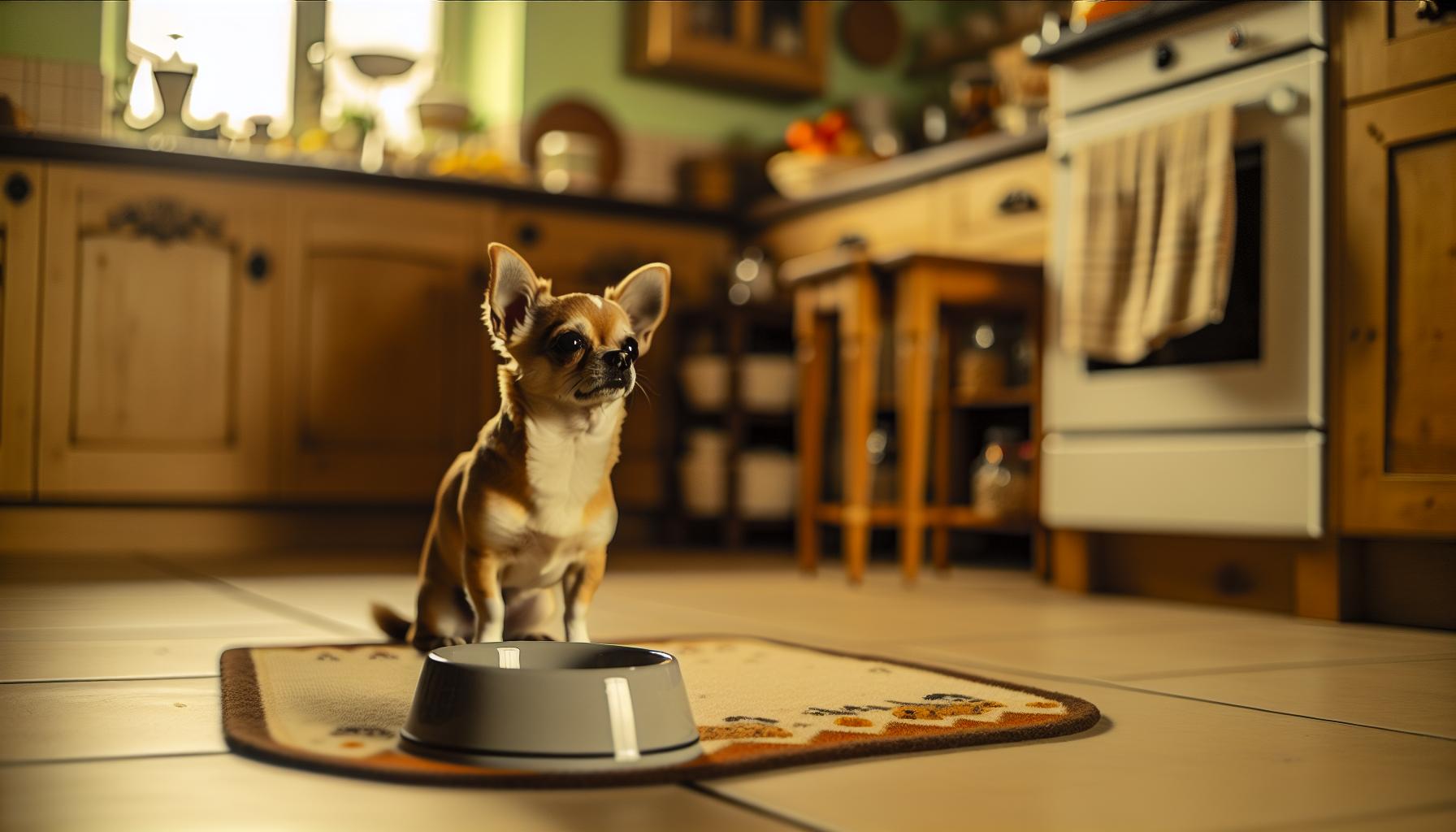
Common Reasons Chihuahuas Seem Constantly Hungry
Chihuahuas have a reputation for being spirited little companions, and with their bold personalities often comes a robust appetite that can leave many owners questioning why their tiny friend always seems to be hungry. Understanding the reasons behind this seemingly perpetual hunger can help you ensure your Chihuahua stays healthy and happy.
One primary factor is their inherent nature. Chihuahuas are not shy about expressing their desires, especially when it comes to food. Their vocalizations and begging behaviors can sometimes prompt us to reinforce this hunger by giving them additional treats or meals to keep them content. This behavior can snowball-what starts as a simple request for food can quickly escalate into a habit, leading your dog to expect constant snacks. Also, because of their small stomachs, they might genuinely need to eat smaller, more frequent meals to avoid hunger pangs, making it appear as if they’re always on the hunt for food.
Another pivotal aspect is the role of genetics. Some Chihuahuas may have been bred with a predisposition toward a hearty appetite, while others might be naturally more active and require more calories to maintain their energy levels. For instance, an apple-head Chihuahua, known for their playful and energetic demeanor, might seem more demanding when it comes to meal times than a more laid-back deer-head counterpart. Understanding these nuances can help you tailor your Chihuahua’s diet to better suit their individual needs.
It’s critical that you monitor their diet closely. High-quality small breed kibble can ensure they receive all the necessary nutrients without overindulging, as it’s easy for these little ones to gain weight quickly. Additionally, consider incorporating low-calorie treats and making mealtime an engaging experience, perhaps by using puzzle toys that challenge them to work for their food. This not only satisfies their hunger but also stimulates their minds and reduces their focus on food as the only source of enjoyment. By being proactive and setting a consistent feeding schedule, you can help your Chihuahua maintain a healthy weight while still allowing him the joy of eating.
How to Identify Actual Hunger vs. Behavioral Feeding
Determining whether your Chihuahua is truly hungry or just exhibiting behavioral feeding can be quite the challenge, especially given their bold and often demanding nature. Chihuahuas are spirited and vocal, and their tiny stature can make their requests for food feel urgent. To differentiate between genuine hunger and behaviors driven by boredom or learned responses, it’s essential to observe a few key behaviors and patterns.
Recognizing True Hunger
Actual hunger in your Chihuahua usually manifests through specific behaviors. Pay attention to her body language: does she pace around the kitchen, sniffing the air, or sit expectantly near her food bowl? If she seems restless or agitated when mealtime approaches, it’s likely that she is indeed hungry. Additionally, if she dives into her food as soon as it’s offered, rather than just nibbling, that’s a sign of genuine appetite.
Other indicators might include the time elapsed since her last meal. Chihuahuas typically thrive on frequent small meals throughout the day-if your little friend hasn’t eaten in several hours, her increased interest in food is perfectly natural. A consistent feeding schedule can help regulate her appetite and make it easier to identify true hunger.
Identifying Behavioral Feeding
On the flip side, many Chihuahuas develop behavioral feeding habits that can mimic true hunger. If your Chihuahua whines or begs when you’re eating, this may be more about her learned behavior than a physical need for food. Many owners unintentionally reinforce this behavior by sharing bites from their plates or offering treats whenever she asks. Over time, she learns that being vocal about food will yield tasty rewards.
To counteract this, try to adjust your routines. Implement designated feeding times and stick to them. If your Chihuahua asks for food outside of those times, distract her with a playful activity or a short walk instead. This engages her mind and reduces the focus on food, helping her recognize that begging isn’t rewarded.
By observing your Chihuahua’s behavior patterns and adjusting your interactions accordingly, you can nurture a healthier relationship with food while ensuring that both her genuine hunger and her behavioral quirks are addressed. Balancing physical needs with psychological stimulation is key to helping your spirited companion thrive.
The Role of Genetics in Chihuahua Eating Habits
Chihuahuas are known for their larger-than-life personalities, and one captivating aspect of their character is their often insatiable appetite. While behavioral factors play a significant role in this seemingly endless hunger, genetics can also influence a Chihuahua’s relationship with food. Just like us, a dog’s genetic makeup can affect their metabolism, appetite, and even their ability to feel satisfied after meals.
Genetics can dictate how many “hunger” hormones a Chihuahua produces, such as ghrelin, which stimulates appetite, and leptin, which signals fullness. Some Chihuahuas may have a genetic predisposition for higher levels of ghrelin or lower levels of leptin, leading them to feel hungrier more often than others. This is particularly relevant as some Chihuahuas, especially those from certain bloodlines, may have evolved with traits that predispose them to gorge when food is available, reflecting their ancestral roots of surviving in environments where food could be scarce.
Moreover, the influence of genetic factors isn’t limited to appetite alone-it can also impact a Chihuahua’s food preferences and dietary needs. Some Chihuahuas may show a preference for certain textures or flavors, which could be traced back to their lineage. For instance, some lines may have been bred for companionship and were less reliant on foraging, possibly leading to different dietary habits today.
Understanding the genetic influences on your Chihuahua’s eating habits can be invaluable in managing her diet. It’s essential to choose a high-quality, nutrient-dense dog food suitable for her age, size, and energy level. Engaging with your vet to tailor her nutritional needs based on her genetics and health history is always a good idea. Additionally, maintaining a balanced feeding schedule can help counteract her natural tendencies, reinforcing healthier eating habits while ensuring her nutritional requirements are met. In this way, you celebrate her vibrant spirit while keeping her health in check, allowing her to thrive happily and healthily.
Ideal Nutrition for Chihuahuas: Portion Sizes and Diets
Chihuahuas are known for their spirited personalities, and their tiny stature might deceive you into thinking they need little food. However, these little dynamos often have a surprising appetite that can leave you wondering how much is too much. It’s important to grasp the right nutrition for your Chihuahua, understanding not just quantities but also the quality of their diet, to keep them healthy and satisfied.
When determining the ideal portion sizes for your Chihuahua, it’s essential to consider their age, weight, activity level, and overall health. Generally, adult Chihuahuas thrive on about 1/4 to 1 cup of high-quality dog food daily, divided into two meals to prevent excessive hunger in between. Always opt for dog food that lists high-quality proteins like chicken or beef as the first ingredient, and avoid fillers like corn and wheat. A great choice is a breed-specific kibble that caters to their unique nutritional needs.
To visualize how much your Chihuahua should eat, you might consider maintaining a simple feeding table based on weight:
| Weight of Chihuahua | Daily Food Amount |
|---|---|
| 2-5 lbs | 1/4 to 1/2 cup |
| 5-10 lbs | 1/2 to 1 cup |
Incorporating a mix of wet and dry food can enhance palatability and satisfy your Chihuahua’s palate, given their sometimes finicky nature. If you notice your Chihuahua still seems hungry after meals, consider adding low-calorie vegetables as fillers, like green beans or carrots, which are safe and healthy options.
Most importantly, it’s essential to tailor your approach to your dog’s specific needs. For instance, if your Chihuahua is particularly active, she may require a slightly higher calorie intake. On the other hand, if she has a more laid-back lifestyle, adjusting her food portion down may be necessary to prevent weight gain. Regular vet check-ups can help monitor weight and overall health progress, ensuring she remains robust and energetic.
Remember, Chihuahuas thrive on routine, and a consistent feeding schedule can instill a sense of security, making them less likely to beg between meals. By prioritizing a high-quality diet and adjusting portions based on her individual needs, you can ensure your little friend feels satisfied and nourished, while also addressing that enthusiastic hunger she so often displays.
The Impact of Treats on Your Chihuahua’s Appetite
Chihuahuas may be small, but their enthusiasm for treats can sometimes overshadow their regular meals. If you’ve found yourself wondering why your little friend seems perpetually hungry, consider the role treats play in their overall appetite. While occasional rewards and snacks can be a delightful part of your Chihuahua’s day, overindulging can lead to an insatiable appetite that complicates meal routines and affects their health.
One key aspect to consider is that many commercial dog treats are calorie-dense, and frequent snacking can fill up your Chihuahua’s small stomach before mealtime even arrives. For example, offering a few too many tasty morsels could lead your dog to reject their regular food. To avoid this, think of treats as part of a balanced diet rather than a supplementary source of nutrition. As a guideline, treats should not exceed 10% of your Chihuahua’s daily caloric intake. This balance helps to ensure that she is still eager to enjoy her meals while allowing for those little rewards that make bonding time special.
To keep excitement alive without compromising your Chihuahua’s health, consider offering fresh fruits and vegetables as alternatives. Carrots, small apple slices, or green beans can be excellent, low-calorie options that satisfy the urge to snack while providing extra nutrients. Be sure to introduce any new foods gradually, observing how her tummy responds. Also, remember to celebrate her quirks; some Chihuahuas particularly love to play a game before receiving their treat, combining actions and rewards to keep them mentally stimulated and engaged.
Finally, maintaining consistency in when and how you provide treats can create a healthy eating pattern. Rather than offering treats freely throughout the day, think about reserving them for training sessions or as a reward for good behavior. This practice not only enhances your dog’s appetite for her regular meals but also fosters a stronger bond through interactive play and training, satisfying her need for attention and engagement. By thoughtfully managing treats, you’ll help ensure your Chihuahua remains a happy, healthy little companion, ready to enjoy her meals without that persistent craving.
Health Issues That Can Cause Increased Hunger
It’s not uncommon for a tiny Chihuahua to exhibit a seemingly insatiable appetite. However, there are underlying health issues that can lead to increased hunger in our little companions. Recognizing these factors is crucial to ensuring a happy and healthy life for your loved one.
One health issue that may contribute to excessive hunger is diabetes mellitus. This condition affects how your Chihuahua processes sugar, leading to constant cravings as their body attempts to regulate blood sugar levels. Other potential causes include hypothyroidism, where an underactive thyroid slows down metabolism and can prompt weight gain accompanied by increased appetite. Additionally, Cushing’s disease, characterized by an overproduction of cortisol, can result in increased hunger as well as other symptoms like thinning hair and lethargy.
Monitoring Symptoms
If you notice your Chihuahua displaying signs of extreme hunger alongside other symptoms, it may be time to consult a veterinarian. Keep an eye on behaviors such as:
- Weight gain or loss
- Increased thirst or urination
- Lethargy or reduced activity levels
- Changes in coat condition
These may indicate underlying health problems that need attention. Early intervention is key, as many of these issues can be managed effectively with appropriate treatment and dietary adjustments.
In addition to these conditions, certain medications can also lead to increased appetite. Corticosteroids, commonly prescribed for inflammation, are known for their appetite-stimulating side effects. It’s important to discuss any changes in eating habits with your vet, particularly if your Chihuahua has started a new medication.
By staying vigilant and prioritizing regular vet check-ups, you can better manage your Chihuahua’s appetite and ensure that any health concerns are addressed promptly. Remember, your little one depends on you for their health and happiness!
Managing Your Chihuahua’s Eating Routine Effectively
To nurture a happy and healthy Chihuahua, creating an effective eating routine is paramount. These tiny companions may act as if they’re perpetually hungry, but how you manage their feeding can make a significant difference. Start with a consistent feeding schedule to help regulate their appetite. Establish specific mealtimes-typically twice a day for adults-to promote routine and stability. This not only helps you control portions but also sets clear expectations for your Chihuahua. Just like us, dogs thrive on structure, and it can alleviate some of the anxiety about when the next meal will come.
Consider dividing their daily food allowance into these set meal times, instead of leaving food out all day. Chihuahuas are clever little creatures, always scouting for snacks, and if food is freely available, they may graze and overeat. Monitor portion sizes based on their age, weight, and energy level-consult your vet for tailored advice. For example, an apple-head Chihuahua that has a more delicate build might need smaller portions than a robust, long-haired counterpart.
Another effective strategy is to use food puzzle toys that engage your Chihuahua’s mind while also controlling their food intake. For instance, these interactive feeders release kibble as your furry friend nudges or rolls them. This slows down their eating and offers mental stimulation, which can help reduce the obsession with food and direct their focus. Remember, a well-fed Chihuahua is not just about quantity but quality; high-quality dog food with the proper balance of nutrients will keep your pup satiated longer.
Lastly, be mindful of treats. While it’s tempting to give in to those big, soulful eyes, treats can add up quickly and may contribute to a heavier Chihuahua. Aim for 10% of their daily caloric intake from treats and choose healthy options that won’t disrupt their diet. Training sessions can be a fantastic opportunity for reward-based treats, reinforcing good behavior while managing food intake effectively. With attention to their feeding routine, you can help your Chihuahua remain a healthy, spirited companion!
Signs of Overfeeding: Keeping Your Chihuahua Healthy
In a world bursting with charm and energy, Chihuahuas often exhibit an insatiable appetite that can be both delightful and concerning. These little dynamos can readily beg for food, and their persistent requests may leave you wondering if they are actually hungry or if they’ve crossed the line into overfeeding territory. Recognizing the signs of overfeeding is crucial to maintaining your Chihuahua’s health and happiness.
One of the most apparent indicators of overfeeding is weight gain. Chihuahuas are small dogs with delicate frames, and even a few extra ounces can lead to health complications. A healthy weight for an adult Chihuahua typically ranges from 2 to 6 pounds, depending on their build. If your furry friend starts looking rounder or struggles to fit into their favorite harness, it may be time to reassess their diet. Regularly weigh your Chihuahua or consult with your vet to keep tabs on her body condition.
Another clear sign of overfeeding is decreased activity levels. If your Chihuahua, usually so eager to prance around or dash after a toy, suddenly seems less energetic or prefers to lounge more often, this could suggest she’s carrying extra weight. Keep an eye on her playfulness-an active, engaged Chihuahua is often a happy one. If she’s frequently lethargic or avoids playtime, it might be necessary to adjust her feeding routine and increase her exercise.
It’s also important to watch for signs of digestive issues, such as vomiting or diarrhea, which can indicate that she’s eating too much or that her diet is not balanced. A sudden increase in appetite paired with gastrointestinal distress can reflect overfeeding or even food intolerance, especially if you’ve recently introduced new treats or food. Keep a close record of her meals and any changes in her digestion for informative discussions with your vet.
Lastly, behavioral signs such as food aggression or an obsessive focus on food can indicate that your Chihuahua’s feeding routine needs adjusting. If she barks incessantly for food or becomes possessive over her bowl, it may be time to evaluate her portion sizes and meal frequency. Instead of free feeding, try employing a structured feeding schedule to provide her with consistent meal times, which can help mitigate food-related anxiety.
Being attentive to these signs not only helps in preventing health complications but also enhances the overall well-being of your beloved companion. Ensuring your Chihuahua maintains a healthy weight and lifestyle leads to a longer, happier life filled with fun and play!
Engaging Activities to Distract from Food Obsession
Chihuahuas, with their vibrant personalities and boundless energy, can easily become fixated on food, often leaving owners puzzled over their perpetual hunger. To shift their focus away from nibbling, engaging activities can provide mental stimulation and physical exercise that not only distracts but also nourishes their inquisitive minds.
Interactive Toys and Puzzles
Consider introducing interactive toys that require problem-solving skills. These toys often dispense treats, rewarding your Chihuahua for her efforts. Puzzle feeders are a fantastic choice-your pup will enjoy working for her food, which mimics natural scavenging behaviors. Dogs like Chihuahuas thrive on engagement, so mixing up the challenges and rotating toys can keep her interest piqued.
Training Sessions
Training sessions can also serve as a perfect distraction. Teaching new commands, tricks, or even agility exercises can harness your Chihuahua’s intelligence and energy in a constructive way. Short, consistent training sessions not only keep her engaged but also deepen your bond. For instance, an apple-head Chihuahua, known for its love of attention, may shine in learning fun tricks that also reinforce good behavior.
Outdoor Adventures
Exploring the outdoors is an excellent way to channel her energy. Whether it’s a walk around the neighborhood or a trip to a dog park, discovering new scents and sights can be incredibly stimulating. Small trips can prevent her from focusing solely on food while promoting overall well-being and encouraging active play. Keep an eye out for small fetchable objects or her favorite squeaky toy to incorporate into outdoor fun, as this encourages her to be active and engaged rather than fixated on food.
Socialization Opportunities
Consider attending puppy playdates or dog classes. Interacting with other dogs allows her to expend energy through play, shifting her focus away from food. Social activities can help combat any food obsession since roughhousing with canine friends is often much more enticing than food.
By incorporating these engaging activities into your routine, you can help manage your Chihuahua’s appetite while fostering a loving, healthy environment that celebrates her unique spirit. Remember, a mentally stimulated and physically active Chihuahua is often a happier one!
When to Consult a Vet About Your Chihuahua’s Hunger
Chihuahuas are known for their big personalities, but sometimes their appetites can be just as overwhelming. If your little companion seems perpetually hungry, it might be time to pause and reflect on whether this behavior is normal or a sign of something more serious. While these tiny dogs do have energetic dispositions, sudden changes in appetite or insatiable hunger that doesn’t align with their usual eating habits can warrant a vet visit.
First, observe any drastic changes in your Chihuahua’s eating habits. Have they started consuming significantly more food than usual, or do they seem restless and constantly scavenging? Such behaviors could be linked to several health issues, including diabetes or thyroid problems. Early diagnosis is crucial, so it’s important to document these changes before your vet visit.
Additionally, consider any accompanying symptoms. If your Chihuahua displays signs like excessive thirst, lethargy, or significant weight loss, consult your veterinarian as soon as possible. These symptoms could indicate a health problem that needs prompt attention. Remember, concerns about increased hunger along with an unquenchable thirst are particularly critical – perhaps signaling an underlying condition like Cushing’s disease.
Lastly, it’s essential to have regular check-ups that include discussions about your pup’s diet and behavior. Your vet can provide tailored advice and nutritional guidance, ensuring your Chihuahua maintains a healthy weight while not feeling deprived. Check-ups can also help rule out hereditary issues, which Chihuahuas may carry.
Understanding when to seek help is key to maintaining your Chihuahua’s happiness and health. Ensure that the vibrant spirit of your little companion continues to shine bright, even if that means addressing the occasional ‘too hungry’ alarm bell with a professional’s insight.
Tips for Creating a Balanced Feeding Schedule
Creating a balanced feeding schedule for your Chihuahua can make a world of difference in managing their appetite and keeping them healthy. These spirited little dogs, whether they’re the bold apple-heads or the sleek deer-heads, thrive on routine. Establishing a consistent feeding time not only helps regulate their hunger but also strengthens your bond with them. Just like you look forward to meal times, your furry friend will appreciate the predictability, which can alleviate anxiety related to hunger.
One important aspect of your Chihuahua’s feeding routine is to define portion sizes based on their age, weight, and activity level. A 5-pound Chihuahua may need only about 1/2 cup of high-quality kibble daily, while a more active 10-pound pooch could require around 3/4 cup. Always consult your vet for precise measurements, as overfeeding can lead to obesity-a notable risk for the breed. Additionally, splitting their daily intake into several smaller meals (usually three to four) can help keep their metabolism stable and curb their relentless scavenging tendencies.
Sample Feeding Schedule
Here’s a simple example of a daily feeding schedule that you can customize for your Chihuahua:
| Meal Time | Food Type | Portion Size |
|---|---|---|
| 7:30 AM | Breakfast | 1/4 cup dry kibble |
| 12:30 PM | Midday Snack | 1/4 cup wet food or 1-2 training treats |
| 5:30 PM | Dinner | 1/4 cup dry kibble |
| 8:00 PM | Evening Treat | Small apple slice or carrot stick (optional) |
Incorporating healthy treats into your Chihuahua’s diet can also help balance their intake, but it’s important to do so sparingly to avoid overwhelming their small stomachs. Look for treats that are specially formulated for tiny breeds and monitor their overall caloric intake throughout the day.
Lastly, keep your Chihuahua engaged during the periods between meals. Activities like short walks, puzzle toys that dispense food, or even some light training can satisfy their need for stimulation and can help divert their attention from food. Remember that a well-fed, engaged Chihuahua is a happy Chihuahua, so embrace their dynamic spirit while taking control of their feeding routine! With a solid plan in place, you can ensure that your little companion remains satisfied, healthy, and full of zest for life.
Frequently asked questions
Q: Why does my Chihuahua act like he’s always hungry?
A: Your Chihuahua may seem constantly hungry due to instinctual behaviors linked to their small size and high metabolism. Proper nutrition and portion control are essential to satisfy their unique needs without overfeeding. Be mindful of their habits, as it could indicate underlying issues.
Q: How can I tell if my Chihuahua is actually hungry or just begging?
A: Look for signs beyond begging, such as consistent behavior around feeding times or searching for food. Understanding routines and contrast it with actual feeding schedules can help you differentiate between true hunger and learned begging behavior.
Q: Could my Chihuahua’s constant hunger be a sign of a health issue?
A: Yes, frequent hunger can indicate health problems such as diabetes or worms. If your Chihuahua’s hunger is excessive or coupled with other symptoms, consult your veterinarian for a thorough examination to rule out any medical concerns.
Q: What is the best diet for a Chihuahua to prevent constant hunger?
A: A balanced diet rich in high-quality proteins, vitamins, and minerals is crucial. Portion sizes should be carefully measured based on your Chihuahua’s weight and activity level. Consider consulting a vet to tailor a specific diet plan.
Q: Are there specific treats that make Chihuahuas more hungry?
A: Yes, treats high in sugar or carbs can lead to increased hunger. Opt for healthy, low-calorie options and limit their quantity. This helps maintain their appetite without contributing to overall caloric intake.
Q: How often should I feed my Chihuahua to manage their appetite?
A: Feeding your Chihuahua two to three smaller meals daily can help maintain stable energy levels and reduce feelings of hunger. Consistent schedules will create a routine and help your pup feel satisfied throughout the day.
Q: What activities can distract my Chihuahua from thinking about food?
A: Engaging your Chihuahua in regular physical and mental activities, like interactive toys or short walks, can distract them from food obsessions. These activities help expend energy and keep their minds occupied, reducing their focus on hunger.
Q: When should I be concerned about my Chihuahua’s eating habits?
A: If your Chihuahua’s appetite drastically changes, leading to weight loss or gain, or if exhibiting signs of discomfort, it’s time to consult with a veterinarian. Changes in eating habits may point to health issues requiring immediate attention.
For more insights on managing your Chihuahua’s eating behaviors, check our section on Managing Your Chihuahua’s Eating Routine Effectively. Remember, a balanced diet and routine can lead to a healthier, happier pup!
To Conclude
Understanding why your Chihuahua always seems hungry is a common concern for many loving pet owners. Remember, their small size doesn’t mean they need less care-instead, it highlights the importance of providing balanced nutrition to keep them healthy and satisfied. If you’re wondering how to manage their appetite, consider consulting our resource on Chihuahua nutrition tips and the best high-quality treats for your little friend.
Don’t just take my word for it-join our community of Chihuahua enthusiasts who share insights and experiences on navigating your pup’s unique needs. If you haven’t already, sign up for our newsletter for expert tips and heartwarming stories about our beloved breed. With the right knowledge, you can make informed choices that ensure your Chihuahua thrives. Keep exploring to learn more about their fascinating behavior, health care essentials, and more. Your journey with your feisty friend is just beginning, and we’re here to support you every step of the way!
Get our latest guides, news, and insights highlighted in your Google Search & AI Overviews.