
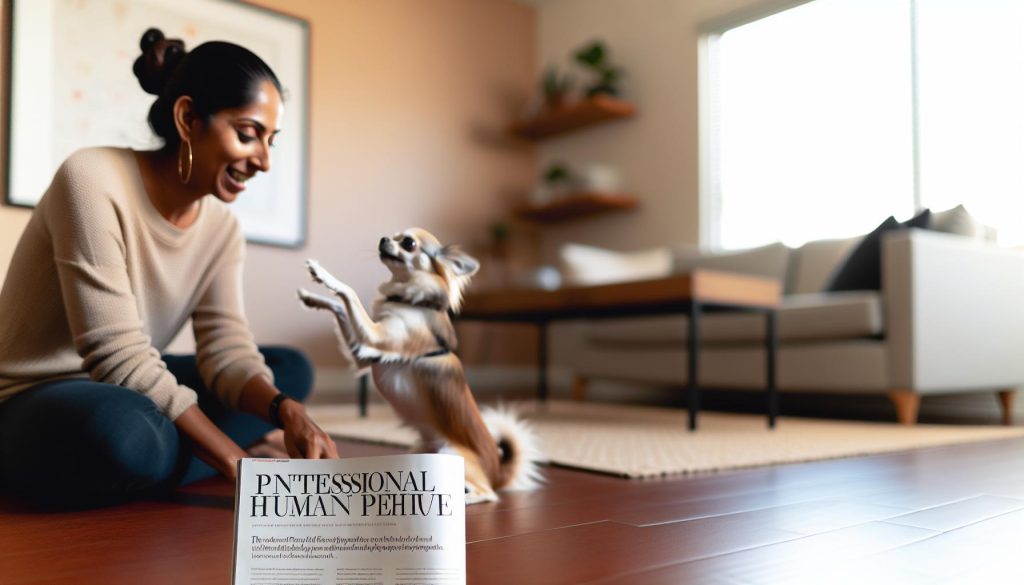
Understanding your female Chihuahua‘s behavior can be as quirky as the breed itself. If you’ve noticed her humping, you might be wondering if it’s normal or a cause for concern. This surprising habit can stem from a variety of reasons-ranging from excitement and playfulness to hormonal influences or even stress relief. Many Chihuahua owners share similar experiences, and recognizing these behaviors not only helps you support your pup but also strengthens your bond. This article will explore the reasons behind why your female Chihuahua might be humping, helping you decipher what’s typical and what might need attention. Keep reading to gain insights that will empower you as a loving Chihuahua owner and enhance your understanding of her lovable, lively personality.
Why Do Female Chihuahuas Hump? Understanding the Behavior
Chihuahuas, with their bold personalities and endearing quirks, can sometimes engage in behaviors that puzzle their devoted owners. One such behavior is humping, which can be particularly concerning for female Chihuahuas. While it might seem disconcerting, humping can stem from a variety of natural instincts and behaviors.
First, it’s essential to understand that humping does not always indicate a sexual motive. For female Chihuahuas, this behavior may emerge from a mix of excitement, stress, or even a way to assert dominance among other dogs or in play. In many cases, humping can be a form of communication. For example, if she humps during playtime, it may signal her enthusiasm or excitement about the interaction. Similarly, if she engages in humping when meeting new dogs or people, it could express her nervousness or a desire to explore her environment.
Moreover, hormonal influences play a crucial role during specific times, such as when a female is in heat. The presence of certain hormones can trigger this behavior, making it more likely as her body undergoes natural changes. Owners should observe their Chihuahua for changes in context and frequency; for example, if she typically engages in this behavior more during playtime or seems to do it when she’s feeling overwhelmed.
Ultimately, understanding the underlying reasons behind humping can help owners manage their Chihuahua’s behavior effectively. Recognizing that this is a normal part of dog expression, rather than something inherently problematic, encourages a more patient and informed approach. Understanding your Chihuahua’s unique triggers and contexts will not only help in addressing the behavior but also strengthen your bond through better communication and training strategies.
Hormonal Influences on Humping in Female Chihuahuas
Female Chihuahuas are known for their vibrant personalities, and this boldness can sometimes lead to behaviors that leave their owners puzzled. One such behavior is humping, which, while often misunderstood, can frequently be traced back to hormonal influences. During certain times in her life, particularly when she is in heat, hormonal changes can significantly impact your Chihuahua’s behavior, making her more prone to humping.
When a female Chihuahua is in estrus, or heat, her body experiences a surge of hormones like estrogen. These hormones not only affect her reproductive behaviors but can also trigger her to engage in less understandable actions, such as humping. This behavior can be a way for her to express the hormonal changes she’s experiencing, often manifesting during interactions with other dogs or during play. It’s essential for owners to be observant during these times, as her humping may increase, especially when she’s around male dogs or in situations that excite her.
Beyond the heat cycle, hormonal imbalances due to other health issues can also influence this behavior. For instance, conditions like ovarian cysts or adrenal gland disorders can lead to abnormal hormone levels, causing persistent humping even when your Chihuahua is not in heat. Therefore, if you notice changes in her behavior that seem out of the ordinary, consulting your veterinarian can help rule out any underlying medical conditions.
To manage humping behavior effectively during hormonal fluctuations, consistency is key. Here are some helpful strategies:
- Establish Routine: Keeping a regular schedule for walks, playtime, and feeding can help reduce anxiety and provide structure, reducing her urge to hump.
- Redirect Attention: When you see her about to hump, redirect her attention to a toy or engaging in a different activity.
- Training Commands: Reinforcing training with commands like “off” or “no” during these moments can be effective. Positive reinforcement when she responds correctly can help diminish the behavior over time.
Understanding the hormonal influences on your female Chihuahua’s humping behavior will allow you to approach the situation with compassion and knowledge, further strengthening the bond of trust you share. This is part of her unique personality, and with a little patience and proactive management, you can navigate these moments together.
Is Humping Playful or Stress-Driven Behavior?

Understanding the underlying reasons why your female Chihuahua may engage in humping can be key to addressing this behavior effectively. It’s important to recognize that humping is not solely a sexual behavior; it can also be playful or a response to stress. Playful humping often occurs during interactions with other dogs or during energetic play sessions. For instance, when your Chihuahua engages excitedly with her furry friends, you might notice her humping as a way to express her joy and assert her social status in a playful manner.
Conversely, stress-driven humping can emerge from anxiety or discomfort. Chihuahuas are notoriously sensitive due to their small size and strong personalities, making them prone to feeling overwhelmed in busy or unfamiliar environments. If your little one is humping in situations where she seems nervous, such as when meeting new people, encountering larger dogs, or during loud noises, it may indicate that she is trying to cope with her anxiety. For example, imagine your Chihuahua at a family gathering: if she starts to hump her favorite toy, it may be her way of seeking comfort amidst the chaos.
To help distinguish between these two types of humping, observe her body language closely. Playful humping is usually accompanied by a wagging tail, playful barks, and a relaxed demeanor. In contrast, stress-driven humping often comes with signs of unease, such as panting, pacing, or tucking her tail. Recognizing these cues can empower you to address her needs more effectively.
Here are some practical steps to manage both playful and stress-driven humping:
- Provide Structured Play: Engaging your Chihuahua in structured activities can channel her energy positively, reducing the likelihood of humping.
- Create a Safe Space: If she seems stressed, ensure she has a quiet space to retreat to where she can feel secure.
- Positive Reinforcement: Reward her with treats or praise when she engages in appropriate play without humping, encouraging the behaviors you want to see.
Understanding whether your Chihuahua’s humping is playful or stress-related can help you respond appropriately, strengthening your bond and improving her overall well-being. With patience and observation, you can help her navigate her emotions while celebrating her unique personality.
Recognizing Signs of Anxiety in Your Chihuahua
One of the fascinating aspects of Chihuahuas is their keen sensitivity to their surroundings. These little dynamos often wear their hearts on their sleeves-err, tails! Recognizing signs of anxiety in your female Chihuahua is crucial, as it allows you to address her needs and help her feel more secure. Many owners have observed that a sudden change in behavior, like excessive barking, humping, or hiding, can indicate that she is feeling overwhelmed or anxious.
When assessing your Chihuahua’s emotional state, look out for specific signals. Does she seem to retreat to a corner or behind the couch during loud noises or when unfamiliar people enter the home? This can be a clear sign that she is not feeling safe. Additionally, behaviors like excessive panting, drooling, or pacing around the house often signify distress. For instance, if your Chihuahua begins to tremble or bark at unexpected sounds, she may be trying to communicate her discomfort.
- Body Language: Pay attention to how she holds her body. A tucked tail, flattened ears, or a lowered head are often indications of fear or anxiety.
- Vocalizations: Increased barking, whining, or even growling can be a sign that she’s feeling threatened or anxious, especially in new environments or around unfamiliar animals.
- Destructive Behavior: Chewing or digging can sometimes stem from anxiety, particularly if it occurs more when she’s left alone or in stressful situations.
Every Chihuahua is unique, and their anxiety triggers can vary. For example, one owner shared how her apple-head Chihuahua would bark incessantly during thunderstorms, even after she had calmed him with a snug blanket. This behavior highlighted his need for a safe space where he could feel protected. Creating such an environment-whether it’s a cozy crate with familiar toys or a quiet room-can significantly help reduce anxiety and promote a sense of security.
By recognizing these signs, you can better support your Chihuahua through her anxious moments. Reducing stress isn’t just about managing behavior; it ultimately strengthens the bond you share with her, empowering both of you to enjoy life together more fully.
When to Worry: Humping as a Sign of Medical Issues
When observing your female Chihuahua engage in humping behavior, it’s essential to differentiate between normal playfulness and potential underlying medical issues. Although humping can often stem from excitement, hormonal influences, or stress, there are times when this behavior may indicate something more serious. For instance, a sudden increase in humping frequency, especially if accompanied by other unusual behaviors, warrants closer scrutiny.
Medical conditions that can lead to increased humping include urinary tract infections (UTIs), hormonal imbalances, or even skin irritations or allergies that cause discomfort. For example, a friend of mine noticed her young apple-head Chihuahua started humping excessively after being spayed. Initially attributing it to an adjustment period, she eventually discovered that her pup had developed a UTI. This medical diagnosis explained the sudden change in behavior, and once treated, her Chihuahua returned to her usual self, avoiding humping altogether.
Here are a few signs to consider that might suggest a medical issue related to humping:
- Changes in Urination: Frequent attempts to urinate or straining to do so can indicate a UTI.
- Behavioral Changes: If your Chihuahua becomes more aggressive, withdrawn, or anxious alongside the humping, it’s worth investigating.
- Physical Symptoms: Look for signs of pain, such as whining when touched, licking excessively at their genital area, or changes in appetite.
If you notice these symptoms in your Chihuahua especially if her normal routine has altered, it’s important to consult with your veterinarian. They can help determine if there’s an underlying health issue contributing to the humping behavior, and they can provide guidance on the appropriate next steps to take. Staying vigilant and proactive about your Chihuahua’s health can ensure she stays happy and comfortable, helping you maintain the special bond you share.
How to Manage Humping in Female Chihuahuas
When a female Chihuahua starts humping, it can bewilder and concern her owner. However, this behavior, while sometimes a source of embarrassment, is often manageable with the right approach. Understanding the various reasons for humping-ranging from excitement and playfulness to stress or hormonal influences-can help you address the behavior effectively.
One of the main strategies for managing humping is redirection. If your Chihuahua begins to hump, gently distract her with a toy or engage her in another activity. For example, you might toss her favorite squeaky toy or initiate a game of fetch. This tactic not only interrupts the behavior but also reinforces positive engagement and fun. Consistency is key here; over time, your Chihuahua will learn that there are more enjoyable and appropriate outlets for her energy.
Another useful technique involves reinforcing alternate behaviors. Teaching your Chihuahua commands like “sit” or “down” gives her a clear alternative to humping. Whenever she begins to exhibit the behavior, calmly ask her to follow a command. Reward her compliance with treats or praise, establishing a positive association with the desired behavior. This not only helps curb humping but also enhances her training and strengthens your bond.
Additionally, consider evaluating your Chihuahua’s environment. Stressors such as loud noises, unfamiliar visitors, or changes in routine can trigger humping as a coping mechanism. A calm, stable environment can significantly reduce anxiety-driven behavior. For example, if she gets anxious when guests arrive, create a safe space for her away from the commotion, outfitted with her favorite blankets and toys. Providing her with a cozy retreat can help soothe her nerves.
Finally, consult with your veterinarian if the humping seems excessive or is a new behavior. Medical issues, such as urinary tract infections or hormonal imbalances, could be at play. In such cases, a professional’s insight is invaluable for ensuring your Chihuahua’s health and emotional well-being. Regular check-ups and open communication with your vet can help keep her happy and healthy, allowing you to enjoy all the quirks of her vibrant personality without worry.
Training Techniques to Curb Humping Behavior
When it comes to curbing humping behavior in female Chihuahuas, a thoughtful and consistent training approach can make all the difference. Humping is often a natural behavior for dogs, but when it becomes excessive or inappropriate, it’s essential for owners to step in with effective techniques that not only redirect the behavior but also foster a strong and trusting relationship between you and your canine companion.
One of the most effective methods is redirection. This involves interrupting the humping behavior by engaging your Chihuahua in a different activity. For instance, if you notice her about to start humping, quickly toss her favorite toy or initiate a game that she loves, like tug-of-war. This not only distracts her but also replaces the undesired behavior with something positive and fun. Consistency here is crucial; by repeatedly interrupting the humping and redirecting her focus, you’ll help her learn that playtime is the preferred activity.
Another key strategy is to focus on teaching alternative behaviors. Command training can be particularly effective in providing your Chihuahua with clear instructions on what you’d like her to do instead of humping. Commands such as “sit,” “stay,” or “quiet” can provide her with appropriate outlets for her energy. Each time she begins to hump, calmly redirect her to the chosen command, and reward her with treats or praise upon successful compliance. This not only reinforces the desired behavior but serves to strengthen your bond with her as well.
Additionally, it’s important to evaluate her surroundings and uncover potential triggers for her humping. Chihuahuas can be more sensitive to their environment, and factors like noise, unfamiliar visitors, or a change in routine might lead to stress-induced humping. Providing a safe, quiet space in your home where she can retreat during stressful situations can help alleviate anxiety. Setting up a cozy corner with her favorite blankets and toys may be just the sanctuary she needs to feel secure.
Lastly, if you find that humping persists despite your best efforts, don’t hesitate to consult your veterinarian. They can help rule out any underlying medical issues that could manifest as behavioral problems. Regular check-ups and open communication about her habits can ensure she remains healthy and happy, allowing you to fully enjoy the quirky personality of your beloved Chihuahua. By combining redirection, command training, and environmental management, you can effectively establish a more peaceful home while nurturing your Chihuahua’s vibrant spirit.
The Impact of Spaying on Humping Habits
Spaying your female Chihuahua can have a significant impact on her humping behavior, a common concern among owners. Many owners notice that their Chihuahuas engage in humping for reasons that may range from hormonal influences to playful energy. The hormonal fluctuations during her heat cycle often heighten these behaviors. By eliminating these hormones through spaying, many owners report a marked decrease in humping tendencies after the procedure. This can lead to a more relaxed dog who expresses herself through other means.
While the specific effects of spaying can vary, many Chihuahuas become less driven by instincts associated with reproduction, which often include humping. Some owners, however, may find that their dogs continue to hump out of excitement or playfulness, rather than hormonal urges. For instance, one owner shared that their spayed Chihuahua still exhibited some humping behavior, typically when playing with her favorite squeaky toy. Understanding that play can trigger this action reminds us that spaying isn’t a cure-all but part of a broader approach to managing behavior.
Another aspect to consider is that spaying can help alleviate anxiety and stress, which may contribute to excessive humping. Chihuahuas are known for their bold personalities, but they can also become anxious in different situations. After being spayed, they often show reduced anxiety levels, leading to a decrease in humping as a stress response. Providing a stable environment and sufficient exercise will also support your Chihuahua’s overall well-being post-spaying.
In addition to the behavioral benefits, spaying contributes positively to your Chihuahua’s health. It decreases the risk of certain health issues, which can indirectly affect her behavior by keeping her feel good and energetic. A happy, healthy Chihuahua is more likely to channel her energy into play and affection rather than humping. Remember, every Chihuahua is unique, and while spaying can help many, ongoing training and positive reinforcement are essential in addressing behavioral challenges effectively.
Common Misconceptions About Humping in Dogs
While humping is often seen as a puzzling behavior, it’s important to recognize that many misconceptions surround this issue, particularly in female Chihuahuas. First, many owners believe that humping is solely a sexual behavior. However, this is a narrow view; humping can also stem from excitement, playfulness, or even anxiety. For instance, a Chihuahua might exuberantly hump toys or other dogs during a lively play session, demonstrating that this behavior isn’t always related to reproductive instincts.
Another common misconception is that humping is a sign of dominance or aggression. While this can sometimes be true in dog interactions, in many instances, especially with female Chihuahuas, humping is merely a way for her to express energy and joy. For example, if your Chihuahua gets overly excited when greeting friends or visitors, you might notice her engaging in humping as a release of that pent-up enthusiasm. This underscores the need for owners to closely observe the context in which humping occurs.
Some owners worry that humping indicates a serious behavioral problem or illness. While excessive humping may warrant a check-up with your vet to rule out medical issues, it’s crucial to understand that occasional humping, when not triggered by stress or anxiety, is often normal canine behavior. It reflects your dog’s personality and her unique way of interacting with her environment.
Finally, there’s a belief that spaying a female dog will entirely eliminate humping behavior. While spaying can significantly reduce humping associated with hormonal cycles, it doesn’t guarantee that your Chihuahua will never hump again. Many owners have reported that their spayed Chihuahuas still exhibit humping, especially during play. This means that while spaying may help with specific causes, ongoing training and behavioral adjustments may still be necessary. Understanding these nuances helps in developing a more informed and compassionate approach to your Chihuahua’s behavior, ensuring a happier relationship for both of you.
Alternatives to Humping: Healthy Play Options
Engaging your female Chihuahua in alternative activities to humping can be both fun and rewarding for her and you. Chihuahuas have a lively spirit and abundant energy, so finding healthy outlets for her excitement and playfulness is key to fostering good behaviors. Here are some effective play options that can redirect her energy and provide constructive stimulation.
Interactive Toys
Consider investing in interactive toys that require her to think and engage mentally. Toys that dispense treats or challenge her to solve puzzles can keep her distracted for significant amounts of time. These toys are great for reducing boredom, which can sometimes lead to humping due to excess energy. Many owners of apple-head Chihuahuas find that toys like snuffle mats or treat-dispensing balls keep their furry companions busy and satisfied.
Structured Playtime
Regular playtime is crucial for a Chihuahua’s physical and mental well-being. Incorporating structured activities such as fetch or tug-of-war can offer her an outlet for that pent-up energy. This not only helps reduce the likelihood of humping but also strengthens your bond. Make sure to use lightweight balls or soft toys that are easy for her to manipulate, keeping safety in mind. Many Chihuahua enthusiasts praise the effectiveness of short, energetic play sessions to channel their pup’s enthusiasm positively.
Obedience Training Games
Training doesn’t have to be just about commands; it can be an enjoyable game for both you and your Chihuahua. Incorporating commands like “sit,” “stay,” and “come” into fun activities like agility training or hide-and-seek can engage her mind while teaching impulse control. Positive reinforcement through treats and praise after completing a task encourages her to focus on activities rather than humping. It’s a fantastic way to bond and improve her social skills as well.
Socialization with Other Dogs
Arranging playdates with other calm, friendly dogs can also help direct her excitement in a constructive way. Supervised interactions allow her to engage in natural doggie play, which can provide an outlet for her exuberance. However, it’s essential to monitor these interactions, as too much excitement or roughhousing can still lead to humping. Learning to play nicely with others helps her develop better manners and reduces unnecessary behaviors at home.
By incorporating these alternatives into her routine, you will witness not just a decrease in humping behavior but also a happier, more balanced Chihuahua. These activities nurture her mind and body, ensuring a fulfilling life that celebrates her unique Chihuahua charm!
Building a Stronger Bond with Your Chihuahua
Developing a deep connection with your female Chihuahua is a rewarding journey that can significantly enhance her well-being and your experience as an owner. These tiny champions, known for their vocal personalities and loyalty, thrive on emotional bonds with their humans. To strengthen this bond, it’s essential to engage in activities that align with her unique breed traits and behavioral needs.
Start by establishing a routine that incorporates consistent play and training. Chihuahuas have vivid personalities, and they enjoy interactive games that stimulate their minds as much as their bodies. Activities like hide-and-seek or puzzle toys can keep her engaged while promoting trust and collaboration. When she successfully completes a task, offer praise and treats. This positive reinforcement not only encourages good behavior but also shows her that working together is enjoyable.
Social Interaction and Affection
Chihuahuas are inherently social creatures. Offering plenty of opportunities for social interactions-whether through supervised playdates with other calm dogs or joining a local dog group-can immensely benefit her social skills and confidence. These interactions help her learn appropriate behaviors while reinforcing her trust in you as her guardian. In addition, never underestimate the power of physical affection. Regular cuddling sessions can provide comfort and security, making her feel cherished and loved.
Understanding Her Unique Needs
Every Chihuahua has her quirks, from apple-heads to more elongated varieties, and understanding these nuances can develop your bond even further. For instance, knowing what triggers her playful energy or what makes her anxious can lead to tailored experiences that cater specifically to her. If she tends to get anxious during loud noises, creating a cozy, quiet space can help her feel secure. This attentiveness fosters a sense of safety and belonging, reinforcing the bond between you.
Through consistent interaction, training, and playful engagement, you can cultivate a robust relationship with your Chihuahua that is rewarding for both of you. Emphasizing her needs and quirks will not only mitigate unwanted behaviors like humping but will help you both thrive together in harmony.
Faq
Q: Why does my female Chihuahua hump other dogs?
A: Humping in female Chihuahuas can be a sign of dominance or playfulness. It often reflects social behaviors or excitement during interactions with other dogs. Ensure she is properly socialized to manage her behavior effectively. For more on interpreting dog interactions, see “Understanding the Behavior” in our article.
Q: How can I tell if my Chihuahua is humping due to anxiety?
A: Excessive humping can indicate anxiety if accompanied by signs like pacing, whining, or destructive behavior. If you notice these signs, consult a vet or a dog behaviorist for personalized strategies. Refer to “Recognizing Signs of Anxiety in Your Chihuahua” for detailed insights.
Q: Is humping a sign of a medical issue in female Chihuahuas?
A: Yes, persistent humping may signal medical concerns such as urinary tract infections or hormonal imbalances. If this behavior is sudden and continues, consult your veterinarian for a thorough examination. Check “When to Worry: Humping as a Sign of Medical Issues” for more details.
Q: What should I do if my Chihuahua keeps humping my leg?
A: If your Chihuahua humps your leg, redirect her attention with a toy or initiate a game. Consistently reward her for alternate behaviors, which can help curb this habit. For training techniques, refer to the section “Training Techniques to Curb Humping Behavior.”
Q: Can spaying help reduce humping behavior in female Chihuahuas?
A: Spaying can significantly reduce humping linked to hormonal influences. However, it’s not a guaranteed solution for all cases. Discuss the potential benefits of spaying with your veterinarian and check “The Impact of Spaying on Humping Habits” for additional insights.
Q: How can I manage my Chihuahua’s humping during playtime?
A: To manage humping during playtime, supervise interactions and intervene if necessary. Use toys to redirect her focus and engage in structured play sessions. For strategies, see “How to Manage Humping in Female Chihuahuas.”
Q: What are common misconceptions about humping behavior in dogs?
A: A common misconception is that humping only signifies sexual behavior. In reality, it can indicate playfulness, stress, or a reaction to excitement. Understanding these nuances is vital – explore more in “Common Misconceptions About Humping in Dogs.”
Q: When should I be concerned about my Chihuahua’s humping behavior?
A: You should be concerned if your Chihuahua’s humping becomes excessive or compulsive, particularly if it disrupts daily life or is paired with other behavioral changes. Consult a veterinarian to rule out health issues, referencing “When to Worry: Humping as a Sign of Medical Issues” for guidance.
Feel free to reach out for further questions or explore more about your Chihuahua in our extensive articles!
In Retrospect
Understanding your female Chihuahua’s behavior can be a journey filled with quirky moments and learning experiences. Remember, humping can be a normal behavior linked to dominance, excitement, or stress relief. If you’re still unsure or have lingering questions, be sure to check out our guides on “Managing Common Chihuahua Behavior Issues” and “Understanding Your Chihuahua’s Body Language” for more insights.
Don’t miss out on our newsletter for the latest tips and tricks tailored just for proud Chihuahua owners like you! If you’re looking for community support or advice, drop a comment below or share your experiences with other Chihuahua lovers. Your input is invaluable in fostering a supportive environment.
Armed with your new understanding, embrace your loyal companion’s unique behaviors. Every quirk is just a part of what makes your Chihuahua truly special. Explore further and empower yourself with knowledge-your tiny, vocal friend will thank you!
Get our latest guides, news, and insights highlighted in your Google Search & AI Overviews.