

Chihuahuas, those spirited little companions, have a unique charm that captivates dog lovers worldwide. Understanding their distinct behaviors is essential for any owner looking to enhance their relationship with these bold, vocal furballs. Whether you’re a newcomer to the breed or a seasoned Chihuahua enthusiast, knowing why your pup acts a certain way can help you respond to their needs more effectively. From their quirky barks to their undying loyalty, each behavior tells a story about their personality and upbringing.
In this article, we’ll decode common Chihuahua behaviors in a simple, relatable way, arming you with valuable insights into your dog’s mind. Get ready to uncover the fascinating reasons behind your Chihuahua’s actions, build a stronger bond, and ensure a harmonious life together. Your tiny friend’s quirks are not just endearing; they are key to understanding their world. So let’s dive in and celebrate the unique antics that make Chihuahuas truly special!
Understanding Chihuahuas: Breed Characteristics Explained
Chihuahuas are a breed full of surprises, encapsulating a larger-than-life personality in a tiny frame. Known for their fierce loyalty and spirited demeanor, Chihuahuas often exhibit behaviors that reflect their rich history and unique characteristics. These dogs, typically weighing between 2-6 pounds, may look small, but their confidence and boldness can catch many off guard. The physical traits of a Chihuahua vary widely; from the apple-headed to the deer-headed types, each with distinct features. They can have either a smooth or long coat, adding to their charm and diversity.
Understanding your Chihuahua’s behavior begins with recognizing their inherent nature. These dogs are incredibly vocal, often barking to express their excitement, alert you to strangers, or simply to engage in play. This behavior is rooted in their instinct to protect their home and owners. Socialization from a young age can help moderate excessive barking, aiding in their development into a well-rounded companion. For instance, a Chihuahua exposed to various environments and other pets is likely to develop a calmer disposition.
Health considerations are paramount for Chihuahuas, as they are prone to specific issues like dental problems and patellar luxation. Regular veterinary visits and a healthy diet can mitigate many of these risks. Owners should also be aware of the breed’s sensitivity to temperature; Chihuahuas, particularly those with short coats, can feel cold easily, making it essential to provide them with proper clothing during cooler weather.
Training your Chihuahua is equally important and requires patience and consistency. These intelligent dogs thrive on positive reinforcement methods, responding well to treats and praise. Establishing clear boundaries and commands in a kind manner will ensure that your Chihuahua understands expectations. Additionally, simple tricks can promote mental stimulation, fostering a strong bond while keeping them engaged.
Incorporating regular exercise into your Chihuahua’s routine, even in small bursts, is vital for their physical and mental health. Activities such as short walks, play sessions, or even puzzle toys can keep their energy levels in check and their minds sharp. Remember, despite their size, Chihuahuas are playful and energetic companions who will reward you with endless affection and joy-making them a cherished member of your family.
Common Behaviors of Chihuahuas You Should Know
Chihuahuas are not just small dogs; they are vibrant little personalities packed into a tiny frame. Their behaviors often reflect that spirited nature, making them both delightful and sometimes challenging companions. One of the most notable characteristics is their vocal nature. These little guardians have a strong instinct to alert their owners about any perceived threats, whether it’s a passing car or the neighbor’s cat. You may find that your Chihuahua barks not just to express excitement but also as a form of communication. Early socialization is crucial; exposing him to various sounds and experiences can help temper excessive barking tendencies often seen in the breed.
Another hallmark of Chihuahua behavior is their remarkable loyalty. He will likely form a close bond with you, often choosing to follow you from room to room. This behavior stems from their history as companion dogs, and it can lead to clinginess, especially if you are the primary caretaker. This loyalty can be heartwarming but can also manifest as separation anxiety if he becomes too dependent on your presence. Gradual exposure to being alone, with interactive toys or safe spaces, can help alleviate this issue.
Chihuahuas also display a boldness that belies their size. Despite being one of the smallest breeds, they’re often unaware of their limitations. This small dog complex can lead him to challenge much larger dogs, sometimes resulting in precarious situations. As an owner, it’s important to manage interactions carefully, ensuring that your Chihuahua is socialized with well-mannered dogs. Positive experiences can help him feel more secure and less inclined to act out. Additionally, teaching him to behave confidently in diverse situations will encourage a balanced demeanor.
Understanding these common behaviors not only enhances your relationship with your Chihuahua but also fosters a happy, healthy environment for him. Embrace his quirks, and with the right training and socialization, you’ll enjoy the lively companionship of this extraordinary breed for years to come.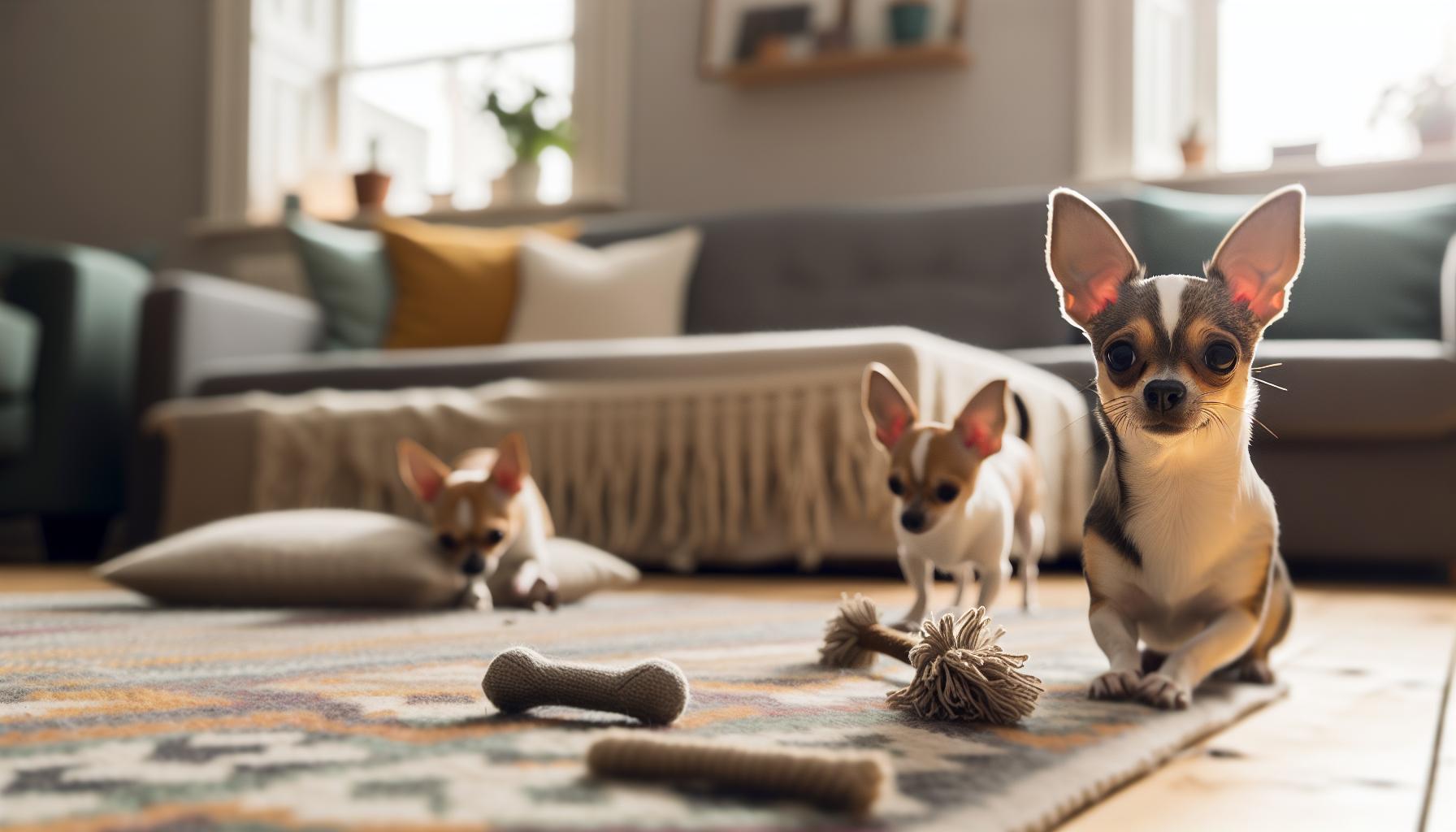
Why Your Chihuahua is So Vocal: Reasons Behind Barking
Chihuahuas are renowned for their vocal tendencies, and it’s fascinating to observe how much personality is packed into their little barks. Unlike many other breeds, your tiny companion uses his voice not just to alert you of potential dangers but as a primary form of communication. This instinct stems from their history as vigilant watchdogs, a characteristic that remains strong even in their small stature. Whether it’s the mailman arriving, a car passing by, or even a rustling leaf, your Chihuahua feels it is his duty to notify you.
Barking can signify various emotions and intents, including excitement, anxiety, or a desire for attention. For example, a Chihuahua might bark when he sees another dog, signaling both his eagerness to play and his instinct to protect his territory. Vocalization can also be a response to loneliness or boredom. Ensuring he has plenty of mental stimulation through toys and interactive activities can help reduce excessive barking. Regular engagement is key-long walks and playdates with other dogs can fulfill both his social and physical needs, keeping his bark count in check.
It’s also essential to consider his body language alongside the barking. Your Chihuahua might bark but be wagging his tail-this generally indicates excitement and friendliness. Conversely, if he’s backing away or showing his teeth while barking, he may feel threatened. By understanding these signals, you can better respond to his needs and help him feel more secure in his environment.
Training can also be invaluable in managing barking. Simple commands like “quiet” or “enough” can be taught with positive reinforcement techniques. Rewarding him for calming down after barking can encourage him to moderate his vocalizations over time. A well-structured approach, coupled with an understanding of his natural behaviors, not only aids in curbing unnecessary barking but also strengthens the bond you share with your Chihuahua, allowing you both to enjoy a more harmonious household together.
Exploring the Quirky Personality Traits of Chihuahuas
Chihuahuas are truly fascinating companions, with a lively personality that often belies their petite size. These tiny dynamos are known for their boldness and loyalty, making them not just pets but true family members. One minute, your Chihuahua might be sitting confidently on your lap acting like the king of the castle, and the next, he could be fiercely barking at a squirrel, convinced he needs to protect his domain. This quirky blend of bravery and affection is part of what makes Chihuahuas so special.
Their energy levels can be surprisingly high for such small dogs. They thrive on interaction and can go from being a lap dog to a playful whirlwind in an instant. Regular playtime is essential to keep your Chihuahua entertained and satisfied. Owners have shared how a simple game of fetch with a soft toy can elicit joyful barks and leaps, showcasing their exuberance. These moments not only provide physical exercise but also serve to strengthen the bond you share with your little friend.
Chihuahuas are often described as having vibrant personalities, full of character and charm. While they can be spirited and at times a bit stubborn, they also have a soft side that flourishes when they are treated with love and patience. Many owners note the endearing “chihuahua stare,” where their pup gazes up at them with wide eyes, effectively melting hearts. This is not just an adorable trait; it’s a sign of trust and affection that they freely share with those they love.
In terms of health and well-being, it’s important to keep in mind that these little guys are prone to certain conditions like patellar luxation and dental issues. Regular vet check-ups and a proper diet can help mitigate these issues. Engaging in regular grooming, especially for long-haired types, is also beneficial-keeping their coats healthy while serving as a great bonding activity.
Understanding and embracing the quirky traits of your Chihuahua can enhance your life together. Whether it’s their fierce loyalty, animated expressions, or their spirited barks that punctuate the silence, these little dogs provide endless joy and companionship. With patience and understanding, you can enjoy a fulfilling relationship that highlights their endearing quirks and makes every day an adventure.
How to Manage Your Chihuahua’s Bold Nature
Embracing the bold nature of your Chihuahua can unlock a world of joy and unique interaction between you and your tiny companion. Chihuahuas are known for their vibrant personalities, often acting much larger than their actual size. This little dynamo may exhibit behaviors that are fearless, spirited, and sometimes a bit overwhelming. It’s essential for owners to channel that boldness constructively to ensure a happy, balanced life for both you and your Chihuahua.
To manage this fearless attitude, start by establishing yourself as a confident leader. Chihuahuas thrive on structure and consistency. Consistent training sessions using positive reinforcement will help him understand what behaviors are acceptable. For example, if he barks at visitors, reward him for calm behavior instead. Reinforcing desired actions, such as sitting quietly or greeting guests politely, teaches him that there’s more to interactions than barking or jumping.
Another vital strategy is socialization. Exposing your Chihuahua to various environments, people, and other dogs is crucial. Gradually introduce him to new scenarios-like visiting a dog park, joining a local pet meetup, or even taking him to pet-friendly cafes. This exposure will not only diminish excessive boldness out of fear but also help him learn appropriate responses in different situations. Remember to keep the introductions positive. Bring treats along and reward him for calm behavior or positive interactions to build his confidence.
Physical and mental stimulation play a significant role in managing bold behavior. Make sure your dog has a range of toys suited for his size and energy level to play with. Engage him in interactive games that challenge his mind, such as puzzle toys or hide-and-seek. A tired Chihuahua is a well-behaved Chihuahua, so regular exercise is key to a happy pet. Daily walks and play sessions will help reduce the pent-up energy that can lead to overexcitement or mischief.
Through patience, positive reinforcement, and consistent routines, embracing your Chihuahua’s bold nature can lead to a harmonious relationship filled with love and loyalty. By understanding his quirks and personalities, you’ll not only strengthen your bond but also help your Chihuahua thrive in his very own little kingdom.
Chihuahua Body Language: What He’s Trying to Say
Understanding the nuances of your Chihuahua’s body language is key to building a strong bond and ensuring a happy, healthy relationship. These little companions express themselves in various ways, and their gestures can tell you a lot about their feelings and needs. A wagging tail or playful posture can signify happiness, while an arched back or stiff tail might indicate apprehension or aggression. By learning to interpret these signals, you can respond appropriately and create a more harmonious environment.
Common Body Language Signals
Chihuahuas often communicate through posture and movement. Here are some behaviors to watch for:
- Tail Position: A high, wagging tail suggests excitement and happiness, while a low or tucked tail can indicate fear or submission.
- Ear Position: Erect ears mean your Chihuahua is alert and engaged, while flattened ears may signal fear or discomfort.
- Body Posture: A relaxed body with loose limbs shows comfort, while a stiff body may suggest tension or readiness to defend.
- Facial Expressions: A relaxed face with soft eyes indicates calmness, whereas dilated pupils and a tense mouth can signal a state of stress or fear.
It’s important to consider the context of these signals. For example, your Chihuahua might bark excitedly and prance around when greeting you, but the same barking can be seen when he feels threatened by a stranger. Observing the entire situation, including other environmental cues, will give you a clearer picture of what he is trying to communicate.
Responding to Body Language
Understanding your Chihuahua’s body language is a two-way street; it not only helps you respond to his needs but also builds trust. For instance, if he approaches with his tail wagging and ears perked, encourage his confidence with gentle petting or praise. Conversely, if he appears anxious-perhaps retreating or barking-give him space to feel safe. Creating a secure environment, where your Chihuahua feels understood, will lead to a happier, better-adjusted companion.
By observing and interpreting these subtle cues, you will deepen your understanding of your Chihuahua’s personality. Remember, each dog is unique, so take the time to learn what specific gestures mean for your furry friend. This knowledge will strengthen your relationship and help you provide the care and attention he needs to thrive.
Health Insights: Common Issues and Care Tips for Chihuahuas
Chihuahuas, with their bold personalities and charming quirks, are relatively healthy but can be prone to specific health issues due to their unique physical characteristics. Owners should be aware of common problems related to their size and breed traits, such as dental issues, heart conditions, and patellar luxation. Knowing what to look out for and how to care for these tiny companions can help ensure they live a long, healthy life.
One of the most prevalent issues among Chihuahuas is dental disease. Their small mouths can lead to overcrowded teeth, which makes regular dental care essential. Gums that are red or bleeding might indicate periodontal disease, which can lead to pain and other serious health issues. To maintain oral health, consider incorporating dental chews into their diet, along with regular brushing if your Chihuahua tolerates it.
Heart disease is another significant concern, particularly in older Chihuahuas. Many develop mitral valve disease, which can go unnoticed until more serious symptoms arise, like coughing, breathing difficulties, or fatigue. Routine vet check-ups are crucial as your Chihuahua ages, enabling early detection of any heart conditions. If diagnosed, your vet may recommend medication or lifestyle adjustments to manage the disease.
Additionally, patellar luxation, or dislocated kneecaps, is common due to their rounded shape and heavy heads, leading to potential joint issues. Signs to watch for include limping or difficulty jumping. If you notice these behaviors, consult your veterinarian for appropriate interventions, which may include weight management, physical therapy, or, in more serious cases, surgery.
Lastly, always keep an eye on your Chihuahua’s diet and weight. Obesity can exacerbate many health issues, significantly impacting their quality of life. A balanced diet high in protein and low in fillers, alongside regular practice of weight management tips, can help your little friend stay fit and healthy.
By being proactive about your Chihuahua’s health, you ensure a joyful life full of playful antics and loving moments. Remember, your attention to their well-being goes a long way in keeping them happy and vibrant.
Training Techniques for a Well-Behaved Chihuahua
Training your Chihuahua can be a rewarding endeavor, but it often requires patience and a tailored approach due to their unique personalities. These tiny companions are known for their boldness and stubbornness, making consistent and positive reinforcement methods the key to successful training. By understanding how Chihuahuas think and respond, you can foster a well-behaved and happy pup.
One of the most effective techniques for training a Chihuahua is to use positive reinforcement. This involves rewarding your dog for good behavior with treats, praises, or playtime. Since Chihuahuas are particularly motivated by food, small, tasty treats can go a long way. Try to keep training sessions short-around 5 to 10 minutes-so that your Chihuahua stays engaged and doesn’t lose interest. As you progress, you can gradually phase out the treats and rely more on verbal praise, which reinforces your bond.
Chihuahuas thrive on structure and routine, so it’s beneficial to establish a training schedule. This could include set times for basic commands like “sit,” “stay,” and “come.” Reinforcing these exercises regularly will help your Chihuahua learn what is expected of her. For example, after a successful “sit,” immediately follow with a treat and affection. This not only teaches her the command but also encourages repetition.
Socialization is another critical component of training. Exposing your Chihuahua to a variety of environments, people, and other dogs can help reduce fear and anxiety, common traits in the breed. Look for puppy classes or playgroups that are welcoming to Chihuahuas to foster positive experiences. Encourage encounters that help her gain confidence without overwhelming her. A well-socialized Chihuahua is more adaptable and less prone to behavioral issues, such as excessive barking or aggression.
Lastly, remember to celebrate your Chihuahua’s quirky traits. Their vibrant personalities are part of what makes them such beloved companions. Keep training light-hearted and fun-if she performs a trick, share your excitement! With a bit of dedication and love, your Chihuahua can become not only a well-behaved member of your family but also a delightful companion, full of character and charm.
Socialization Strategies for Your Tiny Companion
To foster a confident and well-adjusted Chihuahua, proactive socialization is essential. These tiny dogs, with their big personalities, often display a natural curiosity and boldness, but without proper socialization, they can also develop anxiety and fear toward unfamiliar people and environments. Starting this process early in your Chihuahua’s life can make a remarkable difference in their behavior and temperament.
Introduce your Chihuahua to a variety of experiences gently and gradually. This can include meeting different people-men, women, and children-as well as other dogs and animals. Consider enrolling in puppy classes that focus on socialization; these environments are typically designed to be positive and stress-free, allowing your pup to interact with peers in a controlled setting. Remember, the key is to ensure these interactions are positive. Always reward her with treats or affection whenever she behaves calmly to reinforce good behavior.
Another important aspect is to expose her to various sounds and sights that she might encounter in daily life. For instance, let her experience the sound of a vacuum, the excitement of a bustling park, or the strange appearance of a person in a hat. Start at a distance and let her approach these stimuli at her own pace. If she shows curiosity, praise her; if she seems scared, give her space and comfort her, reinforcing that she is safe. A great example of this is a Chihuahua named Bella, who initially barked at the sound of thunder. With gradual desensitization, she now relaxes during storms, content with her mom by her side.
Incorporating playdates with other calm and well-behaved dogs can also be beneficial. This helps her develop essential social skills and learn appropriate play behavior. Just like any dog, Chihuahuas can express a variety of emotions during play; they may bark loudly or play aggressively, which can be daunting for other dogs. Monitor these interactions closely to ensure she is playing safely and effectively. If she tends to be defensive or overly bold, redirect her attention to fetch toys or other activities that keep the play positive and rewarding.
Ultimately, the aim is to create a myriad of enjoyable experiences that build your Chihuahua’s confidence. The more she is exposed to the world around her, the better equipped she will be to navigate it with ease and assurance. With patience, understanding, and lots of love, your little companion will thrive and show off her delightful personality, sharing her unique quirks without fear.
Nutrition Needs: Feeding Your Chihuahua Right
Feeding a Chihuahua requires a thoughtful approach, given their small size and specific dietary needs. These little companions often have rapid metabolisms, meaning they need nutritious, high-quality food to maintain their energy levels and support their lively personalities. A common mistake new owners make is underestimating how much their Chihuahua actually needs-despite their pint-sized stature, they can thrive on a carefully balanced diet designed for small breeds.
When choosing food, look for options specifically formulated for small breeds. These diets typically have the right balance of protein, fat, and carbohydrates to fuel your Chihuahua’s activities while also supporting their overall health. High-quality dog food will list meat as the first ingredient and avoid fillers like corn and soy. Brands like Royal Canin and Hill’s Science Diet offer specific formulas for Chihuahuas or small breeds that address their unique needs.
Chihuahuas can be prone to dental issues, so consider kibble that promotes oral health. The texture should encourage chewing, which helps reduce plaque buildup. Supplementing their diet with dental chews can also be beneficial, promoting healthy teeth while providing tasty enjoyment. Additionally, keeping track of their weight is crucial; chubby Chihuahuas can experience joint problems and other health issues.
It’s also essential to be mindful of snacks and treats. Healthy options include cooked chicken, carrots, or small pieces of apples, but always be cautious of portion sizes. Too many treats can lead to obesity, which is particularly concerning in such a small breed. Offering fresh water daily is just as important; hydration supports their robust, energetic lives.
Finally, transitioning to any new diet should be gradual; mix the new food with their current one over a week to avoid digestive upset. Engage with a veterinarian to ensure you’re meeting your Chihuahua’s specific dietary requirements and address any individual health concerns. With dedication to their nutrition, you’ll empower your Chihuahua to exhibit all those glorious quirks you love so much- from their spirited barking to their charming little dances during playtime.
Activities and Enrichment: Keeping Your Chihuahua Happy
Keeping your Chihuahua engaged and happy is essential for their well-being. These charming little dogs may be small in size, but they have boundless energy and an eagerness to explore the world around them. Incorporating a variety of activities into your Chihuahua’s routine is key to preventing boredom and promoting a healthy lifestyle.
One of the best ways to keep your Chihuahua entertained is through interactive playtime. Chihuahuas are known for their playful nature, making fetch or tug-of-war excellent games to consider. Use small, lightweight toys that are easy for her to handle, like plush squeak toys or small balls. You can also create obstacle courses with household items to challenge her agility and keep her mentally stimulated. Remember, even a short play session can greatly uplift her spirit!
Socialization and Training
Another effective way to enrich your Chihuahua’s life is to socialize him regularly. Take her on walks around your neighborhood or visit dog parks where she can meet other dogs and people. This not only helps her develop good social skills, but it also provides opportunities to experience new sights and sounds. Consider enrolling in a training class together; it’s a great way to bond while teaching her commands and tricks. By setting aside time for learning, you’re stimulating her mind and strengthening your relationship.
Exploration and Adventure
Don’t underestimate the joy of simple exploration. Chihuahuas are curious creatures, so taking her on new routes during your walks can provide a refreshing change of scenery. Intentionally dedicated “sniff walks,” where you allow her to take her time and investigate her surroundings, can satisfy her inquisitive nature. You can also introduce her to different environments, like nature trails or pet-friendly stores, to broaden her experiences further.
Brain Games and Toys
Mental stimulation is just as crucial as physical activity. Invest in puzzle toys designed for small breeds, which require her to solve challenges to access treats. These toys keep her occupied and encourage critical thinking. You can also make homemade puzzles using cups to hide treats, creating a fun scavenger hunt right in your living room.
By integrating a mix of physical, social, and mental activities into your Chihuahua’s life, you ensure she remains happy, healthy, and fulfilled. With your engagement and creativity, you can nurture her spirited personality, celebrate her quirks, and enjoy the delightful companionship that comes with being a Chihuahua parent.
Grooming Essentials: Caring for Your Chihuahua’s Coat
Chihuahuas are as diverse in their coat types as they are in their personalities, and caring for their coats requires a tailored approach to each individual dog. Whether your furry friend sports a short, sleek coat or a long, luxurious mane, regular grooming is crucial not only for their appearance but also for their overall health. This tiny breed, famous for its boldness and vibrant spirit, deserves the best care to keep their coats healthy and shining.
For Chihuahuas with short coats, simple grooming routines are often sufficient. Brush your dog once a week with a soft-bristle brush to remove loose hair and distribute skin oils, which keeps their coat healthy. Pay special attention to common shedding phases-it’s normal for Chihuahuas to shed, so don’t be alarmed. Regular brushing helps minimize loose fur around your home. Bathing should happen every few months or when they get particularly dirty, but be sure to use a mild dog shampoo to avoid irritating their sensitive skin.
Long-haired Chihuahuas require a bit more effort, but the results are well worth it. Aim to brush them every other day to prevent matting and tangling. A slicker brush and a wide-tooth comb will work wonders in maintaining the flow and shine of their hair. When it comes to bath time, these little beauties can benefit from more frequent washes-every four to six weeks can help keep their coats and skin clean and free from irritation. Remember to dry them thoroughly afterward, especially if they are prone to getting cold easily.
Regardless of coat type, checking for pests and skin issues is essential. Chihuahuas can be susceptible to flea infestations and skin allergies, so routine inspections help catch any problems early. Keep an eye out for redness, bumps, or excessive itching, and consult your veterinarian if you notice anything unusual. Lastly, don’t forget about their nails! Regular trimming is necessary to prevent discomfort, as long nails can lead to walking difficulties for your dog.
By staying on top of these grooming essentials, you ensure that your Chihuahua-whether bold, vocal, or sweetly timid-looks as good as he feels. Regular grooming not only strengthens your bond but also allows you to spot any health concerns early, contributing to a happy and vibrant life for your little companion.
Frequently asked questions
Q: Why do Chihuahuas shake?
A: Chihuahuas often shake due to their small size and high metabolism. This behavior can be a response to cold temperatures, excitement, or anxiety. Providing a warm blanket and a calm environment can help reduce shaking. Pay attention to their body language for better understanding.
Q: What does it mean when my Chihuahua growls?
A: Growling in Chihuahuas can indicate discomfort, fear, or possessiveness. It is essential to identify the trigger to address the behavior appropriately. Ensuring your Chihuahua feels secure and practicing positive reinforcement training can minimize unwanted growling.
Q: Why are Chihuahuas so loving?
A: Chihuahuas are known for their affectionate nature, often forming strong bonds with their owners. Their loyalty stems from their instinct to protect their companions. Engaging in bonding activities, like playtime or cuddles, can enhance this loving behavior.
Q: Why do Chihuahuas bark so much?
A: Excessive barking in Chihuahuas can be due to anxiety, boredom, or their guarding instincts. Providing them with adequate mental stimulation and physical exercise can help reduce excessive barking. Refer to the section on why your Chihuahua is vocal for more insights.
Q: How can I calm my anxious Chihuahua?
A: To calm an anxious Chihuahua, create a safe space where they can retreat when feeling stressed. Techniques such as gentle petting, soft music, or anxiety wraps can help soothe them. Consistent training and socialization can also reduce anxiety in the long run.
Q: Why does my Chihuahua want to be in my lap all the time?
A: Chihuahuas are naturally affectionate and often seek closeness to their owners for comfort and warmth. This behavior reflects their loving nature and desire for security. Ensure they have a cozy spot in your home for occasional independence.
Q: What are the signs of a happy Chihuahua?
A: A happy Chihuahua exhibits behaviors like wagging tails, relaxed body posture, and playful interactions. They may also enjoy snuggling and following you around. Regular play and affection contribute significantly to their happiness.
Q: Why is my Chihuahua so territorial?
A: Chihuahuas are known to be territorial due to their protective instincts. This behavior often emerges when they sense a perceived threat to their space. Training and socialization are crucial to managing territorial behavior and making them comfortable around new people and pets.
Insights and Conclusions
Understanding your Chihuahua’s behaviors is just the beginning of your journey with this delightful breed. As you embrace their unique quirks-like their bold loyalty and vocal expressions-you’ll foster a deeper bond. Remember, whether she’s an apple-head or boasting a long coat, your Chihuahua thrives on attention and care tailored to her needs.
For more insights, explore our articles on “Chihuahua Health Tips” and “Training Your Chihuahua: Essential Techniques.” These resources will provide valuable strategies to enhance your experience as a pet owner. Don’t forget to sign up for our newsletter to receive expert tips directly to your inbox!
Join the community of Chihuahua lovers by sharing your experiences in the comments below. Let’s celebrate these tiny companions together!
Get our latest guides, news, and insights highlighted in your Google Search & AI Overviews.