
Chihuahuas, with their quirky personalities and bold spirits, can often leave us scratching our heads in bewilderment. Why do they bark at shadows or insist on burrowing under blankets? This exploration of their unusual behaviors isn’t just about amusement; it’s key to understanding your little companion better. From their tiny stature to their big attitudes, Chihuahuas are a unique breed with distinct habits shaped by both nature and nurture. Whether you’re a first-time owner or a seasoned enthusiast, recognizing these quirks can enhance your bond and improve care. Join us as we unravel the reasons behind their eccentricities, and discover how to embrace and appreciate the delightful weirdness of your Chihuahua’s behavior. You’ll find not only answers but also tips to enhance your dog’s happiness-and your own.
Why are Chihuahuas So Unique? Understanding Their Quirky Traits
Chihuahuas are undeniably one of the most distinctive dog breeds, and their unique traits often leave pet owners both enamored and puzzled. These tiny dogs boast a remarkable personality that seems to far exceed their small stature. Known for their spunky nature, Chihuahuas can display behaviors that range from fiercely protective to comically dramatic. Their quirks include not only their size-typically weighing between 2 to 6 pounds-but also their bold demeanor and vocalizations, which can surprise even the most seasoned dog owners.
One of the standout characteristics of Chihuahuas is their vast array of vocalizations. These dogs are known for being quite vocal, often expressing their feelings through an impressive range of barks and yips. This vocal nature is often attributed to their strong instincts; as cocoa-sized guardians, they take their roles very seriously, barking to alert their families of any perceived threats, no matter how small. This behavior is not just about protection; it also showcases their fiery personalities and emotional depth. Owners frequently find themselves entertained by their Chihuahua’s ability to communicate so much, often seeming to engage in a full conversation!
Loyalty and Attachment
Another aspect that makes Chihuahuas especially unique is their loyalty. These little pooches form incredibly strong bonds with their humans, which can sometimes lead to protective behavior towards their owners. Many Chihuahua enthusiasts celebrate this trait, often noting how their furry companions will shadow them around the house, ready to leap to their defense if they sense any danger. However, this loyalty can have its challenges-Chihuahuas may become anxious when left alone, which can lead to separation anxiety if not addressed early on.
Understanding Their Quirks
Chihuahuas come in two primary types: the apple-head and the deer-head, each having distinct physical and personality traits. Apple-head Chihuahuas typically have a rounded skull and a more pronounced brow, while deer-head Chihuahuas have a longer, flatter face. This subtle difference in appearance is matched by variations in temperament-apple-heads are often seen as being more affectionate, while deer-heads can be slightly more independent. Whether your companion barks frequently or enjoys cuddling up for a nap, embracing their quirks is part of the joy that comes with being a Chihuahua owner.
By understanding and celebrating the unique traits of Chihuahuas, owners can better appreciate the rich lives these little dogs lead, making the experience of companionship rewarding and fulfilling. Engaging with their lively spirit and quirky behaviors is not just entertaining; it creates a deeper bond that is indispensable in the all-important human-animal relationship.
Common Unusual Behaviors of Chihuahuas
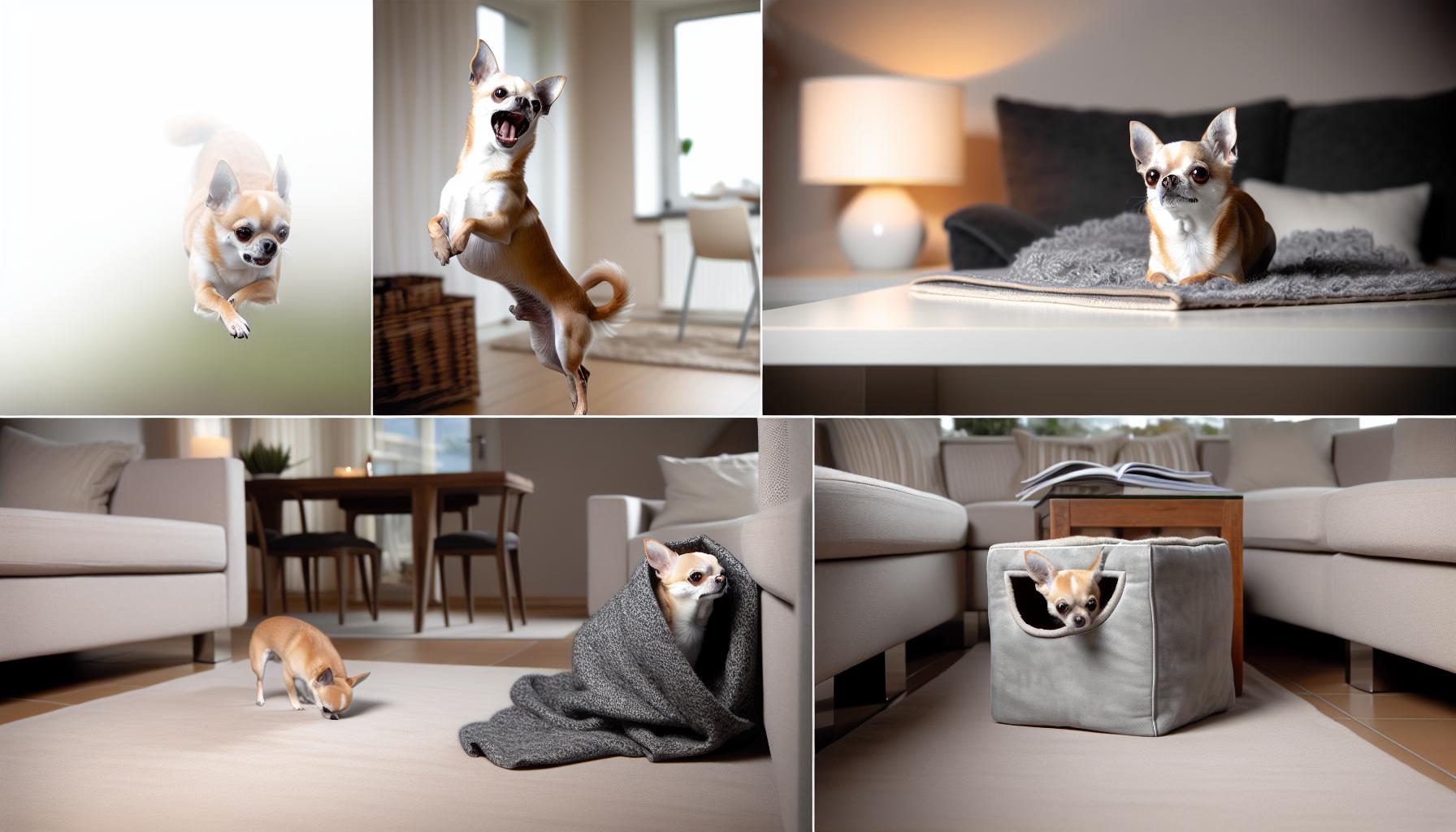
Chihuahuas are not only known for their small size but also for a variety of eccentric behaviors that can leave even seasoned dog owners scratching their heads. These spirited little dogs often exhibit traits that can seem quirky or downright peculiar. From their notorious “big dog” attitude to their fervent need for attention, understanding these behaviors is essential for effective training and a happy canine companion.
One standout quirk of Chihuahuas is their penchant for vocalization. Unlike larger breeds that may be more subdued, Chihuahuas often express themselves with a multitude of barks, yips, and growls. This bark is not just a means of alerting you to their needs; it’s a full-on conversation! Owners can find their Chihuahua vocalizing when they’re excited, anxious, or even when they want to play. For instance, if your Chihuahua is barking at the TV, they might be trying to join in on the action or simply expressing their displeasure with the characters on screen. Such vocal tendencies can be amusing, but they can also escalate into excessive barking if not properly managed through training and socialization.
Chihuahuas are also known for their attachment behaviors. These dogs often form strong bonds with their owners and may become quite clingy. While this loyalty is endearing, it can lead to anxiety when they are left alone. Many Chihuahua owners report their pets following them from room to room, seemingly unable to stand being apart. To help ease separation anxiety, it’s beneficial to create a safe space for your Chihuahua and gradually teach them to be more independent through short separations. Incorporating engaging toys or puzzle feeders can also keep them occupied when you’re away.
Another unusual but common behavior is the tendency for Chihuahuas to act much larger than they are. This is particularly evident when they encounter other animals or unfamiliar people. The way a Chihuahua will bark at a much larger dog with confidence can often be a source of both laughter and concern. It’s essential to monitor these interactions and provide training to help them understand appropriate social behavior. Reinforcing calm behavior around other dogs can help mitigate any potential issues stemming from their bold nature.
When it comes to physical quirks, some Chihuahuas display a habit known as “reverse sneezing.” This peculiar sound occurs when the dog inhales rapidly through their nose, and while it can be alarming, it is often harmless and can be triggered by excitement, allergies, or even excitement. Observing your Chihuahua during these episodes will help you determine if there is an underlying issue that requires attention or if it’s just one of their many unique traits.
By embracing the quirky behaviors of Chihuahuas, owners can cultivate a deeper bond with their pets. Understanding why your Chihuahua engages in specific behaviors-be they vocal, affectionate, or overly bold-can greatly enhance your connection and foster a loving environment. Whether they’re sharing their opinions loudly or following closely at your heels, every peculiar trait adds to the charm of owning such a spirited breed.
Exploring the Chihuahua’s Vocal Nature

Chihuahuas are charming little dynamos, and their vocal nature is one of the defining traits of this breed. With their tiny bodies and massive personalities, these spirited dogs make their presence known through an array of barks, yips, and howls that often catch their owners by surprise. If you’ve ever witnessed a Chihuahua barking at an approaching leaf or a distant sound, you know just how expressive they can be. Understanding their vocal tendencies not only enhances communication but also deepens the bond between you and your furry friend.
The Many Voices of a Chihuahua
One of the most noticeable aspects of a Chihuahua’s character is their vocalization. These small pups often use their voices to express feelings ranging from excitement and joy to anxiety and displeasure. For example, many owners report that their Chihuahua tends to bark at the television, not just in response to noises but as if they’re part of the show. This behavior isn’t merely reactive; it’s their way of voicing opinions and engaging with their environment. If your Chihuahua gets particularly animated while watching a scene unfold on the screen, it might be their instinctual way of protecting their territory or joining in on the action.
Managing Excessive Barking
While a little barking here and there is perfectly normal and part of their charm, excessive vocalization can become a challenge. If you find yourself wishing for a quieter household or dealing with complaints from neighbors, it might be helpful to implement training strategies focused on reducing this behavior. Consistent commands like “quiet” or “enough” can guide your Chihuahua to understand when it’s time to stop barking, especially if they feel safe and secure. Rewarding them with treats or affection when they obey enhances the learning process and builds positive behavior patterns.
Encouraging Calmness
Chihuahuas also tend to vocalize when they are excited. This enthusiasm can be delightful, especially during playtime. However, fostering moments of calm is essential for a balanced routine. Introducing interactive toys that require focus-like puzzle feeders-can keep their minds engaged and reduce unnecessary barking. Creating quiet time after play can help reinforce a soothing atmosphere, teaching your little one to enjoy stillness just as much as they enjoy being a spirited conversationalist.
By appreciating and managing your Chihuahua’s vocal expressions, you can create a nurturing environment that respects their personalities while keeping the peace at home. Whether they’re signaling a need, chatting at the TV, or simply expressing excitement, these vocal quirks are a delightful reminder of the irreplaceable companionship and joy they bring to our lives.
The Impact of Size on Chihuahua Behavior
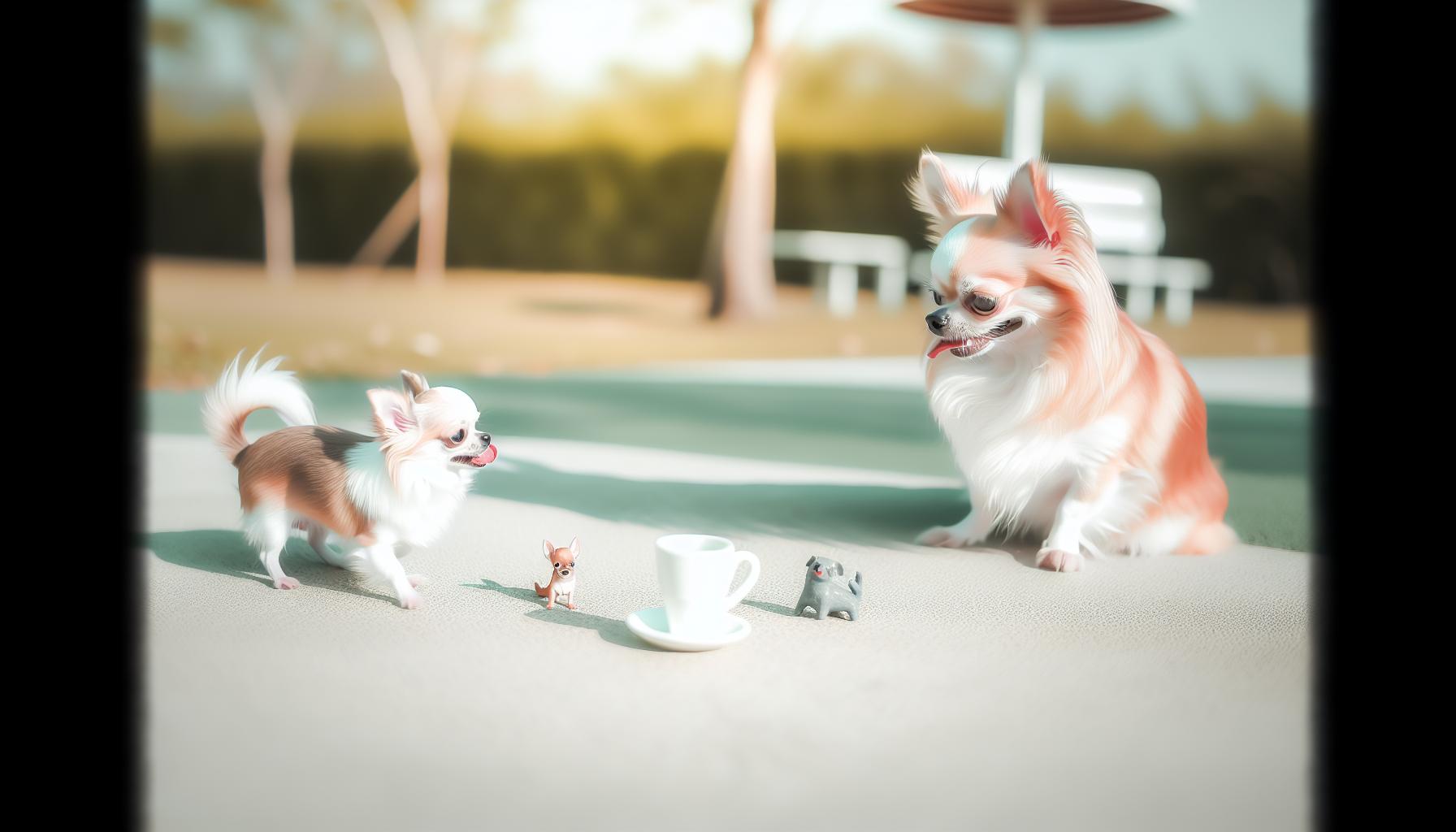
Chihuahuas may be small in stature, but their size profoundly shapes their behavior and personality. One of the most striking aspects of this breed is their unwavering confidence. Despite weighing as little as 2 to 6 pounds, many Chihuahuas display an oversized personality, often behaving as if they are larger than life. This boldness can lead to behaviors such as barking at larger dogs or approaching new situations with an attitude that belies their miniature size. It’s essential for owners to embrace this aspect of their Chihuahuas, understanding that their little dog’s heart is often as big as their personality.
A Chihuahua’s compact size also influences their interactions with the environment. These tiny companions often resort to creative ways to navigate spaces that are too big for them. For instance, you might find your Chihuahua using furniture strategically to reach high-up places or peering over the edge of beds or couches. This behavior highlights their cleverness and adaptability. However, it’s vital to provide a safe and secure environment, as their small size places them at risk for injuries, especially in households with larger pets.
Their size can also affect their social skills. Chihuahuas may sometimes approach larger dogs with a mix of bravery and caution, necessitating a careful introduction to ensure they feel comfortable. Socialization is crucial, as it helps your Chihuahua learn appropriate behaviors around bigger breeds. For example, a Chihuahua that has been adequately socialized will understand when to engage in play and when to retreat. Use positive reinforcement to encourage interactions and build their confidence.
Furthermore, the size of a Chihuahua impacts their exercise needs. While they might be energetic, their small size means that they can get adequate exercise in a relatively small space. They enjoy bursts of activity, such as chasing toys or engaging in short walks, ensuring that their energy is well-channeled without the need for extensive outdoor time. Incorporating playtime into your daily routine not only helps keep them fit but also develops your bond as you share fun activities together.
In summary, understanding the impact of size on your Chihuahua’s behavior allows you to appreciate their quirks and manage their needs effectively. By creating a secure environment, properly socializing, and providing regular mental and physical stimulation, you’ll foster a happy and confident Chihuahua who can thrive in any setting. Embrace their boldness and creativity; they are truly unique little companions!
Understanding the Apple-Head vs. Deer-Head Differences
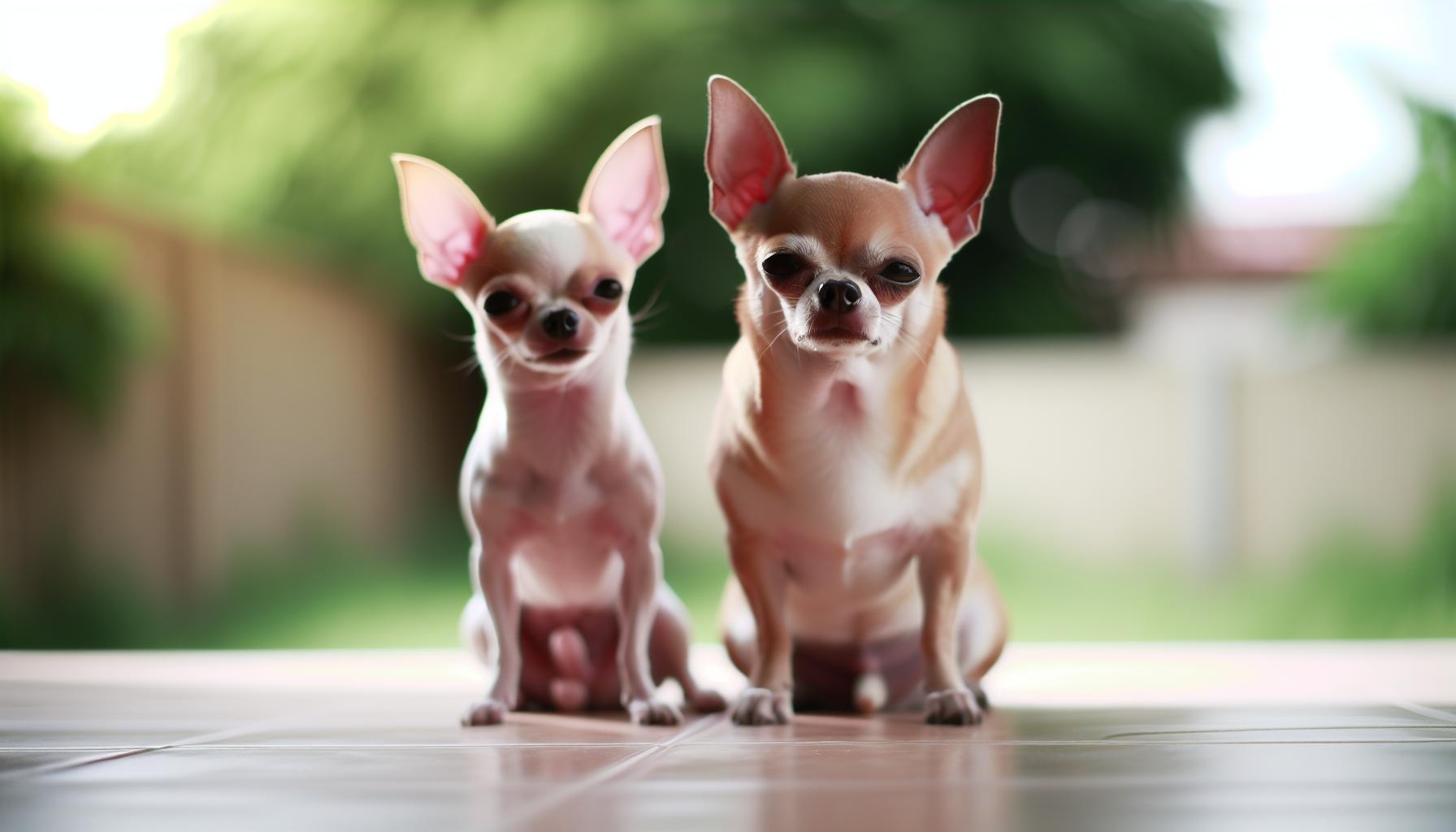
Understanding the differences between the apple-head and deer-head varieties of Chihuahuas can help you appreciate the unique quirks and behaviors that make this breed so fascinating. These two types not only differ in appearance but also often showcase distinct personalities that can influence their interactions with you and their environment.
The apple-head Chihuahua is recognized for its rounded skull, with a pronounced dome shape that gives it a distinctly cute appearance. Their compact, short muzzles and large, expressive eyes often make them appear more delicate. This breed standard is associated with a slightly more fragile demeanor; apple-head Chihuahuas may be more sensitive to loud noises or sudden movements. Their charming looks can sometimes lead to overly doting owners, which can inadvertently foster anxiety in the dog. To help your apple-head thrive, provide a calm environment, socialization with other pets, and training that focuses on building confidence.
In contrast, deer-head Chihuahuas exhibit a longer, more elongated head and a less rounded skull, giving them a resemblance to small deer. This variety has a more athletic appearance, often coupled with longer legs and a more extensive range of motion. Many owners report that deer-head Chihuahuas tend to be more outgoing and playful, displaying a bolder attitude towards new experiences. They may be more resilient to environmental stressors, which makes them excellent companions for active families. Encouraging exploration and engagement with various activities can help channel their energetic spirit positively.
It’s essential to recognize that while these physical differences can correlate with certain behaviors, individual personality remains paramount. Some apple-heads might surprise you with their boldness, while a deer-head could be more reserved. The key is to observe and adapt to your Chihuahua’s unique character. Engage in activities that both types enjoy, such as interactive playtime or puzzle toys, and tailor your training approach to suit your dog’s temperament.
Chihuahuas are inherently quirky, and whether you have an apple-head or a deer-head, embracing those peculiarities will deepen the bond between you and your little companion. Each dog offers a unique blend of traits that contribute to their endearing nature, making them not just pets but cherished family members.
Why Chihuahuas Are So Loyal and Protective
Chihuahuas may be small in stature, but their loyalty and protective instincts are nothing short of remarkable. Often thought of as feisty little companions, these dogs wrap their affectionate nature around their owners like a warm blanket, making them genuinely unique in the canine world. Their fierce devotion is a blend of deep-seated instincts and the strong bond they form with their humans, which often leads them to act as vigilant guardians despite their diminutive size.
At the heart of this loyalty is the Chihuahua’s innate protective nature. These dogs have been bred for generations in environments where they served as watchdogs, always alert to sounds and movements around them. This vigilance often translates into a natural tendency to issue warning barks, especially when strangers approach. For example, an apple-head Chihuahua named Bella regularly barks to alert her owner, Jane, of anyone walking past their home. This barking is not merely noise; it’s her way of saying, “I’m here, and I’m watching out for you!” While this can be seen as excessive at times, it’s a behavior that underscores their desire to keep their loved ones safe.
Socialization plays a crucial role in balancing a Chihuahua’s protective instincts with an ability to be friendly and welcoming. When introduced to various people and environments, Chihuahuas can learn to differentiate between genuine threats and harmless visitors. Early socialization, training sessions, and positive reinforcement can help mold their protective behaviors into a more welcoming disposition without sacrificing their instinct to alert you of potential dangers. For instance, training might involve rewarding your Chihuahua for staying calm when guests arrive, thereby encouraging a more relaxed but still watchful demeanor.
Understanding this unique blend of loyalty and protectiveness can enhance your relationship with your Chihuahua. Acknowledging and respecting their instincts makes them feel more secure, while structured activities such as training or agility courses provide mental stimulation and confidence. Here are a few tips to enhance your Chihuahua’s natural traits:
- Consistent Training: Use positive reinforcement to teach your Chihuahua what behaviors are acceptable in various social situations.
- Encourage Exploration: Allow your Chihuahua to explore new environments with you, gradually reducing their anxiety towards unfamiliar faces and spaces.
- Establish Routine: Regular routines can provide a sense of stability for your Chihuahua, reinforcing their confidence and security in their owner’s presence.
By embracing their innate loyalty and protective nature, you foster a deeper bond with your Chihuahua, celebrating their quirks while ensuring they thrive as confident, loving companions. Each little bark and bold gesture contributes to the rich tapestry of your dog’s unique personality, making them not just pets, but devoted family members.
Training a Chihuahua: Tips for Addressing Odd Behaviors
Chihuahuas are wonderfully eccentric little beings, often surprising their owners with peculiar behaviors that can leave one scratching their head in delight or frustration. From their insistently loud barks to their adorable quirks-like burrowing under blankets or chasing shadows-understanding these odd behaviors is key to fostering a happy relationship. Recognizing that behavioral idiosyncrasies often stem from a mix of anxiety, protective instincts, and their spirited personalities can help you tailor your training approach to meet their unique needs.
To effectively address unusual behaviors, maintaining consistency is paramount. Chihuahuas thrive in structured environments and responding consistently to their quirks can promote more desirable habits. For example, if your apple-head Chihuahua, Coco, has taken to barking at the mail carrier, don’t scold her every time. Instead, try redirecting her attention with a toy or treat when she starts barking and praise her for calmness. This not only teaches her that being quiet is rewarding but also strengthens your bond through positive reinforcement.
The use of creativity in training can also help tackle specific behaviors. If your Chihuahua has developed a penchant for digging, it might be a sign of boredom or excess energy. Incorporating interactive toys or scheduled playtimes can channel their energy more positively. Additionally, consider designing a dedicated digging area in your yard filled with safe objects. This not only satisfies their instinctive urge but also protects your garden!
Socialization is vital, too. Gentle introductions to various people, pets, and environments can reduce anxiety-based behaviors. For example, taking your deer-head Chihuahua, Max, to a pup playdate can help him learn how to interact and exhibit calm behavior around new dogs. Ensure that each experience is positive and rewarding, as this shapes his ability to handle new situations.
With patience and a little ingenuity, you can navigate your Chihuahua’s quirks. Celebrate their uniqueness while addressing their quirks with understanding and respect. For instance, if your little one gets anxious during car rides, gradual exposure to the vehicle can help. Choose a safe spot in the car and reward calm behavior, gradually increasing the duration of your trips. By embracing these lovable oddities, you ensure that your Chihuahua feels secure and loved while also fostering good behavior.
Socialization for Chihuahuas: Building Confidence
Building a confident and well-socialized Chihuahua can transform your tiny companion into a bold, adventurous friend. Surprisingly, many people assume that Chihuahuas, due to their small size, are naturally fearless. In reality, their unique personalities and quirks can lead to anxiety or over-protectiveness, especially when encountering new experiences. Ensuring your little one learns how to interact positively with the world around them is crucial for their overall happiness.
Start socializing your Chihuahua as early as possible, ideally when they are still a puppy. Begin with short, positive experiences that gradually expose her to different stimuli. This can include introducing her to various people, other pets, and unfamiliar environments. For example, if you’re taking your apple-head Chihuahua, Bella, to a park, choose quieter times initially. Bring along her favorite toys and treats, allowing her to explore and meet new people at her own pace.
- Positive Reinforcement: Always reward her with treats or praise for calm behavior in new situations. This helps create a positive association with unfamiliar circumstances.
- Controlled Exposures: Arrange playdates with well-socialized dogs. This will help your deer-head Chihuahua, Jack, learn appropriate play behavior and build confidence while interacting with peers.
- Gradual Introductions: Let her take her time to approach new sounds or sights. If she seems overwhelmed, pick her up and reassure her, then try again in smaller doses later.
As your Chihuahua grows more confident, you can gradually increase the complexity of her social experiences. Consider enrolling in a training class specifically designed for small breeds, where she can learn alongside other dogs. The structured environment will not only provide training but also allow her to meet various dogs and humans, further enhancing her social skills.
It’s essential to remember that every Chihuahua is an individual. Some may naturally embrace socialization, while others may take a little longer to adjust. Be patient and celebrate small victories. If you notice signs of anxiety-like excessive barking or retreating-take a step back and re-evaluate her experiences. Building confidence is a journey, and your supportive approach will ensure she feels secure and cherished throughout the process. By fostering this environment of love and encouragement, you’re not just shaping her behavior; you’re creating a trusting bond that lasts a lifetime.
Common Health Issues Affecting Behavior in Chihuahuas
Chihuahuas may be small, but their unique personalities can sometimes be attributed to health issues that impact their behavior. Being aware of these common health challenges is vital for fostering your little companion’s well-being. For instance, dental disease is particularly prevalent in small breeds like Chihuahuas, and it can lead to discomfort, which may manifest as irritability or unusual behaviors. Regular dental care is essential, as it will not only keep their teeth healthy but also ensure your Chihuahua maintains her cheerful disposition.
Another health concern is patellar luxation, where the kneecap dislocates from its normal position. This condition can cause your Chihuahua to limp or hesitate while walking, which may seem quirky or nervous behavior to onlookers. Keeping an eye on your furry friend’s mobility and seeking veterinary advice if you notice any changes is critical. Strategies such as weight management and joint supplements can support a healthier lifestyle for Chihuahuas suffering from this issue, allowing them to engage in activities that showcase their spirited nature.
Additionally, Chihuahuas are prone to certain endocrine disorders, like hypothyroidism and cushing’s disease, which can lead to mood swings and other behavioral changes. If you notice alterations in your Chihuahua’s energy levels or personality-such as increased aggression or withdrawal-it’s worth a trip to the vet for a thorough check-up. Early diagnosis and appropriate treatment can help restore balance to her behavior and bring out her playful, affectionate side.
Lastly, consider that Chihuahuas are highly sensitive creatures. Stress, whether from environmental changes or internal health issues, can lead to behavioral quirks like excessive barking or clinginess. Ensuring your Chihuahua has a consistent routine and providing a calm environment can mitigate these fears. For example, utilizing calming aids, such as anxiety wraps or pheromone diffusers, can comfort a nervous Chihuahua. Understanding these health issues will not only help you address any peculiar behaviors but also nurture a resilient and loving bond with your unique little friend.
How to Embrace Your Chihuahua’s Unique Personality
Chihuahuas are a source of endless fascination, often described as the “biggest little dogs” in their demeanor. Their quirks-from yappy barks to bold bravado-integrate charm into their compact bodies. Embracing your Chihuahua’s unique personality is about celebrating these quirks while understanding their underlying needs. A little patience and love go a long way in nurturing the best traits of this spirited breed.
First and foremost, recognize that Chihuahuas often exhibit distinctive vocalizations. Their bark can be a reflection of excitement, anxiety, or just a way to say hello. Instead of viewing this as a nuisance, participate in their vocal expression. For instance, try training sessions that involve teaching fun commands or tricks. Not only will this channel their energy, but it can also enhance your bond through shared activities. Owner experiences highlight how simple games of hide-and-seek or fetch can keep your Chihuahua happily engaged, allowing them to feel accomplished and proud.
Daily routines are equally important. Chihuahuas thrive on consistency, which helps them feel secure and confident. Incorporating a mix of playtime, rest, and social interaction can alleviate potential anxieties. For example, when you establish a routine that includes evening cuddles or morning walks, your tiny friend begins to associate these moments with comfort and predictability. This consistency is especially vital for new Chihuahua owners who are still learning how to interpret their pup’s unique behaviors and needs.
Additionally, understand that the breed’s size influences their reactions and quirks. An apple-head Chihuahua may exhibit timid traits, while a deer-head Chihuahua could be more assertive. Tailoring your approach to suit your Chihuahua’s type can enhance your relationship. For instance, providing a secure and cozy blanket can help a more anxious apple-head feel at ease, while encouraging a deer-head to explore their environment can foster their adventurous spirit.
Ultimately, celebrating your Chihuahua’s uniqueness lies in appreciation and understanding. Whether it’s creating a safe space for them to retreat to or engaging in vocal play, these little steps foster their confidence and enhance your bond. By embracing their quirks, you not only nurture their distinctive personalities but also contribute to a joyful life together.
Engaging Activities to Satisfy Their Energetic Spirit
Engaging your Chihuahua’s energetic spirit is essential for keeping them happy and healthy. These tiny dynamos are often bursting with energy, ready to leap into action at any moment. To channel that energy effectively, consider a variety of fun and stimulating activities tailored to their unique personalities.
One of the best ways to meet their energetic needs is through interactive play. Games like tug-of-war or fetch can be incredibly rewarding for your Chihuahua. Their playful nature means they’ll enjoy showing off their strength, even if it’s just a little bit compared to larger breeds. If your Chihuahua loves toys, try incorporating puzzle toys that dispense treats; this not only entertains them but also engages their minds. For instance, I have a friend whose apple-head Chihuahua becomes completely engrossed in a toy that hides treats. It keeps him busy while providing that much-needed mental stimulation.
Chihuahuas are also great candidates for outdoor adventures, even if their size suggests otherwise. Regular walks or trips to a secure, enclosed area where they can explore safely can fulfill their need for exercise. Consider organizing mini agility courses in your backyard using household items, which can challenge their coordination and keep them physically active. Plus, watching a Chihuahua jump over small obstacles can be quite the spectacle!
Don’t overlook the value of socialization when it comes to keeping your Chihuahua engaged. Arrange playdates with other small dogs, or take them to dog parks, where they can interact with peers. This not only satisfies their need for physical activity but also allows them to develop essential social skills. Chihuahuas can sometimes be a bit bossy with larger dogs, so ensure their playmates are of a similar size to prevent any overwhelming encounters.
Lastly, use training as a way to keep both their mind and body active. Teaching new commands or tricks can be a perfect outlet for their energy while strengthening the bond between you. Start with simple commands like “sit” or “shake,” and gradually introduce more complex tasks. These sessions foster their intelligence and can make for excellent bonding time. Consistent interaction and positive reinforcement will keep them both physically and mentally exercised, healthy, and happy.
The Importance of Routine: Keeping Your Chihuahua Happy
Establishing a daily routine can greatly enhance your Chihuahua’s happiness and overall well-being. These little dogs thrive on predictability and consistency, which not only helps them feel secure but also diminishes anxiety, a common issue among Chihuahuas given their sensitive nature. By creating a structured environment, you can better manage their quirky behaviors and ensure they feel loved and cared for.
A solid routine should include regular feeding times, exercise, play, and grooming. For instance, consider feeding your Chihuahua at the same times each day; this can improve their digestion and prevent hunger-induced mischief. Pairing their meal times with a short walk or play session can also help burn off some of that boundless energy. Remember, even tiny dogs like Chihuahuas require daily mental and physical stimulation. A consistent walk schedule keeps them accustomed to outdoor activity and social interactions, reducing possessiveness or territorial behaviors that can sometimes flare up.
Incorporating training into your daily routine is another crucial aspect. Chihuahuas enjoy learning, and teaching them basic commands or tricks can be beneficial for their mental stimulation. Short, focused training sessions each day can reinforce positive behaviors and prevent the development of pesky habits. Using treats as rewards not only helps them associate training with something fun but also strengthens your bond.
Lastly, don’t forget the importance of relaxation time in their routine. Chihuahuas can be quite affectionate, often enjoying cuddle time with their owners. Designate specific moments throughout the day for quiet bonding sessions, whether that’s snuggling on the couch or having a quiet moment after an energetic play session. This not only makes your Chihuahua feel secure but also allows them to recharge after their busy antics. By building a routine that addresses their unique needs, you can celebrate the beauty of your Chihuahua’s individuality while ensuring they live a happy and healthy life.
Faq
markdown
Q: Why do Chihuahuas have such strong personalities?
A: Chihuahuas are known for their distinctive personalities due to their genetics and upbringing. They often display confidence, boldness, and a strong desire for companionship. This behavior stems from their history as companion dogs, where their innate loyalty and protective nature are accentuated. Engaging with your Chihuahua can help channel this personality positively.

Q: What are some common quirky habits of Chihuahuas?
A: Chihuahuas may exhibit quirky habits such as burrowing under blankets, 'talking' with various sounds, or acting protective over their owners. These behaviors often arise from their small size and desire for warmth and security. Encouraging safe spaces and regular socialization can help manage these quirks effectively.

Q: How can I manage my Chihuahua's vocalizations?
A: To manage excessive barking, training is essential. Use positive reinforcement to encourage quiet behavior and redirect their attention with toys or activities when they bark. Establishing a routine and providing mental stimulation can also reduce the likelihood of your Chihuahua becoming overly vocal.

Q: Why do Chihuahuas get along poorly with other dogs sometimes?
A: Chihuahuas might struggle with social interactions due to their instinct to assert dominance and their protective nature. Early socialization with other dogs and gradual exposure to different environments can alleviate this behavior and help them adapt better over time.

Q: Are Chihuahuas more prone to anxiety than other breeds?
A: Chihuahuas can be more prone to anxiety, especially if they lack socialization or experience changes in their environment. To combat this, provide consistent routines and comforting environments. Interactive toys and gradual exposure to new experiences can also help in building their confidence.

Q: What are the signs of a happy Chihuahua?
A: A happy Chihuahua exhibits relaxed body language such as a wagging tail, playful behavior, and a willingness to engage. They will seek your companionship and respond positively to affection. Regular playtime and secure environments contribute to their overall happiness.

Q: How do I know if my Chihuahua is bored?
A: Signs of boredom in Chihuahuas include destructive behavior, excessive barking, or hyperactivity. To alleviate boredom, provide stimulating toys and engaging activities. Incorporating mental challenges, such as puzzle toys, can help keep your Chihuahua entertained and fulfilled.

Q: Why do Chihuahuas follow their owners everywhere?
A: Chihuahuas tend to follow their owners due to their strong attachment and desire for companionship. This behavior is rooted in their nature as loyal companion dogs. Encouraging independence through safe exploration can help balance this clinginess and foster their self-confidence.
Final Thoughts
As we wrap up our exploration of the quirky behaviors of Chihuahuas, remember that their uniqueness is part of what makes them such cherished companions. From their bold, vocal nature to their sometimes quirky antics, these tiny dogs exhibit behaviors rooted deeply in their breed history, making them irresistibly charming. If you’re noticing unusual behaviors in your Chihuahua, don’t hesitate to dive deeper into our guides on Chihuahua health and training tips to support their needs.
Feeling inspired? Share your own Chihuahua stories in the comments below and connect with fellow enthusiasts! For more insights, explore our articles on understanding Chihuahua body language and the best care practices for your apple-head. Join our newsletter for the latest tips and tricks to enhance your Chihuahua experience. Celebrate your little companion’s quirks – they’re what make you both unique!
Get our latest guides, news, and insights highlighted in your Google Search & AI Overviews.