
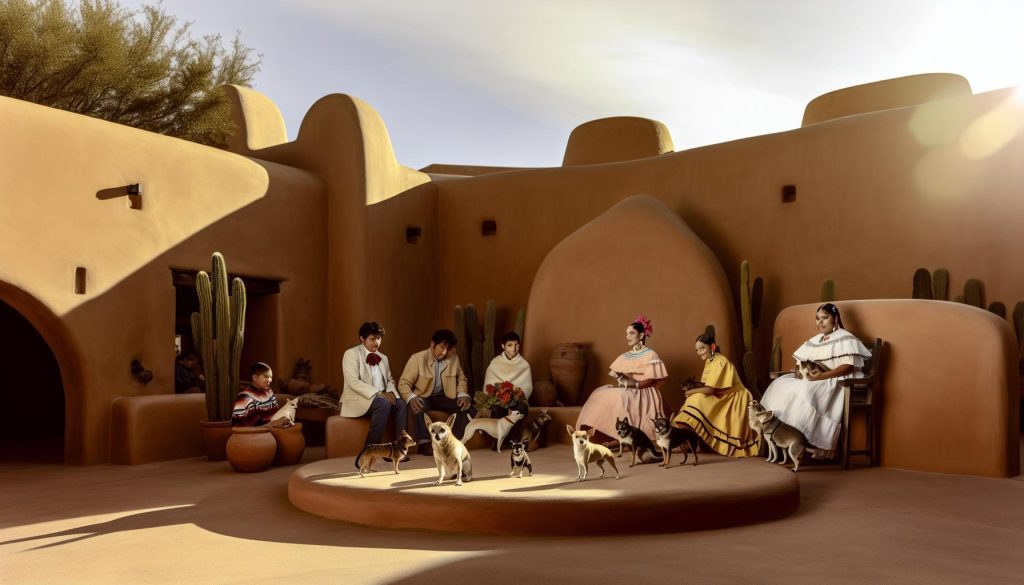
Chihuahuas are more than just adorable little companions; their name carries a rich history tied to their origins. Named after the Mexican state of Chihuahua, these well-loved dogs have a fascinating backstory that many owners may not know. Understanding where their name comes from connects us to the cultural heritage surrounding this spirited breed, reflecting the pride and personality of Chihuahuas themselves.
As you navigate the joys and challenges of being a Chihuahua parent, uncovering this origin story can deepen your appreciation for your tiny, bold friend. From their vocal nature to their fiercely loyal disposition, knowing the roots of their name enhances our bond with these unique furballs. So, let’s dive into the captivating tale of where Chihuahuas got their name and celebrate the vibrant history that makes our little companions all the more special.
Where Chihuahuas Came From: A Historical Perspective
The Chihuahua is more than just an adorable little dog; it carries within its lineage a rich tapestry of history and culture. This breed hails from Mexico, specifically the state of Chihuahua, where it is believed to have descended from ancient companion dogs like the Techichi, which were kept by the Toltec civilization as early as 300 BC. These small, affectionate dogs were revered for their loyalty and offered a unique bond with their human companions, a trait that Chihuahuas continue to embody today.
The name “Chihuahua” itself derives from the state where these dogs were first recognized. The state’s name, thought to mean “place of the black water” in the native Nahuatl language, not only reflects the breed’s geographic roots but also hints at the cultural influences that shaped it. As European settlers arrived in the Americas, they encountered the Techichi and began to breed these native canines, eventually leading to the distinctive Chihuahua we know today. The breed’s popularity surged in the early 20th century, coinciding with the rise of consumer culture and a fascination with exotic pets, further solidifying the Chihuahua’s place in the hearts of dog lovers worldwide.
Understanding the Chihuahua’s history enriches our appreciation of their quirky and charming personalities. Many owners find that these tiny dogs possess a bold and spirited nature, often challenging breeds much larger than themselves. Additionally, their deep connection to ancient cultures adds a layer of significance to the bond they share with their families today. Whether you’re a first-time Chihuahua owner or have cherished the breed for years, recognizing this storied past can deepen your love and respect for your pint-sized companion.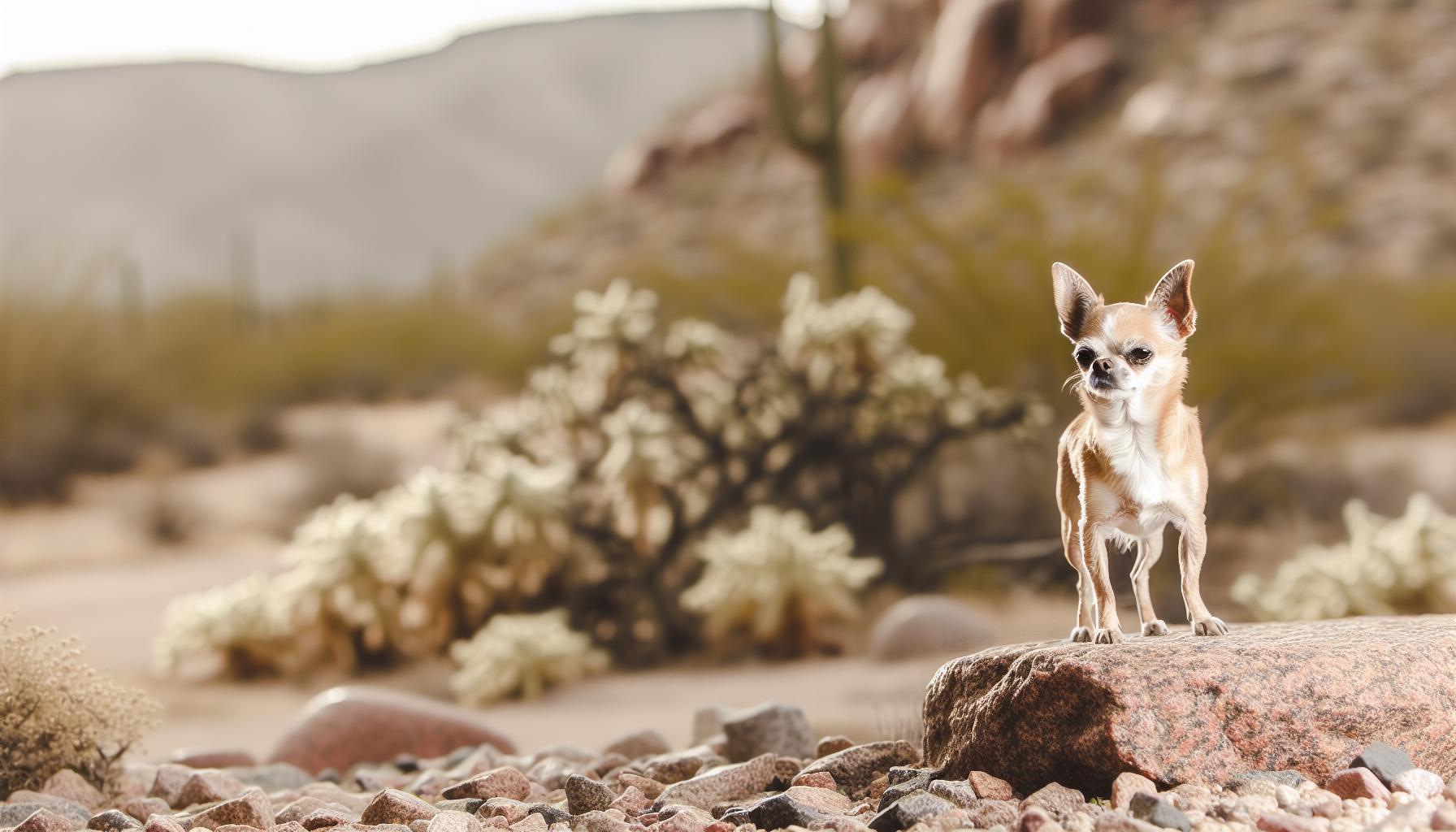
The Meaning Behind the Name “Chihuahua
The origin of the name “Chihuahua” is deeply intertwined with the culture and geography of Mexico, specifically the northern state bearing the same name. This enticing title is not just a label; it reflects a rich historical tapestry. The term “Chihuahua” is believed to be derived from the Nahuatl language, which translates to “place of the black water.” This connection paints a picturesque scene, evoking images of the state’s landscapes, where rivers and lakes provide a natural habitat that has long been home to both people and animals.
In addition to geographical significance, the name embodies the cultural legacy of the region. When Spanish settlers arrived, they encountered local dogs resembling the modern Chihuahua, believed to be descendants of the ancient Techichi, a breed cherished by the Toltec civilization. Through the blending of these varied lineages, the Chihuahua we adore today emerged, capturing hearts not just in Mexico but around the globe.
Understanding the name not only enriches our appreciation for the breed but also highlights the bond between Chihuahuas and their human companions. These spirited little dogs often exhibit big personalities, which many owners liken to the boldness associated with their namesake region. Whether she is bravely standing up to a much larger dog or cuddling closely on a chilly evening, your Chihuahua embodies a glorious spirit reflective of her roots.
As a proud owner of a Chihuahua, consider how her name connects her to a timeless legacy. Sharing stories about her origins can foster a deeper appreciation among friends and family, opening doors to discussions about the breed’s rich history and the cultural nuances that make owning a Chihuahua an exceptional experience.
Cultural Influences in Naming Chihuahuas
Reflecting on the rich cultural tapestry of Mexico, the naming of Chihuahuas goes beyond mere labels; it encompasses history, heritage, and local traditions. The name “Chihuahua” itself is drawn from the indigenous Nahuatl language, suggesting a relationship with the land and its people. This connection signifies a lineage steeped in affection and community, as local names often emerge from the natural surroundings and the traits that define a place. Owners might find inspiration in this when choosing names for their Chihuahuas, opting for meaningful titles that resonate with their dog’s bold personality or their own personal connection to the culture.
Family traditions and cultural influences also play a pivotal role in naming Chihuahuas. Many owners select names that honor their heritage, perhaps choosing a name from their family history or one that reflects Mexican culture, such as “Luna” for a graceful dog or “Chico” for a feisty little companion. These names do more than just identify; they celebrate the unique character of the breed while acknowledging the global community devoted to Chihuahuas. Whether he’s a spunky apple-head or an elegant deer-head, the name you choose can reflect what you cherish in your loyal friend.
You might even find that the cultural diversity surrounding the Chihuahua invites creativity in naming. Some owners incorporate playful names that hint at the dog’s size and stature-like “Peanut” or “Daisy”-while others might prefer titles that acknowledge iconic figures in popular culture linked to the breed. Consider how “Gidget,” made famous by the Taco Bell commercials, evokes a sense of charm that aligns perfectly with your dog’s spirited nature. Elevate your dog’s identity by choosing a name that captures not only their personality but also the timeless essence of their cultural roots.
By embracing these cultural influences, you’ll foster a deeper appreciation for your Chihuahua and her heritage, enhancing the bond you share. As you navigate the rewarding journey of pet ownership, keep in mind that a name is more than just a word-it’s a shared narrative between you and your beloved companion, celebrating the storied past of this remarkable breed.
The Connection Between Chihuahuas and Mexico
The Chihuahua’s connection to Mexico runs deep, intertwining with the nation’s history, culture, and mythology. Originating from the ancient civilizations of Mesoamerica, particularly the Toltecs and the Aztecs, these tiny dogs were thought to be companions to royalty. The breed’s ancestral lineage is fiercely linked to Mexican heritage, making them more than just pets; they are living symbols of cultural pride. In Mexico, the Chihuahua’s history is tied to beliefs around companionship and spirituality, where it was said that these dogs would guide their owners in the afterlife, a testament to the bond shared between Chihuahuas and their human companions.
Today, the name “Chihuahua” itself reflects this rich connection. It is derived from the Mexican state where these dogs were first recognized as a distinct breed. The word itself can be traced back to the Nahuatl language, which speaks to the indigenous roots of the region. This historical context is important, as many owners feel a deeper appreciation for their pets when they understand the breed’s origins and the significance of its name. As you consider adopting a Chihuahua, take the time to explore stories and facts about their heritage; it will deepen your bond and perhaps inspire how you choose to name your new companion.
In modern times, the Chihuahua remains a beloved cultural icon in Mexico and beyond. They can often be seen in traditional art and festivities, representing not just a breed but an entire way of life. Their spirited demeanor-beautifully vocal, fiercely loyal, and undeniably bold-echoes the vibrant culture from which they originate. As proud owners, you embody their spirit and culture with every wag of the tail and bark, so embrace this heritage in your journey together.
If you’re welcoming a Chihuahua into your home, remember that your care and love are the ultimate homage to their roots. Prioritize socialization, training, and health care to ensure your Chihuahua thrives. Whether it’s the apple-head or deer-head variety, these little companions have a lot to offer. Understanding their background can significantly enrich your experience as an owner, bringing you closer to the heart of what it means to care for these unique dogs that carry centuries of history within them.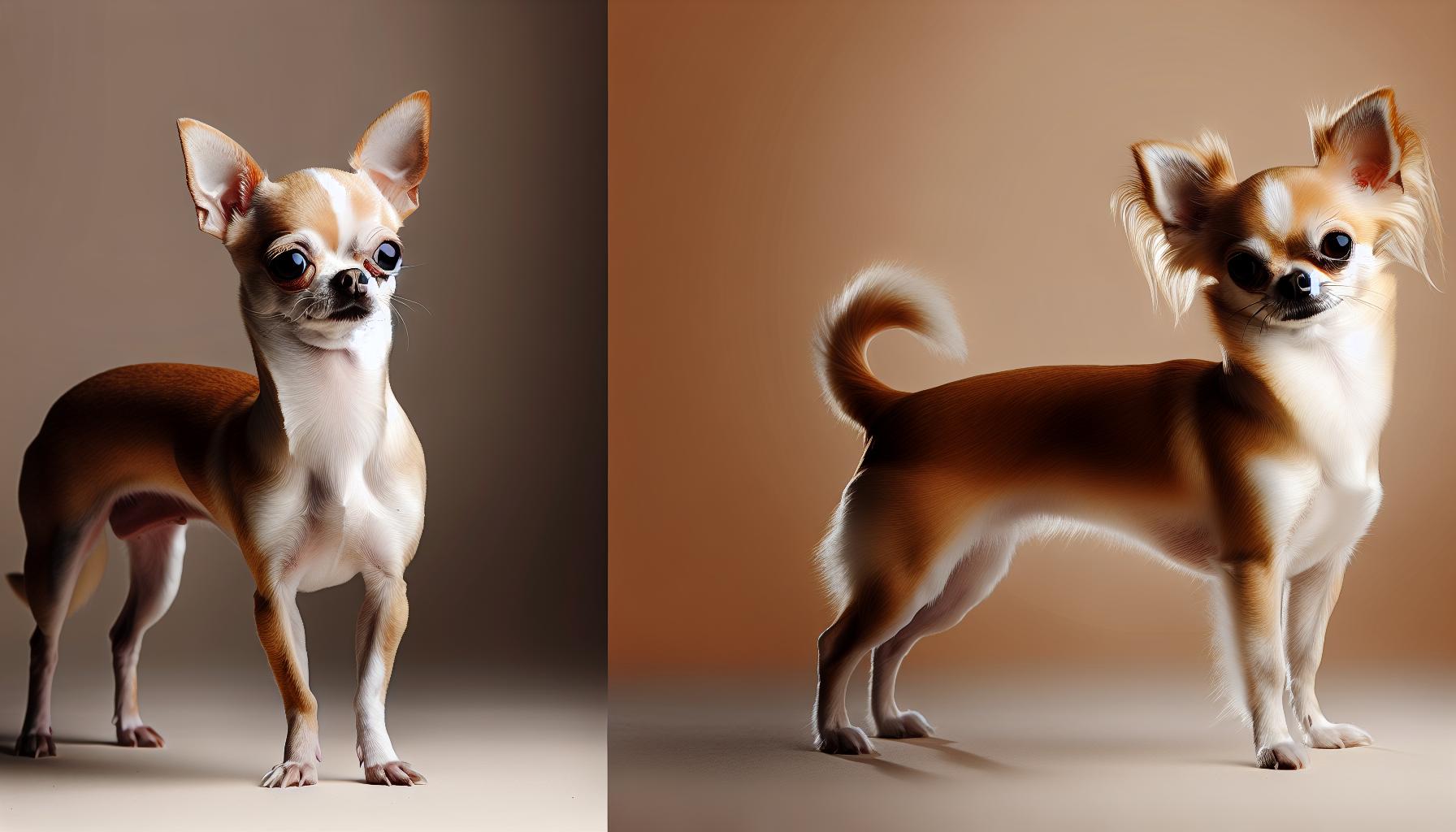
Understanding the Apple-Head vs. Deer-Head Distinction
When considering Chihuahuas, you may notice that they come in two distinct head types: the apple-head and the deer-head. Understanding these differences not only enhances your appreciation of the breed but can also inform your choice if you’re looking to welcome one into your home. The apple-head Chihuahua, which is the more commonly recognized variety, features a rounded head with a pronounced dome shape. This distinctive look is characterized by large, expressive eyes and a short muzzle. Their compact skull gives them a charmingly oversized appearance that many owners find endearing.
In contrast, deer-head Chihuahuas have a longer, more streamlined head that resembles that of a fawn. Their faces exhibit a softer, more elongated shape, with slanted eyes and a longer muzzle. Deer-heads often sport a more graceful, elegant look, standing a bit taller due to their longer limbs. While both types share a common Chihuahua heritage and possess the same lively spirit, their appearances can lead to differing opinions among enthusiasts and potential owners about which is preferable.
Regarding personality, while there’s a stereotype that apple-heads are more spirited or feisty, and deer-heads are more laid-back, it largely comes down to individual temperament rather than head type. Both types can be vocal, loyal, and bold, resonating with the strong personalities typical of this breed. Keep in mind that regardless of which head type you’re drawn to, early socialization and training are crucial. Setting aside time for play and exercise, while fostering a loving environment, will greatly benefit either type’s health and happiness.
As you embrace your role as a Chihuahua owner, remember that both head types deserve your love and attention just the same. Understanding these distinctions can help you appreciate the unique quirks of your little companion and provide the care he needs. Whichever type you choose, your bond will surely reflect the rich history and cultural significance this breed embodies.
The Chihuahua’s Journey to Popularity
Chihuahuas have become one of the most recognizable dog breeds globally, largely due to their unique personality and Hollywood fame. Their journey to popularity began in the 19th century, rooted in their proud Mexican heritage. Originally bred as companions for the ancient Toltec civilization, these tiny dogs, often thought to have descended from the Techichi, were held in high regard, even being depicted in ancient artifacts.
As the 20th century rolled in, Chihuahuas began to gain traction in the United States, partly thanks to their exotic name, derived from the Mexican state of Chihuahua, where they were first identified as a distinct breed. The American pop culture explosion in the late 20th century propelled them into the limelight. Hollywood celebrities, such as Paris Hilton, who famously had a Chihuahua named Tinkerbell, showcased the breed as a fashion accessory, further solidifying their status. The breed’s compact size and audacious personality made them appealing to urban dwellers looking for a smaller canine companion.
One of the aspects contributing to the Chihuahua’s appeal is its versatility in personality. Whether you have an apple-head Chihuahua with his expressive demeanor or a deer-head Chihuahua with his elegant stature, both types are known for their loyalty and spirited nature. Owners often share stories of how their Chihuahuas form strong bonds, often believing they are the family protector despite their small size.
Chihuahuas excel in forming tight-knit relationships with their humans, and their charm has led to their presence in various media, meshing perfectly with family narratives in movies and television. The infamous “Chihuahua” commercials of the early 2000s, advertising Taco Bell, brought a fun and playful edge to the breed that resonated with the public. This exposure, combining their cultural significance and vibrant personality, has ensured that Chihuahuas remain a cherished companion for many. Whether you’re a new owner or an experienced enthusiast, understanding this breed’s rise to fame will enrich your appreciation for their quirks and qualities.
Famous Chihuahuas in History and Media
Cherished in both culture and pop media, Chihuahuas have made quite a mark throughout history, largely thanks to their vibrant personalities and unique traits. One of the most famous Chihuahuas, Taco Bell’s “Gidget”, charmed audiences in the late 1990s. Her commercials featured playful taglines, such as “Yo quiero Taco Bell,” helping to embed this tiny breed into the hearts of many. These commercials portrayed Chihuahuas as quirky, funny companions, which resonated with a diverse audience. Gidget’s playful charm showcased the breed’s spirited energy, which many owners can relate to when they see their own Chihuahuas darting about, full of life.
In the realm of celebrity, Paris Hilton and her Chihuahua, Tinkerbell, became synonymous with the breed in the early 2000s. Tinkerbell wasn’t just a pet; she was a fashion accessory that regularly graced the pages of tabloids alongside Hilton. This portrayal elevated the Chihuahua to a status that combined charm with glamour, encouraging a trend wherein many owners opted for Chihuahuas because of their small stature and fashionable appeal. It’s not unusual to hear stories of Chihuahua owners dressing their companions in adorable outfits, emulating the same vibe that Tinkerbell embodied.
Additionally, the wild antics of the Chihuahua from the animated movie “Beverly Hills Chihuahua” further solidified the breed’s popularity. The movie showcased not only the Chihuahua’s adventurous spirit but also its loyalty and protective nature-traits that many proud owners see in their own dogs. Such depictions often highlight the breed’s distinctive personalities, from the fierce protector to the lovable fluff ball seeking attention.
Chihuahuas also have a way of appearing in various media formats beyond commercials and films. They often pop up in TV shows, memes, and even social media, thanks to their expressive faces and entertaining behavior. Take, for example, the viral videos showcasing a Chihuahua’s vocal reactions or quirky antics-these snippets delight audiences while also showcasing the breed’s cleverness and charm.
Embracing all these cultural icons can help deepen your appreciation for the breed. Whether it’s Gidget’s playful persona or Tinkerbell’s fashionista flair, each famous Chihuahua has contributed to the narrative that Chihuahuas are not just pets but unique companions with stories that resonate and inspire their owners. These famous pups remind us of the diverse spirits residing in such tiny bodies, strengthening our bond with these delightful creatures.
Chihuahua Characteristics that Captivate Owners
Chihuahuas are more than just a breed; they are a bundle of personality packed into a tiny frame. These little dynamos possess traits that endear them to their owners and make them stand out in the world of canines. With an astonishing amount of character, it’s no wonder that Chihuahuas have captured the hearts of many.
One of the most defining characteristics of Chihuahuas is their vibrant personalities. Whether they are playfully barking to announce the arrival of a guest or snuggling up on your lap for warmth, Chihuahuas are known for their vocal and affectionate nature. Many owners, like Lisa, often remark how her Chihuahua, Bella, has a bark that can be heard across the house, showcasing her spirited presence. This vocalization is not just a quirk-it’s a sign of their boldness and their desire to communicate their feelings and needs.
Another captivating trait is their loyalty. Chihuahuas often form incredibly strong bonds with their owners. They are not the kind of dogs that enjoy being left alone for long periods. Instead, they thrive on companionship. Many owners have noted how their Chihuahuas can sense their moods, offering comfort during tough times or joining in the fun during playtime. For instance, Tom shares how his Chihuahua, Chico, never leaves his side, always looking for ways to participate in family activities, which only emphasizes their desire to be included and loved.
Chihuahuas also come in distinct varieties, primarily recognized by the apple-head and deer-head classifications. Apple-head Chihuahuas typically have a rounder skull and a short muzzle, while deer-head Chihuahuas exhibit a longer muzzle and a flatter head profile. These physical distinctions enhance the breed’s diversity, and many owners take pride in celebrating the unique looks and personalities of their furry friends. Moreover, their variety of coats-from smooth to long-haired-adds to their charm, making each Chihuahua a unique companion tailored to their owner’s preferences.
Despite their small size, Chihuahuas often possess larger-than-life personalities. They approach the world with a fearless attitude, often showcasing a fierce protector demeanor toward their familial units. This combination of boldness, unwavering loyalty, and affection makes them unique companions capable of filling a home with warmth and joy. Whether you’re a first-time owner or a seasoned Chihuahua enthusiast, these delightful dogs offer endless fascination and companionship that make every moment together special.
How to Care for Your Chihuahua: Essential Tips
Caring for a Chihuahua involves understanding their unique needs and characteristics. These little companions may be small in stature, but their personalities are anything but. As an owner, it’s essential to provide the right environment, nutrition, and affection to keep your Chihuahua happy and healthy.
First, let’s discuss their nutrition. Chihuahuas benefit from a high-quality diet that meets their small breed requirements. Look for specialized dog food formulated for small breeds, as it provides the right balance of nutrients for their energy levels. Many owners, like Sarah, have found success feeding her Chihuahua, Max, grain-free kibble, which has helped improve his coat quality and energy. Remember to split their daily food intake into small meals throughout the day since Chihuahuas can be prone to obesity.
Regular exercise is important too. Despite their size, Chihuahuas need daily activity to stay fit and mentally stimulated. Short walks and playtime indoors can easily satisfy their exercise needs. Toy breeds have a fierce protective streak, and providing socialization opportunities with other dogs and people can help your Chihuahua develop a well-rounded personality. Owners like Mike note that his Chihuahua, Lola, becomes more confident and sociable after visiting the dog park, enhancing her social skills.
When it comes to health care, regular vet check-ups are crucial. Chihuahuas are predisposed to dental issues, so dental care should be a priority. Brush your Chihuahua’s teeth frequently and consider dental treats designed for small dogs. Vaccinations and parasite prevention, such as flea and tick control, are also essential components of their overall care regimen.
Finally, the environment you create is vital in keeping your Chihuahua safe and comfortable. Given their small size, make sure they have a cozy place to retreat to, like a soft bed or blanket. Protect them from extreme temperatures, as Chihuahuas can be sensitive to both heat and cold. When outside, always supervise them to avoid injury or escape, as their curiosity can sometimes get the best of them.
By nurturing your Chihuahua’s needs through attention to diet, exercise, health care, and a safe environment, you symbolize the commitment required to be a responsible owner. They’ll reward you with unwavering loyalty and an abundance of love, making every moment spent together truly special.
Common Misconceptions About Chihuahuas
Chihuahuas are often surrounded by misconceptions that can cloud their true nature and charm. One prevalent myth is that Chihuahuas are aggressive or yappy. While these little dogs can indeed bark quite a bit, it’s essential to understand that their vocal nature often stems from their protective instincts. Many owners, like Lily, have found that proper training and socialization can temper this behavior, leading to a much more manageable pup. With the right guidance, a Chihuahua can be just as calm and composed as any larger breed.
Another common thought is that Chihuahuas are delicate or fragile because of their small size. While they are indeed petite, this breed is surprisingly resilient. Many Chihuahuas have robust personalities and can thrive in active households. Take Sam’s Chihuahua, Bella, for example-she loves accompanying her family on hikes and is always up for a game of fetch. What’s crucial is to ensure they are supervised in environments where they might be vulnerable to larger dogs or rough play, but they do not require constant pampering.
People often think that Chihuahuas can only be Apple-heads, but in reality, there’s a distinction between the Apple-head and Deer-head varieties. Both types are equally wonderful companions, but they have different physical characteristics. The Apple-head has a rounded skull and a more compact body, while the Deer-head has a more elongated face and a taller stance. This variety adds to their appeal, giving owners the option to choose a style that fits their preferences.
Lastly, there’s a belief that Chihuahuas don’t require much exercise due to their size. This is far from true! Chihuahuas need regular physical activity to maintain a healthy weight and energetic spirit. Owners like Alex have found that short, brisk walks or play sessions can keep their Chihuahuas, like Cody, happy and engaged. Ensuring they get the exercise they need contributes significantly to their overall well-being.
Understanding these misconceptions can enhance your experience as a Chihuahua owner. By recognizing their unique traits and needs, you can foster a healthier, happier relationship with your tiny companion.
The Role of Chihuahuas in Modern Pet Culture
Chihuahuas hold a unique and vibrant place in modern pet culture, celebrated not only for their petite size but also for their big personalities and loyalty. In recent years, these tiny companions have captured the hearts of many, becoming a fashionable choice for dog owners everywhere. Their status has been further solidified through media portrayals, often depicted as spunky accessories to celebrities, showcasing just how integral these dogs have become in contemporary lifestyle culture.
These little dogs thrive on social interaction and often reflect the personality of their owners. They are vocal, bold, and full of energy, which makes them perfect for urban living. Owners frequently take them on adventures, from coffee shops to social events, where their charming antics can shine. For instance, Sarah, a devoted Chihuahua owner, shares that her Apple-head, Lulu, loves to accompany her to the park, stealing the show with her playful barks and adorable outfits. This showcases how Chihuahuas not only adapt to various lifestyles but also enrich their owners’ lives with joy and companionship.
In addition to their chic status, Chihuahuas also play a role in the growing trend of pet influencers on social media. Many owners create profiles for their Chihuahuas, sharing daily adventures and cute outfits, and fostering a community that celebrates all the quirks of the breed. This phenomenon highlights how Chihuahuas can transcend from simple companions to focal points of cultural dialogue, enriching the lives of their owners while engaging a broader audience.
While they are often seen as luxury pets, it’s important to recognize the responsibilities that come with owning a Chihuahua. They require proper care, including socialization, training, and regular exercise, to thrive. Engaging with this breed on a deeper level means honoring their spirited nature and providing an environment where they can flourish. Owners need not only to appreciate their size and charm but also to dedicate time to understand and meet their unique needs. By doing so, they ensure that their Chihuahuas remain happy, healthy, and firmly positioned in the heart of modern pet culture.
Why Chihuahuas Make Unique Companions
The Chihuahua is more than just a tiny dog; she is a bundle of personality and charm, making her a uniquely enchanting companion. This breed, which has its roots deeply embedded in Mexican history, boasts an adventurous spirit that captivates many. Whether she’s a confident Apple-head or a sturdy Deer-head, each Chihuahua comes with her own quirks and traits, enriching the lives of her human family in profound ways.
Vocal and Loyal
One of the defining characteristics of Chihuahuas is their vocal nature. They are not shy about expressing themselves, whether it’s barking to alert you of a visitor or demanding attention. This bold behavior underscores their loyalty; she sees herself as your protector. Owners often share how their Chihuahuas seem to sense their moods, providing comfort on tough days with snuggles and affection. For example, Maria loves how her silky-coated Chihuahua, Bella, curls up next to her on the couch, offering warmth and companionship after a long day.
Adapting to Your Lifestyle
Chihuahuas thrive on interaction and adapt beautifully to various lifestyles. Their compact size allows them to be snug companions, whether you’re living in a bustling city or a cozy home. Many owners have found joy in taking their Chihuahuas on daily outings, from grocery runs to café visits, where these little dogs become the center of attention. Joe, a proud owner of two Chihuahuas, shares that his dogs bring an instant smile to people’s faces when they stop to chat during their walks. The ability of Chihuahuas to engage and entertain makes them perfect companions for busy individuals, families, or anyone who appreciates a lively presence.
Health and Happiness
Caring for a Chihuahua requires consideration of her unique health needs. Regular vet check-ups, a balanced diet, and appropriate exercise-such as short walks and playtimes-are essential to keep her healthy and happy. It’s equally important to provide mental stimulation through toys and training exercises. Engaging her mind ensures she remains the lively, happy companion you adore. Remember, when you cater to her needs, you bolster the strong bond that makes a Chihuahua an extraordinary part of your life.
Ultimately, the connection you share with your Chihuahua is special and unique. This tiny dog, with her big heart, mirrors your lifestyle and brings joy in the simplest of moments-whether it’s a cozy evening on the couch or a lively romp in the park. By appreciating her spirited nature and understanding her requirements, you’re not just providing companionship; you’re creating a fulfilling, lifelong partnership.
Q&A
Q: What does the name “Chihuahua” signify in its culture of origin?
A: The name “Chihuahua” comes from a Mexican state, which is also the birthplace of this dog breed. It signifies both the geographical origin and reflects the rich cultural heritage of the region. This state is known for its unique landscapes and traditions that contributed to the Chihuahua’s history and identity.
Q: How did Chihuahuas gain popularity in the United States?
A: Chihuahuas gained popularity in the United States largely through pop culture, notably after the 1994 film “Legally Blonde” featuring a Chihuahua named Bruiser. Their small size, vibrant personality, and celebrity endorsements have made them favored companions, leading to a rise in their ownership across the country.
Q: What historical breeds contributed to the Chihuahua’s development?
A: The Chihuahua’s development is linked to ancient breeds such as the Techichi, a small dog companion of the Aztecs and other indigenous people. This historical influence is evident in the Chihuahua’s size and temperament, making them a unique breed that blends heritage with modern traits.
Q: Are Chihuahuas associated with any particular myths or legends?
A: Yes, Chihuahuas are associated with various myths, particularly in Mexican culture where they are believed to have spiritual significance. Some legends suggest that they guide the souls of the deceased, which showcases the deep cultural roots and reverence for this breed in its native land.
Q: What role did the Chihuahua play in ancient Mexican society?
A: In ancient Mexican society, Chihuahuas, particularly their ancestors known as Techichis, were often kept as companions and were believed to have protective and healing qualities. They were also used in rituals, reflecting their esteemed status among indigenous peoples.
Q: How do Chihuahuas embody their cultural heritage today?
A: Today, Chihuahuas embody their cultural heritage through their loyal and feisty nature, often showcasing a bold personality that mirrors the spirit of their Mexican roots. Additionally, Chihuahuas frequently appear in traditional arts and crafts, maintaining their connection to Mexico’s vibrant culture.
Q: What features distinguish the Chihuahua from other small breeds?
A: Chihuahuas are distinct from other small breeds due to their unique head shape, which can be either apple-head or deer-head, and their variety of coat types. They also exhibit a wealth of personality traits, like being vocal and protective, making them stand out among tiny companions.
Q: Why are Chihuahuas considered unique companions compared to other dog breeds?
A: Chihuahuas are considered unique companions due to their unwavering loyalty, vibrant personalities, and adaptability to various lifestyles. Their small size allows for easy companionship, while their bold nature often captivates owners, making them cherished members of the family.
For more fascinating insights into Chihuahuas, be sure to explore our sections on their characteristics and care tips!
Closing Remarks
Thank you for joining us on this captivating journey exploring the origins of the name “Chihuahua.” Understanding the rich history behind these bold, vocal little companions not only enhances your appreciation for them but also sheds light on their unique personalities. If you’re a proud owner or considering bringing home a Chihuahua, remember that these tiny pups require careful attention to health and behavior.
For more insights into Chihuahuas, check out our articles on Chihuahua care tips and the different coat types. Don’t miss our resources on how to train your spirited little friend effectively! If you found this information helpful, share your thoughts in the comments and subscribe to our newsletter for the latest updates and tips tailored just for Chihuahua enthusiasts like you. Your journey with your Chihuahua is just beginning-let’s explore it together!
Get our latest guides, news, and insights highlighted in your Google Search & AI Overviews.