
Did you know that Chihuahuas are not just one of the smallest dog breeds, but they also boast some of the biggest personalities? With their boldness and loyalty, Chihuahuas can bring enormous joy and companionship to your life. This complete breed overview will delve into the distinct characteristics of Chihuahuas, including their health, behavior, and care needs. Whether you’re a first-time owner or a seasoned Chihuahua enthusiast, understanding these lively little dogs is essential for fostering a happy and healthy relationship. From their unique apple-head shape to various coat types, Chihuahuas have traits that make them undeniably special. Join us as we explore everything you need to know about these feisty furballs, ensuring you provide the best care for your cherished companion.
What Makes Chihuahuas Unique? A Breed Overview
Chihuahuas are a fascinating blend of tiny stature and enormous personality, making them one of the most unique dog breeds around. Known for their boldness, these little dogs carry themselves with an air of confidence that often surprises those unfamiliar with the breed. Despite their petite size, they are exceptionally loyal and can be quite vocal, frequently using their voices to alert their owners to anything amiss. This quirky characteristic, coupled with their loyalty, makes Chihuahuas not only loving companions but also fearless protectors of their homes.
In terms of physical traits, Chihuahuas come in a variety of sizes and types, such as the apple-head and deer-head variants. These distinctions arise from the breed’s rich history, which traces back to ancient civilizations in Mexico. Their coats can range from smooth to long-haired, and they exhibit a spectacular palette of colors, from fawn to chocolate to blue. This diversity ensures that there is a Chihuahua to fit nearly every owner’s taste, adding to their appeal.
Understanding the Chihuahua’s temperament is vital for potential owners. They are known for their spirited and often spunky attitude, which can make training both exhilarating and challenging. Early socialization and consistent training are essential for developing a well-mannered companion. When provided with proper care and attention, these dogs thrive in various living environments, from apartments to larger homes, as long as they’re given enough love and exercise to satiate their energetic spirits.
For prospective Chihuahua owners, it’s important to embrace their unique quirks and habits. These dogs often form strong bonds with their humans, becoming fiercely protective and incredibly affectionate. By acknowledging their small size and big personalities, owners can create a nurturing environment that allows their Chihuahuas to flourish, ensuring a rewarding companionship for many years.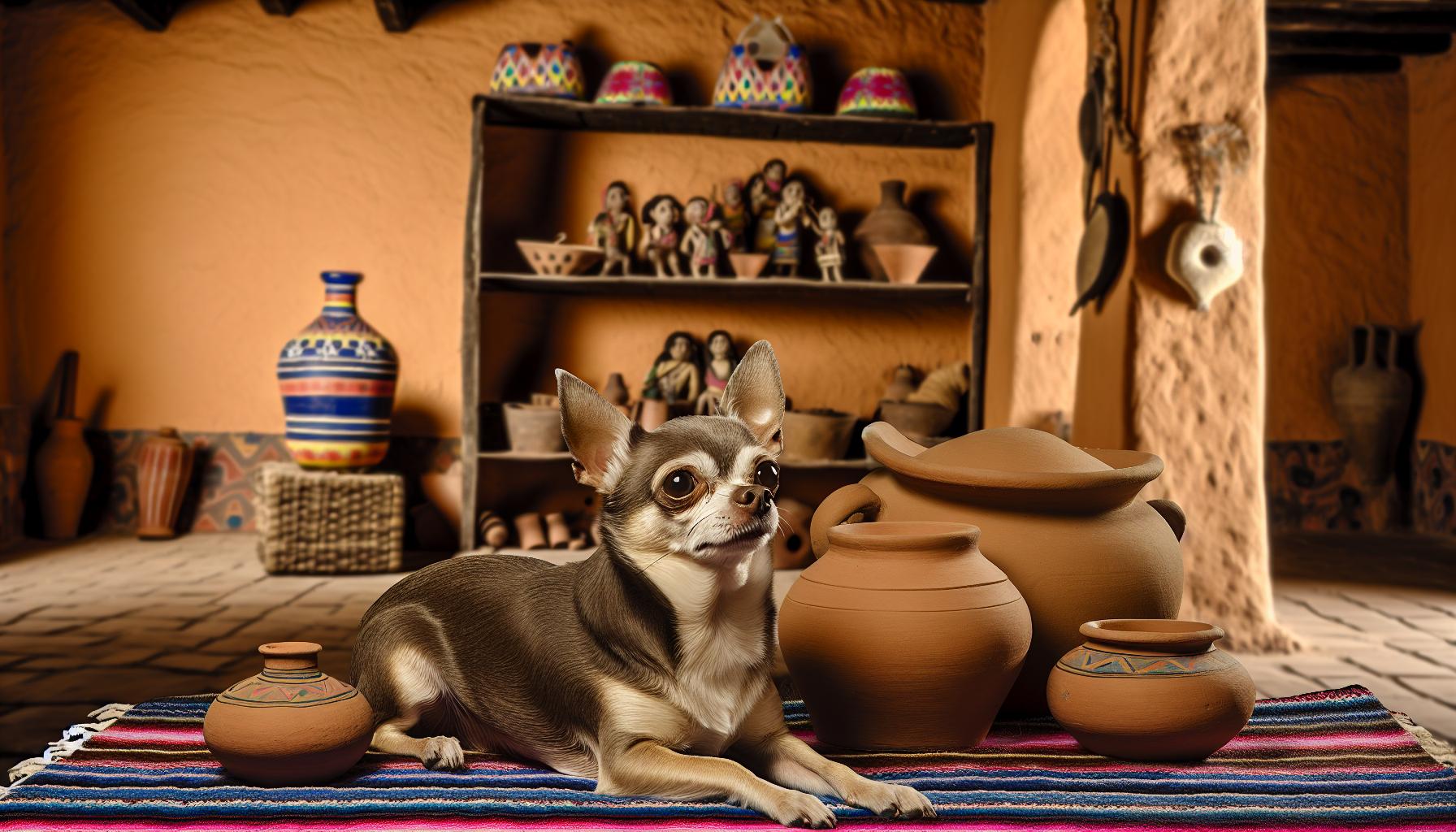
The History of the Chihuahua: Origins and Development
The Chihuahua’s history is steeped in ancient tradition, tracing back to the pre-Columbian civilizations of Mexico. Believed to be descendants of the Techichi, a small dog revered by the ancient Toltec people, Chihuahuas have accompanied humans for centuries. These early canines were thought to possess spiritual significance and were often included in rituals. The connection between Chihuahuas and their ancestors is evident in their strong bond with humans, showcasing their loyalty and protectiveness, traits that continue to define the breed today.
As the Spanish colonizers arrived, they encountered these small dogs and began to bring them to Europe. The breed’s name derives from the Mexican state of Chihuahua, where they were first recognized as a distinct breed in the late 19th century. Here, Chihuahuas gained popularity among the upper class and became symbols of luxury. Their compact size and dynamic personality made them ideal for companionship, quickly establishing their place in households across the globe.
There are two primary types of Chihuahuas: the apple-head and the deer-head varieties, each with distinct physical characteristics. The apple-head Chihuahua features a rounded skull and a shorter snout, while the deer-head type has a more elongated skull resembling that of a deer. This variation, alongside coat types that range from smooth to long-haired, adds to the breed’s charm and appeal. Their diverse palette of colors, including fawn, black, chocolate, and blue, means there’s a Chihuahua for everyone.
Chihuahuas have come to symbolize not just companionship, but also a connection to Mexican heritage. Their spirited nature, coupled with their image as a luxurious lapdog, has solidified their status in popular culture-from celebrity endorsements to appearances in films. Yet, with their rise in fame, it’s essential to recognize the preservation of their lineage and the importance of responsible breeding practices to ensure their health and well-being. For any budding Chihuahua owner, understanding this rich history deepens the appreciation for this extraordinary breed that continues to thrive in the hearts of many.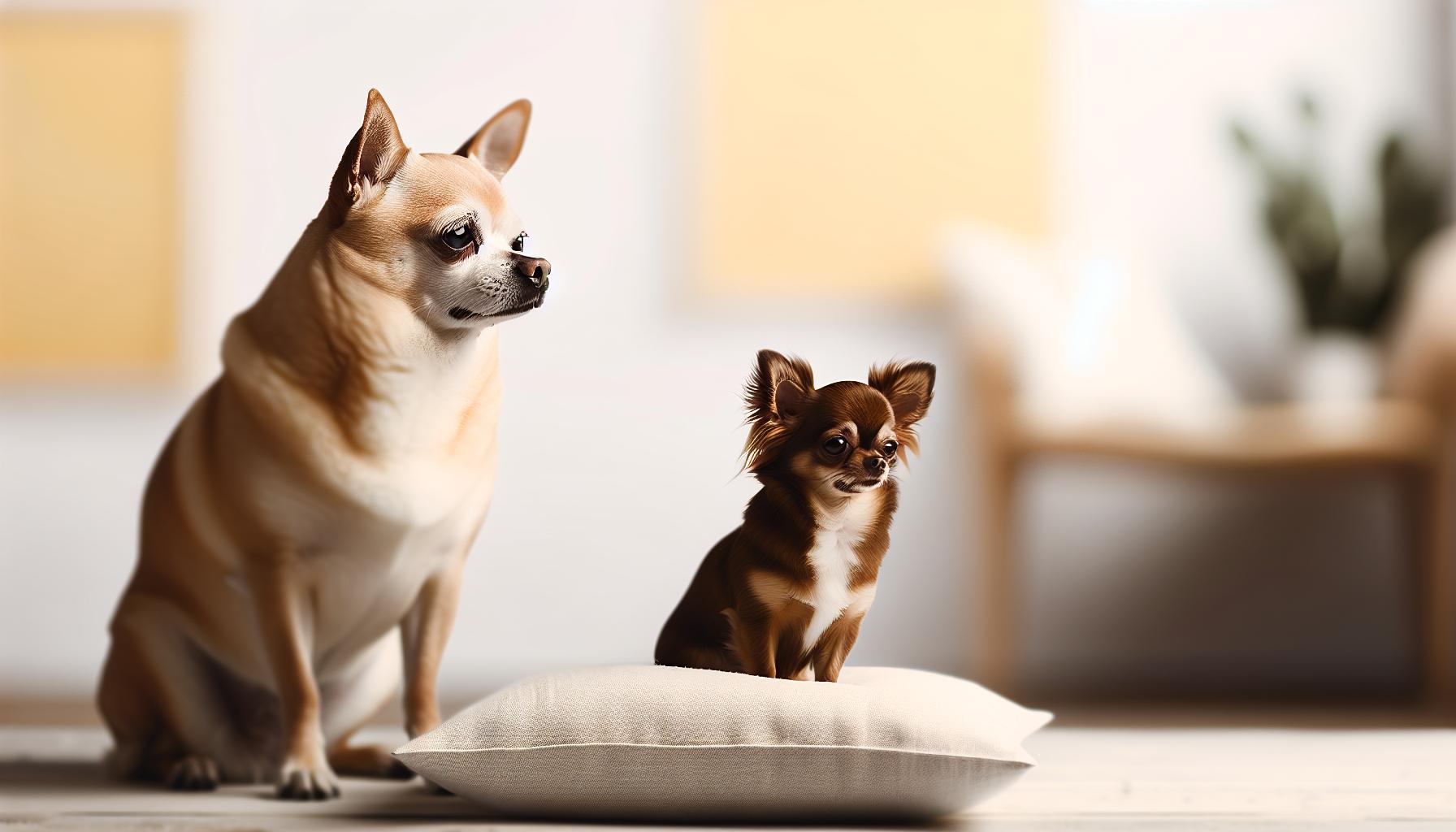
Understanding Chihuahua Sizes: Standard vs. Teacup
Chihuahuas come in two primary sizes: the standard and the teacup, a distinction that often leads to enthusiastic debates among owners and breeders alike. Understanding these sizes is crucial, especially for potential owners who want to know what to expect from this delightful breed. The standard Chihuahua typically weighs between 2 to 6 pounds and stands about 6 to 9 inches tall at the shoulder. This size range is recognized by most breed standards. They are bold, confident little companions with personalities that fill the room, sometimes as vocally assertive as larger dogs despite their tiny stature.
On the other hand, teacup Chihuahuas are not recognized as an official category by breed organizations but have gained popularity for their diminutive size, often weighing less than 2 pounds and measuring around 5 to 6 inches tall. While they are irresistibly cute and can fit comfortably in a handbag, this size can also lead to specific health challenges due to their fragile bones and increased risk of hypoglycemia. Many teacup owners report feeling an extra layer of protective instinct, knowing their tiny friend requires a bit more caution in day-to-day activities.
When considering size, it’s essential to reflect on your lifestyle and how a dog’s size matches your daily routine. Larger Chihuahuas may be more robust and easier to care for, while teacups demand careful handling and supervision. Regardless of size, Chihuahuas share an endearing loyalty and affection that makes them cherished companions. Whether you’re drawn to the sturdiness of a standard Chihuahua or the charm of a teacup, each possesses unique qualities that can enrich your life in countless ways.
Common Chihuahua Coat Types and Colors
Chihuahuas are as diverse in their coats as they are in personality. Their fur can be an extension of their unique character, boasting various textures, lengths, and colors that captivate those who encounter this charming breed. From the soft ruffles of a long-haired Chihuahua to the sleek sheen of a short-haired counterpart, each type not only enhances the dog’s appeal but also calls for different care approaches.
Coat Types
Chihuahuas typically come in two coat varieties: short-haired and long-haired.
- Short-haired Chihuahuas feature a smooth, glossy coat that lies close to the body. This breed is often easier to groom since they shed less and require minimal maintenance. Their coat, however, needs occasional brushing to manage loose hairs and maintain a healthy shine.
- Long-haired Chihuahuas have flowing, soft fur that can vary in length, often requiring more grooming to avoid tangles and mats. Regular brushing is essential, as it removes dead hair and prevents skin irritation. While some owners love the extra fluff, they should be prepared for a bit more work in keeping their Chihuahua looking pristine.
Coat Colors
When it comes to colors, Chihuahuas are truly a rainbow of options. Their coats can showcase a variety of shades, including but not limited to:
- Fawn
- Black
- White
- Chocolate
- Cream
- Sable
- Brindle
- Gray
Additionally, some Chihuahuas exhibit unique patterns like spots, patches, or even markings, which can make their appearance even more distinctive. It’s not uncommon for owners to feel a special connection to their Chihuahua’s unique coloring-like highlighting a pet’s individuality through their coat.
Personal Touch
Many owners take pride in their Chihuahua’s unique appearance. For instance, a friend of mine has a long-haired fawn Chihuahua named Bella, whose stunning fur color is complemented by a playful personality that matches her vibrant coat. Another owner loves showcasing her black and tan Chihuahua, Max, whose short coat is shiny and easy to care for, making him a breeze to groom on busy days.
Understanding the variations in coat types and colors not only helps potential or new owners appreciate the breed’s aesthetic diversity but also equips them to make better choices about grooming and care. Whether they choose to embrace the dappled patterns or the sleek coat, each Chihuahua’s unique look adds to the joy of sharing life with this spirited breed.
Health Issues in Chihuahuas: What Owners Should Know
Chihuahuas, with their lively personalities and small stature, are a breed filled with charm, but they do have specific health concerns that every responsible owner should be aware of. Understanding common health issues can help you provide the best care for your furry friend. These small dogs are prone to certain conditions, largely due to their size and genetic makeup, which can affect their quality of life.
One of the most notable health issues in Chihuahuas is patellar luxation, a condition where the kneecap dislocates. This is particularly common in smaller breeds and can cause your dog discomfort and mobility issues. Regular veterinary check-ups can help identify this problem early. For instance, my friend’s Chihuahua, Coco, began limping during playtime, prompting a visit to the vet, where it was determined she had a luxating patella. With proper management, including exercise adjustments, Coco continued to live a happy, active life.
Another concern is heart disease, particularly mitral valve disease, which is prevalent among Chihuahuas as they age. Symptoms to watch for include coughing, difficulty breathing, or lethargy. It’s crucial to have your Chihuahua examined regularly, as early detection can lead to better outcomes. Owners can help maintain their dog’s heart health through a balanced diet and regular, moderate exercise. My neighbor, who has a sweet little apple-head Chihuahua named Gizmo, discovered through regular check-ups that changing his diet significantly improved his energy levels and overall well-being.
Chihuahuas can also struggle with dental issues due to their small mouths. Periodontal disease is common, and owners should establish a dental care routine early on. Regular tooth brushing and dental treats can be effective preventive measures. For instance, I once met an owner who made a habit of brushing her Chihuahua Bella’s teeth daily, which helped keep her vet visits free from major dental concerns.
Overall, while Chihuahuas tend to have their share of health considerations, proactive management and regular vet visits can significantly enhance their quality of life. By being attentive and informed, you’ll not only celebrate your Chihuahua’s quirky nature but also ensure a healthy, happy life together.
Chihuahua Behavior: Traits and Temperament Explained
Chihuahuas are known for their bold personalities packed into a tiny frame, making them one of the most charming breeds around. Often described as being big dogs in small bodies, their vibrant spirits shine through in their loyal and affectionate nature. They are incredibly bonded to their owners, often following them from room to room, seeking companionship and interaction. This attachment forms early and clearly illustrates the Chihuahua’s need for socialization and positive human contact.
These little dogs have distinctive traits that can vary among individual Chihuahuas. For instance, some may display a more confident and outgoing attitude, making them excellent companions for active households. Others might be a bit shyer or more reserved, which is perfectly normal and part of their unique charm. Socialization is vital, especially in their early months, to help them grow into well-adjusted adults. Regular exposure to various environments, people, and other animals can help mitigate potential fearfulness or aggression.
One notable behavior characteristic of Chihuahuas is their vocal nature. They are known to bark at unfamiliar sounds or visitors, serving as alert dogs despite their size. This tendency to be vigilant can be harnessed through training, allowing your Chihuahua to feel secure while also keeping things calm at home. Owners should ensure they engage in positive reinforcement techniques to shape barking into a more controlled behavior. For example, when my friend introduces new visitors to her Chihuahua, she instructs him to sit and offer a treat for quiet behavior, rewarding him for staying calm instead of barking incessantly.
Another important behavior to note is their intelligence. Chihuahuas are quick learners and can easily pick up commands and tricks when motivated. Regular training sessions using playful methods or short but engaging exercises can keep their minds stimulated. Incorporating activities like puzzle toys, or even teaching them new tricks, keeps their energy focused and fosters a stronger bond between you and your Chihuahua. Overall, understanding and embracing these behaviors not only leads to a happier pet but helps forge a lasting friendship built on trust and companionship.
Essential Care Tips for Your Chihuahua
Chihuahuas may be small, but their care requires a big commitment. Understanding their unique needs is crucial for keeping your tiny companion healthy and happy. This breed is known for its vibrant personality and strong bonds with owners, making it essential to provide a loving and secure environment. Here are some vital care tips that cater specifically to the Chihuahua’s unique traits.
Health and Regular Vet Visits
Chihuahuas are prone to certain health issues, including heart problems, dental disease, and patellar luxation. Regular vet check-ups are essential to catch potential issues early. Ensure your Chihuahua receives vaccinations, parasite prevention, and dental check-ups. For example, my Chihuahua, Bella, has had some dental issues, so our vet recommended regular teeth cleanings to prevent further decay. Keeping her teeth clean not only helps her health but also minimizes bad breath!
Nutrition Matters
Feeding your Chihuahua the right diet is crucial for their well-being. Look for high-quality dog food formulated for small breeds. Chihuahuas have small stomachs but high metabolic rates, requiring frequent, nutritious meals. You might consider feeding her dry kibble designed to promote dental health, as little ones like her can benefit from its crunchiness. Always monitor her weight-obesity can exacerbate health issues in this breed. If unsure, talk to your vet about suitable portion sizes and feeding schedules.
Temperature Sensitivity
Due to their small size and low body fat, Chihuahuas are sensitive to temperature extremes. They should be kept warm, especially in colder months. A cozy sweater or jacket can help when taking them outside, while soft bedding ensures they stay warm indoors. When the summer hits, ensure she has plenty of shade and fresh water, as hyperthermia can occur quickly in smaller breeds.
Socialization and Training
Socializing your Chihuahua from an early age is crucial. Expose them to various people and environments to help them grow into well-adjusted adults. Regular training sessions can harness their intelligence and energetic nature. Use positive reinforcement methods to encourage good behavior and curb excessive barking. For instance, I use treats and praise to reward my little one whenever he greets guests quietly, turning his natural alertness into a trained response.
Chihuahuas thrive on companionship and activity. Regular playtime not only keeps them physically fit but also mentally engaged, reducing the likelihood of behavioral issues. Interactive toys or short walks can cater to their energetic personalities. Embrace their quirks while providing a structured routine, and you’ll foster a loving, engaging environment that enriches both your life and theirs.
Training a Chihuahua: Techniques for Success
Chihuahuas are small in stature but big in personality, and their training should reflect their unique traits. Known for their loyalty and courage, Chihuahuas can be spirited and sometimes stubborn, making effective training techniques essential for a harmonious relationship. A well-trained Chihuahua not only enhances safety and reduces behavioral issues but also strengthens the bond you share with your tiny companion.
To start training successfully, utilize positive reinforcement techniques. Chihuahuas respond best when motivated by treats, praise, or playtime. For example, during my training sessions with Mia, my apple-head Chihuahua, I noticed that a combination of delicious treats and enthusiastic praise made her eager to learn commands like “sit” and “stay.” Begin with simple commands and gradually introduce more complex tasks as your Chihuahua gains confidence. It’s crucial to be patient and consistent; repeat commands in a calm voice and reward her immediately when she complies.
Socialization is another key aspect of training that should not be overlooked. Introduce your Chihuahua to a variety of people, pets, and environments during her early months. This exposure helps her adapt to new experiences and minimizes anxiety in unfamiliar situations. For instance, taking her to a safe, dog-friendly park allowed her to meet other dogs and learn appropriate social behaviors. Just remember, each interaction should be positive, so reward her for calm and friendly behaviors.
Chihuahuas are naturally curious and intelligent, traits that can be harnessed through engaging training exercises. Incorporate short training sessions filled with fun and challenges, such as teaching her to navigate an obstacle course made from household items. These activities not only provide mental stimulation but also help expend some of her boundless energy. Additionally, addressing any behavioral quirks-like excessive barking-requires consistency. Teaching her a “quiet” command, paired with rewards for calmness, can help manage this behavior effectively.
Lastly, remember that your Chihuahua looks to you for guidance and reassurance. Building a routine around her training helps her feel secure and confident. Whether it’s scheduled playtime, training sessions, or walks, consistency fosters an environment where she can thrive. Cherish her bold spirit and individuality; every bit of training is a step toward nurturing the loving relationship you both deserve. With love, patience, and understanding, you will guide your Chihuahua into becoming a well-mannered companion who lights up your life every day.
Nutritional Needs of Chihuahuas: Feeding Guide
Feeding your Chihuahua is more than just filling their bowl; it’s about providing the right nutrients to support their active lifestyle and unique health needs. These little dynamos, whether they’re the spunky apple-head or the elegant deer-head variety, thrive on a balanced diet tailored to their size and energy levels. Given their small stature, even the tiniest Chihuahua requires careful attention to dietary needs to maintain optimal health.
Chihuahuas typically need a high-quality, small-breed dog food that’s rich in protein and fat, which are essential for their energy and muscle maintenance. Look for kibble specifically formulated for small breeds, as larger kibble sizes can pose a choking hazard. When choosing a brand, check the ingredient list-natural ingredients without fillers or artificial additives are ideal. A diet rich in animal proteins, such as chicken, beef, or fish, is crucial, complemented by healthy grains and vegetables. Keep in mind that Chihuahuas are prone to obesity, so portion control is important. You can consult your vet to determine the best feeding schedule and daily caloric intake based on your dog’s weight, age, and activity level.
Understanding Food Allergies
Many Chihuahuas can develop food allergies or sensitivities. Common culprits include chicken, dairy, and wheat. Feeding your dog a limited ingredient diet or grain-free options can help identify and manage allergies effectively. Be attentive to signs like itching, digestive upset, or unusual behavior after meals. A food trial, guided by your veterinarian, can be an effective method to pinpoint food intolerances.
Treats and Rewards
When it comes to treats, moderation is key. Chihuahuas love to be spoiled, but too many treats can lead to weight gain. Opt for healthy, low-calorie options, and consider using pieces of their regular kibble as rewards during training. This strategy not only keeps their calorie count in check but also reinforces positive behaviors.
Whetheryou’re feeding your lively little companion a commercial brand or home-cooked meals, maintaining a consistent routine will ensure your Chihuahua thrives. Remember, their little tummies can be sensitive to sudden changes, so transition to new foods gradually. Celebrate every mealtime as another opportunity to nurture your furry friend-after all, happy Chihuahuas make for joyful homes!
Grooming Your Chihuahua: Best Practices
Grooming your lively little companion goes beyond just keeping them looking their best; it’s also about maintaining their overall health and wellbeing. Chihuahuas, with their vibrant personalities and various coat types, thrive when they receive proper grooming regularly. Whether you have a short-haired apple-head or a long-haired deer-head, adhering to some best practices can keep your pup comfortable and happy.
First, understanding your Chihuahua’s coat type is essential for effective grooming. Short-haired Chihuahuas require less maintenance, as they typically only need a good brushing with a soft-bristled brush once a week to remove loose hairs and distribute natural oils. In contrast, long-haired Chihuahuas benefit from more frequent brushing-ideally every other day-to prevent tangles and mats. During shedding seasons, daily brushing can help manage the fallout and keep your home cleaner.
Next, bathing should be done sparingly to avoid stripping the coat of essential oils. A bath every 1-3 months is sufficient unless your Chihuahua gets particularly dirty or develops a skin issue. Always use a mild dog shampoo that’s free from harsh chemicals. When bathing, ensure to dry your Chihuahua thoroughly. Their small body can lose heat quickly, and damp fur can lead to skin problems.
Don’t forget to check their ears regularly, as Chihuahuas can be prone to ear infections. Gently clean their ears with a vet-recommended cleanser and make sure they’re dry after baths. Nail trimming is also crucial; Chihuahuas have small legs, and overgrown nails can cause discomfort and make it hard for them to walk. Aim to trim their nails every 3-4 weeks.
Lastly, grooming time can be a great bonding experience. Many owners find that using grooming as a time to cuddle or reward with treats encourages a positive association. Take it slow, especially if your Chihuahua seems anxious. With patience and the right techniques, grooming can become a cherished routine for both of you, contributing to happier lives together.
Activities and Exercise for Happy Chihuahuas
Chihuahuas may be small in size, but they are big on personality and energy! Finding the right balance of activities and exercise for your lively companion is crucial not only for their physical health but also for their mental well-being. Regular playtime and exercise can help prevent behavioral issues that may arise from boredom. A simple daily routine can foster a happy and well-adjusted Chihuahua.
To start, short walks are a great way to engage your Chihuahua physically, while also exposing them to new sights and smells. Aim for two to three short walks each day, keeping them around 15-20 minutes depending on your dog’s stamina and age. For those sprightly Chihuahuas, leisurely strolls can turn into lively adventures! Increase the time or vary the route to keep things stimulating. Many Chihuahua owners have found that their dogs enjoy exploring the local park or even just the neighborhood, so don’t hesitate to let them experience a little outdoor freedom on a well-fitted harness.
In addition to walks, interactive play is essential. Engaging your Chihuahua in games like fetch or tug-of-war can cater to their playful nature and keep them physically active. Smaller dogs can benefit immensely from games that exercise their minds too-puzzles and treat-dispensing toys keep them entertained while promoting cognitive development. Owners often share how a simple game of hide and seek with treats can make for an exciting afternoon, allowing their Chihuahua to exhibit their keen sense of smell and playful instincts.
While exercise is important, be mindful of your Chihuahua’s limits. Their tiny bodies can tire more quickly than larger breeds, so watch for signs of fatigue or overheating, especially during the warmer months. Incorporating rest periods with plenty of fresh water is just as crucial as the play itself. Adjust the level of activity according to your pet’s age and health conditions, and always consult with your veterinarian if you’re unsure about an appropriate exercise regime.
By integrating these activities into your daily routine, you can help your Chihuahua lead a vibrant, fulfilling life. With their unwavering loyalty and boundless energy, your furry friend is sure to revel in all the quality time spent together, creating a bond that lasts a lifetime.
Traveling with Your Chihuahua: Tips for Smooth Adventures
Traveling with your Chihuahua can be one of the most rewarding experiences, but it does require some special consideration due to their unique size and temperament. These little bundles of energy thrive on companionship, and taking them with you ensures they remain happy and engaged. Plus, nothing beats the joy of experiencing new places together. Whether you’re hitting the road for a weekend getaway or flying to a new destination, there are essential tips to ensure smooth adventures.
Before you travel, it’s important to prepare your Chihuahua properly. Invest in a high-quality, comfortable carrier that meets travel specifications, especially if you plan to fly. A crate or a soft-sided carrier with good ventilation will provide a cozy safe space for her during the journey. Make sure your Chihuahua is familiar with her carrier well in advance; this can help reduce anxiety. Taking the time to adjust her to the carrier can ease the journey and transform it into a relaxation zone rather than a place of distress.
Another crucial step is to pack a travel bag specifically for your Chihuahua. Include essential items such as her food, water, bowls, leash, waste bags, and favorite toys. Don’t forget a blanket or a plush bed that smells like home; this can greatly comfort your pet in unfamiliar surroundings. Hydration is key, so keep her water supply handy and encourage her to drink regularly, especially in warm weather.
When you arrive at your destination, maintain some familiarity. Stick to routine as much as possible-regular feeding times and a familiar walking route can help ease your Chihuahua into a new environment. If you’re staying at a pet-friendly hotel or vacation rental, check the pet policies and keep her under control so as not to disturb the neighbors. Small dogs like Chihuahuas can make quite a racket, especially when meeting new people or exploring new spaces, so be considerate by keeping her on a leash in common areas.
Lastly, always be aware of your Chihuahua’s comfort and health. Small dogs can be sensitive to temperature changes, so monitor her closely for signs of stress or discomfort. Make frequent stops on road trips for bathroom breaks and stretching, which can help keep her from getting antsy and irritable. If flying, ask your vet about potential sedatives for travel anxiety, but only use them if recommended.
Embrace the adventure and allow your Chihuahua to enjoy the new experiences as much as you do. With a little preparation and consideration, you can create wonderful memories together that celebrate her adventurous spirit!
Frequently Asked Questions
Q: What are the common behavioral traits of Chihuahuas?
A: Chihuahuas are known for their vocal and bold personalities. They are often loyal to their owners, displaying a strong protective instinct. These dogs can be affectionate but may also exhibit territorial behavior, making early socialization crucial. Understanding these traits can help new owners manage their Chihuahua’s behavior effectively.
Q: How can I tell if my Chihuahua is healthy?
A: To assess your Chihuahua’s health, monitor signs like energy levels, appetite, and coat condition. Regular vet check-ups are essential, focusing on dental care, which is vital due to their small mouths. Early signs of health issues include changes in behavior or eating habits, so prompt attention is key.
Q: What types of training techniques work best for Chihuahuas?
A: Positive reinforcement, such as treats and praise, is highly effective when training Chihuahuas. Since they respond well to consistent cues and rewarding experiences, techniques like clicker training or short training sessions help reinforce desired behaviors without causing stress.
Q: How do Chihuahuas adapt to living in apartments?
A: Chihuahuas can thrive in apartment settings due to their small size. Regular walks and playtime are essential to keep them active. To prevent boredom, provide interactive toys and ensure daily engagement. Their adaptability makes them ideal companions for apartment living.
Q: What are the nutritional guidelines for feeding a Chihuahua?
A: Feeding Chihuahuas requires careful attention to their caloric needs based on age, size, and activity level. High-quality, small-bite dog food is recommended, and portion control is vital to prevent obesity. Always consult your veterinarian for personalized feeding plans tailored to your dog’s specific needs.
Q: Are Chihuahuas good with children?
A: With proper introductions, Chihuahuas can be good with children. However, supervision is crucial since their small size makes them vulnerable. Teaching children how to interact gently with these dogs fosters a positive relationship. Socialization practices early on can help them feel secure around kids.
Q: What grooming needs do Chihuahuas have?
A: Grooming for Chihuahuas varies by coat type. Long-haired Chihuahuas require regular brushing to prevent matting, while short-haired varieties may need less frequent grooming. Regular nail clipping and dental care are also crucial parts of their grooming routine, contributing to overall health.
Q: How often should I exercise my Chihuahua?
A: Chihuahuas typically need about 30 minutes of exercise daily, which can include short walks and play sessions. This activity helps maintain a healthy weight and stimulates their mind. Tailor exercise routines to your dog’s energy levels and preferences to keep them happy and engaged.
The Conclusion
If you’ve enjoyed learning what makes Chihuahuas such unique and delightful companions, why not take the next step? Consider exploring our articles on Chihuahua health tips or training essentials to ensure your little one thrives in every way possible. Remember, Chihuahuas are not just small dogs; they each have a big personality, whether they sport the charming apple-head shape or the various coat types!
Join our community of Chihuahua enthusiasts by signing up for our newsletter, where we share exclusive tips and heartwarming stories. Have questions or want to share your experiences? We’d love to hear from you in the comments below! Your next valuable read might just be a click away – delve into our sections on behavioral quirks or best care practices to deepen your bond with your furry friend. Embrace the joy of owning a Chihuahua; they’re not just pets, but vibrant family members who fill our lives with love and laughter.
Get our latest guides, news, and insights highlighted in your Google Search & AI Overviews.