

Getting your Chihuahua to eat can sometimes feel like a daunting task, especially given their quirky personalities and selective tastes. Did you know that Chihuahuas are known for being picky eaters, which can stem from their strong personalities or even anxiety? Understanding the reasons behind your little one’s reluctance to eat is crucial for their health and happiness.
As a proud Chihuahua owner, you may have noticed that their appetite can fluctuate due to factors like stress, dietary preferences, or health issues. This article will explore effective strategies and solutions to help you encourage your Chihuahua to enjoy mealtime again. From understanding the right nutrition for this tiny but mighty breed to practical tips for making food more appealing, you’ll find valuable insights to ensure your furry friend thrives. Let’s dive in and discover how to turn mealtime into an enjoyable experience for both of you!
Understanding Chihuahua Appetite and Eating Habits
Understanding the appetite of your Chihuahua can feel like deciphering a complex puzzle. These tiny dynamos have unique personalities, and their eating habits reflect that individuality. Often, Chihuahuas can be selective eaters-whether due to their bold nature, their delicate size, or even their environment. Things like stress, changes in routine, and unfamiliar surroundings can lead them to be hesitant at mealtime. It’s important to realize that, just like with their famously loud barks, their appetites can be just as varied. For instance, an apple-head Chihuahua might display different eating behaviors compared to a deer-head Chihuahua, due to size differences and inherent personality traits.
Several factors influence a Chihuahua’s appetite. First and foremost, consider their health. Just because your pup isn’t scarfing down food as usual doesn’t mean they aren’t excited about mealtime-sometimes, underlying health issues, such as dental problems or gastrointestinal distress, can affect their appetite. Moreover, dental cleanings are particularly crucial for Chihuahuas, as their small mouths can harbor oral issues that may not be immediately visible. Keeping an eye on their dental health can avoid discomfort while eating, encouraging more consistent appetite habits.
Creating the right environment is also key to stimulating your Chihuahua’s interest in food. Serve meals in a designated, quiet space where they feel safe and undistracted by the hustle and bustle around them. Incorporate routine as well; Chihuahuas thrive on predictability. Regular feeding times can help develop a strong appetite over time, making mealtime a cherished part of their day rather than just a task. Remember, this process can take patience; rewarding them for eating-without creating bad habits-is essential. Not only does food promote their health, but shared meal times can foster bonding moments that highlight the importance of companionship in your Chihuahua’s confident, lovable personality.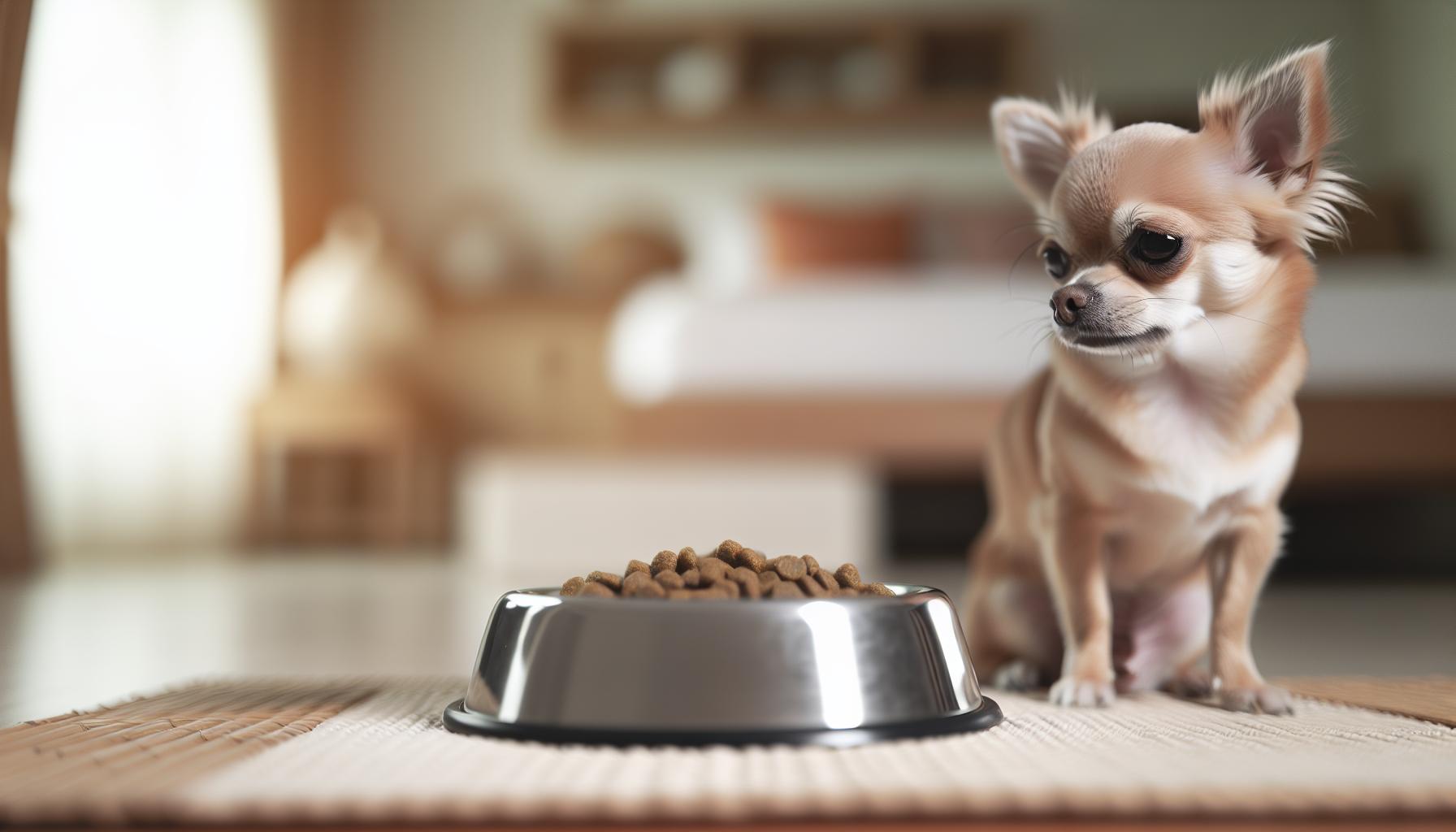
Identifying Causes of a Chihuahua’s Reduced Appetite
Understanding why your Chihuahua may be turning up their nose at food can be perplexing, particularly given their usually vibrant personalities. Several factors contribute to a diminished appetite in these tiny but mighty dogs, and identifying these causes is key to helping them get back to enjoying their meals. As adept as Chihuahuas are at expressing their preferences-often loudly and boldly-you’ll want to tune in to their vocalizations and body language to solve the puzzle behind their selective eating habits.
First and foremost, health issues are often at the root of a Chihuahua’s reduced appetite. For example, dental problems are particularly prevalent in this breed thanks to their small mouths. A toothache or gum disease can make eating painful, leading your little one to shy away from food. Regular dental check-ups are essential in catching these issues early. Additionally, gastrointestinal problems, including upset stomach or food sensitivities, can also manifest as a change in eating behavior. Always keep an eye on their eating habits and consult your veterinarian if you notice prolonged changes.
Environmental factors can play a significant role too. Chihuahuas thrive in stable, comfortable settings. If there’s been a recent disruption-like a move, new family members, or even changes in your schedule-your pup may become anxious, affecting their appetite. Providing a calm, designated feeding area away from distractions can help create a more inviting atmosphere. Routine matters just as much; Chihuahuas are creatures of habit. Maintaining consistent feeding times can stimulate their interest — think of it as establishing a reliable rhythm that brings comfort to their small yet bold demeanor.
Finally, remember the power of food preferences. Chihuahuas can be quite picky! Experimenting with different food types, textures, and flavors might just reignite their enthusiasm for mealtime. Adding a tasty topper or mixing in a bit of warm water can transform their kibble into a more enticing meal. Every Chihuahua is unique, so what works for one may not necessarily work for another. Observing her preferences closely will enable you to tailor the dining experience specifically to her likes and dislikes. Through patient observation and a little creativity, you’ll nurture a healthier relationship with food for your beloved companion.
Health Issues That Affect Your Chihuahua’s Eating
Understanding what might be ailing your Chihuahua is crucial for ensuring she maintains her appetite and overall health. These little warriors often do not show their pain or discomfort as prominently as larger breeds, making it important for devoted owners to be vigilant. If your Chihuahua suddenly turns her nose up at her food, several health-related factors could be at play, and recognizing these will help you act quickly to restore her love for mealtime.
One major concern in Chihuahuas is dental health. Due to their small mouths and closely packed teeth, dental problems such as gum disease, tooth decay, or broken teeth are fairly common. If your Chihuahua is experiencing oral pain, she may avoid eating because it hurts. Regular dental check-ups and maintaining oral hygiene are not just luxuries; they’re necessities for your pup’s well-being. If you notice signs such as drooling, bad breath, or difficulty chewing, it’s time to get to the vet for a thorough examination.
Another prevalent issue might be gastrointestinal problems. Chihuahuas can be quite sensitive, and dietary indiscretion-like sneaking table scraps or eating something they shouldn’t-can lead to stomach upset or food sensitivities. Gastrointestinal upset can manifest as vomiting, diarrhea, or general discomfort, which can cause your pup to lose interest in food. Observing her bathroom habits and consulting with your veterinarian can help determine whether a dietary adjustment or treatment is necessary. Always make transitions to new foods gradual to give her tummy time to adjust.
Moreover, age-related health issues can impact appetite as well. Senior Chihuahuas may suffer from conditions like organ dysfunction, arthritis, or even cognitive decline, all of which can affect how much they eat. An older Chihuahua may also lose her sense of smell, making food less enticing. As a loving owner, you’ll want to consider her age and health status when planning her meals and consult with your vet for appropriate dietary changes that cater to her evolving needs.
By being proactive and observant, you can help ensure your Chihuahua enjoys her meals again. The key is to recognize early signs of potential health issues, maintain regular vet visits, and foster an environment where she feels safe and comfortable eating. Your attentiveness will greatly contribute to her happiness and health in the long run.
Creating a Nutrient-Rich Meal Plan for Your Chihuahua
Creating a well-balanced meal plan for your Chihuahua is essential not only for maintaining her energy levels but also for keeping her vibrant, happy, and healthy. These little dogs have unique nutritional needs that vary according to age, weight, and overall health. When crafting a nutrient-rich menu, consider incorporating high-quality protein, healthy fats, and a variety of vitamins and minerals tailored to her size and activity level. Just like any cherished family member, your Chihuahua deserves meals packed with flavor and goodness.
Chihuahuas thrive on a diet that typically consists of high-quality dry kibble or wet food specifically formulated for small breeds. Look for brands that list a quality protein source such as chicken, beef, or fish as the first ingredient. This is particularly important because protein fuels their little bodies, supports muscle maintenance, and contributes to healthy skin and coat. In contrast, avoiding fillers like corn and soy will help prevent gastrointestinal upset and other health issues common in this breed.
Adding fresh, safe fruits and vegetables can enhance the nutrition of your Chihuahua’s diet. Foods like cooked sweet potatoes, peas, and blueberries are excellent treats that provide antioxidants and promote overall health. It’s essential to introduce any new ingredient gradually and in moderation to ensure her sensitive stomach doesn’t react adversely. Owners like Maria, a proud Chihuahua mom from Seattle, have shared that incorporating a spoonful of pureed pumpkin into her pup’s meals significantly boosted her appetite and improved digestion.
Additionally, consider implementing a feeding schedule that aligns with your Chihuahua’s unique routine. Consistency is key-try feeding her small, frequent meals throughout the day rather than one large serving. This approach not only makes mealtime more enjoyable but also helps regulate her metabolism. Always serve her food in a calm and quiet environment to decrease stress, which can also impact her willingness to eat.
Regularly consulting with your veterinarian can provide tailored insights specific to your Chihuahua’s health profile and help you refine her meal plan. They can guide you on any necessary dietary supplements, especially if she has specific health concerns or is a senior dog. By putting thought into what she eats, you’re not just filling her bowl; you’re nurturing her well-being and reinforcing the special bond you share.
Strategies to Encourage Your Chihuahua to Eat
One of the delightful quirks of Chihuahuas is their sometimes selective appetite. This tiny, vibrant breed thrives on attention, and mealtime can sometimes become a playful power struggle. If your Chihuahua is showing reluctance to eat, it helps to remember that their tiny frames are influenced by their big personalities. Here are several strategies to help coax your furry friend back to her bowl.
Make Mealtime Exciting
Your Chihuahua is likely to respond to an enticing meal. Consider warming up her food slightly-this enhances flavors and aromas that can stimulate her senses. You might also try adding a splash of low-sodium chicken broth over her kibble, or a sprinkle of crushed freeze-dried meat topper to make it more appealing. Many owners have discovered that integrating new flavors in moderation can rekindle interest in their pup’s meals.
Create a Comfortable Environment
A calm, cozy dining environment can significantly influence your Chihuahua’s willingness to eat. Choose a quiet spot away from the hustle and bustle of the household. Ensure her food and water bowls are clean and accessible. Some Chihuahuas prefer a designated area that feels safe-perhaps using a favorite blanket or bed nearby can make all the difference. Owners often find success by establishing a routine around feeding times, creating an expectation that mealtime is a special occasion, which in turn garners excitement and anticipation.
Engage Her Playfully
Sometimes, Chihuahuas respond better to play than to direct feeding. Engage your pup with her favorite toy and incorporate the food into this playful moment. Try hand-feeding her a few kibble pieces during playtime; this not only makes eating a fun activity but also fosters bonding. Take note from an experienced Chihuahua owner who mentions how her pup lights up when she combines play with meals, making her much more eager to eat.
Be Patient and Observant
Encouraging your Chihuahua to eat is often about understanding her preferences and habits. Patience is key-if she doesn’t eat right away, try again later. Monitor her behavior closely; if you notice ongoing reluctance, keeping a diary of her eating patterns, preferences, and circumstances can be insightful. Document what seems to trigger her appetite or what doesn’t appeal to her. This approach not only helps you identify potential issues but also empowers you to tailor her meals to her unique tastes.
By introducing fun, comfort, and patience into your Chihuahua’s mealtime experience, you can transform a frustrating situation into one filled with joy and connection. Celebrate her quirks, and over time, you’ll likely find the right combination that rekindles her appetite.
Best Food Types for Picky Chihuahua Eaters
Finding the right food for your picky Chihuahua can be a delightful challenge. Their discerning palates often mean that meal times require a little extra creativity and patience. Chihuahuas, with their bold personalities and tiny frames, thrive on nutrition that not only meets their energy needs but also ignites their interest in food.
One of the best approaches to consider is incorporating high-quality, premium dog food. Look for options that feature real meat as the first ingredient; this ensures your pup gets the protein she needs. For instance, brands that utilize chicken, beef, or fish can be particularly appealing. Additionally, adding a few wet food toppers or gravies can enhance the taste and texture of her kibble, making the meal more enticing. Many owners have found success blending dry and wet food, which can create a mouth-watering mix that keeps your Chihuahua coming back for more.
Chihuahuas are also known to enjoy smaller kibble sizes, which are easier for their little mouths to handle. Seek out food specifically designed for small breeds, as this will not only suit their size but often includes added ingredients that cater to their unique nutritional needs. Additionally, a variety of flavors can keep mealtime exciting-consider rotating between lamb, salmon, and turkey to maintain her interest.
Incorporating fresh, whole ingredients is another fantastic way to pique her appetite. Chihuahuas are more inclined to eat when you mix in small amounts of safe fruits and vegetables, like sweet potatoes, peas, or blueberries. These not only provide additional nutrients but can also add a crunch that some dogs find irresistible. Remember to introduce new foods gradually to avoid digestive upset.
Finally, some Chihuahuas simply prefer home-cooked meals. Whether it’s a blend of lean meats, whole grains, and veggies, finding a homemade recipe that suits her tastes might be the key. Always ensure any home-cooked meals are balanced and appropriate for her dietary needs. With a bit of experimentation and a willingness to adapt, you can discover the food types that will delight and nourish your fussy eater, turning every mealtime into a feast she looks forward to!
Dealing with Food Allergies in Chihuahuas
When it comes to feeding our beloved Chihuahuas, food allergies can present unique challenges that may affect their appetite and overall health. Chihuahuas are known for their sensitive stomachs and discerning palates, which makes identifying potential allergens essential for ensuring they enjoy their meals. Understanding the signs of food allergies in your tiny companion can help you navigate these issues effectively. Common symptoms include itching, skin irritations, gastrointestinal disturbances such as vomiting or diarrhea, and even ear infections. If you notice any of these signs, it may be time to reassess your Chihuahua’s diet.
To address food allergies, the first step is to eliminate potential allergens. Common culprits include grains, certain proteins like chicken or beef, and artificial additives found in many commercial pet foods. Transitioning to a limited-ingredient diet or hypoallergenic dog food can be beneficial. These foods typically contain a single protein source and fewer ingredients, which can help you pinpoint what works for your Chihuahua. For example, many owners have found success with novel proteins like fish, lamb, or duck, which their pets may not have been exposed to before.
Creating a home-cooked meal plan is also an excellent option when dealing with allergies. Preparing meals ensures you know exactly what your Chihuahua is eating, allowing you to control and avoid specific allergens. Consider incorporating lean meats, carbohydrates such as sweet potatoes or brown rice, and vegetables like carrots or green beans. It’s crucial, however, to work with your veterinarian or a pet nutritionist to ensure the diet remains nutritionally balanced.
Ultimately, regular consultations with your veterinarian will be key in managing food allergies. They may recommend an elimination diet, where you remove certain foods for a period and then gradually reintroduce them to observe any reactions. This method not only helps identify allergens but can also encourage a healthy eating routine that suits your Chihuahua’s sensitive digestive system. With a little patience and creativity, you can help your furry friend enjoy mealtime again while keeping those food allergies at bay.
Using Treats Effectively to Spark Appetite
When trying to entice your Chihuahua to eat, utilizing treats can be a game-changer. These little bundles of joy often have discerning tastes, and the right treats can spark their appetite and make mealtime an exciting event. However, it’s crucial to choose treats wisely-think of them as valuable tools in your arsenal rather than just snacks.
One effective strategy is to use high-value treats, such as small pieces of cooked chicken, turkey, or even bits of cheese. Chihuahuas are famously loyal and have strong preferences, so offering something they absolutely love can encourage them to try their regular food alongside it. You might find that your apple-headed little friend will be more inclined to nibble on their meals when they know a scrumptious treat is being offered afterward.
Another approach is to incorporate treats into meals. You can sprinkle a few healthy treats atop your Chihuahua’s food to make it more visually appealing and enticing. This technique can work particularly well for picky eaters. Look for treats that are made from limited ingredients to ensure they are healthy and won’t upset your Chihuahua’s delicate stomach.
Portion Control is Key
While treats can definitely help, moderation is essential. Overindulging in treats can lead to an upset stomach or obesity, especially since Chihuahuas are small and do not need large amounts of food. Aim for a treat-to-meal balance that supports your Chihuahua’s overall health. If you notice your furry companion becoming uninterested in their regular food, you might consider temporarily reducing treat portions, creating a better incentive for them to eat their main meals.
Incorporating a variety of textures can also help pique your Chihuahua’s interest. Crunchy treats can stimulate their chewing instincts, while soft treats may provide comfort and make for easy eating, especially for those with sensitive teeth. Mix it up and keep things interesting; you could even experiment with homemade treats to cater to your Chihuahua’s specific tastes.
Ultimately, the goal is to transform eating into a positive experience. With patience and a little creativity, you can use treats not just to supplement their diet, but to create a bond over shared enjoyment at mealtime. Remember, you’re not just feeding your Chihuahua-you’re nurturing a relationship with your tiny companion who deserves love and care in every aspect of their life.
Hydration Tips for Your Chihuahua’s Overall Health
Ensuring your Chihuahua stays hydrated is crucial for their overall health and can significantly impact their appetite. Did you know that even mild dehydration can make your little buddy less interested in food? Since Chihuahuas are small and have a unique metabolism, they can be more sensitive to changes in their hydration levels.
To encourage daily water intake, always have fresh, clean water available in a shallow bowl, as this makes it easier for your tiny companion to drink without straining. Chihuahuas, with their delicate mouths, sometimes prefer narrow dishes, so consider using a small, weighted dish that won’t tip over easily. You could also try lightweight, spill-proof options that are easy to refill.
Enhancing Hydration with Food
Another effective way to boost your Chihuahua’s hydration is by incorporating wet food into their diet. Canned dog food or moistened dry kibble can be attractive to Chihuahuas and also increase their fluid intake. If your Chihuahua is particularly picky, try mixing a little warm water or low-sodium broth into their dry food. This not only adds moisture but can make meals more appealing, especially if they are feeling disinterested in their regular diet.
You can also provide ice cubes as a fun treat on warm days. Some dogs enjoy chewing on ice, which can stimulate their interest in drinking water while cooling them off simultaneously. For an extra twist, freezing small bits of their favorite low-sodium broth or even bits of chicken in ice cubes can be a delightful surprise that encourages hydration.
Monitoring Hydration
Be attentive to your Chihuahua’s drinking habits. If you notice they’re not drinking as much as usual or if their urine appears dark and concentrated, this can indicate dehydration. A good practice is to keep an eye on their skin and gums-soft, moist gums and skin that returns quickly when pinched are signs of good hydration. If your Chihuahua is consistently reluctant to drink or eat, consult your veterinarian to rule out any underlying health issues.
Keeping your little companion well-hydrated not only supports their appetite but also contributes to their overall health and vitality. Balancing hydration with proper nutrition ensures that you are doing your best to support your Chihuahua every day. Remember, your bond grows stronger through consistent care and attention, making mealtime a joyful experience enriched with love.
The Importance of Routine and Environment in Feeding
Creating a predictable feeding routine can work wonders for a Chihuahua’s appetite. These tiny companions thrive on consistency, often finding comfort in knowing when and where their meals will occur. By establishing a regular schedule-feeding them at the same times each day-you can help your Chihuahua feel secure and more willing to eat when mealtime rolls around. It’s not just about timing; the environment in which your Chihuahua eats plays a crucial role too.
Many Chihuahuas are sensitive to their surroundings, which can affect their willingness to eat. Designate a quiet, calm area for their meals, away from household noise, foot traffic, or the hustle and bustle of daily life. For example, some owners find that a cozy corner in the kitchen, away from windows and doors, creates a safe space for their pup. Ensuring that their feeding area is clean and free of distractions can also encourage them to focus on their food rather than the activity happening around them.
Consider incorporating a familiar bowl that your Chihuahua enjoys-some dogs are particular about their dining ware! You might even enhance the experience by using a bowl that raises the food closer to their level, making it easier for them to eat. Just like humans, consistency in feeding bowls and locations can foster a sense of security and routine.
Finally, be mindful of any other pets during mealtime. Chihuahuas can be a bit possessive and may feel intimidated by larger dogs or even other similarly-sized pets. Providing a separate eating area can alleviate any stress and save your little one from feeling pressured. Ultimately, a stable routine and a peaceful dining environment will help nurture a healthy appetite, making mealtime a more enjoyable experience for your Chihuahua.
Expert Tips from Veterinarians on Chihuahua Nutrition
A veterinarian’s insight on Chihuahua nutrition can be invaluable when addressing your little friend’s eating habits. One of the most notable quirks of Chihuahuas is their strong personalities, which often extend to their food preferences. These tiny dynamos can be discerning eaters, leaving you scratching your head as to why a meal they devoured yesterday suddenly loses its appeal. Understanding their nutritional needs is essential for maintaining their health and enhancing their appetite.
Veterinarians recommend focusing on high-quality, well-balanced dog food specifically formulated for small breeds. Look for options that boast a high protein content, as Chihuahuas benefit from protein sources like chicken, turkey, or fish. Additionally, incorporating essential fatty acids, often found in fish oil, can promote a shiny coat and overall well-being. It’s wise to consult with your vet to determine the right portion sizes, as these delicate pups can be prone to obesity if overfed.
Consistency in feeding times can also play a pivotal role. Chihuahuas thrive on routine, so setting a strict mealtime schedule encourages them to anticipate their meals. When they know that their dinner will arrive at the same time every day, it can help build their appetite. Some owners find success in mixing dry kibble with wet food or adding flavored broth, enticing their picky eaters to dig in.
Lastly, incorporating variety in their diet can stimulate interest. However, any changes should be gradual to prevent digestive upset. This could mean rotating between different proteins or incorporating fresh, safe fruits and vegetables, such as carrot sticks or pumpkin, as tasty, low-calorie snacks. Always consult your vet before introducing new foods to ensure they’re safe and suitable for your Chihuahua’s specific health needs.
By harmonizing dietary quality, routine, and excitement around mealtime, you can transform your Chihuahua’s fussy eating habits into healthy, joyful dining experiences. Remember, your Chihuahua’s unique taste and temperament deserve tailored care and attention!
When to Seek Professional Help for Eating Issues
It’s a heart-wrenching sight when your spirited little Chihuahua, known for her enthusiasm and charm, suddenly turns her nose up at food. While some level of pickiness is part of her unique personality, there are times when a refusal to eat signals a deeper issue that requires your attention. Knowing when to seek professional help can ensure she remains healthy and happy, empowering you as her devoted caregiver.
If your Chihuahua skips meals consistently for more than 24 hours, or if she seems lethargic or unwell in addition to not eating, it’s time to reach out to your veterinarian. These signs can be indicative of underlying health problems, ranging from dental issues to gastrointestinal distress. Chihuahuas, especially those with narrow tracheas or heart murmurs, can be particularly sensitive to dietary changes or stressors in their environment. If you notice any sudden changes in her behavior, such as increased aggression, hiding, or excessive barking, these can also be cues that something isn’t quite right.
Additionally, consider consulting your vet if your Chihuahua exhibits symptoms like vomiting, diarrhea, or a swollen abdomen. These could be signs of food allergies or intolerances, which are surprisingly common in the breed. A professional evaluation will often include discussions on her recent dietary changes, lifestyle, and any potential stressors at home that may have influenced her appetite. Keeping a log of her eating habits and any accompanying symptoms can provide invaluable insights for your vet.
Ultimately, as an owner deeply invested in your Chihuahua’s well-being, don’t hesitate to take action. Regular check-ups and professional advice help prevent a myriad of health issues and ensure your featherweight companion thrives. Remember, your vet is an ally in your Chihuahua’s health journey, ready to help you navigate these sometimes perplexing eating habits. With the right support, you can turn her dining dilemmas into delightful mealtimes once again.
FAQ
Q: Why is my Chihuahua so picky about food?
A: Chihuahuas can be picky eaters due to their sensitive taste buds or past experiences with certain foods. *Try varying flavors and textures*, or consider transitioning to a brand that offers higher-quality ingredients. *Routine and diet changes can also help* encourage your Chihuahua to explore new food options.
Q: What should I do if my Chihuahua refuses to eat for several days?
A: If your Chihuahua hasn’t eaten for over 24 hours, consult your veterinarian immediately. *Refusal to eat could signal underlying health issues*. Offer tempting options like warmed food or chicken broth, but prioritize professional advice for persistent cases.
Q: How can stress affect my Chihuahua’s appetite?
A: Stress can significantly impact your Chihuahua’s appetite, leading to eating less or refusing food altogether. *Identify and minimize stressors*, such as loud noises or changes in the environment. Creating a calm feeding area can promote a better eating experience for your Chihuahua.
Q: Are there common food allergies that may cause appetite loss in Chihuahuas?
A: Yes, Chihuahuas can suffer from food allergies, especially to common proteins like beef or chicken. *Symptoms include vomiting, diarrhea, or skin irritations*. If you suspect allergies, consider consulting your vet for an elimination diet to identify triggers and adjust feeding accordingly.
Q: Should I hand-feed my Chihuahua to encourage eating?
A: Hand-feeding can be effective in encouraging a reluctant Chihuahua to eat, especially if they are feeling anxious or unsure. It creates a bond and may help your pet feel more secure. *Use this technique judiciously* to avoid encouraging finicky eating habits long-term.
Q: What are some safe human foods I can try to entice my Chihuahua to eat?
A: Safe human foods like plain cooked chicken, sweet potatoes, and pumpkin can entice a Chihuahua to eat. *Always introduce new foods gradually* and in moderation to ensure they don’t upset your dog’s stomach while encouraging them to eat more.
Q: How important is a feeding schedule for my Chihuahua’s appetite?
A: A consistent feeding schedule is crucial for Chihuahuas to develop a healthy appetite and eating habits. *Regular timing helps establish routines*, making your Chihuahua more comfortable and likely to eat when offered food. Ensure meals are spaced evenly throughout the day.
Q: What should I do if my Chihuahua starts eating less suddenly?
A: If your Chihuahua suddenly loses interest in food, monitor for other symptoms like lethargy or vomiting. *A sudden decrease in appetite may indicate health issues*. If it persists for more than a day, consult your veterinarian to rule out any serious concerns.
The Way Forward
As a dedicated Chihuahua owner, ensuring that your little companion thrives is essential. Remember, patience is key when addressing a picky eater. By trying different diets and adjusting feeding routines, you can discover what makes your Chihuahua’s tail wag. Don’t hesitate to download our Puppy Feeding Guide for more tips tailored to your Chihuahua’s unique needs!
Your journey as a responsible pet parent doesn’t end here-join our community for insights on grooming, training, and socializing your Chihuahua. If you have questions or concerns, share them in the comments below. We’re here to support each other in celebrating the quirks of our vocal, loyal, and boldly loveable companions. Together, let’s ensure your Chihuahua enjoys mealtime and stays healthy!
Get our latest guides, news, and insights highlighted in your Google Search & AI Overviews.