
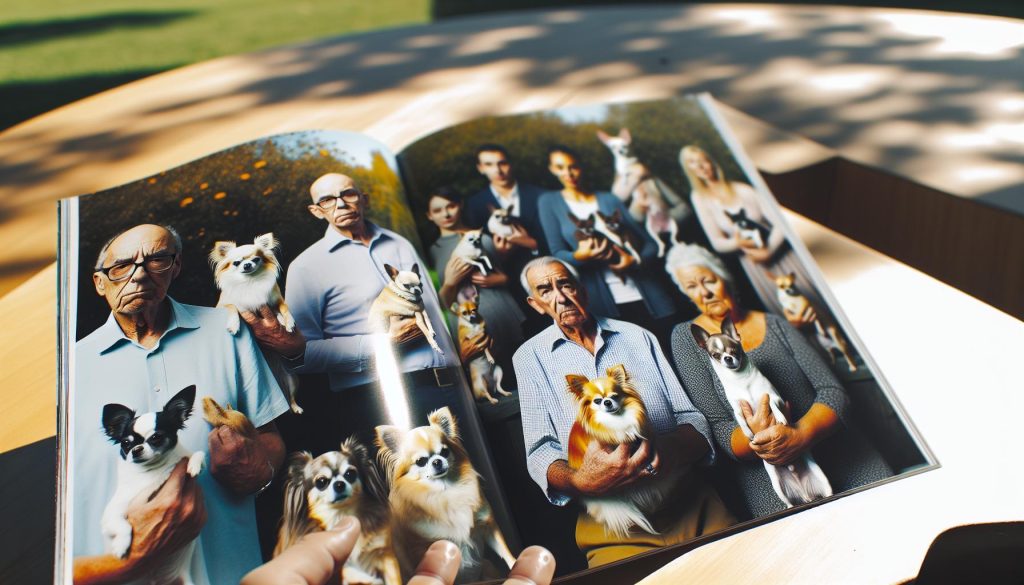
Did you know that Chihuahuas are one of the most popular dog breeds in the world? Their tiny stature packs a big personality, captivating millions with their loyalty, boldness, and unique quirks. Understanding the global population of Chihuahuas not only satisfies our curiosity but also shines a light on this beloved breed’s widespread appeal. Whether you’re a first-time owner or a seasoned Chihuahua enthusiast, knowing how many of these delightful companions share our world can deepen your appreciation for their role in our lives. From keeping our hearts warm to being the star of social media feeds, these little dogs have a significant presence. Dive into this article to uncover fascinating facts about the Chihuahua population, trends in ownership, and what this means for our furry friends. The journey into the world of Chihuahuas is just beginning, and you won’t want to miss it!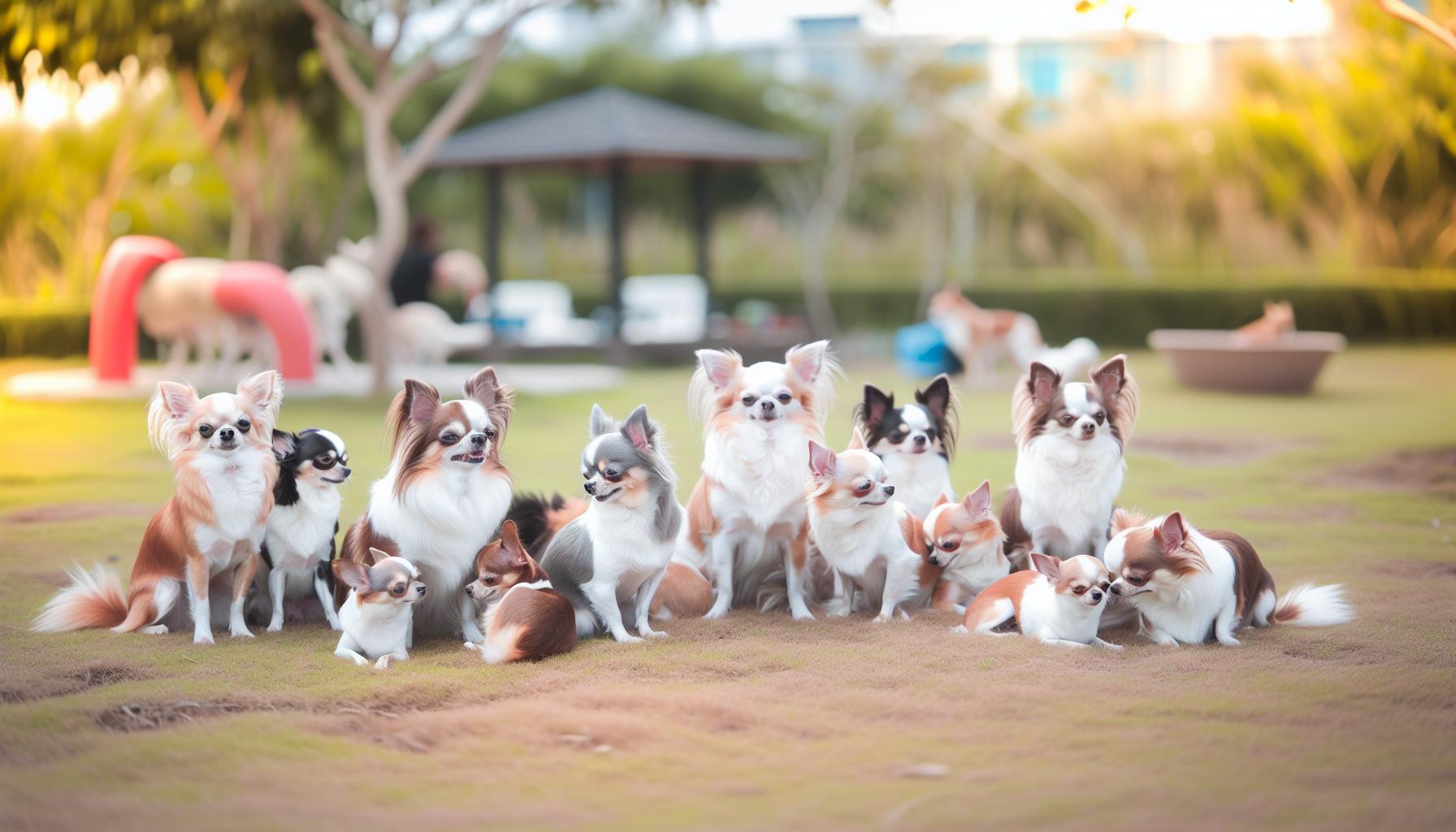
How Many Chihuahuas Exist Worldwide?
Estimating the number of Chihuahuas worldwide is no small feat, as this tiny breed has captured hearts in countless homes globally. While exact figures are elusive due to varying dog registration practices and population tracking methods, estimates suggest that there are approximately 2 to 3 million registered Chihuahuas in the United States alone, with many more living as unregistered pets. This number puts them among the most popular dog breeds in the country, showcasing their charm and appeal.
One significant factor influencing the population of Chihuahuas is their adaptability to urban living. Their small size makes them ideal companions in city environments, resulting in a steadily increasing owner demographic. Additionally, the breed has witnessed notable trends through the years, with their popularity spiking during the rise of celebrity culture in the early 2000s. As Chihuahuas became fashionable alongside stars like Paris Hilton, their numbers surged, leading to increased breeding and ownership.
Chihuahuas are known for being vocal, bold, and fiercely loyal, which adds to their appeal as companions. Owners appreciate their quirky personalities; for instance, a Chihuahua named Bella may sound like she’s having a fish fight with her owner over a toy, showcasing her spirited nature. Their presence in pop culture-often portrayed as sassy and chic-continues to enhance their desirability, making them a favorite among dog lovers.
As the breed gains recognition, factors such as responsible breeding practices and the efforts of rescue organizations are crucial for maintaining a balanced population. While some owners choose to adopt, knowing the health concerns tied to the breed, like patellar luxation and dental issues, is vital for prospective Chihuahua owners. By understanding the unique traits and care requirements of Chihuahuas, owners can help ensure that these delightful little dogs thrive in loving homes across the globe.
Chihuahua Population Trends Over the Years
The journey of the Chihuahua breed’s popularity tells a fascinating story that intertwines with cultural shifts and consumer trends. Over the past few decades, Chihuahuas have transformed from a relatively niche breed to a household name, largely influenced by various societal factors. Their ascent to fame notably peaked in the early 2000s, thanks in part to the celebrity culture that glorified small, fashionable dogs. Stars like Paris Hilton, who often carried her teacup Chihuahua, Tinkerbell, highlighted the breed’s charm, leading to a notable surge in demand. This phenomenon contributed significantly to the rise of Chihuahua populations across urban and suburban settings.
As urban dwellings became more common, the Chihuahua’s small stature and adaptability made it an ideal companion for city life. Unlike larger breeds, Chihuahuas can thrive in apartments and small homes, appealing to young urban professionals and families alike. This adaptability fostered a broader demographic of Chihuahua owners, from college students to retirees, each drawn in by the breed’s bold personality and loyalty. Owner stories abound of Chihuahuas being the star of their homes, often taking on quirky roles like watchdog or cuddle buddies, further solidifying their place as beloved pets.
However, as the Chihuahua population continues to grow, certain trends have emerged regarding responsible ownership and breeding practices. There’s an increasing awareness among potential owners about the health issues that can affect Chihuahuas, such as dental problems and patellar luxation. Experienced owners often share tips on how to manage these issues, emphasizing regular veterinary care, proper diet, and dental hygiene routines to ensure their tiny companions lead long, healthy lives.
In addition to individual ownership, rescue organizations play a vital role in the ongoing narrative of Chihuahua populations. Many Chihuahuas find their way into these groups, prompting a growing movement towards adoption rather than purchasing from breeders. Awareness campaigns and community outreach have helped shift perspectives around rescue dogs, showcasing the unique charm and companionship these animals provide. This combination of responsible breeding, proactive health management, and the advocacy of rescue organizations sets the stage for a balanced future for the Chihuahua population. By celebrating their quirks and addressing the challenges they face, we can ensure that these spirited little companions continue to thrive in loving homes around the world.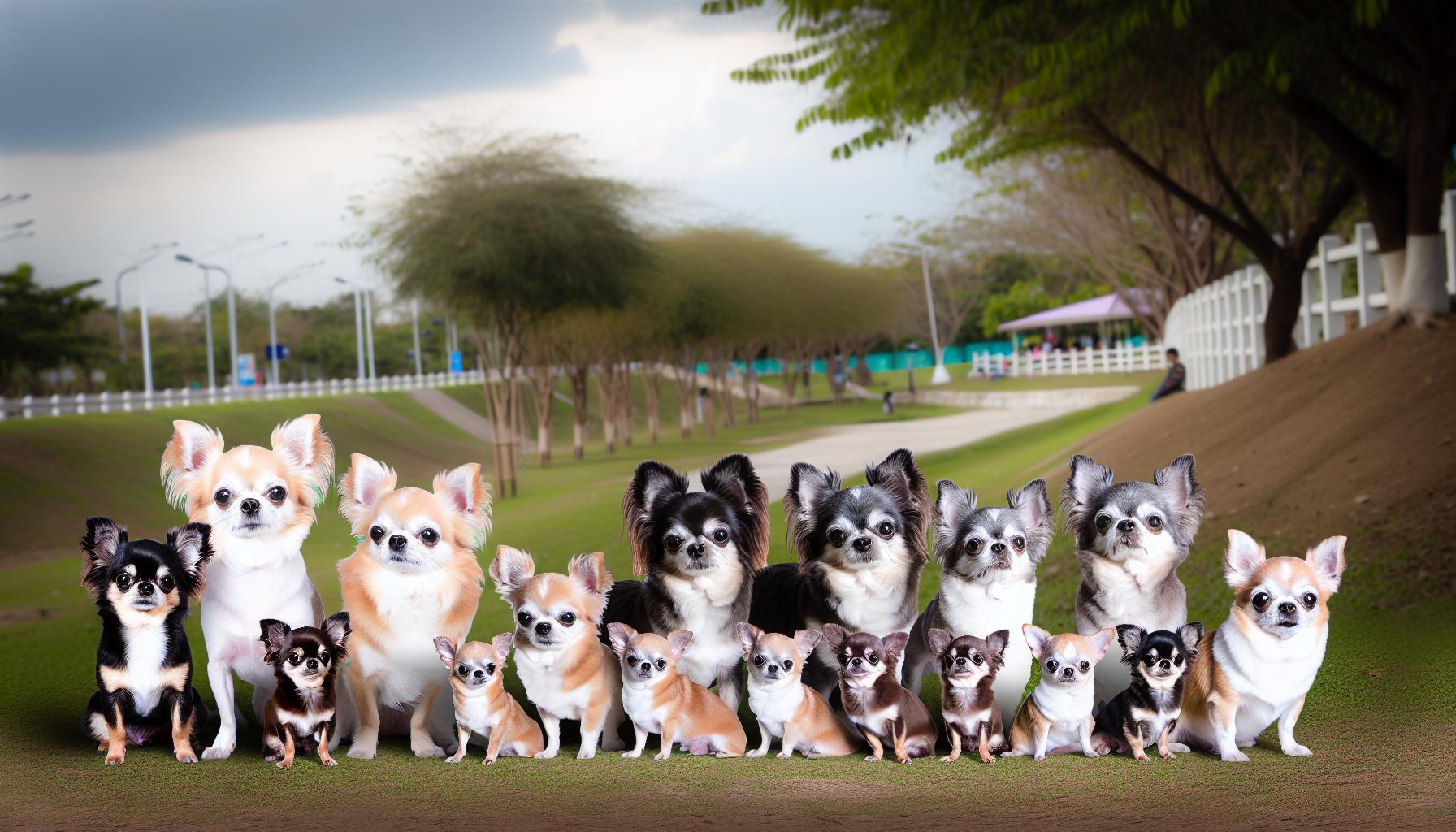
Factors Affecting Chihuahua Population Growth
The growth of Chihuahua populations around the globe can be attributed to a plethora of factors, making it a fascinating case of canine evolution. One significant driver is the increasing trend of urbanization. As cities expand and living spaces become smaller, the compact size of Chihuahuas makes them an ideal choice for many potential pet owners. Their adaptability allows them to thrive in apartments and smaller homes, attracting young professionals and families who appreciate a small dog that fits perfectly into their lifestyle.
Breeding practices also play a critical role in Chihuahua population dynamics. In recent years, there’s been a noticeable shift towards responsible breeding. Many breeders now prioritize health over appearance, focusing on producing pups that are less prone to the common health issues associated with the breed. For instance, dental problems and patellar luxation are two significant concerns, and conscientious breeders are becoming increasingly aware of these issues. This positive change not only helps in maintaining a healthy population but also reassures potential owners about the well-being of their future furry friends.
Additionally, the influence of pop culture cannot be overlooked. Chihuahuas gained significant fame through celebrities who showcased their tiny companions, leading to a surge in demand. Once a niche breed, Chihuahuas have become household staples, featured in everything from commercials to movies. This visibility has prompted a wider audience to consider welcoming a Chihuahua into their lives, thereby increasing their numbers.
Finally, the growing movement towards adoption significantly impacts Chihuahua population growth. Many rescue organizations focus on these lovable little dogs, helping them find new homes. The awareness campaigns they promote highlight the joy Chihuahuas can bring, encouraging potential owners to adopt rather than buy. This shift not only supports the existing Chihuahua population but also highlights the importance of giving these spirited dogs a second chance at life.
In summary, the interplay of urban living, responsible breeding, cultural influences, and rescue initiatives are essential factors driving the growth of the Chihuahua population today. Embracing these aspects ensures that this beloved breed continues to thrive in loving homes around the world.
Regional Distribution of Chihuahuas Globally
The Chihuahua, with its vibrant personality and petite stature, has secured a dedicated following around the globe. This little companion is particularly popular in urban areas where living spaces are often limited. In fact, as cities continue to grow, many urban dwellers appreciate the Chihuahua for its ability to adapt to apartment living and its relatively low exercise requirements. From bustling metropolises in the United States to quieter towns in Europe and beyond, Chihuahuas have established a remarkable presence.
In North America, the Chihuahua is among the most beloved breeds. In the U.S., they are frequently seen strutting their stuff in parks, cafes, and even on designer leashes, reflecting their strong ties to pop culture. Cities like Los Angeles and Miami showcase a high concentration of Chihuahuas, often accentuating their status as stylish accessories alongside prized handbags.
Internationally, places like Mexico, where the breed originated, also exhibit a vibrant Chihuahua culture. Here, their history runs deep, and they are often seen in traditional markets, engaging friendly locals. The breed is celebrated for its cultural significance, as it embodies both heritage and companionship. Meanwhile, in Europe, particularly in countries like France and Spain, Chihuahuas have become increasingly popular, becoming favorites among dog lovers who appreciate their tenacity and charm despite their tiny size.
Factors Contributing to Regional Distribution
- Urbanization: As more people flock to cities, Chihuahuas thrive in compact living environments where their small size is a significant advantage.
- Culture and Trends: Celebrity endorsements and media representation have heavily influenced the breed’s popularity in various regions, driving demand across demographics.
- Accessibility: Rescue organizations and breeders in these areas have facilitated growth through responsible breeding and adoption initiatives, making it easier for potential owners to welcome a Chihuahua into their homes.
The Chihuahua’s reach is not just about numbers but also the unique ways it adapts and integrates into various cultures. Owners in different regions often celebrate their Chihuahua’s quirky traits, whether it’s his bold demeanor or her fondness for cuddling. No matter where they reside, Chihuahuas continue to charm their owners, filling homes with loyalty and companionship.
Chihuahua Breed Characteristics and Variations
Chihuahuas are a fascinating breed, celebrated not only for their petite size but also for their big personalities. This tiny dog often surprises first-time owners with its boldness and confidence, embodying the phrase “big things come in small packages.” Ranging from 2 to 6 pounds, Chihuahuas can vary significantly in appearance, from their distinct apple-head shape with a rounded skull to the deer-head, characterized by a longer, more tapered face.
Despite their small stature, Chihuahuas can display a surprising range of coat types and colors. You might encounter smooth coats that glisten in the sunlight or long-haired variations that require a bit more grooming. Colors range widely, including fawn, black, white, chocolate, and even spotted patterns. Each variation not only adds to their charm but also means different grooming and health considerations for owners. For example, long-haired Chihuahuas may need more frequent brushing to prevent matting, while short-haired ones might be easier to maintain.
Another compelling aspect of Chihuahuas is their temperamental characteristics. They are generally loyal and fiercely protective of their owners, often forming a strong bond with one particular person. This behavior can sometimes lead to small dog syndrome, where they become overly protective or territorial. Socializing your Chihuahua early can foster better behavior around other dogs and strangers, ensuring that this little protector knows when to be friendly and when to be cautious.
Health is a vital consideration, as the breed is prone to certain conditions, including heart problems and dental issues. Regular veterinary check-ups are essential in tracking their health as they age. Additionally, maintaining a healthy diet and proper exercise will keep your Chihuahua in tip-top shape. With their loyal hearts and quirky antics, Chihuahuas undoubtedly add joy to any household-a true testament to their adaptation and vibrant presence across the globe.
The Role of Breeders in Chihuahua Population
Breeders play a crucial role in shaping the Chihuahua population, impacting everything from health to temperament. Responsible breeders take on the responsibility of not just creating beautiful dog companions but also ensuring the breed retains its unique characteristics. They often focus on responsible breeding practices that prioritize genetic health, helping to mitigate issues commonly faced by the breed. By conducting health screenings for conditions like heart disease and patellar luxation, they can increase the odds of producing healthy puppies, addressing the breed’s predisposition to certain health problems.
One of the most important contributions of reputable breeders is the promotion of breed standards. This helps maintain distinct traits such as the well-known apple-head and deer-head varieties, as well as the varied coat types, whether smooth or long-haired. For instance, a knowledgeable breeder will ensure that their breeding pairs complement each other not just for appearance but also for temperament, which is vital for raising puppies with predictable behavior patterns. Well-bred Chihuahuas are often more trainable and sociable, making them delightful companions for families and individuals alike.
However, not all breeders follow ethical practices. Unfortunately, the existence of puppy mills and irresponsible breeders poses a significant threat to the breed’s overall health and population stability. They often prioritize profit over the welfare of the dogs, resulting in puppies with hereditary health issues and poor temperamental stability. This is why it’s essential for prospective Chihuahua owners to do their research when looking for a breeder. Asking about health clearances, how they socialize their puppies, and meeting the puppy’s parents can help you find a responsible breeder focused on the well-being of the dogs.
As an owner, consider supporting breed-specific rescue organizations. Often, these groups work to rehabilitate and rehome Chihuahuas, significantly contributing to the population numbers. By opting to adopt instead of buy, you can play a part in decreasing the number of Chihuahuas in need of homes while promoting responsible ownership. Whether you choose to buy from a reputable breeder or adopt from a rescue, your choice impacts the future of this wonderful breed, ensuring more Chihuahuas can thrive in loving homes moving forward.
Rescue Organizations and Their Impact on Numbers
Many Chihuahuas across the globe are finding their forever homes thanks to the dedicated efforts of rescue organizations. These groups play a crucial role in not only saving these tiny, affectionate companions from uncertain futures but also in managing the overall population of Chihuahuas. They work tirelessly to rehabilitate dogs that might have experienced neglect or abandonment, ensuring that each Chihuahua receives the care and attention they deserve. In fact, many dedicated foster families report heartwarming transformations in their foster Chihuahuas, highlighting the resiliency and adaptability of this breed.
Rescue organizations often provide essential services including spaying and neutering, vaccinations, and temperament assessments. By addressing health and behavioral issues, they help ease the transition for Chihuahuas into new homes. Moreover, they are instrumental in educating potential adopters about the characteristics of the breed-such as their loyalty, boldness, and sometimes vocal nature. This guidance helps ensure that families are well-prepared for the quirks of owning a Chihuahua, such as their occasional sassiness and preference for human companionship.
A good example of their impact can be seen in breed-specific rescues, where volunteers often have firsthand experience with Chihuahuas’ unique traits. These rescues work to match dogs with families who understand their needs, which can significantly increase the likelihood of a successful adoption. Every successful placement not only reduces the number of Chihuahuas in shelters but also helps maintain a healthy balance within the breed population, promoting responsible ownership.
For those contemplating bringing a Chihuahua into their lives, supporting these organizations can be a fulfilling way to help. Whether through volunteering, fostering, or adopting, every bit of involvement contributes to the well-being of these wonderful dogs. By choosing to adopt rather than buy, you’re not only giving a Chihuahua a second chance but also joining a community of enthusiasts who celebrate and advocate for this compact yet vibrant breed. Embrace the opportunity to welcome a Chihuahua into your home from a rescue, and you might just discover the loyalty and joy they bring.
Health Concerns Affecting Chihuahua Lifespan
Chihuahuas are known for their spunky personalities and tiny stature, but their small size also makes them susceptible to a variety of health issues that can affect their lifespan. These little companions typically live anywhere from 12 to 20 years, making health maintenance crucial for ensuring they reach their full potential in years. Understanding these health concerns is essential for any Chihuahua owner who wants to provide the best care possible.
One of the most common health issues in Chihuahuas is dental disease. Due to their small mouths, Chihuahuas can easily develop tartar buildup and periodontal disease. Regular dental care is essential; owners can help by brushing their teeth frequently and providing dental chews that promote oral health. Observing their teeth and gums during routine vet visits is also vital to catch any problems early.
Another significant health concern is patellar luxation, a condition where the kneecap dislocates. This can lead to pain and mobility issues. It’s important for owners to monitor their Chihuahuas for signs of discomfort or difficulty walking, especially if they are active dogs. If your Chihuahua is diagnosed with this condition, working closely with a veterinarian will help determine the best course of action, which may include surgical options.
Heart disease is also prevalent in the breed, particularly mitral valve disease, which can lead to heart failure. Regular veterinary check-ups, including heart screenings, are essential to catch this condition early. Maintaining a healthy weight through proper diet and exercise can also mitigate risks associated with heart disease.
Finally, consider the significant impact of temperature sensitivity. Chihuahuas are sensitive to cold and heat due to their small size. It’s essential to keep them warm in colder months and avoid leaving them in hot environments. Providing a cozy sweater for walks in chilly weather might help keep your Chihuahua comfortable and healthy.
By being proactive about these health concerns, you can help ensure that your Chihuahua enjoys a long, happy life. A combination of regular veterinary care, attention to their diet and weight, and accommodating their unique sensitivities will support their well-being. Always consult with your veterinarian to create the best health plan suited to your Chihuahua’s needs.
Understanding the Chihuahua Owner Demographic
Many Chihuahua owners are drawn to this breed for their tiny size, lively personalities, and spirited attitudes. Interestingly, they are among the most popular dog breeds in the United States and beyond, with the American Kennel Club consistently ranking them high in registrations. This popularity can be attributed to various demographic factors, such as age, lifestyle, and living environment.
Chihuahua owners come from diverse backgrounds. Many are young professionals or empty nesters who appreciate the breed’s adaptability to apartment living. Their small size makes them ideal for city dwellers. An owner might share how their bubbly Chihuahua, Bella, has become the perfect companion for their busy schedule, fitting comfortably in a pet carrier while they navigate urban life. This breed’s loyalty and protective nature also attract more seasoned pet parents, who appreciate the strong bond that develops with their furry friends.
Health and pet care considerations often play a crucial role in the Chihuahua owner’s lifecycle. Many are conscientious about the breed’s predisposition to certain health issues. For instance, first-time owners may seek advice on caring for their Chihuahua’s dental health, recognizing the breed’s susceptibility to oral disease. Likewise, seasoned owners might enthusiastically discuss preventive measures for common concerns such as patellar luxation and heart disease, often sharing personal experiences to guide others.
In terms of lifestyle preferences, Chihuahuas appeal to those who enjoy an active but manageable life with their pets. Owners frequently take part in community activities such as dog-friendly events and social gatherings, which showcase their vibrant companions. An array of boutiques and online stores catering specifically to Chihuahuas’ unique often helps foster a sense of community among owners.
Moreover, the Chihuahua’s influence on popular culture cannot be overlooked. These spirited little dogs have been featured in films and advertisements, captivating audiences and leading to increased interest in the breed. From Paris Hilton’s famous Taco Bell dog to viral social media accounts dedicated to Chihuahuas, these moments solidify their status in the hearts of pet lovers everywhere. Each owner becomes part of a cultural phenomenon, cherishing their Chihuahua’s quirks and personality.
Ultimately, understanding the demographic of Chihuahua owners reveals a dedicated community of enthusiasts who are passionate about their pets’ well-being and lifestyle needs. Whether you are a first-time adopter or a seasoned owner, embracing the joys and challenges of raising a Chihuahua fosters a unique bond that enriches both lives.
Chihuahuas in Pop Culture: Impact on Popularity
Chihuahuas have carved out a unique niche in the world of pop culture, undeniably influencing their popularity and, subsequently, their population. These feisty little dogs have made appearances in various films, commercials, and even fashion trends, turning heads and winning hearts wherever they go. One of the most notable moments was when Taco Bell adopted a Chihuahua as its mascot in the late 1990s. The cute, sassy character caught the public’s fancy, leading to a surge in Chihuahua adoptions and purchases during that time. Such media representation has played a critical role in shaping perceptions about the breed, choosing them as not just pets but as symbols of style and personality.
Today, Chihuahuas continue to thrive in the limelight, thanks largely to social media. Their tiny size and big personalities make them perfect for viral content, with countless accounts dedicated to showcasing their adorable quirks. An owner might share how their enthusiastic Chihuahua, Coco, has amassed thousands of followers on Instagram, delighting users with her antics and fashionable outfits. These instances not only celebrate the Chihuahua’s character but also help foster a community of enthusiasts who share tips, experiences, and a deep love for the breed.
As these little dogs gain more visibility, their desirability among potential owners grows-with celebrities often showcasing their Chihuahuas, the allure only intensifies. From Paris Hilton’s beloved Tinkerbell to the delightful Chihuahuas featured in “Beverly Hills Chihuahua,” these pop culture references create an aspirational image that many pet owners wish to emulate. The more we see Chihuahuas in media, the more they become synonymous with companionship and luxury, encouraging more people to consider adding one to their family.
In embracing the quirks and charm of Chihuahuas, potential owners can find more than just a pet; they welcome a vibrant personality into their lives. This cultural phenomenon surrounding Chihuahuas speaks volumes about their increasing population and reflects a broader trend where owning a Chihuahua is not just a choice but also a lifestyle embraced by many. The impact of pop culture on the breed is profound-creating a legacy of love and fascination that ensures these tiny dogs will remain a popular choice for years to come.
Adopting vs. Buying: What to Consider
Choosing between adopting a Chihuahua or buying one from a breeder is a significant decision that can impact not just your life but also that of the little dog you welcome into your home. It’s more than just a matter of price or convenience; it involves understanding the breed’s needs, your lifestyle, and the values you wish to uphold as a dog owner. As adorable as they are feisty, Chihuahuas thrive in loving environments that appreciate their tiny stature and immense character.
Adoption offers a unique opportunity to give a home to a Chihuahua in need. Rescue organizations are filled with Chihuahuas of all ages, sizes (apple-head or deer-head), and backgrounds. Many of these dogs are remarkably resilient and loving, often carrying a story of survival. For example, Lucy, a spirited rescue Chihuahua, came from a neglectful situation but has since transformed into a loyal companion, bringing joy to her new family. Adopting not only saves a life but also often costs significantly less than buying from a breeder, with fees typically covering vaccinations and microchipping.
On the flip side, purchasing from a reputable breeder can ensure that you are getting a Chihuahua with specific qualities or lineage. If you’re looking for a show-quality dog or wish to select characteristics like coat type (short, long-haired, or even smooth), a breeder might be a better route. Responsible breeders invest time in health testing and ensuring that their dogs are well-socialized. However, it’s crucial to research thoroughly-meet the breeder, visit the premises, and ask about their breeding practices. Always check for health clearances to avoid potential genetic issues that are prevalent in the breed.
As you consider your options, think deeply about your lifestyle and commitment level. Chihuahuas require social interaction, mental stimulation, and a safe environment. Whether you adopt or buy, you’ll need to celebrate their quirks-whether it’s their bold bark, tendency to snuggle, or assertive personality. With either route, you’ll be bringing home a dog that will likely become an inseparable part of your life. Make the choice that aligns with your values, lifestyle, and heart, knowing that you are giving a Chihuahua the love they deserve.
Celebrating the Quirks of Chihuahuas
Chihuahuas are truly a breed full of remarkable quirks that make them beloved companions. Known for their bold personalities, these small dogs often have a confidence that belies their size. Whether they’re barking at the mailman like they’re guarding an entire castle or curling up on your lap for a cozy nap, Chihuahuas know how to capture our hearts and entertain us daily. Their endearing mannerisms-like the way they tilt their heads when you speak to them or dance around your feet when they’re excited-are just a few examples of what makes them so special.
These dogs are not just small in stature but also pack a big attitude! Many Chihuahua owners have shared stories of their pets displaying extraordinary loyalty. For instance, a Chihuahua named Max would wait by the door every day for his senior owner to return from work-completely unaware of the fuss around him. Their fierce protectiveness often leads them to take on larger animals or even strangers, showcasing a brave spirit that is nothing short of admirable.
Another fun aspect is the variety within the breed itself. Chihuahuas come in two distinct head shapes: the apple-head and the deer-head, each with its own charming traits. While apple-head Chihuahuas are typically recognized for their round, domed skulls and short snouts, deer-head Chihuahuas possess a longer face and a more graceful build. Additionally, they come in various coat types, including smooth and long-haired, allowing for a wide range of looks. This diversity adds to the breed’s charm, with each Chihuahua boasting a personality as unique as their appearance.
Caring for a Chihuahua involves embracing their quirks, which can include their vocal nature and need for companionship. They thrive on social interaction, often forming deep bonds with their human family. Their lively energy and playful antics can brighten even the dullest of days, making them a joy to have around. So whether you’re a first-time dog owner or a seasoned Chihuahua enthusiast, celebrating the vibrant quirks of these tiny companions is sure to enhance your experience and add joy to your life.
FAQ
Q: How many Chihuahuas are estimated to exist globally?
A: The estimated global Chihuahua population varies, but recent studies suggest there are millions worldwide. Their popularity, especially in North America, contributes significantly to this number. For more detailed demographics, check our section on Chihuahua Population Trends Over the Years.
Q: What factors influence the population of Chihuahuas?
A: Several factors affect Chihuahua populations, including breeding practices, adoption rates, and health concerns. Understanding these influences can help potential owners gauge their responsibilities when considering a Chihuahua. For more insights, see Factors Affecting Chihuahua Population Growth.
Q: In which regions are Chihuahuas most commonly found?
A: Chihuahuas are prevalent in North America, particularly the United States and Mexico, where they originated. They are also increasingly seen across Europe and Asia. For an in-depth look, refer to Regional Distribution of Chihuahuas Globally.
Q: How do breeders impact the Chihuahua population?
A: Breeders play a crucial role in Chihuahua populations by influencing genetics, health, and availability. Responsible breeding practices can enhance breed quality, whereas poor practices may lead to health issues. Explore more in The Role of Breeders in Chihuahua Population.
Q: What are common health concerns that affect Chihuahuas?
A: Chihuahuas often face health challenges such as dental issues, heart problems, and patellar luxation. Regular vet visits and proper care can help mitigate these risks. For additional details, check Health Concerns Affecting Chihuahua Lifespan.
Q: What breeds are often confused with Chihuahuas?
A: Smaller breeds such as the Dachshund, Papillon, and Pomeranian are sometimes mistaken for Chihuahuas due to their size and features. Understanding breed characteristics can help potential owners make informed choices. See Chihuahua Breed Characteristics and Variations for comparisons.
Q: How do Chihuahua ownership demographics vary?
A: Chihuahua owners tend to vary by age, lifestyle, and geographic location. Younger individuals often favor Chihuahuas for their small size and adaptability to urban living. For a deeper dive, refer to Understanding the Chihuahua Owner Demographic.
Q: What role do rescue organizations play in Chihuahua populations?
A: Rescue organizations help address overpopulation by rehoming abandoned or stray Chihuahuas. They are vital in promoting responsible ownership and awareness of breed-specific issues. Learn more about them in Rescue Organizations and Their Impact on Numbers.
In Summary
Whether you’re a proud Chihuahua owner or considering adding one of these tiny, vocal companions to your family, understanding their unique population and characteristics is key. From their apple-head structure to their diverse coat types, each Chihuahua brings a special personality that can brighten your life. But don’t let the stats stop you here! Dive into our other articles to learn more about Chihuahua care, health tips, and how to train your little buddy effectively.
Curious about specific health issues or behavior quirks? Explore our resources on common Chihuahua health concerns and training techniques for first-time owners. And if you found this information helpful, consider signing up for our newsletter to stay updated on everything Chihuahua-related. Your journey with your pup is just beginning-let’s keep the conversation going! Share your thoughts or questions in the comments below, and become part of our community of passionate Chihuahua enthusiasts.
Get our latest guides, news, and insights highlighted in your Google Search & AI Overviews.