

As a proud Chihuahua owner, you may have noticed your little companion looking a bit slimmer than expected. Understanding why your Chihuahua is so skinny is essential, as it affects their health and well-being. These tiny dynamos, known for their bold personalities and loyalty, can sometimes face weight-related concerns that warrant your attention.
Chihuahuas, with their quick metabolisms and unique body types, often require tailored care to maintain a healthy weight. Whether you’re a first-time owner or a seasoned enthusiast, recognizing the signs of being underweight can help ensure your pup remains vibrant and energetic. In this guide, we’ll explore common reasons behind weight issues in Chihuahuas and provide practical tips to help them thrive. Join us as we delve into this important topic and discover how to keep your furry friend happy and healthy!
Understanding Your Chihuahua’s Ideal Weight
is crucial for ensuring her health and well-being. Chihuahuas are delightfully unique, with their tiny size and spirited personalities, but this breed can often be prone to weight fluctuations. A healthy adult Chihuahua typically weighs between 2 to 6 pounds, although some may be slightly larger or smaller due to genetic variations and body types, such as the apple-head or deer-head Chihuahuas. Observing body condition over strict weight can be more beneficial; you want to feel her ribs without excess fat, and she should have a defined waist when viewed from above.
To determine your Chihuahua’s ideal weight, consider the following factors:
- Age: Puppies and young Chihuahuas need extra calories for growth, while seniors may require fewer calories.
- Activity Level: An active Chihuahua will naturally require more food than a more sedentary one.
- Health Conditions: Some medical issues, like dental problems or hypothyroidism, can affect weight.
Regular assessments at home are simple; keep a close eye on her overall condition and adjust her diet appropriately. Regular vet visits are also crucial, as your vet can provide more precise weight goals based on your Chihuahua’s unique physique and lifestyle. Consider keeping a journal of her weight trends and any changes in diet or activity to help identify patterns. This proactive approach not only helps maintain her weight but enhances her vitality, ensuring she remains the bold and lively companion we all adore.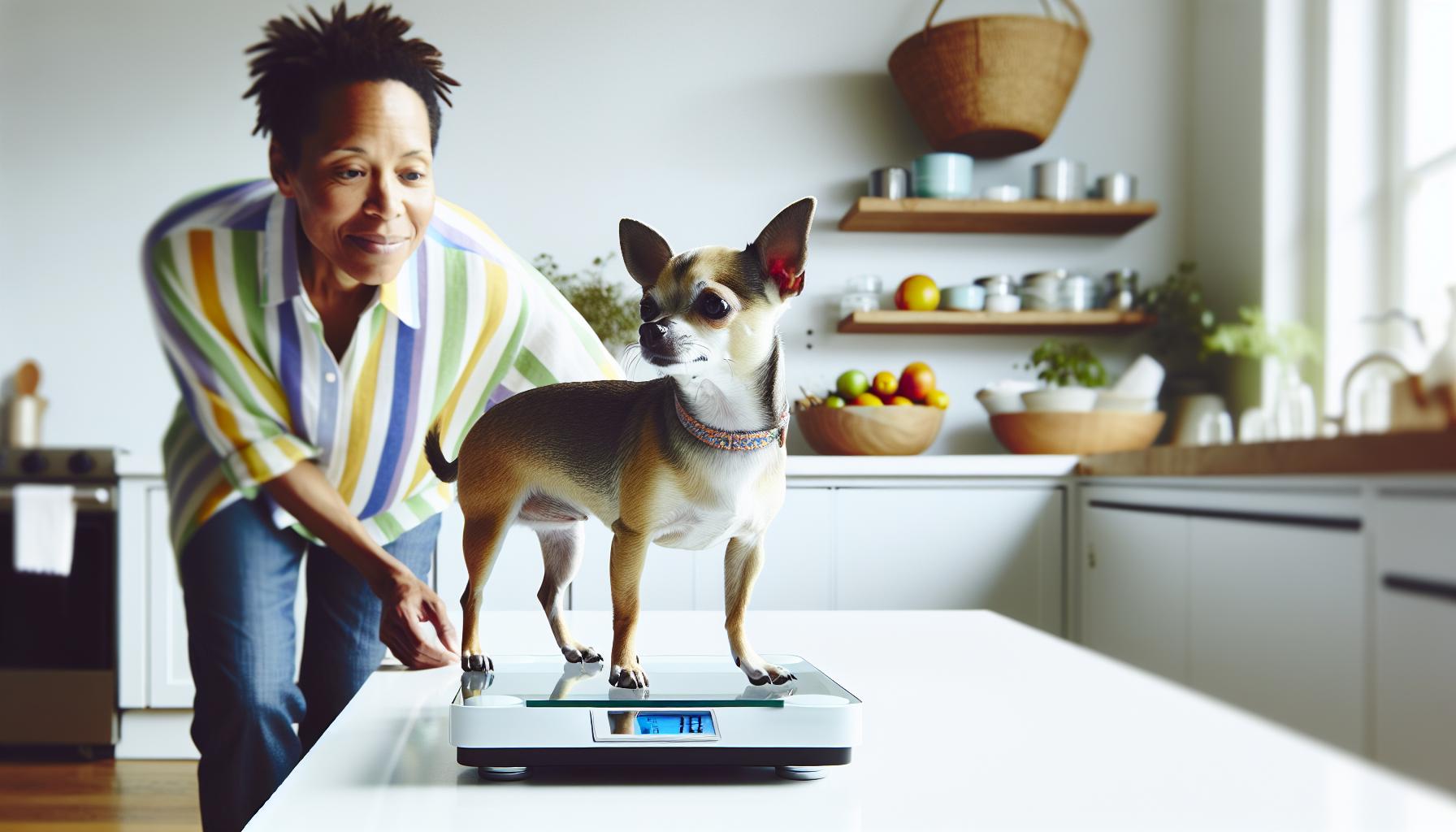
Common Reasons Chihuahuas Lose Weight
Chihuahuas are known for their spunky personalities, but when you notice your little companion becoming skinny, it can be concerning. Several factors can contribute to weight loss in Chihuahuas, and understanding these reasons is vital for maintaining their health and happiness.
One common reason for weight loss is stress or anxiety. Chihuahuas are sensitive creatures, and changes in their environment-like moving to a new home, the arrival of a new pet, or even loud noises-can unsettle them, leading to decreased appetite. A personal story from a Chihuahua owner highlights this perfectly. After adopting a new puppy, their Chihuahua, Bella, stopped eating during the transition period. Providing a calm environment and gradually introducing the new family member helped Bella regain her appetite.
Another factor to consider is health issues. Chihuahuas can be prone to dental problems due to their small mouths, making it painful for them to chew their food. Moreover, underlying conditions like diabetes, gastrointestinal disorders, or kidney disease can dramatically affect their weight. Regular vet check-ups can catch these issues early and keep you informed about your Chihuahua’s health.
Diet and nutrition also play a crucial role in maintaining a healthy weight. If you’ve recently changed your Chihuahua’s food-perhaps to a lower-calorie brand or a new flavor-this could lead to unintended weight loss. Some owners find that their picky eaters sometimes refuse to eat new foods entirely, which can result in significant weight drop. Making sure you provide high-quality, palatable dog food tailored for small breeds can reverse this issue.
Lastly, don’t forget about the metabolic quirks of Chihuahuas. Their tiny bodies require a specific balance of nutrients and calories, especially if they’re highly active or still growing. Ensuring that their food is nutrient-dense and calorie-rich will support healthy weight maintenance. Always keep an eye on her eating habits and adjust portions if necessary. Tailoring your approach to your Chihuahua’s unique needs will help her stay vibrant and lively-the spirited little sidekick you cherish!
Signs of Underweight Chihuahuas to Watch For
Chihuahuas are tiny but mighty companions, and noticing your little friend losing weight can be alarming. Their petite frames can make it tricky to spot underweight conditions, but several telltale signs can help you monitor their health effectively. It’s vital to stay attuned to their unique needs since these spirited pups can be influenced by their environment and health.
One major indicator of a Chihuahua being underweight is their visible rib cage and spine. You shouldn’t have to press hard to feel these bones; if they’re protruding prominently, it’s a clear sign to consult your veterinarian. Healthy Chihuahuas have a slight layer of fat covering their ribs, which not only keeps them warm but also provides them with the energy they need for play and snuggles. Additionally, watch for a loss of muscle tone, particularly in the hindquarters. You may notice your Chihuahua seeming less energetic or struggling to jump onto a couch or bed that they usually tackle with ease.
Another sign to look out for is changes in appetite or eating habits. If your Chihuahua is showing little interest in food, perhaps ignoring their meals or becoming increasingly selective, it may be time to investigate the cause. These changes can stem from stress, pain, or even boredom with their food. Reflect on their environment; have there been any recent changes that could be affecting their comfort level?
Lastly, behavioral changes can also indicate underlying weight issues. A Chihuahua that is typically vocal may become quieter or less interactive, while one known for being bold and boisterous could turn shy or withdrawn. These shifts in demeanor can point to discomfort or health issues, which should never be overlooked. According to a fellow Chihuahua owner, after noticing her pup was more lethargic and reluctant to join in family playtime, she discovered he was dealing with dental pain that made eating difficult. Once treated, he bounced back and was once again the lively companion she adored.
Keeping an eye on these signs not only helps detect underweight conditions early on but also ensures that your Chihuahua remains the vibrant, spirited little sidekick you cherish. Regular vet visits and close observation of their habits can make a world of difference in maintaining their happy, healthy life.
Nutritional Needs: Feeding Your Chihuahua Right
Feeding your Chihuahua the right way is essential for achieving and maintaining a healthy weight. These little bundles of joy require a diet tailored to their unique needs, adjusting not just to their size but also to their lively personalities and metabolic rates. Ideally, Chihuahuas should eat a high-quality dog food rich in protein, healthy fats, and essential nutrients specifically formulated for small breeds. This approach ensures they are getting enough calories in a compact package-a must for their tiny tummies!
One effective strategy is to choose dog food that lists meat as the first ingredient, such as chicken or beef, which provides the necessary protein for muscle maintenance and energy. Look for formulations that include:
- Omega fatty acids: These support skin and coat health, which is particularly important for Chihuahuas with delicate skin.
- Fiber: Ingredients like sweet potatoes or pumpkin aid digestion and can help regulate blood sugar levels.
- Vitamins and minerals: Essential nutrients, including calcium for bone health, are crucial given their small frames.
Portion control is equally important. Even small treats can pile on the calories, leading to weight struggles. Many owners find that feeding their Chihuahua two to three small meals a day not only helps in managing their weight but also keeps their energy levels stable. For instance, breaking up their daily food allowance into several servings can make mealtime more enjoyable and exciting for them, as well as prevent overfeeding.
Hydration is also a key player in your Chihuahua’s diet. Ensure she has access to fresh water at all times. Some dogs enjoy a little variety, so try adding bits of veggies or lean proteins like cooked chicken or turkey into their food occasionally. Just remember to keep the portions small and avoid feeding them toxic foods like onions, garlic, or chocolate.
A wonderful example comes from a fellow Chihuahua enthusiast who shared how her little Apple-head, Bella, began eating a specially formulated small-breed diet supplemented with fresh veggies. Within weeks, Bella’s coat shone, and she regained her playful confidence. This experience underlines the necessity of exploring various food options to find what suits your Chihuahua best. Feeding her right not only supports her weight but fosters a long, healthy life full of snuggles and spirited play!
Choosing the Best Dog Food for Weight Gain
Choosing the right dog food for your Chihuahua is vital for boosting their weight effectively and healthily. These little dogs require a diet that’s not only high in calories but also rich in the necessary nutrients to support their unique metabolisms. Finding a high-quality dog food that’s formulated specifically for small breeds can make all the difference. Look for brands that prioritize real meat as the first ingredient-think chicken, turkey, or lamb. Protein fuels their energy and muscle maintenance, which is especially crucial for active Chihuahuas.
Another key factor is the inclusion of healthy fats. Ingredients such as fish oil and chicken fat are fantastic sources that provide concentrated energy and promote a shiny coat. As an owner, consider choosing dog food that features a minimum of 20-30% fat content, as this will help your Chihuahua gain and maintain a healthy weight without excess bulk. Here are some essential components to consider:
- High-calorie ingredients: Look for dog food that incorporates calorie-dense components like sweet potatoes or brown rice, which help increase overall caloric intake.
- Probiotics: These can support digestion, ensuring your Chihuahua absorbs the nutrients from their food effectively.
- Supplements: Foods that include added vitamins and minerals, like vitamins A, E, and B12, are beneficial for their overall health.
Portion control and feeding frequency can also significantly affect weight gain. Instead of one or two larger meals a day, many owners find that offering three to four smaller meals helps stabilize energy levels and encourages healthy weight increments. This approach caters to their tiny stomachs and makes mealtime a more enjoyable experience.
An encouraging real-life example comes from a Chihuahua owner who had a petite Apple-head named Coco. After switching to a high-calorie, small-breed formula and adding an occasional spoonful of canned pumpkin for fiber, Coco’s weight steadily improved. Not only did she regain her playful demeanor, but her coat also became noticeably healthier. This story highlights the importance of patience and experimentation in finding the right diet that will keep your Chihuahua thriving and full of life.
The Importance of Regular Vet Check-ups
Regular check-ups at the vet are a cornerstone of keeping your Chihuahua healthy and happy, especially when weight concerns arise. Given their petite size and unique metabolic needs, Chihuahuas can be particularly susceptible to health issues that may not be immediately visible. Routine vet visits serve as a proactive measure, allowing for early detection of potential problems like dental disease, parasites, or underlying health conditions that could affect their weight.
During these visits, your vet will assess your Chihuahua’s overall health, weight, and condition, providing insights that are tailored specifically to small breeds. Typical areas of evaluation include checking hydration levels, coat condition, and appetite-all of which can influence weight management. For instance, if your Chihuahua is losing weight, a veterinary examination can identify issues ranging from dental problems that make eating painful to metabolic disorders that may require specialized treatment.
Furthermore, these check-ups are an excellent opportunity to discuss nutrition and diet plans with your vet. Since Chihuahuas are prone to specific dietary needs due to their size and energy levels, your veterinarian can recommend suitable high-calorie food options or supplements that align with your pet’s health goals. Collaborating with your vet ensures you’re not just guessing when it comes to what’s best for your little companion.
Regular vet visits also foster a strong owner-vet relationship, which can ease any anxiety your Chihuahua may feel during examinations. Most importantly, they provide a supportive environment where concerns about weight loss or gain can be addressed. For example, a Chihuahua owner might find peace of mind knowing that their vet is just a visit away to monitor little Bella’s progress as she embarks on a weight gain journey after being diagnosed with a slight metabolic imbalance. Keeping up with these check-ups is not just about addressing existing concerns; it’s about being proactive in ensuring your Chihuahua lives a long, healthy, and energetic life.
Addressing Health Issues Behind Weight Loss
Understanding why your Chihuahua may be losing weight can be a challenging journey, especially given their unique health profiles. A Chihuahua’s weight loss could be more than just a consequence of picky eating; it might be tied to underlying health issues that necessitate careful attention. Chihuahuas are small yet spirited companions, known for their vocal nature and bold personalities. However, their petite frames make them particularly vulnerable to health complications that can significantly affect their weight.
First, it’s essential to recognize that some health problems manifest silently. Common issues that might lead to a slimmed-down silhouette include dental disease, which can cause pain and reluctance to eat, or gastrointestinal disorders that disrupt nutrient absorption. Additionally, metabolic disorders, such as hyperthyroidism or diabetes, can lead to weight loss despite a good appetite. For example, a Chihuahua named Max, who had been his owner’s feisty little shadow, suddenly became lethargic and began to lose weight. A vet visit revealed an underactive thyroid, which was subsequently managed with medication.
Next, consider the importance of monitoring your Chihuahua’s behavior and eating habits closely. If she suddenly becomes more selective with food or shows signs of distress while eating, these could be red flags. Keeping a food diary can be beneficial; note her eating habits, any changes in bowel movements, and her energy levels. This information can be invaluable during veterinary check-ups, aiding in pinpointing potential issues swiftly.
Finally, supporting your Chihuahua’s overall health is vital. Regular vet visits are crucial as they allow for early detection of issues that may not present obvious symptoms. If your Chihuahua is losing weight, your veterinarian may suggest appropriate tests and adjust dietary recommendations accordingly. Optimal nutrition tailored to her specific needs is significant; premium dog food designed for weight management often contains higher calorie counts and enriching ingredients to ensure she receives the nutrients she needs to maintain a healthy weight.
In summary, by being proactive, observant, and engaged in your Chihuahua’s health care, you can address any underlying issues before they escalate. Celebrate your Chihuahua’s spirited personality while ensuring she maintains a healthy, happy life!
How to Create a Weight Gain Plan
Creating a weight gain plan for your Chihuahua requires a thoughtful, tailored approach that embraces their personal quirks and dietary needs. Each Chihuahua is unique, and just like us, they thrive best on a diet that caters specifically to their preferences and health concerns. A solid plan not only focuses on nutrition but also incorporates their overall lifestyle and health checks.
Start by selecting high-quality dog food specifically designed for weight gain. These formulas can be more calorie-dense, meaning they pack more nutrients into smaller servings-perfect for those tiny tummies! Look for kibble that lists meat as the first ingredient and has healthy fats, like chicken fat or fish oil, to boost calorie content. Some great options include foods that contain added vitamins and minerals, as well as probiotics for digestive health. Remember, gradual increases in food portions are key; abrupt changes might upset your Chihuahua’s stomach.
Incorporate Regular Meal Times
Feeding your Chihuahua at consistent times each day can also help regulate their appetite and create a predictable routine. Consider implementing two to three meals daily, rather than leaving food out all day, which may encourage grazing rather than eating a complete meal. Consult your vet to determine the appropriate amount of food based on her current weight and goal weight, as well as her activity levels.
Enhancing Appeal with Treats
Adding tasty, healthy treats can make a significant difference and help motivate her during meal times. Soft, meaty treats or homemade goodies using ingredients like chicken or sweet potatoes can entice her to eat more. Just be sure to factor these extra calories into her daily intake to avoid overfeeding. You might also consider incorporating wet food, which can be more palatable and bring extra moisture into her diet, helping to stimulate her appetite.
Encouraging Healthy Activity
While it may seem counterintuitive, engaging in moderate exercise can encourage a healthy appetite. Chihuahuas love to play and need a mix of mental and physical stimulation. Short, fun walks or interactive games can keep them active and engaged, which in turn can lead to a healthier appetite. Always listen to your Chihuahua; if she seems tired or reluctant, adjust the activity level accordingly.
Moreover, always keep an eye on her health. Regular vet check-ups are essential to ensure that any weight gain efforts are safe, addressing any potential underlying health issues. Remember to celebrate every small victory in her journey to a healthy weight; it’s all about progress, not perfection. Each step forward strengthens your bond and helps your spirited companion thrive!
The Role of Exercise in a Chihuahua’s Life
Engaging in regular exercise is not just beneficial-it’s essential for keeping your Chihuahua’s delicate physique healthy and promoting a healthy appetite. Despite their tiny stature, Chihuahuas are bundles of energy with hearts and spirits that are anything but small. With their naturally playful and curious nature, they thrive on activity that boosts their confidence and helps them manage their weight effectively.
Physical Activity Needs
Though Chihuahuas are petite, they require regular exercise-around 30 minutes to an hour each day-to maintain optimal health. This doesn’t mean long runs or intense workouts; rather, think in terms of short, fun activities. Activities such as chasing after a ball, engaging in interactive play, or even brisk walks around the neighborhood can significantly contribute to their fitness. These small bursts of energy expenditure can stimulate their appetite, making it easier to support your efforts to help them gain weight.
Chihuahuas can also greatly benefit from mental stimulation along with physical exercise. Puzzle toys, training sessions, or agility games keep their minds sharp and their bodies active, all while nurturing their naturally inquisitive personality. Consider setting up an obstacle course in your living room or yard to encourage both exercise and mental engagement.
Listening to Your Chihuahua
Always be mindful of your Chihuahua’s behavior during exercise. Their small bodies can easily become fatigued, so watch for signs of tiredness, such as panting or reluctance to continue playing. A good rule of thumb is to keep a close eye on your pup’s energy levels and adjust activities accordingly. If she’s a little apple-head with a bold personality, she might surprise you with her stamina, but remembering to take frequent breaks is essential.
By prioritizing a well-rounded exercise routine, you’re not only helping your Chihuahua build healthy muscle but also fostering her unique personality traits like loyalty and confidence, making her happier and healthier. Celebrate her milestones and successes-no matter how small-as they are steps toward a healthier lifestyle for your furry friend. A happy and active Chihuahua is not only a joy to have but also a thriving one, and exercise is key to that happiness.
Understanding Chihuahuas’ Unique Metabolism
Understanding your Chihuahua’s metabolism is key to addressing weight concerns and ensuring their overall health. These little dogs have a unique metabolic rate that can significantly influence how they gain or lose weight. Chihuahuas, being one of the smallest dog breeds, have a high metabolism compared to larger breeds. This means they burn calories quickly, which can sometimes lead to unintended weight loss if their caloric intake doesn’t match their energy expenditure.
Chihuahuas tend to be energetic and often require a bit more food relative to their size to maintain a healthy weight. Because their bodies work so efficiently, they can easily become underweight if not fed appropriately. For instance, an active Chihuahua might need a higher caloric intake than a less active one of the same size. As a rule of thumb, if your little friend seems to be losing weight despite regular feeding, it might be time to reassess both the quality and quantity of the food you’re offering.
Another interesting aspect of their metabolism is how it can be affected by their emotional state and environment. Chihuahuas are known for being vocal and a bit anxious at times. Stress can affect their appetite and, consequently, their weight. If you notice signs of anxiety, like excessive barking or clinginess, consider introducing calming activities or safe spaces where they can feel secure.
Providing a balanced diet rich in proteins, fats, and carbohydrates is essential for any Chihuahua, especially those that need to gain weight. High-quality, calorie-dense dog food can help them meet their nutritional needs without overwhelming their small stomachs. Always consult with your veterinarian when making significant changes to their diet, as they can provide tailored advice and support to help your Chihuahua thrive.
In managing a Chihuahua’s weight, remember that every dog is different. Celebrate your pup’s individuality-whether they’re a feisty apple-head or a long-haired darling, understanding their unique needs is crucial. Keeping a close eye on their eating habits, weight, and behavior can empower you to ensure your little companion remains healthy, happy, and perfectly plump!
Owner Tips for Encouraging Healthy Weight
To ensure your beloved Chihuahua maintains a healthy weight, it’s crucial to blend attentive care with a sprinkle of creativity. These spirited pups, whether they’re a confident apple-head or a dainty, long-haired companion, have unique needs that can influence their weight management. If your little friend seems skinnier than you’d like, implementing a few supportive strategies can lead to significant changes.
First, you’ll want to focus on their diet. Feeding high-quality dog food that is rich in calories and nutrients is essential. Look for kibble that lists meat as the first ingredient and contains healthy fats. Sometimes supplements, such as Omega 3 and Omega 6 fatty acids, can aid in weight gain while promoting a shiny coat. You might also consider adding wet food or using healthy toppers to entice your Chihuahua to eat more. Just ensure any new foods are introduced gradually to prevent digestive upset.
Another effective way to encourage your Chihuahua to eat is by creating a stress-free mealtime environment. Chihuahuas are notably sensitive, so a calm setting without distractions can help entice them to eat. Setting a regular feeding schedule can also help normalize their appetite. Additionally, offering meals in more engaging ways, like interactive feeders or puzzle toys, can turn mealtime into a stimulating experience. Many owners have seen success with this technique; for instance, one owner found that their anxious Chihuahua ate better when meals were offered in a puzzle toy, allowing him to feel more in control.
Don’t underestimate the power of small, frequent meals. Rather than sticking to the standard one or two meals a day, consider offering several smaller portions spread throughout the day. This approach not only helps with gradual weight gain but also keeps their energy levels stable. Always bear in mind that regular vet check-ups will provide invaluable insights into your Chihuahua’s weight management and general health. Your vet can help tailor a weight gain plan and monitor progress to ensure your furry friend is thriving.
Lastly, be supportive and patient. Remember, every Chihuahua is unique, and what works for one may not work for another. Celebrate your pup’s quirks and encourage healthy behaviors with love and positive reinforcement. Whether it’s through tasty treats, plenty of affection, or gentle encouragement during playtime, these little gestures can lead to a happier, healthier Chihuahua. Keep a watchful eye, adjust strategies as needed, and soon you’ll notice those healthy gains that will make both you and your furry companion proud!
Real-Life Success Stories of Weight Management
When it comes to addressing weight concerns in Chihuahuas, real-life success stories can provide both hope and inspiration. One owner, Sarah, noticed her apple-head Chihuahua, Bella, was losing weight due to stress-related eating issues after a family move. Sarah began taken steps to create a calmer environment at mealtime. By designating a quiet area free from distractions and using puzzle feeders to engage Bella, she discovered that Bella had become more relaxed during meals, leading to an improved appetite. Within a few months, Bella was back to her ideal weight, glowing with happiness.
Another touching story is of James and his long-haired Chihuahua, Coco. After Coco had a bout of illness, he struggled to regain his appetite. James took a proactive approach by consulting their veterinarian, who recommended a high-calorie diet supplemented with wet food. James also started feeding Coco smaller, more frequent meals throughout the day rather than relying on just two larger meals. He also made it a point to incorporate treats, such as homemade chicken broth Popsicles, which Coco eagerly consumed. Thanks to this tailored approach and James’s attentiveness, Coco returned to a healthy weight, and his playful spirit was back.
Experiences like those of Sarah and James illustrate that each Chihuahua’s journey to weight management can vary significantly, but they all share common strategies. Here are some key takeaways that readers can apply:
- Create a positive mealtime environment: Ensure it’s peaceful and devoid of stressors-Chihuahuas respond well to calm settings.
- Introduce engaging meals: Use interactive feeders or combine kibble with wet food to make eating more enjoyable.
- Frequent small meals: Offering smaller portions throughout the day can help stabilize energy and support gradual weight gain.
- Regular vet consultations: These can help tailor diets and monitor any health issues impacting weight.
Celebrating the uniqueness of each Chihuahua, like Bella and Coco, reminds us that with patience, dedication, and a dash of creativity, achieving a healthy weight for your furry companion is undoubtedly within reach. Stay committed to the process, remain attentive to your Chihuahua’s individual needs, and you’ll find that even the tiniest of changes can lead to significant results over time.
FAQ
Q: What are the typical weight ranges for Chihuahuas at different ages?
A: Chihuahuas typically weigh between 2 to 6 pounds as adults, depending on their age and build. Puppies may weigh around 2 pounds at eight weeks old, while fully grown adults should maintain a stable weight within the general range. Monitoring their growth is vital for health and wellbeing.
Q: How can I tell if my Chihuahua is underweight?
A: To determine if your Chihuahua is underweight, check for visible ribs or an excessively tucked abdomen. You should also assess their overall body condition. If you notice these signs, consult your vet for tailored guidance specific to your pet’s nutritional needs and health.
Q: What are the health risks associated with a skinny Chihuahua?
A: A skinny Chihuahua may face health risks like immune deficiencies and muscle atrophy. Prolonged underweight conditions can lead to serious health concerns, including nutritional deficiencies. Regular vet check-ups are crucial to monitor and manage these risks effectively.
Q: How often should I feed my skinny Chihuahua to help them gain weight?
A: To help your skinny Chihuahua gain weight, offer higher-calorie meals 2-3 times daily instead of one large meal. Small, frequent portions can stimulate appetite and ensure they are receiving adequate nutrition. Choosing nutrient-dense foods specifically formulated for weight gain can also be beneficial.
Q: Are there specific dog food brands that are good for Chihuahuas needing to gain weight?
A: Yes, look for dog food brands with high protein and fat content, such as Royal Canin Chihuahua or Wellness Core. These options provide the necessary nutrition for weight gain. Always consult with your veterinarian before making any dietary changes to ensure it aligns with your Chihuahua’s health needs.
Q: How can stress affect my Chihuahua’s weight?
A: Stress can lead to weight loss in Chihuahuas due to reduced appetite or digestive issues. Common stressors include loud noises or changes in environment. Ensure a calm environment and provide comfort to help your Chihuahua feel safe and secure, which can aid in stabilizing their weight.
Q: Could underlying health issues be causing my Chihuahua’s weight loss?
A: Yes, underlying health issues like parasites or metabolic disorders can cause weight loss in Chihuahuas. If your dog is losing weight despite having a good appetite, seek veterinary care for a thorough examination. This will help identify potential health concerns that need addressing.
Q: What role does exercise play in managing my Chihuahua’s weight?
A: Regular exercise is vital for managing your Chihuahua’s weight. It helps maintain muscle tone and boost metabolism. Aim for short walks and play sessions tailored to your dog’s energy levels. Adapting their activity level can significantly impact their overall health and weight management.
In Summary
If your Chihuahua is looking a little too slim, remember that you are not alone-many owners face similar concerns. Addressing weight issues starts with understanding the unique health and behavioral needs of Chihuahuas. Ensure you’re providing a balanced diet and consider consulting with a veterinarian who can offer tailored advice. For more tips on maintaining a healthy weight, check out our article on “Essential Chihuahua Nutrition” and discover tailored meal plans that can boost your little one’s health.
Don’t hesitate to join our community of Chihuahua lovers by leaving a comment below or sharing your experiences. Every Chihuahua is special, with quirks that make them unique. By staying informed and connected, you can ensure a happier, healthier life for your furry friend. So, keep exploring our resources-after all, caring for your apple-head or smooth-coat companion is a journey worth taking!
Get our latest guides, news, and insights highlighted in your Google Search & AI Overviews.