

When it comes to understanding your Chihuahua, knowing how many pounds he should weigh is crucial for his health and happiness. Chihuahuas, often packed with personality, can vary in size based on factors like genetics and diet, but the average weight typically ranges from 3 to 6 pounds. This tiny breed’s weight standards aren’t just numbers; they impact his energy levels, longevity, and overall well-being. As a loving Chihuahua owner, being aware of these standards helps ensure your little friend remains vibrant and healthy. In this article, we’ll explore the weight factors for Chihuahuas, common myths, and tips to maintain a healthy weight for your spirited companion. So, if you want to ensure your furry friend thrives, read on to discover the perfect weight range for your Chihuahua!
Understanding the Average Weight of a Chihuahua
Chihuahuas, known for their tiny stature and vibrant personality, typically weigh between 2 to 6 pounds when fully grown. However, understanding the average weight of your furry companion isn’t just about numbers; it’s crucial for their overall health and well-being. Just like people, each Chihuahua is unique, and factors such as genetics, diet, and lifestyle significantly influence their weight. When selecting or caring for your Chihuahua, it’s essential to keep their ideal weight range in mind to ensure they stay happy and healthy.
Weight is not merely a guideline but a reflection of your Chihuahua’s health. Undoubtedly, those little pups can be feisty and full of energy, but if they fall outside of the average weight range, they can face health issues. For instance, Chihuahuas that are underweight might suffer from nutritional deficiencies, while those that are overweight are at higher risk for joint problems and heart disease. Regular weighing can help monitor their condition and prompt timely adjustments to their diet or exercise regime.
For first-time owners and seasoned Chihuahua enthusiasts alike, it can be challenging to pinpoint what constitutes a healthy weight in this breed. Factors like age, build, and whether your Chihuahua is a long coat or short coat can affect their weight. Additionally, some Chihuahuas may carry a bit more weight due to their specific body type, such as the apple-head or deer-head variations. Understanding these distinctions will help you keep an eye on your buddy’s health and ensure they are within a suitable weight range, promoting a longer, healthier life.
Factors Influencing Chihuahua Weight
Every Chihuahua is a unique bundle of personality and energy, but various factors can influence their weight significantly. Understanding these factors can help you maintain a healthy weight for your furry friend, ensuring they remain vibrant and lively throughout their life.
One of the primary determinants of weight in Chihuahuas is genetics. Just like humans, Chihuahuas inherit traits from their parents. For instance, if both parents are on the smaller side, it’s likely that their puppies will also be petite. Conversely, a pup from a lineage of larger Chihuahuas may have a heftier build. Additionally, there are two common physical types among Chihuahuas: the apple-head and the deer-head. Apple-heads tend to have a rounder skull and a more compact body, often resulting in slightly lower weight, while deer-heads have longer legs and a leaner frame, which may lead them toward the higher end of the weight spectrum.
Another critical influence is diet and nutrition. A well-balanced diet is essential for your Chihuahua’s overall health. Poor nutrition can lead to both underweight and overweight conditions. Many owners mistakenly think that all dog foods are created equal, but that’s not the case. Look for high-quality options rich in protein and low in fillers, as these will provide the necessary nutrients without unnecessary calories. Regularly monitoring food portions and avoiding too many treats can help maintain your Chihuahua’s ideal weight.
Activity level also plays a significant role. Chihuahuas are known for their spirited nature, but their exercise needs can vary. Some might love to cuddle on the couch while others may have boundless energy that requires daily walks or playtime. Engaging with your Chihuahua through active play not only helps keep them fit but also strengthens your bond. It’s important to tailor their exercise routine to suit their individual energy levels and age to avoid injury or stress.
Lastly, age is a determining factor. As Chihuahuas grow older, their metabolism tends to slow down, meaning they won’t need as many calories. This is a common reason why many owners find their Chihuahuas gradually gain weight as they age. Routine weigh-ins and adjusting their diet accordingly are key to ensuring that your companion stays within a healthy weight range through all life stages.
By acknowledging these influences, you can make better choices that promote a healthy lifestyle for your Chihuahua, keeping him or her happy, energetic, and within a healthy weight range.
Different Chihuahua Varieties and Their Weight Ranges
Despite being one of the smallest dog breeds, Chihuahuas boast a delightful variety of types, each with its own distinctive traits and average weight ranges. Understanding these differences is key for any Chihuahua owner, as they can significantly influence care needs, including diet, exercise, and health monitoring.
The two primary varieties of Chihuahuas are the Apple Head and Deer Head. Apple Head Chihuahuas tend to have a rounded skull and a more compact body structure. This variety typically weighs between 2 to 6 pounds, making them the smaller counterparts in the breed. Their petite size, combined with their bold personality and expressive nature, often wins over the hearts of dog lovers. On the other hand, Deer Head Chihuahuas, characterized by a longer muzzle and sleeker build, usually weigh slightly more, ranging from 4 to 8 pounds. This variance in appearance is not just cosmetic; it can influence their energy levels and play styles as well.
Additionally, there are differences in coat types that can impact weight as well. Chihuahuas come in both short-haired and long-haired varieties. While their fur type might not directly affect their overall weight, it can influence their grooming needs, which is an important consideration for maintaining their health. For instance, a long-haired Chihuahua may require more frequent brushing to manage tangles and mats, whereas short-haired varieties may need less intensive grooming.
Understanding the average weight standards can also clarify some common misconceptions. Many new Chihuahua owners worry that their dogs might be too small or too large compared to others. It’s essential to remember that Chihuahuas are naturally petite, and slight variations in size and weight are perfectly normal, reflecting their unique genetics. Regular veterinary check-ups are crucial in monitoring weight to ensure your Chihuahua stays within a healthy range for their specific type.
Most importantly, your Chihuahua’s weight should not solely define their health; rather, it’s about fostering a balanced lifestyle tailored to her needs, personality, and activity levels. For example, some Chihuahuas may thrive on more vigorous playtime, while others prefer quieter moments snuggled in your lap. By knowing the different types and their typical weight ranges, you can better support your little companion, ensuring she lives a happy and healthy life.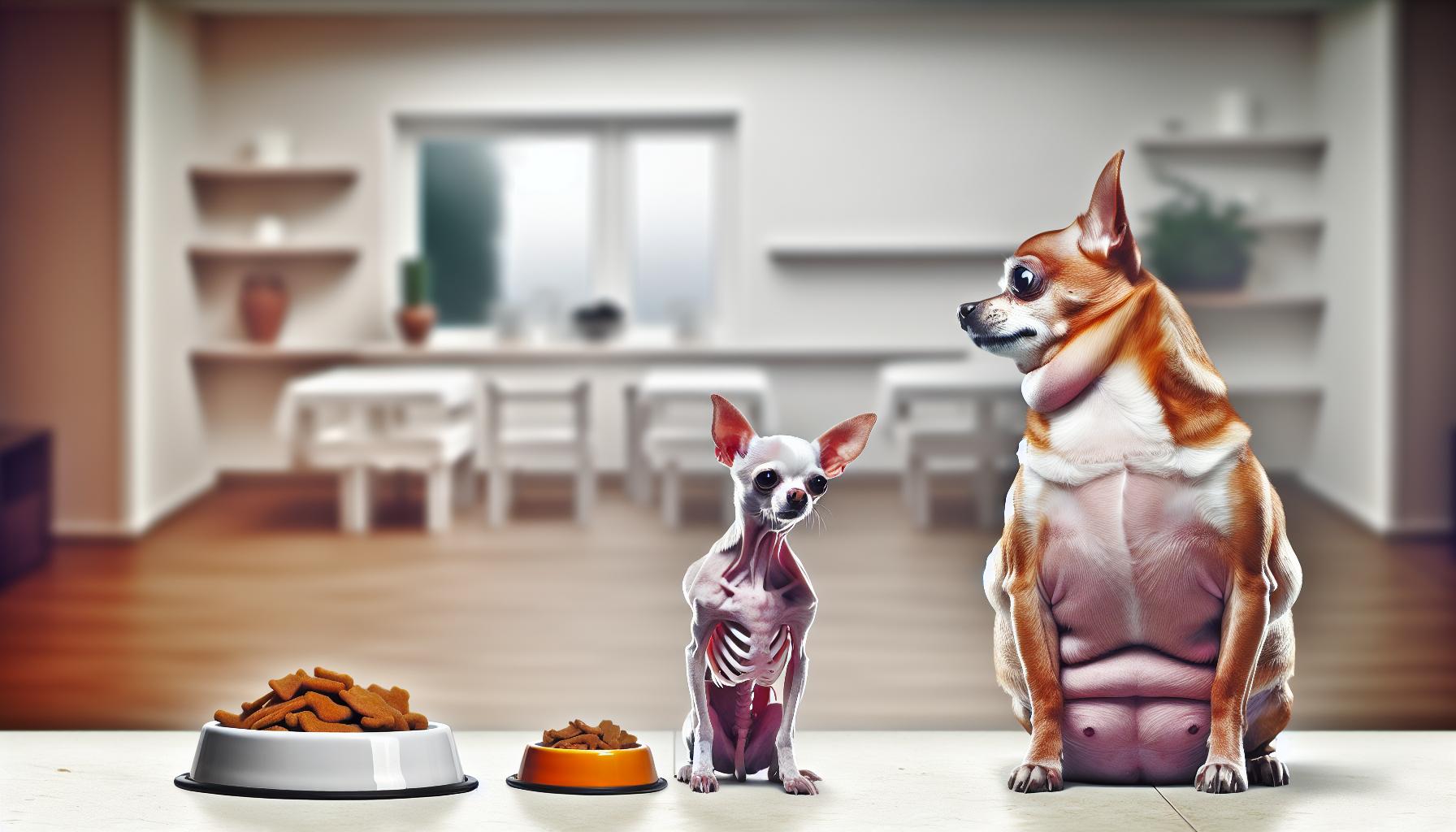
Health Implications of Underweight and Overweight Chihuahuas
Understanding your Chihuahua’s weight is crucial for their overall health and well-being. Like all pets, Chihuahuas can face health challenges if they fall outside their ideal weight range. An underweight Chihuahua might have a weak immune system and lack the energy to enjoy playtime or walks. With their spirited personalities, it’s heartbreaking to see them miss out on activities they love because they simply don’t have the strength. On the other hand, an overweight Chihuahua can suffer from serious health issues such as diabetes, heart disease, and joint problems. Extra weight places additional strain on their tiny bodies, leading to a shorter lifespan and reduced quality of life.
Regularly monitoring your Chihuahua’s weight is essential. For example, many owners with Apple Head Chihuahuas find that maintaining their pup within the 2 to 6-pound range helps keep them agile and energetic. If you notice that your pup is getting close to the higher end of this scale, it may be time to reassess diet and exercise routines. Conversely, if your Deer Head Chihuahua, typically weighing between 4 and 8 pounds, seems particularly thin, consult your veterinarian. They can help determine if there’s an underlying health issue or if you simply need to adjust feeding habits.
Creating a balanced lifestyle is key. The sooner you establish healthy habits, the better. Engage in regular exercise tailored to your Chihuahua’s energy level-remember, short bursts of playtime can be incredibly beneficial! Keeping a keen eye on their diet is equally important; high-quality food formulated for small breeds can ensure they receive the essential nutrients they need without excess calories.
Being proactive about your Chihuahua’s weight will help you not only celebrate their unique personality quirks but also foster a happy and vibrant life together. Observing changes in appetite or energy levels can provide critical cues-your attentive care makes all the difference!
How to Properly Weigh Your Chihuahua
To keep your little friend healthy and thriving, knowing how to weigh your Chihuahua accurately is essential. These tiny companions can vary in weight significantly, so regular weigh-ins can help track their health and make sure they stay within the desirable range. It’s best to approach the process calmly, ensuring your Chihuahua feels secure and comfortable.
When weighing your dog, a digital scale can provide the most accurate results. Here’s a simple method to follow:
- Choose the Right Scale: A scale that displays weight in pounds or kilograms is best. Make sure it’s flat and stable, giving your pup a secure place to stand.
- Zero the Scale: Start by weighing yourself alone, then step off and zero out the scale before adding your Chihuahua. This helps track only their weight.
- Weighing Your Chihuahua: Hold your Chihuahua gently but securely and step onto the scale. Make sure they’re calm, as a squirming pup can lead to inaccurate readings. If they’re nervous, consider doing this in a quiet room or using treats to make the experience pleasant.
- Record the Weight: Note down the weight immediately to keep track of any changes over time. Regular monitoring can alert you to potential health concerns before they become serious.
For those with multiple Chihuahuas or variations in coat (like the smooth coat vs. long coat), it might be useful to establish a routine. Weigh them once a month or whenever you take them for a vet visit. You can even create a simple chart to visualize their weight over time, allowing you to see trends and adjust their care as necessary. Remember, a well-cared-for Chihuahua not only thrives but also loves to play and show off their bold little personality!
Tips for Maintaining a Healthy Weight in Chihuahuas
To keep your Chihuahua in tip-top shape, maintaining a healthy weight is essential for her overall wellness and longevity. These little dogs have big personalities, and ensuring she feels her best will help her showcase her characteristic spunk and charm. It’s vital to tailor specific strategies to your Chihuahua’s needs, considering her unique characteristics, from her energy levels to her preferences in food.
One effective approach is to monitor her nutrition closely. High-quality dog food specifically formulated for small breeds can provide her with the necessary nutrients without excess calories. Look for products with real meat as the main ingredient and watch out for fillers like corn or soy that can contribute to unhealthy weight gain. To help prevent overfeeding, use measuring cups for her meals, and consider dividing her daily portions into two or three meals instead of one. This helps prevent begging behavior and promotes a healthy metabolism. Additionally, incorporating some healthy snacks-like carrots or small pieces of apple-can satisfy her between-meal cravings without adding too many calories.
Regular Exercise is Key
Chihuahuas may be small, but they are energetic little athletes who thrive on regular exercise. Aim for at least 30 minutes of activity each day, which can include brisk walks, playful indoor games, or interactive toys that challenge her brain while keeping her active. Remember, Chihuahuas enjoy social interactions, so consider arranging playdates with other small dogs for socialization and exercise. Keeping her active not only helps maintain her weight but also supports her mental health, reducing anxiety and boredom.
Regular Weigh-Ins and Vet Checks
Routine weigh-ins can help you keep track of your Chihuahua’s weight and identify any trends early. Many owners find it helpful to establish a specific day each month for weigh-ins, making it easier to remember. Also, don’t overlook regular veterinary check-ups. Your veterinarian can provide personalized guidance on her weight management and spot any potential health concerns. They can also help you set a target weight and create a supportive plan tailored to her breed and individual lifestyle.
By focusing on balanced nutrition, ample exercise, and regular veterinary visits, you can ensure your Chihuahua remains not just at a healthy weight, but also vibrant, happy, and full of life. Remember, a healthy Chihuahua not only feels better but also shares her joyful and bold personality with everyone around her!
Common Misconceptions About Chihuahua Sizes
Many people envision Chihuahuas as tiny, fragile creatures that fit snugly in a handbag, but the reality of this breed’s size is often misunderstood. In fact, while the average weight of a Chihuahua typically ranges from 2 to 6 pounds, it’s important to acknowledge the diversity within this breed. Some may actually fall outside this common range, leading to confusion about what is considered “normal.” For instance, Chihuahuas can be seen in various sizes due to their different head shapes-such as the apple-headed and deer-headed varieties-which also influence their body structure and overall weight.
Another misconception revolves around the notion that all Chihuahuas should be kept at the lower end of the weight spectrum. Every Chihuahua is unique, and factors such as genetics, diet, and lifestyle play significant roles in determining their ideal weight. Just because a Chihuahua is on the heavier side does not inherently signal a health issue; it may merely reflect their unique build or body composition. It’s essential for owners to focus more on maintaining a healthy weight rather than striving for a particular number on the scale.
Additionally, many wonder about the implications of breeding on size. Some owners might assume that smaller Chihuahuas are always healthier or more desirable, but the truths are nuanced. Smaller size can sometimes lead to more health concerns, such as fragile bone density and dental issues. It’s vital to prioritize health over appearance when considering what size Chihuahua fits best for your home and your lifestyle.
In conclusion, educating ourselves about the variations in Chihuahua sizes helps dispel myths and encourages responsible pet ownership. Whether your little companion weighs 2 pounds or tips the scales at 8, what’s most crucial is her happiness, health, and well-being. Embrace her unique traits, and remember that a loving environment will always be the best foundation for a healthy, vibrant life with your Chihuahua.
The Role of Nutrition in Chihuahua Weight Management
The world of Chihuahua nutrition is as unique as the breed itself. A well-balanced diet is essential for maintaining an ideal weight, especially since these little companions have varying needs based on their size, age, activity level, and health status. Choosing high-quality dog food that caters specifically to their nutritional requirements can make a significant difference in your Chihuahua’s overall well-being. Quality ingredients contribute to muscle maintenance, energy levels, and even coat health, making it crucial to read labels carefully.
When selecting food, consider options that offer a good mix of protein, fats, and carbohydrates. For instance, a Chihuahua with more energy might benefit from a higher protein content to support their active lifestyle. Balanced meals can also help manage weight effectively. For example, owners often find that their apple-headed Chihuahuas, known for their charming personalities, thrive on a mix of dry kibble and wet food; this combination not only keeps mealtime interesting but also helps maintain hydration.
Portion control is another essential aspect of nutrition. It’s easy to overfeed these small dogs, so using measuring cups can help ensure she’s getting the right amount. Additionally, small, frequent meals can aid digestion and keep her energy steady. You might also want to incorporate healthy treats like pieces of cooked chicken or pumpkin, which many Chihuahuas find irresistible. However, be cautious with the quantity to avoid adding unnecessary calories.
Don’t forget the importance of adjusting your Chihuahua’s diet as she ages. Senior Chihuahuas may require fewer calories and specialized formulations to support their changing metabolism and joint health. Paying attention to her body condition and overall activity can guide you in making these adjustments. If you notice any sudden changes in weight, it might be time to reassess her diet and consult your veterinarian for personalized advice. Remember, a healthy diet not only keeps her weight in check but also contributes to a vibrant and loving life together.
Exercise Needs for Chihuahuas and Weight Control
Proper exercise is crucial for maintaining a healthy weight in Chihuahuas, and it doesn’t have to be complicated. While they are tiny, these spirited dogs have a lot of energy that must be expended, and regular activity not only helps control weight but also supports their overall health and happiness. A quick daily walk, even if it’s just around the block, can work wonders in keeping your little companion fit. Chihuahuas also enjoy playful activities, which can include fetching small toys or playing hide-and-seek in the comfort of your home.
To set a routine, consider incorporating short bursts of activity throughout the day. Even 10 to 15 minutes of playtime multiple times a day can help burn off those extra calories. Think of it as fitting in fun workouts! These engaging sessions not only prevent weight gain but also combat boredom, which is essential to stave off behavioral issues. Keeping your Chihuahua mentally stimulated with interactive toys or simple training exercises is also beneficial-these playful pursuits keep their minds sharp while promoting physical activity.
Chihuahuas are known for their bold personalities, and many thrive in a social setting. If you have a safe, enclosed yard, let your Chihuahua enjoy some time outdoors to explore. Be mindful, however, that sometimes, these little dynamo dogs can overextend themselves, especially in warmer weather. Offer water breaks and always supervise playtime to safeguard against overheating or overstretching.
Lastly, recognize that each Chihuahua is unique. Some may require more vigorous play, while others might be content with more mellow activities. Keeping an eye on her body condition and energy level will guide you in tailoring an exercise routine that suits her individual needs. For instance, a senior Chihuahua may not need the same amount of exercise as an energetic puppy, and adjustments should be made to keep her physically happy and healthy.
Recognizing Body Condition in Chihuahuas
Recognizing whether your Chihuahua is at a healthy weight is essential for ensuring her overall well-being. One of the most important aspects of this is understanding her body condition, which you can assess visually and by touch. An ideal Chihuahua should have a visible waist when viewed from above and a slight tuck in the belly when seen from the side. Their ribs should be palpable but not overly visible, which gives you a clear indication that she’s neither overweight nor underweight.
When assessing body condition, consider the following key indicators:
- Rib Check: Gently run your hands along her sides; you should feel her ribs without excessive pressure.
- Waist and Tummy: Look for a defined waist. A Chihuahua’s body should have a noticeable curve upward from the ribcage to the hips, indicating healthy weight.
- Body Shape: Rather than round, an ideal body shape leans toward the hourglass figure, where the waist is smaller than the chest and hips.
- Energy Levels: Active and playful Chihuahuas are generally healthier. If your Chihuahua is unusually lethargic or seems to lack energy, this might signal a weight issue.
Each Chihuahua is unique, affected by their age, genetics, and life style. For example, an apple-head Chihuahua might have different body proportions than a deer-head counterpart, so it’s crucial to understand her breed traits and factor those into your evaluation. Owners often share experiences of their Chihuahuas becoming a bit “fluffy” in winter when playtime decreases, reinforcing the importance of regular exercise.
Talk to your vet if you’re unsure about her body condition or if you suspect weight issues. They can provide specific recommendations tailored to her needs that consider her age, activity level, and dietary habits. By staying attentive to her body condition, you’re not just ensuring a healthy weight; you’re also enhancing her quality of life, allowing your spirited little companion to thrive.
When to Consult a Veterinarian About Weight Concerns
Recognizing when to seek veterinary guidance regarding your Chihuahua’s weight is crucial for maintaining her health and happiness. If you ever notice a significant change in her weight-whether she’s gaining it rapidly or losing it unexpectedly-it’s time to consult your vet. Remember, Chihuahuas are petite but bold little creatures, and even minor fluctuations can impact their overall health. Regular check-ups can help you catch potential weight issues early, allowing for timely intervention.
It’s also important to keep an eye on behavioral changes that might correlate with weight issues. For instance, if your Chihuahua becomes lethargic or loses her characteristic spunk, this could signal an underlying health problem related to her weight. Similarly, if she seems more irritable than usual or has decreased interest in her favorite activities (like playtime with a squeaky toy), these shifts warrant a veterinary evaluation.
When visiting the vet, come prepared with information such as your dog’s eating habits, exercise routines, and any behavioral changes you’ve noticed. This context can provide valuable insights for your veterinarian, enabling them to offer tailored advice. They might suggest a structured weight loss plan if she’s overweight or recommend nutritional changes if she’s underweight.
Lastly, don’t hesitate to ask your vet about the best practices for maintaining healthy weight-this includes not only dietary recommendations but also establishing a consistent exercise routine. Every Chihuahua is unique, and what works for one may not suit another, so personalized guidance can be immensely beneficial. Remember, a happy, healthy Chihuahua leads to a happy owner!
FAQ
Q: What is the average weight range for a Chihuahua?
A: The average weight for a Chihuahua typically ranges from 2 to 6 pounds. Factors such as genetics, diet, and health can influence their weight. Monitoring their weight regularly helps ensure they remain within a healthy range.
Q: How do I determine if my Chihuahua is overweight?
A: To assess if your Chihuahua is overweight, check for a visible waist and feel their ribs easily. If you cannot see or feel the ribs, your dog may be overweight. Regular vet check-ups can help you maintain your pup’s health and weight.
Q: Are there weight differences between short-haired and long-haired Chihuahuas?
A: Generally, there are no significant weight differences between short-haired and long-haired Chihuahuas. Both types typically fall within the 2 to 6-pound range, although individual weights can vary based on genetic factors.
Q: At what age do Chihuahuas reach their full weight?
A: Chihuahuas usually reach their full weight by 12 months of age. However, some may continue to fill out slightly until around 18 months. It’s essential to ensure a balanced diet and regular exercise to help them maintain a healthy weight.
Q: How can I help my Chihuahua maintain a healthy weight?
A: To help your Chihuahua maintain a healthy weight, provide a balanced diet, ensure regular exercise, and monitor portion sizes. Regular vet visits can also guide appropriate diet adjustments and activity levels.
Q: Can weight fluctuations in Chihuahuas indicate health problems?
A: Yes, significant weight fluctuations in Chihuahuas can indicate underlying health issues, such as thyroid problems or dental diseases. It’s crucial to consult a veterinarian if you notice sudden weight changes in your Chihuahua.
Q: What dietary factors affect my Chihuahua’s weight?
A: Dietary factors, including the quality of food, portion sizes, and feeding frequency, have a significant impact on your Chihuahua’s weight. Opt for high-quality dog food appropriate for their size and age to ensure optimal nutrition.
Q: Why is it important to monitor my Chihuahua’s weight?
A: Monitoring your Chihuahua’s weight is important for preventing obesity and related health issues. Maintaining a healthy weight can improve their quality of life and longevity, enabling them to enjoy their playful and vibrant nature.
In Retrospect
Understanding the average weight of a Chihuahua is just the beginning of your journey as a loving owner. These tiny companions, typically weighing between 2 to 6 pounds, can have a significant impact on your life with their bold personalities and affectionate nature. If you’re looking to ensure your Chihuahua’s health and happiness, explore our guides on proper nutrition and exercise tailored specifically for this breed.
Don’t hesitate to share your experiences or ask questions in the comments below! Each conversation helps build a supportive community for both new and seasoned Chihuahua enthusiasts. Ready to deepen your knowledge? Check out our articles on Chihuahua behaviors and training tips. Your little one is counting on you, so let’s keep learning and growing together!
Get our latest guides, news, and insights highlighted in your Google Search & AI Overviews.