

Chihuahuas are not just adorable companions; they are a breed with a unique set of characteristics and needs, making it essential for owners to understand their lifespan. On average, these little dynamos can live anywhere from 12 to 20 years, a range that highlights the importance of caring for them properly throughout their lives. By knowing how to best support your Chihuahua’s health, behavior, and well-being, you can ensure that these bold and vibrant creatures remain happy and healthy for years to come. Whether you’re a first-time owner or an experienced enthusiast, understanding the factors that influence your Chihuahua’s lifespan will help you provide them with the care they deserve. Let’s dive into the details of what contributes to their longevity and how you can create the best environment for your lively little friend.
Understanding the Lifespan of a Chihuahua: Key Factors
Chihuahuas are renowned not just for their tiny stature but also for their vibrant personalities. As a proud owner, you might wonder just how long your beloved companion will be by your side. Understanding the lifespan of a Chihuahua hinges on several key factors, from genetics and health to daily care routines.
One of the most significant influences on your Chihuahua’s longevity is her health. Regular veterinary check-ups can catch potential issues early-Chihuahuas are prone to dental problems, heart disease, and patellar luxation. By being proactive about her health, you can significantly enhance her quality of life. For instance, a Chihuahua with regular dental care may live several years longer than one with untreated dental disease.
Nutrition plays a critical role, too. Opting for high-quality dog food tailored to her specific needs can lead to a longer, healthier life. Include fresh fruits and vegetables in her diet to provide essential vitamins and minerals, but always consult your vet to ensure what you’re giving is safe for her. Moreover, Chihuahuas thrive on routine, so establishing a consistent feeding and exercise schedule can help maintain her physical and mental health.
Finally, don’t underestimate the importance of love and attention. Chihuahuas are incredibly social creatures who bond closely with their owners. Ensuring she feels secure and loved can alleviate stress and anxiety, which are known to negatively impact health. Engage with her through play, training, and cuddling-these forms of mental and emotional stimulation contribute not only to happiness but also to longevity. By creating a nurturing environment that addresses her physical, emotional, and social needs, you’re setting the stage for a long and joyous life together.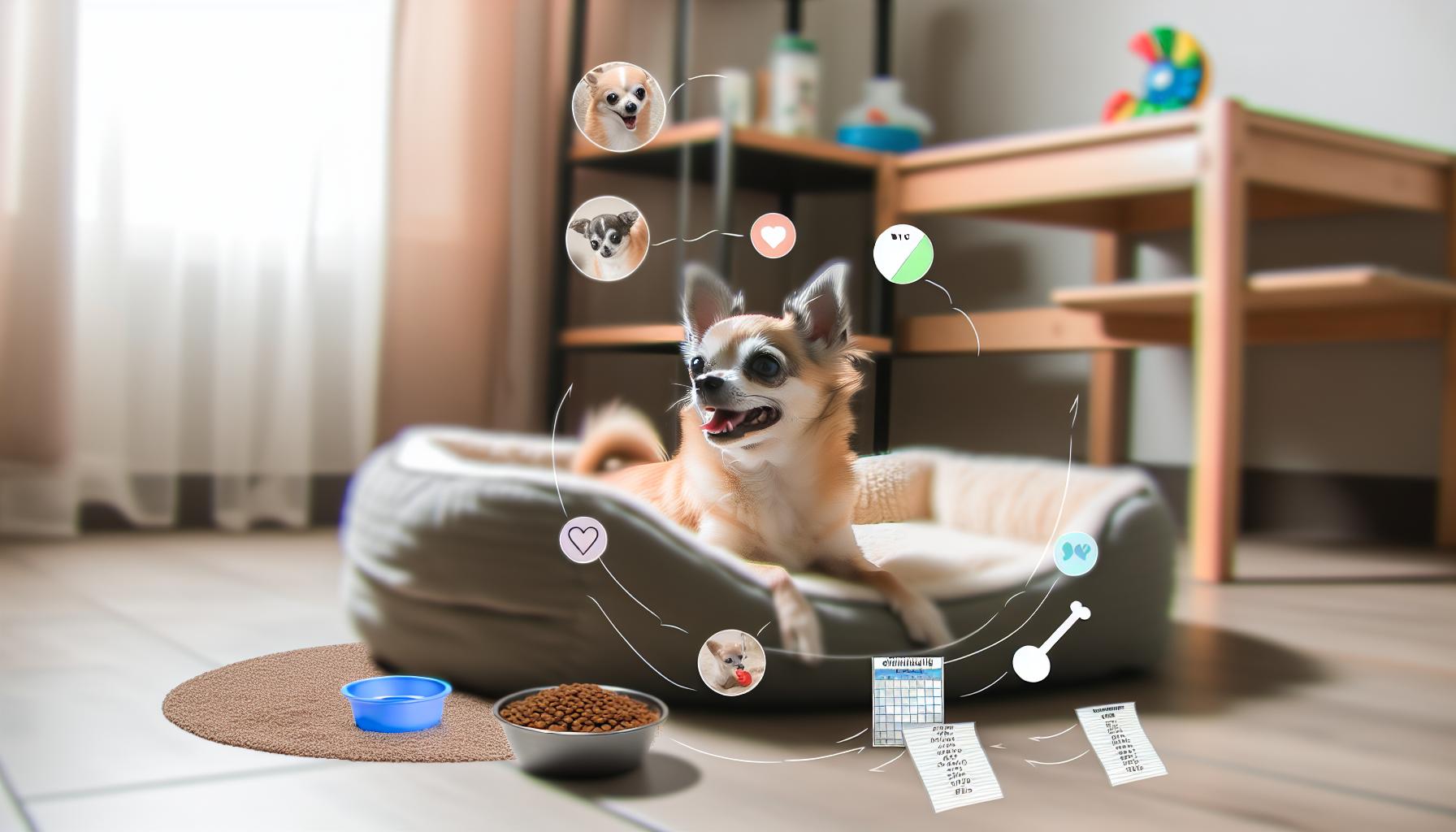
Average Lifespan of Chihuahuas: What to Expect
Chihuahuas, those pint-sized companions overflowing with personality, typically enjoy a lifespan of 12 to 20 years, with many factors influencing exactly how long they stay by your side. This impressive range underscores the importance of proper care and attention throughout their lives. While some Chihuahuas may bask in their golden years, others might face health challenges that can shorten their time with us. Understanding what lies ahead can help you provide a nurturing environment that allows your furry friend to thrive.
A crucial aspect affecting a Chihuahua’s longevity is genetics. Just like us, their family history can play a significant role. If a Chihuahua comes from a lineage that has experienced common health issues, this may increase the likelihood of similar problems in your pet. Regular veterinary check-ups can help ensure any health concerns are caught early. For instance, Chihuahuas are prone to dental disease, which can lead to other serious conditions if left untended. Keeping up with dental hygiene not only enhances their quality of life but can also add valuable years to it.
Nutrition is another pillar of a long life. Feeding your Chihuahua high-quality food tailored for small breeds can significantly improve their health and lifespan. It’s vital to consider their unique nutritional requirements-many Chihuahuas do best on a diet that balances protein, fats, and carbohydrates with the occasional treat of fresh fruits or vegetables. Engaging with your vet about diet options can set your companion up for success.
Lastly, the emotional well-being of your Chihuahua cannot be overlooked. They are social beings that thrive on companionship, and a loving environment can reduce stress and anxiety, factors known to impact physical health. Creating daily routines that include playtime, mental stimulation, and, of course, snuggles can contribute significantly to their happiness and longevity. By fostering a stable and loving home, you’re not just enriching their lives; you’re paving the way for many joyful years together.
Common Health Concerns Impacting Lifespan
Chihuahuas, while bursting with energy and personality, are not without their health vulnerabilities. Understanding these common health concerns is essential for any owner wishing to prolong the life of their cherished companion. The breed is notably prone to specific ailments that can significantly impact their longevity, making proactive care essential.
One of the most prevalent issues among Chihuahuas is dental disease. Their small mouths often become crowded with teeth, leading to complications such as plaque buildup and gum disease. If left unaddressed, these issues can progress to more severe problems, including infections that may affect vital organs like the heart and liver. To combat this, daily dental hygiene practices-like brushing or providing dental chews-can greatly extend your Chihuahua’s life and improve their quality of life.
Another concern is patellar luxation, a condition where the kneecap dislocates from its normal position. This is particularly common in smaller breeds, including Chihuahuas. Owners may notice symptoms such as limping or difficulty in moving, which can escalate if not managed. Regular veterinary evaluations can help identify this early, and maintaining a healthy weight through proper nutrition and exercise is also crucial in managing this condition.
Chihuahuas are also vulnerable to heart disease, particularly mitral valve disease, which typically manifests in older dogs. This condition can be silent in its early stages, making it vital for owners to schedule regular veterinary check-ups. Early detection can lead to effective management and treatment options, helping your tiny friend live a longer, healthier life.
Lastly, while Chihuahuas may seem tough, they can be sensitive to extreme temperatures due to their small size. Protecting them from excessive cold and heat is essential to prevent health complications such as hypothermia or heatstroke. Providing a comfortable, climate-controlled environment is just as important as any medical care.
By staying informed about these health concerns and maintaining a consistent dialogue with your veterinarian, you can help ensure that your loyal, spirited Chihuahua enjoys a long, vibrant life filled with love and companionship. Don’t forget, happy Chihuahuas contribute to happy owners!
Nutrition Tips for a Longer, Healthier Life
Providing your Chihuahua with proper nutrition is one of the most impactful ways to help him live a longer, healthier life. These spirited little dogs have unique dietary needs, and tailoring their meals can prevent common health issues and keep their energy levels high. A well-balanced diet not only supports physical health but also contributes to overall well-being, enhancing the joy of your time together.
Choosing the Right Food
Start by selecting a high-quality dog food specifically formulated for small breeds. Look for options that list real meat as the first ingredient, as protein is crucial for maintaining muscle mass and energy. Chihuahuas, being small and energetic, require a diet rich in nutrients but low in fillers like corn or soy that can lead to obesity. Consider brands that offer grain-free formulas or those with wholesome grains like brown rice, which are easier on their digestive systems. Additionally, consult with your veterinarian to find the best option tailored to your Chihuahua’s age, weight, and any specific health concerns he may have.
Portion Control and Feeding Schedule
Due to their tiny size, portion control is essential. Overfeeding can lead to obesity, which is a significant risk for joint problems and heart disease. Many owners find it helpful to divide their Chihuahua’s daily food intake into two or three small meals. This mimics their natural feeding habits and can also keep their energy levels stable throughout the day. A common practice among Chihuahua owners is to use a measuring cup to ensure accuracy and avoid the temptation of “free feeding,” which can lead to overeating.
Adding Variety
Incorporating fresh, whole foods into your Chihuahua’s diet can also provide essential nutrients and keep his meals interesting. Many owners report positive results from adding small amounts of:
- Cooked lean meats, such as chicken or turkey, to provide additional protein.
- Fruits, like blueberries or sliced bananas, as healthy treats that are rich in antioxidants.
- Vegetables, such as carrots or sweet potatoes, for fiber and essential vitamins.
However, always research which human foods are safe for dogs, as some, like grapes and onions, can be toxic.
Hydration Matters
Don’t forget about hydration! Ensure that fresh, clean water is available to your Chihuahua at all times. Dehydration can lead to serious health issues, especially in warmer weather or after vigorous play. Some owners find that adding wet food to their Chihuahua’s diet not only increases water intake but also enhances the flavor and palatability of meals.
By being diligent about your Chihuahua’s nutrition and making informed choices about his diet, you empower him to thrive. Remember, each of these little efforts contributes not just to extending his lifespan, but to enriching the vibrant spirit that makes Chihuahuas so beloved.
The Role of Exercise in Extending Lifespan
Your Chihuahua’s love for activity isn’t just a quirky trait-it’s a vital aspect of his well-being that directly impacts his lifespan. Rather than lounging around the house all day, engaging your tiny companion in regular exercise can help maintain a healthy weight, strengthen his heart, and keep his joints flexible. These benefits are especially crucial for Chihuahuas, who are prone to weight gain and obesity-related health issues.
To keep your Chihuahua fit, focus on short bursts of activity, given his small size and energy level. Daily walks are essential, but don’t be afraid to get creative. Chihuahuas often enjoy playful games that engage their hunting instincts, like chasing after a small ball or playing hide-and-seek with a favorite toy. Incorporating training sessions can also serve as both mental stimulation and physical exercise. For example, practice basic commands or learn new tricks; it’s a fun way for you to bond while getting some movement in.
Balancing Exercise
It’s important to balance activity with your Chihuahua’s comfort level. Watch for signs of fatigue, such as panting or reluctance to continue, and adjust the intensity accordingly. Since each Chihuahua has a unique personality and energy level, some may thrive on more robust workouts than others. An apple-head Chihuahuas might prefer gentle strolls, while a more energetic, deer-head variety may enjoy sprinting around the yard. Understanding your pup’s preferences will ensure exercise is enjoyable rather than a chore.
Making It Social
Consider socializing your Chihuahua with other small dogs for added fun and exercise. Dog parks or playdates can provide valuable social interaction and a great outlet for energy. Just keep an eye on him during playtime; his bold spirit might lead him to take on bigger dogs without a second thought.
Integrating regular exercise into your Chihuahua’s routine not only enhances his physical health but also enriches his life. As he ambles beside you on walks or bounds joyfully after a toy, you’re not just extending his lifespan; you’re deepening the connection that makes having a Chihuahua such a rewarding experience.
Grooming and Care Essentials for Chihuahuas
Caring for your Chihuahua may feel like a big responsibility, but understanding their grooming and care essentials will ensure your tiny companion stays healthy and happy. These little dogs are not just adorable; they can form strong bonds and have big personalities packed into their small frames. Regular grooming is vital, not only for their looks but also for their overall health, as Chihuahuas can be prone to specific skin conditions and dental issues.
Chihuahuas come in two coat types: smooth and long-haired. Smooth-coat Chihuahuas require minimal grooming-brushing them once a week will suffice to keep their coat shiny and healthy. On the other hand, long-haired Chihuahuas will need a bit more attention. Aim to brush them a few times a week to prevent matting and tangles, and consider using a detangling spray if you encounter stubborn knots. Bathing should be done as needed, typically every one to three months, using a gentle dog shampoo. Be cautious not to overbathe, as this can strip their skin of essential oils.
Hygiene also plays a critical role in your Chihuahua’s grooming routine. Dental care is essential, as this breed is susceptible to dental disease. Regular brushing of their teeth, ideally every day but at least a few times a week, can help keep their gums healthy. If you’re unsure how to begin, start by letting your Chihuahua get used to the toothbrush and toothpaste designed for dogs. Another often overlooked area is nail care-Chihuahuas’ nails grow quickly, so ensure you trim them regularly to prevent discomfort and potential injury. If you’re uncomfortable trimming nails, many pet salons offer this service.
Lastly, their ears need attention too; regular checks can help catch any wax buildup or signs of infection early on. If you notice a strong odor or excessive wax, consult your veterinarian for appropriate ear cleaning solutions. Fortunately, regular grooming not only helps with the physical aspects but also provides an excellent opportunity to bond with your Chihuahua. Remember, your grooming sessions should be calm and positive, making it a pleasurable experience that reinforces the trust between you and your furry friend. With proper care, your Chihuahua can thrive and bring joy for years to come.
Mental Stimulation: Keeping Your Chihuahua Engaged
Keeping your Chihuahua mentally stimulated is crucial for their overall well-being. These tiny vigor-filled companions are not only bold and spirited but also incredibly intelligent. Boredom can lead to destructive behavior, anxiety, and aggression, so engaging their minds is equally important as providing physical exercise. Your Chihuahua, whether he’s an apple-head or a deer-head variety, thrives with activities that challenge him both mentally and physically.
Start incorporating interactive toys into playtime. Puzzle feeders, for example, can be a wonderful way to combine mealtime and mental engagement. These toys require your Chihuahua to figure out how to access treats, stimulating their brain while keeping them occupied. Look for toys that allow you to change the difficulty level as your pup gets better at solving them, keeping the challenge fresh. You might also try DIY brain games like hiding treats around your home or in your yard for a fun scavenger hunt that taps into their natural instincts.
Training sessions can be another excellent avenue for mental stimulation. Chihuahuas love to learn, and teaching them tricks not only reinforces good behavior but strengthens the bond between you. Spend short, focused sessions teaching commands like “sit,” “stay,” or more playful tricks such as “spin” or “high five.” Break these into manageable chunks-Chihuahuas have short attention spans, so keeping sessions under 10 minutes can be beneficial. Make sure to use positive reinforcement, such as treats or praise, which will encourage repeated learning and make your Chihuahua eager for more.
Another great way to keep your Chihuahua engaged is by introducing them to new environments and experiences. Short trips to the park, visits to dog-friendly cafes, or even dog classes can provide new stimuli that excite their curious minds. Furthermore, socialization with other dogs and people can help prevent behavioral issues and make them more adaptable. Each new experience will build their confidence and ensure they remain well-rounded creatures.
Incorporate these activities into your daily routine, and you’ll find your Chihuahua not only stays engaged but also happier and healthier. Remember, a mentally stimulated Chihuahua is a joyful companion, and together, you can explore endless avenues of fun and creativity!
Importance of Regular Veterinary Check-ups
Regular veterinary check-ups are essential for keeping your Chihuahua happy and healthy throughout their life. These little dynamos, whether your beloved apple-head or graceful deer-head, thrive best with routine care that detects potential health issues before they become serious. Did you know that smaller breeds like Chihuahuas can develop health concerns such as dental diseases and heart problems? By attending regular vet visits, you can ensure their timely treatment and support a longer lifespan.
During these check-ups, your veterinarian will perform a thorough examination, which may include checking their heart, lungs, and overall body condition. Regular monitoring allows for early detection of health problems, such as patellar luxation (a common issue in Chihuahuas). If you notice your furry friend limping or exhibiting signs of discomfort, don’t wait for the next scheduled appointment; reach out to your vet. They can recommend strategies to ease discomfort and provide targeted treatments tailored to your dog’s unique needs.
Vaccinations are another key aspect of preventive care. Keeping your Chihuahua up-to-date on vaccinations protects them from serious diseases like parvovirus and kennel cough. Your vet will also discuss the right parasite prevention plan tailored to your lifestyle and region. Whether you’re considering flea control or heartworm prevention, having this dialogue can prevent complications that can cut precious years off your Chihuahua’s life.
Lastly, regular vet visits offer you a chance to ask questions and obtain the best advice tailored to your Chihuahua’s specific breed-related health needs. These appointments are ideal for discussing nutrition, behavior, and any changes you’ve noticed in your dog’s habits. As a new or experienced Chihuahua owner, staying proactive with veterinary care is one of the most loving choices you can make for your loyal companion. Keeping up with check-ups and preventive care not only enhances their quality of life but also strengthens the bond between you and your spirited little friend.
Insights from Chihuahua Owners: Real-Life Experiences
Chihuahuas are more than just tiny companions; they bring a wealth of unique experiences that shape their lives and the lives of their owners. Many passionate Chihuahua enthusiasts cherish every moment spent with their spirited friends, often recounting tales that highlight their breed’s quirks and roles in the family. A common sentiment among Chihuahua owners is how these compact dogs pack so much personality into their small frames-each with their own idiosyncrasies that make them truly unforgettable.
One owner recalls the time his apple-head Chihuahua, Bella, bravely faced down a much larger dog at the park. While many would expect a small dog to shy away, Bella came out barking, asserting her territory with a fearless confidence that left her owner both amused and proud. Such bold behavior is a testament to the Chihuahua’s courage, a trait that often leads them to become the watchdogs of the household, despite their size. These small but mighty companions often find ways to establish their presence, showcasing a loyalty that goes beyond mere companionship.
Health experiences also play a pivotal role in how owners relate to their Chihuahuas. It’s not uncommon for a Chihuahua to face challenges such as dental issues or heart conditions, making regular vet check-ups crucial. Owners like Maria have learned to adapt their pets’ diets and care routines proactively. With her long-haired Chihuahua, Coco, she emphasizes the importance of dental hygiene-regular brushing and dental chews have significantly improved Coco’s oral health and overall energy levels. Sharing such insights resonates with many newer owners trying to navigate the complexities of Chihuahua care, highlighting the need for communal learning.
Emotionally, the connection between a Chihuahua and their owner can be profound. Owners often discuss how their Chihuahuas sense their moods and provide comfort during tough times. John, a seasoned Chihuahua parent, mentions how his deer-head Chihuahua, Max, would curl up beside him whenever he felt down, providing warmth and companionship that was incredibly healing. This emotional bond illustrates not only the joys of having a Chihuahua but also the responsibilities that come with nurturing their physical and emotional well-being.
In the face of illness or aging, Chihuahua owners frequently share strategies for maintaining their pets’ quality of life. Many emphasize the importance of a tailored diet and regular exercise, testing different activities to see what resonates most with their little ones. Engaging in mental stimulation, whether through puzzle toys or simple training sessions, becomes part of the daily routine, fostering an environment where Chihuahuas thrive well into their senior years. Each story shared reflects a deep love and commitment, showcasing how Chihuahuas profoundly impact their families.
The Impact of Environment on Chihuahua Longevity
Living environments play a crucial role in the longevity and well-being of Chihuahuas. These little companions are sensitive creatures, thriving in safe, stress-free surroundings. A quiet home with minimal noise and disruption can greatly enhance a Chihuahua’s happiness and health. Parents of Chihuahuas often share anecdotes about how their pets react to changes in their living spaces. For example, Jessica noticed that her apple-head Chihuahua, Daisy, seemed more anxious during loud family gatherings. Creating a calm area for Daisy to retreat to not only relieved her stress but also ensured she had a secure space where she could relax, positively impacting her overall health.
Chihuahuas can be easily affected by temperature extremes, so it’s vital to maintain a comfortable climate in your home. These dogs are particularly susceptible to cold due to their small size and low body fat. Mike, who owns a long-haired Chihuahua named Ruby, takes special care during colder months by dressing her in cozy sweaters and ensuring she has a warm bed nearby. On the flip side, hot weather can also be dangerous. Proper ventilation and air conditioning during summer months are essential to keep Chihuahuas cool and comfortable, preventing potential heat-related issues.
Moreover, the presence of other pets or family members can influence your Chihuahua’s quality of life. Social dynamics matter; introducing a new pet into the home can either invigorate or stress a Chihuahua. Patience and gradual acclimatization, like using baby gates to allow them to observe each other safely, can help them adjust. This was the approach Elaine took with her Chihuahua Leo after adopting a playful kitten. Over time, tender, supervised interactions built a friendship that enriched both pets’ lives and calmed any initial tensions.
In summary, fostering a nurturing, stable environment can significantly impact your Chihuahua’s lifespan. By providing a secure, comfortable space and mindful social arrangements, you are not just offering a home but creating an optimal setting for your beloved companion to flourish. Each small step in ensuring a positive environment can lead to a richer, longer life for your tiny friend.
Choosing the Right Food: A Lifesaver for Your Chihuahua
Choosing the right food can significantly influence your Chihuahua’s lifespan and overall well-being. These pint-sized pals may be small, but they have big needs when it comes to nutrition. Their little bodies require a balance of protein, fats, and carbohydrates to thrive. Opt for high-quality, small-breed formulas, as these are specifically designed to meet the energy needs of energetic Chihuahuas.
When selecting food, consider the following key points to help your Chihuahua live a longer, healthier life:
- High protein content: Look for foods where a meat source is the first ingredient. Chihuahuas benefit from protein-rich diets, which support their muscles and energy levels.
- Small kibble size: Given their tiny mouths, smaller kibble sizes can aid in easier chewing and digestion. This can reduce the risk of choking and encourage better eating habits.
- Healthy fats: Omega-3 and Omega-6 fatty acids are essential for a shiny coat and healthy skin. They also play a vital role in maintaining overall cellular health.
- Fruits and vegetables: Nutrient-dense vegetables and fruits can provide antioxidants and vitamins that support your Chihuahua’s immune system and promote a healthy metabolism.
It’s also important to be mindful of your Chihuahua’s specific dietary needs as they age. For example, senior Chihuahuas may require a lower-calorie diet to prevent obesity, while puppies will benefit from energy-dense formulas to support their growth. Consult with your veterinarian to tailor a diet plan that suits your dog’s life stage and health needs.
Incorporating fresh, appropriately-sized treats can also support your Chihuahua’s nutritional intake. However, moderation is key-overindulging can lead to obesity, a common issue in Chihuahuas due to their predisposition to weight gain.
Remember, every Chihuahua’s preferences can differ. Some may prefer dry food, while others enjoy a mix of wet and dry. For example, Sara found that her apple-head Chihuahua, Tito, enjoys a combination, which encourages him to stay hydrated and satisfied.
Ultimately, the goal is to provide balanced nutrition that meets the unique needs of your Chihuahua, keeping them happy, vibrant, and by your side for many years to come.
Emotional Well-being: Understanding Your Chihuahua’s Needs
Your Chihuahua thrives on attention, love, and engagement. These spirited little companions are known not only for their bold personalities but also for their profound emotional needs. Creating a nurturing environment that satisfies their mental and emotional requirements is crucial for extending their lifespan and ensuring they remain vibrant and happy. An enriched emotional life can lead to a healthier, more fulfilled Chihuahua.
Chihuahuas are exceptionally loyal and often form strong attachments to their owners. This bond necessitates a daily dose of interaction, whether that’s through playtime, snuggling, or even just chatting with them. A great example comes from María, whose long-haired Chihuahua, Bella, loves to be included during her daily routines. Whether it’s guarding the laundry or participating in movie nights, these shared moments help strengthen their connection and offer Bella a sense of security and love.
To support your Chihuahua’s emotional well-being, consider the following aspects:
- Socialization: Chihuahuas are often wary of strangers. Gradual exposure to various environments, other dogs, and different people can help them become more confident. Regular outings to dog parks or watching nearby kids play can be beneficial.
- Consistent Routine: Despite their playful nature, Chihuahuas thrive on predictability. Establishing a daily routine that includes feeding, playtime, and bathroom breaks provides them with a sense of stability.
- Affection and Attention: Frequent cuddling and affection fulfill their emotional needs. Simple gestures, like gentle petting or speaking softly to them, can boost their mood and well-being.
- Interactive Toys: Engage their minds with puzzle toys that challenge them while providing enjoyment. This not only entertains but also stimulates their thinking, a critical factor in their emotional health.
Last but not least, understanding and respecting the unique personality traits of each Chihuahua is vital. For instance, some Chihuahuas may become particularly vocal when they feel neglected or anxious. On the other hand, others might thrive being independent and observant. Listening to their cues and responding with care can make all the difference. As evidenced by John, who noticed that his apple-head Chihuahua, Coco, showed signs of anxiety when left alone. Investing time in training and gradually increasing her alone time allowed Coco to feel more secure, proving that understanding their needs is key to a happy, lifelong companionship.
In summary, fostering emotional well-being in your Chihuahua enriches both their lives and yours. By maintaining a loving atmosphere, providing mental stimulation, and honoring their individual quirks, you can ensure a long, joyful life together.
Frequently Asked Questions
Q: How long can Chihuahuas live?
A: Chihuahuas typically live between 12 to 20 years, with many factors influencing their lifespan, including genetics, health care, and lifestyle. Regular veterinary check-ups and a balanced diet can help maximize their lifespan.
Q: What factors affect the lifespan of a Chihuahua?
A: The lifespan of a Chihuahua is influenced by genetics, diet, exercise, and overall health care. Providing a nurturing environment and maintaining regular vet visits are crucial for their longevity.
Q: Are Chihuahuas prone to health issues?
A: Yes, Chihuahuas are susceptible to several health problems, including heart disease, obesity, and dental issues. Being proactive with health care and monitoring their diet can mitigate these risks and promote a longer life.
Q: How can diet impact my Chihuahua’s lifespan?
A: A nutritious diet tailored to your Chihuahua’s size and age is essential for their health. High-quality dog food and proper portion sizes can prevent obesity, a common issue that negatively affects their lifespan.
Q: What is the best exercise routine for a Chihuahua?
A: Chihuahuas need daily exercise to maintain a healthy weight and prevent boredom. Short walks and playtime are ideal, but it’s important not to overexert them due to their small size and susceptibility to heat.
Q: How often should I take my Chihuahua to the vet?
A: Regular veterinary check-ups are vital for your Chihuahua’s health. Aim for at least once a year for adult Chihuahuas; however, older or ailing dogs may require more frequent visits to monitor their health.
Q: Does environment affect a Chihuahua’s lifespan?
A: Yes, a safe and comfortable environment contributes significantly to a Chihuahua’s longevity. Minimizing stress and providing a secure living space helps keep them healthy and happy throughout their life.
Q: What are some tips for keeping my Chihuahua mentally stimulated?
A: Engaging your Chihuahua with interactive toys, training sessions, and socialization can enhance their mental well-being. Activities that challenge their minds can reduce anxiety and behavioral problems, contributing to a healthier, longer life.
Please feel free to explore our article further for more in-depth insights on enhancing your Chihuahua’s quality of life.
To Wrap It Up
Understanding the average lifespan of your beloved Chihuahua is crucial for ensuring he experiences a happy and healthy life. Factors like genetics, diet, and regular vet check-ups play a significant role in your furry friend’s longevity. Remember, your Chihuahua thrives on love, attention, and proper care, which can add valuable years to their life. If you’re curious about how to enhance his quality of life or cope with common health challenges, check out our articles on Chihuahua health tips and nutrition for Chihuahuas.
Don’t forget to share your experiences with fellow Chihuahua owners in the comments below! Whether you’re a seasoned owner or a new puppy parent, your insights can help others in the community. For more tips and resources, consider signing up for our newsletter so you never miss out on the latest information designed to enrich the bond with your tiny, brave companion. Explore more about living happily with your Chihuahua today!