

Did you know that the Chihuahua is one of the smallest dog breeds, yet its ideal weight can vary significantly? Understanding how much your beloved Chihuahua should weigh is crucial-not just for their health, but also for their happiness. A healthy weight ensures they have the energy to play, the resilience to thrive, and the longevity to be by your side for years to come. From the petite apple-head to the playful deer-head, each Chihuahua has its unique characteristics that influence their ideal weight. Whether you’re a first-time owner or a seasoned Chihuahua enthusiast, knowing what to look for can help you make informed decisions about their diet, exercise, and overall care. As you read on, you’ll discover practical tips for achieving and maintaining your Chihuahua’s ideal weight, ensuring they lead a joyful, healthy life. Let’s delve into what “Cuanto Pesa un Perro Chihuahua: Peso Ideal” truly means for your furry friend!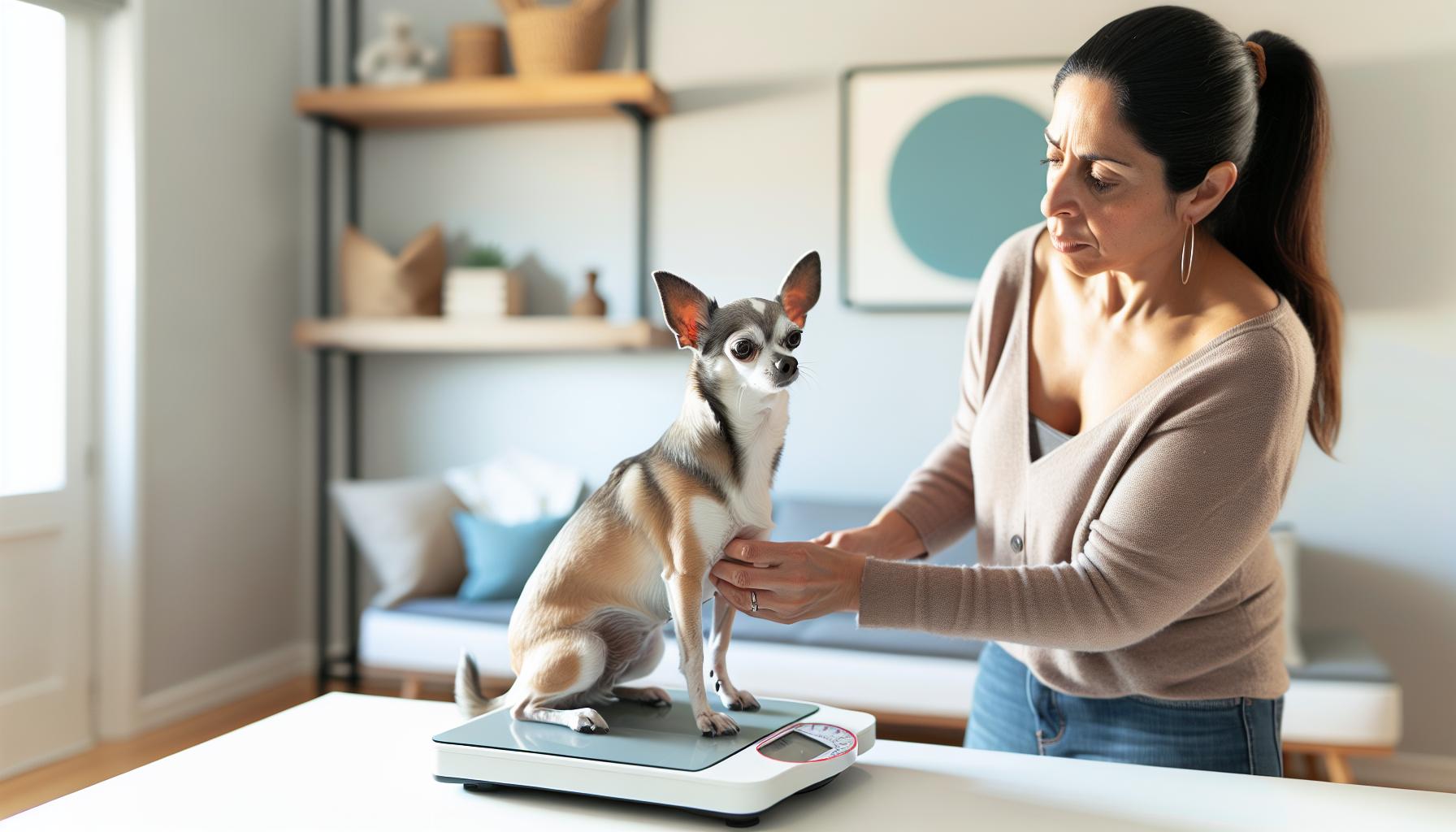
Ideal Weight Range for a Chihuahua
Chihuahuas, with their vibrant personalities and tiny stature, are a breed that captures hearts everywhere. However, ensuring she maintains her ideal weight is crucial for her overall health and happiness. The acceptable weight for Chihuahuas typically ranges from 2 to 6 pounds, depending on her unique characteristics. The specific weight can vary based on whether your Chihuahua is an apple-head or a deer-head, as well as factors like age, gender, and activity level.
For instance, a playful and energetic Chihuahua may weigh on the lower end of the scale, while a more relaxed companion might peak closer to the higher end. It’s important to consider body structure as well. An apple-head typically has a broader skull and slightly more weight than a deer-head. Always remember, every dog is unique; what’s essential is maintaining a healthy weight relative to her size and build.
To monitor her weight effectively, regular vet check-ups are vital. Your veterinarian can provide tailored guidance on your Chihuahua’s ideal weight by evaluating her body condition score (BCS). This score considers her overall physical appearance, including how easily her ribs can be felt and whether she has a noticeable waist. By keeping an eye on these markers, you can help your lovely companion avoid both underweight and overweight issues, ensuring she’s fit and thriving throughout her life.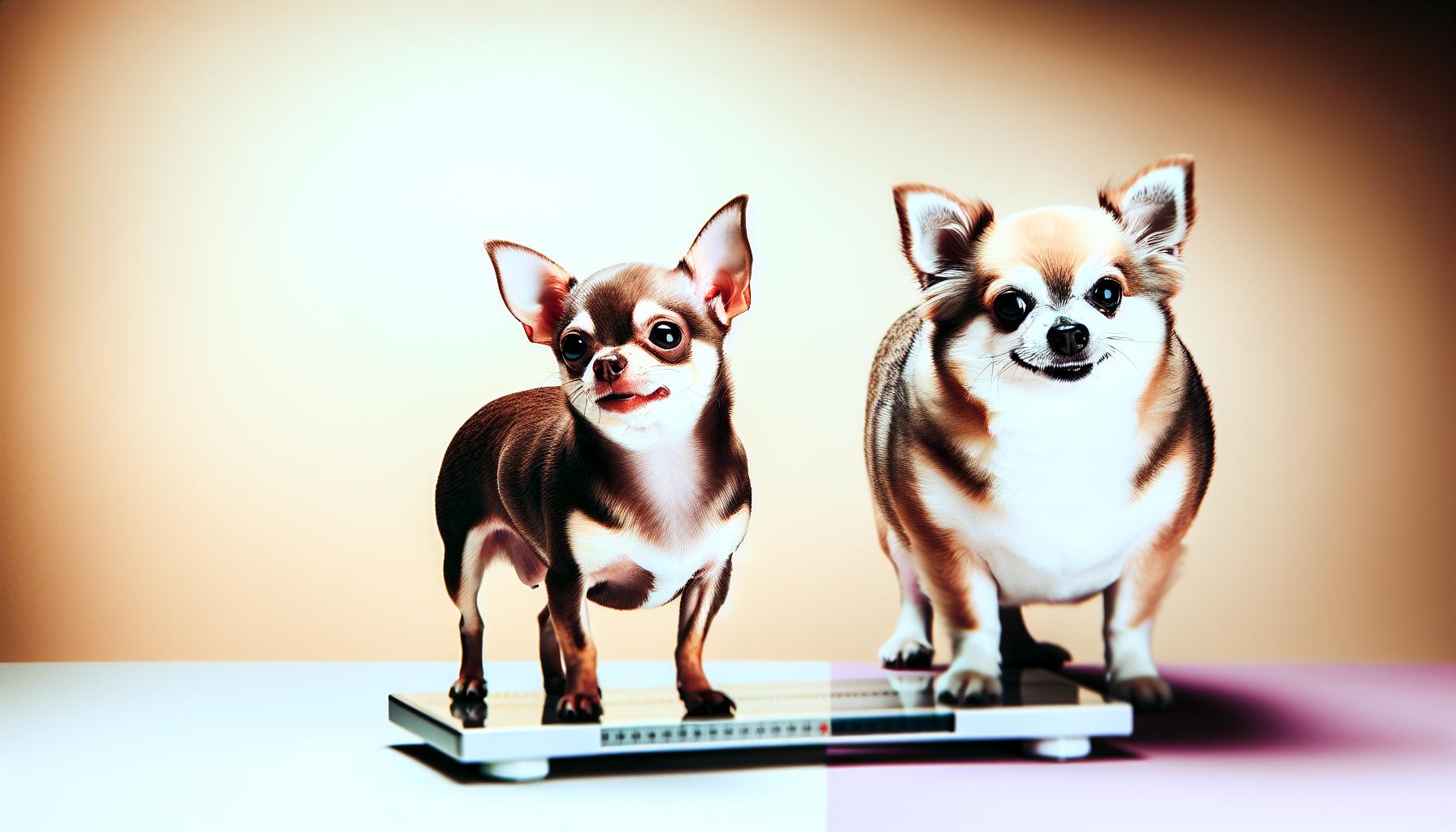
Factors Influencing a Chihuahua’s Weight
Maintaining your Chihuahua’s ideal weight is crucial, and to do that effectively, it’s essential to understand the various factors that influence her weight. Each Chihuahua is unique, and several elements can play a significant role in determining her healthy weight range.
One of the primary factors is age. Puppies and young Chihuahuas are still growing, so they generally weigh less than adults. As they mature, their weight may stabilize, making it important to adjust their diet accordingly. Another influential element is gender; male Chihuahuas may weigh a bit more than females due to differences in body structure and muscle mass.
Moreover, consider the type of Chihuahua you have. The two main head types-apple-head and deer-head-may have different weight characteristics. Apple-head Chihuahuas typically have a broader skull and may weigh more than their deer-head counterparts. Additionally, body structure, such as bone density and muscle tone, will also affect weight. An active Chihuahua with a leaner build due to regular exercise may weigh less compared to a more sedentary one with a thicker frame.
Your dog’s activity level is another critical factor. A Chihuahua that enjoys daily play and walks is likely to maintain a healthier weight compared to one who lives a more sedentary lifestyle. Diet plays a significant role too; what you feed her and how much directly impacts her weight. It’s vital to choose a high-quality diet appropriate for her stage of life and activity level.
Lastly, don’t overlook the role of genetics. Some Chihuahuas naturally fall on the heavier or lighter end of the weight spectrum due to their genetic background. This inherent predisposition can also influence how easily they gain or lose weight. Therefore, knowing your girl’s lineage might give you insight into her ideal weight range.
By being mindful of these factors, you can provide the best care for your Chihuahua, ensuring she stays healthy and happy throughout her life.
Health Risks of Undersized or Oversized Chihuahuas
Maintaining the right weight is vital for your Chihuahua’s well-being. Both undersized and oversized Chihuahuas face distinct health risks that can affect their quality of life and longevity. Being aware of these risks can help you make informed decisions about your dog’s care.
Chihuahuas that are undersized, often due to malnutrition or genetic factors, can experience serious health issues. They are more susceptible to conditions like hypoglycemia, which is a dangerously low blood sugar level. Symptoms can include lethargy, seizures, and in severe cases, can lead to loss of consciousness. Additionally, underweight Chihuahuas may lack the necessary fat reserves to regulate their body temperature, making them more vulnerable to hypothermia, especially in cold climates.
On the other hand, oversized Chihuahuas, whether due to overfeeding or lack of proper exercise, may face a range of problems too. Excess weight can lead to joint issues, including patellar luxation, which is a common knee problem in small breeds. It can also increase the risk of heart disease, diabetes, and respiratory problems, complicating their already delicate bodies. Overweight Chihuahuas might find daily activities like walking or playing challenging, which can further perpetuate a cycle of inactivity and weight gain.
To showcase the impact of weight on health clearly, consider the following:
| Weight Category | Health Risks |
|---|---|
| Undersized | Hypoglycemia, temperature regulation issues, weakened immune system |
| Oversized | Joint problems, heart disease, diabetes, respiratory complications |
Regular check-ups with your veterinarian can help monitor your Chihuahua’s weight and prevent these risks. When you notice changes in your dog’s appetite, energy levels, or body shape, it may be time for a vet visit. Keeping your Chihuahua within an ideal weight range isn’t just about aesthetics; it directly correlates with a happier, healthier life filled with the little quirks and joys that make our tiny companions so loved.
Understanding Body Condition Score for Chihuahuas
Assessing your Chihuahua’s body condition is crucial in determining whether he is at a healthy weight. These little dogs may be pint-sized, but they each come with their own unique physique, often varying significantly even among those of similar size. Understanding how to evaluate your Chihuahua’s body condition score (BCS) can provide you with the insights needed to keep him happy and healthy.
A body condition score typically ranges from 1 to 9, where a score of 5 indicates an ideal weight. To assess your Chihuahua, gently run your hands along his sides. You should be able to feel his ribs without having to press too hard, but they shouldn’t be visible. The waist should be evident when viewed from above, and there shouldn’t be a prominent belly when viewed from the side. Chihuahuas are often known for their bold personalities and captivating quirks, but maintaining a healthy body condition allows them to express their vivacious spirits even more effectively.
Signs of an Overweight Chihuahua
– Difficulty in performing everyday activities, like walking or playing.
– Increased reluctance to engage in regular exercise.
– Trouble breathing or panting excessively after minimal exertion.
Identifying an Undersized Chihuahua
– Visible ribs and spine without minimal fat covering.
– Lethargy or fatigue due to lack of energy reserve.
– Increased susceptibility to environmental stressors, like temperature extremes.
It’s essential to remember that a Chihuahua’s ideal weight is influenced not just by food intake and exercise but also by their specific breed characteristics, such as apple-head versus deer-head shapes. A well-rounded approach to weight management will involve observing not only the scale but these BCS indicators too.
Regularly monitoring your dog’s body condition fosters a proactive approach to health, allowing for adjustments in diet and activity as needed. Always consult your veterinarian if you’re unsure about your dot’s body condition or if you notice unexpected changes, ensuring he stays within a healthy weight spectrum tailored to his individual needs. By nurturing his health, you’ll be encouraging all those delightful, tiny quirks that make your Chihuahua truly special!
Feeding Guidelines to Achieve Healthy Weight
To keep your Chihuahua at a healthy weight, *proper feeding guidelines* are essential. These little companions, whether apple-headed or deer-headed, have unique nutritional needs. The right diet not only promotes their physical health but also supports their lively personalities and playful behavior.
Chihuahuas typically weigh between 2 to 6 pounds, depending on their type and genetics. A well-balanced diet is key to achieving and maintaining this ideal weight. Begin by selecting high-quality dog food specifically formulated for small breeds. Look for options that list real meat as the first ingredient and are high in protein, as Chihuahuas are energetic and need the right fuel.
Portion Control
Portion control is critical in preventing overfeeding. A common guideline is to feed your Chihuahua about 1/4 to 1/2 cup of dry food daily, divided into two meals. This can vary based on the brand and caloric content of the food, so always check the package for recommendations. For those who enjoy treating their pups, consider using small bits of their food as treats during training sessions instead of high-calorie commercial snacks.
Frequency of Feeding
For younger Chihuahuas, feeding three meals a day is advisable, while adults do well with two meals. Establishing a consistent feeding schedule helps regulate their metabolism and allows for easier monitoring of their appetite. Remember, Chihuahuas are known for their vocal energy, and with proper nutrition, they’ll be able to express their playful personalities to the fullest!
Hydration Matters
Don’t forget about hydration! Always ensure your Chihuahua has access to fresh water. Hydration plays a crucial role in overall health and can aid in digestion, especially when transitioning between different types of food.
Feeding a Chihuahua is about balance, moderation, and quality. Regularly assess your dog’s weight and adjust portions as necessary to prevent unwanted weight gain or loss. If you notice your little friend becoming less active or if their eating habits change, consult your veterinarian. With the right care, your Chihuahua will thrive, showcasing all the delightful quirks that make them so loved.
Exercise Needs for Maintaining a Fit Chihuahua
Maintaining a fit Chihuahua isn’t just about keeping an eye on their weight; it’s about incorporating fun and enriching exercise into their daily routine. Despite their tiny size, Chihuahuas are mighty bundles of energy that thrive on regular activity to keep their bodies healthy and their spirits high. A simple walk around the block can be as exciting for them as a trek in the great outdoors. They love to explore their environment, so varying your routes can keep walks engaging and stimulate their curious minds.
Short bursts of playtime are also beneficial. Chihuahuas are known for their spunky personalities, making them enthusiastic participants in games like fetch or tug-of-war. Given their keen intellect, you can incorporate mental stimulation into their exercise regimen. Try scatter feeding some kibble around your home or yard, encouraging your furry friend to sniff it out. This not only helps them burn off energy but also engages their natural instincts.
It’s essential to tailor their exercise to their individual needs, especially considering factors like age and health. While a puppy will likely have boundless energy, older Chihuahuas might prefer gentler activities. Experts recommend aiming for at least 30 minutes of moderate exercise each day, split into sessions to suit their little legs. This can include brisk walks, a game of chase with their favorite toy, or socializing with other small dogs.
Always watch for signs of overexertion. If your Chihuahua starts to lag behind during walks or shows signs of fatigue, take a break and let them catch their breath. Remember, Chihuahuas are small but bold, often pushing themselves despite their size. Gentle, consistent exercise will not only keep them fit but also enhance your bond, providing both of you with precious moments of joy and companionship.
Recognizing Weight Loss or Gain Signs
Recognizing the signs of weight loss or gain in Chihuahuas is crucial for their overall health and well-being. These tiny companions can be quite sensitive to weight changes due to their small size and unique body structure. Maintaining a healthy weight is essential, as being too heavy can lead to various health issues, while being underweight poses its own risks.
One of the first things to monitor is your Chihuahua’s appearance. Pay attention to their waistline; you should see a slight indentation where their ribs end. If this area becomes rounded or you struggle to feel their ribs under a layer of fat, your dog may be overweight. Conversely, if you can see their ribs protruding without needing to press lightly, this might indicate undernourishment. Tracking your pup’s weight on a regular basis can also help; fluctuations of more than a pound can signal issues.
Behavioral changes are another important sign. If your Chihuahua suddenly becomes less active or appears lethargic, it could be due to excessive weight causing discomfort or pain. Conversely, increased appetite coupled with noticeable weight gain could suggest underlying health issues such as diabetes or hormonal imbalances. Always take note of shifts in energy levels and eating habits, as these can be telltale signs of a weight problem.
Lastly, observing behavioral quirks is vital. Some Chihuahuas may be more vocal or clinging when they’re feeling off. For instance, does your usually feisty little friend seem more withdrawn? This could be a sign that their weight is affecting their mood. Don’t hesitate to rely on your intuition as a dog owner; you know her best. If any changes in weight or behavior cause concern, consulting with your veterinarian can provide further insights and guidance. Regular vet check-ups are wise as they can evaluate body condition score, ensuring that your furry friend stays within a healthy weight range while maximizing her playful energy!
Role of Genetics in Chihuahua Weight
The weight of your Chihuahua is influenced significantly by genetics, which plays a vital role in determining their size and overall health. Just like humans, no two Chihuahuas are the same, and their genetic backgrounds can impact everything from their bone structure to their metabolism. For instance, some Chihuahuas may come from a lineage of smaller, more petite dogs, while others may hail from larger strains, leading to a natural variance in weight.
When considering your Chihuahua’s ideal weight range, it’s important to acknowledge the two primary types within the breed: the apple-head and the deer-head. Apple-head Chihuahuas are generally smaller and rounder, with a more delicate frame, while deer-head Chihuahuas tend to have a longer snout and a sturdier build. These physical characteristics, molded by their genetics, can influence their typical weight ranges, with apple-heads often weighing between 2 to 6 pounds and deer-heads reaching up to 8 pounds or more.
Moreover, your Chihuahua’s genetic predisposition can also create differences in health risks associated with weight. Some dogs may be genetically predisposed to conditions like obesity, while others may face challenges due to their smaller size. This is particularly important for first-time owners to understand, as personality traits like their bold, vocal nature can sometimes mask potential health concerns related to weight. For example, a Chihuahua that seems lively and alert might still be at risk if their genetic background shows a history of weight-related health issues.
To effectively manage your Chihuahua’s weight, it’s crucial to consider these genetic factors. Consult with your veterinarian to not only establish a healthy weight target based on breed characteristics but also to understand any specific health concerns that may arise due to your dog’s genetic inheritance. Regular health check-ups and weight assessments are key to ensuring that your tiny companion remains at a healthy weight while celebrating all the quirky, loving traits that make Chihuahuas such cherished companions.
Choosing the Right Diet for Your Chihuahua
is essential to ensure they maintain a healthy weight and live a vibrant life. Given their small size, even a little excess weight can pose significant health risks, including joint problems and heart disease. Chihuahuas are known for their spunky personalities and high energy levels, and the right diet will support these traits while fostering overall well-being.
When selecting food, always prioritize high-quality ingredients. Look for dog food that lists a specific meat source as the first ingredient, such as chicken or lamb, as Chihuahuas thrive on protein-rich diets. Additionally, consider their age and activity level; puppies, adults, and senior dogs have different nutritional needs. For example, a young, playful Chihuahua might require more calories and protein than a senior who is less active.
Portion Control and Feeding Schedule
Understanding portion sizes is key to maintaining a healthy weight. A good rule of thumb is to feed them small amounts throughout the day rather than one or two large meals. Typically, a Chihuahua will need about 1/4 to 1/2 cup of high-quality dry food daily, divided into two or three meals. Use a measuring cup to avoid overfeeding, and adjust quantities based on your dog’s activity levels and weight changes. It’s not uncommon for first-time owners to mistakenly overestimate how much food their tiny companion needs!
- Regular Monitoring: Check your Chihuahua’s body condition regularly. If you can’t feel their ribs easily or they lack a defined waist, it might be time to reevaluate their diet.
- Hydration: Always provide fresh water, as hydration is vital, especially if your Chihuahua primarily eats dry kibble.
Lastly, consider including some fresh, vet-approved fruits and vegetables in their diet as treats. Options like blueberries, carrots, or small pieces of apple can provide low-calorie snacks that are rich in vitamins. Just be sure to avoid toxic foods like chocolate, grapes, and onions, which can be harmful to dogs.
In the end, a balanced diet that meets your Chihuahua’s unique needs will not only help maintain their ideal weight but will also contribute to their overall happiness and longevity. Regular consultations with your veterinarian can provide personalized advice and help adjust their diet as necessary to meet their evolving health needs.
Common Myths About Chihuahua Weight
It’s easy to stumble across misconceptions about Chihuahua weight, especially with their small stature. Many people believe that “tiny” equals “healthy” for these spirited pups. However, this isn’t the case. Chihuahuas, due to their unique body structures and diverse genetics, have specific weight ranges that are ideal for their health and well-being. Generally, a healthy Chihuahua should weigh between 2 to 6 pounds, but this can vary depending on their build and age. Understanding these nuances right from the start can help prevent concerns from arising later.
One common myth suggests that providing an abundance of food is a sign of love. While it’s completely valid to adore your dog through treats, overindulgence can lead to obesity, which brings a host of health problems. Many enthusiastic owners might think their pup looks especially cute when they’re a bit pudgy, but that extra weight can put undue stress on their joints and heart. Instead, remember that what feels like pampering could, in fact, be detrimental to their health.
Another frequent belief is that all Chihuahuas are naturally small and, therefore, can’t possibly be overweight. Picture this: Chachita, a lively apple-head Chihuahua, once strutted her stuff at a little over 7 pounds, and her owner was proud of her size, thinking she was just a big girl. After a visit to the vet, they discovered that adjusting her diet resulted in a much happier, nimbler Chachita who could jump and play with greater ease. This story is a reminder that even within the same breed, there can be significant differences in ideal weight depending on each individual’s frame.
It’s also crucial to note that an active Chihuahua shouldn’t be compared against a more sedentary one. Exercise requirements can vary widely; while some Chihuahuas are content with short bursts of play, others thrive with more vigorous activity. Balancing their diet with their energy levels is key. By debunking these myths and focusing on each dog’s unique needs, owners can better care for their remarkable little companions, ensuring they lead happy and healthy lives.
Weight Management Tips for First-Time Owners
The journey of owning a Chihuahua is as delightful as it is responsible, especially when it comes to managing their weight. These tiny dynamos have vibrant personalities, and part of keeping them healthy and happy involves understanding and maintaining their ideal weight. You might be surprised to learn that even a few extra ounces can lead to significant health issues for these little companions. Here’s how you can make sure your Chihuahua stays in tip-top shape.
First, establishing a consistent feeding routine is crucial. Choose a high-quality dog food that meets the nutritional needs of Chihuahuas, and always measure the portions. Chihuahuas have delicate digestive systems, so consider dividing their daily food intake into smaller meals spread throughout the day to maintain energy levels and prevent hunger pangs. For instance, feeding little Bella, your apple-head sweetheart, twice a day rather than once ensures she gets steady energy without overeating.
Maintaining a balanced diet involves more than just counting kibble. Introduce healthy, low-calorie treats like baby carrots or lean pieces of chicken instead of high-calorie options. Remember, if you wouldn’t feed a human friend a slice of cake every day, don’t do it with your Chihuahua. These pups often have a hard time turning down anything tasty, so consider setting a rule for how often treats will be given and stick to it.
Exercise is another cornerstone of effective weight management. Chihuahuas may be pint-sized, but they are energetic little creatures! Establish a play routine that includes both structured activities, like walking or playing fetch, and free play that allows her to express her vibrant personality. Even a few minutes outside, chasing after a toy, will help burn off those excess calories. Remember, both you and your Chihuahua are in this together; keep playtime fun and consistent.
Finally, keep an eye on her weight and adjust as necessary. Regular weigh-ins at home can help you catch any changes early. If you notice that she’s gaining or losing weight unexpectedly, it might be time to consult your veterinarian for tailored weight management advice. They can provide insight into her overall health and recommend diet adjustments or exercise plans suited to her needs.
By following these tips, you’ll not only ensure your furry friend stays within her ideal weight range but also nurture the special bond you share. Embrace the process, be patient, and celebrate each little victory along her journey to a happy, healthy life!
When to Consult a Veterinarian About Weight
Monitoring your Chihuahua’s weight is vital to ensuring they live a long, healthy life. While it can be tempting to dismiss minor fluctuations, being alert to changes can make a significant difference. If you ever notice that she’s gaining or losing weight unexpectedly, that should signal a heart-to-heart with your veterinarian. Remember, Chihuahuas have delicate bodies, and even small weight changes can signal underlying health issues.
Here are several scenarios where a visit to the vet about weight management should be a priority:
- Sudden Weight Changes: If your little buddy gains or loses more than a few ounces rapidly, it could indicate a health issue. Conditions like diabetes or thyroid problems can present these symptoms.
- Behavioral Changes: If your Chihuahua suddenly becomes less playful or more lethargic, alongside weight fluctuations, this is a sign that something might not be right.
- Dietary Confusion: If you’re unsure whether you’re feeding the right amount or type of food, it’s always a good idea to consult a vet for tailored advice.
- Recurring Weight Issues: If managing your Chihuahua’s weight has become a constant battle, seek professional guidance. Your vet can help with specialized advice and possibly recommend a veterinary nutritionist.
Moreover, your veterinarian can help you understand more than just numbers on a scale. They can assess your dog’s body condition score, which considers various factors like body shape and muscle mass. Regular check-ups can help establish a healthy baseline for your Chihuahua and aid in identifying trends over time.
Supportive insight from a vet can equip you with vital strategies for maintaining an ideal weight for your Chihuahua. This way, you can ensure Bella stays the spunky, cheerful companion you adore while working together on her health journey. Your love and attentiveness play a huge role in achieving that perfect balance!
Frequently Asked Questions
Q: What is the ideal weight for a Chihuahua?
A: The ideal weight for a Chihuahua typically ranges from 2 to 6 pounds. However, each dog is unique, so it’s essential to consider their overall health and body condition. Regular vet check-ups can help ensure your Chihuahua remains in a healthy weight range.
Q: How can I tell if my Chihuahua is overweight?
A: You can determine if your Chihuahua is overweight by assessing their body condition score. Look for visible waist definition and feel for their ribs without excess fat covering. If you struggle to locate their ribs, consult a vet for guidance.
Q: What dietary considerations should I have for a Chihuahua?
A: When feeding a Chihuahua, opt for high-quality, small-bite dog food designed for their size. Ensure it meets their nutritional needs without excessive calories. Avoid human food and consult your vet for personalized dietary recommendations based on age and activity level.
Q: How much exercise does a Chihuahua need to maintain a healthy weight?
A: Chihuahuas require about 30 minutes of exercise daily, which can include walks, playtime, and mental stimulation. Regular activity helps prevent obesity and keeps them mentally engaged. Adjust the duration based on your dog’s age and energy level.
Q: What health issues should I watch for in Chihuahuas regarding weight?
A: Be alert for weight-related health issues like heart disease, joint problems, and diabetes. Monitoring your Chihuahua’s weight and body score can help mitigate these risks. Regular veterinary visits are essential for early detection.
Q: Can stress affect my Chihuahua’s weight?
A: Yes, stress can lead to changes in your Chihuahua’s appetite, resulting in weight loss or gain. Common stressors include changes in environment or routine. Observe your dog’s behavior and consult a vet if you notice significant weight fluctuations.
Q: What should I do if my Chihuahua is losing weight unexpectedly?
A: If your Chihuahua is losing weight without a change in diet or activity, it’s crucial to consult a veterinarian immediately. Weight loss can indicate health issues such as dental problems, parasites, or underlying medical conditions. Early diagnosis can lead to better outcomes.
Q: How can I help my Chihuahua reach a healthy weight?
A: To help your Chihuahua reach a healthy weight, establish a steady feeding schedule, provide regular exercise, and select appropriate dog food. Gradually adjust their calorie intake and consult with your vet for a tailored weight loss plan if needed.
Engage with our article to explore more tips on managing your Chihuahua’s weight effectively!
The Way Forward
Understanding the ideal weight for your Chihuahua is crucial for ensuring their overall health and happiness. Remember, every dog is unique-factors like age, diet, and activity level play significant roles. If you’re feeling unsure about your pup’s weight, don’t hesitate to reach out to your vet for tailored advice.
Ready to dive deeper into Chihuahua care? Explore our articles on the best diets for tiny dogs and how to keep your energetic companion entertained. And don’t miss our tips on managing your Chihuahua’s health as they age-you’ll want to keep those adorable quirks alive for years to come!
Join our community of Chihuahua lovers by signing up for our newsletter, and share your thoughts or questions in the comments below. Together, let’s celebrate the vibrant life that our tiny, bold friends bring us!
Get our latest guides, news, and insights highlighted in your Google Search & AI Overviews.