

Did you know that Chihuahuas, despite their small size, can cause big reactions in allergy sufferers? Understanding whether these feisty little companions produce dander is essential for anyone considering adding one to their family. While no dog is entirely hypoallergenic, Chihuahuas have unique characteristics that can influence allergy symptoms. Knowing what to expect helps potential owners make informed decisions, ensuring a harmonious home for both humans and their beloved pets. Whether you’re a first-time dog parent or a seasoned Chihuahua lover, this guide will dive into the factors that play into dander production and offer practical tips for managing allergies. Let’s explore how you can enjoy all the quirky, bold personality traits of your Chihuahua while keeping your household comfortable and allergy-friendly.
Do Chihuahuas Produce Dander? Understanding Allergens
Chihuahuas, like all dogs, do produce dander, which is a common allergen found in many pets. Dander is composed of tiny flecks of skin shed by dogs, along with saliva and urine, and it can trigger allergic reactions in sensitive individuals. While no dog is completely hypoallergenic, Chihuahuas can be a better choice for some allergy sufferers due to their smaller size and lower overall fur volume compared to larger breeds.
Understanding the production of dander in Chihuahuas stems from their unique coat characteristics. Chihuahuas typically have either a smooth coat or a long coat. The smooth-haired variety sheds moderately, while the long-haired ones may shed slightly more but are often considered less allergenic due to their less frequent grooming needs. Regardless of coat type, regular grooming and cleaning can significantly reduce the amount of dander in your home.
To minimize allergens, you can implement a few practical strategies. Regular bathing and brushing (ideally weekly) not only keep your Chihuahua looking great but also help reduce the dander they shed. Be sure to use a gentle, hypoallergenic shampoo to avoid irritating their skin. Additionally, creating a clean living environment by vacuuming frequently and using air purifiers can help keep dander levels low in your home. By taking these proactive steps, you can enjoy the companionship of a Chihuahua while managing your allergies effectively.
What Causes Dander in Chihuahuas? Key Factors Explained

Chihuahuas, known for their vibrant personalities and loyal companionship, are indeed a source of dander, which is a common allergen found in many breeds. Understanding what specifically causes dander in these small dogs can help owners manage allergies more effectively. The dander produced by a Chihuahua is primarily a result of their skin shedding, which is influenced by several key factors: coat type, environment, and health.
Chihuahuas come in two main coat types: the smooth coat and the long coat. Smooth-coated Chihuahuas typically shed small amounts of dander regularly, while long-coated Chihuahuas may shed slightly more, but their hair tends to trap dander more effectively, making it less likely to become airborne. Additionally, individual variability exists, with some Chihuahuas producing more dander due to specific skin conditions or sensitivities. Factors such as humidity, temperature, and overall skin health also play crucial roles in dander production. For instance, dry skin can lead to more flaking and thus more dander, so it’s particularly important for covering their skin needs.
Another significant factor is your Chihuahua’s health status. Allergies, parasites, and dermatological issues like infections can increase dander production. Regular veterinary check-ups can help identify and treat any underlying health issues that may exacerbate dander shedding. Owners often find that a well-nourished Chihuahua with a balanced diet and proper hydration has healthier skin and therefore produces less dander.
To mitigate dander, understanding these influencing factors allows you to take proactive steps. Regular grooming, which includes bathing and brushing, not only helps remove loose hair and skin but also can improve the overall health of their coat and skin. Emphasizing a nutritious diet, along with a clean and moisturized environment, can greatly reduce the amount of dander your Chihuahua generates, making life easier for allergy sufferers while enjoying the boundless love that Chihuahuas uniquely provide.
Chihuahua Coat Types: Which is Best for Allergy Sufferers?
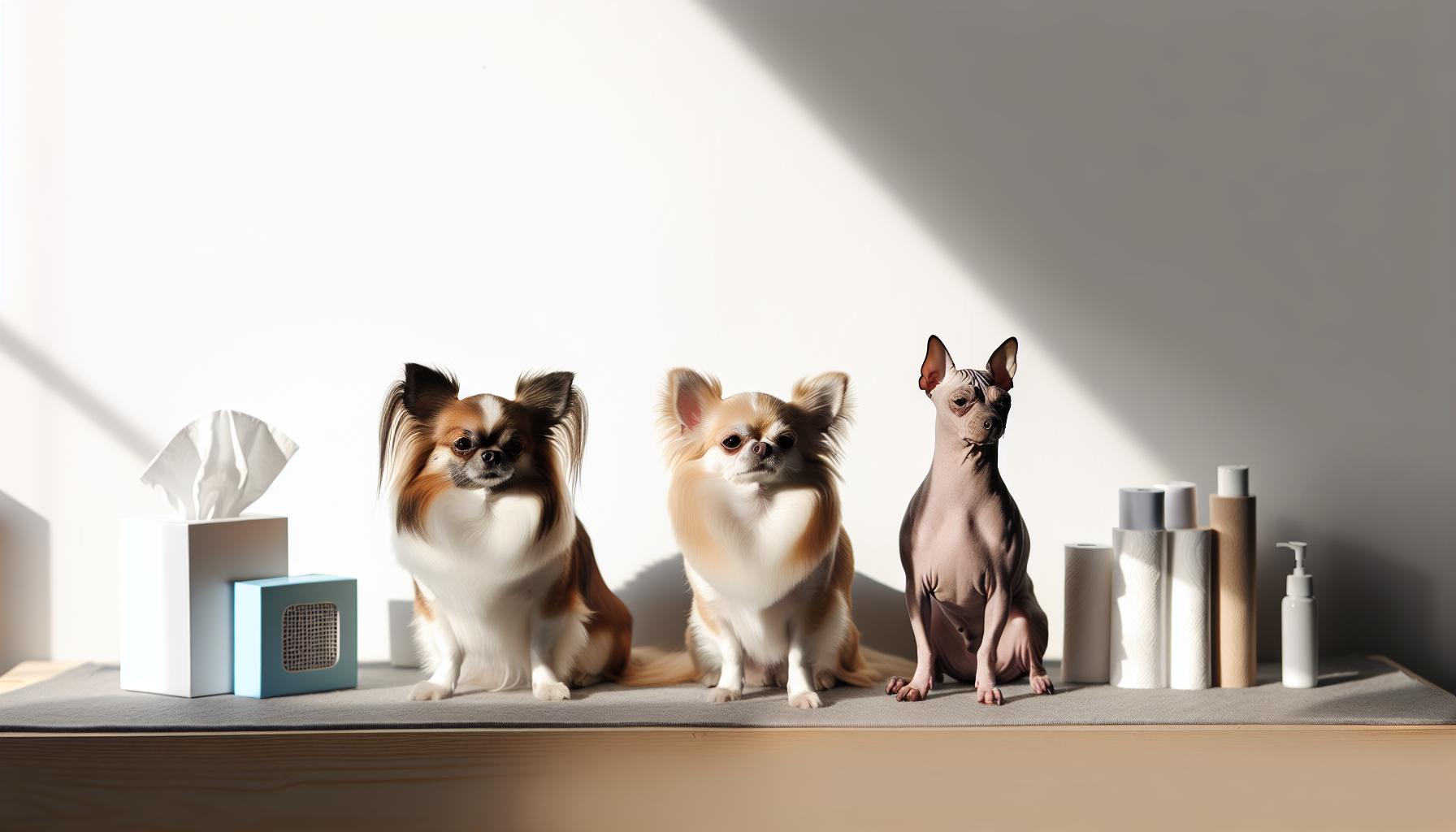
When it comes to Chihuahuas and allergies, understanding their coat types is crucial. Both smooth and long-coated Chihuahuas can produce dander, but their fur characteristics influence the amount and management of allergens. Choosing the right type can make a significant difference for allergy sufferers while still allowing you to enjoy all that makes Chihuahuas such delightful companions.
Smooth-Coated Chihuahuas are often seen as the better option for those with allergies. Their short, sleek fur typically leads to less overall shedding compared to their long-coated counterparts. This is beneficial because less loose hair means fewer opportunities for dander to become airborne. A good example is Bella, a smooth-coated Chihuahua with a vibrant personality who loves to snuggle. Her owner found that regular grooming and bathing not only kept her clean but also significantly reduced the amount of dander in the house.
On the other hand, Long-Coated Chihuahuas can pose a bit more of a challenge. While their beautiful, flowing fur can trap dander more effectively, which may help keep it from circulating in the air, they will still shed hair. Owners often report that maintaining a consistent grooming routine-such as regular brushing and occasional baths-helps keep dander levels manageable. For instance, Max, a long-coat Chihuahua, benefits from weekly grooming sessions that keep his coat healthy and reduce allergen buildup in the home.
Ultimately, the decision may come down to individual sensitivity levels and lifestyle preferences. Regardless of the coat type, key strategies such as keeping your home clean, using air purifiers, and bathing your Chihuahua regularly are essential for minimizing allergens. Enthusiastic and bold, Chihuahuas can light up your life, and with the right approach, you can enjoy their companionship without sacrificing comfort for allergy management.
How to Minimize Dander in Chihuahuas: Practical Tips
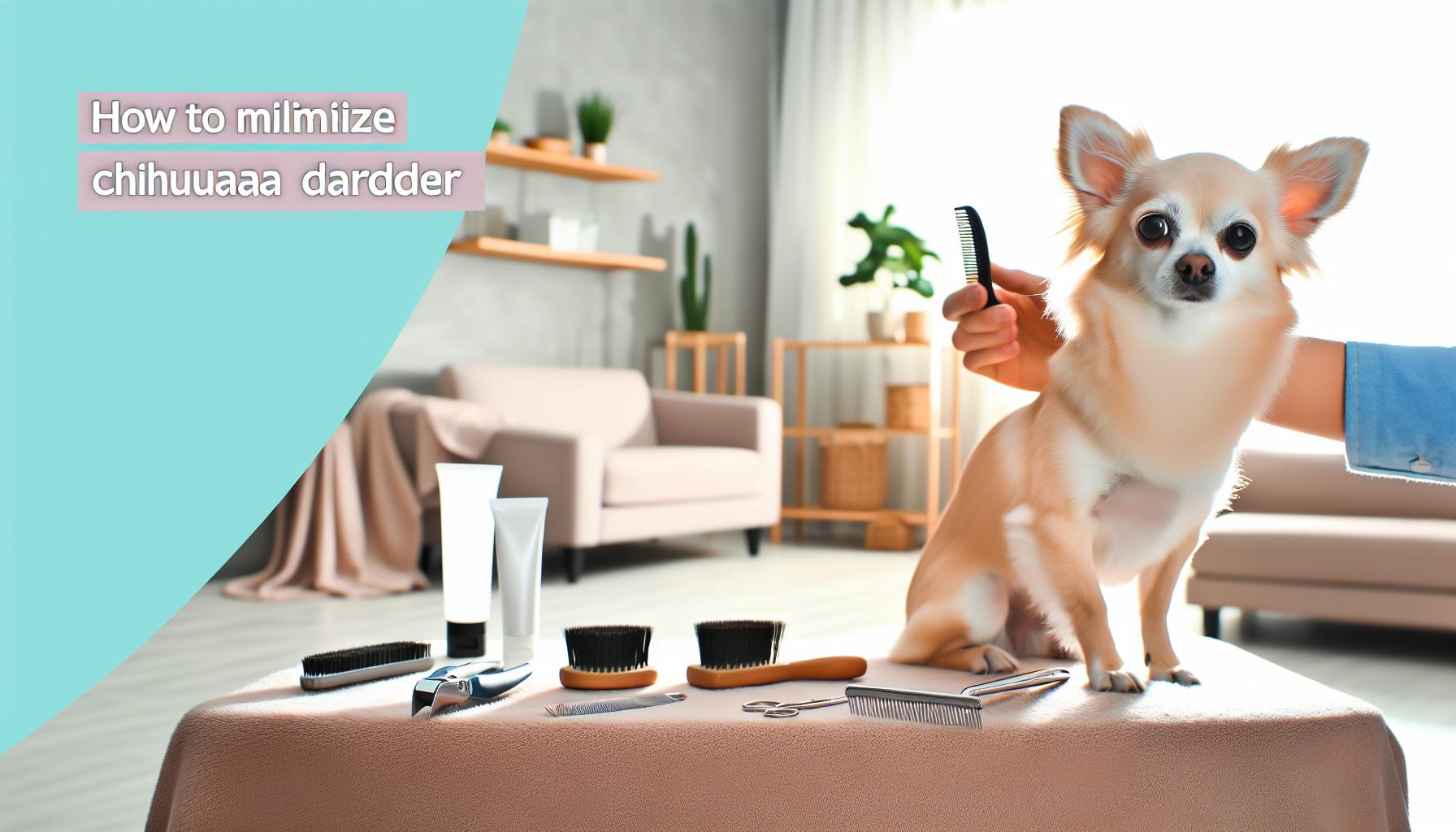
To enjoy the delightful antics of a Chihuahua while managing dander, consistency and care are your best allies. These tiny companions, whether they’re the feisty apple-heads or the sleek teacups, can still stir up allergens in your home. Thankfully, with some commitment, you can significantly minimize dander and create a comfortable living environment for both you and your furry friend.
Regular grooming is a cornerstone of dander management. For smooth-coated Chihuahuas, brushing once a week can help prevent loose hair and dander from accumulating. For the long-coated variety, frequent brushing-ideally three times a week-removes trapped dander and promotes a healthy, shiny coat. Use a gentle brush to avoid irritating their delicate skin. Think of grooming as not just a necessity, but a bonding experience that keeps both of you happy!
Bathing your Chihuahua also plays a crucial role. Aim to bathe her every month, using hypoallergenic dog shampoos to avoid skin irritations. Bathing washes away existing dander and allergens, providing immediate relief. Just be sure to dry her thoroughly; moisture can lead to skin issues, especially in breeds prone to sensitive skin.
Creating a clean home environment is another effective strategy. Consider following these practical tips:
- Regular Cleaning: Vacuum frequently using a HEPA filter to capture dander and hair. Don’t forget to wash any pet bedding and blankets regularly.
- Use Air Purifiers: Place HEPA air purifiers in common areas to filter out allergens circulating in the air.
- Flea Control: Keeping fleas away is essential since they can worsen skin irritation and increase dander production. Make sure she’s on a proper flea prevention plan.
Finally, consider using designated pet-free zones in your home, such as the bedroom, to create safe spaces for allergy sufferers. With these steps, you can enjoy your Chihuahua’s loving and lively spirit without the worry of allergens taking over your home. Embrace the challenges that come with having such a vibrant companion and celebrate the joy she brings into your life!
Identifying Allergies: Are Chihuahuas Right for You?

When considering adding a Chihuahua to your family, knowing how they might affect owners with allergies is crucial. It’s a common concern, especially with a breed known for its playfulness and affection. Chihuahuas do produce dander, and while some individuals may find them more tolerable than other dog breeds, it’s essential to assess your specific situation before welcoming one into your home.
For potential owners with allergies, identifying your sensitivities is the first step. Spend time with Chihuahuas before making a decision. This can mean visiting a friend with a Chihuahua or volunteering at a shelter. Observe how your body reacts to their presence. Pay attention to any sneezing, itching, or breathing difficulty; this can provide insight into whether a Chihuahua might be a suitable companion. Keep in mind that both smooth-coated and long-coated Chihuahuas produce dander, though the amount can vary based on the individual dog’s grooming routine and overall health.
Considerations for Selecting a Chihuahua
When thinking about which type of Chihuahua to bring into your life, consider not only the breed’s genetic predispositions but also their unique temperaments and how they interact with their environment. For example:
- Size and Coat: Chihuahuas come in two coat types – smooth and long. Long-haired varieties may present more grooming needs, but regular brushing helps control dander.
- Personality Traits: Chihuahuas are known for being vocal and alert. If you’re sensitive to triggers that might aggravate allergies, a notably vocal dog may not be the best fit.
- Aging and Activity Level: Older Chihuahuas might shed less than their younger counterparts. Evaluate energy levels, as a more active pup can stir up more dander through movement.
While no dog breed is completely hypoallergenic, understanding these factors can help you mitigate reactions. If you decide a Chihuahua is the right fit, committing to a consistent grooming and cleaning schedule, as mentioned earlier, will be vital to minimizing allergens in your home.
Remember, owning any breed, including Chihuahuas, involves a delightful trade-off between the love they provide and the responsibilities they require. By taking the necessary steps to evaluate your health and the potential allergy impacts, you can enjoy the spirited companionship of a Chihuahua while maintaining a healthy living environment.
Chihuahua Grooming Tips to Reduce Allergens
While Chihuahuas are known for their bold personalities and loving nature, they do produce dander like any other dog breed. However, with the right grooming techniques, you can effectively manage and minimize allergens in your home. Regular grooming is essential not only for maintaining your Chihuahua’s stunning coat but also for reducing the amount of dander they shed, creating a healthier environment for allergy sufferers.
One key to minimizing allergens is establishing a consistent grooming routine. For Chihuahuas, this typically means brushing them at least once a week. Smooth-coated Chihuahuas may require less frequent brushing, while long-haired Chihuahuas benefit greatly from daily brushing to prevent matting and to effectively remove loose hair and dander. A soft-bristle brush or a slicker brush works well for both coat types. A loyal Chihuahua owner named Sarah found that a dedicated brushing session not only helped control dander but also served as a bonding time with her pet, Max.
Bathing and Skin Care
Bathing your Chihuahua every 4 to 6 weeks can also be beneficial in managing dander. Use a gentle, hypoallergenic dog shampoo designed for sensitive skin, as this can help reduce irritation and minimize dander production. Ensure you thoroughly rinse the shampoo to prevent any skin issues that could increase dander levels. After bathing, consider applying a moisturizing conditioner to keep your Chihuahua’s skin healthy-hydrated skin produces less dander. Moreover, don’t forget to dry her well to avoid any moisture-related skin problems, especially during chillier months.
Home Environment and Cleaning
In addition to grooming, managing your home’s environment plays a significant role in controlling allergens. Regularly vacuum and clean any areas your Chihuahua frequents, using a vacuum equipped with a HEPA filter to capture pet dander effectively. Washing your pet’s bedding, toys, and any blankets she snuggles with weekly can help minimize dander accumulation. Consider creating a designated pet-free zone in your home, such as a bedroom or study, to provide a refuge for allergy sufferers.
By embracing these grooming practices and home maintenance tips, you can enjoy the companionship of your playful Chihuahua while keeping allergens at bay. Every little effort counts, and before long, you’ll feel like a pro at balancing love for your pet and a comfortable living environment!
Living with Allergies: Caring for Your Chihuahua
While taking care of a Chihuahua can be a joyous experience, it comes with its own set of challenges, particularly for those who suffer from allergies. These small, spirited dogs do produce dander like any other breed, but with proper care and mindful practices, you can ensure a harmonious relationship between your compact companion and your health needs.
Adopting a consistent grooming routine is a vital part of managing allergens. For instance, brushing your Chihuahua weekly not only helps to keep their coat looking fabulous but also drastically reduces the amount of dander spread throughout your home. Long-haired Chihuahuas, with their beautiful locks, particularly benefit from daily grooming, as this prevents tangles and helps remove loose hairs and dander more effectively. An engaging anecdote from owner Jennifer shows how her routine with Bella, her long-haired Chihuahua, transformed their playtime; they now enjoy cuddly sessions filled with brushing, which also reduces allergy irritants.
Bath Time Benefits
Bathing your Chihuahua every three to four weeks can be incredibly effective in keeping dander under control. Use a mild, hypoallergenic shampoo that caters to sensitive skin to help minimize irritations. After a bath, remember to go the extra mile by applying a soothing conditioner to keep the skin well-moisturized, as healthy skin leads to less dander. Emily, a proud smooth-coated Chihuahua owner, swears by her routine that incorporates gentle baths followed by a thorough drying session, ensuring that her furry friend remains comfortable without excess dander around.
Creating a Safe Environment
Home environment adjustments are equally important. Regular vacuuming with a HEPA filter vacuum cleaner can significantly mitigate dander levels in your living space. Make it a habit to wash your Chihuahua’s bedding, toys, and any cherished blankets weekly. Additionally, establishing pet-free zones, such as bedrooms, offers allergy sufferers a sanctuary away from dander, making them feel more secure and comfortable at home.
It’s essential to remember that each Chihuahua is unique, with their own personality traits and needs. Understanding your specific Chihuahua’s behavior and monitoring any reactions can guide you in creating the perfect allergen-controlled environment. Balancing the vibrant life of a Chihuahua with allergy considerations not only enhances your well-being but also enriches the bond you share with your beloved pet.
Chihuahua Behavior and Allergies: What You Should Know
Navigating the world of Chihuahua companionship with allergies is a unique journey. These small, lively dogs, known for their bold personalities, do indeed produce dander like any other breed. However, understanding their behavior can help manage these allergens and maintain a harmonious home. Chihuahuas are incredibly loyal and affectionate, which means they love being close to their owners. This close physical interaction can bring joy but also requires proactive measures for allergy sufferers.
One of the key behaviors to consider is how Chihuahuas express their emotions. They can be vocal little creatures, often barking to communicate their feelings or alert their owners. This vocalization can be charming but may also lead to increased stress for those with allergies, especially during moments of excitement when dander might be more prevalent. Keeping the environment calm can help minimize barking, and perhaps training them to respond to quiet commands can reduce their vocal outbursts.
Chihuahuas are also known for their affectionate nature, often seeking physical contact with their owners. While this is part of their charm, it also means more potential exposure to allergens. Creating designated cuddle times, while adhering to your allergy strategies, can help. For example, making sure your Chihuahua is freshly groomed before snuggles can reduce the amount of dander transferred.
Furthermore, socialization plays a role in their behavior. Chihuahuas can be quite social and enjoy interactions with other dogs and people. This can pose a risk for allergy-sensitive individuals, as dog parks or playdates often mean exposure to more dander. Understanding and managing your Chihuahua’s social environment can prevent allergic reactions, such as choosing controlled playdates or avoiding densely populated dog areas.
Another point to remember is the importance of observing your Chihuahua’s reactions. Every dog has unique sensitivities and habits; noting what activities or conditions trigger allergy symptoms can inform your approach to care. For instance, if you find that more time outdoors increases your allergic reactions, you can adjust your Chihuahua’s playtime to shorter, more frequent bursts that allow for lots of indoor cuddles afterward.
In sum, engaging with your Chihuahua’s behavior and habits equips you to better navigate life with them while managing allergies. Through proactive grooming, creating a structured schedule for play, and observing their interactions, you can enjoy a fulfilling relationship with your spirited companion, all while keeping your health in check. Embrace the quirks and affection that make Chihuahuas so special, and find ways to harmonize your lives together.
Allergy-Friendly Chihuahua Alternatives: Exploring Other Breeds
Certain breeds may be better suited for allergy sufferers while still offering the charm and companionship many adore in Chihuahuas. If your heart is set on a small dog but allergies are a concern, consider exploring alternative breeds known for producing fewer allergens, which might make them a better fit for you and your home.
One option is the Bichon Frise, celebrated for its hypoallergenic coat. This breed has a soft, curly fur that traps dander and hair, preventing them from becoming airborne. Owners often share delightful stories about their Bichons’ playful natures and loving dispositions, making them wonderful companions. Plus, they tend to be great with families and adapt well to various living environments.
The Maltese is another affectionate small breed with a long, silky coat that sheds minimally. Regular grooming helps maintain their luxurious locks and keeps allergens in check. Known for their lively personality and loyalty, Maltese dogs thrive on companionship and make great little sidekicks for those seeking a spirited yet less allergenic alternative.
For those who appreciate the distinctive looks of Chihuahuas, the Chinese Crested might be an appealing choice. With its unique hairless variety, there’s significantly less dander to worry about. These dogs are not only charming but are also known for their affectionate nature and willingness to please. They’re often sociable and can engage well with both humans and other pets.
If you are looking for a breed that embodies the traits of Chihuahuas but offers a more allergy-friendly option, the Italian Greyhound could be a rewarding choice. Their short, fine coats mean less grooming is needed, which translates to less dander floating around the home. These elegant dogs are highly affectionate and can adapt to apartment living, much like Chihuahuas.
When considering a new furry friend, it’s essential to remember that each dog has its own personality and may affect allergy sufferers differently. Spend time with potential breeds before making a decision, as personal interaction can help gauge how your allergies will react. With a bit of research and consideration, you can find a lively, affectionate companion that suits your lifestyle while also keeping those pesky allergens at bay.
Vet Insights: Allergy Testing for Chihuahuas
When it comes to managing allergies related to your Chihuahua, understanding the process of allergy testing is crucial. This pup may be small in size, but the implications of allergens are substantial for many owners. Your loyal, vocal friend can certainly contribute to allergy issues, primarily through dander, which is a mix of skin flakes and proteins found in saliva, urine, and feces. If you’ve noticed symptoms such as sneezing or itching, it may be time to consider allergy testing for both yourself and your Chihuahua.
Allergy testing typically involves two main methods: skin testing and blood tests. Skin testing is the most common and involves applying small amounts of allergens to your dog’s skin to see if there’s a reaction. This method can provide quick results, but it may not be suitable for all dogs, especially if they have skin conditions. On the other hand, blood tests detect specific antibodies produced in response to known allergens and are generally safer, given that they are non-invasive. Your vet can guide you on which option is best for your situation, taking into account your Chihuahua’s health history and any peculiar quirks she may have.
For Chihuahua owners, it’s essential to communicate openly with your veterinarian regarding any behavioral changes you’ve noticed in your pup. For example, if she has been unusually itchy or lethargic, this might be linked to allergies. Providing a detailed history of your dog’s symptoms can help your vet narrow down the potential allergens that may be affecting her. Once testing is completed, the results allow for targeted management strategies, helping to reduce your Chihuahua’s allergen exposure while providing you with actionable insights on the types of allergens that may be triggering your reactions.
In the meantime, consider practical steps to alleviate allergens at home. Regular grooming is vital; brushing your Chihuahua frequently can reduce loose hair and dander in the environment. Additionally, you may want to invest in air purifiers and hypoallergenic bedding to create a more allergy-friendly space. These strategies not only help your Chihuahua thrive but also ensure that your home is a comfortable haven for you both, reinforcing the wonderful bond you share.
Chihuahua Owners Share Their Dander Experiences
When it comes to Chihuahuas, their dander can be both a blessing and a challenge for owners, especially those who suffer from allergies. Many Chihuahua enthusiasts have shared their experiences, revealing how this tiny breed impacts their daily lives in unique ways. One common sentiment among owners is the deep bond they share with their dogs, even when managing allergy-related concerns. For example, Jenna, a long-time Chihuahua owner, discovered that regular grooming not only helped reduce dander but also strengthened her connection with her pup. Brushing her apple-head Chihuahua, Bella, became a cherished ritual, turning a potential trigger into a bonding experience.
It’s also essential to understand that individual reactions vary. Some owners report minimal allergy issues, while others are more sensitive. Take Tom, for example, who adopted a long-haired Chihuahua named Max. He initially faced challenges with sneezing and itchy eyes, but after consulting his vet, he learned about the importance of air quality in his home. Investing in a high-efficiency particulate air (HEPA) filter and establishing a regular cleaning schedule for Max’s bedding drastically improved his comfort level while allowing him to enjoy Max’s joyful companionship.
To navigate dander, many owners have developed practical strategies tailored to their Chihuahuas’ needs. Keeping a consistent grooming schedule is a popular choice, as it dramatically minimizes not only loose hair but also allergens. Others recommend using pet-friendly cleaning products to avoid exacerbating allergic reactions within the household. For example, Claire shares her success with hypoallergenic sprays that neutralize pet dander without any harsh chemicals, creating a safe haven for both her and her little buddy, Coco.
For those considering adding a Chihuahua to their family, knowing that every experience is unique can help. Sharing stories fosters a community among Chihuahua lovers, reminding us that while dander can be a concern, the joy these lively companions bring is unmatched. Embracing the quirks of these tiny, bold dogs-like their vocal nature and unwavering loyalty-can transform any allergy-related hurdles into opportunities for growth and connection.
Creating an Allergy-Friendly Home for Your Chihuahua
Creating a comfortable living environment that minimizes allergens for both you and your Chihuahua can greatly enhance your quality of life. Chihuahuas, known for their vibrant personalities and loyalty, might also bring along dander that can be challenging for allergy sufferers. However, with a few thoughtful adjustments to your home and routine, you can create an allergy-friendly haven without sacrificing the joy of having this delightful breed.
Optimize Air Quality
A key factor in managing allergens is maintaining clean air. Investing in a high-efficiency particulate air (HEPA) filter can significantly reduce airborne dander and other allergens. These filters trap tiny particles, providing a healthier environment for you and your little companion. Regularly changing the filter and ensuring proper ventilation can further improve air quality.
Establish a Cleaning Routine
Consistency is crucial when it comes to cleanliness. Regular cleaning not only helps in managing dander but also minimizes other allergens. A combination of vacuuming surfaces with a HEPA-filter vacuum and frequently washing your Chihuahua’s bedding will make a noticeable difference. For instance, Jenna, a devoted Chihuahua owner, established a cleaning schedule that coincided with her grooming sessions, finding that pairing these activities made her home feel fresher and more welcoming.
Designate Dog-Free Zones
Creating specific areas in your home where your Chihuahua is not allowed can help contain allergens. Consider designating certain rooms, such as the bedroom, as dog-free zones to give you a space where you can minimize exposure. Using baby gates or closing doors can help reinforce these boundaries, allowing for personal allergy relief while still enjoying the company of your furry friend elsewhere.
Grooming and Bathing
Regular grooming is essential, not just for your Chihuahua’s appearance, but also for dander control. Aim to brush your dog at least once a week to remove loose hairs and dander. Bathing him every month with hypoallergenic shampoo can also help minimize allergen levels. Owners like Tom, who initially struggled with allergic reactions from his long-haired Chihuahua, found that consistent grooming made a substantial difference in their daily lives. This routine not only kept allergens at bay but also strengthened their bond through special grooming sessions.
By integrating these practices, you can make your home more amenable to both you and your Chihuahua. Balancing love for your tiny, vocal companion with the need for a comfortable living space is possible, allowing you to enjoy the best of both worlds.
FAQ
Q: Do Chihuahuas produce more dander than other dog breeds?
A: Chihuahuas typically produce less dander compared to larger breeds, but individual dogs may vary. Factors like coat type and grooming practices play a significant role. Choosing a smooth-coated Chihuahua can help reduce dander exposure. For more tips on minimizing dander, check our section on grooming.
Q: How can I tell if I’m allergic to Chihuahuas?
A: Symptoms of a dog allergy can include sneezing, itchy eyes, and skin rashes. If you suspect you’re allergic, consult with a doctor for proper testing. Keeping a journal of symptoms when around Chihuahuas can help identify triggers. See our section on identifying allergies for more insights.
Q: What are common signs of Chihuahua allergies in humans?
A: Common signs include nasal congestion, itchy skin, and hives after interacting with Chihuahuas. If you experience these symptoms regularly, it may indicate an allergy. For effective management strategies, refer to our living with allergies section.
Q: What is the best way to reduce Chihuahua dander in my home?
A: To reduce dander, regularly vacuum, use air purifiers, and bathe your Chihuahua frequently. Designate pet-free zones and wash bedding regularly. Our article on creating an allergy-friendly home offers more practical solutions.
Q: Can Chihuahua dander affect children or infants?
A: Yes, Chihuahua dander can affect children, especially those predisposed to allergies. Young children may be more sensitive, so monitor their reactions and consult a pediatrician. For insights on caring for children around pets, see our section on living with allergies.
Q: Are there hypoallergenic Chihuahua breeds?
A: No breed is truly hypoallergenic, but Chihuahuas with shorter coats tend to produce less dander. Consider types like the smooth-coated Chihuahua for lower allergy risks. Explore our alternatives section for other breeds to consider.
Q: How often should I groom my Chihuahua to minimize dander?
A: Regular grooming is essential. Aim to brush your Chihuahua weekly to reduce loose hair and dander. Additionally, bath every month with appropriate dog shampoo to further manage allergens. Check our grooming tips for more detailed guidelines.
Q: Why do some people develop allergies to Chihuahuas later in life?
A: Allergies can develop at any age due to changes in immune response. Environmental factors, exposure levels, and genetics all play a role. If allergies arise, consult a health professional for advice on management and testing, as mentioned in our vet insights section.
To Conclude
As we’ve explored, Chihuahuas can indeed affect those with allergies, and understanding their dander and care is crucial for both potential and current owners. Remember, providing a loving home requires smart choices, like proper grooming and environmental controls to minimize allergic reactions. If you’re still uncertain about bringing a Chihuahua into your family, consider reading more on “Caring for Your Chihuahua’s Coat” or check out tips on “Managing Allergies with Pets” to prepare yourself.
Take the next step. Join our newsletter for exclusive content and advice directly catered to loyal Chihuahua lovers. By staying informed, you’ll ensure a happy, healthy life with your Chihuahua, who is not just a pet but a cherished family member. Don’t hesitate to share your thoughts or questions in the comments-let’s celebrate our tiny companions together and connect over our shared passion!
Get our latest guides, news, and insights highlighted in your Google Search & AI Overviews.