
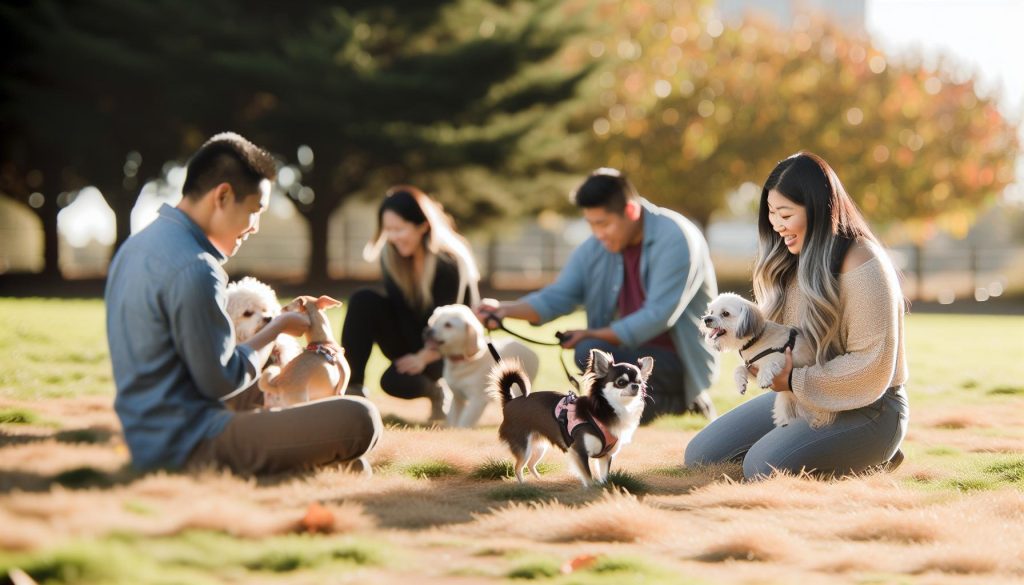
Did you know that Chihuahuas, despite their tiny stature, often have big personalities that can influence their relationships with other dogs? Understanding whether your diminutive companion can get along with larger or different breeds is crucial for fostering a harmonious home. Many first-time Chihuahua owners worry about socialization, as these bold little dogs can sometimes be territorial or standoffish. Knowing how to navigate their quirks, from the vocal apple-head to the confident deer-head, can help them thrive in multi-dog households. As we dive into the fascinating world of Chihuahua social behavior, you’ll discover practical tips and insights that will empower you to successfully manage introductions and interactions with other pups. This way, you can cultivate a peaceful environment where your feisty friend is both safe and happy. Let’s explore the delightful dynamics that come with having a Chihuahua and learn how to encourage positive relationships with their furry peers.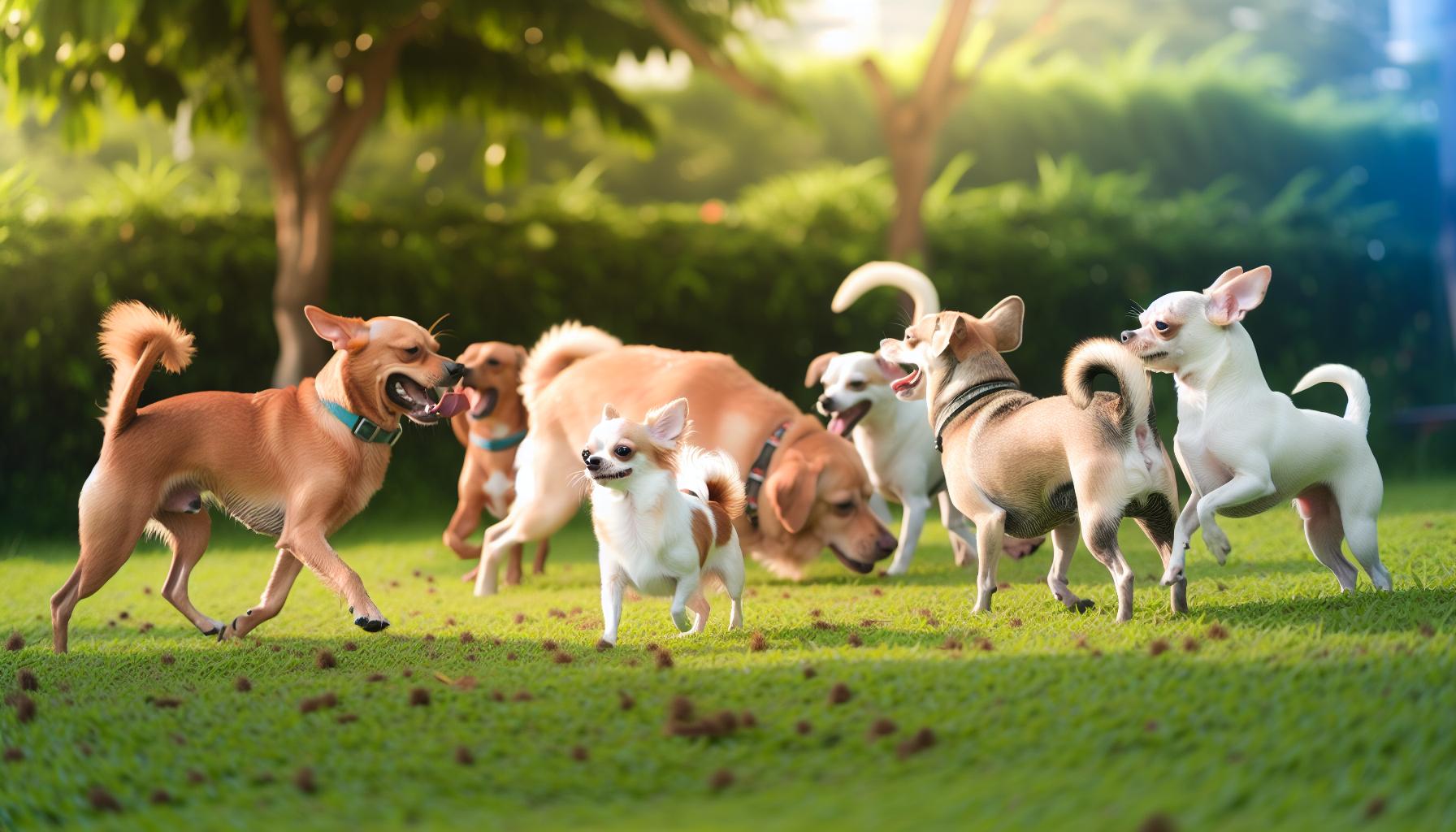
Do Chihuahuas Get Along With Other Dogs? Understanding Their Social Behavior
Chihuahuas are known for their bold personalities and sometimes larger-than-life attitudes, but what does that mean for their interactions with other dogs? Contrary to their petite stature, Chihuahuas can be quite confident, which doesn’t always translate into harmonious relationships with other canines. Each dog has a unique temperament influenced by factors like genetics, early socialization, and individual experiences. It’s crucial to understand that while many Chihuahuas can and do cohabitate peacefully with other dogs, others may struggle, especially if they haven’t been adequately socialized.
Effective socialization starts from a young age. Exposure to different breeds, sizes, and temperaments is key. Owners should consider introducing their Chihuahua to other dogs as early as possible. Start with calm, friendly dogs that won’t overwhelm your little companion. Always supervise initial interactions to keep everyone safe and monitor body language. A well-managed introduction can foster a sense of confidence in your Chihuahua, helping him to build positive associations with new friends.
While every Chihuahua is unique, you might find that some tend to exhibit certain behavioral patterns in social settings. Many Chihuahuas have a remarkable playfulness but may also display territorial or protective behaviors, especially toward larger dogs. This is where effective training and socialization techniques come into play. Offering structured playdates and rewarding positive behaviors can help manage any potential aggression or anxiety, ensuring that both your Chihuahua and his new furry friends have a positive experience. Observing your dog’s reactions during these interactions will give you valuable insights into his comfort levels and preferences when it comes to companion dogs.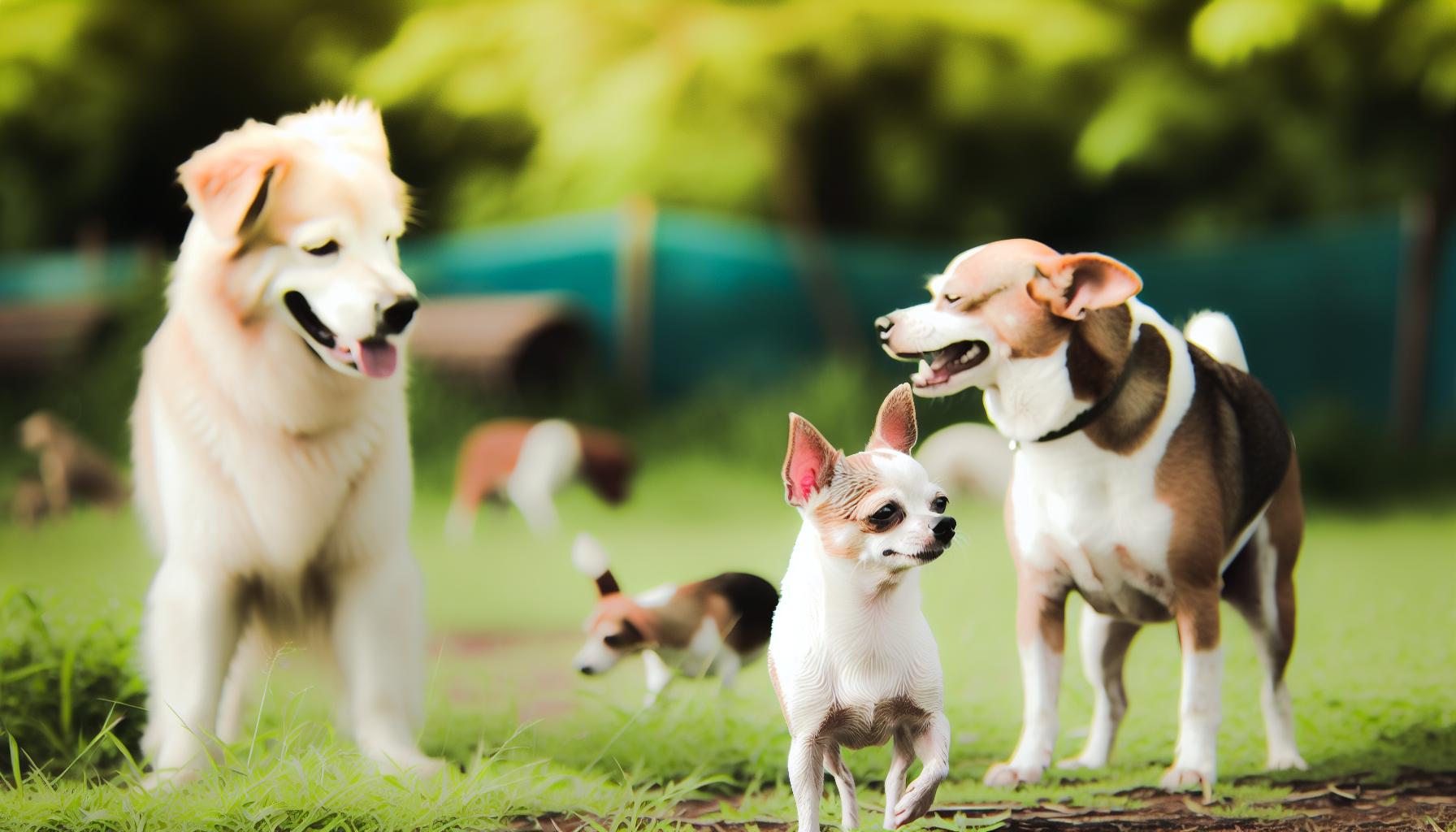
Factors Influencing Chihuahua Socialization Skills
Chihuahuas, often characterized by their spirited personalities and feisty nature, can have intricate socialization skills that are crucial for their interactions with other dogs. Understanding the factors that shape these skills is key to fostering positive relationships in a mixed dog environment. A Chihuahua’s temperament plays a significant role; some may be naturally more sociable than others, influenced by their genetics and early experiences. It’s fascinating to note how much a puppy’s initial socialization experiences can dictate their behavior as adults. Chihuahuas that were exposed to different dogs, environments, and situations from a young age are often more adaptable and better equipped for social interactions.
Another critical factor is the environment in which your Chihuahua is raised. If your little friend has lived in a home with multiple pets or has frequently interacted with various breeds, she’s likely to be more comfortable around other dogs. Conversely, a Chihuahua who has only known solitude or a single companion may approach new situations with caution or defensiveness. Always pay attention to how her experiences shape her reactions; fostering positive early encounters can cultivate confidence and comfort.
Moreover, a Chihuahua’s size and perceived vulnerability can amplify her responses in social situations. It’s not uncommon for these tiny pups to exhibit bravado around larger dogs, driven by an instinctive desire to assert themselves. Unfortunately, this behavior can sometimes lead to encounters that escalate when their confidence is met with uncertainty from other dogs. Understanding these dynamics allows you, as a loving owner, to navigate introductions and social settings more effectively. Just remember, patience and careful observation can reveal volumes about your dog’s socialization skills.
Finally, the importance of ongoing socialization cannot be overstated. Regular playdates with a variety of dog sizes and breeds can help reinforce positive experiences while mitigating behavioral anxieties. Using treats and positive reinforcement when she interacts well with other dogs can also strengthen those experiences, promoting a healthier attitude toward future interactions. Your Chihuahua’s journey to becoming a friendly and confident companion is as unique as she is-celebrate her quirks and take the time to nurture her preferences and comfort zones.
Chihuahua Temperament: What Every Owner Should Know
Chihuahuas are famous for their vibrant personalities, and understanding their unique temperament is essential for any dog owner aiming to foster positive interactions with other dogs. These little dynamos, known for their loyalty and vocal nature, can sometimes display bravado that belies their size. They are bold, confident, and often believe they are much larger than their tiny frames suggest. This spirited attitude makes Chihuahuas endearing companions but can also complicate their social interactions, especially with larger dogs.
A Chihuahua’s temperament can vary significantly from one individual to another. Some may be naturally outgoing and play well with other dogs, while others might be more reserved or even a bit territorial. Factors such as genetics, early socialization, and life experiences greatly impact a Chihuahua’s social skills. Owners should recognize that early exposure to diverse environments and different breeds can lead to a more adaptable and friendly dog. For instance, a Chihuahua that has been gently introduced to other pets during puppyhood is often better equipped to handle social situations later in life.
Building a Positive Experience
It’s important to approach socialization with Chihuahuas gently and patiently. When introducing her to new dogs, do so in a controlled setting to mitigate overwhelming stimuli. Start with calm, friendly dogs and observe your Chihuahua’s reactions. If she shows signs of stress or aggression, such as growling or barking excessively, it might indicate that she needs more time or structured exposure to other dogs. Creating positive associations-like using treats or praise when she interacts calmly-can encourage a healthier attitude toward future encounters.
Keep in mind that their feisty nature can lead some Chihuahuas to act defensively, especially if they feel threatened. A real-life scenario involves a Chihuahua named Bella who, although small, would bark and act dominant around larger dogs. Her owner learned to manage this by introducing Bella to a gentle Golden Retriever, where they would engage in slow, playful introductions. Over time, Bella learned that not all larger dogs were a threat, fostering a more relaxed attitude.
Chihuahuas thrive on routine and understanding, making consistent socialization practices vital. Regular playdates with a variety of dog sizes and breeds, coupled with positive reinforcement, can significantly improve their social skills and overall behavior. Embrace their quirks and remember that each Chihuahua has its own pace. The key lies in nurturing their confidence while respecting their boundaries, creating a harmonious environment where they can comfortably express their unique personalities.
Initial Introductions: Ensuring a Positive Experience
Introducing your Chihuahua to new canine friends can be a delightful yet challenging experience, given their unique personalities and bold attitudes. To navigate these introductions successfully, it’s crucial to create an environment that fosters positive interactions right from the start. Remember, a gentle and patient approach can make all the difference in how your Chihuahua responds to new dogs.
Begin the introduction process in a neutral location, away from the familiar territory of either dog. This minimizes any sense of threat or defensiveness. Ideally, choose a calm, supervised setting where both dogs can feel safe. Allow them to observe each other from a distance initially, giving them time to assess the new presence. Gradually decrease the distance between them, always keeping an eye on their body language. Signs of relaxation include a wagging tail, a relaxed posture, and a curious demeanor. Conversely, if either dog starts to stiffen, growl, or bark excessively, it’s essential to back off and give them more space.
Utilizing positive reinforcement during these encounters can greatly enhance their perception of socializing. For instance, bring along treats that your Chihuahua loves. Reward her for calm behaviors or even just for being curious about the other dog. This association can help her view future interactions as enjoyable rather than stressful. Real-life experiences, like that of a Chihuahua named Max who was initially fearful of bigger dogs, illustrate this. After several successful encounters with smaller, gentle companions and plenty of treats, Max became much more confident and sociable.
Establishing routines around playdates can also help. Regular interactions with different dog breeds can enhance your Chihuahua’s social skills, teaching her how to play and read the signals of other dogs. Make these introductions short and positive at first, gradually allowing for longer play sessions as her confidence builds. Celebrate her progress along the way-this journey is not just about socialization; it’s also about creating a happy, well-adjusted pup who enjoys the company of her furry friends!
Training Tips for Socializing Your Chihuahua
To help your Chihuahua thrive in social environments, effective training for socialization is crucial. Chihuahuas are known for their bold personalities and can sometimes be a bit wary of other dogs, particularly those larger than they are. Therefore, it’s essential to work on their social skills from an early age, ensuring they learn to interact positively with their furry peers.
Start with the basics of positive reinforcement. Using treats and praise, reward your Chihuahua for calm and sociable behaviors towards other dogs. This could mean offering a treat when she remains calm while observing another dog or when she approaches a new friend without fear. For instance, a Chihuahua named Lola began socialization training by first getting familiar with her owner’s friends’ dogs in controlled settings, earning treats every time she displayed calm behavior, which encouraged her to be more confident during interactions.
Consistency and gradual exposure are key. Organize regular playdates with familiar dogs at a safe and controlled location. Start these interactions with short durations to prevent overwhelming your Chihuahua. Over time, as she grows more comfortable, gradually extend these play sessions. It’s vital to monitor her body language closely and be ready to step in if she shows signs of stress or discomfort. If she does, taking a break or repositioning her away from the source of stress can help her feel safe and secure.
Also, consider mixing the types of dogs she interacts with. Smaller, gentle breeds like Cavalier King Charles Spaniels or even other Chihuahuas can provide great experiences for learning social cues without overwhelming her. Real-life examples showcase how certain Chihuahuas thrive with playmates of similar size or temperament, emphasizing how choosing the right companions can make a significant difference in the socialization process.
In conclusion, training your Chihuahua to navigate social situations with confidence and ease is highly rewarding, both for you and her. Celebrate each milestone, from the first interactions to her making a new friend, as this journey not only shapes her social skills but also enhances her overall well-being.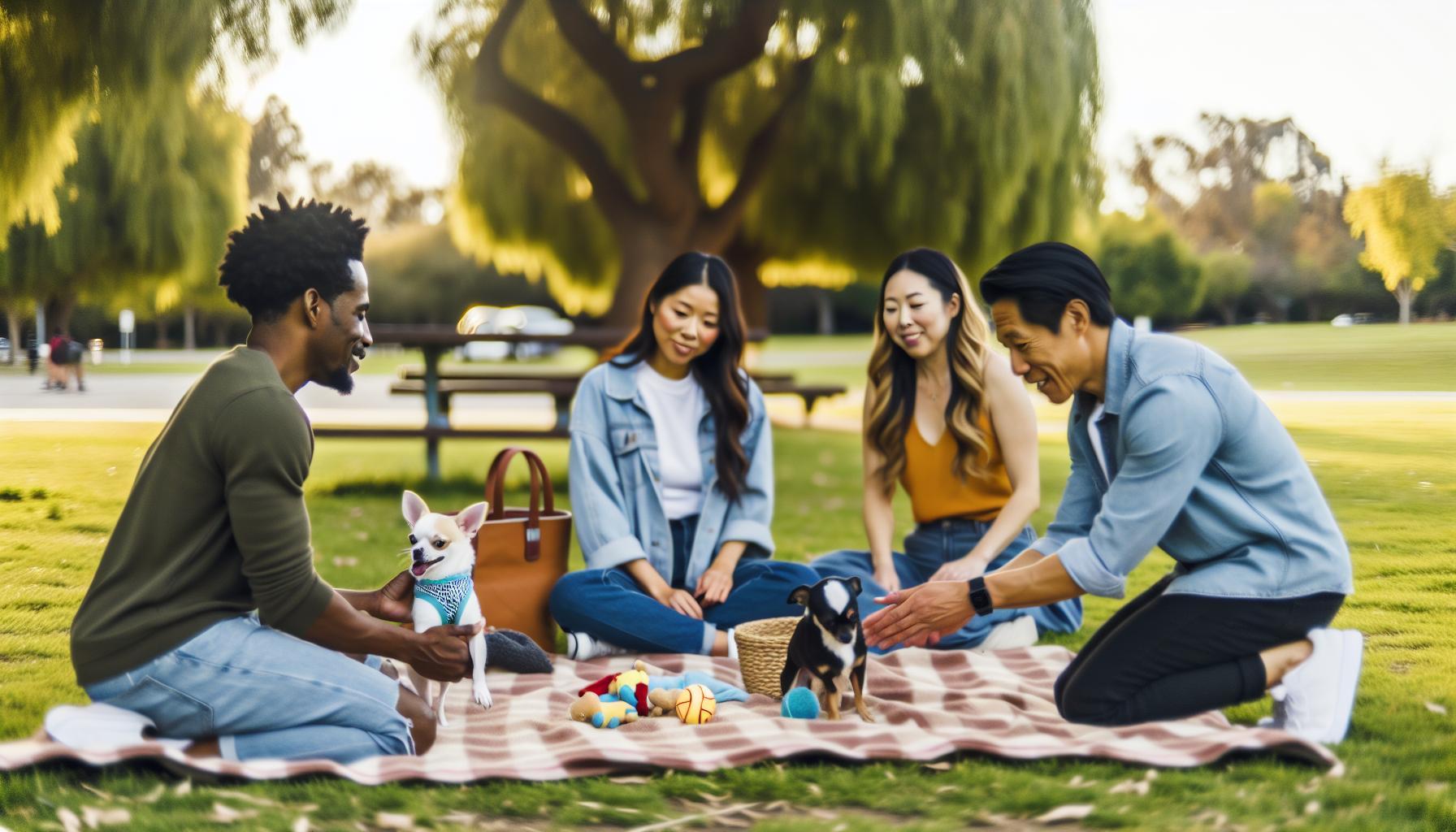
Signs of Stress in Chihuahuas During Playdates
Understanding your Chihuahua’s body language is crucial in identifying signs of stress during playdates with other dogs. Due to their spirited yet sometimes anxious nature, these little guys can exhibit subtle (and not so subtle) indicators when they’re feeling overwhelmed. By recognizing these signs early, you can step in and help your furry friend regain composure, ensuring that playtimes remain enjoyable.
One of the most common stress signals is the posture of your Chihuahua. Look for signs such as a lowered body, tucked tail, or ears pinned back. These indicate that he may be feeling unsure or scared. Additionally, if your Chihuahua begins to avoid eye contact or turns his head away from the other dog, it’s a clear sign he needs a break. A Chihuahua named Benny would occasionally freeze and stare at the ground when approached by larger dogs, a behavior his owner learned to recognize as a cue to remove him from the situation.
Vocalizations are another key indicator. While Chihuahuas are known for being vocal, pay attention to sudden changes in their barking. High-pitched yips or growls can suggest agitation or distress, especially if they seem out of proportion to the situation at hand. If your Chihuahua starts barking more erratically or at a higher pitch than usual, it might be time to separate him from the playgroup.
Other signs of stress include excessive panting, pacing, or licking. If your Chihuahua begins to pant heavily despite not being overly active, or if you notice him obsessively licking his lips or his paws, it may indicate anxiety. One owner shared how her Chihuahua, Daisy, would trot in circles and clean her paw when she felt overwhelmed. Understanding these signs helps reinforce the importance of providing a comfortable environment during playdates.
Lastly, actual physical withdrawal can also signal discomfort. If your Chihuahua consistently tries to hide or seeks refuge under furniture, it’s an important indication that he’s not enjoying the interaction. In these moments, it’s vital to listen to your dog’s needs and allow him the space to feel safe.
By being aware of and responsive to these signs, you can help ensure that your Chihuahua has positive social experiences. Remember, socialization is a gradual process, and it’s perfectly okay to step back and reassess the situation whenever your petite companion shows signs of stress.
Managing Aggression in Chihuahuas Towards Other Dogs
can be a challenging yet manageable aspect of dog ownership. These tiny, spirited companions often exhibit bold personalities, sometimes leading to confrontations, especially with larger breeds. Understanding the root causes of this aggression can empower you to create a more harmonious social environment for your furry friend.
One effective strategy is to establish clear boundaries during interactions. When introducing your Chihuahua to other dogs, it’s essential to supervise closely. Maintain a calm demeanor and keep your dog on a leash initially. This prevents any sudden outbursts and allows you to redirect their focus if they show signs of agitation. Many owners find that the initial introduction works best in a neutral location, where neither dog feels territorial. A Chihuahua named Bella, for instance, was prone to snapping at larger dogs until her owner introduced her to a calmer, well-trained beagle in a park, which significantly improved her social skills.
Training is crucial for managing aggression, particularly positive reinforcement techniques. Reward your Chihuahua for calm behavior around other dogs, using treats or praise to reinforce desirable interactions. You can also teach commands like “leave it” or “quiet” to redirect potentially aggressive behavior. Consistency is key. Owners who maintain a training schedule often report marked improvements in their dog’s social behavior. Regular socialization sessions, where your Chihuahua can meet and interact with friendly, well-behaved dogs, will further solidify these positive behaviors.
Another aspect to consider is understanding your Chihuahua’s triggers. Often, aggression can stem from fear or anxiety, especially in small dogs who feel overwhelmed by larger companions. Observe your dog’s body language-if you notice raised hackles or barking, it may be time to step back a little. Creating a safe space for your Chihuahua can alleviate anxiety during playdates. Providing a familiar toy or a designated retreat area, such as a crate, can help your dog feel secure and reduce aggressive incidents.
Remember that patience is essential. Each Chihuahua has a unique personality; some may take longer to warm up to other dogs. Celebrate small victories in their socialization progress. With time, consistency, and a loving approach, you can effectively reduce aggressive tendencies and foster a more social and happy Chihuahua.
Play Styles: How Chihuahuas Interact Differently
Chihuahuas, with their bold and spirited personalities, engage in play in uniquely vibrant ways. Unlike larger breeds, Chihuahuas are quick and agile, often employing a combination of speed and cleverness to interact with their canine companions. Their play style can range from playful antics, like darting away with a squeaky toy, to more assertive behaviors such as challenging their playmates with little barks or jumps. Understanding these interactions is crucial, especially for first-time owners looking to foster harmonious relationships with other dogs.
One characteristic play style of Chihuahuas is their tendency toward playful wrestling, where they engage in friendly tussles. Generally, they enjoy roughhousing with other small, well-matched dogs. Take, for example, a Chihuahua named Coco, who loves to initiate play with her Pomeranian friend. They chase each other around and nip gently at each other, showcasing a fun dynamic that helps build their confidence and social skills. However, it’s essential to ensure that Coco’s playmate is not overly aggressive or much larger; otherwise, the play can quickly become stressful or overwhelming for her.
Another important aspect to consider is vocalization during play. Chihuahuas are known for their expressive barks, which can sometimes be mistaken for aggressive behavior. They often use vocal sounds as part of their play expressing excitement or to initiate a reminder to their playmate that it’s time to engage. For instance, a Chihuahua named Daisy often barks gleefully when she sees her friend Max the Dachshund. This vocalization signifies her eagerness to play, and as long as Max is responsive, their playtime remains enjoyable.
When introducing Chihuahuas to new playmates, agility, and quick reflexes are crucial. They may prefer a gentler approach when interacting with dogs who are more significant in size or energy. Chihuahuas should be observed closely for signs of discomfort, such as tail tucking or growling. Owners should step in if the Chihuahua appears overwhelmed. Distinguishing their playful exuberance from actual fear or aggression can help ensure that playdates remain fun and safe.
In summary, embracing and understanding your Chihuahua’s unique play style are essential for positive interactions with other dogs. By recognizing their tendencies, promoting positive play behavior, and ensuring safe environments, you can facilitate joyful and healthy relationships not only for your Chihuahua but for their canine companions as well.
Choosing the Right Companion Breed for Chihuahuas
Choosing the right companion for your Chihuahua is more than just picking a dog that matches in size; it’s about finding a personality and energy level that complements your pup’s unique traits. Chihuahuas are renowned for their boldness and spirited nature, often believing they are much larger than they truly are. This determination can lead to fun, but it can also create challenges if they’re paired with the wrong breed.
When considering potential playmates, aim for breeds that share similar temperaments. Smaller breeds, such as Toy Poodles or Miniature Dachshunds, can be excellent companions due to their similar size and playful disposition. These breeds tend to engage in friendly play and are less likely to intimidate your Chihuahua. For instance, a Chihuahua named Bella enjoys her time with a spirited Toy Poodle named Max; their playdates are filled with energetic races and playful growling, showcasing camaraderie that respects each dog’s playful spirit.
However, personality is just as important as size. Look for breeds known for their friendly and adaptable nature. Bichon Frises and French Bulldogs are often good matches, as they are generally sociable and thrive in a gentle environment. Just remember that introducing your Chihuahua to any new dog should be handled carefully. Gradually allow them to sniff each other out in neutral territory and watch for signs of mutual interest.
It’s vital to avoid pairing your Chihuahua with overly dominant breeds or those with high prey drive, as this can lead to stress and conflict. Breeds like Bulldogs may seem suitable because of their size, but their strong personalities might overwhelm a sensitive Chihuahua. Instead, focus on companions that allow your pup to shine. Remember, successful companion relationships often bloom from shared behaviors; look for other dogs who engage in similar play styles. For example, Chihuahuas often enjoy quick bursts of energy play, so partners who match that vibrancy can be ideal.
Creating a safe and comfortable environment for introductions is key. Monitor their interactions closely-watch for signs of stress or discomfort. A Chihuahua’s little demeanor can shield a potential insecurity; if your pup displays uneasy behaviors like tail tucking or excessive barking, consider stepping in to reassure them.
Ultimately, every Chihuahua has its own personality. By selecting compatible companions and facilitating positive introductions, you can help nurture a joyful and harmonious relationship that will bring out the best in both dogs. Your Chihuahua’s social circle can be a source of joy, laughter, and companionship, enhancing both their life and yours.
The Role of Early Socialization in Chihuahua Behavior
The cornerstone of a Chihuahua’s social skills lies in early socialization. These tiny titans, with their robust personalities, can become either confident companions or timid reactors based on their exposure to other dogs and environments during their formative months. If you want your Chihuahua to flourish in social situations, starting early is essential.
Chihuahuas are naturally spirited, vocal, and assertive, traits that often serve them well. However, without proper socialization, these characteristics can turn into fearfulness or aggression, especially around larger dogs or unfamiliar situations. Early social exposure allows your Chihuahua to learn acceptable behaviors and develop coping strategies for various social scenarios. Introducing her to diverse environments, people, and other pets can foster resiliency and enhance her ability to read canine body language. For example, a Chihuahua named Coco became more sociable after her owner frequently took her to dog parks and puppy classes during her first six months. Today, she merrily mingles with dogs of all sizes, showcasing her well-rounded nature.
To truly harness the benefits of socialization, consider these key practices:
- Start Early: Begin socializing your Chihuahua as soon as you bring her home, ideally by 7-8 weeks of age.
- Positive Reinforcement: Reward her with treats and praise for calm behavior around new dogs and people.
- Diverse Experiences: Expose her to different environments, sounds, and sights to build confidence.
- Controlled Introductions: Allow her to interact with calm, well-socialized dogs to create positive associations.
Remember, every Chihuahua is unique, and some may take longer to adjust than others. Patience and consistency play crucial roles in your puppy’s social development. Ensuring she feels secure is paramount; watch for signs of stress such as tail tucking or excessive barking, and step in to support her when necessary. Early socialization not only shapes your Chihuahua’s behavior but also enriches her life, forming the foundation for confident interactions throughout her years.
Creating a Safe Environment for Dog Interactions
Consider this: a safe environment not only makes interactions smoother for your Chihuahua, but it also helps build their social confidence. Having a space where they feel secure can significantly impact the way they interact with other dogs. For your little sidekick, a poorly managed introduction could lead to stress or aggression, especially given their spirited, bold nature.
When preparing for your Chihuahua’s interactions, it’s crucial to select appropriate locations. Look for areas that are quiet and familiar, where other dogs are also calm and sociable. Amenities like a fenced yard or a dog park with a small, welcoming atmosphere can work wonders. Before letting your Chihuahua interact with others, ensure that different dogs are on leashes and under control. A controlled introduction can prevent overwhelming your Chihuahua and create a positive experience.
Consider these strategies to foster a safe and enjoyable environment for your furry friend:
- Small Groups: Start with one or two dogs that are known to be friendly and calm. This prevents overstimulation and allows for focused interactions.
- Controlled Introductions: Allow your Chihuahua to observe other dogs from a distance. Gradually close the gap as she becomes more comfortable.
- Safe Spaces: Create a designated area within your home where your Chihuahua can retreat if she feels overwhelmed. This helps her recharge and feel secure.
- Supervise Playtime: Always monitor her interactions closely. Should any stress signals arise, such as growling or excessive barking, be prepared to intervene promptly.
Real-world experience highlights these principles beautifully. For instance, a Chihuahua named Bella thrived in a neighbor’s fenced yard. Her owner started with just a gentle Golden Retriever, allowing Bella to approach at her own pace. Once she felt safe and confident, Bella’s interactions expanded to include other small breeds, proving the benefits of creating a tailored environment.
Ultimately, a thoughtful approach to creating a safe space can make all the difference in how your Chihuahua relates to her canine companions. With a little care and understanding, those vocal, loyal, and sometimes feisty little souls can develop the social skills they need to flourish alongside other dogs.
Real Owner Experiences: Chihuahuas and Their Friends
Introducing your Chihuahua to other dogs can be an enchanting journey, filled with memorable moments and valuable lessons. Take the case of Max, a spirited apple-head Chihuahua who initially struggled with social interactions. His owner, Sarah, found that incorporating familiar friends into his play sessions transformed his approach to friendships. By starting with her neighbor’s calm, well-mannered Dachshund, she allowed Max to interact in a comfortable environment. This slow and steady method not only boosted Max’s confidence but also highlighted the importance of gradual introductions for Chihuahuas. Their unique boldness can sometimes make the tiniest of them seem like the biggest of the lot, creating a mixed bag of playdates.
Another owner, Tom, shared a delightful experience featuring his Chihuahua, Lulu, who had always been a tad skittish around larger breeds. Tom wisely chose to set up playdates with small breeds only, initially. He emphasized the significance of safe spaces; a cozy little corner in their living room became Lulu’s retreat when things felt overwhelming. To Tom’s surprise, once Lulu felt secure enough, she began inviting a friendly Corgi into her inner circle. Their play style was unique-Lulu’s bursts of energy met the Corgi’s playful, yet composed demeanor, creating an engaging dynamic. This story underscores how safe environments and thoughtful introductions contribute to positive relationships between Chihuahuas and their companions.
As you consider socializing your Chihuahua, remember that experiences vary widely. Some Chihuahuas will excel in social settings, while others may take time to warm up. It’s all part of their individual charm! Understanding their unique personalities deeply intertwines with positive playdates. Your intuition as an owner is paramount. Watching out for signs of stress-like growling or hiding-can ensure a smooth and enjoyable experience for everyone involved. With patience and the right approach, even the most timid Chihuahua can evolve into a social butterfly, forming delightful bonds along the way.
Faq
Q: How can I help my Chihuahua socialize with other dogs?
A: *To help your Chihuahua socialize with other dogs*, start by introducing him to calm and friendly dogs in a controlled environment. Utilize positive reinforcement techniques and gradually increase exposure to different breeds. Regular socialization classes can also provide valuable experience. For more tips, check our section on *Training Tips for Socializing Your Chihuahua*.
Q: What are the common signs of aggression in Chihuahuas when meeting other dogs?
A: *Common signs of aggression in Chihuahuas* include growling, barking excessively, stiff body posture, and raised hackles. If you observe these behaviors, it’s important to intervene calmly and redirect your Chihuahua’s attention. Our article on *Managing Aggression in Chihuahuas Towards Other Dogs* offers further guidance.
Q: Can a Chihuahua get along with larger dog breeds?
A: *Yes, Chihuahuas can get along with larger dog breeds*, especially if they are socialized from an early age. The key is to ensure interactions are supervised, and that the larger dogs are gentle and well-behaved. Always monitor their body language during introductions to ensure comfort.
Q: How do play styles differ between Chihuahuas and other dog breeds?
A: *Chihuahuas typically have a more assertive and playful style*, often involving quick bursts of energy. In contrast, larger breeds may play more physically. Encouraging appropriate play interactions with suitable partners is essential; more on this can be found in our section on *Play Styles: How Chihuahuas Interact Differently*.
Q: What should I do if my Chihuahua is stressed during dog playdates?
A: *If your Chihuahua shows signs of stress during playdates*, such as hiding or excessive barking, remove him from the situation. Gradually reintroduce him to calmer environments and shorter play sessions. You can find further details in our section on *Signs of Stress in Chihuahuas During Playdates*.
Q: When is the best time to start socializing my Chihuahua with other dogs?
A: *The best time to start socializing your Chihuahua is during their critical developmental period*, between 3 to 14 weeks of age. Early experiences can shape their behavior positively. For more insights, look into our section on *The Role of Early Socialization in Chihuahua Behavior*.
Q: How does my Chihuahua’s personality influence his interactions with other dogs?
A: *A Chihuahua’s personality* plays a significant role in how he interacts with other dogs. For instance, a more confident Chihuahua may be more social, while a timid one may shy away. Understanding your dog’s unique temperament can help tailor socialization efforts effectively.
Q: Can I train my Chihuahua to be less territorial around other dogs?
A: *Yes, you can train your Chihuahua to be less territorial*, primarily through consistent training and socialization. Use positive reinforcement to reward calm behavior when other dogs are present. Refer to our training section for effective strategies on this topic.
Concluding Remarks
As you can see, Chihuahuas can form strong bonds with their canine companions when socialized properly. Remember, nurturing their unique personality-bold, loyal, and sometimes a bit vocal-can lead to delightful, harmonious relationships. If you’re curious about specific techniques to enhance your Chihuahua’s social skills, check out our guide on “Training Your Chihuahua for Positive Social Interactions” and explore our tips on “Creating a Pet-Friendly Home.”
Don’t hesitate to share your experiences in the comments below or subscribe to our newsletter for more insights into Chihuahua care, behavior, and health. Together, we can continue to celebrate the joy these tiny dogs bring into our lives. For those new to Chihuahua ownership, embracing their quirks will help forge a deeper connection. Remember, your journey with your furry friend is just beginning, and there’s a wealth of knowledge here to help you every step of the way!
Get our latest guides, news, and insights highlighted in your Google Search & AI Overviews.