

As a devoted Chihuahua owner, you want the best for your tiny companion, especially when it comes to their health. You may have heard of Pepto Bismol being useful for upset stomachs in humans, but can it safely help your Chihuahua? Understanding which medications are safe for our beloved, vocal, and often feisty little friends is crucial. The unique physiology of Chihuahuas means they can react differently to medications than larger breeds. In this article, we’ll explore the safety of giving Pepto Bismol to your Chihuahua, discuss potential risks, and provide advice for alternative solutions. Your pup’s well-being is our top priority, so let’s dive into the best practices for keeping her happy and healthy!
Can Chihuahuas Safely Take Pepto Bismol?
Can your lively Chihuahua take Pepto Bismol? This is a common concern for pet parents, especially when our tiny companions start showing signs of stomach discomfort. Pepto Bismol is truly effective for humans battling digestive issues like nausea and upset stomach, but giving it to our four-legged friends, particularly Chihuahuas, comes with several important considerations.
First and foremost, while Pepto Bismol is not toxic to dogs, it contains ingredients that may not be suitable for your little one. Chihuahuas, being small and sensitive, can experience adverse effects, particularly due to their size and unique metabolism. It’s crucial to remember that any medication, even over-the-counter ones, should be administered with caution.
Before offering Pepto Bismol, always consult your veterinarian, who can provide tailored advice based on your Chihuahua’s health history. They might suggest a lower dose or an alternative treatment better suited for your dog’s specific needs. Always monitor your pet for any signs of discomfort or allergic reactions, as these can vary from one Chihuahua to another.
Ultimately, while Pepto Bismol can be helpful in some cases, that decision should never be made without professional guidance. Your vet’s recommendations will ensure your beloved Chihuahua receives the safest and most effective care tailored just for her!
Understanding the Risks of Pepto Bismol for Chihuahuas
While Pepto Bismol is often seen as a go-to remedy for human digestive issues, using it on our beloved Chihuahuas is a path that warrants careful consideration. Chihuahuas, with their tiny torsos and distinctly sensitive constitutions, may react differently than other breeds or even humans. It’s essential to recognize that while Pepto Bismol is generally considered safe for dogs, its active ingredients can pose risks specific to smaller breeds like Chihuahuas.
The primary concern arises from the dosage. For example, even a tiny amount of the medication can lead to an overdose in a Chihuahuan’s petite body, potentially causing gastrointestinal upset or toxicity. The presence of bismuth subsalicylate-one of the active ingredients-can lead to complications such as bleeding issues since it acts similarly to aspirin, which can be harmful to dogs. Moreover, the artificial sweeteners and additives found in flavored formulations can also lead to serious health problems, including gastrointestinal distress or worse.
Another factor to consider is the underlying cause of your Chihuahua’s digestive issues. Oftentimes, vomiting or diarrhea may stem from dietary indiscretion or stress, common in our spirited little companions. Instead of jumping to medication, it might be wise to observe for other symptoms and consider dietary changes or stress-reduction activities, such as calming interactions or even a cozy retreat in a safe space. If digestive distress persists, seeking veterinary advice is crucial.
In summary, while Pepto Bismol may offer relief in some situations, the risks associated with its use in Chihuahuas can far outweigh the benefits. Consulting with a vet who understands the unique health needs of your little one is the safest approach. After all, these tiny dynamos deserve care that matches their vibrant spirit and distinct personalities!
Signs Your Chihuahua May Need Digestive Relief
Recognizing when your Chihuahua needs digestive relief is crucial for their well-being. Chihuahuas are small but mighty, and their digestive systems can be sensitive, making it essential for you to pay attention to subtle changes in their behavior. A few common signs that your little friend may need some relief include:
- Vomiting: Occasional vomiting can happen, but if it becomes frequent, it’s a signal that something might be off.
- Diarrhea: Loose stools or diarrhea can indicate digestive issues. Watch for changes in frequency or consistency.
- Loss of Appetite: If your Chihuahua suddenly loses interest in their meals or treats, it may be a sign of discomfort.
- Excessive Salivation: If your Chihuahua is drooling more than usual, it might indicate nausea or gastrointestinal upset.
- Gassiness or Bloating: If you notice excessive gas or a bloated belly, it’s essential to monitor their condition closely.
- Restlessness or Discomfort: If your Chihuahua seems unusually restless, pacing, or unable to settle down, it could be a sign of digestive distress.
- Changes in Behavior: Any significant change in your dog’s usual behavior, such as increased whining or hiding, may point to health issues.
As devoted Chihuahuan parents, you know your pup best. Regularly observing their habits and behaviors can help you identify any anomalies early. For instance, if your usually spirited companion suddenly becomes lethargic, it might be time to investigate further. Remember, Chihuahuas can be prone to stress and anxiety, which can also affect their digestion. A quiet space, gentle belly rubs, or a favorite toy can help soothe minor digestive woes, but remain vigilant. If symptoms persist or worsen, it’s best to consult with your veterinarian to rule out serious conditions and find the right course of action based on your Chihuahua’s specific needs.
Dosage Guidelines: Safe Amounts for Chihuahuas
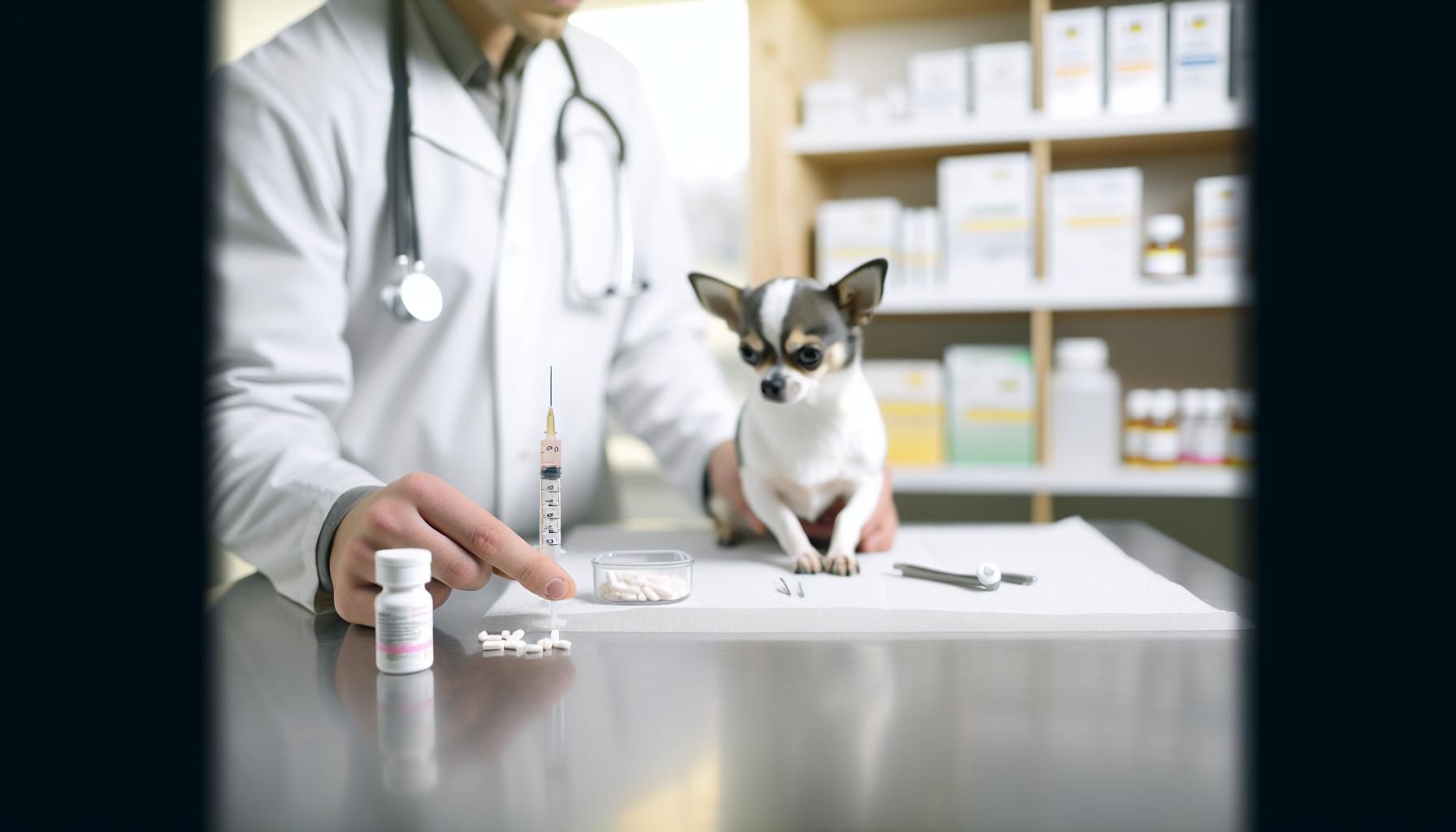
When considering a remedy for your Chihuahua’s digestive issues, knowing the appropriate dosage of Pepto Bismol is crucial. This medication, commonly used for its stomach-soothing properties, can help relieve mild gastrointestinal discomfort. However, due to their petite size, Chihuahuas require careful measurement to avoid potential complications from incorrect dosing.
For a Chihuahua weighing around 5 to 10 pounds, a safe dosage of Pepto Bismol is typically about 0.5 to 1 teaspoon every 6 to 8 hours. It’s important to note that this dosage should not exceed two doses within a 24-hour period. If your Chihuahua is particularly small or has underlying health issues, you might want to err on the side of caution and use the lower end of this dosage range.
Before administering Pepto Bismol, always shake the bottle well and use a syringe or dropper for precise measurement. Be aware that the liquid formula may contain artificial sweeteners like xylitol, which can be toxic to dogs, so always opt for the regular formula without these additives. Additionally, be mindful of your Chihuahua’s eating habits-if they refuse food or show signs of more severe distress, seeking veterinary advice is the best course of action.
Maintaining a close watch on your Chihuahua during and after administering medication is equally important. Should you notice any unusual reactions-such as excessive drooling, vomiting, or lethargy-contact your veterinarian immediately. Each Chihuahua is unique, and being attentive to their specific needs will guide you in ensuring their health and happiness throughout their lives. Remember, a well-cared-for Chihuahua is a happy Chihuahua!
Side Effects: What to Watch For in Your Chihuahua
When deciding whether to administer Pepto Bismol to your Chihuahua, it’s essential to stay vigilant about potential side effects. Chihuahuas, with their petite frames and sensitive systems, may react differently to medications than larger breeds. While Pepto Bismol can provide relief for gastrointestinal discomfort, it can also bring along some unwanted effects that you should watch for as a responsible owner.
Common side effects to monitor include changes in stool color, which may turn black due to the medication’s bismuth content. If you notice your furry friend experiencing diarrhea or if the stool appears distinctly darker, this could signal a reaction worth discussing with your vet. Additionally, watch for any signs of vomiting or lethargy. These can indicate that your Chihuahua is not handling the medication well, especially if she is usually spunky and full of life.
Another consideration is appetite changes; if your little one suddenly refuses to eat or shows a disinterest in her usual meals, it might be connected to the Pepto Bismol. Pay attention to her overall behavior-Chihuahuas are known for their vocal and vibrant personalities, so any sudden shifts could be significant.
If you observe any of these side effects, it’s best to consult your veterinarian for guidance. Your vet can provide tailored advice based on your Chihuahua’s health history and specific situation. Remember, these tiny companions thrive on our attentiveness, so knowing what’s normal versus what’s concerning can make all the difference in keeping her happy and healthy.
Alternatives to Pepto Bismol for Your Chihuahua’s Upset Stomach
When your Chihuahua is feeling under the weather with an upset stomach, finding effective, safe alternatives to Pepto Bismol can be a lifesaver. These little dogs, often full of personality in their tiny bodies, deserve the best care possible, especially when it comes to their delicate digestive systems. Luckily, there are several options to consider that can help soothe their tummies without the potential risks associated with medications like Pepto Bismol.
A bland diet is an excellent first step for upset stomach relief. Many owners swear by offering small amounts of boiled, unseasoned chicken mixed with plain white rice. This simple meal is gentle on the stomach and can help firm up loose stools. Another option is cooked pumpkin (not the spiced pie filling), which can help regulate digestion due to its fiber content. Just a small spoonful mixed into their regular food can make a big difference.
Some Chihuahuas benefit from natural digestive aids. Products like plain yogurt containing live cultures can boost gut health and support digestion. Always check the ingredient list to ensure it’s free from additives and sugars. Additionally, solutions like ginger in small amounts can be soothing for upset stomachs. A few drops of ginger tea poured over their food might just perk her up.
If these home remedies don’t do the trick, consider consulting with your veterinarian about over-the-counter options that are specifically formulated for canines. There are safer alternatives on the market like probiotics or stomach-soothing gels designed specifically for dogs. Your vet can recommend a product based on your Chihuahua’s health history.
Lastly, prevention is key. Keeping your Chihuahua’s diet consistent and monitoring what they eat can ward off many digestive issues. If your little one has a penchant for sneaking food, especially human scraps, consider using a crate during mealtimes to minimize temptation. Remember, your Chihuahua’s health and happiness depend on your vigilance and care. With the right approach, you can help her feel better quickly and keep those vibrant little spirits shining!
When to Consult Your Vet About Chihuahua Health
When it comes to your precious Chihuahua’s health, knowing when to consult a veterinarian can make all the difference. These spirited little dogs, known for their bold personalities despite their size, deserve attentive care-especially when they show signs of distress. If your Chihuahua experiences persistent digestive issues, such as vomiting or diarrhea, alongside lethargy, it’s essential to seek veterinary guidance promptly.
Chihuahuas can be prone to various health concerns, including pancreatitis, which may be aggravated by medications not meant for canines, like Pepto Bismol. If you notice any of these symptoms persisting for more than 24 hours, or if your dog appears to be in pain or discomfort, it’s better to err on the side of caution and get in touch with your vet. Remember, these tiny canines often have unique health needs that require a professional’s eye.
In addition to digestive symptoms, be aware of other signs that indicate your Chihuahua may need medical attention. Unusual behaviors-such as excessive thirst, difficulty eating, or changes in the frequency of bathroom visits-can signal underlying issues that should not be ignored. For example, if your little guy starts drinking a lot more water than usual, this could be a sign of diabetes or kidney problems, necessitating a vet’s evaluation.
Finally, never hesitate to reach out if there’s any uncertainty about medication safety. It’s always a good idea to ask your veterinarian before administering anything-human over-the-counter medications can have severe side effects on Chihuahuas. Your vet will provide guidance tailored to your dog’s specific health background, ensuring you keep their tiny tail wagging happily!
How to Administer Medication to Your Chihuahua
Administering medication to your Chihuahua can be a simple process, but it requires a gentle touch and some understanding of their unique personality. These little dynamos are often quite vocal and may express their opinions about taking medicine. However, with patience and a few tricks, you can make the experience smooth for both of you.
First and foremost, make sure you have the right medication and dosage. If a vet has recommended Pepto Bismol, confirm the correct amount for your Chihuahua’s weight-typically, about 1/4 to 1/2 teaspoon for a Chihuahuas under 10 pounds, but always double-check this with your vet. The key is to provide it in a way that maxes out compliance and minimizes stress.
One effective method is to disguise the medication. If your Chihuahua is food-motivated (which most are!), consider mixing the medication with a small amount of peanut butter or cream cheese. Place it in a spoon and let her lick it off, or hide it inside a small piece of their favorite treat. This tactic not only makes the experience more palatable, but it also reinforces positive associations with taking medication.
Alternatively, if the medication comes in liquid form, you can use a syringe (without the needle) to administer it directly into her mouth. Gently hold her head still, and aim the syringe toward the back of her throat. Squirt the liquid slowly, allowing her to swallow without choking. Always speak in a soothing voice and offer a treat afterward to reward her for her bravery.
Remember, your Chihuahua’s health is paramount, and if she exhibits any reluctance or adverse reactions, it’s important to consult with your veterinarian for guidance. Embracing their quirks-with the right approach-can make medication time a less daunting task, allowing for a healthier, happier pup!
Understanding Your Chihuahua’s Unique Health Needs
Navigating your Chihuahua’s health needs can sometimes feel overwhelming, especially when it comes to medications like Pepto Bismol. With their small size and unique physiology, Chihuahuas require special consideration. Their delicate digestive system can make them more susceptible to issues like upset stomachs or diarrhea, but understanding their health requirements will empower you as a owner to provide the best care.
Chihuahuas, whether they are the apple-head or deer-head variety, possess distinct physical traits that affect their health. Their tiny stature means that even minor health fluctuations can lead to significant consequences. For example, a common concern is hypoglycemia, where low blood sugar can cause lethargy or fainting. Therefore, ensuring your Chihuahua has a balanced diet and regular access to food is crucial. Pair that with gentle, interactive feeding practices that encourage their natural curiosity, and you are already helping maintain their overall well-being.
When it comes to medications, it’s essential to listen to your veterinarian’s advice specific to your pup. They can provide valuable insight into acceptable medications for Chihuahuas and appropriate dosages-especially since medication could interact with any underlying health conditions. For instance, Pepto Bismol may be safe in small amounts, but it’s vital to be cautious. Monitoring your dog’s reaction after administering any medication allows you to catch potential side effects early. Signs to watch for include unusual behavior, changes in appetite, or alterations in bowel movements.
Moreover, maintaining an environment that minimizes stress can significantly aid in your Chihuahua’s overall health. Their vocal and bold nature may sometimes mask discomfort. Providing a safe, cozy space alongside regular vet visits can help catch health concerns before they escalate. Remember, even minor symptoms like a slight change in appetite can indicate a more serious issue. Celebrate your Chihuahua’s quirky personality and always be an attentive observer, because they rely on you for their health and happiness!
Maintaining Digestive Health in Chihuahuas
Maintaining a balanced digestive system is crucial for the overall well-being of your beloved Chihuahua. Despite their small size, Chihuahuas can experience a range of digestive issues, from upset stomachs to more severe conditions. Giving your little friend care and attention can help keep their digestive health in tip-top shape. Here are some strategies to support your Chihuahua’s digestive system and prevent potential problems.
Balanced Diet
Ensure your Chihuahua receives a high-quality diet tailored for small breeds. Look for food formulated with balanced nutrients-protein, fiber, and healthy fats are all essential. Monitor their portion sizes, as Chihuahuas tend to overeat if given the chance. Incorporate a mix of wet and dry food to keep their meals interesting. Toying with textures not only satisfies their taste buds but also supports better digestion.
Hydration Matters
Always provide fresh water. Dehydration can lead to digestive disturbances. Make water accessible at all times, especially after meals and during playtime. If your Chihuahua is reluctant to drink enough, consider offering water with a splash of low-sodium chicken broth to entice them.
Regular Feeding Schedule
Feeding your Chihuahua at scheduled times can help regulate their digestive rhythm. Frequent, small meals are often better than one large meal per day. This not only prevents hunger pangs but can also help avoid overeating.
Gentle Exercise
Light exercise after meals-like a short walk-can be beneficial. It promotes digestion and helps to prevent issues such as bloating and constipation. However, avoid vigorous activity immediately after eating, as this can overwhelm their tiny digestive systems.
Recognizing Trouble Signs
Keep an eye on any changes in your Chihuahua’s eating habits or bathroom routine. Symptoms such as vomiting, diarrhea, or lethargy can indicate digestive distress that might require attention. As always, consult your vet at the first sign of concern; they can provide guidance on whether medications like Pepto Bismol may be appropriate.
Stress-Free Environment
Chihuahuas are sensitive to their surroundings. Stress can lead to digestive upset, so create a calm, safe space where your furry friend can relax. Minimizing exposure to loud noises and sudden changes can go a long way in maintaining their digestive health.
By incorporating these practices, you’ll help ensure your Chihuahua enjoys a healthy and happy digestive system. Fostering their health not only enriches their lives but also deepens the bond you share with your little companion. Your vigilance and affection are invaluable in navigating their unique needs, keeping your Chihuahua vibrant and full of life!
Common Digestive Issues in Chihuahuas and Solutions
Chihuahuas, those bold little companions, are prone to certain digestive issues that can catch any owner off guard. Their sensitive stomachs can lead to discomfort, and while we might reach for Pepto Bismol in a pinch, understanding their unique digestive challenges is crucial before deciding on any medication. Here’s a closer look at common digestive problems Chihuahuas face and how you can help your treasured companion.
One prevalent issue is upset stomach, which can manifest as vomiting or lethargy. This often occurs after a change in diet or stress, as Chihuahuas are known for their sensitive natures. For example, if you recently switched brands of kibble, your little one may simply need time to adjust. To alleviate mild symptoms, ensure you’re providing a bland diet of boiled chicken and rice until their stomach settles.
Another frequent concern is diarrhea, which can arise from a number of factors, including food intolerance or bacteria. If your Chihuahua experiences this, keep a close eye on their hydration levels; dehydration can be dangerous. An easy solution is to check their water intake and consider offering chicken broth to encourage drinking. In cases where diarrhea persists for more than 24 hours, it’s wise to consult your veterinarian before administering any over-the-counter medications.
Chihuahuas can also suffer from constipation, which may be influenced by their diets or lack of exercise. Keeping their diet high in fiber can significantly help prevent this issue. Incorporating canned pumpkin (not the spiced pie mix) in their meals can be a gentle natural remedy. Regular, gentle exercise is also beneficial, as even a short walk can promote better digestion.
Lastly, consider the impact of stress on your Chihuahua’s digestion. This breed is often vocal and tightly bonded to their owners, which makes them sensitive to changes in their environment. If your schedule shifts or there are loud noises, it may lead to an upset stomach. Creating a calm atmosphere at home, with a quiet space for your little one to retreat, can help alleviate anxiety-related digestive issues.
By recognizing these common challenges and implementing simple solutions, you can keep your Chihuahua’s digestive health on track. Always remember, if symptoms persist, never hesitate to reach out to your veterinarian for guidance tailored to your pup’s specific needs. Your attentive care goes a long way in maintaining their happiness and health!
Frequently asked questions
Q: Is it safe for Chihuahuas to take Pepto Bismol for diarrhea?
A: No, Pepto Bismol is not generally safe for Chihuahuas. Due to their small size, Chihuahuas may experience adverse effects from the active ingredients in Pepto Bismol. Always consult your veterinarian for appropriate treatments for your Chihuahua’s diarrhea.
Q: How can I soothe my Chihuahua’s upset stomach naturally?
A: To soothe your Chihuahua’s upset stomach, consider offering plain boiled chicken with rice or a small amount of pumpkin puree. These options can help settle their digestive system. Always introduce new foods gradually and be mindful of their portion sizes.
Q: What are the signs that my Chihuahua needs to see a vet for digestive issues?
A: If your Chihuahua exhibits severe symptoms like persistent vomiting, diarrhea, lethargy, or loss of appetite, it’s important to consult your veterinarian. Prompt attention can prevent more serious health issues.
Q: Can I use children’s Pepto Bismol for my Chihuahua?
A: No, using children’s Pepto Bismol is not advisable for Chihuahuas. The dosage may still be too high for such a small breed, and ingredients can vary. Always seek veterinary advice for suitable medications.
Q: How much Pepto Bismol can I give to my Chihuahua if necessary?
A: It’s crucial to avoid giving Pepto Bismol to your Chihuahua unless recommended by a veterinarian. Dosing for small breeds can be tricky, so it’s best to discuss any medication needs directly with your vet.
Q: What are some safe alternatives to Pepto Bismol for Chihuahuas?
A: Safe alternatives for soothing your Chihuahua’s stomach include probiotic supplements or specially formulated digestive aids recommended by your vet. Plain yogurt can also help promote healthy gut bacteria.
Q: When is it safe to give my Chihuahua medication for stomach issues?
A: You should only give your Chihuahua medication after a thorough consultation with your veterinarian. If they recommend a medication, ensure you follow their guidelines to avoid complications.
Q: Could paw licking be a sign of digestive distress in my Chihuahua?
A: Yes, excessive paw licking can indicate digestive distress or anxiety in Chihuahuas. If your dog is showing this behavior alongside other symptoms, it’s a good idea to consult with your vet about potential underlying issues.
In Summary
As a devoted Chihuahua owner, understanding your little friend’s health needs is essential. While Pepto Bismol may seem like a quick fix, always consult with your vet before administering any medication. Your Chihuahua’s unique size and health profile require special consideration. If you’re navigating tummy troubles, explore our guide on safe home remedies for your Chihuahua and discover dietary tips tailored for their sensitive stomachs.
Don’t hesitate to share your experiences in the comments section below-your insights could help fellow owners! For more expert advice, consider signing up for our newsletter to stay updated on Chihuahua care or check out our comprehensive resource on common Chihuahua health concerns. Every moment you invest in understanding your pup’s needs strengthens your bond and ensures they thrive. Let’s keep those tails wagging and those hearts full!
Get our latest guides, news, and insights highlighted in your Google Search & AI Overviews.