

Have you ever wondered if a Chihuahua, with its petite size and vibrant personality, could serve as a service dog? This question is becoming increasingly relevant as the roles of service animals continue to evolve. While many might picture larger breeds as ideal service dogs, Chihuahuas can also meet specific needs depending on their individual temperament and training. Understanding the requirements and facts about Chihuahuas as service dogs is crucial for owners and potential handlers. Not only can these tiny companions provide emotional support and companionship, but they can also learn to assist with various tasks. If you’re a Chihuahua owner considering this path or just curious about their capabilities, keep reading to discover how these bold little dogs can make a big difference in the lives of those who need them.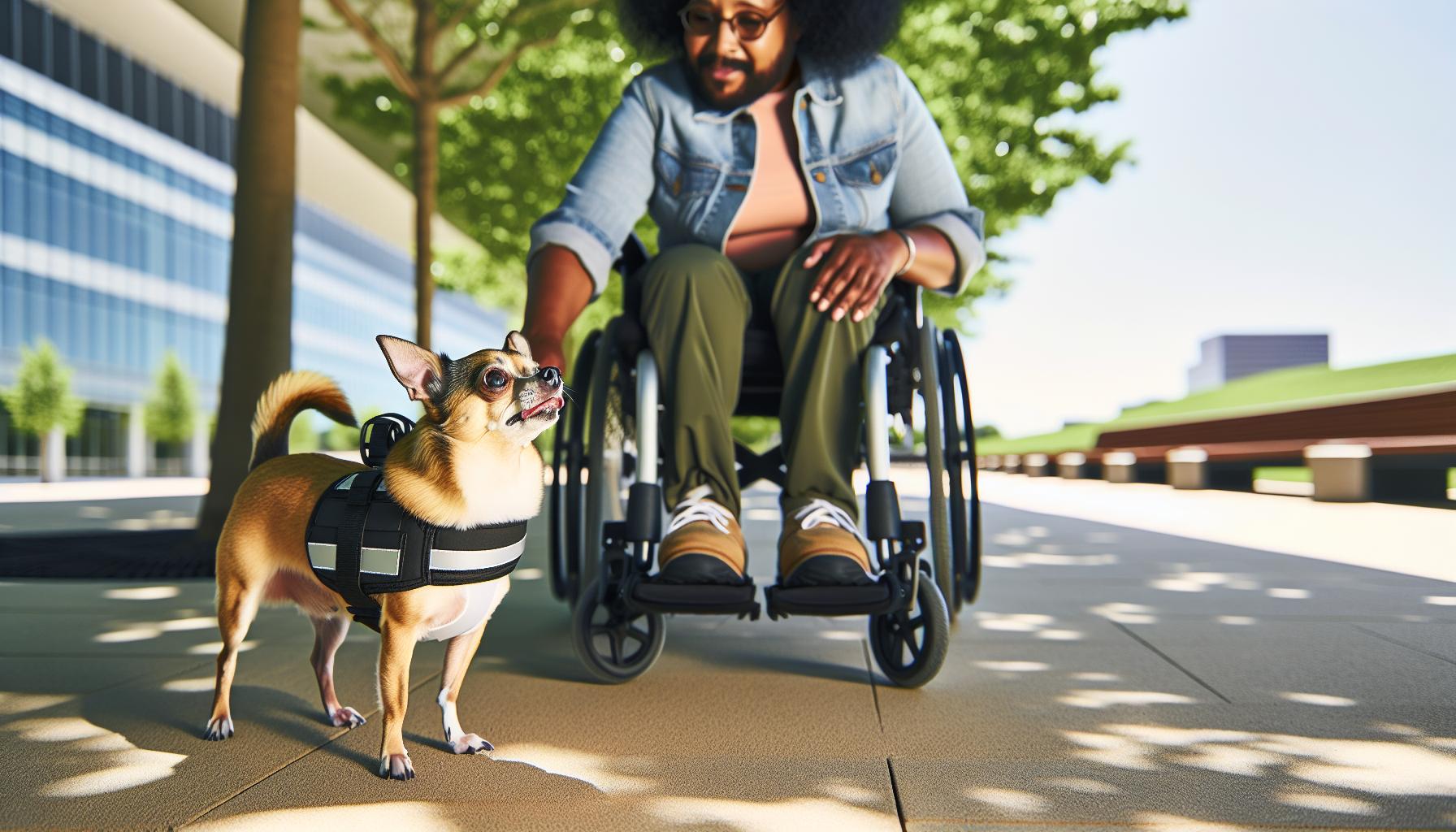
Can a Chihuahua Be a Service Dog? Understanding the Basics
While often overlooked due to their small size, Chihuahuas are making strides as service dogs, defying the stereotype that only larger breeds can perform such roles. Their loyalty, intelligence, and close bond with their owners make them capable candidates for specific types of service work. It’s not just about the physical size of a dog; it’s about the unique personality traits that a Chihuahua brings to the table. For many, the thought of a tiny dog as a service animal elicits doubt, but with the right training and a clear understanding of their capabilities, Chihuahuas can indeed take on valuable service roles.
Chihuahuas are known for their boldness and vocal nature, which can actually work to their advantage in certain service positions. For example, they can alert their owners to sounds or intruders, acting as an early warning system. Additionally, their close companionship offers emotional support, making them effective as therapy dogs even if they are not classified as traditional service dogs under the law. The key to their success lies in recognizing their strengths and providing the appropriate training to channel their energy and intelligence effectively.
Understanding what makes your Chihuahua tick-like their social quirks, tendencies toward anxiety, and essential needs-is crucial. These little dogs thrive on their owner’s attention and positive reinforcement. If you’re considering training your Chihuahua for service work, it’s essential to start with socialization and basic obedience. Chihuahuas need to feel secure in various situations, which can be enhanced through gradual exposure to different environments, sounds, and people. With patience and consistency, many Chihuahuas can rise to the occasion, proving that great things come in small packages.
Legal Requirements for Service Dogs: What You Need to Know
Understanding the legal landscape surrounding service dogs is crucial, especially if you’re considering whether your Chihuahua can take on these responsibilities. Contrary to popular belief, the law does not specify that only large breeds can serve as service dogs. In fact, under the Americans with Disabilities Act (ADA), a service dog is defined as a dog that is individually trained to do work or perform tasks for a person with a disability. This opens the door for smaller breeds, like Chihuahuas, to be recognized in certain roles.
To qualify as a service dog under the ADA, your Chihuahua must meet specific criteria. Firstly, he must be trained to perform specific tasks that aid you in managing a disability, such as alerting to sound or providing comfort during anxiety. It’s important to note that while the ADA permits service dogs to accompany you in most public places, they must be under control, leash-bound, and well-behaved. Establishing good behavior and removing any potential distractions is especially important for Chihuahuas, known for their feistiness and vocal tendencies.
Additionally, businesses are allowed to ask two specific questions about your Chihuahua in public settings: Is your dog a service animal required because of a disability? What work or task has your dog been trained to perform? They cannot ask about the nature of your disability or request documentation showing that your dog is a service animal. This legal framework means that proper training and behavior form the cornerstone of your Chihuahua’s ability to act as an effective service dog.
For those considering a Chihuahua for this role, it is wise to understand that while they can be trained for appropriate tasks, the physical limitations they might have compared to larger breeds could impact their service capabilities. Owners should also familiarize themselves with local laws as they can vary, particularly in regard to emotional support animals, which are distinct from service dogs and may have different legal standing and access rights.
Chihuahua Traits That May Suit Service Roles
Chihuahuas, though petite, are bursting with personality and often possess traits that can make them surprisingly suitable candidates for service roles. Their loyal and affectionate nature means they develop strong bonds with their owners, which is crucial for service work. When a Chihuahua is genuinely connected to their person, they may be more motivated to perform their tasks, be it providing emotional support or alerting to specific situations that demand attention. This bond can be particularly advantageous for individuals with anxiety or PTSD, where comforting presence is essential.
Another standout characteristic of Chihuahuas is their boldness. Despite their small size, they have a courageous spirit that often makes them unafraid to bark and alert their owners to potential dangers or unusual sounds. For example, an owner shared how their Chihuahua would loudly announce visitors, ensuring they were always aware of their surroundings. This trait can translate into effective service duties like alerting to intruders or notifying someone about a medical emergency. Their keen senses, particularly their hearing, also support tasks such as alerting to noises that may go unnoticed by their human companions.
Chihuahuas are highly trainable, particularly when the training is consistent and positive. Their intelligence allows them to learn a variety of commands and tasks. Many owners have successfully trained their Chihuahuas to assist with reminders for medication or alert them to specific sounds, which can significantly enhance daily living for someone with a disability. Incorporating structured training sessions with praise and rewards can help channel their energy and intelligence into productive service tasks.
While they come with their own set of quirks, such as being vocal and somewhat stubborn, these traits can be managed with proper training and socialization. Owners should focus on building a strong foundation of obedience and social behavior, which is essential for any service dog. By understanding and embracing the unique personality traits of Chihuahuas, owners can truly unlock their potential to serve effectively, offering companionship, support, and crucial assistance to those in need.
Common Service Tasks Chihuahuas Can Perform
Chihuahuas, despite their small size, can take on a variety of service roles that leverage their unique characteristics and strengths. Their boldness and intelligence make them capable companions for those who require assistance. For instance, Chihuahuas can perform essential tasks such as alerting to sounds or changes in their owner’s environment. Their acute hearing allows them to detect things that might go unnoticed, such as a doorbell, smoke alarm, or even a medical alert. This trait is particularly useful for individuals with hearing impairments, where a Chihuahua can be trained to notify them of specific sounds.
Another remarkable capability of Chihuahuas is their knack for providing emotional support. Their affectionate demeanor and strong bond with their owners position them perfectly to offer comfort to individuals experiencing anxiety, stress, or panic attacks. Owners often share heartwarming stories of how their Chihuahuas snuggle closer during challenging moments, providing warmth and companionship that alleviates emotional distress.
Common Tasks Performed by Chihuahuas
- Sound Alerting: Chihuahuas can alert their owners to important sounds such as alarms or even calls for help, which can be crucial for those with certain disabilities.
- Emotional Support: Their loving nature makes them excellent companions for individuals with anxiety, providing comfort through their loyal presence.
- Medical Alert: Some Chihuahuas have been trained to recognize specific health episodes in their owners, such as a seizure or drop in blood sugar, adding another layer of safety.
- Task Assistance: They can be trained to retrieve dropped items or bring medicine, helping to enhance their owner’s daily life.
Their small stature doesn’t limit their impactful presence in service roles. With proper training and socialization, a Chihuahua can rise to the occasion, showcasing their inherent abilities. As dedicated owners continue to harness and cultivate these traits, Chihuahuas prove that size does not define capability.
Training Your Chihuahua for Service Work: A Step-by-Step Guide
Training a Chihuahua for service work can be a rewarding journey, transforming your little companion into a capable assistant. These tiny titans are often overlooked due to their size, but their intelligence, loyalty, and eagerness to please make them excellent candidates for various service roles. Whether it’s alerting to sounds or providing emotional support, a well-trained Chihuahua can significantly enhance the quality of life for their owners.
Start the training process early, ideally when your Chihuahua is still a puppy. Socialization is crucial at this stage; exposing her to different environments, sounds, and people will build her confidence. Basic obedience training should follow, focusing on commands such as “sit,” “stay,” and “come.” This foundation is essential, as service dogs need to respond reliably to commands in various situations. Remember, positive reinforcement works wonders-using treats and praise will encourage her willingness to learn.
As you progress, introduce specific tasks related to her potential service roles. For sound alerting, you might begin by pairing a specific noise, like a doorbell or an alarm, with a cue such as “alert.” When she responds, reward her with treats and affection. For emotional support tasks, practice being calm and controlled during stressful situations, allowing her to learn how to comfort you effectively. Daily practice and patience are key; Chihuahuas thrive on routine and will appreciate the structure this provides.
Finally, consider gradual exposure to public spaces and environments where she’ll likely work. This training helps her learn to focus on her tasks and ignore potential distractions around her. Always keep training sessions short and positive to sustain her enthusiasm. With dedication and love, your Chihuahua can emerge as a wonderful service dog, proving that even the smallest dogs can make a big impact.
Socialization Needs for Chihuahuas in Service Roles
Socializing your Chihuahua is a vital part of preparing them for a service role. These little companions, with their big personalities, often thrive on interaction and stimulation. Did you know that Chihuahuas, despite their tiny size, can be incredibly bold and vocal? Proper socialization from a young age helps them adapt their fearless nature to a variety of situations they might encounter as service dogs. This process fosters confidence and ensures that they can handle the diverse experiences they’ll face in public, from bustling shopping centers to crowded events.
Begin socialization as early as possible, ideally during the critical puppy stage. Exposing your Chihuahua to various environments is key. Take her on short trips to parks, pet-friendly businesses, and community events. This exposure helps her familiarize herself with different noises, sights, and unfamiliar people. Engage her with other dogs in a safe, controlled manner to help her learn appropriate social cues. Small training classes can also be valuable; they not only teach basic commands but provide an opportunity for your Chihuahua to interact with other dogs in a structured setting.
As part of her socialization, introduce your Chihuahua to a range of situations she may encounter as a service dog, like elevators or public transport. Use treats to create positive associations-if she remains calm in a busy environment, reward her with her favorite snack or praise. Incorporating these experiences gradually helps diminish anxiety and builds her resilience. Remember, short, positive experiences are more effective than long, stressful outings, as Chihuahuas can become overwhelmed if the situations are too intense.
Lastly, understanding your Chihuahua’s unique temperament is crucial. Some Chihuahuas may be more timid, while others are naturally outgoing. Tailor your socialization approach to her personality-if she tends to be shy, start with quieter environments and gradually increase the exposure level as she gains confidence. Keeping sessions fun and lighthearted not only maintains her enthusiasm but also strengthens your bond. With dedicated socialization, your Chihuahua can flourish in her service role, showing the world just how impactful even the smallest dogs can be in supporting their owners.
Health Considerations for Chihuahuas Working as Service Dogs
When considering a Chihuahua as a service dog, understanding their health needs is crucial for ensuring both effectiveness in their role and the well-being of your tiny companion. Chihuahuas, though small, have unique health considerations that can impact their performance and longevity. For instance, their larger-than-life personalities are often matched by a range of health issues characteristic of the breed, including patellar luxation, dental problems, and heart disease. Being aware of these risks allows you to proactively manage their health to keep them fit for duty.
Regular veterinary check-ups are essential. These visits can help catch genetic issues early, particularly those common in Chihuahuas, such as heart murmurs or eye problems like patellar luxation. Routine dental care is equally important, as Chihuahuas are prone to periodontal disease. Since effective communication is key for service tasks, ensuring your Chihuahua’s mouth is healthy is vital. It’s advised to brush their teeth regularly and provide dental chews that are safe for their small size.
Another health aspect to monitor is their weight. Chihuahuas can easily become overweight, which puts extra strain on their joints and heart, especially given their small stature. Maintaining a balanced diet and regular exercise will help keep your Chihuahua in optimal shape. Remember, their exercise needs might include fun activities tailored to their enjoyment, such as short walks or playtime, rather than strenuous outings, which could overwhelm them.
Lastly, hydration and food are paramount. Small dogs require a diet formulated for their size to ensure they receive the right nutrients without excess calories. Also, always keep fresh water available, as dehydration can quickly affect their energy levels and service performance. Observing your Chihuahua’s energy and behavior will also reveal a lot-if they seem sluggish or off, a vet visit is warranted to rule out any underlying issues. With careful attention to these health considerations, your Chihuahua can be a capable and thriving service companion.
Challenges of Using a Chihuahua as a Service Dog
While Chihuahuas are undeniably charming and capable companions, utilizing them as service dogs presents unique challenges. Their small size, while endearing, can limit their effectiveness in specific service roles that typically require more robust breeds. For instance, tasks such as mobility assistance or significant weight-bearing support can be beyond what a Chihuahua can physically manage. Their petite stature can also make them more vulnerable to injury, especially in bustling environments that larger service dogs navigate more easily.
Behavioral Considerations
Chihuahuas are known for their feisty personalities, often displaying a boldness that can both work in their favor and against it. They may become overly protective or reactive, especially in unfamiliar settings. This can create complications when socializing with the public or other animals. Training a Chihuahua to remain calm and focused in various environments is essential, a task that might prove challenging as their natural instincts kick in. For example, a Chihuahua may bark at strangers or attempt to assert dominance, behaviors that wouldn’t be acceptable in a typical service setting.
Health Challenges
The health profile of Chihuahuas can further complicate their roles as service dogs. They are prone to specific health issues, including dental problems and luxating patellas. These conditions not only affect their capacity to perform tasks effectively but also require vigilant management by their owners. Owners need to stay on top of regular veterinary care, but this can sometimes conflict with a service dog’s demanding schedule. For instance, if a Chihuahua is experiencing dental pain, its ability to respond to commands may decline, impacting its reliability as a service animal.
Public Perception and Acceptance
Additionally, public perception plays a significant role in the . Many people may not perceive smaller breeds as legitimate service animals, leading to skepticism about their abilities. This can escalate into situations where Chihuahua handlers face unnecessary scrutiny or questioning while attempting to utilize their service dog’s skills in public spaces.
In balancing these challenges, it’s crucial to be realistic about what your Chihuahua can achieve. While they can offer companionship and support in emotional therapy contexts, their effectiveness in traditional service roles may require thoughtful consideration and adjustments, such as selecting specific tasks that align with their natural abilities and characteristics. Every Chihuahua has a unique personality and skill set; embracing this while acknowledging the challenges can pave the way for a successful partnership.
Real Stories: Chihuahuas Making a Difference as Service Dogs
Chihuahuas may be pint-sized, but they have the heart and courage to make a significant impact as service dogs. Some amazing stories illustrate how these little companions serve in meaningful ways that defy their small stature. Consider the case of Bella, a feisty apple-head Chihuahua who helps her owner, Lisa, manage anxiety. With a quick bark and a nudge with her nose, Bella reminds Lisa to take deep breaths during stressful moments, providing comfort when it’s needed most. This kind of deep emotional support is a testament to the unique bond formed between Chihuahuas and their handlers, showcasing how their loyalty can shine through in pivotal situations.
Another inspiring example is Max, a long-haired Chihuahua who has been trained to alert his owner, John, when he senses an oncoming migraine. John recounts how Max’s uncanny ability to detect changes in his behavior allows him to take preventative medication, reducing the severity of his symptoms. Max’s role goes beyond companionship; he actively contributes to John’s well-being, proving that size doesn’t dictate capability. These stories illustrate that with the right training, Chihuahuas can be remarkable companions for those in need of a service dog.
For those considering a Chihuahua as a service dog, remember that successful partnerships stem from understanding each dog’s individual traits. Training is essential to harness their natural instincts effectively. Chihuahuas are known for their vocalizations, so it’s crucial to work on commands that promote calmness in public settings. Engaging a professional trainer who understands the breed’s quirks is a beneficial step towards achieving this goal.
In a world where larger breeds often dominate the service dog scene, Chihuahuas remind us that every breed has the potential to change lives. Their unique personalities, combined with a dedicated owner’s commitment, create a dynamic duo capable of uniting strength and sensitivity in service roles. Whether through emotional support or specific task assistance, these small yet mighty dogs highlight the profound ways they can enhance our lives and those of their handlers.
Finding the Right Trainer for Your Chihuahua
Finding a trainer who truly understands Chihuahuas can significantly impact your journey with your new service dog. These pint-sized companions have unique personalities and quirks, requiring specialized training methods that are gentle yet effective. Start by seeking trainers who have experience specifically with small breeds or have a background in service dog training that embraces the Chihuahua’s strengths. Look for trainers who utilize positive reinforcement techniques-this approach works wonderfully with Chihuahuas, who respond best to encouragement rather than harsh corrections.
When evaluating potential trainers, ask about their methods and philosophies regarding training Chihuahuas. A good trainer should emphasize the importance of building a strong bond with your dog, understanding their vocal tendencies, and managing their sometimes bold behavior in social situations. For instance, if your Chihuahua barks at strangers, a seasoned trainer can teach you how to redirect this behavior to help your dog remain calm and focused in public spaces. Additionally, trainers who incorporate socialization into their programs can help your Chihuahua adapt well to various environments, making them more effective as service companions.
Consider reaching out to local dog training clubs or online Chihuahua communities for recommendations. Personal experiences can guide you to trainers who have had success with other owners. It can also be beneficial to observe a training session before committing. This visit allows you to see how the trainer interacts with both dogs and owners, ensuring they promote a positive and inclusive atmosphere. Real-world examples can be especially encouraging-many owners share success stories of their Chihuahuas passing certifications or excelling in public access tests after receiving tailored guidance.
Lastly, every dog is an individual, and the right trainer will recognize and adapt to your Chihuahua’s specific needs. Regular updates and open communication with your trainer can ensure that both you and your dog are progressing comfortably. With dedication and the right support, your Chihuahua can not only become a proficient service dog but also a confident companion, showcasing the extraordinary potential that small dogs can achieve in these vital roles.
Alternatives to Service Dogs: Other Support Options
While many Chihuahua enthusiasts dream of having their furry friend serve as a service dog, it’s essential to explore other practical support options that can complement or even substitute for traditional service roles. Chihuahuas, with their boundless energy and loyal nature, can shine in various supportive roles that don’t require the advanced training of formal service dogs but still provide incredible companionship and assistance.
One alternative is emotional support animals (ESAs). Chihuahuas, known for their affectionate and playful personalities, can fulfill this role beautifully. An emotional support Chihuahua can provide comfort and companionship to owners suffering from anxiety, depression, or other emotional challenges. Unlike service dogs, ESAs do not require specialized training, although good behavior and socialization are important. Providing your Chihuahua with a safe, stimulating environment helps him thrive as a supportive companion. Regular playtime and positive interactions can bolster his ability to comfort you when needed.
Another option is therapy dogs. These are often trained to provide comfort to multiple people, such as in hospitals, schools, or nursing homes. While some Chihuahuas may be too timid for such high-energy environments, others can flourish with the right socialization and training. For example, a lively Chihuahua can bring joy to residents in a nursing home, encouraging social interaction and bringing smiles to faces. Therapy dog certification is accessible, and training typically focuses on basic commands and social skills, making it a suitable option for many Chihuahua owners.
Additionally, consider personal assistance tools that can enhance the everyday life of both you and your Chihuahua. Products like orthopedic beds can help your tiny pal with joint health, especially as they age. Furthermore, wearable technology, such as trackers and health monitors, can provide insights into your Chihuahua’s activity levels and help you manage his well-being proactively.
Ultimately, while service dogs are invaluable for many, exploring alternatives like emotional support and therapy can be fulfilling and practical paths. Remember, your Chihuahua thrives on your companionship and connection, so finding ways for him to contribute to your life positively will always shine through, whether in formal service tasks or as the emotional anchor you need.
Enhancing Your Chihuahua’s Skills Beyond Service Tasks
Building upon your Chihuahua’s natural talents can lead to a fascinating journey of discovery for both of you. Chihuahuas are remarkably intelligent and eager to please, traits that can be harnessed in various supportive roles beyond the traditional service dog tasks. With the right approach, your little companion can excel in everyday skills that enhance your lives.
One practical way to enhance your Chihuahua’s skills is through *basic obedience training*. Teaching commands like sit, stay, and come not only establishes a foundation for communication but also strengthens your bond. Chihuahuas, especially the apple-head varieties, thrive on attention and positive reinforcement, making training sessions a delightful experience filled with treats and praise. Consider using a clicker or consistent verbal cues; these tools work wonders in helping your Chihuahua associate commands with actions.
Engaging Activities for Skill Enhancement
Look for engaging activities that stimulate both mind and body. Chihuahuas love to learn tricks, and engaging in fun activities can help channel their energy positively. Here are some enriching ideas:
- Obstacle Courses: Set up a mini agility course in your backyard. Use simple items like cones or tunnels to challenge your Chihuahua and improve his agility.
- Hide and Seek: This game not only reinforces commands but also satisfies their playful nature. Hide somewhere in your home and call your Chihuahua to find you.
- Interactive Toys: Toys that dispense treats or require problem-solving can keep your Chihuahua mentally engaged while enhancing his skills in a fun way.
It’s also beneficial to focus on *socialization*, particularly if your Chihuahua has the potential to assist with emotional or therapy tasks. Arrange playdates or visits to pet-friendly locales to expose him to different environments and people. This will enhance his confidence and versatility, making him more adept at navigating various situations.
Tailoring Skills to Needs
Consider tailoring specific skills to align with your needs. For instance, if you find emotional support from your Chihuahua helpful during stressful times, training him to identify and respond to your cues-like nuzzling when you seem anxious-can strengthen that support system. Each Chihuahua has unique traits, so observe your pet‘s preferences and adjust your training approach accordingly.
Real-life examples of owners successfully enhancing their Chihuahuas’ skills abound. Many share stories of their tiny companions learning to fetch items or perform tricks that provide comfort and joy to their families. By nurturing your Chihuahua’s abilities and encouraging his quirks, you celebrate what makes him special while empowering him to contribute positively to your life.
Frequently asked questions
Q: Can a Chihuahua be trained as a service dog?
A: Yes, Chihuahuas can be trained as service dogs, especially for specific tasks like alerting to anxiety or guiding individuals with low vision. However, training requires consistent effort and patience. Focus on socialization and positive reinforcement techniques to help them succeed in their service roles.
Q: What tasks can Chihuahuas perform as service dogs?
A: Chihuahuas can perform several tasks, such as alerting their owners to medical conditions, providing comfort, or even assisting with mobility. Due to their size, they excel in providing emotional support and companionship, which is essential for many individuals with disabilities.
Q: Are there breed restrictions for service dogs?
A: While there’s no official breed restriction for service dogs, some organizations may prefer larger breeds for physical tasks. However, Chihuahuas can serve effectively in emotional support roles. Check local regulations and service dog laws to ensure compliance.
Q: What should I consider before getting a Chihuahua as a service dog?
A: Consider their temperament, health, and size. Chihuahuas need socialization and training tailored to their unique personality. Ensure that your lifestyle accommodates their exercise and mental stimulation needs, which are crucial for a service dog.
Q: How do I find a trainer for my service Chihuahua?
A: Look for trainers who specialize in service dog training and have experience with small breeds. Check credentials, ask for references, and ensure they use positive reinforcement methods. Local service dog organizations can also provide valuable recommendations.
Q: What health issues should I watch for in a service Chihuahua?
A: Chihuahuas are prone to conditions like patellar luxation and dental issues. Regular vet check-ups and monitoring for any signs of discomfort are essential to keep them healthy and capable of performing service tasks.
Q: How can I help my Chihuahua improve social skills for service work?
A: Gradually expose your Chihuahua to various environments and situations. Use positive reinforcement to encourage calm behavior around strangers and other animals. This will help them become more adaptable and effective as service dogs.
Q: What are the legal requirements for a Chihuahua to be a service dog?
A: In the U.S., a service dog does not require formal certification, but it must be trained to perform specific tasks for their handler’s disability. Familiarize yourself with state laws regarding service dogs for more detailed requirements.
In Retrospect
In conclusion, Chihuahuas can indeed be exceptional service dogs if properly trained and matched to your unique needs. Their health, behavior, and caring nature make them suitable companions, even for those requiring support. Remember, each tiny pup has a powerful personality-many owners have shared heartwarming stories of their Chihuahuas helping them through tough times, showcasing loyalty and courage that far exceeds their size.
If you’re considering this journey, don’t hesitate to explore more about service dog regulations and training tips in our articles on service dog certification requirements and training your Chihuahua for service tasks. Embrace the opportunity to allow your furry friend to shine as a service dog. Share your experiences or questions in the comments below, and let’s continue this engaging conversation! Remember, your Chihuahua’s potential is waiting.
Get our latest guides, news, and insights highlighted in your Google Search & AI Overviews.