
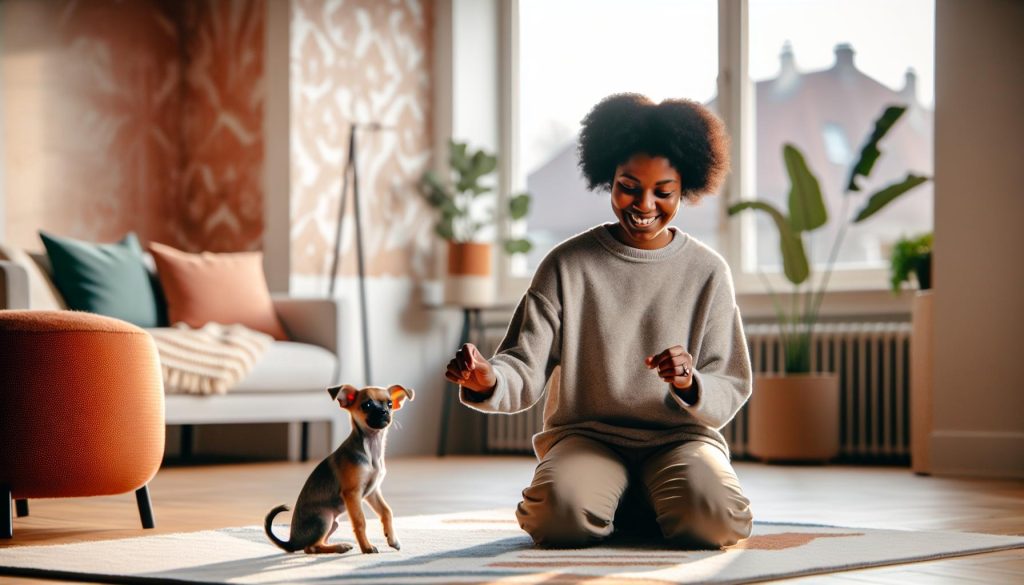
When it comes to training your beloved Chihuahua, teaching him to sit is a fundamental skill that can strengthen your bond and make daily life easier. Did you know that Chihuahuas, although tiny and sometimes a bit stubborn, possess incredible intelligence? This means that with the right approach, training can be fun and effective. Whether you’re a seasoned owner or a first-time parent, being able to get your Chihuahua to sit on command can help curb unwanted behaviors and provide a foundation for more advanced tricks.
Chihuahuas thrive on positive reinforcement, and understanding their unique personalities will make your training sessions more successful. This breed is known for its loyalty and boldness, often exhibiting a playful spirit even in a small package. In the following guide, we’ll explore step-by-step methods tailored specifically for Chihuahuas, ensuring you can confidently teach your furry friend this essential command. Get ready to embark on this exciting journey of training-your Chihuahua will love the engagement, and you’ll both enjoy the benefits of clear communication!
Understanding Chihuahua Behavior for Effective Training
Understanding your Chihuahua’s behavior is essential for effective training, especially when teaching commands like ‘sit’. Chihuahuas are known for their vibrant personalities-bold, confident, and sometimes a bit stubborn. This breed often assumes a big dog attitude in a tiny body, making them both delightful and challenging to train. Their loyalty and attachment to their owners can drive training success, but it’s crucial to understand how their unique behaviors can impact the learning process.
Chihuahuas are extremely observant and sensitive to their environment. They pick up on your emotions and reactions, which can significantly influence their response to training. For example, if you’re feeling anxious or frustrated, your Chihuahua may sense that energy and become hesitant or distracted. Practice patience and maintain a calm demeanor while training-this helps build a trusting relationship. Additionally, remember that their small stature doesn’t diminish their need for structure; establishing clear boundaries will help them feel secure.
Small bursts of training sessions work best for this breed. Chihuahuas can lose interest quickly, so keeping sessions short-around 5 to 10 minutes-ensures they stay engaged. Use fun, interactive methods, and don’t hesitate to incorporate their natural curiousness. Offering a variety of rewards, such as treats, praise, or playtime, can keep them motivated. For instance, if your Chihuahua enjoys a specific toy, use it as a reward when he performs the ‘sit’ correctly.
Recognizing and celebrating the quirks that make Chihuahuas unique is vital. For example, some may bark excitedly when they are eager to learn, while others might prance around confidently. Embrace these traits during training. Rewarding and acknowledging these behaviors-not just the successful completion of commands-will help build confidence and encourage willing participation in future training sessions. Through understanding and appreciating their unique personalities, you can create a positive environment that fosters not only learning but also strengthens the bond you share.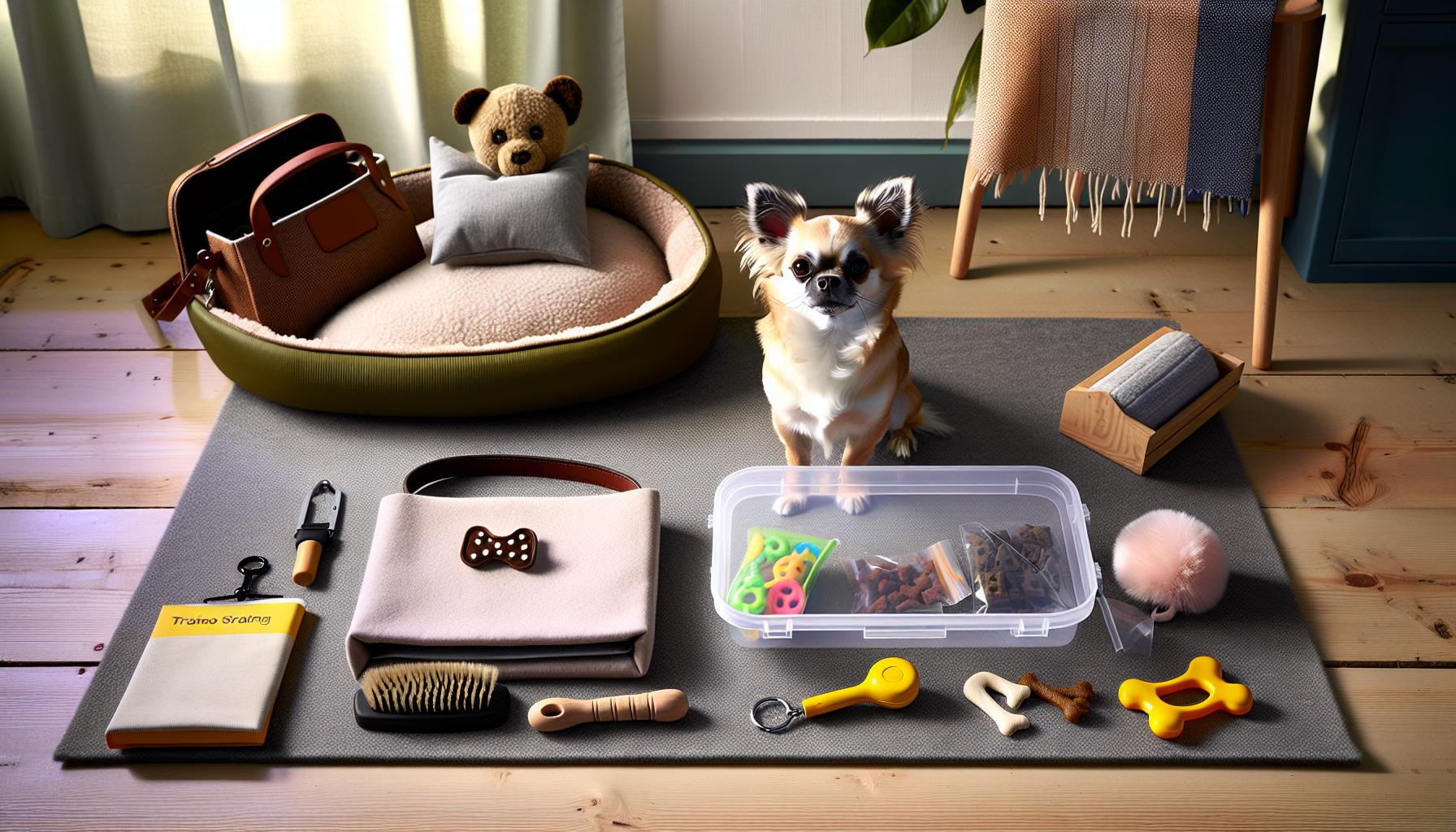
Essential Supplies for Teaching Your Chihuahua
To effectively teach your Chihuahua to sit, having the right supplies is essential. Just like any little superstar, your pint-sized companion needs the best tools to shine in training sessions! Investing in a few key items not only enhances the training experience but also helps you connect with your Chihuahua on a deeper level.
First and foremost, high-value treats are a must. Chihuahuas can be notoriously picky, so select small, tasty morsels that excite them-think soft training treats or small chunks of chicken. The idea is to find something irresistible that keeps her engaged. For example, one owner found that her apple-headed Chihuahua went wild for tiny bits of cheese, making it an excellent reward during training.
Next, consider a comfortable and adjustable harness or collar. Given their small size, some Chihuahuas can easily slip out of standard collars, leading to a potential safety hazard. A well-fitted harness can provide better control and comfort, allowing you to focus on training without the worry of your Chihuahua escaping. Always opt for something lightweight, especially if your Chihuahua has long fur or delicate skin.
You should also include a clicker in your training toolkit. This simple device makes a distinct sound that helps mark the exact moment your Chihuahua performs the desired action, which in this case is sitting. Pairing the clicker with a treat reinforces the behavior effectively. This technique not only clarifies what she did right but also adds an element of fun to the training process.
Finally, prepare a cozy space for training sessions. Whether it’s a specific spot on your living room floor or a quiet corner in the backyard, having a consistent environment helps your Chihuahua feel secure and focused. With minimal distractions around, your training sessions can be much more productive.
By gathering these essential supplies-tasty treats, a good harness, a clicker, and a dedicated training space-you’ll set the stage for successful learning and foster a joyful bond that celebrates your Chihuahua’s unique personality. Remember, each little victory counts, and with the right tools, your Chihuahua will be sitting pretty in no time!
Step-by-Step Guide to Teaching ‘Sit
To teach your Chihuahua to sit, start by creating an inviting atmosphere that will help reduce distractions. This tiny breed loves your attention and company, making them eager to learn. Begin with a high-value treat in your hand-consider something irresistible like tiny bits of cheese or chicken. Let your Chihuahua see the treat, which will grab their attention and set the stage for success.
Next, position the treat close to your Chihuahua’s nose and slowly move it upwards over their head. As they follow the treat with their eyes, their natural instinct will be to lower their bottom to the ground. The moment their bottom touches the floor, immediately click your clicker and reward them with the treat. This marks a clear association between the action of sitting and receiving a treat. Repeat this several times in short, engaging sessions to keep them interested.
It’s essential to remain patient and positive throughout this process. Chihuahuas can have strong personalities and may be stubborn at times. If your furry friend doesn’t immediately get it, don’t worry. Consistency is key! Incorporate short training sessions throughout your day. For example, try a few minutes in the morning when they’re energetic or in the evening after their walk. As they begin to understand the command, you can gradually phase out the treat, but keep the clicker to reinforce good behavior.
Finally, once your Chihuahua is confidently sitting on command, add the verbal command “Sit” as you perform the same movement with the treat. This will help them learn to associate the verbal cue with the action. Celebrate every small win-your Chihuahua will thrive on your praise and affection. Always remember, training should be fun for both of you, so approach each session with a joyful spirit!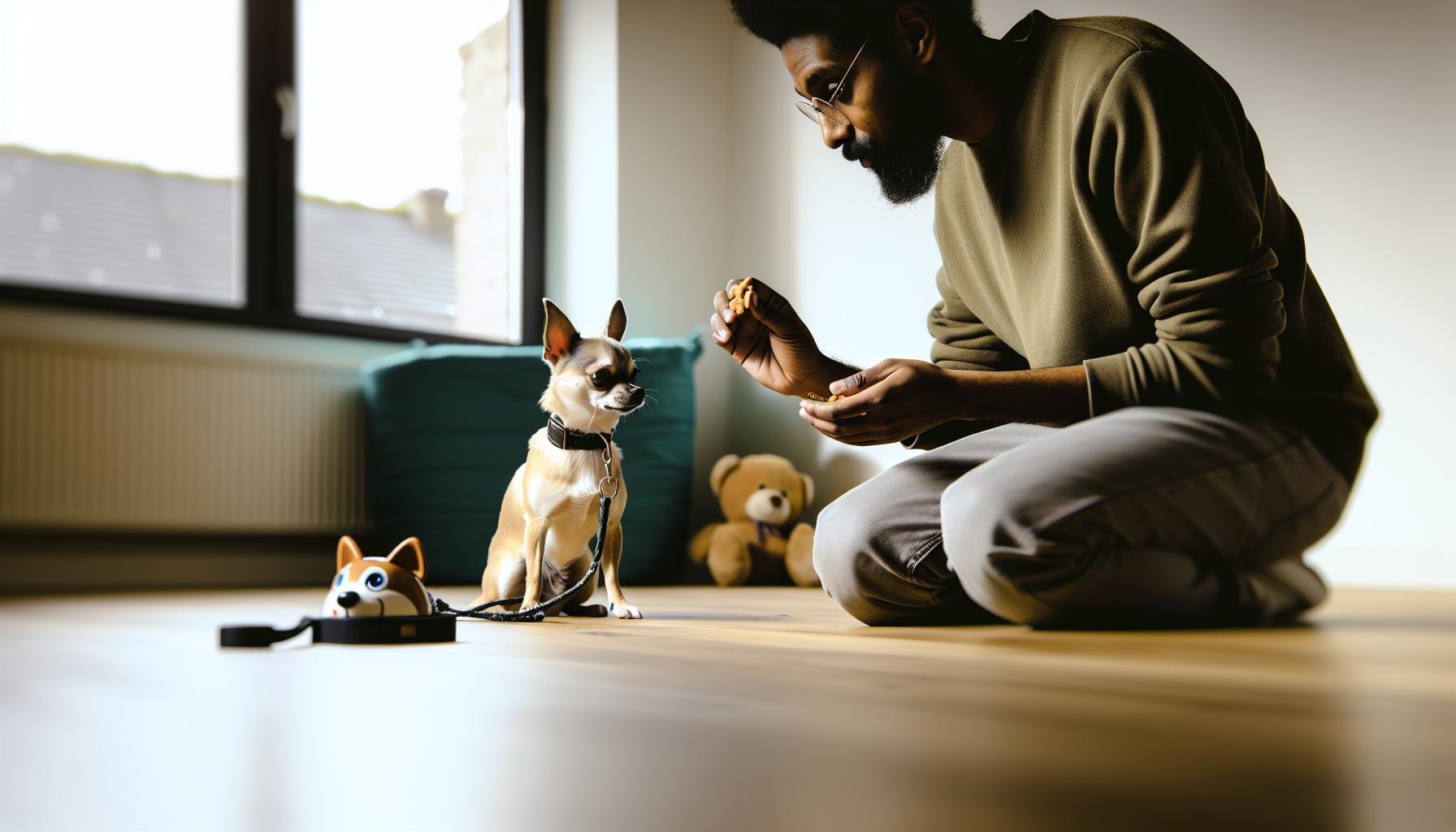
Common Challenges in Training Chihuahuas
Chihuahuas are known for their big personalities, but that can sometimes translate into unique challenges during training. These little dogs have a reputation for being stubborn, and their independent streak can test even the most patient owners. One common hurdle arises when a Chihuahua simply refuses to sit. Instead of obeying the command, they might dance around excitedly or even ignore the cue altogether. Remember, this behavior is not defiance; it’s part of their quirky charm. Make sure to keep the training sessions short and engaging, as they can lose interest quickly.
Another challenge is their tendency to get distracted easily. While working on the “sit” command, a simple sound or movement can divert their attention instantly. To counteract this, create a quiet, distraction-free environment for training. Start in a familiar room or a quiet space outdoors where they feel comfortable. It’s also beneficial to train when your Chihuahua is slightly hungry; a little craving can help keep them focused on the treat rather than the world around them. Use high-value rewards, such as small pieces of chicken or cheese, to pique their interest.
With Chihuahuas, consistency is key. These pups thrive on routine, so establish a regular training schedule. Incorporate commands into daily activities to reinforce learning. For instance, ask your Chihuahua to sit before getting their food or going outside. This repetition not only strengthens their understanding of the command but also integrates training into their everyday life.
Lastly, don’t forget that each Chihuahua is unique. Some may respond quickly to commands, while others might take their time to catch on. Be prepared for some learning curves and celebrate small victories along the way. If your Chihuahua sits for even a moment, give praise and a treat. Positive reinforcement will bolster their confidence and encourage them to repeat the behavior. Your patience and understanding of their individual personality will pay off, leading to a solid bond built on trust and cooperation.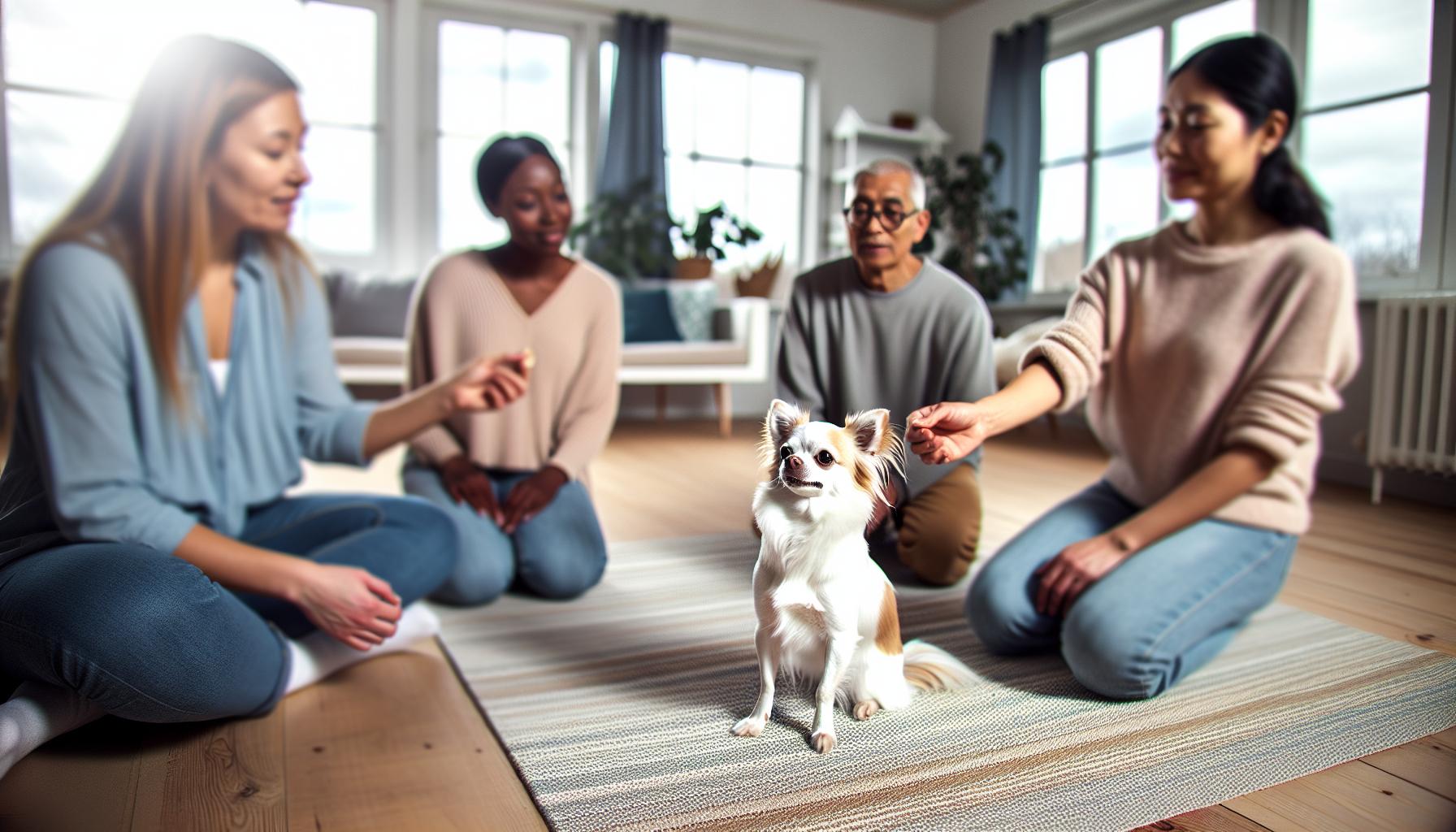
Positive Reinforcement Techniques for Chihuahuas
Every Chihuahua owner knows that these pint-sized pups are filled with personality. Working with your Chihuahua can be a delightful adventure, especially when it comes to training. Utilizing positive reinforcement is one of the most effective methods to guide your furry friend in mastering commands like “sit.” This technique not only motivates your Chihuahua but also nurtures a bond of trust and affection between you both.
Positive reinforcement involves rewarding your Chihuahua for demonstrating the desired behavior. This could be anything from a verbal praise like “Good job!” to tasty treats. Chihuahuas are particularly food-driven, so finding a rewarding treat can make all the difference. Think petite; small pieces of high-value treats such as cooked chicken, turkey, or even commercial training treats work great. The key is to select rewards that truly excite your Chihuahua, motivating them to participate actively in their training sessions.
Timing is Everything
Timing your rewards is crucial. When teaching “sit,” as soon as your Chihuahua lowers her bottom to the ground, say the command “sit” and quickly follow up with enthusiasm and a treat. This immediate positive reinforcement helps her make the connection between the action and the reward. As she becomes more accustomed to the command, you can gradually extend the time before offering the treat, but always ensure she receives praise consistently for her efforts.
Keep in mind that Chihuahuas thrive on consistency and repetition. Incorporate the sit command into your daily routine-ask her to sit before feeding her or during playtime. This not only reinforces the command but also embeds it into her everyday life, making it second nature. Over time, you may reduce the frequency of treats but continue to offer verbal affirmations to maintain her motivation.
Celebrate Progress
Recognize that training, especially for Chihuahuas, is a journey filled with small victories. Every time she sits-even if it’s for just a brief moment-celebrate that progress! Perhaps offer a party in the form of extra cuddles or a favorite toy. This not only boosts her confidence but also encourages her to try harder, fostering a positive training environment. Remember, the goal is to build a trusting relationship where your Chihuahua is excited to learn and grow. Embrace the quirks of her personality along the way, and you’ll find that positive reinforcement is not just an effective training method, but also a rewarding way to deepen your bond with your little companion.
Using Clicker Training with Your Chihuahua
Clicker training is a fun and effective method to teach your Chihuahua commands, including “sit.” This training technique utilizes a small handheld device that makes a distinctive sound-like a “click”-to mark the exact moment your pup performs the desired action. For our little Chihuahuas, this method capitalizes on their quick learning potential and sharp minds, making training sessions exciting and engaging.
To start, introduce the clicker to your Chihuahua in a relaxed setting. Simply click the device and immediately give her a treat. This creates a positive association with the sound. Once she understands that a click means a reward, you can begin using it during training sessions. For example, when teaching “sit,” click as soon as she lowers her bottom to the ground and then reward her right after. This helps her connect the action of sitting with the click sound and the subsequent treat.
Consistency is Key
Make sure to practice regularly and keep your training sessions brief-about 5 to 10 minutes-so your Chihuahua stays focused and engaged. Chihuahuas have a bold and curious nature, but they can also be easily distracted, so keep training sessions dynamic yet controlled. Try incorporating different settings to practice “sit,” like during walks or while hanging out at home, to reinforce her understanding that this command applies in various circumstances.
Positive reinforcement through clicker training not only teaches commands effectively but also fosters a strong bond between you and your Chihuahua. Celebrate small successes and adjust your approach as needed. If your Chihuahua isn’t responding immediately, don’t worry-stubbornness is part of their charm! Patience is essential, and over time, she will proudly show off her new skills as the confident little star she is.
Adjusting Training Methods for Different Chihuahua Types
Every Chihuahua has a unique personality and temperament that can significantly influence their learning style. Understanding these differences will help you tailor your training approach, ensuring that each session is productive and enjoyable. Whether your pup is a feisty apple-head or a more reserved deer-head, adapting your methods can make all the difference.
For instance, Chihuahuas come in various sizes and coat types, and their activity levels can vary just as much. Larger, more boisterous Chihuahuas may respond well to training sessions filled with energy and excitement, while quieter ones might thrive in calmer environments. If you have an energetic Chihuahua, consider incorporating frequent play breaks into your training routine to keep her engaged and focused. On the other hand, for a laid-back companion, a quieter approach with more verbal praise and affection might yield better results.
It’s also essential to notice how your Chihuahua reacts to different training techniques. Some Chihuahuas may be more motivated by treats, while others might prefer toys or affection as a reward. For example, if your Chihuahua seems uninterested in treats while learning “sit,” try enthusiastically using her favorite squeaky toy as a reward. This not only adapts to her learning style but also keeps the training fun and infused with excitement.
Moreover, consider the individual quirks of your pup. Many Chihuahuas are known for their vocal nature, which could be both a challenge and an asset in training. Use her barking to your advantage by rewarding her quiet moments while you’re working on commands. This approach reinforces desired behaviors and discourages excessive vocalization during training.
Lastly, stay attuned to her health and well-being. If your Chihuahua has any physical limitations or health concerns, be sure to adjust your training accordingly. Shorter, more frequent sessions will help prevent fatigue while ensuring that she is still learning and growing. By acknowledging and adjusting to the unique traits of your Chihuahua, you can create a more harmonious training experience that strengthens your bond and enhances her confidence.
Timeframes: How Long to Expect Results
Every Chihuahua is a unique bundle of personality and energy, which impacts how quickly she might learn to respond to commands like “sit.” While some pups may grasp the concept in mere days, others might take a few weeks. Setting realistic expectations is crucial, as patience and consistency are your best allies in this journey.
Typically, you can expect to see initial responses within the first few sessions. Chihuahuas are intelligent and eager to please, so with the right motivation-whether it’s treats, toys, or praise-most can understand the “sit” command after about 5 to 10 training sessions. Each session should last no longer than 5 to 10 minutes, keeping them engaged without overwhelming them. It’s essential to reinforce positive behavior consistently during this time, as repetition fosters learning.
However, individual differences play a significant role. An energetic apple-head Chihuahua may require more dynamic sessions and may take longer to settle into the command than a more reserved deer-head who responds well to gentle, calm reinforcement. Don’t be surprised if your pup takes a detour; this breed can be quite spirited and sometimes stubborn. If your Chihuahua isn’t catching on, it might be beneficial to adjust your approach-try a different reward method or break down the command into smaller steps.
In summary, while the timeframe for teaching “sit” can vary, maintaining a steady, enjoyable training routine is the key to success. Celebrate each little victory; these small moments boost your Chihuahua’s confidence and make the training process a joyful experience for both of you. Always remember, every dog is unique, and with a little love and patience, you’ll both achieve your training goals together.
Celebrating Small Wins: Building Confidence
Every step forward in your Chihuahua’s training deserves recognition, no matter how small it may seem. When your little furball finally plops down into a sit for the first time, that moment is a huge leap in building her confidence. Chihuahuas are sensitive and intuitive creatures, and acknowledging these tiny victories can transform their training experience from a chore into a rewarding journey. Each time you celebrate her success, you reinforce that learning is fun and that she is capable of great things.
To effectively celebrate these small wins, adopt a positive attitude during every session. For instance, if your apple-head Chihuahua takes a moment to sit but only briefly, shower her with praise like “Good girl!” or offer a favorite treat. This encourages her to associate the action with positive feedback. You might consider keeping a jar of small treats by your training spot, easily accessible to reward her immediately after she sits. Each success, whether big or small, builds her confidence and reinforces the behavior you want to see.
Additionally, it’s important to share these wins in your interactions. Show off her new skills to family or friends, or even engage with other pet owners in your community. It can be as simple as saying, “Look at how well she’s learning to sit!” This not only boosts her confidence but reminds you of the progress she’s making. If she struggles one day, remind yourself that learning is a process, and every dog, including your spirited Chihuahua, learns at her own pace.
Creating a routine that incorporates consistent celebration will help form a strong bond between you and your Chihuahua. Engage in regular mini-training sessions focused on the “sit” command, but always conclude with a fun activity, like a play session or a walk, reinforcing training as an enjoyable part of your day together. By focusing on these small victories and turning them into regular celebrations, you’ll not only enhance her learning but create a joyful and trusting relationship that both of you can cherish.
Advanced Commands and Tricks for Chihuahuas
Teaching advanced commands and tricks to your Chihuahua can be a fulfilling experience that enhances the bond between you and your furry friend. These tiny, confident dogs are not just companions; they have a sharp intelligence and a desire to please, which makes them capable learners. As you progress beyond basic commands like “sit,” you can explore a range of fun and impressive tricks that can provide mental stimulation and entertainment for both of you.
To start, consider commands that utilize your Chihuahua’s natural agility and perceptiveness. Tricks like “roll over” or “play dead” can be especially enjoyable. First, ensure she masters the “down” command. From there, to teach “roll over,” have her lie down, and with a treat in your hand, gently guide her head towards her shoulder, coaxing her to roll onto her side and then onto her back. With each successful roll, praise her enthusiastically and offer her a treat. For the “play dead” trick, use a similar approach but add a distinct cue like “bang!” to signal the action, making playtime even more interactive.
When introducing new tricks, remember that Chihuahuas are social and thrive on positive reinforcement. Consistency is key; use the same verbal commands and hand signals each time. Keep training sessions short and lively-about 5-10 minutes-so your Chihuahua remains engaged. For instance, an apple-head Chihuahua named Bella learned to spin in delightfully choreographed circles by associating the action with the command “spin” and a high-value treat. Engaging her with enthusiastic praise made each spin a victory, encouraging her to learn more.
Don’t forget to adjust your training methods based on your individual Chihuahua‘s personality. Some may prefer a little extra encouragement with a soft toy or gentle voice, while others might respond better to more direct praise and enticing treats. Variety in training is crucial, so mix up the tricks to keep their interest alive. For example, after teaching “shake hands,” immediately follow with “jump!” or “fetch!” This not only makes training fun but also challenges them mentally.
As your Chihuahuas master these advanced commands, celebrate their progress. Not only does this reinforce their learning, but it also makes each session enjoyable. You might set a fun goal, such as performing for friends or family after a few tricks are learned. Remember, every step taken in their training journey reflects on your loving dedication, transforming training from a task into a delightful partnership filled with laughter and love.
Maintaining Persistence and Patience in Training
Training your Chihuahua requires a special blend of persistence and patience, especially when teaching essential commands like “sit.” These little dogs, known for their bold personalities and fierce loyalty, can sometimes be a tad stubborn. However, understanding their unique traits will help you maintain your motivation and keep the learning process enjoyable for both of you.
To establish a solid foundation, it’s crucial to remain consistent with your cues and rewards. Chihuahuas thrive on routine, so try to perform training sessions at the same time each day. Short, positive training intervals-just 5 to 10 minutes-ensure that your eager little learner remains focused and engaged without feeling overwhelmed. For instance, if your apple-head Chihuahua is having a bit of a stubborn day, mixing up the commands or introducing a fun twist to the session can reignite her interest and motivation. You could switch to a game that incorporates “sit,” rewarding her with a favorite toy or extra playtime.
Patience is key. Remember that every dog learns at their own pace, and Chihuahuas can be particularly sensitive to frustration. When you observe that your furry friend isn’t catching on, take a step back. Perhaps he needs a little breather or a more enticing treat to encourage him. Withhold judgment and instead focus on celebrating every small milestone. Even if he only holds the sitting position for a second, make sure to shower him with praise and rewards. Positive reinforcement boosts their confidence and solidifies the desired behavior.
Finally, consider the whims and moods of your Chihuahua as essential components of your training routine. These tiny dogs are vocal and expressive; if he seems distracted or disinterested, it might be time to pause and revisit the training when he’s feeling more engaged. Outings or brief play sessions can also serve as motivational breaks. Remember, the journey is just as important as the destination, and nurturing your bond through training will lead to a more harmonious life together.
Fun Activities to Strengthen Training Bond
Building a strong bond with your Chihuahua during training can be as rewarding as the commands you teach. These tiny dogs thrive on interaction and engagement, making it essential to integrate fun activities into your training routine. Fun activities not only reinforce the lessons but also deepen the connection between you and your dynamic little friend.
One effective way to strengthen your training bond is to establish a playful atmosphere. Consider incorporating games that encourage your Chihuahua to use the “sit” command in a fun context. For example, you can create a treasure hunt where you hide treats around a safe area and call him to “sit” before he can sniff out the goodies. This keeps the sessions lively and provides a sense of accomplishment when he finds his reward. Additionally, incorporating training into a fun game of fetch, where he must sit before you throw the toy, can create a delightful and interactive learning experience.
Another engaging method is to harness the power of agility training. Setting up a simple obstacle course with items from around your home-like cushions, small boxes, or hula hoops-can turn an ordinary training session into an adventure. As your Chihuahua navigates the course, you can ask him to “sit” at designated spots, rewarding him with treats and praise. This not only enhances his physical coordination but also fosters crucial listening skills in an enjoyable and stimulating way.
Lastly, remember to weave in plenty of praise and positive interactions during these activities. Celebrate every milestone with enthusiastic cheers and affection. For instance, after successfully completing a training session or a fun game, set aside time for a cuddle session or a short walk. This reinforces the idea that training is a rewarding experience, filled with joy and love, making both of you more eager for the next session. Your affectionate approach will resonate well with your Chihuahua’s loyal heart, solidifying both the command you’re teaching and your bond together.
Frequently Asked Questions
Q: What is the best age to start training a Chihuahua to sit?
A: It’s ideal to start training your Chihuahua to sit when they are around 8 to 10 weeks old. At this age, they are more receptive to learning and forming new habits. Early training helps establish good behaviors and strengthens your bond.
Q: Can I train an older Chihuahua to sit?
A: Yes, older Chihuahuas can absolutely learn to sit! The key is patience and consistency. Use positive reinforcement techniques and be mindful that older dogs may take a little longer to learn new commands, but they can succeed.
Q: How can I handle a stubborn Chihuahua during training?
A: If your Chihuahua is stubborn, try breaking the training into shorter sessions with more frequent rewards. Use their favorite treats or toys as motivation and remain calm and positive. Avoid frustration, as it can hinder progress.
Q: What treats are best for training a Chihuahua?
A: Small, soft treats work best for training sessions, as they can be quickly and easily consumed. Look for high-value treats, such as small pieces of chicken or specialized dog training treats. Keep their size manageable to avoid overfeeding.
Q: How long should training sessions be for my Chihuahua?
A: Training sessions for Chihuahuas should last no more than 5 to 10 minutes. Keep them short and engaging to maintain your dog’s focus and interest. Frequent, brief sessions are often more effective than longer, less structured ones.
Q: Should I use a clicker when training my Chihuahua to sit?
A: Yes, using a clicker can enhance your training. It marks the exact moment your Chihuahua performs the desired behavior. Follow the click with a treat to reinforce the command, making it clear what behavior is being rewarded.
Q: How do I tell if my Chihuahua understands the ‘sit’ command?
A: Your Chihuahua understands the ‘sit’ command when they consistently respond to it without needing a treat or a cue. Look for them to instinctively sit when you say the command, indicating they have grasped the concept.
Q: What should I do if my Chihuahua is distracted during training?
A: If your Chihuahua is distracted, choose a quiet location with minimal distractions for training sessions. Gradually increase the level of distractions as they improve. Use higher-value treats to capture their attention and keep them focused.
The Way Forward
Congratulations on taking the first steps to teach your Chihuahua to sit! Remember, consistency and positive reinforcement are key when training your tiny companion. As you practice, don’t hesitate to celebrate those little victories-whether it’s a perfect sit or just a wobbly attempt. If you’re eager to expand your training journey, check out our guides on “Chihuahua Obedience Training” and “Understanding Your Chihuahua’s Unique Behavior” for more breed-specific insights.
Feeling stuck or have questions? Drop a comment below; we’re here to help! Be sure to subscribe to our newsletter for tips and exclusive content that will deepen your bond with your furry friend. Trust us, your loyal little companion will thrive under your loving guidance! Keep up the great work, and stay engaged with us as you continue to learn and grow together!
Get our latest guides, news, and insights highlighted in your Google Search & AI Overviews.