
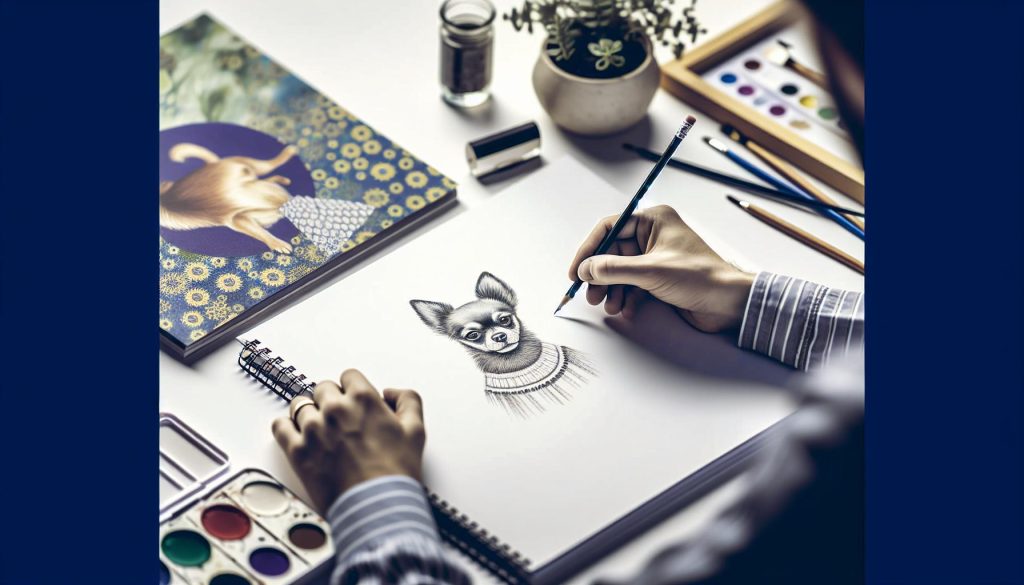
Drawing a Chihuahua can be a delightful way to celebrate the breed’s unique charm and personality. Did you know that these tiny yet bold dogs are often considered one of the most expressive breeds? By capturing their distinctive features, you not only hone your artistic skills but also connect with a beloved companion. Whether you’re a seasoned artist or just starting out, this easy step-by-step tutorial will guide you in creating an adorable representation of your favorite apple-head or deer-head Chihuahua. Embrace their quirks, from their alert ears to their playful expressions, and let’s embark on this creative journey together. Grab your sketchpad and pencils, and let’s create something wonderful that showcases the loyalty and bold spirit of these tiny canines!
How to Choose the Right Chihuahua to Draw
Choosing the ideal Chihuahua to draw can significantly enhance your artistic experience and the finished artwork. With their small stature and vibrant personality, Chihuahuas come in a variety of shapes and colors, each with unique traits that can inspire your creative process. Start by considering the different Chihuahua types: the apple-head and the deer-head. The apple-head Chihuahua, recognized for its rounded skull and expressive features, offers a quirky and endearing subject. In contrast, the deer-head variety has a more elongated face and longer legs, presenting a completely different aesthetic.
Next, think about the coat types. Chihuahuas can be smooth or long-haired, each texture resulting in different challenges and artistic opportunities. A smooth coat might showcase the play of light and shadow better, while long-haired Chihuahuas add complexity with their flowing fur, capturing movement and tenderness. You’ll also want to factor in personality traits. Whether you’re aiming to depict a fearless little guardian or a curious, playful companion, let their character shine through your artwork. Real-life examples can provide insight; perhaps an adventurous Chihuahua navigating a park or a cozy one snuggled in their owner’s lap can serve as inspiration.
When you’ve narrowed down your choices, observe real Chihuahuas, whether through videos, in-person encounters, or photos. Notice their poses, expressions, and the nuances of their behavior-these details will help you represent their personality authentically. Ultimately, selecting a Chihuahua that resonates with you personally not only makes your drawing process more enjoyable but also adds a layer of passion and authenticity to your final piece. Remember, it’s about celebrating this lovable breed, capturing each charming quirk and little detail that makes Chihuahuas so special.
Understanding Chihuahua Characteristics and Features
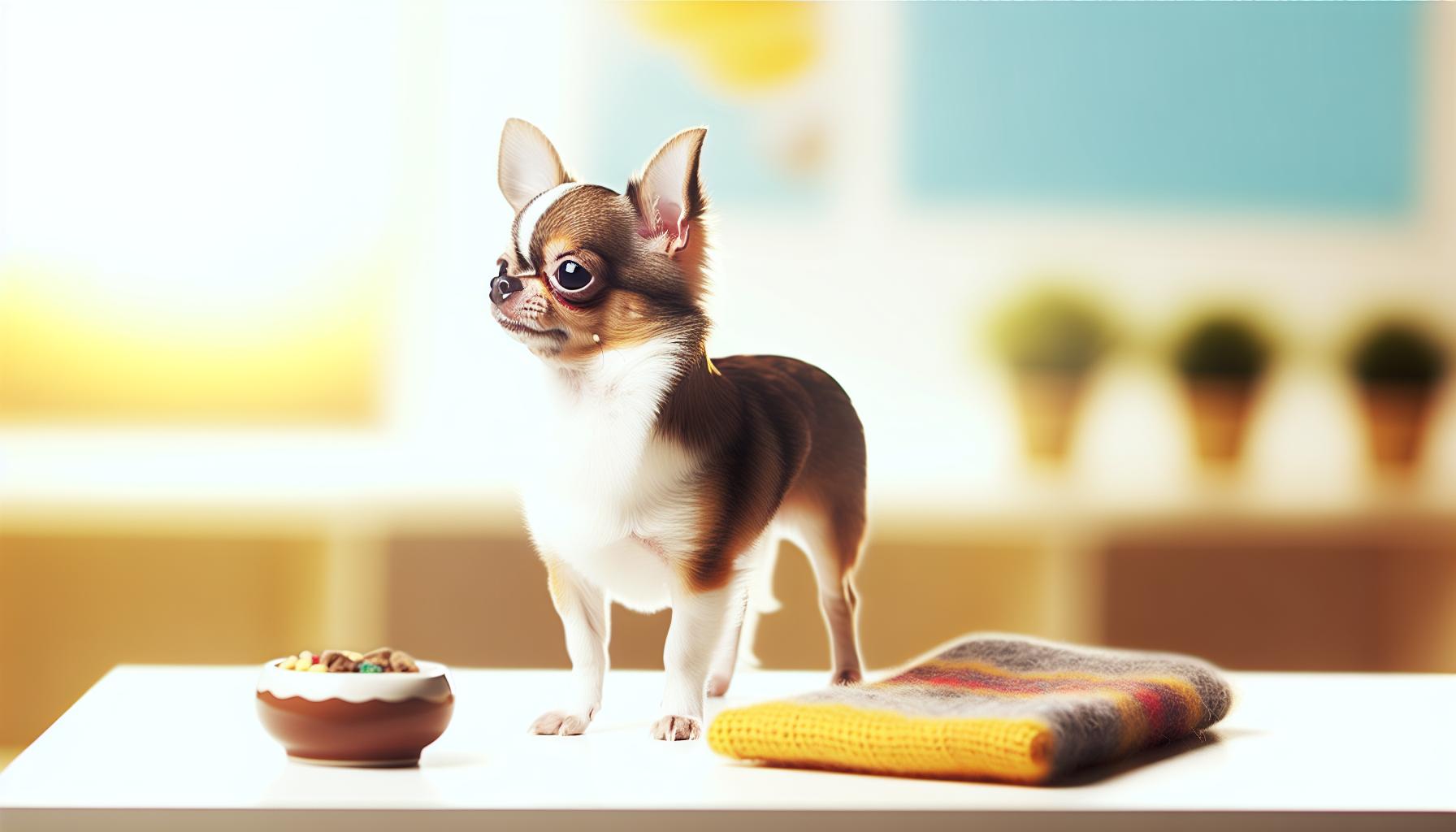
Chihuahuas are not just tiny dogs; they are a vibrant mix of personality, charm, and quirks that make them captivating subjects for any artist. Known for their expressive faces and dynamic postures, they come in two distinct types: the apple-head and the deer-head. The apple-head Chihuahua has a rounded skull and large, expressive eyes that draw you in, while the deer-head variety presents a sleeker silhouette with longer legs and a more elongated face. Each type offers unique stylistic opportunities that can influence your drawing approach.
When considering how to portray these beloved dogs, it’s essential to pay attention to their coat types. Chihuahuas may have either smooth or long-haired coats, which can significantly impact your artistic representation. A smooth coat allows for crisp lines and simpler shading, perfect for showcasing their sleek look. In contrast, long-haired Chihuahuas provide a complex texture that can be both challenging and rewarding, allowing you to explore different techniques for illustrating movement and softness in their fur.
Emphasizing their strong personalities is key when capturing the essence of Chihuahuas in your artwork. From their bold, confident stance to their curious expressions, these dogs often convey a wide range of emotions. As you observe Chihuahuas in various settings-whether they are playfully exploring their surroundings, lounging contentedly on a lap, or barking proudly-take note of the traits that make them unique. Highlighting particular expressions, like excitement or affection, helps in creating a connection between your art and the viewers, inviting them to experience the Chihuahua’s spirit.
Moreover, understanding their behavior can add depth to your drawing. Chihuahuas are known for being vocal guardians and often have big personalities despite their small size. Reflecting their loyalty and boldness in your artwork can be achieved through body language and eye detail, capturing a glimpse of the affection and tenacity that Chihuahuas embody. The more you delve into what makes Chihuahuas special, the more authentic and engaging your representation will become, celebrating these little dogs in a way that resonates with fellow fans and dog lovers alike.
Essential Drawing Tools for Capturing Chihuahuas
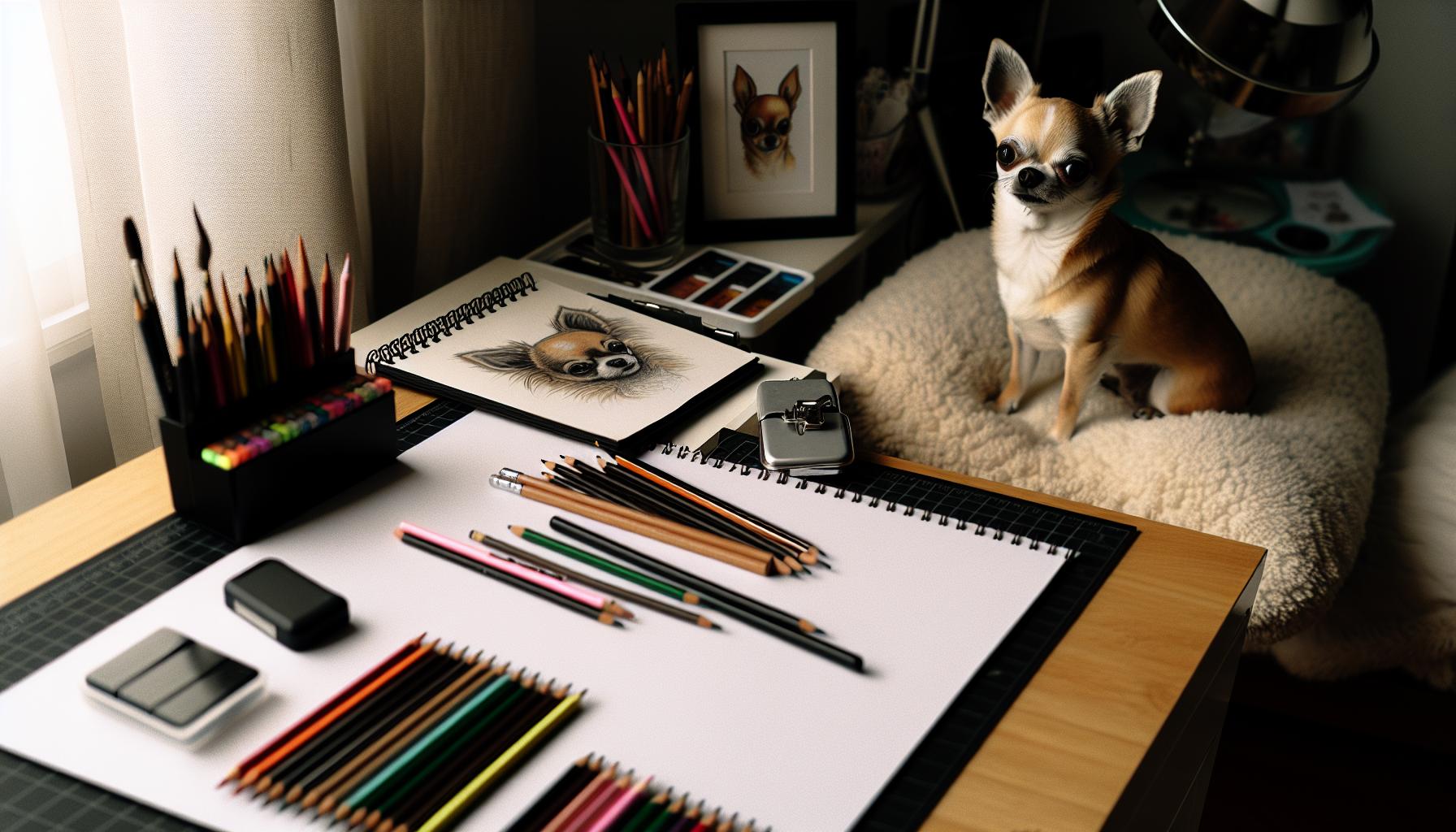
To effectively capture the charming features of Chihuahuas, having the right drawing tools at your disposal can make a significant difference in your artwork. A well-equipped artist can better express the delightful quirks and bold personalities that these little dogs possess. Here’s a breakdown of essential drawing tools that will help you create stunning representations of your favorite breed.
Pencil and Sketching Tools
A set of quality pencils ranging from hard (H) to soft (B) will allow for a variety of line thicknesses and shading techniques. You might prefer using a 2B pencil for initial sketches to provide a bolder line, then switch to an H pencil for fine details, especially around the eyes and facial expressions. Consider using mechanical pencils for precision in smaller areas, as Chihuahuas often have intricate features.
Paper Selection
Choosing the right paper is key to achieving the texture and detail you desire. A smooth paper works well for detailed pencil drawings, while a textured paper adds depth, especially when rendering fur. Opt for drawing paper with a heavier weight (around 200gsm) to accommodate various mediums without warping.
Coloring Tools
To bring your Chihuahua sketches to life, consider adding color with colored pencils or markers. Colored pencils allow for fine details and layering, especially useful in depicting the soft fur of long-haired Chihuahuas. Brands like Prismacolor are ideal due to their vibrant pigments and blendability. If you’re experimenting with markers, opt for alcohol-based ones like Copics, which can produce smooth gradients.
Blending Tools
Blending tools can enhance your shading and create a more realistic look. A tortillon or blending stump is great for softening pencil lines and creating subtle gradients. Additionally, a few cotton swabs or a soft brush can help achieve a lighter touch when blending colors. Remember to keep any blending tools clean to avoid unwanted discoloration in your work.
Utilizing these materials will not only aid in capturing the distinctive traits of Chihuahuas-like their expressive eyes and unique coat patterns-but will also elevate your drawing style overall. With the right combination of tools and techniques, you will be well on your way to creating beautiful depictions of these lively little companions. Happy drawing!
Step 1: Sketching the Chihuahua’s Basic Shape
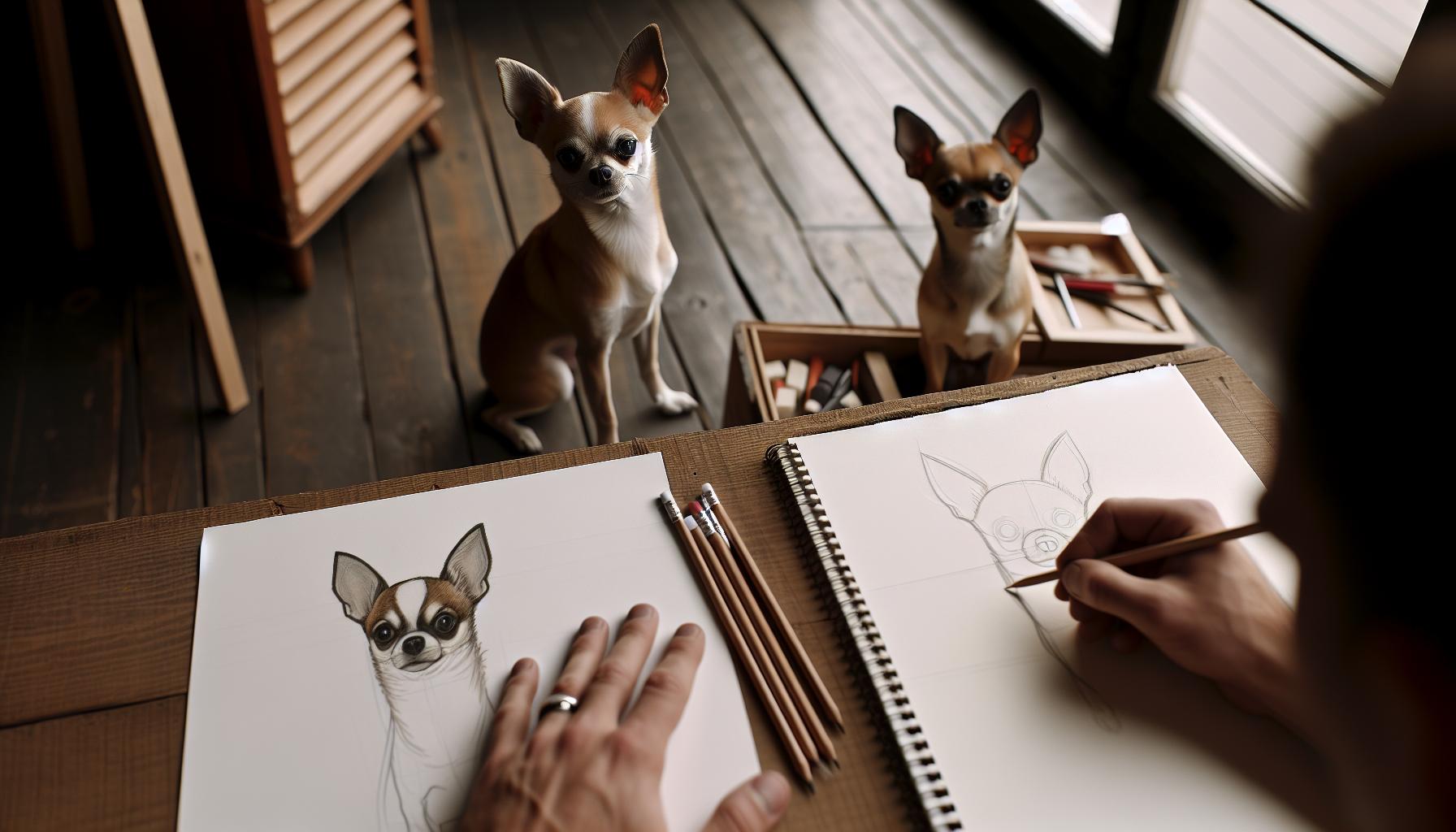
Drawing a Chihuahua begins with understanding their unique proportions and features. These pint-sized companions boast a distinct silhouette that you’ll want to capture accurately. The first step is to sketch their basic shape, setting a strong foundation for your artwork. Start with a light hand; the goal here is to create a framework that you can refine as you progress.
Begin with Simple Shapes
Visualize the Chihuahua’s body using basic shapes. A rounded oval is perfect for the body, while a smaller circle can represent the head. These shapes should be proportionate-Chihuahuas have compact bodies and big heads that give them their characteristic look. Use light, loose lines that you can easily erase and modify. Pay special attention to balance; a well-proportioned sketch will make the final drawing more appealing.
Outline the Limbs and Tail
Next, sketch the legs. Chihuahuas have relatively short legs, so represent them with gentle, elongated rectangles that taper slightly toward the paws. Their tails can vary in shape, often curling upward, so feel free to sketch a playful arc. Keep your lines light; you want these to serve as guidelines rather than definitive outlines at this stage. Remember to consider the stance-are you depicting your Chihuahua sitting, standing, or perhaps in motion? Each pose will slightly alter your initial shapes.
Refining the Shapes
Once you have the basic structure, begin to refine these shapes into more definitive outlines. Start smoothing edges, adding curves, and detailing areas like the cheeks and the chest. Chihuahuas often have special characteristics, such as their apple-shaped heads or large expressive eyes, so take care to differentiate these features in your outline. As you refine, keep in mind the breed’s playful and bold personality, which can be conveyed even in your initial sketch.
Final Tips
It’s important to step back and observe your sketch. Does it capture the essence of your Chihuahua? Consider looking at reference photos of your own dog or other Chihuahuas to get a better idea of their structure and proportions. Use these observations to make final adjustments to your sketch. Remember, practice makes perfect, and every attempt you make will lead you to greater skill in capturing these loyal little companions on paper!
Step 2: Defining the Unique Apple-Head Shape
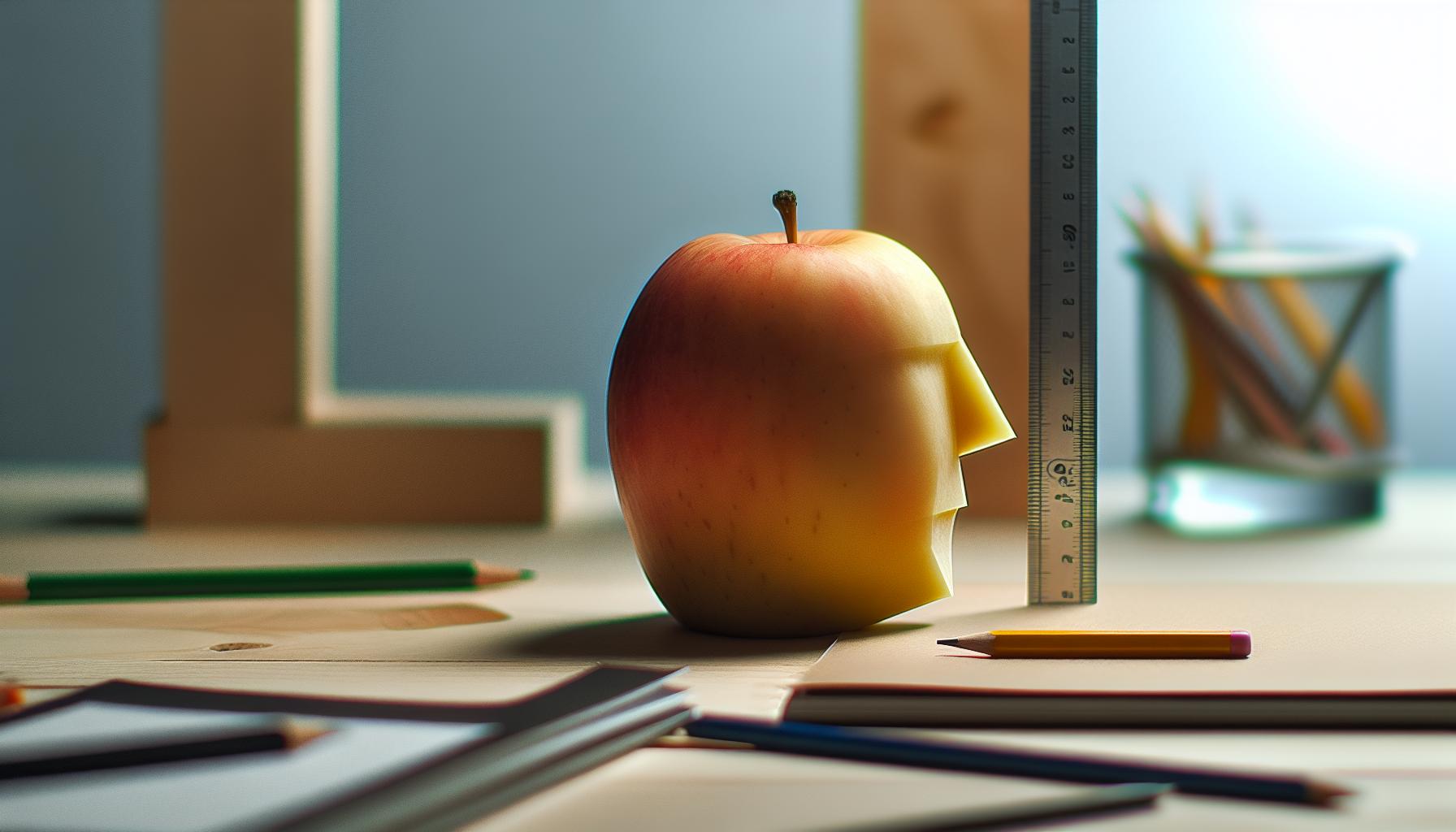
To truly capture the essence of a Chihuahua in your drawing, you must focus on the breed’s distinct apple-head shape. This characteristic head structure is one of the most recognizable traits of Chihuahuas and gives them their adorable, alert expression. The apple-head is round and broad, with a well-defined forehead transitioning into a slightly tapered muzzle. Think of this shape as a seamless blend of curves that exude both charm and personality.
Start by sketching the rounded top of the head, keeping in mind that it should be proportionate to the body you’ve outlined earlier. The forehead is prominent but should smoothly curve into the cheeks, creating a gentle contour. Notice that the cheeks can appear full, contributing to that playful, youthful appearance. When defining the muzzle, keep it short but expressive; it should taper from the cheeks down to a rounded nose. This proportionality ensures that your sketch reflects the favored apple-head shape seen in many Chihuahuas.
Additionally, pay attention to the large, expressive eyes that sit prominently on the face. These eyes contribute significantly to the Chihuahua’s unique expression and should be drawn with a bit of care. They are usually circular and set wide apart, giving them that distinctive “perky” look. When adding details, consider the playful glint of a Chihuahua’s eye; a slight highlight can bring your drawing to life.
When refining the overall structure, remember that this head shape is not just about the outside features but also about the confidence and sass that define the Chihuahua’s personality. Their vocal and bold nature should resonate in the features you choose to emphasize. Take the time to observe photos or your own pet to understand how these traits come together. Each Chihuahua is unique, so allow your personal touch to shine through in your artwork, celebrating not only their shape but also their endearing quirks and bold spirits.
Step 3: Adding Chihuahua-Specific Coat Details
To truly encapsulate the charm of a Chihuahua, you must pay close attention to their unique coat details, which not only add depth to your drawing but also showcase the breed’s personality. Chihuahuas can have either a smooth (short-haired) or long coat, and capturing these textures accurately will bring your art to life. One key to making your drawing realistic is understanding how light interacts with their fur.
For a smooth-coated Chihuahua, their fur is often sleek and glossy. When drawing, use short, light strokes to indicate this sheen, emphasizing how the light reflects off their fur. Focus on the color variations; many have unique patterns, whether they be solid, spotted, or brindled. Take note of areas where the fur might be slightly darker or lighter, especially around the face and ears, as this can enhance dimensionality.
On the other hand, long-haired Chihuahuas have a luxurious, flowing coat that requires a different technique. You’ll want to express the softness of their fur with longer, curved strokes, mimicking the way their hair flows, especially around their ears and tails. Be sure to showcase the signature feathering on their ears and the ruff around their neck, which gives them an added air of elegance. Use layering techniques to build up the coat’s depth, allowing for a natural blend of colors, especially if your Chihuahua has a mix.
Regardless of the coat type, remember to incorporate movement and personality into your coat details. A Chihuahua’s fur can appear disheveled or spiked when they are excited or alert, and capturing this can enhance the liveliness of your drawing. Observing real-life Chihuahuas or comprehensive photographs can help you appreciate the distinct characteristics of different coat types, empowering you as an artist to bring out the unique beauty of each.
Ultimately, the way you render the coat is essential in expressing the Chihuahua’s dynamic presence. Highlighting these coat details not only enriches your drawing but also pays homage to the remarkable spirit of these small yet bold companions. Embrace their quirks and let that shine through in your artwork, celebrating their vivacious personality in every stroke.
Step 4: Capturing Facial Expressions and Personality
To bring a Chihuahua to life on your canvas, capturing their distinctive facial expressions and quirky personality is essential. Known for their bold demeanor and vibrant characters, Chihuahuas can convey a range of emotions-from curiosity and playfulness to determination and defensiveness. Observing these nuances in real-life interactions is key. For instance, the way a Chihuahua’s ears perk up or how their eyes widen can dramatically transform your drawing and evoke the essence of the breed.
Start by focusing on the facial structure, which includes features like the iconic apple-head shape. This is a hallmark of the breed and contributes significantly to their expressions. When sketching, take note of the proportion of the muzzle to the forehead-it’s typically smaller, giving them that adorable, inviting look. Use soft, rounded lines for younger Chihuahuas and sharper, more defined angles for older dogs that might show signs of age, adding an additional layer of depth and personality.
Next, pay close attention to the eyes, as they are the windows to a Chihuahua’s soul. Their large, expressive eyes can portray countless emotions: the twinkle of mischief, the deep gaze of affection, or the fire of feistiness. When illustrating, consider the highlights in the eyes that reflect light; this can add life and vibrancy to your portrayal. Additionally, the position of the eyebrows, even though they aren’t prominently defined, can enhance their feelings. Subtle curves can imply surprise or concern, while furrowed lines can communicate determination or aggression-each expression contributing to a fuller character in your artwork.
Lastly, don’t overlook the mouth! A Chihuahua can express emotions through subtle mouth movements-like a slight upward curve for happiness or a tight line when they’re feeling defensive. Adding these tiny details enhances their personality. If you have a loyal companion, observe your Chihuahua during diverse scenarios; their reactions often encapsulate their spirited nature. Capture these moments in your art, celebrating their bold charm and showcasing the unique character each dog brings, making your artwork resonate with anyone who loves this spirited breed.
Incorporating Colors and Textures for Realistic Effects
Capturing the beauty of a Chihuahua on paper goes beyond just drawing. It’s about translating their vibrant personalities and unique fur textures into your artwork. To bring your Chihuahua drawing to life, you’ll want to focus on a few key elements: color, texture, and shading.
One important aspect of drawing Chihuahuas is understanding their coat, which comes in a variety of colors and patterns. From fawn and chocolate to cream and black, each color can have undertones that add depth. For instance, when portraying a fawn Chihuahua, mix shades of light tan with hints of peach or cream to achieve realism. Remember, their coats aren’t always a single color; sometimes, you might find splashes of white or darker shades, especially around the face, ears, or paws. Incorporating these variations will create a more authentic representation of your furry friend.
When it comes to texture, Chihuahuas can have either smooth or long-haired coats. Smooth-coated Chihuahuas tend to have sleek, shiny fur, while long-haired varieties often display soft, flowing locks that might even have a wave. Use short, quick strokes to depict the sleekness of a short coat or longer, sweeping lines for the long hair. You can also achieve a soft texture by layering colors gently, blending with a tortillon or your fingers for a more natural look.
To enhance realism, don’t shy away from using shading techniques that reflect light sources. Create depth by adding shadows under the chin, around the ears, and between the legs. This shading not only grounds your drawing but also highlights the Chihuahua’s playful form. A little white pencil or gel pen used for highlights in the eyes and on the snout can make your artwork pop, giving that signature sparkle that Chihuahuas often have.
Incorporating these colors and textures will make your Chihuahua drawing resonate with anyone who loves this lively breed. Take inspiration from photos of Chihuahuas or, better yet, draw from life; observing your pet while they sunbathe or sleep can offer insights into their unique hues and how light interacts with their fur. Celebrating these elements will not just elevate your artistic skills but also celebrate the charming and bold spirit of Chihuahuas in your artwork.
Tips for Enhancing Your Chihuahua Drawing Skills
Capturing a Chihuahua’s essence requires more than mere technique; it demands a genuine appreciation for their spirited personality and unique characteristics. These endearing pups come in a variety of shapes and sizes, from the classic apple-head to the more elegant deer-head types, each with their own set of quirks. By focusing on their distinctive features-like the expressive eyes, perky ears, and vibrant coat-your drawings can truly reflect their lively nature.
One invaluable tip is to observe your Chihuahua in action. Each dog has its own personality-some are bold and assertive, while others may be a bit more reserved. Spend time watching how they move and interact; this will enhance your understanding of their anatomy and help you depict their demeanor accurately in your art. Regularly sketching them in various poses can also improve your skills. Practice capturing them sitting, running, or curled up napping-variability enriches your understanding of their forms and expressions.
Consider your tools carefully, as they play a crucial role in enhancing your drawing experience. Use soft pencils for sketching; they allow for easier adjustments as you refine shapes, enabling you to capture the nuances of their posture and features smoothly. For detailing, colored pencils can be a wonderful choice, especially for showcasing their unique coat colors. If you’re bold, try mixed media-combining colored pencils with ink or watercolor can create lovely textures that mimic the delicate fur of your Chihuahua.
Don’t hesitate to show emotion in your drawings by emphasizing the face, as this is where Chihuahuas often express their personality. Use varying line thicknesses and shading to highlight their features, such as the twinkle in their eyes or the inquisitive tilt of their head. A touch of highlight in the eyes can create a captivating ‘spark’ that reflects their vivacious spirit.
Lastly, keep a sketchbook dedicated to Chihuahuas. This collection can serve as a visual diary of your progress, filled with studies, color swatches, and even notes on their personalities. Reflecting on past sketches can guide your improvements and inspire confidence as you continue your artistic journey-a delightful tribute to these little companions who bring so much joy to our lives.
Common Mistakes to Avoid When Drawing Chihuahuas
Capturing the vibrant essence of a Chihuahua can be a rewarding challenge, but even the most enthusiastic artists can stumble along the way. One common pitfall is underestimating the Chihuahua’s distinctive proportions. For instance, while they may be small, their heads-especially in apple-head varieties-are quite large in comparison to their bodies. Neglecting this characteristic can lead to unbalanced drawings. You might find a sketch lacking the charm that makes Chihuahuas so lovable, so take care to emphasize those adorable big heads and the quirks that come with them.
Another mistake is ignoring facial expression. Chihuahuas are incredibly expressive; they can convey a plethora of emotions just through their eyes and mouth. When drawing, make sure to pay extra attention to these areas. A slight lift of the brow or a subtle shift in their mouth can dramatically alter their expression. For example, capturing the playful sparkle in her eyes or the slight curl of his lips when he’s curious can bring your drawing to life. Lack of expression can dampen the personality you’re trying to portray.
It’s also crucial to remember the diversity within the breed. Not all Chihuahuas look alike, and this variation can influence how you approach your drawing. Factors like coat type, size, and even personality traits should inform your artistic choice. For example, a short-haired Chihuahua might exhibit a different sheen and texture than a long-haired or curly-coated one. Regularly sketching a variety of Chihuahuas can not only improve adaptability in your art but also deepen your appreciation for these unique little personalities.
Lastly, many artists overlook the importance of context. Placing your Chihuahua in an environment that complements their character, whether it’s a cozy bed, an outdoor park, or snuggled in a sweater, can tell part of their story. This choice adds depth and narrative to your artwork. Avoid sticking only to plain backgrounds as they can reduce the overall impact of your drawing. Thus, by embracing the Chihuahua’s uniqueness and personality, you can create sketches that resonate with the charm they bring into our lives.
Showcasing Your Chihuahua Art: Sharing and Feedback
Sharing your Chihuahua artwork with the world can be an exciting yet daunting experience. As vibrant and charming as the breed itself, your drawings deserve to be seen and celebrated! Connecting with fellow Chihuahua enthusiasts and artists not only builds a community but also provides invaluable feedback to improve your skills. Start by leveraging social media platforms dedicated to pet art, like Instagram and Pinterest, where you can showcase your work and tag relevant hashtags such as #ChihuahuaArt or #ChihuahuaDrawing. Engaging with others in these spaces can amplify your visibility and foster connections.
Consider joining online forums or local art groups that focus on animal portraits. Websites like DeviantArt or ArtStation have dedicated sections for pet art, allowing you to receive critiques from a community that shares your passion. Don’t shy away from sharing your process- posting progress shots can ignite interest and create dialogue about your techniques. For newcomers, be sure to ask for constructive criticism, focusing on elements like proportions, expressions, and color choices. Seasoned artists can also benefit from encouraging feedback, sparking new ideas or techniques you might not have considered.
Engagement doesn’t have to end with critiquing; it can also include participation in themed challenges or contests. These events often feature specific subjects or timeframes, pushing your creativity and skill. For example, participating in a “Chihuahua Appreciation Week” on social media can encourage you to explore new angles, poses, or settings. As you grow more comfortable sharing your work, you might even consider local art shows or pet festivals where you can display your Chihuahua drawings physically-nothing beats the joy of seeing someone admire your work in person!
Lastly, always remember to respect your art. Celebrating your own unique style is just as important as receiving feedback. Each Chihuahua has its own quirks, and you should feel proud to encapsulate that special personality in your drawings. Whether your art features the classic apple-head Chihuahua or showcases a variety of coat types, each piece is a testament to your love for the breed. By sharing your art, you not only inspire others but also deepen your connection with these spirited little companions, turning every drawing session into a tribute to their loyal and bold nature.
Inspiration from Famous Chihuahua Artwork and Artists
Capturing the essence of a Chihuahua in your artwork can be deeply inspired by the works of renowned artists who have celebrated this breed through various mediums. From charming illustrations to striking paintings, studying the styles and techniques of these artists can provide valuable insights into how to portray their unique characteristics. Notably, Frida Kahlo, known for her vibrant self-portraits, often included her beloved Chihuahuas in her artwork, emphasizing their loyal and affectionate nature. Her works showcase the close bond between the artist and her pets, which could serve as inspiration for emphasizing the emotional connection in your own drawings.
Similarly, contemporary artists like Jasmine Becket-Griffith have created whimsical representations of Chihuahuas that highlight their playful and spirited demeanor. Her use of vivid colors and exaggerated features encourages artists to explore imaginative interpretations of this breed. Consider how you might incorporate bold colors or playful poses in your drawings, capturing the Chihuahua’s vivacity. Engaging with the art of such talented individuals can open up a world of creative possibilities, allowing for a deeper exploration of texture and expression.
To further ignite your creativity, look at how different artists manage to depict various coat types and sizes within the breed. For instance, works that showcase the differences between the apple-head Chihuahua and the deer-head Chihuahua can help you understand proportion and anatomy. Not only do these pieces serve as direct visual references, but they also encourage you to consider the personality traits often associated with each type, enriching your portrayal.
As you embark on your own artistic journey, draw inspiration from these celebrated pieces and let them guide your hand. Take note of how these artists manage to infuse personality into their Chihuahua depictions, whether through facial expressions, playful postures, or distinctive coloring. As you create, remember that each piece of art is a testament to the enduring charm and character of these beloved canine companions, and your unique take on the breed will celebrate their vibrant spirit in its own right.
Exploring Different Chihuahua Poses for Variety
To truly capture the charm of a Chihuahua in your artwork, exploring a variety of poses can add depth and character to your drawings. Chihuahuas are known for their unique personality traits and physical features, which can be expressed through different stances and actions. Whether it’s the curious tilt of their head, their bold standing posture, or the relaxed curl on a cozy blanket, each pose tells a story about this spirited breed.
When thinking about poses, consider the Chihuahua’s natural behaviors. For instance, a cute pose could involve your Chihuahua sitting with its head slightly cocked, showcasing its inquisitive nature. You might find inspiration from real-life moments, such as your Chihuahua playfully bounding towards a toy, ears perked and tail wagging. These lively poses embody their energetic spirit and can make your artwork resonate with fellow Chihuahua enthusiasts.
Here are some pose ideas to consider for your sketches:
- Standing Proud: Illustrate your Chihuahua standing tall, chest out, and ears alert, capturing their natural confidence.
- Playful Action: Sketch your Chihuahua mid-leap or chasing a toy, emphasizing their agility and playful nature.
- Relaxed and Cozy: Draw your Chihuahua curled up on a favorite blanket, demonstrating their affectionate and snug personality.
- Curious Exploration: Capture a pose where your Chihuahua is sniffing the ground, displaying its inquisitive nature while engaging with its environment.
Experimenting with these poses can not only improve your drawing skills but also help you understand the intricate behavior of Chihuahuas. Take time to observe your furry friend in different settings; their spontaneity can offer endless inspiration. Additionally, consider varying the point of view-drawing from the side, above, or even from a low angle can dramatically change the feel of your artwork. Each perspective you choose can enhance the adorable traits that make Chihuahuas so beloved by their owners.
Q&A
Q: What are the best drawing tools for sketching a Chihuahua?
A: The best drawing tools for sketching a Chihuahua include pencils for detailing, charcoal for shading, and colored pencils or watercolors for textures. Ensure you choose paper with a smooth texture to enhance your drawing. For detailed guidance, check the section on Essential Drawing Tools for Capturing Chihuahuas.
Q: How can I make my Chihuahua drawing look more realistic?
A: To make your Chihuahua drawing more realistic, focus on capturing their unique features, like the apple-head shape and coat details. Pay close attention to light and shadow to create depth, and incorporate colors that reflect the breed’s varied coats. For more tips, see Incorporating Colors and Textures for Realistic Effects.
Q: What are common mistakes when drawing Chihuahuas?
A: Common mistakes when drawing Chihuahuas include overlooking their distinctive facial features and proportions. Ensure you capture the unique size variations and expressive eyes. Refer to the section on Common Mistakes to Avoid When Drawing Chihuahuas for essential corrections.
Q: Can I draw a Chihuahua from a photograph?
A: Yes, drawing a Chihuahua from a photograph is a great way to capture detail. Choose high-quality images that clearly show the dog’s characteristics. This approach helps you study features closely, which is essential for achieving accuracy. For techniques, explore the Understanding Chihuahua Characteristics and Features section.
Q: What should I focus on when sketching a Chihuahua’s face?
A: Focus on the eyes and ears when sketching a Chihuahua’s face, as they convey much of the dog’s personality. Make sure to define the apple-head shape and the slight curve of their muzzle. For detailed guidance, refer to Step 2: Defining the Unique Apple-Head Shape.
Q: Are there different Chihuahua poses I should consider?
A: Yes, consider various poses such as sitting, standing, or playing. Each pose highlights different aspects of their personality and build. Capture a range of angles to understand their form better; you can find insights in the section on Exploring Different Chihuahua Poses for Variety.
Q: How can I improve my drawing skills for Chihuahuas?
A: To improve your drawing skills for Chihuahuas, practice regularly and study various references. Join a community or share your work for feedback. The section Tips for Enhancing Your Chihuahua Drawing Skills provides strategies to develop your abilities further.
Q: Why is understanding Chihuahua traits important for drawing?
A: Understanding Chihuahua traits is crucial for capturing their unique charm and energy in drawings. Features like their size and coat types influence how they should be depicted. For more on this, see Understanding Chihuahua Characteristics and Features.
The Conclusion
Congratulations on completing your drawing of a beautiful Chihuahua! Remember, practice makes perfect, and each attempt helps you capture the unique personality of this charming breed. Consider exploring more about Chihuahuas, such as their health needs and quirky behaviors, to deepen your understanding and create even more lifelike portraits.
If you enjoyed this tutorial, check out our other drawing guides and tips on animal anatomy! Don’t hesitate to share your drawings in the comments below; we love seeing your creativity! Subscribe to our newsletter for more updates and drawing inspiration, and visit our site for additional resources that can help you on your artistic journey. Keep celebrating the bold and loyal spirit of Chihuahuas in your artwork-happy drawing!
Get our latest guides, news, and insights highlighted in your Google Search & AI Overviews.