
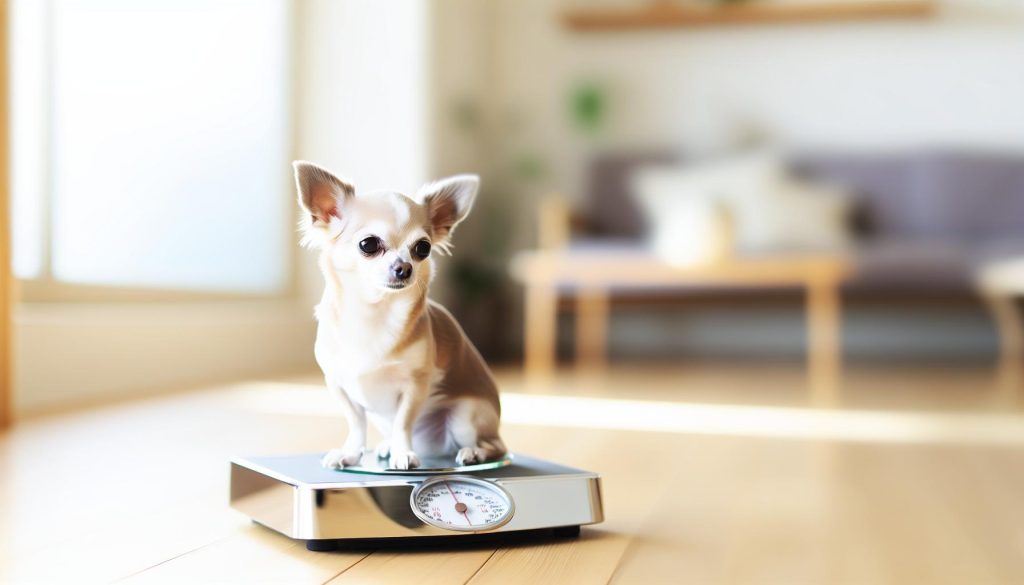
Did you know that Chihuahuas, despite their small size, can have a surprisingly diverse range of weights? Understanding how much your Chihuahua should weigh is crucial for their health and well-being. This tiny breed, known for its bold personality and fierce loyalty, often carries a wealth of health considerations tied to its size. As a Chihuahua owner, it’s essential to monitor your pet’s weight closely, as both underweight and overweight conditions can lead to significant health issues. Whether you’re a first-time owner or a seasoned Chihuahua enthusiast, knowing the typical weight range for this breed will help you ensure your furry friend stays happy and healthy. In this guide, we will delve into the factors influencing Chihuahua weight, including age, growth stages, and individual breed characteristics like apple-head or deer-head traits. So, let’s explore how you can maintain your Chihuahua’s ideal weight and celebrate all the quirks that make them so special!
Understanding Chihuahua Weight: Why It Matters
Understanding the weight of your Chihuahua is crucial not only for their appearance but also for their overall health and happiness. With their tiny frames and larger-than-life personalities, Chihuahuas can be surprisingly delicate. Maintaining an appropriate weight helps prevent various health issues and ensures your furry friend leads a vibrant life. A well-balanced weight contributes to better mobility, reduces stress on their joints, and minimizes the risk of serious conditions like heart disease and diabetes.
Chihuahuas typically weigh between 2 to 6 pounds, although some may weigh less or more depending on their genetics and build. The two dominant types, the apple-head and the deer-head Chihuahuas, may show variation in size, with apple-heads generally falling on the smaller side. Understanding your Chihuahua’s weight range helps you set expectations for growth and health milestones, ensuring you catch any potential concerns early.
Factors that can influence your Chihuahua’s weight include age, activity level, and diet. Puppies will naturally gain weight as they grow, but it’s vital to monitor their food intake to avoid overfeeding. As grown Chihuahuas mature, regular exercise becomes important; these spirited little dogs love to play, and keeping them active helps maintain a healthy weight. Taking the time to learn about their specific needs can make a great difference in their well-being.
To know if your Chihuahua is within a healthy weight range, regular check-ins with your veterinarian are essential. If you notice sudden weight fluctuations-either gaining or losing weight-it may be time to reevaluate their diet and lifestyle. By being attentive and informed, you can ensure that your Chihuahua thrives, basking in their unique charm and undeniable loyalty.
Chihuahua Weight Ranges: What to Expect

Chihuahuas are a breed known for their petite stature and vibrant personalities, but understanding their weight range is essential for their health and overall happiness. Typically, a healthy Chihuahua will weigh between 2 to 6 pounds, but this can vary based on factors such as genetics and distinctive physical traits. It’s not unusual for some to weigh slightly less or slightly more, especially if they have the apple-head or deer-head characteristic. Apple-head Chihuahuas generally fall on the smaller side of the spectrum, often weighing under 5 pounds, while deer-head Chihuahuas can occasionally tip the scales a bit higher.
Monitoring your Chihuahua’s weight is vital. A proper weight not only keeps their joints healthy but also helps in enhancing their vitality. Regular check-ins with a veterinarian can help you determine if your furry friend falls within the healthy weight range. For instance, if your Chihuahua weighs 4 pounds but suddenly jumps to 5.5 pounds, it could be a sign of overfeeding or insufficient exercise. Similarly, losing weight without a clear reason can indicate health issues that need addressing.
Chihuahuas have unique needs as they grow. During their puppy stage, they tend to gain weight rapidly, and while this is part of their development, overfeeding can quickly lead to obesity. As they mature, it’s crucial to strike the right balance of activity and nutrition to maintain their ideal weight. Here are a few handy tips for weight awareness:
- Observe their waistline: You should see a defined waist when looking at your Chihuahua from above.
- Feel for ribs: You should be able to feel their ribs without excessive pressure, but they shouldn’t be visible.
- Regular feeding schedule: Avoid free-feeding; instead, establish a routine with measured portions.
By keeping a watchful eye on your Chihuahua’s weight range, you’re taking significant steps toward ensuring her health and happiness. Remember, every Chihuahua is unique, and being informed about their weight helps you provide them with the best care possible. This attention to detail celebrates what makes Chihuahuas such delightful companions.
Factors Influencing Chihuahua Size

Chihuahuas are fascinating little companions, and their size can vary greatly based on several factors. It’s essential to understand these influences, as they play a significant role in your furry friend’s health, behavior, and overall well-being.
Genetics is the primary factor influencing a Chihuahua’s size. Within the breed, there are two main types: the apple-head and the deer-head. Apple-head Chihuahuas are typically smaller, often weighing less than 5 pounds, whereas deer-head Chihuahuas can be slightly larger, sometimes reaching up to 6 pounds or more. The genetic background of your Chihuahua will determine not only their size at maturity but also their physical characteristics, such as head shape and body structure.
Another critical factor is nutrition. A balanced diet helps maintain optimal growth and weight. Overfeeding during the puppy stage can lead to rapid weight gain, potentially resulting in obesity later in life. Be mindful of their food portions and choose high-quality dog food formulated for small breeds. Additionally, the timing of feeding matters. Establishing a regular routine can help control their weight and promote healthy growth.
Lastly, environmental factors and lifestyle can influence your Chihuahua’s size as well. Chihuahuas that engage in regular play and exercise will maintain healthier weights. Conversely, a sedentary lifestyle can lead to weight gain. Create a stimulating environment for your Chihuahua filled with playtime and short walks to cultivate a healthy activity level. As an example, consider a Chihuahua named Bella, whose owners found that after they introduced daily outdoor play, she not only slimmed down but also became more energetic and confident.
Understanding these factors will allow you to provide the best care tailored to your unique Chihuahua, ensuring they live a vibrant, healthy life!
Growth Stages: Tracking Your Chihuahua’s Weight
Tracking your Chihuahua’s weight is a crucial part of ensuring her health throughout her life. Chihuahuas may be small in stature, but they come with their own unique set of growth considerations. Monitoring her weight diligently as she grows can help you prevent potential health issues and ensure she develops into a vibrant adult. Understanding the different growth stages and what to expect at each phase will empower you as a responsible owner.
Puppies undergo rapid growth during their first six months. It’s essential to weigh your Chihuahua regularly, perhaps weekly, during this period. A healthy weight gain for a Chihuahua puppy is about 1 to 2 ounces per week, depending on her size. Keep in mind that apple-head Chihuahuas may weigh less compared to their deer-head counterparts due to inherent breed characteristics. Track her progress and note any significant changes. If you notice she’s gaining weight too quickly, it could be a sign her diet needs adjusting.
Once your Chihuahua reaches about six months to one year, she’ll enter her adolescent phase. This is when her growth will begin to slow, but it’s important to maintain an active lifestyle. Regular weigh-ins during this time may shift to every two to three weeks, as you monitor any changes with her size and muscle development. Engaging her in consistent play and exercise can help maintain a healthy weight. Owners often share that introducing activities like short daily walks transformed their Chihuahuas into more energetic and balanced companions.
As she matures into adulthood, typically around one year, her weight should stabilize. For a healthy adult Chihuahua, they will typically weigh between 2 and 6 pounds, depending on genetics, diet, and activity levels. Weighing her monthly can help ensure she stays within a healthy range. Pay attention to her body condition-ribs should be palpable but not visible, and she should have a visible waist. Regular vet checkups are also fundamental during this stage, ensuring her weight aligns with her health status.
In summary, keeping a close eye on your Chihuahua’s weight throughout her growth stages is essential for a healthy life. Regular weigh-ins, active play, and proper nutrition will help her thrive. Celebrate her wins-whether it’s a perfect weight or newfound agility-and seek advice when unsure. After all, your love and attention play an integral role in shaping her wellbeing!
Average Weights for Different Chihuahua Types
Understanding the specific weight ranges for different types of Chihuahuas can help you anticipate their growth and health needs. These lovable little companions come in various shapes and sizes, and recognizing the distinctions between them is key to ensuring that they remain happy and healthy.
Chihuahuas can primarily be categorized into two recognized types: the apple-head and the deer-head. Each type exhibits unique characteristics, including weight variations.
Apple-Head Chihuahuas
These Chihuahuas are known for their rounded skull and expressive eyes. Typically, apple-heads are a bit smaller and lighter. The average weight for an apple-head Chihuahua usually falls between 2 to 4 pounds. Their compact size gives them a delicate look, but they pack a lot of personality into their tiny frames. When well-cared for, these little ones thrive in loving homes, often leading to vibrant, spirited lives.
Deer-Head Chihuahuas
Deer-head Chihuahuas, named for their resemblance to deer with a longer snout and straight head, generally tend to weigh a bit more. These adorable dogs can weigh anywhere from 4 to 6 pounds or even slightly more, depending on their genetics and diet. They often showcase a more athletic build, allowing for an energetic, playful demeanor that owners cherish. Regular exercise and a balanced diet are crucial in maintaining their health, especially at the higher end of the weight spectrum.
Factors Influencing Weight
Several factors can influence your Chihuahua’s weight, such as:
- Genetics: Some Chihuahuas may simply be predisposed to heavier or lighter weights based on their lineage.
- Diet: A balanced, nutritious diet helps ensure your dog maintains a healthy weight.
- Activity Level: Regular playtime and exercise are essential in preventing obesity and keeping a ideal weight range.
It’s essential to monitor your Chihuahua’s weight closely, taking regular measurements and consulting with your vet regarding any significant changes. By being aware of the average weights for your specific type of Chihuahua, you can help ensure that her health remains a priority, allowing her to lead a long, fulfilling life. Always celebrate her quirks, from her vocal nature to her bold personality, as these traits make her uniquely wonderful!
Dealing with Weight Issues: Obesity and Its Risks
Weight management in Chihuahuas is essential for their overall health and happiness, especially considering their small frames. Obesity, a growing concern among many breeds, can significantly impact a Chihuahua’s quality of life. For instance, Chihuahuas that become overweight may experience a multitude of health issues, including joint problems, heart disease, and a shorter lifespan. A small dog with a pronounced belly is often a visual cue that it’s time for a lifestyle adjustment.
One practical approach to managing weight is to monitor your Chihuahua’s food intake closely. Small breeds, much like apples and deer-heads, have different caloric needs. It’s advisable to choose high-quality, breed-specific dog food that meets nutritional standards while keeping calorie counts in check. Portion control isn’t just a practice but a necessity; consider using measuring cups instead of free-feeding. Moreover, treats should only comprise about 10% of his daily calorie intake. You might find that your Chihuahua loves the crunch of healthy treats like baby carrots or apple slices, which can satisfy their craving without adding too many extra calories.
Regular exercise is equally important. Engaging your Chihuahua in brisk walks can help manage weight while also tapping into his energetic spirit. Whether you opt for a playful game of fetch in the backyard or a cozy stroll around the neighborhood, the goal is to elevate his activity level daily. Owners often report that Chihuahuas are not only lively but love being active companions. Aim for at least 30 minutes of moderate exercise daily, but remember to tailor this to your dog’s energy levels and health.
Lastly, routinely checking in with your veterinarian can provide valuable insights into your Chihuahua’s weight and health status. Your vet can help adjust dietary and exercise plans to best suit your specific pup’s needs, ensuring that any concerns are addressed before they become serious. Staying informed about your Chihuahua’s weight can lead to a healthier, longer life, and allows you to cherish all those quirky, loving moments that make him uniquely wonderful.
Nutrition Tips to Maintain a Healthy Weight
Maintaining a healthy weight for your Chihuahua is crucial, not just for their appearance but for their overall health and vitality. Did you know that even a few extra ounces can significantly impact a small dog’s well-being? For Chihuahuas, whose ideal weight typically ranges between 2 and 6 pounds, even slight deviations can lead to serious health concerns. Here, we’ll explore some actionable nutrition tips tailored to help you keep your lively companion in top shape.
Choose High-Quality Dog Food
Opt for a premium, breed-specific dog food designed for small breeds. These formulas often contain higher protein levels and necessary nutrients tailored to the unique needs of tiny dogs. When shopping for food, check for real meat as the first ingredient and avoid fillers like corn and soy, which provide empty calories that can lead to weight gain.
Understand Portion Control
It can be tempting to give your Chihuahua a little extra from your plate, but portion control is key in preventing obesity. Use measuring cups to ensure you are serving the right amount according to the guidelines on the dog food packaging. Most Chi owners find that adhering to a schedule based on their dog’s size and activity level makes a real difference. Consider feeding him small meals throughout the day rather than one large meal to help manage hunger and reduce begging behavior.
Choose Healthy Treats
Chihuahuas have a penchant for treats, but it’s essential to keep these within a reasonable limit. Treats should not exceed 10% of their daily caloric intake. Healthy options like baby carrots, apple slices (without seeds), and green beans provide crunch and flavor without the added calories of traditional store-bought snacks. Plus, using training as an opportunity to reward good behavior can turn healthy treats into double the fun!
Keep Hydration in Mind
Don’t overlook the importance of water. Always provide fresh water, and encourage your Chihuahua to drink, especially if you’re feeding dry kibble. Dehydration can lead to various health issues, including kidney problems, which small breeds can be particularly susceptible to.
Monitor Weight Regularly
By regularly weighing your Chihuahua at home or during vet visits, you can catch any changes in weight early on. If you notice any significant fluctuations, consult your veterinarian to adjust his diet or activity level accordingly. Remember, a healthy weight will not only keep him feeling good but also ensure he can enjoy all those spirited chases and snuggles with you.
Adopting these nutrition tips means you’ll not only celebrate all the adorable qualities of your Chihuahua-like their bold personalities and vocal antics-but also support a long, active, and vibrant life together. By understanding their dietary needs and dedicating time to meal planning, you can create a thriving environment for your tiny companion.
Exercise Needs for Weight Management
Chihuahuas may be small in stature, but their energy levels can be larger than life! To keep your vibrant companion healthy and maintain an ideal weight, regular exercise is essential. A well-exercised Chihuahua not only becomes happier but also reduces the likelihood of obesity-related health issues. Even a few extra ounces can impact a small dog’s well-being significantly, so let’s delve into how you can keep your pup moving!
While Chihuahuas don’t require extensive exercise like larger breeds, they thrive on daily physical activity that caters to their size and energy. Aim for at least 30 minutes of exercise each day, which can be broken up into several short sessions. These include brisk walks, playtime in the yard, or even interactive games inside. Chihuahuas love to chase after toys, so throwing a ball or engaging in tug-of-war can provide both physical and mental stimulation.
Walking is a fantastic way to build a routine around exercise. For example, one owner found that taking her apple-head Chihuahua, Bella, for two short walks each day not only kept Bella fit but also strengthened their bond. During walks, encourage exploration; Chihuahuas are curious and benefit from sniffing around their environment. Remember to keep it interesting-vary your route or bring different toys to keep their interest piqued.
It’s also important to watch for signs of fatigue. Chihuahuas can overexert themselves, especially in warm weather. Always be on the lookout for increased panting, reluctance to move, or other signs of distress. Incorporating rest breaks during playtime is crucial to prevent exhaustion.
Incorporate these activities into your Chihuahua’s routine, and you’ll find a happy, healthy friend at your feet, ready for cuddles and playful antics. Careful attention to their exercise needs can lead to a vibrant life full of fun and adventure. Enjoy every moment with your tiny powerhouse!
Common Health Concerns Related to Weight
Chihuahuas, with their tiny frames and big personalities, are a beloved breed, but their small size also makes them prone to specific health issues related to weight. You might be surprised to learn that a few extra ounces can significantly impact their overall health. Many owners may not realize that obesity is a common concern among Chihuahuas, who, despite their bold nature, are often less active than needed due to their petite stature.
Maintaining a healthy weight is paramount for preventing chronic conditions, such as diabetes, heart disease, and joint problems. These issues can arise quickly if your Chihuahua indulges too often in treats or lacks sufficient exercise. For instance, a Chihuahua named Coco developed early signs of joint pain simply because he was carrying a few extra pounds. His owner, noticing the struggle in his movements, consulted with a veterinarian. Adjusting Coco’s diet and increasing his activity improved his mobility and overall happiness-showcasing how impactful weight management can be.
Another concern is dental health; Chihuahuas are particularly susceptible to dental issues, and obesity can exacerbate these conditions. Overweight Chihuahuas may find it difficult to groom themselves properly, leading to neglected dental care. Keeping your pooch at an ideal weight involves regular vet check-ups, monitoring food intake, and adhering to a balanced diet designed for small breeds. Consult with your vet to find food that meets all nutritional needs while considering calorie intake.
In addition to physical ailments, obesity can also affect your Chihuahua’s mental health. A lack of exercise or interaction can lead to anxiety or depressive behaviors. Chihuahuas thrive on companionship and stimulation, so incorporating playtime into your routine is crucial. Regular physical activity not only helps maintain an ideal weight but also enhances your furry friend’s mood and energy levels. Make playdates, walks, and interactive games a part of each day, ensuring your little companion stays lively and engaged in life.
By staying proactive about your Chihuahua’s weight, you can ensure he remains not just a joyful companion but also a healthy one. Regular monitoring, active engagement, and a balanced diet can contribute significantly to your tiny friend’s longevity and quality of life.
How to Weigh Your Chihuahua Accurately
Weighing your Chihuahua accurately is essential for tracking their health and managing their weight effectively. A simple miscalculation can lead to misunderstandings regarding your dog’s health, impacting everything from diet adjustments to exercise routines. Chihuahuas, beloved for their tiny frames and bold personalities, require careful monitoring, especially given their tendency to gain weight easily. Here’s how to ensure you’re getting an accurate measurement.
To start, choose the right scale. A digital kitchen scale works well for smaller dogs, or you can use a baby scale if you need more precision. If your Chihuahua is particularly squirmy or uncooperative during weighing time, you might find it helpful to have someone assist you. Have your helper gently hold your pet while you take the measurement, or let your pup get used to the scale by allowing them to sniff it and hop on a few times.
It’s also beneficial to weigh your Chihuahua at the same time each week. Consistency is key-morning, before meals, is a great option as your dog is likely less active and will have an empty stomach. Keep a record of their weight over time to help you track any changes. You can create a simple chart on your phone or use a notebook to document each week’s weight. This ongoing record can be vital for veterinary visits or diet adjustments-giving your vet a clear picture of your pet’s trends over time.
In cases where your Chihuahua is too small for a scale, you can weigh yourself first and then weigh yourself again while holding your dog. Subtract your weight from the total to find your pet’s weight. Just make sure to stay steady and balanced, as quick shifts can throw off measurements. For accurate tracking, it’s crucial to handle your dog gently but firmly, ensuring they feel secure during the process.
By making weighing your Chihuahua a regular part of your routine, you’re not just helping her understand her health status; you’re also becoming more attuned to her needs. Being aware of any weight fluctuations not only aids in physical health but can also help maintain her vibrant personality and energy. So, get those scales ready, and let’s keep your little companion in tip-top shape!
Chihuahua Size and Its Impact on Behavior
The size of a Chihuahua can significantly influence their behavior, shaping their interactions with the world around them. Smaller Chihuahuas often showcase a boldness that can surprise those unfamiliar with the breed. They tend to see themselves as bigger than they actually are, often displaying confidence in their barks and actions. This can manifest in playful attitudes, fearlessness, and even a touch of stubbornness, characteristics that many owners find endearing. Their size makes them adaptable to various living situations, whether in an apartment or a larger home, but it also invites unique behavioral traits that can result in challenges.
Chihuahuas are known for their keen awareness of their surroundings. A small size heightens their sensitivity to stimuli, causing them to react more vocally to unfamiliar noises or new faces. This vigilance can be beneficial, making them excellent watchdogs; however, it can lead to excessive barking if not properly managed. Regular socialization from a young age is critical. Introducing your Chihuahua to different settings, people, and other pets will help mitigate potential anxiety and develop a balanced temperament.
Moreover, a Chihuahua’s personality often correlates with its size. For instance, apple-headed Chihuahuas, often the smaller of the breed, might exhibit more reserved behavior compared to their tiara-wearing counterparts who thrive on social attention. Tailoring your approach based on their individual characteristics is key. For example, if you notice your little one becomes overwhelmed in new environments due to their petite size, consider setting boundaries and providing safe spaces for them to retreat when necessary.
Though small, Chihuahuas carry an incredible amount of spirit. Your approach to training, socialization, and daily care plays a significant role in their behavior. Engage them with positive reinforcement methods and regular playtime to harness their energy and intelligence. Remember, low-energy days still require a bit of movement-gentle walks or interactive play sessions keep their minds sharp and their bodies healthy. By understanding how size impacts behavior, you can better support your Chihuahua’s unique personality, ensuring a happy and balanced companion by your side.
Choosing the Right Gear for Your Chihuahua’s Size
Finding the perfect gear for your Chihuahua is essential, not just for comfort but also for safety and functionality. Their tiny stature can make it challenging to select gear that fits well and caters to their unique needs. The good news is that once you know the size and characteristics of your Chihuahua, choosing the right equipment can become an enjoyable experience.
When shopping for gear, consider the following essential items that accommodate your pup’s petite frame:
- Collars and Harnesses: These need to fit snugly without being too tight. Look for adjustable collars or harnesses to ensure a perfect fit as your Chihuahua grows. A harness is often ideal for this breed, as it distributes pressure away from their fragile necks.
- Leashes: Opt for lightweight leashes that are easy for you to handle. A shorter leash can provide better control, especially in busy areas.
- Clothing: Chihuahuas often need some extra warmth, especially in colder months. Invest in sweaters or jackets designed for small dogs to keep them cozy. Be sure the clothing has enough stretch so they can move comfortably.
- Beds: Choose a bed that supports their small frame. A cozy, enclosed style can make your Chihuahua feel safe, while a flat bed may be more suitable for those who prefer to spread out.
- Toys: Select toys that are appropriately sized to avoid choking hazards. Soft toys that squeak are often a hit, but ensure they are durable enough to withstand your Chihuahua’s playfulness.
- Bowls: A sturdy and stable food and water bowl set is important. Look for options with a non-slip base, as smaller dogs may tip over lightweight bowls easily.
Understanding that Chihuahuas come in varying shapes and types, such as the apple-headed and deer-headed varieties, can also influence your gear choices. For instance, apple-headed Chihuahuas may require slightly wider or softer items to accommodate their rounder heads. Additionally, consider any special needs your Chihuahua might have based on their size or health condition, allowing for personalized choices that meet their requirements.
Involve your Chihuahua in the selection process! Allow her to sniff and explore new items to gauge her comfort and interest. Remember, the right gear not only enhances her safety but also enriches her everyday life, reflecting her spirited personality and vibrant energy.
Frequently asked questions
Q: What is the normal weight range for a Chihuahua?
A: The normal weight range for a Chihuahua typically falls between 2 to 6 pounds. Factors such as genetics, age, and diet can influence this range. Ensuring your Chihuahua maintains a healthy weight is essential for their overall well-being.
Q: How can I tell if my Chihuahua is overweight?
A: You can determine if your Chihuahua is overweight by checking for a defined waist when viewing from above and feeling their ribs without too much pressure. If you notice excess fat around the waist or difficulty in feeling the ribs, it may be time to adjust their diet and exercise.
Q: When do Chihuahuas stop growing?
A: Chihuahuas generally reach their full size by 12 months, though some may continue to fill out until about 18 months. Monitoring their weight during growth stages is vital to ensure they develop properly without becoming overweight.
Q: What factors affect a Chihuahua’s weight?
A: Various factors affect a Chihuahua’s weight, including genetics, diet, activity level, and health status. Regular check-ups can help monitor any weight changes and ensure your Chihuahua remains healthy.
Q: Are there different size types in Chihuahuas?
A: Yes, Chihuahuas come in different types such as apple-head and deer-head, which can slightly influence their weight and appearance. Understanding these differences can help you better care for your Chihuahua’s unique needs.
Q: How do I help my Chihuahua maintain a healthy weight?
A: To help your Chihuahua maintain a healthy weight, provide balanced nutrition with high-quality dog food, regulate their portion sizes, and ensure they get regular exercise. Incorporating playtime and short walks can greatly benefit their physical health.
Q: What should I do if my Chihuahua is underweight?
A: If your Chihuahua is underweight, consult your veterinarian to rule out any underlying health issues. You can gradually increase their food intake with a nutrient-rich diet tailored to their needs, focusing on higher-calorie options while monitoring their weight gain.
Q: How does a Chihuahua’s size influence its behavior?
A: A Chihuahua’s size can influence its behavior, as smaller dogs may exhibit more vocalization and bold behavior, often compensating for their size. Understanding these traits can help you provide better training and socialization for your furry companion.
To Wrap It Up
Understanding how much a Chihuahua weighs is just the beginning of caring for this spirited breed. With their bold personality and loyal nature, Chihuahuas thrive on love, attention, and proper nutrition tailored to their size and health needs. Remember, keeping your furry friend at a healthy weight can help prevent common health issues and enhance their playful demeanor. Whether you’re managing your pup’s diet or preparing for a vet visit, you’ve already taken a fantastic step toward better care.
Want to dive deeper? Check out our articles on Chihuahua health tips and training techniques that will help you bond even more with your little companion. You can also join our newsletter for ongoing insights and community support. Have questions or want to share your Chihuahua experiences? Drop a comment below! It’s time to ensure your tiny tyrant remains happy and healthy, so don’t wait-explore more and give your cherished pet the best life possible!
Get our latest guides, news, and insights highlighted in your Google Search & AI Overviews.