

When it comes to Chihuahuas, many misconceptions swirl around their intelligence, often leading them to be unfairly labeled as “dumb.” Did you know that this tiny breed, with its bold personality and knack for loyalty, often lacks the recognition it deserves? The truth is, intelligence in dogs can manifest in ways that traditional measures overlook. As a proud Chihuahua owner, you may have noticed your little friend’s unique quirks, from their vocal nature to their stubborn streak, which can sometimes be mistaken for foolishness. In this article, we’ll dive deep into the reasons behind these intelligence misconceptions, helping you understand your Chihuahua’s behavior, and celebrate the brilliance hiding beneath that charming exterior. Whether you’re a seasoned owner or a first-time Chihuahua enthusiast, prepare to see your furry companion in a whole new light!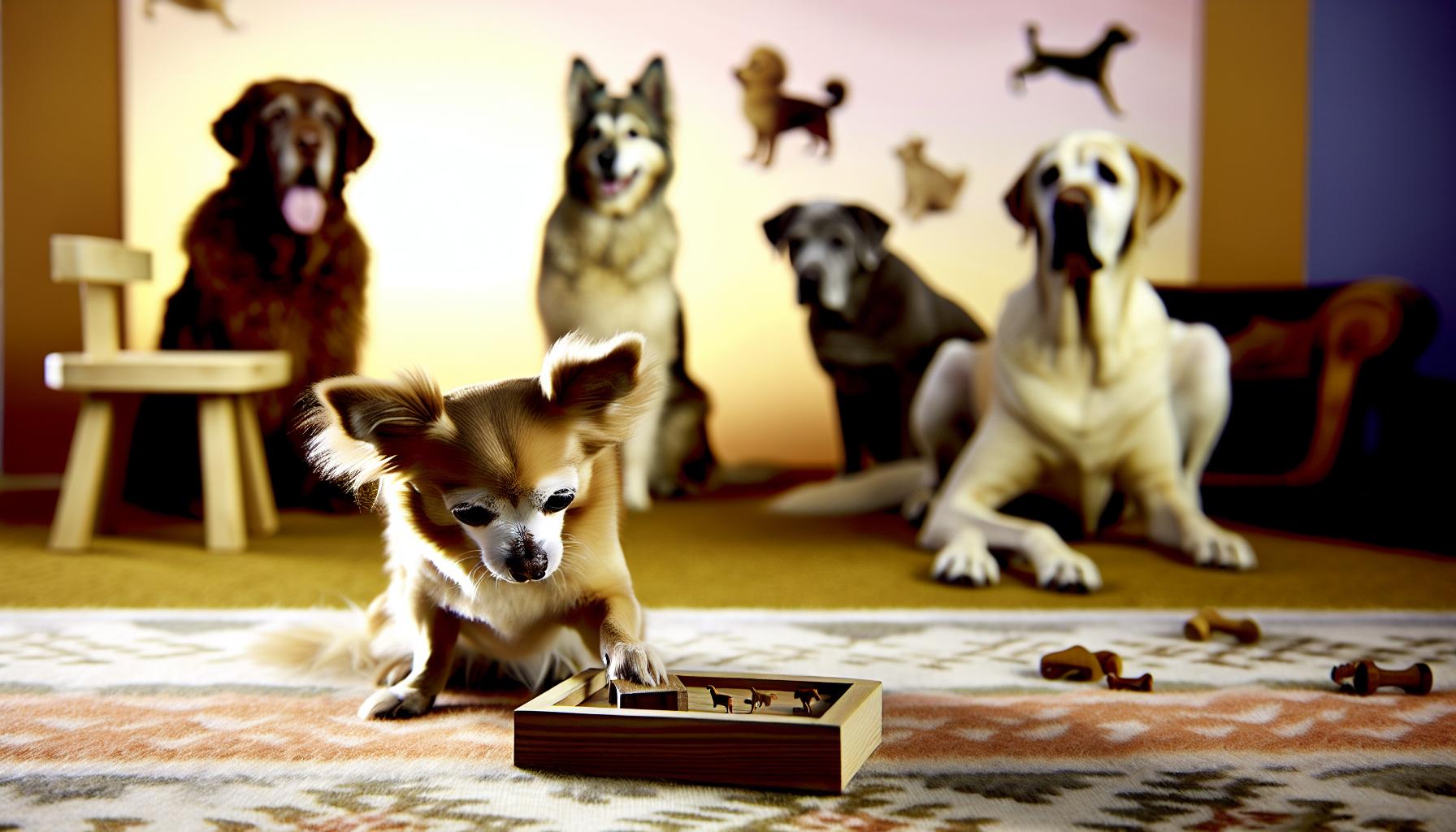
Understanding Chihuahua Intelligence: Common Misconceptions
Chihuahuas often get a bad rap when it comes to their intelligence, leading some to believe they lack the ability to learn or respond to commands effectively. This misconception could not be further from the truth. In reality, Chihuahuas possess a unique kind of smarts that is distinct from more traditionally “intelligent” breeds. Their intelligence is often overshadowed by their bold personalities and small stature, leading to the false narrative that they are aloof or even “dumb.”
One reason for this misunderstanding is their strong-willed nature. Chihuahuas are known to be confident and assertive, which sometimes manifests as stubbornness during training. It’s important to understand that this doesn’t equate to a lack of intelligence-rather, they are simply selective about what commands they choose to follow. For example, a Chihuahua might ignore a command if they deem the situation unimportant or if they feel their preferred activity-like barking at the mailman-is more urgent. Engaging their intelligence means using fun, varied training techniques to keep their interest piqued.
Additionally, many C hihuahuas are incredibly adept at reading human emotions and social cues. Their loyalty and attachment to their owners can demonstrate a level of emotional intelligence that rivals some of the more traditionally recognized breeds. Real-life examples abound: owners often recount stories of their Chihuahuas sensing when they’re upset or sick, laying close to provide comfort. Instead of thinking of them as ‘dumb,’ consider them as having a different type of intelligence altogether-one that thrives on social interaction and emotional connection.
Lastly, the environment in which a Chihuahua is raised plays a crucial role in shaping their intelligence. Early socialization and exposure to various situations can enhance their learning abilities and adaptability. Simplistic training methods may not work for every Chihuahua; instead, using interactive toys and engaging games can nurture their cognitive skills. It’s all about recognizing their unique traits and working with them rather than against them. By doing so, you’ll uncover just how intelligent and perceptive your small companion truly is.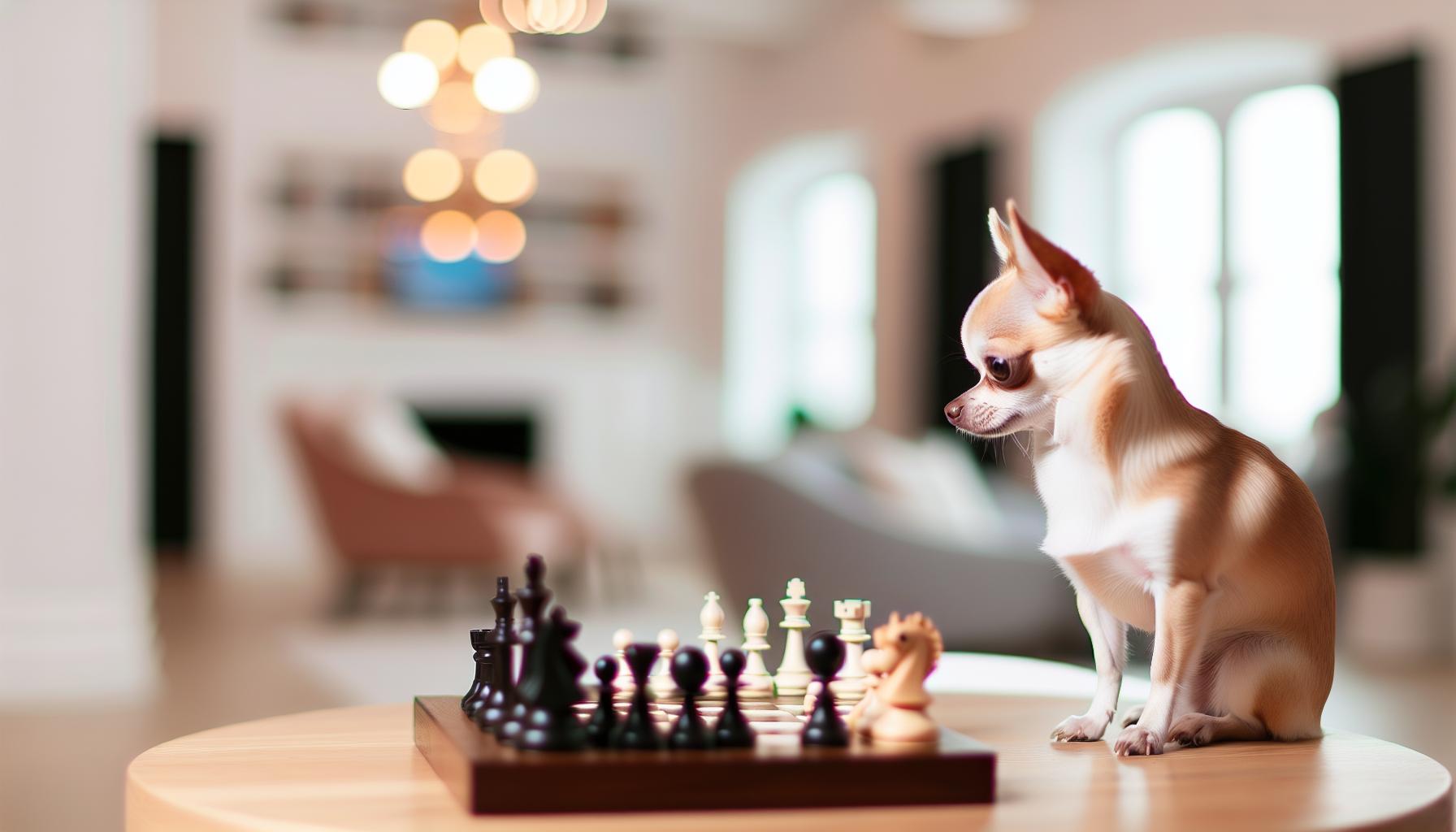
What Makes Chihuahuas Unique in Behavior?
Chihuahuas are often perceived as quirky little dogs, but their unique behaviors reflect a blend of personality traits that make them stand out in the canine world. One captivating aspect of this breed is their unparalleled loyalty. Chihuahuas form strong bonds with their owners, often following them around the house or curling up in their laps. This deep attachment can sometimes be mistaken for needing constant attention, but it’s a testament to their social nature. They thrive on companionship and love to be involved in family activities, making them wonderful little sidekicks.
These tiny dogs are also known for their boldness. Despite their small stature, many Chihuahuas exhibit behaviors typical of much larger breeds, such as guarding their homes and families. This courage can lead them to confront much bigger dogs, a behavior rooted in their self-confidence. However, it’s important for owners to manage these instincts through proper socialization. Introducing Chihuahuas to a variety of people and pets from a young age can greatly enhance their adaptability and friendliness.
Another fascinating characteristic is their vocal nature. Chihuahuas are not shy about expressing their opinions, whether they’re alerting you to someone at the door or demanding playtime. While this can be delightful for some owners, it can also come as a surprise for first-time Chihuahua parents. Understanding that barking is often their way of communicating can help mitigate excessive noise. For instance, teaching commands like “quiet” and using rewards when they respond positively can foster better behavior.
Understanding Their Unique Traits
Chihuahuas, especially the apple-headed variety, are exceptionally sensitive to their environments. Their small size means they can be easily overwhelmed, so creating a calm and safe space is key. Enrichment activities such as puzzle toys or engaging games can stimulate their minds, channeling their energy appropriately. A happy Chihuahua is one that is both physically and mentally engaged.
Moreover, the diversity in Chihuahua coat types-from short and smooth to long and fluffy-can also influence their behavior. Long-haired Chihuahuas may require more grooming and thus, develop a different relationship with their owners during these sessions. This grooming process can not only keep them looking adorable but also strengthens the emotional bond between the dog and owner.
Ultimately, appreciating the blend of loyalty, boldness, and expressiveness that defines Chihuahua behavior allows owners to nurture their canine companions effectively. Embracing their quirks while providing structure through training and socialization will help dispel the myths surrounding their intelligence, revealing the truly remarkable nature of these tiny pups.
The Science Behind Canine Intelligence Levels
Chihuahuas may not rank among the top breeds known for their intelligence, but understanding their cognitive capabilities is essential for appreciating this unique breed. Many owners produce the impression that Chihuahuas are less intelligent because their behaviors can sometimes stray from traditional training norms. However, their intelligence is often expressed differently, reflecting their individuality and distinct personality traits rather than a lack of smarts.
Consider the idea that intelligence in dogs includes various factors: knowledge retention, problem-solving abilities, and social intelligence. Chihuahuas may not always excel in the same tasks as Border Collies or German Shepherds, but they certainly possess a unique brand of cleverness. For instance, owners often notice that their Chihuahuas can learn to navigate their environment proficiently, demonstrating their ability to remember places, people, and even the minutiae of their daily routines. This type of intelligence is indicative of their adaptability and instinctual skills, suggesting they thrive on understanding their surroundings.
Understanding Training Techniques
Many misconceptions about a Chihuahua’s intelligence stem from their training challenges. This breed tends to have a strong will and can sometimes be stubborn, leading to frustration during training sessions. However, it’s crucial to recognize that positive reinforcement tends to yield better results than harsh commands or punishments. Owners who use rewards, such as treats and praise, often find their Chihuahuas respond well and can learn a variety of tricks and commands.
Here’s how to effectively engage your Chihuahua’s mind:
- Keep Sessions Short: Chihuahuas have short attention spans, so aim for 5-10 minute training sessions.
- Incorporate Fun Games: Use interactive toys or puzzles to stimulate their problem-solving skills.
- Be Patient and Consistent: Regular practice helps reinforce their learning, so patience is vital.
It’s essential to align the training techniques with the Chihuahua’s bold nature. They often respond best to a confident owner who projects calm assertiveness. Over time, this creates a trusting bond that can enhance their willingness to learn.
Ultimately, while Chihuahuas may not fit the mold of a “genius” dog breed, their intelligence is multifaceted and often underappreciated. With a deeper understanding of how to nurture their unique capabilities, owners can unlock the remarkable qualities of these tiny companions. Celebrating their quirks-like their impressive vocalizations or their indomitable spirit-will only help to affirm their intelligence, encouraging a harmonious relationship that transcends traditional measures of canine smarts.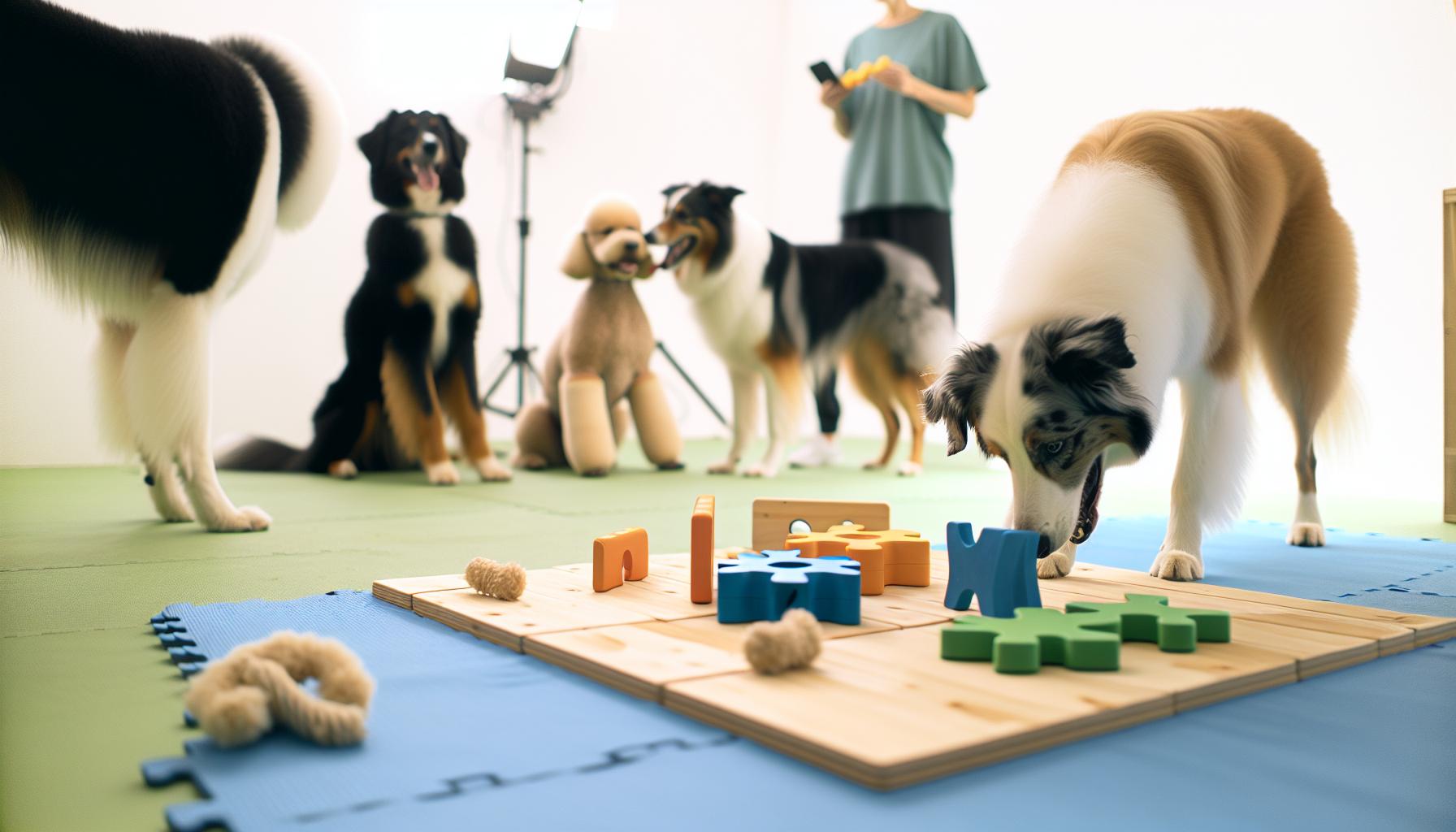
Top Reasons Chihuahuas Are Misunderstood
Chihuahuas often face an unwarranted reputation for being less intelligent than other breeds, a misconception that doesn’t reflect their true capabilities. One major reason for this misunderstanding is their unique personality traits, such as their stubbornness and strong independence. Many owners mistakenly interpret these qualities as a lack of intelligence, when in fact, a Chihuahua’s boldness and assertiveness are simply part of what makes them who they are. For example, a Chihuahua may refuse to follow commands, not due to inability, but because they would rather express their own agenda. This is a reflection of their cleverness in knowing what they want and how to get it.
Additionally, the smaller size of Chihuahuas contributes to their being underestimated. Many people assume that a tiny dog cannot be as intelligent or trainable as larger breeds. In reality, intelligence manifests in various forms across different breeds, and Chihuahuas demonstrate exceptional social smarts. They can read human emotions and respond to their owners’ moods, forming deep bonds through companionship. A story shared by one proud owner illustrates this point-her Chihuahua, Bella, instinctively comforts her whenever she feels down, showcasing an emotional intelligence that is often overlooked.
Training Challenges
The training approach often applied to Chihuahuas can also perpetuate misconceptions about their intelligence. Traditional training methods that work well for larger breeds might not be effective for these little dynamos. Positive reinforcement, rather than harsh training techniques, can unlock their true potential. This breed thrives on attention and praise, and owners who focus on engaging their Chihuahuas with fun, game-like training often see remarkable results. A neighbor of mine took on the challenge of teaching her shy Chihuahua, Max, how to play fetch. After several weeks of patient practice with treats, Max not only learned to retrieve the toy but also began displaying creative behaviors, like hiding it before seeking it out.
In essence, Chihuahuas embody a unique blend of intelligence, boldness, and emotional awareness that deserves appreciation. By understanding their distinct behaviors and adjusting training techniques accordingly, owners can better nurture the hidden genius in these spirited little companions. Celebrating their quirks-like their sass and loyal affection-can foster a deeper bond while challenging the notions of dogs like Chihuahuas being anything less than smart.
Cognitive Abilities: Can Chihuahuas Learn Tricks?
Chihuahuas are often mischaracterized as lacking the ability to learn tricks, but this couldn’t be further from the truth. These spirited little dogs possess remarkable intelligence and can learn a variety of commands and tricks when approached with the right mindset and method. Their cleverness shines through when owners use positive reinforcement techniques, turning training into a rewarding game rather than a chore.
Training a Chihuahua can be a delightful experience, especially when the sessions honor their unique personalities. Consider breaking down commands into simple, achievable steps. For instance, if you want to teach her to “sit,” start by luring her with a treat and guiding her into a seated position. Once she gets it right, reward her not just with a treat but with plenty of enthusiastic praise-Chihuahuas love to be the center of attention! This method emphasizes fun and interaction, crucial elements in keeping your little companion engaged.
### Tricks That Can Impress
Once your Chihuahua masters the basics like “sit” and “stay,” you can move on to more complicated tricks. Here are some fun ideas:
- Shake Hands: Encourage her to lift her paw by gently tapping it when she’s in a sitting position.
- Roll Over: Get her to roll over by luring her with a treat and guiding her through the motion.
- Play Dead: With consistent practice, your Chihuahua can learn to fall over dramatically-an entertaining party trick!
Real-life stories from fellow Chihuahua owners highlight just how capable these dogs are. For example, Sally taught her Chihuahua, Coco, to weave between her legs while she walked, a crowd-pleaser that also acts as great exercise. With patience and consistency, any owner can uncover their Chihuahua’s hidden talents and enjoy watching them thrive in playful training sessions.
Chihuahuas may have a reputation for being stubborn, but this can often be a façade masking their brilliance. With the right approach, you’ll soon find that your little companion is not just capable of learning tricks but also will amaze you with her creativity and enthusiasm. Celebrate her quirks and personality while nurturing her cognitive abilities, and you’ll strengthen the bond that makes her such a cherished part of your life.
Socialization and Its Impact on Chihuahua Smarts
To truly understand the brilliance of Chihuahuas, it’s essential to consider the role that socialization plays in shaping their intelligence. These little furballs may be small in stature, but their ability to learn and adapt is remarkable-if nurtured correctly. When Chihuahuas are socialized from a young age, they develop better problem-solving skills and enhance their cognitive function, effectively debunking the myth that they are “dumb.” Engaging them with various people, environments, and other animals can stimulate their minds and cultivate their natural intelligence.
Chihuahuas thrive on interaction and can be quite observant. For instance, a Chihuahua named Bella became a neighborhood star due to her friendly nature, engaging with everyone she met during daily walks. This exposure helped her learn how to read social cues, making her more responsive and adaptable. This is because socialized Chihuahuas are placed in situations that challenge their minds and require them to think critically. They learn to navigate unfamiliar environments-deciphering new sounds, sights, and even other dogs’ behaviors-allowing their true savvy to shine through.
Using positive reinforcement during socialization is key. Encourage your Chihuahua with treats and praise when they exhibit confidence in new surroundings or have positive interactions. For example, if your pup meets a new dog without fear and displays curiosity rather than aggression, showering him with affection reinforces this behavior. You’re not just building a well-adjusted dog; you’re also nurturing an intelligent breed that can learn, adapt, and even perform tricks faster than unexposed counterparts.
Ultimately, your Chihuahua’s smarts are intricately linked to their social experiences. Whether through puppy classes, playdates, or daily outings, fostering socialization not only enriches their lives but also helps dispel stereotypes about their intelligence. Remember, every positive encounter contributes to a more astute, confident, and happy Chihuahua who seamlessly entrees the world around them-ready to impress you with their cleverness.
How Environment Influences Chihuahua Behavior
Chihuahuas are more than just cute companions; they’re astute little thinkers shaped largely by their environments. Their surroundings can significantly impact their behavior and perceived intelligence. A Chihuahua raised in a stimulating environment will often display more curiosity and problem-solving abilities compared to one that is isolated or lacks mental challenges. You might find that your vibrant, social Chihuahua can navigate a bustling park with ease, while another might feel overwhelmed and retreat to the safety of a familiar couch.
Engaging your Chihuahua in new experiences is crucial. Each new environment serves as a mini classroom where she can learn about the world, from the sound of a passing car to the friendly bark of another dog. For example, owners like Sarah have found that her Chihuahua, Max, became noticeably more confident after frequent visits to a dog-friendly café. The exposure to new sounds, smells, and other dogs helped him thrive emotionally and intellectually, breaking the stereotype that Chihuahuas are “dumb.”
Another aspect to consider is the importance of safe social interactions. Chihuahuas, known for their loyalty and boldness, can misinterpret situations if not properly socialized. For instance, if a Chihuahua is only exposed to one or two other dogs regularly, she may perceive any new dog as a threat. Such misinterpretations can lead to anxiety or aggressive behaviors, further feeding into misconceptions about the breed’s intelligence. In contrast, providing varied experiences-like playdates with different dogs or agility classes-can boost her confidence and cognitive skills.
Finally, the home environment plays a critical role. Ensuring your space enriches their lives is essential. Create a stimulating home with toys that challenge their intellectual abilities, and make a habit of changing activities to keep things fresh. This proactive approach not only nurtures their intelligence but also fosters a deeper bond between you and your tiny friend. After all, when a Chihuahua feels secure and engaged, she not only learns better but also showcases her delightful personality, reminding everyone that there’s so much more to Chihuahuas than meets the eye.
Training Techniques That Work with Chihuahuas
Training a Chihuahua can be both an enjoyable and rewarding experience, especially when you understand the unique traits of this spirited breed. Contrary to the misconceptions about their intelligence, Chihuahuas are quite capable of learning and thriving with the right approach. Their bold and loyal nature can sometimes mask their ability to learn, so employing tailored training techniques is essential for nurturing their intelligence.
One effective technique is positive reinforcement, which involves rewarding desired behaviors with treats, praise, or playtime. Chihuahuas respond exceptionally well to positive cues, and this method can encourage them to repeat actions you want to develop. For example, when training your Chihuahua, Nala, to sit, use a small treat to guide her into the position and immediately praise her once she complies. This not only helps her learn the command but also builds a trusting and enjoyable relationship between you two.
Socialization is another crucial aspect of training. Exposing your Chihuahua to diverse environments, sounds, and other dogs helps him develop confidence and adaptability. If little Tito experiences various situations, like trips to dog parks or cafes, he’ll learn how to navigate these environments successfully. Engaging him in structured playdates can also help him learn social cues, decreasing the chances of behavioral issues stemming from anxiety or fear.
With their tiny frames and big personalities, setting clear boundaries and consistent routines is vital in training Chihuahuas. These dogs thrive on structure, so establishing a consistent training schedule will help them feel secure and reduce confusion. Consistency in commands and reinforcement methods will ensure that your Chihuahua understands what is expected of him. For instance, using the same word for the command “come” every time will help him associate the word with the action you want him to take.
Finally, remember to keep training sessions short and fun. Chihuahuas have short attention spans, so brief, engaging sessions will yield better results. Mix in playtime with training to maintain your Chihuahua’s interest. Incorporating interactive toys or puzzles can also provide mental stimulation, allowing your Chihuahua’s intelligence to shine through. Through patience, love, and the right techniques, you’ll discover just how bright these little companions can be.
Chihuahua Temperament: The Bold and the Brave
Chihuahuas are small dogs with a heart and spirit that far outweigh their size. Known for their bold personalities, these little companions display an unwavering courage that often surprises those unfamiliar with the breed. From standing their ground against larger dogs to fearlessly exploring new environments, it’s clear that Chihuahuas possess a bravery that many other breeds lack. This temperament is not just a quirk; it’s a defining feature of the breed that contributes to the misconceptions surrounding their intelligence.
These dogs are often mislabeled as “dumb” due to their feisty nature and occasional stubbornness. However, what many people perceive as lack of intelligence is actually a manifestation of their spirited personalities. A Chihuahua like Bella, who boldly barks at strange noises, is not acting out of ignorance but rather out of protective instinct. Their vocalizations and assertive behaviors stem from a deep loyalty and desire to engage with their surroundings. By viewing these traits through a lens of understanding, owners can appreciate the complexity of their Chihuahua’s behavior.
For effective training and socialization, it’s crucial to work with their naturally bold nature rather than against it. Use this assertiveness as a foundation for teaching commands and tricks. When Chihuahua owners engage in training sessions that tap into their pet’s confidence, such as agility or obedience games, they often discover a quick learner. For instance, if you set up a playful obstacle course for Max, your adventurous Chihuahua, not only will he enjoy the challenge, but he’ll also thrive and impress you with his problem-solving abilities.
In nurturing the unique traits of Chihuahuas, owners should create environments that allow their little ones to explore and express their boldness safely. Regular outings to dog parks or interactive playdates can reinforce a Chihuahua’s confidence, which in turn, enhances their learning capacity. Celebrate their fearless spirit by providing mental and physical stimulation that matches their energy levels, and you’ll likely find that your perception of their intelligence shifts dramatically. Far from being “dumb,” Chihuahuas are vibrant characters, eager to learn and impress if guided with patience and a touch of love.
Debunking the Myth: Chihuahuas and Aggression
Chihuahuas are often unfairly branded as aggressive, but this stereotype overlooks the unique nuances of their bold personalities. It’s important to recognize that aggression in Chihuahuas often stems from fear or insecurity rather than an inherent tendency towards hostility. These little companions, like your dear Bella, may bark or snap when they feel threatened, especially when facing larger dogs or unfamiliar situations. Understanding this behavior is crucial; their vocalizations are frequently a protective instinct, reflecting their brave hearts rather than a lack of intelligence or socialization skills.
To combat misconceptions of aggression, socialization is key. Early and ongoing exposure to various environments, people, and other dogs helps Chihuahuas build confidence and learn appropriate behaviors. Whether it’s positive experiences at dog parks or well-supervised playdates, the more interactions your Chihuahua has, the more they’ll learn to distinguish between genuine threats and playful environments. For instance, if Max had a few positive encounters with larger dogs, he might become less defensive and more relaxed over time.
Training can also play a significant role in reshaping perceptions. Utilizing techniques that reward calm and controlled behavior will help encourage a more relaxed demeanor in your Chihuahua. Consistency and patience are essential; for example, when she reacts aggressively, redirecting her attention with a command she knows-like “sit” or “come”-can shift her focus and diffuse tension. Regularly practicing commands in various situations will instill a sense of assurance in your Chihuahua, reinforcing that she can handle her surroundings without resorting to defensiveness.
Lastly, loving acknowledgment of their quirky nature can go a long way. Chihuahuas thrive on their owners’ support and encouragement. Real-life stories of intelligent Chihuahuas who have overcome their fears and aggression can inspire you. Whether it’s an apple-head like Daisy bravely leading her human through the city or a long-haired Chihuahua like Coco confidently navigating the dog park, these examples showcase the intelligence and adaptability of the breed. Celebrate their courage and quirks, and you’ll find that the myth of the aggressive Chihuahua fades away, revealing the bright, loving companions they truly are.
Real Stories: Smart Chihuahuas and Their Owners
Chihuahuas are often underestimated when it comes to intelligence, yet their sharp minds and unique personalities shine through in the stories of their owners. Take Charlie, for example, a spirited apple-head Chihuahua who has not only learned to fetch his favorite squeaky toy but does so with flair. His owner, Sarah, often shares how Charlie eagerly responds to commands and can solve simple puzzles, proving that with the right encouragement, Chihuahuas can engage in mentally stimulating activities. It’s not just about breeding; it’s about nurturing their capabilities through interactive games and persistent training sessions.
Another inspiring case is Lily, a long-haired Chihuahua who helped her owner, Jeff, overcome his fear of public speaking. With countless hours of practice in front of Lily, who listened attentively, Jeff found his confidence grow. She even learned to recognize when he was feeling anxious and would nuzzle him for comfort. Stories like these highlight not only the intelligence of Chihuahuas but also their role as emotional support companions. They may be small, but their impact on our lives is immense.
Additionally, consider the case of Max, a feisty Chihuahua mix who loves trick training. His owner, Emily, shares how Max has mastered over ten tricks, including impressive leaps and playful spins. By making training a fun game, they discovered that Chihuahuas possess the ability to learn and bond through shared experiences. Max’s success debunks the myth that they can’t learn complex tasks; they thrive on positive reinforcement and mental challenges.
These real-life stories showcase how Chihuahuas are far from the “dumb” dogs some might label them. They are vocal, loyal companions with resourceful minds, capable of impressive feats through motivation and love. Embrace their quirks and celebrate their intellectual achievements as you foster their learning journey!
Nurturing Intelligence: Play and Enrichment for Chihuahuas
Chihuahuas may be small in stature, but their brains are packed with potential waiting to be nurtured. Engaging your Chihuahua in playful learning activities not only enriches her life but also strengthens the bond you share. Think of it this way: playtime is their classroom, and every game is a lesson that fuels their clever minds. With a bit of creativity, you can transform normal play into an essential tool for growth.
One effective way to encourage mental sharpness is through interactive toys. These toys challenge your Chihuahua to solve problems to retrieve a treat, engaging her instincts and intellect. Consider puzzle feeders that require her to push, pull, or nudge to get to the goodies hidden inside. According to Maria, an experienced Chihuahua owner, her apple-head’s favorite puzzle toy keeps him entertained and sharp. “I love watching him figure things out-he’s a little genius!” she says.
Additionally, incorporating training sessions into play can be both fun and educational. Chihuahuas are eager to please, so use positive reinforcement to teach new tricks. Simple commands like sit, stay, or even more complex tricks like spin or roll over can be exciting challenges for her. Keep training sessions short and upbeat, perhaps five to ten minutes daily, ensuring she remains engaged without losing interest. Rachel, another devoted Chihuahua enthusiast, shares, “My long-haired Chihuahua loves learning-she even learned to fetch her favorite toy! It’s our special time together.”
Socialization is another key aspect of nurturing your Chihuahua’s intelligence. Expose her to different environments, sounds, and people. This variety helps her adapt and learn context-based behaviors. A well-socialized Chihuahua tends to be more confident and less fearful, allowing for more effective learning experiences. Encouraging play with other dogs can also stimulate her mind while teaching important social skills.
Lastly, make enrichment a part of your daily routine. Simple activities like hide-and-seek with her toys around the house or scent games where you hide treats can provide significant mental challenges. These activities serve the dual purpose of play and learning, ensuring that your Chihuahua remains not just entertained, but mentally agile as well.
Remember, nurturing intelligence in Chihuahuas is not just about direct training; it’s about integrating play, social, and environmental elements into their daily lives. Celebrate their unique personalities while engaging them in stimulating activities, and watch as they display their intelligence in delightful ways!
Q&A
Q: Do Chihuahuas have a lower intelligence compared to other dog breeds?
A: Chihuahuas do not have lower intelligence; rather, they display different types of smarts. These dogs excel in social intelligence and emotional awareness, often forming strong bonds with their owners. They may not perform tasks or obey commands like other breeds, but they are highly capable of understanding their environments and communicating with their humans.
Q: Are Chihuahuas difficult to train due to their perceived lack of intelligence?
A: While Chihuahuas can be stubborn, their intelligence manifests differently. They often require patience and positive reinforcement during training. Establishing a strong bond through play and consistent rewards can greatly improve their receptiveness to training, as highlighted in the article on training techniques.
Q: Why do Chihuahuas seem to misbehave more than other dogs?
A: Chihuahuas can misbehave due to their bold personality and high energy. These traits may lead to perceived misbehavior, but they often stem from under-stimulation or lack of proper socialization. Engaging your Chihuahua with enrichment activities can reduce unwanted behavior.
Q: How does socialization impact the behavior of Chihuahuas?
A: Socialization is crucial for Chihuahuas, as it helps them interact positively with other pets and people. Proper socialization can enhance their confidence and reduce anxiety-related behaviors, ensuring they grow into well-adjusted companions. More on this can be found in the “Socialization and Its Impact on Chihuahua Smarts” section.
Q: Can Chihuahuas perform advanced tricks like larger breeds?
A: Yes, Chihuahuas can learn advanced tricks, although their learning pace may differ. Because of their agility and intelligence, they can master tricks with consistent training and positive reinforcement. Owners can leverage their playful nature to make training enjoyable.
Q: What common misconceptions affect how we perceive Chihuahua intelligence?
A: Misconceptions include viewing Chihuahuas as inherently “dumb” or “badly behaved.” These stereotypes overlook their unique intelligence and loyalty. Awareness of these misconceptions can foster better relationships and understanding between owners and their Chihuahuas.
Q: Why do some people consider Chihuahuas to be aggressive?
A: Perceptions of aggression in Chihuahuas often stem from their defensive nature and protective instincts. Their small size can lead to a “small dog syndrome,” where they feel the need to assert themselves. Learning to interpret their body language can help owners respond appropriately to their needs.
Q: How can I enrich my Chihuahua’s environment to boost their intelligence?
A: Enrichment activities like puzzle toys, training sessions, and varied play can significantly boost a Chihuahua’s cognitive abilities. Stimulation through different experiences keeps their minds active and can help dispel the myth surrounding their intelligence.
Wrapping Up
While the perception of Chihuahuas as “dumb” may stem from their unique behavioral traits, it’s important to remember that their intelligence often manifests differently than expected. These tiny companions are incredibly loyal, vocal, and bold, showcasing distinct personalities that require patience and understanding from their owners. If you’re keen to enhance your relationship with your Chihuahua, check out our tips on effective training strategies and the essential care routines that keep them happy and healthy.
Don’t miss out on our article about “Chihuahua Health Myths” and explore “Fun Activities for Your Chihuahua” for practical advice on fostering a stimulating environment. Continue your journey with us by subscribing to our newsletter for expert insights and dog care tips straight to your inbox. Join the conversation by sharing your thoughts in the comments below or connecting with fellow Chihuahua enthusiasts! Celebrate your Chihuahua’s quirks and embrace their true nature-your bond will grow stronger every day.
Get our latest guides, news, and insights highlighted in your Google Search & AI Overviews.