
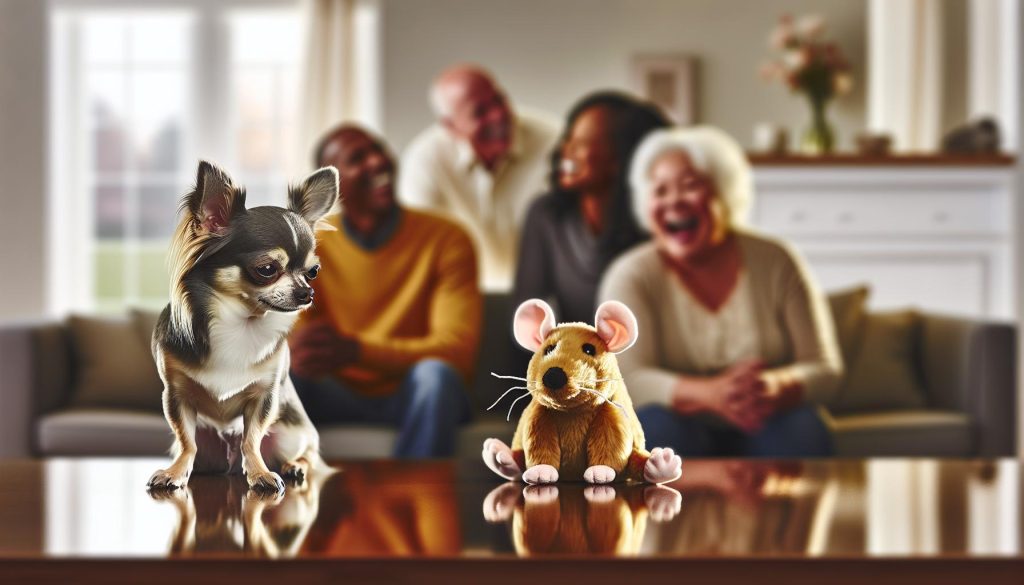
When people see a Chihuahua, they often make the mistaken comparison to a rat, which can be both puzzling and frustrating for devoted owners. These tiny canines, known for their vocal and bold personalities, deserve recognition for their distinct characteristics rather than unfair comparisons. In this exploration, we will debunk the myth that Chihuahuas are anything like rats and shed light on their unique qualities-loyalty, intelligence, and undeniable charm. Understanding these differences not only enriches our appreciation of this lovable breed but also addresses misconceptions that can lead to unnecessary stigma. Join me as we dive into the fascinating world of Chihuahuas, celebrating their quirks, exploring their needs, and highlighting the joys they bring to our lives. Trust me, once you see beyond the surface, you’ll understand why these little dogs capture so many hearts!
Are Chihuahuas Really Related to Rats?
The idea that Chihuahuas are related to rats is a myth that has gained traction among those unfamiliar with the breed. In reality, Chihuahuas belong to the canine family, Canidae, which makes them fundamentally different from rodents like rats. While both may be small and have certain similarities in appearance, particularly in size, the genetic makeup and lineage of these two species diverge vastly.
Chihuahuas are descendants of ancient companions of the Toltecs in Mexico, tracing back thousands of years. They were bred for their companionship, and their unique traits, such as large, expressive eyes and a spirited personality, set them apart from any rodent species. Their small stature, often confused with that of a rat, is a product of selective breeding to maintain desirable traits in pets.
When we examine common misconceptions about Chihuahuas, it’s essential to highlight their behavior. These little dogs are known for their vocal nature and bold personalities, traits that are often misinterpreted as rodent-like behavior. In fact, Chihuahuas are fiercely loyal and protective, displaying characteristics that are typical of much larger breeds. Understanding these distinctions helps in appreciating the breed for what it truly is-a distinguished companion that thrives on affection and attention.
In caring for a Chihuahua, recognizing their intrinsic dog traits is vital. They require proper training, socialization, and attention to health concerns typical of small breeds, such as dental hygiene and patellar luxation. Embracing their quirks and unique qualities makes for a rewarding experience as a dog owner and drives home the point that Chihuahuas are beloved pets in their own right, not distant relatives of any other animal.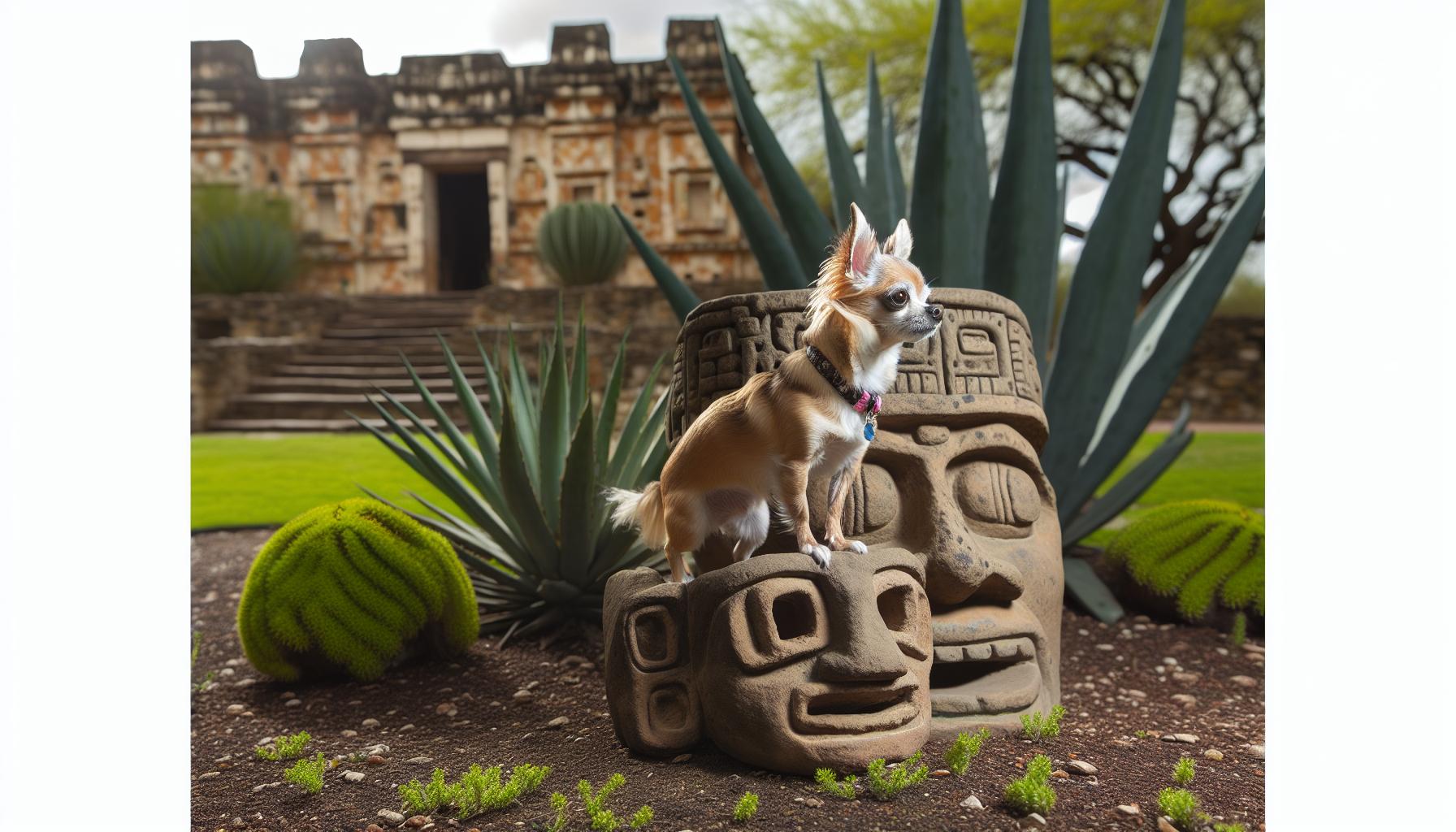
The Truth About Chihuahua Origins
The origins of Chihuahuas are as rich and intriguing as their vibrant personalities. Far from any misconception linking them to rodents, Chihuahuas are direct descendants of ancient dog breeds cherished by the Toltecs and later the Aztecs in Mexico. These small dogs were not only companions but also held spiritual significance, often seen as sacred animals. Their lineage dates back thousands of years, emphasizing their distinction as a breed bred for companionship and loyalty, rather than any rodent-like characteristics.
Chihuahuas come in various forms, including the popular apple-head varieties, known for their rounded skulls and large, expressive eyes, and the deer-head Chihuahuas, which have a more elongated snout and a slightly flat skull. Their size can range typically from 2 to 6 pounds, leading to frequent comparisons with small rodents. However, while both may share diminutive stature, the genetic makeup of Chihuahuas places them firmly in the canine family, Canidae, making any relation to rats biologically unfounded.
The breed’s popularity has grown globally, not just for their size but for their unique personality traits. Chihuahuas are known for their boldness and vocal nature. Many owners recount stories of their loyal companions bravely standing their ground against much larger animals, showcasing a bravery that defies their pint-sized stature. For example, a Chihuahua named Max once protected his owner from an aggressive dog at the park, barking fiercely until the larger dog retreated. This loyalty and protective nature further highlight their capabilities as companions.
Caring for a Chihuahua requires recognizing and embracing their distinct characteristics. They thrive on affection, socialization, and training. Health-wise, they are prone to specific issues typical for small breeds, such as dental problems and patellar luxation. Understanding these needs is crucial for any prospective or current owner, ensuring that their Chihuahua leads a happy and healthy life, firmly reinforcing that these delightful little dogs are unique and irreplaceable members of the family, far removed from any myth about being related to rats.
Understanding Chihuahua Behavior and Traits
Chihuahuas are often characterized by their striking personalities, far removed from any myth about their association with rodents. These tiny creatures, with their bold demeanor and unwavering loyalty, capture the hearts of dog lovers around the world. Understanding their behavior and traits allows owners to appreciate these delightful companions more deeply and tailor their care accordingly.
One of the most notable characteristics of Chihuahuas is their vocal nature. They are natural guardians, frequently alerting their owners to any perceived threat, no matter how small. This tenacity can be surprising given their size; many owners can share tales of their Chihuahuas bravely standing up to much larger dogs. For instance, a Chihuahua named Bella often barks ferociously at the mailman, proudly defending her territory. This protective instinct, while sometimes excessive, highlights their courageous spirit.
In addition to their bravery, Chihuahuas are incredibly affectionate and thrive on human interaction. They are known to form strong bonds with their owners, often seeking out cuddles and snuggles whenever possible. This affectionate behavior is particularly evident in the apple-head variety, who often exhibit playful and loving dispositions. Regular socialization and bonding through playtime and training can enhance these loving traits, making them even more connected to their family.
Health considerations are also a crucial part of understanding Chihuahua behavior. This breed is prone to specific health issues, such as dental problems and heart conditions, which can affect their personalities and energy levels. Owners should be mindful of these potential challenges, ensuring regular vet visits and proper dental care to keep their Chihuahuas healthy and happy. With proper care, they can showcase their unique traits-like their adorable quirks and playful attitudes-well into their golden years.
By celebrating their bold personalities, nurturing their affectionate nature, and being attentive to their health, owners can enjoy a fulfilling life with their Chihuahuas. These small dogs are not just companions; they are vibrant members of the family, bringing joy, laughter, and unwavering loyalty to those who are lucky enough to call them their own.
Myth-Busting: Common Misconceptions About Chihuahuas
Chihuahuas, with their unique personalities and striking features, have unfortunately been the subject of numerous misconceptions, particularly the bizarre claim that they are related to rats. This notion likely stems from their small size and large ears, reminiscent of a rodent. However, the truth is far more fascinating and showcases their true heritage as a beloved breed with a rich history. Chihuahuas are descendants of the Techichi, a small companion dog that was kept by the ancient civilizations of Mexico. Their lineage is rooted in the companionship and loyalty that has made them cherished pets for centuries.
Another common myth is that Chihuahuas are only yappy and aggressive. While they do have a bold and vocal nature-attributes that serve them well as alert watchdogs-it’s essential to recognize that their behavior is deeply influenced by their upbringing, socialization, and environment. For example, owners who engage their Chihuahuas in early socialization and positive reinforcement training often find their dogs to be well-mannered and affectionate. A Chihuahua named Coco, for instance, went from being overly barky to a calm and sociable pet after her owner enrolled her in training classes and introduced her to a variety of situations and other animals.
Chihuahuas are also often misunderstood when it comes to their health needs. Due to their small size, some may think they require less care; however, they are prone to specific health issues, such as dental problems, heart disease, and patellar luxation. This reality emphasizes the importance of routine veterinary check-ups and proper dental hygiene. Providing a balanced diet and adequate exercise is crucial for maintaining their health and well-being.
As a loving owner, understanding and nurturing your Chihuahua’s unique traits will help dispel these myths and promote a rewarding relationship. Celebrate their quirks- from their spirited barks to their affectionate cuddles-because they are not only companions but also vibrant members of your family, each with a personality that can charm even the toughest of hearts.
How to Care for Your Chihuahua Properly
To provide your Chihuahua with the best care possible, it’s important to recognize that their unique needs stem from their small size, spirited personalities, and specific health considerations. These charming little companions thrive on human interaction, making the quality of time spent together crucial. Here are some essential aspects to consider for keeping your Chihuahua happy and healthy.
Proper Nutrition
Diet plays a vital role in your Chihuahua’s overall health. Given their small size and propensity for dental issues, it’s best to select high-quality, small-breed dog food that meets their energy requirements. Look for options that are rich in protein but low in fillers. Many owners prefer to feed their Chihuahuas a mix of wet and dry foods to ensure hydration and dental health. Always measure portions to prevent obesity, as Chihuahuas can quickly gain weight, which complicates health issues.
Regular Veterinary Care
Routine veterinary check-ups are essential. Because Chihuahuas are prone to specific health concerns like heart disease and patellar luxation, proactive care can make a difference. These check-ups typically include dental care, vaccinations, and health screenings. Many owners find that establishing a regular dental hygiene routine at home-using special toothpaste made for dogs and providing chew toys-can help prevent serious dental issues.
Exercise and Playtime
Despite their small stature, Chihuahuas need regular exercise to stay fit and mentally stimulated. Daily walks, even if short, and interactive play sessions can greatly benefit their mood and energy levels. Engaging activities such as hide-and-seek or puzzle toys challenge their minds and keep boredom at bay. Owners often report that their Chihuahuas enjoy a backyard romp or a romp in the dog park where they can socialize with other small breeds.
Socialization and Training
Socialization is critical for a well-adjusted Chihuahua. Early exposure to different people, environments, and even larger dogs can help reduce their naturally vigilant behavior. Some owners have observed tremendous progress when enrolling their Chihuahuas in puppy classes. Using positive reinforcement techniques, such as treats and praise, helps create a solid bond and lays the groundwork for ongoing training, ensuring your Chihuahua is not only a beloved pet but also an obedient companion.
Understanding and implementing these care strategies will not only promote your Chihuahua’s health and happiness but also strengthen the bond you share, ensuring a joyful and fulfilling relationship for both of you. Remember, each small step you take in their care enhances their vibrant personality and loyalty.
The Science Behind Small Dog Comparisons
The idea that Chihuahuas are related to rats is a common myth that can be dismissed with a little scientific insight. To understand Chihuahuas‘ unique place in the canine world, we must look at their lineage and how they compare to other small dog breeds. Unlike the rodent family, Chihuahuas hail from a long line of dogs that were recognized for their companionship and loyalty. These dogs evolved alongside humans, becoming known for their vibrant personalities and distinctive traits.
Chihuahuas belong to the Toy Group, which includes other small breeds such as the Pomeranian and the Yorkshire Terrier. These dogs have been bred over generations for their appeal as companions rather than for any of the practical purposes larger breeds fulfill. Their tiny size does not compromise their strong personalities; Chihuahuas are often described as bold, spirited, and fiercely loyal. This contrasts sharply with common misconceptions that link small dogs to traits akin to pests.
When comparing dogs like Chihuahuas to rodents, it’s essential to note significant biological and behavioral differences. Chihuahuas have a complex social structure, emotional depth, and intelligence that drive their interactions with people and other pets. For example, many Chihuahua owners report that their pups are protective of their families and often exhibit behaviors typical of larger dog breeds – barking at strangers, forming strong attachments, and being actively engaged in family activities.
Moreover, while many rats have short lifespans and limited social interactions, Chihuahuas can thrive for over a decade with proper care, socialization, and training. Their healthcare needs, playful disposition, and affectionate nature require the commitment and understanding of owners, unlike more solitary or instinct-driven small mammals. In essence, Chihuahuas are part of the enriched tapestry of dog breeds, offering companionship and joy while rejecting any unfounded comparisons to rodents. This breed is a testament to the value of small dogs in our lives, combining charm, charisma, and loyalty-qualities we cherish deeply.
Debunking Size Myths: Chihuahuas vs. Other Breeds
Chihuahuas may be small in stature, but they firmly debunk the notion that size equates to a lesser presence in the dog world. These spirited little companions are often compared to larger breeds, and it’s vital to understand how their unique traits set them apart. While other toy breeds like the Pomeranian or Yorkshire Terrier may share the spotlight, Chihuahuas possess a distinctive character that is all their own.
One common myth is that smaller dogs like Chihuahuas are more fragile than their larger counterparts. In reality, Chihuahuas are often described as bold and confident, displaying behaviors that reflect their robust personalities. Many owners recount tales of their Chihuahuas standing up to much larger dogs, showcasing not just bravery but also a surprisingly commanding presence. For instance, you might find that your Chihuahua has a heart as big as any Great Dane, bravely barking to protect their perceived territory and their beloved humans.
Health and Care Considerations
When addressing the care of Chihuahuas compared to more substantial breeds, it’s essential to acknowledge that while their health needs may differ, their care demands equal attention. Chihuahuas require a balanced diet to support their energetic nature, regular vet check-ups to monitor their health, and socialization to develop their emotional well-being. Their small size does mean that they are more susceptible to certain health issues, such as dental problems or patellar luxation, but with proactive care, many Chihuahuas live long, vibrant lives-often 12 years or more.
Training and Behavior
Training can also differ between Chihuahuas and larger breeds. While you may think a smaller dog is easier to train, Chihuahuas can be quite independent and stubborn. Using positive reinforcement methods, such as treats and praise, can be highly effective. Many Chihuahua owners share that training sessions are less about barking commands and more about engaging their little ones in fun activities that stimulate their minds. This playful approach not only enhances obedience but also deepens the bond between you and your pet.
In conclusion, while Chihuahuas are often minimized due to their size, they shine in personality and capability. Their brave hearts, unique quirks, and loving natures make them beloved family pets. So next time someone jokes about Chihuahuas resembling rats, remember the vibrant, lively spirit within these tiny companions-full of character, charm, and an indomitable will that defies their size.
Why Chihuahuas Are Beloved Family Pets
Chihuahuas are often misjudged due to their small size, but these spirited little companions bring immense joy and character to households, making them beloved family pets. Known for their loyal and protective nature, Chihuahuas are fiercely devoted to their humans. This loyalty is especially evident when they protect their family, often barking enthusiastically at perceived threats. Their bold personalities defy their tiny stature, and many owners recount how their Chihuahua’s bravery sometimes surprises larger breeds.
On a daily basis, Chihuahuas offer companionship that can significantly enhance emotional well-being. Their playful antics and affectionate demeanor can lift spirits and provide comfort. Many owners have stories of their Chihuahuas snuggling close during quiet evenings or playfully darting around the house, bringing laughter and joy. This breed tends to form strong bonds with their families, often following them around the house as their little shadows, wanting to be part of every moment.
To ensure your Chihuahua enjoys a happy and healthy life, it’s essential to focus on their unique needs. A well-balanced diet tailored to their size and energy level is crucial. Regular vet visits help monitor their health, as small breeds can be prone to dental issues and other medical conditions. Moreover, engaging your Chihuahua in socialization right from a young age can develop their confidence and reduce any timid tendencies.
Training a Chihuahua can be a rewarding experience, although it requires patience. They may exhibit stubbornness, but with consistent positive reinforcement, you’ll find that your Chihuahua can learn commands and tricks quite effectively. For instance, using small treats during training sessions not only encourages good behavior but also strengthens the bond between you and your pet.
Beyond their quirks and charms, Chihuahuas hold a special place in the hearts of many families, thanks to their vibrant spirits and unwavering loyalty. They may be small, but they embody big personalities, making each day filled with love and adventure.
Celebrating the Unique Qualities of Chihuahuas
Chihuahuas are often underestimated due to their pint-sized frames, but these fierce little companions have a larger-than-life charm that captivates the hearts of many. Despite myths about their origins, it’s vital to recognize that Chihuahuas are not at all related to rats; instead, they are a distinct breed with a rich history, originally believed to have descended from the Techichi, a companion dog of the ancient civilizations in Mexico. Their unique blend of personality traits, loyalty, and distinct physical characteristics truly sets them apart in the canine world.
One of the standout qualities of Chihuahuas is their audacious nature. These little dynamos don’t shy away from showcasing their big personalities. Whether it’s their spontaneous bursts of energy that lead to playful zoomies around the house or their vocal tendencies that make them excellent watchdogs, Chihuahuas know how to make their presence felt. For example, many owners have shared anecdotes about their Chihuahuas barking bravely at larger intruders, proving that size is irrelevant when it comes to courage.
Chihuahuas also boast diverse coat types and physical features. From the beloved apple-head shape to the more rounded deer-head variants, each Chihuahua has its own distinct look. Their coats can be short, long, or a blend of both, appearing in a variety of colors-from the classic fawn to striking chocolate or even blue. This diversity not only adds to their unique charm but also gives families the opportunity to choose a companion that resonates with their personal style and lifestyle.
Caring for a Chihuahua can be incredibly fulfilling. These dogs thrive on companionship and love to be included in family activities. Regular exercise tailored to their energy levels is important, but so is mental stimulation. Engaging in training sessions, teaching tricks, or even exploring new environments can keep your Chihuahua happy and healthy. As they bond with their families, these dogs will exhibit affection in the most endearing ways-snuggling in your lap while you’re relaxing or following you from room to room as your devoted little shadow.
The bond shared between a Chihuahua and their human is truly special. They are known for weaving themselves into the fabric of family life, bringing joy, laughter, and unconditional love while also posing unique challenges. Their spirited antics and loyal nature make every day an adventure. Remember, as a proud Chihuahua owner, you’re not just gaining a pet-you’re welcoming a tiny bundle of personality and joy into your home.
Chihuahua Health: What Every Owner Needs to Know
Chihuahuas, those fiercely loyal companions, have unique health needs that every owner should be aware of. Despite their small size, these little dynamos can face some health issues if not properly cared for. Understanding their specific requirements and common health concerns is key to ensuring a long and happy life for your furry friend.
First and foremost, dental health is crucial for Chihuahuas. Their small mouths can lead to overcrowded teeth, which increases the risk of periodontal disease. Regular dental care, including brushing your Chihuahua’s teeth at home and scheduling professional cleanings, can help keep their teeth and gums healthy. Many owners find that utilizing dental chews and toys also aids in maintaining oral hygiene.
Common Health Issues
Chihuahuas are prone to a few specific health issues, which include:
- Patellar Luxation: This condition involves the dislocation of the kneecap and is common in small breeds. Regular check-ups can help detect this early.
- Heart Disease: Due to their size, Chihuahuas are at risk for heart problems, especially as they age. Monitoring their weight and maintaining a healthy diet are critical.
- Hypoglycemia: Chihuahuas can experience low blood sugar, particularly if they skip meals. Keeping nutritious snacks and a consistent feeding schedule can help mitigate this risk.
Additionally, it’s essential to ensure your Chihuahua receives regular vaccinations and preventive care for parasites to keep them healthy and free from preventable diseases.
Nutrition and Exercise
Another vital aspect of a Chihuahua’s health revolves around proper nutrition. Their tiny stomachs can lead to weight issues if not managed effectively. Choosing high-quality dog food tailored for small breeds will support their energy levels without excessive calories.
Regular exercise does not mean long walks; short, frequent play sessions often suffice for Chihuahuas. Owners note that interactive toys, short games, and even brief outdoor excursions keep their pets engaged while supporting a healthy weight.
Ultimately, understanding these health needs allows you to provide the best care for your Chihuahua. Their charming quirks and vibrant personalities deserve the healthiest and happiest life possible. Remember, a proactive approach to your Chihuahua’s health will enable you to enjoy many joyful years together.
Training Tips for Your Chihuahua’s Success
Training a Chihuahua can be a delightful and rewarding experience, but it does require patience and an understanding of the breed’s unique characteristics. Chihuahuas, with their big personalities packed into tiny bodies, are known for being vocal, loyal, and sometimes a bit stubborn. But with the right approach, you can turn these traits into positive behaviors.
Start training early to establish good habits. Chihuahuas respond well to short, fun, and interactive training sessions. Because of their small size, they can easily be overwhelmed, so aim for 5 to 10 minutes of focused training a couple of times a day. Use positive reinforcement techniques like treats, praise, and playtime to motivate your Chihuahua. For instance, if your little friend sits on command, reward him immediately. This builds a strong association between the behavior and the reward.
Consistency is key in training. Use the same commands and cues each time to prevent confusion. For example, if you’re teaching her to “come,” use that exact word every time, without variations. Chihuahuas can be a bit sensitive, so avoid harsh corrections. Instead, redirect undesirable behaviors by distracting her with a toy or by changing your location. Remember, this breed is highly social and thrives on companionship, so incorporating family members into training can help reinforce lessons as well.
Socialization is another important training aspect for Chihuahuas. Exposing your pup to various environments, people, and other dogs from an early age helps her develop confidence and reduces the likelihood of fear-based behaviors, such as barking or aggression. Arrange playdates with other small dogs or visit dog-friendly parks to allow her to interact positively with new experiences.
Lastly, embrace the quirks of your Chihuahua. Their spirited nature is what makes them unique companions. Celebrate moments when he displays his characteristics, like proudly alerting you to a delivery person or snuggling close during a movie night. This breed’s loyalty and love make them wonderful pets, and with a little time and effort in training, you’ll lay the groundwork for a harmonious life together.
Chihuahuas in Popular Culture: A Deep Dive
Chihuahuas have captured the hearts and imaginations of many, becoming a staple in popular culture. Their tiny size, feisty demeanor, and big personalities make them irresistible characters in films, television, and even social media platforms. This breed has transcended its humble origins, making appearances alongside celebrities and in viral videos, contributing to both their popularity and the misconceptions surrounding them.
In films like “Legally Blonde,” where a Chihuahua named Bruiser became a beloved sidekick, and “Beverly Hills Chihuahua,” these dogs have been portrayed as fashionable, sassy companions. Such representations often reinforce the view that Chihuahuas are accessories rather than pets. This has, unfortunately, led to many people mistakenly associating them with rodents, particularly due to their small size. However, it’s crucial to see Chihuahuas for what they truly are: vibrant, loyal animals with distinct personalities. They exhibit traits such as boldness and alertness, proving they are far from rat-like in both behavior and companionship.
Chihuahuas have also made their mark in social media, where their quirky antics and flamboyant personalities are often showcased. Owners share countless videos and photos that highlight their Chihuahuas’ vocal nature, stylish outfits, and playful interactions with various environments. Such representations help demystify the breed, showcasing their spirited nature and loyalty as beloved family pets.
As a Chihuahua enthusiast, it’s essential to celebrate these quirks while also addressing the myths that often accompany them. For instance, despite their reputation for being yappy, Chihuahuas can be trained to communicate effectively without excessive barking. Understanding their behavior and needs can cultivate a deeper appreciation for these unique dogs, moving beyond the surface-level stereotypes often seen in popular culture. By doing so, we not only debunk myths about Chihuahuas but also elevate their status as cherished members of our families.
In sum, as Chihuahuas continue to gain attention in various cultural narratives, it is our responsibility as owners and advocates to portray them authentically-acknowledging their intelligence, loyalty, and affectionate nature. By sharing our experiences and educating others, we help ensure that the love for Chihuahuas endures, grounded in a genuine understanding of their character and place in our lives.
Q&A
Q: What are the main differences between Chihuahuas and rats?
A: Chihuahuas are dogs, while rats are rodents. Chihuahuas exhibit canine behavior, loyalty, and companionship, unlike rats, which are often seen as pests. Additionally, Chihuahuas possess a distinct breed heritage, being one of the smallest dog breeds with unique traits and needs.
Q: Can Chihuahuas be mistaken for rats?
A: Yes, due to their small size. Some people may confuse Chihuahuas with rats, especially when they’re young or unkempt. However, their distinct features, like long ears and unique facial structure, help differentiate them clearly from rodents.
Q: How do Chihuahuas behave compared to rats?
A: Chihuahuas exhibit a range of playful and affectionate behaviors typical of dogs, such as loyalty and protectiveness. In contrast, rats can display timid or social behaviors depending on their environment, but they lack the relational depth that dogs offer.
Q: Why do some people believe Chihuahuas are related to rats?
A: Misconceptions often arise from their small size and similar physical traits like a pointed nose and body shape. However, Chihuahuas have distinct ancestral roots in ancient dog breeds, far removed from rodent lineage.
Q: What health issues are common in Chihuahuas, unlike in rats?
A: Chihuahuas are prone to specific health conditions such as patellar luxation, dental issues, and heart disease, influenced by their dog genetics and breeding. In contrast, rats face their own health challenges, like respiratory problems and tumors, which differ significantly from those of Chihuahuas.
Q: How can I better understand my Chihuahua, compared to how I perceive a rat?
A: Understanding Chihuahua behavior involves learning about their social needs and communication style. They thrive on companionship and interaction, in contrast to the more independent nature of rats. By engaging with your Chihuahua through play and training, you can develop a stronger bond.
Q: Are Chihuahuas good pets compared to keeping rats?
A: Chihuahuas can make excellent pets due to their loyalty, affection, and trainability. While rats can also be loving pets, they typically require different care and social interaction levels. Choosing between them depends on your lifestyle and preferences for pet companionship.
Q: What common myths about Chihuahuas might contribute to comparisons with rats?
A: Myths such as Chihuahuas being aggressive or difficult to train may lead some to view them unfavorably, akin to pests. These misconceptions can overshadow their actual affectionate nature and unique personalities, which can be explored further in sections regarding Chihuahua behavior in the main article.
To Conclude
As we conclude our exploration into whether Chihuahuas are mistaken for rats, it’s clear that this vibrant breed deserves appreciation, not misconceptions. Remember, your Chihuahua is a loyal companion who brings joy with their bold personality and unique characteristics-from their adorable apple-head shape to their various coat types. If you’re considering adding one to your family or are a proud owner already, delve into our expert tips on Chihuahua care and socialization in our article on “Understanding Chihuahua Behavior” [link].
Join our community of enthusiastic Chihuahua owners by signing up for our newsletter, where you’ll receive valuable insights on health, training, and nutrition directly to your inbox. Don’t let lingering questions hold you back-explore more about nurturing your little friend in our “Chihuahua Health Essentials” guide [link]. Keep adding to your knowledge and help dispel the myths surrounding this charming breed. Share your thoughts or experiences in the comments below, and let’s celebrate our beloved Chihuahuas together!
Get our latest guides, news, and insights highlighted in your Google Search & AI Overviews.