

Did you know that the way a Japanese Chihuahua greets you can reflect their unique cultural quirks? Understanding how this delightful breed expresses affection is essential for all Chihuahua owners. In a world where communication goes beyond barks, recognizing these nuances can strengthen your bond with your furry friend.
Chihuahuas are not just adorably tiny; they are known for their vocal personalities and profound loyalty. Whether you’re a first-time owner or a seasoned Chihuahua enthusiast, exploring the charming ways your pup says hello can enhance your experience. From their expressive body language to their playful yips, each interaction holds a wealth of insights into their behavior and emotions.
Curious about what your Chihuahua’s greeting says about their mood or your relationship? Join us as we delve into the cultural quirks of these bold little companions, ensuring that you understand and appreciate every quirk and greeting. This journey will not only enhance your knowledge but also deepen the connection with your beloved furry family member.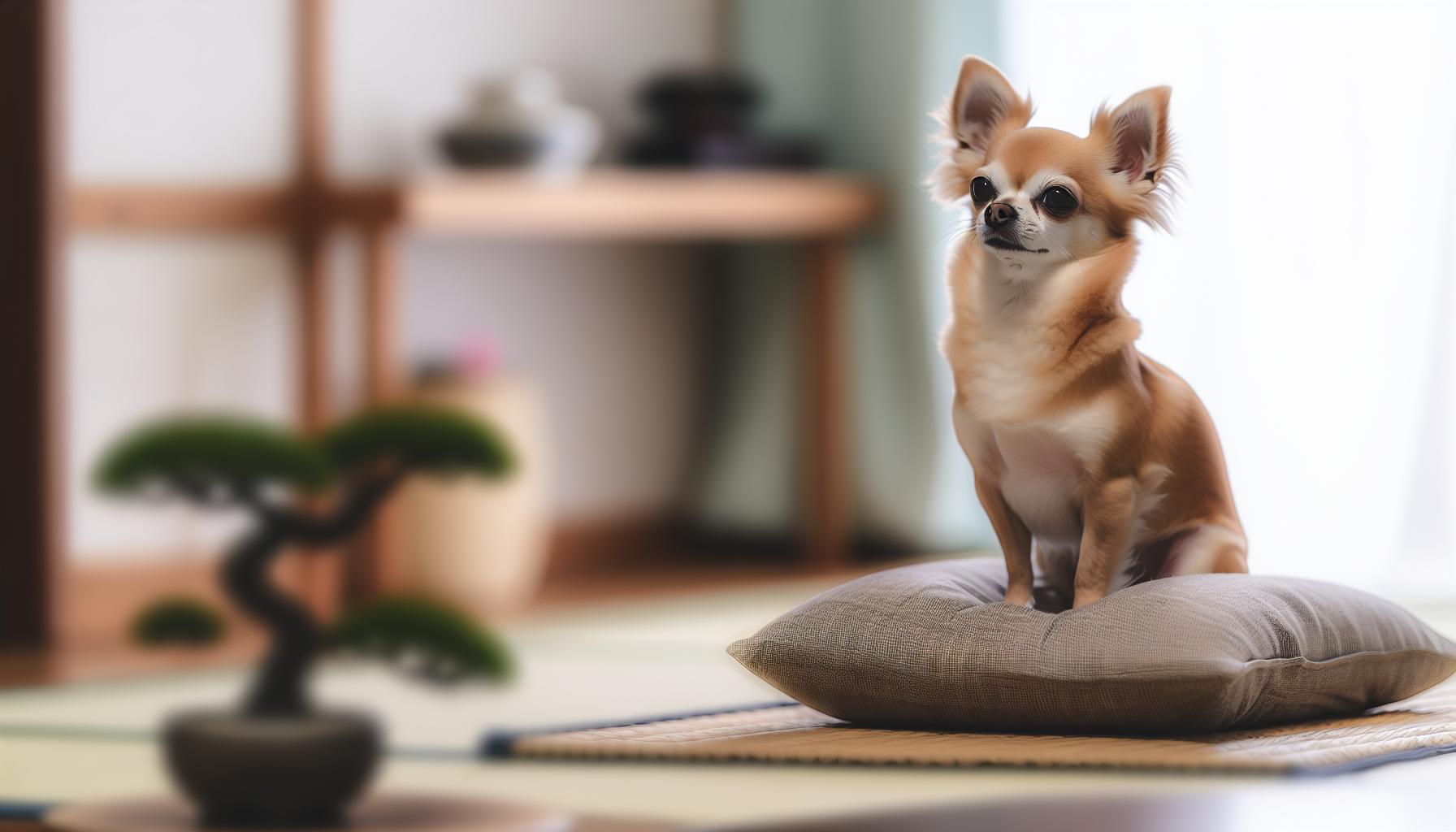
How Japanese Chihuahuas Express Emotion
Japanese Chihuahuas have a distinctive way of expressing their emotions, combining their unique vocalizations and lively body language to communicate effectively. Whether it’s excitement during playtime or comfort when snuggled close, these small dogs exhibit a plethora of emotions that can greatly enrich the bond with their owners. Understanding these expressions can help enhance your relationship with your Chihuahua and allow you to respond appropriately to their needs.
One of the most striking ways that Chihuahuas express themselves is through a wide range of vocalizations. Beyond the typical barking, many Japanese Chihuahuas have developed specific sounds that indicate their emotional states. For example, a soft whine may signal affection or a desire for attention, while high-pitched barks can indicate joy or excitement. Observing these sounds in context can help owners become attuned to what their Chihuahua is communicating, fostering a deeper understanding and enhanced companionship.
Body language also plays a critical role in how these Chihuahuas express their feelings. A relaxed body posture, with lowered ears and a calm tail wag, typically indicates contentment, while raised fur and a tense stance might suggest fear or aggression. Owners should pay attention to these signals, especially in social situations with other dogs or unfamiliar people. Creating a safe and secure environment allows your Chihuahua to express themselves freely, thus solidifying the emotional connection you share.
Ultimately, the emotional expressions of Japanese Chihuahuas are a beautiful blend of vocal and physical communication. By embracing their quirks and recognizing their unique ways of saying “hello” or “I love you,” owners can foster a loving and joyful relationship with their little companions. Engaging in activities that celebrate their expressive nature, such as interactive games that encourage vocalization or gentle training sessions focused on positive reinforcement, can further strengthen this bond.
Understanding Japanese Chihuahua Behavior
Japanese Chihuahuas have distinct behavioral traits that reflect their unique cultural environment, showcasing both their personality and their connection with their owners. These tiny companions, often described as bold and vocal, communicate their feelings and needs in ways that are integral to the bond they share with their humans. Understanding their behaviors can enhance your relationship, making interactions more fulfilling and responding to their needs more intuitive.
The Japanese culture places a significant emphasis on the nuances of communication, and this is evident in how Chihuahuas express themselves. For instance, you might notice that your Chihuahua’s greeting involves a flurry of barks or a high-pitched whine when they see you after you’ve been away. This vocal enthusiasm is more than just excitement; it’s a joyful declaration of their affection and loyalty. Like a little cheerleader, your Chihuahua thrives on connecting with you, conveying emotions through both sound and posture.
When it comes to body language, Japanese Chihuahuas often exhibit behaviors that signal their feelings clearly. A wagging tail paired with a playful stance indicates joy, while a low body position with ears back may signify uncertainty or fear, especially in new or overwhelming situations. As an owner, being attuned to these signals can help you provide a supportive environment. If your Chihuahua tends to freeze when meeting new people, for example, it may be helpful to give them space and allow them to approach at their pace, further building their confidence.
Additionally, the cultural context in Japan encourages an interactive approach to dog ownership, with a focus on socialization and engagement. Chihuahuas are often seen as part of the family, participating in social gatherings and outings. Incorporating playtime into your routine, whether through games that stimulate their senses or gentle training sessions that reward positive behavior, can deepen these connections. Engaging in activities that celebrate their unique quirks, like teaching them specific tricks or even simple commands in Japanese, can enrich your experience together and foster a sense of accomplishment for both you and your Chihuahua.
By understanding and embracing their behavior, you can navigate the rich emotional landscape of your Japanese Chihuahua, nurturing a bond built on trust and affection. Whether it’s through vocal cheer, playful body language, or engagement in shared activities, these little dogs have a wonderful way of reminding us just how much love and connection can come in a small package.
Unique Vocalizations: More Than Just Barking
Japanese Chihuahuas possess a remarkable range of vocalizations that go beyond simple barking. These tiny companions often use their voices to convey a rich tapestry of emotions, particularly when greeting their owners. For instance, you may notice your Chihuahua emitting a series of enthusiastic yips or a distinctive yodel-like sound as you walk through the door. Rather than being purely expressive, these vocal signals reflect their personality and the bond you share. It’s akin to a heartfelt “hello” that they’ve crafted over time, channeling their excitement and affection into a mini symphony of sounds.
Understanding your Chihuahua’s unique vocalizations can deepen your connection with him. Each sound is often context-specific; a high-pitched yip usually signifies delight and eagerness, while a low growl may indicate discomfort or wariness. Pay attention to the nuances-it’s essential to recognize when your dog is cheerfully greeting family versus when he’s alerting you to a perceived threat. This awareness can enhance your ability to respond appropriately, ensuring that you’re meeting his emotional needs without missing a beat.
Cultural factors also play a role in how these vocalizations are interpreted. In Japan, where Chihuahuas are often pampered and treated as beloved family members, their vocal habits may reflect a heightened sensitivity to human emotions. Owners might talk to their dogs in soft, affectionate tones, encouraging their expressive nature. This interaction reinforces the vocal behaviors of Chihuahuas, making them even more communicative and eager to engage. It’s a special dance of sounds and gestures-a reflection of the love that permeates their daily lives together.
To effectively engage with your Chihuahua’s vocalizations, consider dedicating time to play and bond through sound. Incorporating games that encourage vocal expression, like hide-and-seek with treats or gentle “talking” games, can stimulate his natural inclination to chat. Not only does this promote vocal communication, but it also fosters trust and a deeper emotional connection between you. Embrace the sounds your Chihuahua makes; they are his way of speaking the language of love, one delightful bark at a time.
Cultural Influences on Dog Communication
As you consider how a Japanese Chihuahua interacts with his environment, it’s essential to recognize that cultural nuances play a significant role in canine communication. In Japan, where Chihuahuas are often regarded as cherished companions, their interactions are heavily influenced by the values and practices of their owners. This dynamic contributes to a unique mode of expression that is both endearing and fascinating.
Japanese culture places great emphasis on harmony and nuanced communication, which translates to how owners engage with their dogs. For instance, you’ll notice that many Japanese Chihuahua owners communicate using soft tones and gentle gestures, fostering a nurturing atmosphere. This type of interaction encourages your Chihuahua to develop a rich vocabulary of sounds and signals, reflecting a deep bond with you. Instead of merely barking, expect a variety of vocalizations, like soft whines or exciting yips, which indicate their emotions and needs.
Moreover, the environment in which Chihuahuas are raised also shapes their behavior. In urban settings, where space is limited, these tiny dogs often become adept at non-verbal cues. They may use body language, such as turning their heads or twitching their ears, to communicate with their owners. Understanding these signs is crucial; it’s a testament to their ability to adapt and connect in ways that resonate within their cultural context. For example, an enthusiastic wag of the tail combined with a bright yip upon your arrival indicates both welcome and the excitement of shared moments together.
To truly appreciate the communicative nature of your Japanese Chihuahua, invest time in observing these interactions. Spend quality time engaging in activities that promote vocalization and body language. Simple games, like fetch or hide-and-seek, can amplify their excitement and expression. This not only heightens their communicative tendencies but also solidifies the bond you share, reinforcing an understanding that transcends language. By embracing these cultural nuances, you can deepen your connection and ensure that your interactions are both meaningful and enjoyable.
Training Techniques for Cultural Contexts
Building a solid foundation of training for your Japanese Chihuahua is not only enjoyable but also crucial in fostering a harmonious relationship that respects cultural nuances. Understanding that these little dogs respond best to gentle guidance makes training less about commands and more about cultivating a mutual understanding. One empowering method is to use positive reinforcement, which aligns beautifully with the nurturing communication styles often observed in Japanese households.
Start by incorporating soft tones and celebratory gestures when your Chihuahua responds positively. For example, if your furry friend wags his tail eagerly when you say “hello,” reward him with a treat or some affectionate praise. This approach reinforces the behavior you want to see while creating a warm interaction that mirrors the affectionate way many Japanese owners engage with their pets.
In areas where space is limited, such as urban environments typical in Japan, enrich training routines with engaging games that can be played indoors. Activities like hide-and-seek or find the treat not only stimulate your Chihuahua mentally but also encourage physical activity within confined spaces. These activities nurture the dog’s need to express himself beyond traditional commands, allowing for a more playful and culturally-influenced communication style that emphasizes bonding.
It’s also valuable to teach specialized cues using both vocal commands and hand signals. For instance, when your Chihuahua looks up at you expectantly, a gentle wave of your hand can accompany a bite-sized training treat. This kind of multi-modal training is excellent for accentuating body language-a crucial part of Chihuahua communication. They may respond well to these visual and auditory signals, reinforcing the bond you share while respecting the subtle cues inherent to their nature.
Overall, the training techniques you choose should not only educate but also celebrate your Chihuahua’s quirks and personality. By connecting with him through culturally-informed methods, you create a joyful learning environment-one that harmonizes your relationship and enhances his ability to express himself. Building a solid partnership rooted in mutual respect and understanding transforms every training session into a delightful experience that resonates with his soulful nature.
The Role of Body Language in Chihuahuas
When it comes to understanding how Chihuahuas express themselves, particularly in a culturally rich environment like Japan, body language plays an indispensable role. These tiny dogs are not just vocal creatures; they communicate a wealth of emotions through their physical gestures. Whether it’s a slight wag of the tail, a twitch of an ear, or a playful prance, your Chihuahua uses these movements to convey his feelings and intentions.
Chihuahuas are known for their distinctive personalities, often reflecting curiosity, affection, and sometimes a bit of bravado. For example, when your Chihuahua greets someone, you might observe a combination of behaviors: he may start with a low bow, followed by a tail wag that rotates in delight. This posture not only showcases excitement but also invites interaction while subtly indicating submission to a friendly approach. Understanding these nuances is crucial; they reveal much about his current mood and how he prefers to engage with others.
In Japanese culture, where subtlety and respect are significant, the way your Chihuahua behaves can mirror these values. If he feels nervous, you might notice his ears flatten against his head or his body shrinking into a compact shape. This behavior indicates that he might need a moment to adjust to the environment or the individuals around him. As an owner, recognizing and responding appropriately to these signals can strengthen the bond you share, allowing for a deeper connection that honors his feelings. Pay attention to the way he positions his body when you’re approaching; varying angles can signal curiosity or trepidation.
It’s also vital to incorporate some of these observations into your training routines. For instance, acknowledge his body language during training sessions by adapting your approach based on his comfort level. If he seems enthusiastic and vibrant, capitalize on that energy with playful commands and rewards. However, if he exhibits signs of uncertainty, such as a tucked tail or avoiding direct eye contact, slow down the pace and create a more reassuring atmosphere. This responsiveness not only fosters trust but also promotes a more effective learning experience.
Ultimately, by paying attention to how your Chihuahua moves and interacts, you create a nurturing environment where he feels safe to express himself. This bond, deep-rooted in understanding both his verbal and non-verbal cues, celebrates the unique quirks of your Chihuahua, illustrating how rich and fulfilling this relationship can be. Embrace these moments and enjoy the intricacies of bonding with your beloved companion!
Building Bonds: How Japanese Owners Connect with Their Dogs
Connecting with your Chihuahua is an enriching experience, particularly in a country as culturally nuanced as Japan. Imagine your little companion greeting you with a soft, high-pitched yip, followed by a happy twirl as he welcomes you home. This is a typical Chihuahua hello, filled with warmth and excitement. Japanese owners often deepen this connection through culturally reflective practices, where respect and attentiveness are paramount. Understanding how your Chihuahua expresses greetings-both vocally and through body language-can significantly enhance your bond.
Many Japanese Chihuahua owners embrace the practice of kneeling or bending down to their dog’s level when greeting them. This gesture signifies respect and allows for more intimate interaction. As you lower yourself, observe how your Chihuahua reacts-watch for that tail wiggling, eager paw movements, or even a gentle head tilt. These behaviors indicate joy and eagerness to interact. Engaging with your Chihuahua at eye level can facilitate a sense of security and affection, reinforcing your relationship.
Incorporating traditional Japanese elements can also make greetings special. For instance, you can use phrases like “Okaeri” (welcome home) as you come in, accompanied by gentle petting or a soft stroke along his back. This not only shows affection but also helps your Chihuahua associate specific words with positive experiences. Some owners enjoy making daily rituals, like a short walk or a play session right after greeting, creating a consistent routine that comforts him and strengthens your bond.
Moreover, understanding and respecting your Chihuahua’s individuality is crucial. Each dog has unique ways of expressing happiness. Some may prefer gentle cuddles, while others might enjoy a playful chase of their favorite toy. Observing and responding to your Chihuahua’s preferences can lead to heightened trust and comfort in your relationship. Always celebrate those quirky traits-whether it’s a brave bark at the mailman or their delight in discovering a new toy. By acknowledging and appreciating his unique personality, you reinforce not only your connection but also create a nurturing environment that encourages him to express himself freely.
Typical Greetings: What to Expect from Your Chihuahua
When you come home to a wiggly little bundle of joy, your Chihuahua is likely ready to shower you with affection in their own charming way. Expect a vibrant mix of soft barks, excited yips, and an exuberant tail wagging as they express their joy at your return. This quintessential emotional display isn’t just for show; it’s an essential part of the bond you share. The excitement that fills the room when you walk through the door exemplifies how Chihuahuas articulate their feelings, especially in Japan, where cultural nuances shape pet ownership.
The act of kneeling or bending down to greet your Chihuahua is a significant ritual that many Japanese owners embrace. This simple yet profound gesture indicates respect and establishes an intimate connection. As you lower yourself, take note of your Chihuahua’s reactions. You might see tails wagging furiously, eager paws tapping at the ground, or even a bright-eyed head tilt as they look up at you. These signs reflect their eagerness to engage, confirming that your companionship is treasured.
Utilizing traditional phrases can further enrich these greetings. The Japanese phrase “Okaeri,” meaning “welcome home,” can accompany your soft strokes along his back or gentle pets. This not only conveys affection but also helps your Chihuahua associate words with positive experiences, reinforcing your bond. Consistency is key; incorporating daily rituals, like a short play session or a walk after your greeting, builds a rhythm that your Chihuahua learns to look forward to every day.
Remember, each Chihuahua is unique, and understanding their individualistic behaviors is crucial. Some might relish cuddles and gentle kisses, whereas others may prefer lively games of chase or a spin around the living room. By paying attention to these nuances, you foster a nurturing atmosphere where your Chihuahua feels secure and valued. Celebrate their quirky antics-be it barking at the reflection in the mirror or joyfully burrowing into a pile of laundry. Recognizing and appreciating these traits not only strengthens your bond but also encourages your Chihuahua to express their vibrant personality without hesitation.
Common Misconceptions About Chihuahuas in Japan
There are numerous misconceptions about Chihuahuas, particularly within the context of Japanese culture that influence how these little dogs are perceived. One major myth is that Chihuahuas are overly aggressive or difficult to manage. While it’s true that some Chihuahuas can exhibit a feisty temperament, this behavior often stems from insecurity or lack of proper socialization, rather than innate aggression. Many owners have successfully nurtured well-adjusted, friendly Chihuahuas through consistent training and social experiences, illustrating that behavior is largely shaped by the environment and care they receive.
Another common misunderstanding is that Chihuahuas, due to their small size, require minimal exercise and training. This assumption can lead to issues of obesity and behavioral problems if owners neglect their needs. In Japan, where urban living is common, it’s important for owners to engage their Chihuahuas through regular walks and playtime in safe spaces. These activities not only keep them physically fit but also stimulate their minds, ensuring they remain happy and balanced companions. Experienced owners recommend incorporating interactive toys and training sessions to keep these intelligent dogs engaged.
Additionally, there’s a belief that Chihuahuas cannot be trusted around children or other pets. In reality, many Chihuahuas can form loving bonds with kids and other animals when raised together or introduced properly. It’s essential to teach children how to interact gently with these small dogs, focusing on respect and understanding of their body language. For instance, a child who recognizes when a Chihuahua needs space or feels overwhelmed-like when he’s hiding under a couch-can foster a safe and positive relationship.
Lastly, the image of the “yappy” Chihuahua is prevalent, but not all Chihuahuas fit this stereotype. While they may vocalize more than some larger breeds, this behavior can often be managed through training and understanding their triggers, such as boredom or anxiety. Using positive reinforcement methods, owners can teach their Chihuahuas when it’s appropriate to bark and when to be quiet, leading to a more harmonious household.
In summary, debunking these misconceptions plays a crucial role in enhancing the experience of owning a Chihuahua in Japan. By understanding their true nature and needs, owners can form deeper connections and truly appreciate the unique characteristics that these spirited little dogs bring into their lives.
Celebrating the Chihuahua’s Quirks and Features
The charm of Chihuahuas often lies in their delightful quirks and distinctive features. These little dogs have an abundance of personality packed into their tiny frames, making them not only endearing companions but also fascinating subjects of study, particularly within the context of Japanese culture, where their unique expressions and exuberant natures are fully embraced.
One of the most striking characteristics of Chihuahuas is their vocalization. Unlike many other breeds, they possess a variety of sounds that go beyond simple barking. In Japan, it’s common for Chihuahuas to engage in lively chatter, often mimicking sounds they hear in their environment. This vocalization is a vital aspect of how they engage with their humans and express their emotions. For instance, a Chihuahua might greet its owner with a series of excited yips and barks, signaling joy and a desire for interaction. Understanding these sounds can enrich the bond you share, as you learn to respond to your furry friend’s vocal cues.
In addition to their vocal talents, Chihuahuas are famous for their bold and confident demeanor. Often undeterred by their small size, they approach the world with a fearless attitude. This trait is especially evident when they meet new people or dogs. A typical greeting from a Japanese Chihuahua may include a playful wiggle and a dash forward, as if to say, “I’m here! Get to know me!” Owners in Japan cherish this spunky spirit, often reporting that their Chihuahuas seem to thrive on the attention they attract.
When celebrating the unique features of Chihuahuas, it’s important to recognize their rich variety in appearance and temperament. For instance, apple-head Chihuahuas are adored for their round faces, while those with a deer-head shape tend to be a bit taller and more elegant. Their coats can range from the soft, short-haired types to luxurious long-haired ones, each requiring different grooming approaches. This diversity allows owners to select a Chihuahua that best fits their lifestyle and preferences.
Ultimately, owning a Chihuahua in Japan means embracing their quirks, from their endearing yips and bold personalities to their charming looks. These characteristics not only make each day with your Chihuahua an adventure but also provide endless opportunities for joy, training, and connection that enrich both your lives. Celebrate these quirks, and you’ll find that a little dog can offer a huge heart.
Navigating Cultural Tensions: Chihuahua in a Global Context
Navigating the world of Chihuahuas can be as colorful and diverse as their personalities. When considering owning a Chihuahua, especially from a specific cultural background like Japan, one must appreciate the varying perceptions and practices surrounding this beloved breed globally. For instance, while a Japanese Chihuahua might express cheerful greetings through spirited yips or playful antics, owners in different cultures may have different expectations or reactions to those behaviors.
In Japan, Chihuahuas are celebrated not just for their size but for their unique quirks, often viewed as fashionable companions rather than guard dogs. This cultural perspective can create misunderstandings for owners from regions where Chihuahuas are regarded more skeptically due to their small size and vocal nature. It’s critical for owners to learn how to appreciate and harness these distinct cultural traits – such as their spirited greetings – while also being mindful of how they might be perceived when transitioning to more globally diverse environments.
Understanding these dynamics can enhance your relationship with your Chihuahua. For example, a Chihuahua accustomed to social interactions might approach new friends with a series of joyful jumps and barks, eager to establish a different kind of bond. In contrast, a Chihuahua from a more reserved cultural background may need some encouragement to engage. Emphasizing socialization techniques aligned with the Chihuahua’s cultural communication style can be beneficial. Engaging in activities like group walks can encourage interaction with both familiar and new friends, helping to bridge the gap between different cultural approaches.
Another aspect to consider is the importance of adaptability. Owners can help their Chihuahuas thrive in various settings by being consistent in training while respecting their unique personality traits. For example, using positive reinforcement when your Chihuahua greets someone helps to solidify their confident, vocal greetings and makes them feel secure in diverse environments. This adaptable approach aids not just in personal interactions but also eases potential cultural tensions, allowing your furry friend to shine wherever they go.
Finally, sharing experiences with other Chihuahua owners can lead to deeper insights. For instance, discussing quirks or training successes on social media groups or local meetups can help you discover diverse strategies that suit both your needs and those of your little companion. Embracing both your Chihuahua’s nature and cultural nuances will ensure that the connection between you and your Chihuahua flourishes, regardless of where you are in the world.
Engaging Activities: Fun Ways to Say Hello with Your Chihuahua
Welcoming your Chihuahua into your home is akin to bringing in a little dynamo of joy, especially when you consider their lively greetings. Japanese Chihuahuas often express their excitement through enthusiastic barks, tiny jumps, and even some adorable spins! Enriching these interactions doesn’t just deepen your bond; it also showcases the unique quirks of this beloved breed.
To make the most of your Chihuahua’s greeting style, start incorporating fun and engaging activities. One excellent way to do this is through playful greetings. Whenever you arrive home, or when someone new enters your space, initiate a greeting ritual that involves a mini dance. You might clap your hands or do a little shimmy as you call their name; this often prompts her to respond with enthusiastic barks and jumps, creating a delightful exchange full of energy.
Another creative approach is to use treats as incentives for greetings. Holding a favorite toy or treat just out of reach can encourage your Chihuahua to exhibit its joyful behavior, creating anticipation and excitement. This method not only enhances your dog’s greeting but also reinforces positive behavior and strengthens your communication. While training, remember that quiet commands are also effective. Use a soft voice to encourage calm greetings, rewarding your Chihuahua with praise or treats when she exhibits more controlled behavior.
Exploring new environments can also be a thrilling way to say hello. Take your Chihuahua on short outings to local parks or pet-friendly cafes, where she can meet other dogs and people. The new sights and smells will stimulate her senses, making her greetings even more expressive. Observe how she interacts-does she spin excitedly, greet with happy yips, or perhaps offer a gentle nuzzle? Each encounter provides an opportunity to learn more about her social behaviors and preferences.
To further celebrate these unique greetings, consider organizing playdates with other dog owners. Engaging in group activities can be a fantastic way for your Chihuahua to show affection and excitement toward her playmates. Use this time to practice commands and greetings, reinforcing that every introduction is a chance to bond and connect.
Embracing these engaging activities not only enhances the way your Chihuahua says hello but also enriches your overall relationship! By providing stimulating environments and encouraging playful greetings, you reinforce her natural behaviors while fostering joy, loyalty, and lasting companionship. Each wagging tail and happy bark will grow your connection, ensuring you both share countless joyful moments together.
Q&A
Q: What unique phrases do Japanese Chihuahuas use in greetings?
A: Japanese Chihuahuas might express greetings through high-pitched barks or soft whines, mimicking the sounds their owners make. These vocalizations can include the word “kawaii” (cute) as a playful response, reflecting the Japanese culture’s emphasis on cuteness. Understanding these subtle cues enhances communication between owners and their pets.
Q: How do Japanese cultural norms affect Chihuahua behavior?
A: In Japan, Chihuahuas often reflect their owner’s demeanor, displaying calmness or playfulness based on social settings. Cultural norms encourage polite interactions, resulting in Chihuahuas being well-mannered. Their behavior can often align with the peaceful, respectful communication style prevalent in Japanese society.
Q: Why do Chihuahuas in Japan often use body language to greet?
A: Chihuahuas in Japan frequently rely on body language, such as tail wagging or playful posturing, to greet their owners or other dogs. This non-verbal communication respects the value placed on subtlety in Japanese culture, making interactions more nuanced and mutual between pets and their owners.
Q: How can I improve my Chihuahua’s greetings in a Japanese style?
A: To enhance your Chihuahua’s greetings, practice consistent vocal commands combined with gentle body language. Use phrases like “O-kawaii!” to reinforce positive greetings, encouraging playful responses that mirror traditional Japanese interactions. Rewarding with treats can help solidify these behaviors.
Q: What are the common vocalizations of Japanese Chihuahuas?
A: Japanese Chihuahuas often produce unique vocalizations, such as soft yips or chirps, conveying excitement or affection. These sounds differ from typical barking, highlighting their cultural quirks. Owners are encouraged to recognize and respond to these vocal cues for better bonding.
Q: Are there specific toys that facilitate greetings in Japanese culture?
A: Yes, certain toys like plush figures or interactive toys can encourage playful greetings. These toys often symbolize affection and connection. Engaging your Chihuahua with culturally-themed toys can enhance their interaction style and provide a sense of comfort and joy.
Q: How do Japanese owners train their Chihuahuas to greet politely?
A: Japanese owners often use positive reinforcement techniques, rewarding their Chihuahuas for calm and polite greetings. Training sessions focus on gentle commands and consistent routines, promoting engagement that aligns with Japan’s emphasis on harmony and respectful interaction.
Q: What should I know about greeting customs for dogs in Japan?
A: In Japan, greeting customs are characterized by respect and subtlety. When interacting with dogs, it’s essential to approach calmly and allow the dog to initiate contact, mirroring the respectful approach common in Japanese culture. This method fosters trust and comfort between the dog and the owner.
The Conclusion
You’ve discovered the delightful quirks of how Japanese Chihuahuas say hello, showcasing their unique personalities. Remember, your little companion isn’t just a pet; they’re a vibrant member of your family. Explore how to care for their health and behavior by checking out our dedicated articles on Chihuahua care, health tips, and understanding their bold, vocal nature.
Are you ready to dive deeper into the world of Chihuahuas? Don’t miss our guides on training strategies and socializing tips to ensure your pup grows into a well-adjusted family member. Join our community of Chihuahua enthusiasts by subscribing to our newsletter for the latest tips and owner stories. Share your experiences in the comments below-how does your Chihuahua greet you? Your insights could inspire other owners!
Get our latest guides, news, and insights highlighted in your Google Search & AI Overviews.