
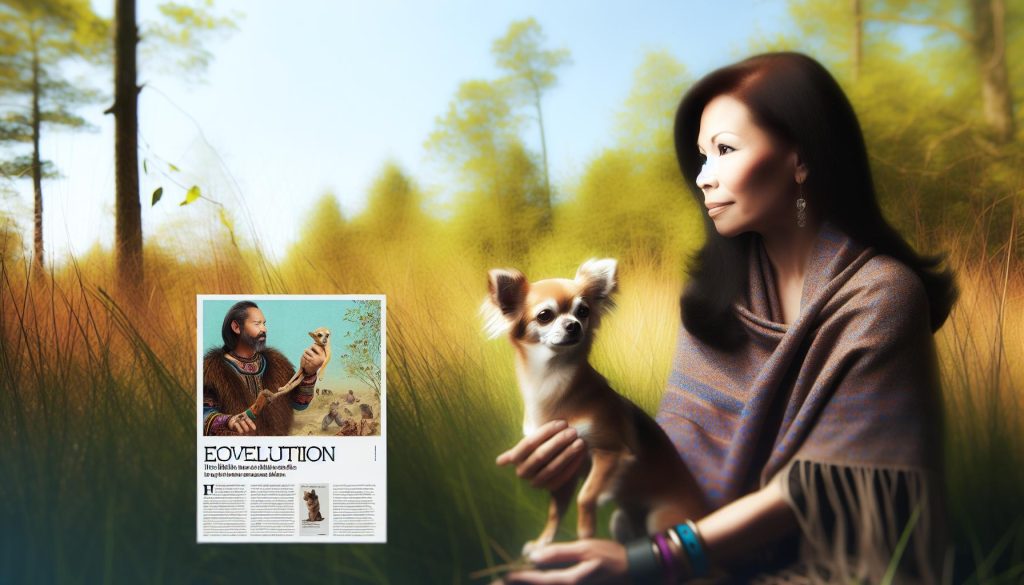
Did you know that Chihuahuas are believed to be descendants of ancient Mexican dogs like the Techichi, dating back to the Pre-Columbian era? This tiny breed with a big personality is not just a fashionable accessory but a great companion known for their loyalty and boldness. Understanding how Chihuahuas evolved helps us appreciate their unique characteristics and behaviors, which can enhance the bond we share with them. From their historical roots to the quirks that make them so endearing, this exploration will reveal fascinating insights into the Chihuahua’s journey through time. If you’re a proud owner or considering bringing one of these lovable pups into your home, continuing to learn about their history will empower you to care for them better. Dive into their evolution story and discover the many layers of charm that define your tiny friend!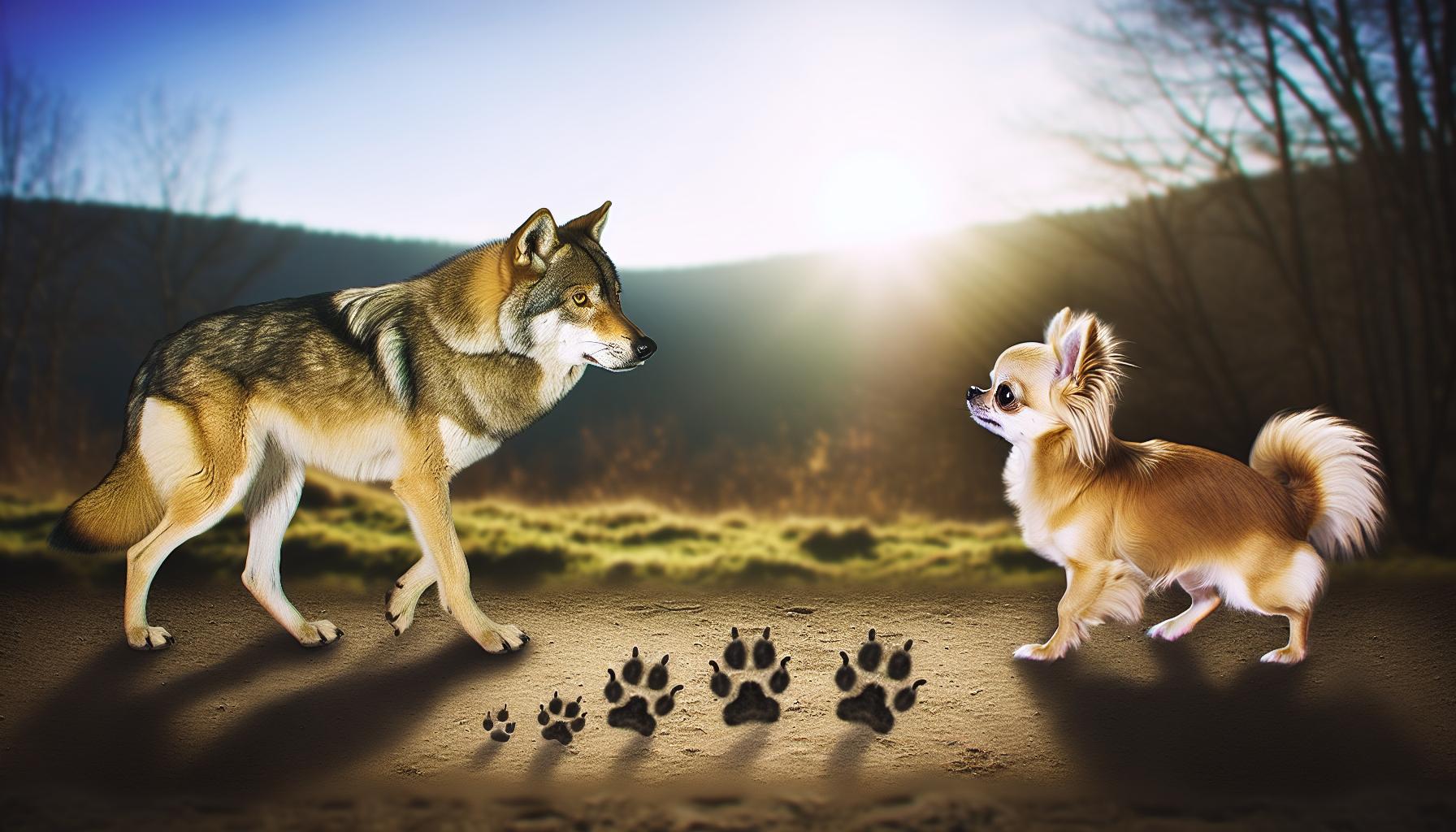
Understanding the Origins of Chihuahuas
The Chihuahua’s origins are as fascinating as the breed itself. Often believed to be descendants of the ancient Techichi dogs that roamed the region of what is now Mexico, these little companions have a history steeped in culture and companionship. The Techichi, revered by the Toltec civilization, were not only pets but also integral to the spiritual beliefs of the people, often laid to rest with their owners as guides in the afterlife. This deep-rooted connection signifies that the Chihuahua has always been much more than just a small dog; she carries with her the legacy of loyalty and companionship that has been cherished for centuries.
Historically, the Chihuahua’s rise to prominence began in the 1800s when travelers and traders introduced them to a broader audience, particularly in the United States. Their unique charm and diminutive size captivated many, leading to increased popularity. During this period, the breed was given the name “Chihuahua” after the Mexican state where many of them were found, signifying an important connection to their homeland. As these tiny dogs gained fame, they began to diversify in appearance, reflecting the preferences of various breeders.
The genetic heritage of the Chihuahua contributes significantly to her distinctive traits. Common characteristics include her bold and confident personality, which often belies her small stature. Chihuahuas typically exhibit a range of sizes and coat types, from the smooth coat to the long-haired varieties, each adding to their charm. Understanding this diverse genetic pool allows owners to appreciate their stylish quirks, whether it’s her playful bark or her penchant for cuddling.
In adopting a Chihuahua, you’ll find that learning about her origins and history not only deepens your bond but also helps you appreciate her unique personality. It’s these traits-her vocalness, loyalty, and spirited nature-that make the Chihuahua a beloved companion for many. Embrace her history, celebrate her individuality, and you’ll discover that you’re not just caring for a pet; you’re nurturing the legacy of a breed that has captured hearts through time.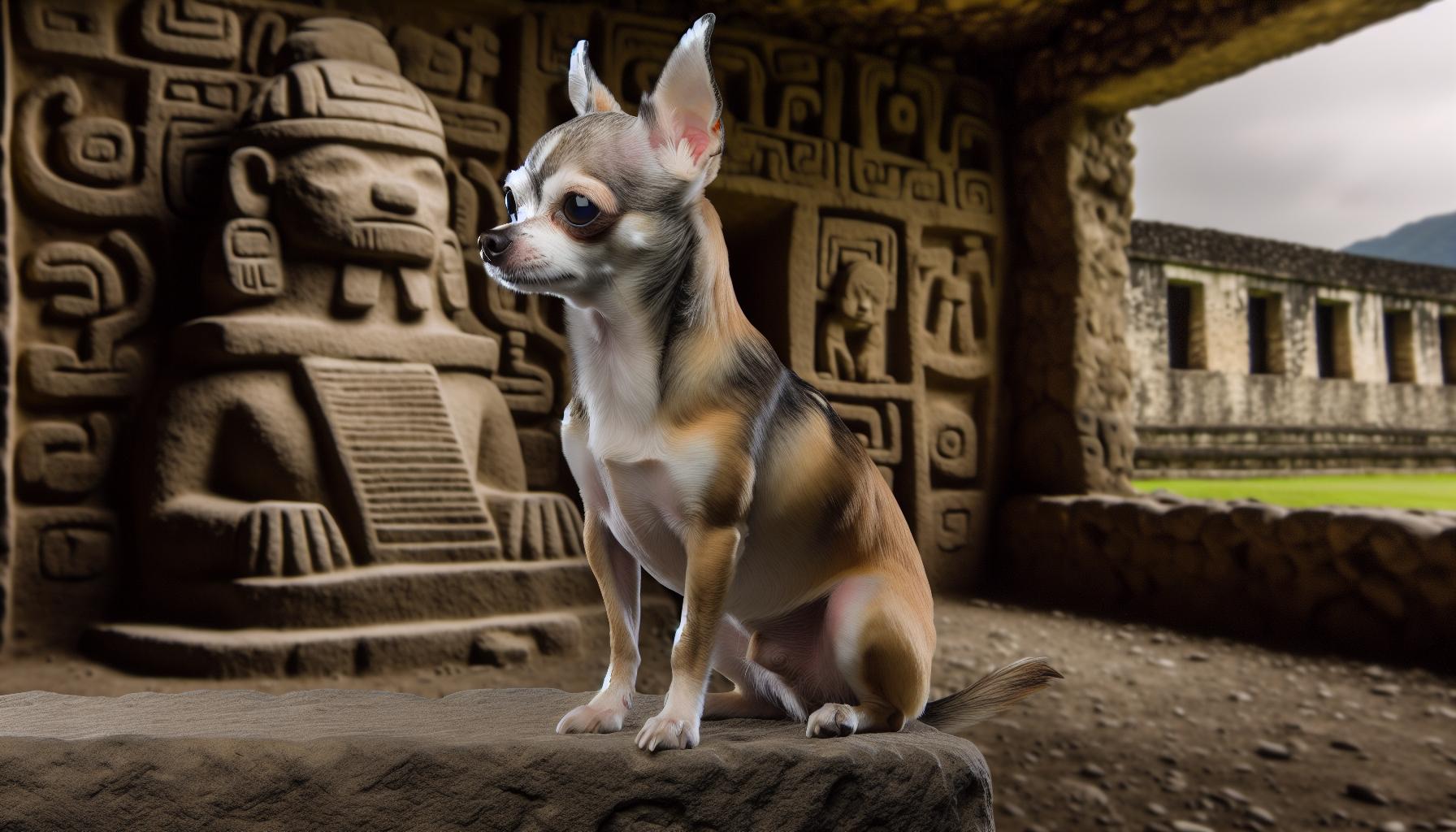
The Genetic Blueprint: What Makes Chihuahuas Unique
The Chihuahua’s genetic makeup is a tapestry woven from ancient lineage and modern breeding influences. This small but mighty breed inherited a robust genetic blueprint, granting her not only unique physical traits but also a rich personality that separates her from other dogs. Perhaps one of the most fascinating aspects of Chihuahuas is their ability to blend their tiny stature with remarkable individuality, often making them the center of attention wherever they go.
One key factor in understanding the uniqueness of Chihuahuas is their diverse coat types. They are primarily classified into two categories: smooth-coated and long-haired. Smooth-coated Chihuahuas exhibit short, shiny fur that clings snugly to their bodies, while long-haired varieties boast beautiful, flowing tresses that require regular grooming to prevent mats and tangles. This variation not only contributes to their aesthetic appeal but also allows prospective owners to choose a Chihuahua that fits their lifestyle. For instance, those looking for a low-maintenance companion might gravitate towards a smooth-coated Chihuahua, while others may appreciate the grooming ritual associated with long-haired friends.
Chihuahuas also come in various sizes, including the well-known apple head and deer head types. The apple head is defined by its rounded skull, large eyes, and compact body, exuding a characteristic cuteness that’s hard to resist. Conversely, the deer head Chihuahua has a longer snout and a more elongated body, often giving her a slightly different look and demeanor. Understanding these distinctions can help you appreciate the idiosyncrasies of your Chihuahua and better cater to her needs, whether it’s through diet, exercise, or socialization.
In terms of behavior, Chihuahuas are known for their bold and confident attitudes. These tiny dogs often believe they are larger than life, showcasing vocal natures that can either charm or challenge. With their spirited personalities, Chihuahuas tend to be incredibly loyal to their humans, forming deep bonds that often lead them to be protective companions. It’s essential to channel this spirited energy appropriately through socialization and training from an early age, ensuring they grow up to be well-adjusted while still celebrating their unique quirks.
In summary, the genetic heritage of Chihuahuas is a celebration of diversity, personality, and charm. By understanding their unique traits-from coat types to behavioral tendencies-owners can forge a deeper connection with their companions, enhancing both care and appreciation. Embrace the quirks, love the variety, and enjoy the journey of owning one of the most distinctive breeds around!
From Ancient Dogs to Modern Companions
The fascinating history of Chihuahuas traces back thousands of years, intertwining with the early civilizations of Mesoamerica. Thought to be descendants of the Techichi, a small dog revered by the ancient Toltec civilization, these dogs held significant cultural value, often accompanying their owners in daily life and even in rituals. As companions, they bridged the gap between ancient and modern, providing insights into endurance and adaptation, ultimately shaping what we recognize today.
Transition Through Time
From these humble beginnings, Chihuahuas adapted to various roles and environments, solidifying their status as esteemed companions. The breed began gaining widespread recognition in the United States in the late 19th century, particularly after their popularity surged in the 20th century thanks to Hollywood’s influence. They were frequently seen alongside stars, personifying a trendy lifestyle that many aspired to, which only enhanced their appeal. Today, they are celebrated not just for their statures but for their remarkable loyalty and spirited personalities.
Chihuahuas exhibit a remarkable blend of ancient traits and modern influences. As loyal companions, they have a strong attachment to their humans, often forming deep bonds that can lead to protective behaviors. For example, a Chihuahua may perceive a new visitor as a potential threat and react with barks that display their boldness, reminding us of their ancient guardianship role. Yet, these interactions also underscore the importance of early socialization to help them develop into well-rounded pups.
Modern Companionship
In today’s world, owning a Chihuahua means embracing their quirks. Their vocal nature often brings joy with playful barks, while their confident demeanor can be both charming and challenging. Many owners find themselves enchanted by their spirited attitudes, which can brighten any gloomy day. However, their tiny frames mean they require special care-particularly during playtime with larger dogs or in bustling environments.
To ensure your Chihuahua thrives in the modern world, consider his size and personality traits when planning activities. Regular walks, engaging playtime, and mental stimulation through training can make a significant difference in a Chihuahua’s temperament and health. Many owners recommend using toys designed for small breeds, and always keeping an eye out for their safety in crowded areas.
By appreciating the journey from the ancient Techichi to the modern Chihuahua, we learn to celebrate not just their history, but also the unique companionship they offer today. As you navigate life with your Chihuahua, remember: each bark, wag, and cuddle is a testament to a long lineage of loyalty and love that continues to enrich our lives.
Cultural Significance: Chihuahuas in History
The Chihuahua’s journey through history is a tapestry rich with cultural significance and companionship, stretching back to the ancient civilizations of Mesoamerica. These little dogs were not only beloved pets; they held a revered status among the Toltec and later the Aztec civilizations. Originally believed to descend from the Techichi, Chihuahuas were often included in religious ceremonies and even burials, showcasing their importance in their owners’ lives. During these times, they were cherished for their loyalty and believed to offer protection in the afterlife, emphasizing a profound connection between humans and their canine companions.
As Chihuahuas transitioned from the ancient world to the modern era, their cultural roles broadened significantly. The breed gained popularity in the United States in the late 19th century, with a notable surge in interest occurring during the 20th century, largely fueled by Hollywood. Iconic stars often flaunted these tiny companions, effectively brandishing them as symbols of luxury and style. This exposure not only elevated the breed’s status but also ingrained Chihuahuas into popular culture, making them recognizable figures in media and throughout society.
Today, the Chihuahua is celebrated not just for its small stature but for its vibrant personality and tenacity. This breed’s distinct attributes-its vocal nature, loyalty, and often, a bold attitude-are all echoes of its historical significance. Owners frequently share anecdotes of how their Chihuahuas act as natural guardians within their homes, fiercely protecting their territory despite their diminutive size. Understanding this deep-rooted history enriches the experience of owning a Chihuahua, transforming it from mere companionship to a meaningful bond that resonates with the dog’s ancient legacy.
In today’s diverse landscape of dog ownership, recognizing the Chihuahua’s cultural heritage is essential. As they continue to adapt to modern lifestyles, it’s important to embrace their unique traits while honoring the remarkable history that shapes their identity. This blend of the ancient and contemporary makes the Chihuahua not just a pet, but a living heirloom of human-dog relationships that have evolved over thousands of years. Whether you are a first-time owner or a seasoned enthusiast, celebrating this rich heritage can enhance your appreciation and understanding of your beloved companion.
Physical Characteristics of Chihuahuas Explained
The Chihuahua is a fascinating blend of tiny stature and big personality, a unique combination that has captivated dog lovers for centuries. These charming little companions exhibit a variety of physical characteristics, deeply tied to their history and evolution as one of the smallest dog breeds. For prospective owners or long-time enthusiasts, understanding these features can enhance the appreciation of this remarkable breed.
One of the most notable traits is their size. Chihuahuas typically weigh between 2 to 6 pounds and stand about 6 to 9 inches tall at the shoulder. Despite their diminutive frame, they are well-known for their fearless disposition. Many owners recount tales of their Chihuahuas bravely asserting themselves in the presence of much larger dogs, showcasing an incredible sense of confidence wrapped in a tiny package.
Chihuahuas exhibit a variety of physical forms, primarily categorized into two head shapes: the apple-head and the deer-head. Apple-head Chihuahuas have a rounded skull and a distinct stop (the indentation above the nose), giving them a sweet, almost exaggeratedly cute appearance. Deer-head Chihuahuas have a flatter skull and a more elongated face, resembling that of a deer. Both varieties are cherished, and owners often prefer one over the other based on the individual aesthetics they appreciate.
Color and coat type also play significant roles in a Chihuahua’s physical appearance. They come in a multitude of colors, ranging from fawn, black, chocolate, and cream, to more rare shades like blue or merle. Their coats can be either long-haired or short-haired, each requiring different levels of grooming. Short-haired Chihuahuas typically require minimal maintenance, while long-haired varieties may need regular brushing to keep their coats free of mats and tangles.
When considering adopting a Chihuahua, it’s essential to acknowledge that despite their small size, they can be prone to certain health issues. Patellar luxation, heart problems, and dental issues are common, largely due to their small delicate frames. Regular veterinary check-ups and a nutritious diet are crucial in maintaining their health. Additionally, these dogs thrive on social interaction and mental stimulation; engaging them in play and training can help mitigate behavioral issues that stem from boredom or anxiety.
Overall, the physical characteristics of Chihuahuas reflect their rich heritage and unique personality traits. By understanding their distinct features-from their various head shapes to their vibrant coat colors-owners can better appreciate their place in history and the joy they bring into our lives. Each Chihuahua is a small bundle of energy and love, making them wonderfully loyal companions for those who embrace their quirks and charm.
Common Misconceptions About Chihuahua Evolution
Chihuahuas are often surrounded by myths and misconceptions that can muddle their fascinating history and evolution. One common belief is that they are a purely modern breed, primarily bred for companionship. In reality, Chihuahuas have deep historical roots. They are thought to be descendants of the ancient Techichi, a small dog once kept by the indigenous peoples of Mexico. These dogs served as companions and were even believed to have spiritual significance in Aztec culture. Understanding this lineage is critical in appreciating how they evolved from working dogs to the pint-sized companions we adore today.
Another misconception is that Chihuahuas were intentionally bred to be this small, with breeders seeking to achieve their tiny stature. While it’s true that selective breeding has played a role in their size, Chihuahuas’ small frame is an evolutionary trait that allowed them to better navigate their environment and find sustenance. Their diminutive size made them more adept at surviving in the wild by escaping from predators and finding shelter in smaller spaces. Today, this same trait contributes to their bold personality – they may be tiny, but their hearts and spirits are larger than life.
There’s also a tendency to perceive Chihuahuas solely as ‘lap dogs’ due to their size and affectionate nature. However, many owners know that this breed is anything but passive. Chihuahuas are remarkably vocal and protective, often displaying the agility and energy commonly found in larger breeds. It’s not unusual for them to take charge in a home environment, fearlessly barking at the slightest intruder, showcasing a courage that rivals that of much bigger companions. These behaviors are rooted in their instinctual need for protection, a trait inherited from their ancestors who had similar roles as watchful guardians.
Lastly, some people mistakenly assume that Chihuahuas have been bred without concern for health and temperament due to their popularity. Responsible breeders today focus not only on aesthetics but also on maintaining the health traits that have been passed through generations. This includes being vigilant against common health issues such as patellar luxation, heart problems, and dental issues. Educated owners need to remain proactive in their Chihuahua’s care by ensuring they receive regular veterinary check-ups and maintaining a healthy lifestyle that includes plenty of exercise and mental stimulation.
Chihuahuas are a blend of rich history, unique characteristics, and unyielding personality traits that deserve recognition. By dispelling these common misconceptions, we can celebrate them for the incredible companions they are, embracing their quirks and ensuring their well-being as they thrive in modern homes.
Health Traits Passed Down Through Generations
Chihuahuas may be small in stature, but the health traits they possess are significant and deeply rooted in their evolutionary lineage. Originally bred from the Techichi, these little dogs have a remarkable genetic history that has shaped their health characteristics. It’s vital for every Chihuahua owner to understand the inherited traits that can impact your furry friend’s well-being.
One of the most common health issues in Chihuahuas is patellar luxation, where the kneecap dislocates or moves out of its normal position. This condition is often congenital, meaning it can be inherited from the dog’s parents. Regular vet check-ups can catch this early, allowing for preventive measures. Additionally, keeping your Chihuahua at a healthy weight helps reduce pressure on their joints.
Chihuahuas are also prone to certain cardiovascular issues, notably mitral valve disease, which can develop as they age. Symptoms may not be apparent early on, so paying attention to your dog’s energy levels and grooming routine is essential. Owners can support their heart health through a balanced diet and regular exercise tailored to their energy levels. For instance, short walks or play sessions cater to their bold personality while helping maintain a healthy heart.
Furthermore, dental health is particularly crucial in this breed. Chihuahuas often suffer from dental issues due to their small mouths, which can lead to crowding and subsequent dental disease. Since they can be prone to losing teeth, it’s important to implement a dental care routine that includes regular brushing and possibly dental treats that promote oral hygiene.
Understanding these not only helps you anticipate potential challenges but also empowers you to take an active role in your Chihuahua’s care. By committing to routine veterinary visits, implementing proper dental hygiene, and promoting overall wellness, you’re not just caring for your companion-you’re celebrating the rich legacy of this extraordinary breed.
Behavioral Traits Rooted in Evolution
Chihuahuas are famously bold and vocal little companions, traits that can be traced back to their ancient origins. These energetic dogs derive from the Techichi, a companion dog of ancient Mesoamerican civilizations, where they were likely valued for their unwavering loyalty and protective instincts. This deep-rooted history has not only shaped their physical attributes but has also influenced their behavioral traits. Understanding these behaviors can help owners cultivate better relationships with their furry friends.
One of the hallmark traits of Chihuahuas is their fearless nature. Despite their tiny size, they often exhibit a larger-than-life attitude, defending their territory with an impressive bravado. This fiercely loyal demeanor can lead them to bond closely with their humans, often acting as devoted guardians. It’s not uncommon for a Chihuahua to act protectively towards their owner, sometimes even barking at strangers. While this behavior is rooted in their protective lineage, it’s also essential for owners to socialize their puppies early on. Exposure to different people, environments, and other animals can help mitigate excessive barking and enhance their ability to adapt to new situations successfully.
Chihuahuas are also known for their intelligence and eagerness to please, which can make training a rewarding experience. They respond well to positive reinforcement techniques, such as treats and praise, and often enjoy learning tricks and commands. However, it’s vital to approach training with patience and consistency, as their stubborn streak can sometimes surface. Engaging in short, enriching training sessions can cater to their sharp minds and provide mental stimulation, enhancing their overall well-being.
Additionally, understanding the playful yet sometimes quirky nature of Chihuahuas can significantly improve the owner-pet dynamic. Many Chihuahuas enjoy playtime that includes interactive toys or games that challenge their agility and intellect. Owners often find joy in fostering these playful antics, whether it’s through a game of fetch with a favorite toy or training sessions paired with fun agility exercises. By keeping playtime varied and exciting, owners can meet the Chihuahua’s unique behavioral needs while reinforcing obedience and confidence.
In summary, recognizing the evolutionary roots of your Chihuahua’s behavior is paramount in providing a loving and enriching environment. By embracing their fearless loyalty, sharp intellect, and playful quirks, you can cultivate a rewarding bond with your ambitious little companion and enhance their quality of life. By supporting their physical and mental needs, you’re not just nurturing a pet-you’re celebrating a remarkable lineage that spans centuries.
Varieties of Chihuahuas: Exploring Types and Sizes
While many people think of Chihuahuas as one homogenous breed, there are actually a variety of types and sizes that bring unique traits and personalities to the table. One of the most noticeable distinctions is between the two head shapes: the Apple Head and the Deer Head. Apple Head Chihuahuas have a rounded skull with a pronounced stop, which gives them that iconic, cute appearance. On the other hand, Deer Head Chihuahuas sport a longer, flatter skull with less of a stop, resembling a little doe. Each type has its own charm, but both share the same vibrant spirit that Chihuahua lovers adore.
When it comes to size, Chihuahuas are generally categorized into two main groups: standard and teacup. Standard Chihuahuas typically weigh between 2 to 6 pounds, while teacups are even smaller and can weigh as little as 1 pound! The tiny teacup variants are often the center of attention, but it’s crucial for potential owners to understand that they may come with additional health considerations, such as weakened bones and organs due to their diminutive size. Regardless of size, all Chihuahuas share a lively personality, full of love and loyalty.
The color and coat also vary widely. Chihuahuas can be short-haired or long-haired, with coats that can showcase a range of stunning colors and patterns, from fawn to chocolate to uniquely spotted variations. Long-haired Chihuahuas tend to have a soft, flowing coat that requires more grooming, while the short-haired variety is easier to maintain. Both types are equally affectionate and bold, thriving on attention and interaction with their families.
Understanding these varieties can help you choose the perfect companion that fits your lifestyle. Many owners delight in having a Chihuahua that matches their personal style-whether it’s the playful Apple Head with striking colors or the elegant Deer Head with his graceful stature. Regardless of the type or size, what truly makes a Chihuahua special is not just their appearance, but their playful demeanor, deep loyalty, and vibrant personalities that turn ordinary days into extraordinary adventures.
Chihuahua Care: Adapting to Breed-Specific Needs
To truly understand how to care for Chihuahuas, we must appreciate their unique needs and temperament shaped by centuries of evolution. These tiny dogs, despite their small stature, pack a big personality and come with specific care requirements that are crucial for their well-being. From their health concerns to social needs, understanding these aspects is key to nurturing a happy and healthy Chihuahua.
Health Considerations
Chihuahuas are prone to certain health issues, such as patellar luxation, heart problems, and dental issues due to their small size. Regular veterinary check-ups are vital, as early detection can prevent serious complications. Providing a balanced diet tailored to their size-preferably high-quality dog food without fillers-can help maintain their health. Ensure they stay hydrated, and consider feeding small, frequent meals.
Grooming Needs
Chihuahuas come in both long-haired and short-haired varieties, each requiring different grooming routines. For long-haired Chihuahuas, regular brushing is necessary to prevent matting, while short-haired Chihuahuas might just need an occasional brush to remove loose fur. Regardless of coat length, regular dental care is essential. This breed is especially prone to dental disease, so brushing their teeth several times a week and providing dental chews can promote oral health.
Behavioral Traits and Training
Though small, Chihuahuas are known for their bold and sometimes sassy personalities. Socialization from a young age is important to ensure they grow into well-mannered companions. They can be wary of strangers and other dogs, so exposing them to various environments and experiences will help reduce anxiety and fear-based behaviors. Positive reinforcement training works best; be patient and keep sessions short and engaging, as Chihuahuas can easily lose focus.
Exercise and Mental Stimulation
While their small size means they don’t require extensive exercise, Chihuahuas still need regular walks and playtime to burn off energy and stay mentally stimulated. Interactive toys, puzzle feeders, and short games of fetch can keep them entertained. Remember that they can be quite vocal, so incorporating activities that harness their energetic nature should also focus on managing their barking tendencies.
In conclusion, adapting to the breed-specific needs of Chihuahuas requires a combination of attentive health care, proper grooming, consistent training, and adequate exercise. This tailored approach, enriched with love and patience, will ensure a joyful companionship with your furry friend, allowing their vibrant personalities to shine through every day.
The Role of Breeding Practices in Development
The history of Chihuahuas is as colorful and vibrant as their personalities. Understanding how breeding practices have shaped these delightful companions provides insight into their unique traits and behavior. Selective breeding has played a crucial role in enhancing certain characteristics that define the Chihuahua today, including size, temperament, and appearance. The art of breeding not only focuses on physical traits, like the famous apple-head shape and various coat types, but also emphasizes personality traits that endear them to their owners.
Breeding practices have refined Chihuahuas over generations, spotlighting specific traits that appeal to dog lovers. For instance, many breeders today aim for the diminutive stature that Chihuahuas are known for, ensuring these tiny dogs typically weigh between 2 to 6 pounds. This focus on size makes them great apartment companions. Additionally, breeders often select for temperamental qualities, attempting to enhance the boldness and loyalty that Chihuahuas display. Pet owners frequently rave about their Chihuahua’s feisty nature and protective instincts, which are attributed to breeding practices that favor these spirited characteristics.
However, responsible breeding should not only aim for aesthetic qualities. Ethical breeders pay close attention to health and genetic diversity to mitigate common health issues within the breed, such as patellar luxation or heart murmur. Owners should be mindful of these aspects when seeking a Chihuahua. Reputable breeders often provide health clearances and demonstrate a commitment to improving the breed, ensuring that any new furry friend comes with a higher likelihood of being healthy and well-adjusted.
As we look to the future, the conversation around breeding practices continues to evolve. Many Chihuahua enthusiasts advocate for preserving the breed’s true characteristics without compromising their health. Whether you’re a first-time owner charmed by their tiny antics or a seasoned Chihuahua lover, understanding the implications of breeding practices is essential in fostering a healthy and happy companion. By supporting responsible breeding, we can contribute to the well-being of Chihuahuas, ensuring their delightful presence continues to enrich our lives for many years to come.
Future of Chihuahuas: Trends and Preservation
As we look ahead in the world of Chihuahuas, several exciting trends and preservation efforts are shaping the future of this beloved breed. These tiny companions, often bursting with personality, continue to capture the hearts of dog lovers worldwide. However, as their popularity grows, so does the responsibility of current and future owners to prioritize their well-being and the breed’s integrity.
One significant trend is the increasing awareness of health issues that can affect Chihuahuas. Responsible breeders are now more focused than ever on genetic diversity to reduce the risk of hereditary conditions such as patellar luxation and heart murmurs. This shift toward health-conscious breeding practices is crucial. For potential owners, seeking out breeders who prioritize health clearances and demonstrate a commitment to genetic health is essential. This means you can welcome a puppy into your home that is not only adorable but also likely to enjoy a longer, healthier life.
Moreover, the approach to socialization for Chihuahuas is evolving. Owners are recognizing the importance of exposing their little furballs to various environments, people, and other pets from a young age. This exposure helps mitigate behavioral issues that can stem from fearfulness or excessive guarding instincts-common traits in the breed. Engaging Chihuahua owners within communities can facilitate shared experiences. For instance, participating in puppy training classes or dog meet-ups can help bolster your Chihuahua’s confidence and provide a more well-rounded personality.
In terms of preservation, embracing both traditional and innovative training methods can also play a role. Training that combines positive reinforcement with mental stimulation can cater to a Chihuahua’s intelligence and need for active engagement. This could include puzzle toys or agility courses crafted for small breeds, making daily playtime a beneficial experience for both dogs and owners.
As a devoted Chihuahua enthusiast, it’s this blend of health awareness, socialization efforts, and thoughtful training that ensures these spirited little companions continue to flourish as cherished family members. By championing ethical breeding, committing to quality care, and fostering vibrant, enriching environments, we can honor the legacy of Chihuahuas while helping them thrive for generations to come. If you’re a first-time owner, don’t hesitate to reach out to experienced Chihuahua owners or local breed clubs-they can provide invaluable insights and support. Together, we can ensure that our little friends remain not just pets, but beloved members of our families.
Faq
Q: What are the historical origins of the Chihuahua breed?
A: The Chihuahua’s origins trace back to ancient civilizations in Mexico, particularly the Techichi dogs owned by the Toltecs. These small, companionable dogs played a role in religious ceremonies and were believed to guide souls to the afterlife. This rich history contributes to their unique identity today.
Q: How did Chihuahua dogs evolve over time?
A: Chihuahuas evolved through breeding practices that favored smaller sizes and specific physical traits. Their lineage likely includes ancient small dog breeds, leading to the modern appearance and characteristics we see today. This evolution is reflective of changing human preferences for pets.
Q: What factors influenced the popularity of Chihuahuas in culture?
A: Several factors contributed to the Chihuahua’s cultural significance, including their portrayal in media and celebrity ownership. Popularized in films and by famous personalities, Chihuahuas have become symbols of luxury and companionship, enhancing their appeal as beloved pets.
Q: Are there specific health issues that Chihuahuas are prone to?
A: Yes, Chihuahuas may face health challenges, including dental problems, heart issues, and patellar luxation. Regular veterinary check-ups and a proper diet can help mitigate these risks. Awareness of breed-specific health concerns is essential for owners to ensure a healthy life.
Q: What are the behavioral traits unique to Chihuahuas?
A: Chihuahuas are known for their bold, confident demeanor despite their small size. They are often vocal, loyal companions who form strong bonds with their owners. Understanding these traits can help owners address behaviors and provide appropriate training.
Q: How does the coat type affect the care of Chihuahuas?
A: Chihuahua coat types, which include smooth and long-haired, influence grooming needs. Long-haired varieties require more frequent brushing to prevent tangles, while smooth coats need occasional wiping to reduce dirt buildup. Tailoring care routines is vital for their well-being.
Q: What are the different types and sizes of Chihuahuas?
A: Chihuahuas come in various types, including apple-head and deer-head, which differ in head shape and body structure. Sizes can vary, although the breed generally remains small. Understanding these distinctions helps potential owners choose the right Chihuahua for their lifestyle.
Q: How do breeding practices impact Chihuahua traits?
A: The traits of Chihuahuas can be significantly affected by selective breeding. Reputable breeders focus on health, temperament, and adherence to breed standards. Researching breeding practices can guide prospective owners in finding healthy, well-adjusted puppies.
The Conclusion
As we’ve uncovered the fascinating evolution of Chihuahuas, it’s clear these tiny companions are more than just a breed-they’re a testament to loyalty and spirit. With distinct traits like their bold personalities and varying coat types, owning a Chihuahua means embracing a unique journey of health and happiness. Remember, whether you’re a first-time owner or a seasoned Chihuahua enthusiast, understanding their specific care needs is crucial.
Don’t miss our in-depth resources on Chihuahua health and training tips to ensure your furry friend thrives. Share your thoughts and experiences in the comments below; we love hearing from fellow Chihuahua lovers! For more insights, check out our guides on breed-specific behavior and the best food for Chihuahuas. Explore further and let your passion for this remarkable breed flourish-your next adventure awaits!
Get our latest guides, news, and insights highlighted in your Google Search & AI Overviews.