

Did you know that Chihuahuas, often perceived as feisty and high-strung, can actually exhibit sweet and affectionate behavior when given the right training? This guide, “Can Chihuahuas Be Nice: Temperament Training Secrets,” dives into the fascinating world of Chihuahua temperament, unlocking the potential for a more balanced and loving relationship with your tiny companion.
Many owners face challenges with their Chihuahuas’ boldness and vocal tendencies, leading to concerns about aggressive or standoffish behavior. Understanding their unique personality traits is crucial for nurturing their kindness and strengthening your bond. Here, we’ll explore practical training techniques and insights tailored specifically for these spirited little dogs, empowering you to cultivate not just obedience but also warmth and affection in your furry friend. Join us on this journey, and discover how to transform your Chihuahua into the loving companion you’ve always dreamed of!
Understanding Chihuahua Temperament Traits
Chihuahuas may be small in size, but their personalities can be much larger than life. These spirited little dogs often surprise owners with their boldness and loyalty, making understanding their temperament traits essential for a harmonious relationship. Despite their petite stature, Chihuahuas are known to be confident and sometimes feisty. They have a reputation for being vocal, using their barks to express their emotions and alert you to any perceived threats. This loud, proud behavior can sometimes be misinterpreted as aggression, but it often stems from their protective instincts.
Another distinctive trait of the Chihuahua is their incredible loyalty to their owners. Many Chi enthusiasts often share stories of how their dogs closely follow them from room to room, always eager for companionship. This breed is particularly bonded to their humans, making them great lap dogs and confidants. However, this loyalty can sometimes lead to separation anxiety, so it’s vital to take steps to create a secure environment when you need to leave them alone.
When it comes to socialization, Chihuahuas can be naturally wary of new people and situations. This isn’t inherent “bad behavior,” but rather a protective trait that can be nurtured through positive interactions. Early socialization is crucial, helping your Chihuahua become more comfortable with various situations, sounds, and people. A well-socialized Chihuahua can develop into an even-tempered and friendly companion, dispelling any myths about their temperament being solely snappy or aggressive.
To illustrate this unique temperament, consider Penny, a sweet apple-head Chihuahua. Initially, she was quite timid around strangers, often barking at visitors. However, with gradual exposure to guests and plenty of positive reinforcement, she learned to look to her owner for cues and soon became the social butterfly of the household, welcoming friends with her charming antics. It’s stories like Penny’s that highlight the importance of patience and understanding when working with the Chihuahua temperament-an adventure that is rewarding for every owner willing to take the journey.
Common Misconceptions About Chihuahuas
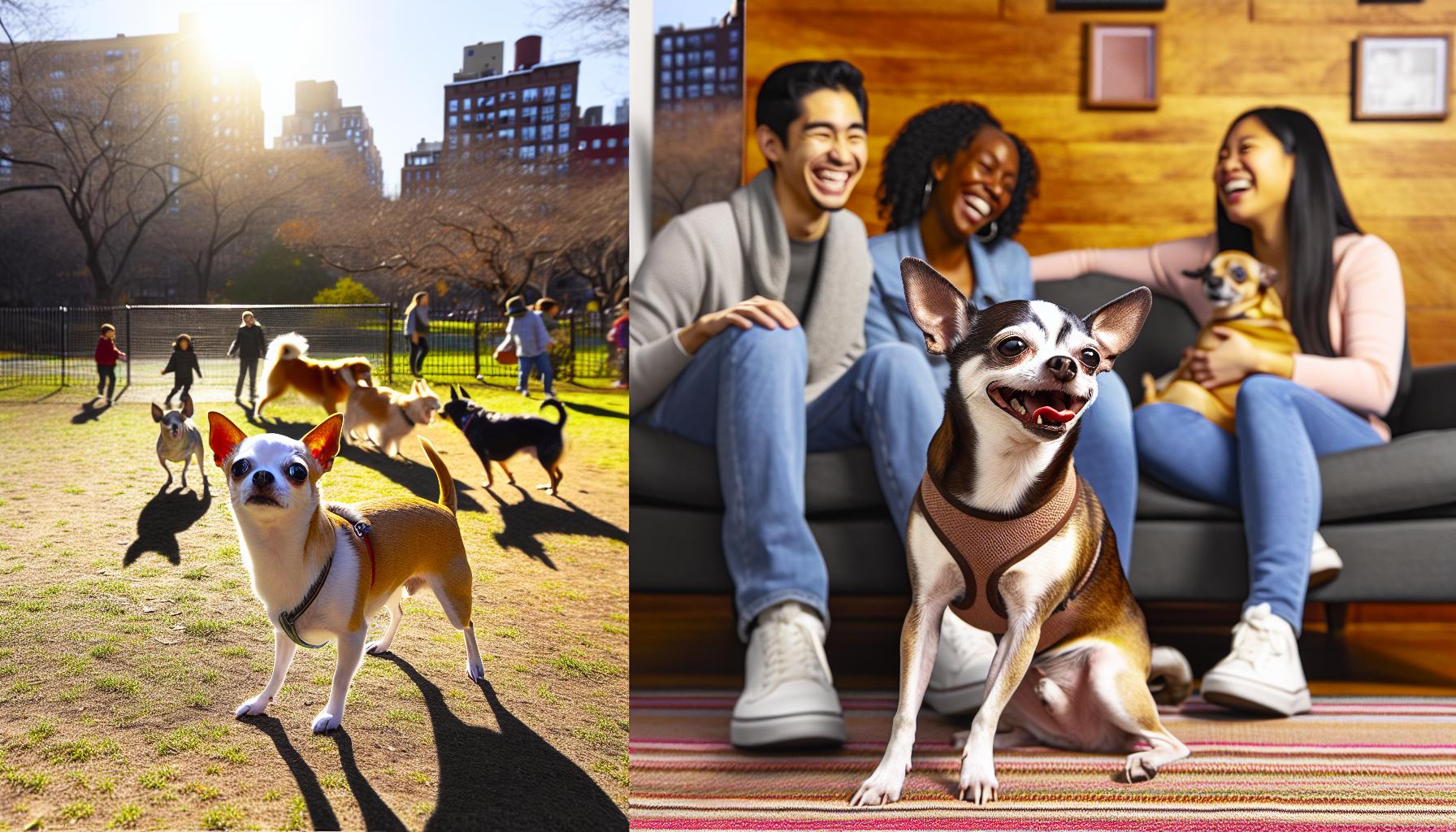
Despite their small size, Chihuahuas often face significant misconceptions about their temperament, capabilities, and behavior. One of the most prevalent myths is that these dogs are inherently aggressive or temperamental. In reality, Chihuahuas might display boldness and vocal tendencies, but their behavior often reflects their protective instincts rather than a predisposition to aggression. Understanding that a Chihuahua barks to alert you about perceived threats is crucial. This vocal expression doesn’t mean they are unfriendly; rather, it’s their way of participating in the family dynamics and ensuring everyone feels safe.
Another common misconception is that Chihuahuas are poorly suited for companionship or training because of their small stature. On the contrary, these little dogs are incredibly intelligent and eager to please. Many owners, including those with apple-head Chihuahuas, have successfully trained their pets using consistent, positive reinforcement methods. They can learn tricks, respond to commands, and even participate in dog sports! Their ability to form strong bonds with their humans means that training can be both effective and enjoyable when approached with patience and creativity.
Many also believe that Chihuahuas can’t get along with larger dogs or other pets. This notion often stems from the protective behavior that some Chihuahuas exhibit, but with proper socialization, many can indeed coexist happily with other animals. Early introductions and positive experiences can reshape these perceptions, leading to a well-adjusted, sociable Chihuahua who thrives in diverse environments.
Ultimately, understanding Chihuahuas means dispelling these myths and embracing the unique personality traits that make them extraordinary companions. Like any breed, they require love, attention, and appropriate training to flourish. By recognizing their true nature, you can foster a loving and healthy relationship with your Chihuahua, transforming any misconceptions into stories of companionship and joy.
The Importance of Early Socialization
Chihuahuas are renowned for their big personalities packed into tiny bodies, but their small size can lead to significant challenges if they aren’t properly socialized early on. Early socialization is crucial for Chihuahuas, as it lays the foundation for their interactions with other pets, people, and various environments. Failing to provide adequate social exposure can result in a timid or overly protective demeanor, which is counterproductive to the loving companionship these little dogs are meant to offer.
Introducing your Chihuahua to a variety of experiences during their critical development stage-typically between the ages of 3 weeks and 14 weeks-is essential. This is the time when they are most impressionable and open to new stimuli. Here are some effective strategies to ensure proper socialization:
- Expose Them to Different Environments: Take your Chihuahua on walks in various settings-busy streets, parks, pet-friendly stores. The more diverse environments they experience, the more confident they will become.
- Meet New People and Dogs: Arrange playdates with other friendly dogs and introduce her to a range of people, from children to seniors. Ensure these encounters are positive and reinforce good behavior.
- Utilize Positive Reinforcement: Reward your Chihuahua with treats and praise when she encounters new situations calmly. This helps her associate new experiences with positive outcomes.
Socializing your Chihuahua isn’t just about exposure; it’s also about building her confidence. For example, if she tends to bark at larger dogs, consider enlisting a calm dog to help her learn that all canines are not a threat. Gradual interactions and positive experiences will allow her to become more comfortable over time.
Just like Bella, a charming apple-head Chihuahua who initially hesitated in new environments, gaining confidence through early socialization helped her flourish. With time and patience, she learned to enjoy trips to the dog park, interacting with larger companions without fear. As her owner’s stories go, one day she even won the heart of a gentle Great Dane!
In summary, committing to early socialization will not only enrich your Chihuahua’s life but also enhance her temperament, making her a well-adjusted and sociable companion. The benefits of these early experiences will echo throughout her life, fostering joy and reducing the likelihood of behavioral issues as she matures.
Effective Training Techniques for Chihuahuas
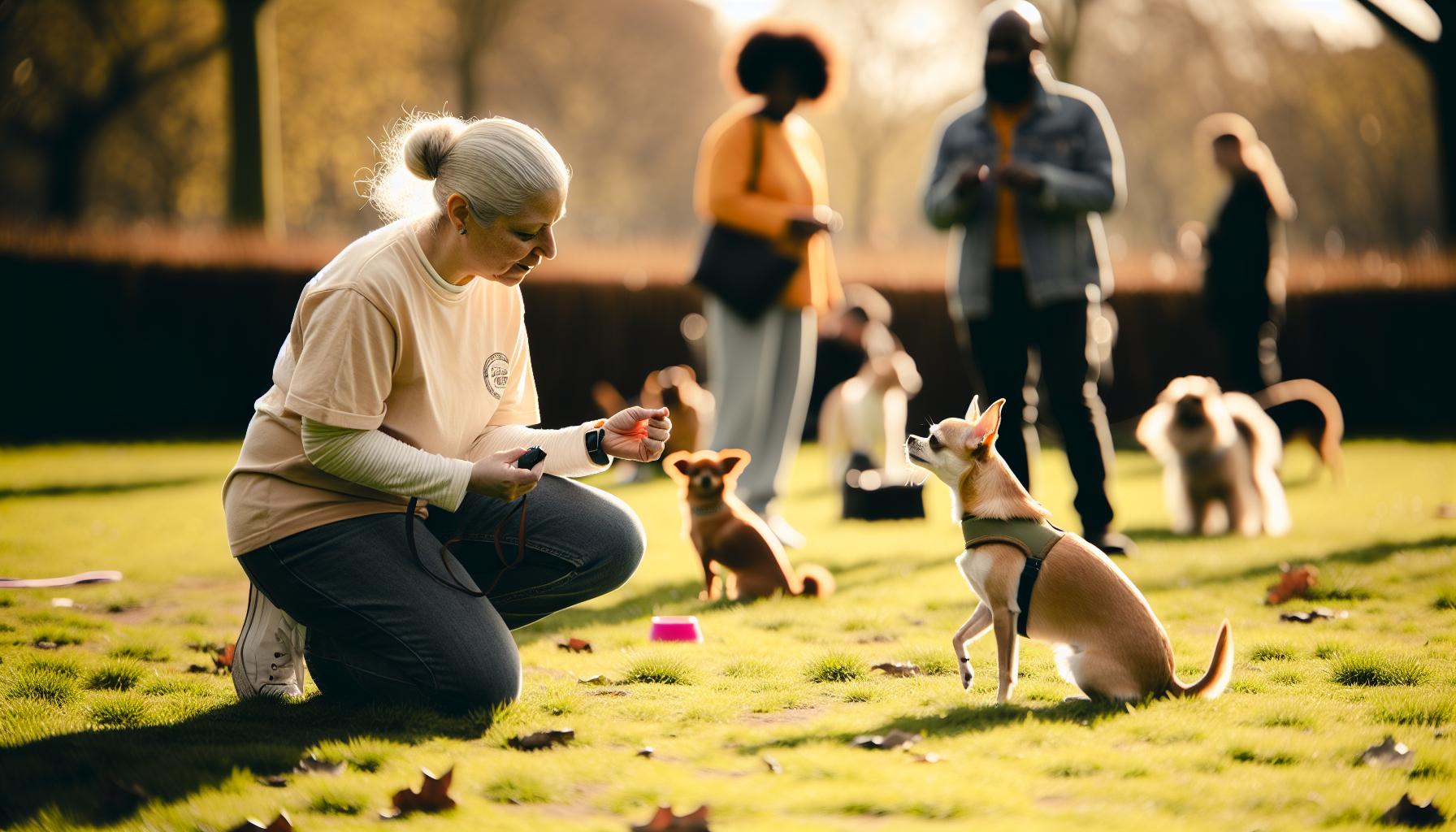
Training your Chihuahua can turn what might seem like a challenging temperament into a delightful companion that showcases all the love and joy the breed has to offer. Their spirited personalities can often disguise an underlying desire to please, making effective training techniques crucial for a well-behaved pet. Chihuahuas are intelligent and eager learners, but they can also be stubborn-a combination that requires patience and the right approach.
One effective method involves positive reinforcement, which is vital for reinforcing desired behaviors. Every time your Chihuahua follows a command or behaves well, reward her immediately with praise, treats, or a favorite toy. For example, if your apple-head Chihuahua sits on command, offer her a tasty treat right away. This creates a positive association, encouraging her to repeat the behavior. Chihuahuas thrive on love and attention, so be sure to shower her with affection during training sessions.
Consistency is key. Chihuahuas respond best when they are trained using the same commands and gestures every time. Establish a routine that includes short, focused training sessions-10 to 15 minutes is often plenty for their short attention spans. Incorporate commands like “sit,” “stay,” and “come” into your daily activities. Enlist family members to use the same commands to avoid confusion. The simpler and clearer the message, the more likely your Chihuahua will understand what you expect from her.
Socialization continues to play an important role even in training. Expose your Chihuahua to new environments, people, and other animals to help her build confidence. For example, take her to a dog park where she can interact with other friendly dogs under supervision. When she behaves well, reinforce that behavior with treats and praise. By consistently rewarding calm and friendly behavior, you help shape her temperament in positive ways.
Don’t forget to celebrate small victories. Like many Chihuahuas, your furry friend may face challenges, but with patience and the right techniques, you’ll likely see improvements. Just as Max, a feisty long-haired Chihuahua, transformed from being shy and nippy to a well-mannered companion through consistent training and socialization, your Chihuahua can also grow into a confident and loving pet. Remember, the journey of training is a bonding experience, so make it fun and engaging for both of you!
How to Encourage Positive Behaviors
To cultivate positive behaviors in your Chihuahua, you must tap into their natural instincts and unique personality traits. Chihuahuas are small but mighty-full of character, loyalty, and zest for life. However, their boldness can sometimes lead to undesirable behaviors if not properly channeled. Understanding how to engage with them effectively can transform their spirited energy into delightful companionship.
Using positive reinforcement is foundational in encouraging good behavior. This method capitalizes on your Chihuahua’s eagerness to please. Reward her immediately when she complies with commands or exhibits desirable behavior. For instance, if your short-haired Chihuahua lies down on command, don’t wait-shower her with praise or offer a favorite treat like a small piece of chicken. This immediate feedback helps her associate good behavior with a positive outcome, reinforcing the behavior in the future.
Consistency in your training routines is equally crucial. Chihuahuas thrive on routine, so ensure that every family member uses the same commands and signals. You could create a simple training schedule, dedicating 10 to 15 minutes each day to practice commands such as “sit,” “stay,” or “fetch.” It’s essential to remain patient and consistent; for example, if your apple-head Chihuahua struggles with the “stay” command, practice this with her regularly until she masters it. By keeping the sessions short and fun, you maintain her interest and prevent her from becoming overwhelmed.
Creating a Positive Environment
The environment greatly influences your Chihuahua’s behavior. Ensure she has a safe, welcoming space where she feels comfortable exploring and playing. An engaging atmosphere can deter negative behaviors resulting from boredom. Consider creating a small agility course in your backyard with tunnels and low jumps, which can channel her energy into fun, constructive activities. Additionally, providing her with interactive toys can keep her stimulated mentally.
Lastly, keep a keen eye on your Chihuahua’s social interactions. Dogs learn by observing, so encourage positive behavior around other well-mannered pets. Take outings to dog-friendly areas, allowing her to experience socialization while reinforcing positive interactions with treats and affection. Each positive experience gradually builds her confidence and shapes her temperament in delightful ways.
In summary, fostering positive behaviors in your Chihuahua hinges on love, patience, and consistency. By celebrating her successes and nurturing her personality, you’ll build a strong bond that transforms her into a gracious and joyful companion. The journey to a well-adjusted Chihuahua may come with its challenges, but the rewards-like wagging tails, playful barks, and a loving heart-are immensely fulfilling.
Identifying and Managing Aggressive Tendencies
Chihuahuas may be small in stature, but their spirited personalities can sometimes lead to aggressive tendencies if not properly guided. These tiny warriors are known for their boldness and can develop behaviors that indicate fear, assertiveness, or territorial instincts. Recognizing the signs early can help you manage these tendencies and foster a loving, harmonious relationship with your furry companion.
To effectively identify aggression, observe your Chihuahua’s body language. Signs such as raised hackles, a stiff posture, growling, or even snapping are clear indicators that your pup is feeling threatened or defensive. Understanding your Chihuahua’s triggers is crucial; some may react aggressively when confronted by other dogs, loud noises, or unexpected movements. Documenting these situations can help you pinpoint specific stimuli and adjust your training and socialization strategies accordingly.
Managing Aggression Through Socialization and Training
Management starts with proactive socialization. Introducing your Chihuahua to various environments, people, and other pets from a young age can significantly reduce fear-based aggression. Make these outings enjoyable by providing treats and praise for calm behavior. For example, if your apple-head Chihuahua meets a larger dog and behaves well, reward her with a favorite snack to reinforce that positive experience.
Training is another key component. Utilize positive reinforcement techniques to teach commands such as “leave it” or “quiet” when aggression arises. This not only redirects your Chihuahua’s focus but also helps her associate calm responses with positive outcomes. Consistency is vital; everyone in the household should use the same commands and protocols to avoid confusing your pup. If she displays aggressive behavior during walks, practice “heel” or “sit” to regain her focus and keep her calm.
Creating a Safe and Structured Environment
Establishing a structured environment is equally important. Designate a safe space at home where your Chihuahua can retreat when she feels overwhelmed. This could be a cozy bed in a quiet corner or even a crate if she finds comfort there. Additionally, ensure that playdates with other dogs are supervised, particularly with unfamiliar pets. Gradual introductions can build your Chihuahua’s confidence, making her more comfortable in social situations.
In instances of severe aggression, don’t hesitate to consult a professional dog trainer or behaviorist who specializes in small breeds. Their expertise can provide tailored strategies to address behavior concerns effectively. Remember, it’s essential to approach these challenges with patience and understanding. With dedication, you can guide your Chihuahua to be not only lovable but also well-mannered, showcasing the true joy of this wonderful breed.
Creating a Structured Routine for Your Chihuahua
Establishing a structured routine for your Chihuahua is not just beneficial; it’s crucial for fostering her well-being and nurturing her temperament. These little pups thrive on predictability and consistency, which helps them feel secure in their environment. A good routine builds confidence and reduces anxiety, making them less prone to fear-related behaviors and aggression.
Begin your Chihuahua’s day with a consistent morning routine. This might include a gentle wake-up call, a potty break, and a short walk. Regular exercise is vital for burning off energy and keeping your pup mentally stimulated. A simple morning stroll allows her to explore her surroundings while reinforcing her confidence in new experiences. Remember, short bursts of play can also fulfill her need for movement, especially if you have a busy schedule. Incorporate interactive toys or games to keep her engaged when you’re unable to take her for a walk.
Feeding schedules are equally important. Establish set meal times, typically twice a day for adult Chihuahuas, which can help regulate her digestion and establish a sense of routine that she can depend on. Use mealtime as an opportunity to reinforce positive behaviors, such as sitting calmly before being fed. This reinforces your leadership role and helps your Chihuahua learn patience, which is a valuable lesson in behavior management.
In the evenings, consider winding down with calming activities. A consistent bedtime routine signals to your Chihuahua that it’s time to relax. This might involve a slow, gentle play session followed by cuddle time or quiet bonding moments. Establishing a safe, cozy sleeping area, whether it’s in your bed or a dedicated dog bed, helps her feel secure and loved. Chihuahuas, especially the apple-head variety, can be quite sensitive to temperature, so ensure that her sleeping area is warm and inviting.
Building a structured schedule not only benefits your Chihuahua’s mental and emotional health but also strengthens the bond you share. The more time you spend actively engaged in her routine, the more she will trust you, understanding that you are there to guide and protect her. Every walk, meal, and play session is an opportunity for you to connect, making her not only a beloved companion but also a well-adjusted member of your family.
Understanding Health Issues That Affect Behavior
Understanding health issues in Chihuahuas is essential for nurturing not just their physical well-being but also their behavior and temperament. It’s no secret that this beloved breed, with its bold personality packed into a tiny frame, can face unique health challenges. Issues like dental problems, patellar luxation, or even heart conditions can impact a Chihuahua’s behavior, often leading to discomfort or anxiety. This exacerbates the typical vocalization and assertiveness many owners find charming but can actually stem from pain or fear.
Dental disease is especially common in Chihuahuas due to their small mouths and crowded teeth. Regular dental care, including brushing and veterinary check-ups, is crucial. A toothache can make your pup irritable and less willing to engage with you or socialize, leading to misunderstandings about their temperament. It’s vital to observe your Chihuahua’s eating habits; if she hesitates or avoids hard food, it might be time for an oral health assessment.
Another significant concern is patellar luxation, which is when the kneecap dislocates from the groove it sits in. This condition can cause limping or even pain when playing. Many Chihuahuas will try to compensate for this discomfort by reacting aggressively when touched or while playing. If you notice your pup favoring a leg or showing signs of pain, a vet visit could help alleviate the discomfort and improve her overall mood and behavior.
In addition to physical ailments, psychological factors play a role in how Chihuahuas behave. Stress from environmental changes, lack of routine, or inadequate socialization can lead to behaviors like excessive barking or withdrawal. Ensuring a stable environment with a consistent routine also helps mitigate anxiety. Providing safe spaces in the home where your Chihuahua can retreat can further support her mental well-being.
Ultimately, a proactive approach to your Chihuahua’s health is the foundation for a well-adjusted temperament. By staying attuned to how health issues can influence behavior and addressing them promptly with veterinary support, you contribute to her happiness and reinforce the beautiful bond you share. Remember, a happy Chihuahua is not only healthier but also more likely to be the loyal and affectionate companion you cherish.
The Role of Environment in Chihuahua Temperament
The environment in which a Chihuahua lives plays a critical role in shaping her temperament. This breed, known for its spirited personality and deep loyalty, requires a nurturing atmosphere to thrive. Chihuahuas are particularly sensitive to their surroundings, and even minor changes can significantly affect their behavior. For instance, these little dogs often become anxious or skittish in chaotic or noisy environments, which can lead to excessive barking or withdrawal.
Creating a calm and safe space is essential. Consider setting up a cozy retreat for your Chihuahua with her favorite blanket or toys in a quiet area of your home. This can be especially beneficial if she’s feeling overwhelmed by visitors or sudden loud noises. Regular routines also contribute greatly to her sense of security. Chihuahuas appreciate consistency; knowing when to expect walks, meal times, and play sessions can mitigate anxiety.
Additionally, early exposure to various environments helps develop her social skills and confidence. Introduce your Chihuahua to new people, pets, and experiences gradually and positively. This could be as simple as visiting a friend’s home or taking her to a quieter park during off-peak hours. Using treats and praise during these outings can reinforce good behavior and help her adjust.
Pay attention to your Chihuahua’s individual preferences. For example, a more introverted Chihuahua might prefer a calm evening at home, while a more outgoing one could enjoy meeting new friends at a dog park. Understanding her unique temperament and tailoring her environment to support her needs will go a long way in making her feel loved and secure. Ultimately, when your Chihuahua feels comfortable and accepted in her environment, she is more likely to display the cheerful and affectionate behaviors we adore, allowing her wonderful personality to shine.
Tips for Building a Strong Bond with Your Chihuahua
Building a strong bond with your Chihuahua is one of the most rewarding experiences you can have as a dog owner. These tiny dogs, with their bold personalities and unwavering loyalty, thrive on connection and affectionate interactions. Chihuahuas are known to form deep attachments to their favorite humans, often following them from room to room and snuggling close during downtime. To establish a loving and trusting relationship, consider these tips:
Quality Time
Spend dedicated time each day focused solely on your Chihuahua. Whether it’s engaging in playtime with their favorite toys or simply relaxing together on the couch, these moments reinforce your bond. For instance, you might find that your apple-headed Chihuahua loves a game of tug-of-war or fetch with a soft ball. Incorporating activities that align with their personality not only satisfies their playful spirit but also builds a foundation of trust between you.
Positive Reinforcement
Using positive reinforcement is essential when training and building a relationship with your Chihuahua. Rewarding her for good behavior with treats, praise, or gentle petting makes interactions joyful for both of you. For example, if she responds well to commands like “sit” or “stay,” reward her immediately with a small treat and enthusiastic praise. Chihuahuas are incredibly perceptive and can sense your eagerness to connect, making them more likely to engage positively.
Respect Her Space
While Chihuahuas are affectionate, they also have a strong desire for personal space. It’s important to respect her boundaries. If she retreats to her cozy spot, let her relax there. Taking a nurturing approach helps her feel secure and trusted. A strong bond is built on mutual respect, and acknowledging her needs will strengthen your relationship over time.
Consistency is Key
Establishing a consistent routine for meals, walks, and playtime can also enhance your bond. Chihuahuas thrive on predictability, so knowing when to expect their daily activities provides comfort and stability. This consistency reinforces the feeling of security, ultimately helping her feel more connected to you. Owners often notice that their Chihuahuas display more affectionate behaviors when they predictably meet their needs.
In summary, nurturing a strong relationship with your Chihuahua involves a harmonious blend of quality time, positive reinforcement, respect for her individuality, and a consistent routine. Each bond is unique, so as you explore what resonates best with her, you’ll discover the joys of a relationship that goes beyond mere ownership-into a partnership filled with love and companionship.
Success Stories: Transforming Your Chihuahua’s Behavior
Every Chihuahua has a story, and many owners have experienced remarkable transformations through patience, understanding, and effective training. Take Bella, for example. This adorable apple-headed Chi was initially known for her fierce barking and hesitation around new people. Her owners, determined to help her feel more secure, started a journey toward positive reinforcement training. They offered treats and praise whenever Bella displayed calmness, helping her associate visitors with rewards rather than fear. Over time, Bella not only learned to tolerate strangers but also began to greet them with a wagging tail instead of a bark.
Another heartwarming story comes from Max, a feisty long-haired Chihuahua whose overly aggressive tendencies had reduced his social interactions. His owner recognized that Max’s behavior stemmed from a lack of socialization. To tackle this, they enrolled him in weekly obedience classes designed specifically for small breeds. These classes not only focused on training techniques but also provided socialization opportunities with other dogs and humans. Gradually, Max became more comfortable around others, transforming from a small dog who would lunge at perceived threats into a confident companion who enjoys park playtime.
Practical Steps for Transformation
Many owners find that consistency is key to their Chihuahua’s behavior improvement. Here are a few practical steps illustrated by these success stories:
- Use Positive Reinforcement: Reward good behavior consistently with treats or praise. Both Bella and Max benefited significantly from understanding that good actions lead to rewards.
- Increase Socialization Experiences: Like Max’s obedience classes, exposing your Chihuahua to various environments and people can greatly improve their comfort levels.
- Establish a Routine: Setting a predictable routine provides Chihuahuas a sense of security, which can reduce anxiety-related behaviors.
- Practice Patience: Change may take time. Celebrate small victories along the way, as these build a foundation for continued improvement.
Transformations like those of Bella and Max are not only possible; they’re a testament to the resilience and adaptability of Chihuahuas when provided with understanding and support. By leveraging effective training techniques and focusing on the individual needs of your Chihuahua, you too can create a happy and well-adjusted companion who thrives on connection and affection.
Engaging Activities for a Happy, Well-Adjusted Chihuahua
Engaging your Chihuahua through fun and stimulating activities is essential for their happiness and well-being. These little dogs, known for their bold personalities and loyalty, thrive when they feel mentally and physically challenged. Incorporating a variety of activities into their daily routine not only keeps them healthy but can also mitigate behavioral issues that arise from boredom or anxiety.
One enjoyable activity to consider is interactive playtime with toys that engage their natural instincts. Chihuahuas love to chase and tug, so opt for small, lightweight toys that they can easily manage. Puzzle toys are another fantastic choice; they stimulate your dog’s mind and reward them for their efforts through treats. Remember to rotate your Chihuahua’s toys regularly to keep things fresh and exciting!
Socialization Adventures
Socialization is critical for a well-adjusted Chihuahua. Take your furry friend on excursions to different environments-parks, pet-friendly stores, or even dog-friendly cafes. This exposure not only helps reduce anxiety but also builds confidence. Always introduce new experiences gradually; start with short outings and gradually increase the duration as your Chihuahua becomes more comfortable.
Training Games
Incorporating fun training games can further enhance your Chihuahua’s skills while strengthening the bond between you. Simple commands like “sit,” “stay,” and “come” can be turned into a game. Use treats as rewards and challenge them with mini agility courses made from household items. You can encourage your Chihuahua to navigate around chairs or jump over broomsticks, ensuring it’s always a fun and rewarding experience.
Outdoor Exploration
Nature walks are another excellent way to engage your Chihuahua physically and mentally. Use a gentle harness to keep them secure, as a secure grip is crucial for their safety. Let them explore different scents and sights; this is very enriching for their curiosity-driven minds.
Regularly engaging in these activities not only nurtures your Chihuahua’s playful spirit but also reinforces positive behaviors and strengthens your companionship. Whether they are an apple-headed diva or a long-haired snuggler, Chihuahuas thrive on interactions. Each moment spent together helps build a deeper bond and ensures that your little companion grows up as happy and well-adjusted as possible.
Frequently asked questions
Q: Are Chihuahuas naturally aggressive towards strangers?
A: No, Chihuahuas are not inherently aggressive towards strangers. However, their protective nature can make them cautious. Early socialization and positive reinforcement can help them feel more comfortable around new people. Building their confidence through controlled exposure is key to cultivating a friendly demeanor.
Q: How can I help my Chihuahua overcome fearfulness?
A: Helping a fearful Chihuahua involves creating a safe environment, using gentle exposure techniques, and rewarding brave behavior with treats and praise. Consistent training sessions focusing on confidence-building exercises can significantly improve their temperament over time.
Q: Why is it important to socialize my Chihuahua?
A: Socializing your Chihuahua is crucial to prevent behavioral issues and ensure they are comfortable in various environments. Early interactions with different dogs, people, and settings can reduce fear and aggression, leading to a well-adjusted pet. This topic is explored further in “The Importance of Early Socialization.”
Q: Can training change a Chihuahua’s temperament?
A: Yes, effective training can significantly alter a Chihuahua’s temperament. Consistent training can address specific issues like aggression and fearfulness. Utilizing positive reinforcement techniques helps instill desirable behaviors and shapes their overall personality positively.
Q: How do I know if my Chihuahua is stressed?
A: Signs of stress in Chihuahuas include excessive barking, hiding, trembling, or destructive behavior. Monitoring their body language-such as tucked tails or flattened ears-can also indicate stress. Addressing these signs quickly with calming techniques and a structured routine is essential.
Q: What activities help improve a Chihuahua’s mood?
A: Engaging activities like short walks, puzzle toys, and interactive play can enhance your Chihuahua’s mood. Regular social interactions with other dogs and humans also contribute significantly to their overall happiness and well-being. Consider referring to “Engaging Activities for a Happy, Well-Adjusted Chihuahua” for ideas.
Q: Can certain foods affect my Chihuahua’s behavior?
A: Yes, a Chihuahua’s diet can impact their behavior. Foods that promote good health will support a stable mood. Avoiding excess sugar or carbohydrates can prevent hyperactivity or aggression. Always discuss dietary changes with your vet to find the best food for your Chihuahua.
Q: How often should I train my Chihuahua to maintain good behavior?
A: Consistent training is vital for maintaining good behavior in Chihuahuas. Short, daily training sessions of about 5-10 minutes are effective. Regular practice reinforces learned behaviors and helps your Chihuahua stay responsive to commands throughout their life.
Insights and Conclusions
As you embark on the journey of enhancing your Chihuahua’s temperament, remember that he can be the loyal, loving companion you envision with the right approach. By understanding his unique personality traits-be it the boldness of an apple-head or the endearing quirks of his tiny stature-you can foster an environment that encourages positive behavior and nurtures his affectionate nature. Don’t hesitate to dive deeper into our resources on Chihuahua health and care, or check out our tips for effective training strategies. Each moment spent investing in your pup’s temperament is a step toward a stronger bond.
If you found these insights helpful, consider exploring our articles on common Chihuahua behavior issues and the best ways to enrich his daily life. Join our community of Chihuahua enthusiasts by signing up for our newsletter, where you’ll receive expert tips and heartwarming stories from fellow owners. Your opinions matter, so feel free to share your experiences in the comments below or reach out with any questions. Together, let’s celebrate the vibrant, unique personality of your Chihuahua!
Get our latest guides, news, and insights highlighted in your Google Search & AI Overviews.