

White Chihuahuas spark curiosity among dog lovers, often prompting questions about their rarity and genetic background. While this captivating color variation is visually stunning, many potential owners wonder about the implications of genetics on overall health and temperament. Understanding the genetics behind these adorable companions can help you appreciate their uniqueness and make informed decisions about care and breeding.
In this article, we’ll explore the fascinating world of color genetics in Chihuahuas, shedding light on why white Chihuahuas may be less common than their more traditionally colored counterparts. We’ll also discuss health considerations, behavioral traits, and tips for first-time owners who wish to embrace one of these delightful little dogs. As you read on, you’ll discover not only how rare these little gems truly are, but also what it means to welcome a white Chihuahua into your life. So, let’s dive deeper into the world of Chihuahuas and unravel the mystery of their delightful colors!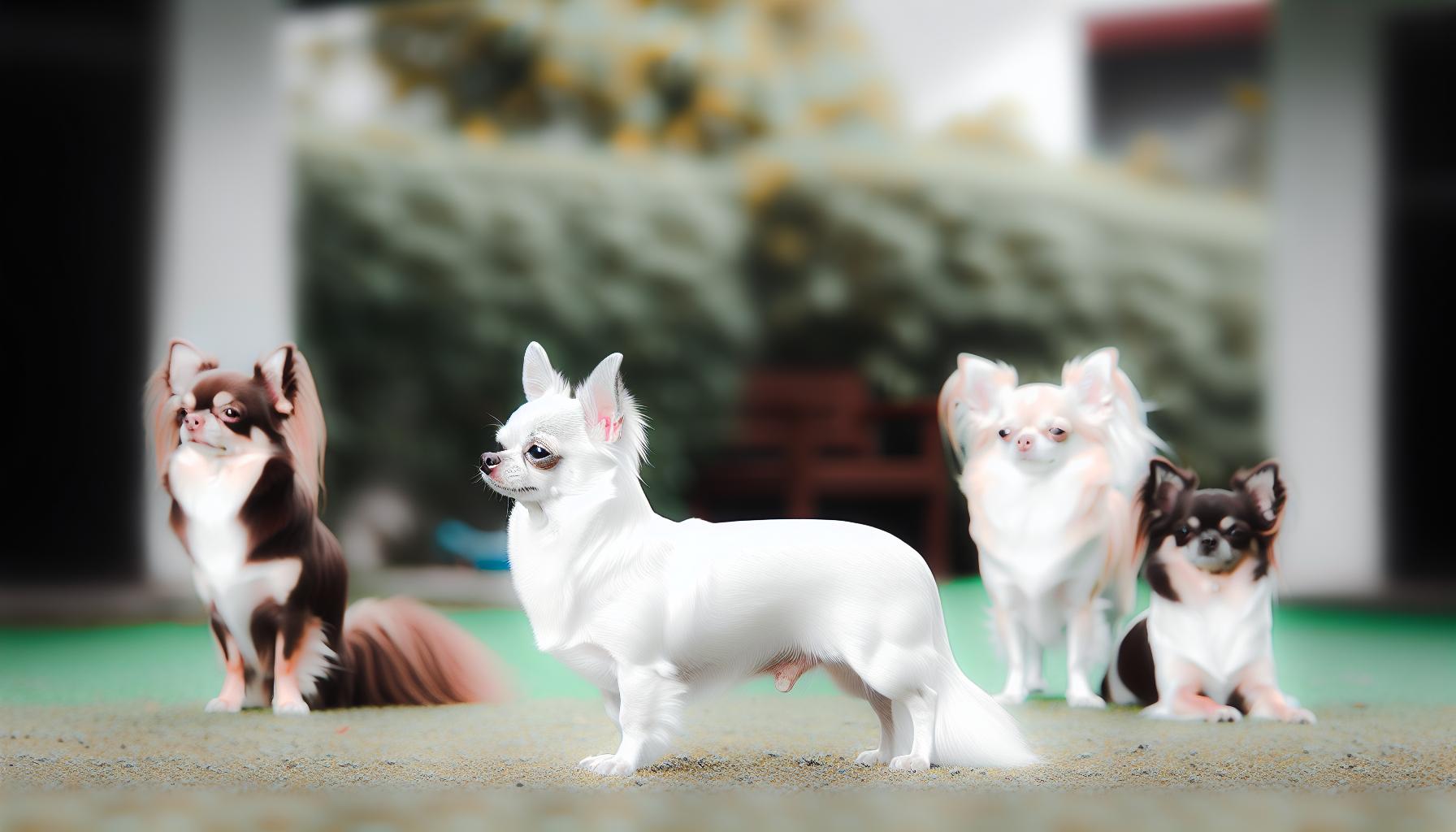
Are White Chihuahuas Truly Rare?
Determining the rarity of white Chihuahuas can be a bit of a conundrum for both potential owners and devoted fans of the breed. While white-coated Chihuahuas do appear less frequently than their more common fawn or black counterparts, they are not as rare as some myths suggest. Generally, white Chihuahuas are more likely to be seen in certain bloodlines, but this does not mean they are a distinct breed or have special inherent characteristics that justify inflated prices or wild claims about rarity.
The perception of rarity often stems from the unique beauty and charm of white Chihuahuas, which can evoke a strong emotional response from enthusiasts. Their striking appearance is indeed captivating, and many owners will attest to their vibrant, bold personalities that shine through despite their smaller size. For example, a white Chihuahua owner might share that her little companion, Bella, outshines the rest with her vivacious spirit and commanding presence, proving that great things come in small and distinctly colored packages.
It’s important to remember that, like all Chihuahuas, white Chihuahuas come in both smooth and long-haired varieties. Each individual dog may reflect a diverse range of personality traits and health considerations regardless of coat color. Thus, while a white coat may grab attention, the true value lies in the individual Chihuahua’s temperament, health, and bond with their human.
In navigating the Chihuahua community, it’s essential to educate oneself on the realities behind coat variations. Many breeders may emphasize the rarity of white Chihuahuas to increase their desirability, but informed owners will recognize that a dog’s worth is much more profound than the color of its fur.
Understanding Chihuahuahas’ Coat Colors
Understanding the variety of coat colors in Chihuahuas reveals much about their genetics and personality traits. While many people associate the tiny framework of Chihuahuas with classic colors like fawn or black, white Chihuahuas exhibit a charm all their own. Interestingly, white is not an official breed color; instead, these dogs often derive their striking appearance from a dilution of genes, with various factors influencing the true shade of their coats.
Chihuahuas can come in several coat types: smooth, long-haired, and even a combination of both in some instances. Each coat type may display a distinct palette of colors, lending to the individual dog’s uniqueness. In the realm of genetics, the S (sable) gene determines how colors express themselves, and when paired with genes from specific bloodlines, it can produce that coveted white appearance. However, owning a white Chihuahua may simply be based on personal preference rather than any associated quality. As an enthusiastic owner might say, her white Chihuahua, Milo, has a personality that completely overshadows his fur color-he’s a bold little companion with a huge heart.
Many owners quickly discover that regardless of their Chihuahua’s coat color, they’re more than just a pretty face. These dogs can exhibit a vast range of temperaments and quirks-some are natural lap dogs, while others are more eager to play and explore. When considering color, remember that personality cannot be measured by looks. Owners should focus not solely on the color of the coat but also on health and compatibility with their lifestyle.
From fawn to chocolate to the enigmatic white, every color adds to the richness of Chihuahua diversity. Celebrating these hues transcends mere aesthetics; it honors the wide-ranging and spirited personalities that reside within each little package. Ultimately, every Chihuahua, regardless of coat color, deserves appreciation for their vibrant temperament, loyalty, and love-they may be small, but they certainly leave a big impact!
The Genetics Behind Chihuahua Color Variations
Chihuahuas exhibit a delightful variety of coat colors, and understanding the genetics behind these colors can truly enrich your experience as an owner. The white coat of a Chihuahua is striking, but it’s essential to note that this color is often the result of a genetic dilution rather than a specific breed standard. Most Chihuahuas can carry multiple gene variations that affect their color, and only a few ideal combinations will lead to that beautiful white appearance.
A critical player in the color genetics of Chihuahuas is the Agouti gene, which determines the distribution of color in their fur. In conjunction with the S gene, which can lead to a lighter coat, the presence of the recessive colors can create the classic soft white look. White Chihuahuas result primarily from a recessive gene that affects pigment production. This genetic dance means that two non-white Chihuahuas can still produce a white puppy if both carry the genes for the lighter coat color.
Here are some essential genetic factors to consider when exploring Chihuahua coat colors:
- Agouti (A) gene: Responsible for specifying base colors but does not express the white phenotype by itself.
- S (Sable) gene: Can lead to color dilution, contributing to lighter shades, including white.
- Solid vs. Patterned Coats: Both can express variations of white, depending on the genetic background.
- Color Inheritance: Breeding practices and specific bloodlines significantly influence the likelihood of producing white Chihuahuas.
While many adore the idea of owning a rare white Chihuahua, it’s essential to approach the topic with an understanding of genetics. These little dogs, regardless of color, have a spectrum of vibrant personalities tucked into their tiny frames. Owners should prioritize health and temperament over coat color when choosing a Chihuahua. For example, a long-haired fawn Chihuahua named Bella might have just as charming a personality as her white counterpart, showcasing the idea that while color might catch our eyes, it’s the heart that captures our souls. Every coat color brings its own charm and personality to the table, making every Chihuahua a treasure in their own right.
Rarity and Popularity: The White Chihuahua Debate
White Chihuahuas often spark debate among enthusiasts, with some perceiving them as rare treasures while others argue that their frequency is misunderstood. The allure of a pristine white coat appeals to many, making them a sought-after choice for prospective owners. However, the truth about their rarity lies in genetics rather than mere aesthetics. While the distinctive coloring is striking, the genetics behind these beautiful dogs reveals that they aren’t as rare as some might think. In fact, the presence of the white coat can occur in various lines of Chihuahuas that carry the necessary genetic traits.
Many owners might be tempted to consider a white Chihuahua as an exclusive addition to their family due to its eye-catching appearance. However, it’s essential to recognize that coat color does not determine the personality, health, or overall temperament of these lovable dogs. For instance, a fawn Chihuahua with a vibrant personality is just as remarkable as a white one. The breed is known for its bold and passionate spirit, regardless of the color they wear. In addition to this, Chihuahuas frequently come in various colors, including black, blue, and cream, meaning that while white may be desirable, it isn’t the only color that embodies the breed’s quirkiness and charm.
Moreover, the popularity of the white Chihuahua has led to misconceptions that they may be rarer or more valuable than their colored counterparts. This misconception often arises from a basic misunderstanding of Chihuahua genetics and the prevalence of coat colors influenced by breeding practices. Consequently, owners should focus on finding a Chihuahua that resonates with their heart, rather than chasing a perception of rarity. Engaging with reputable breeders and understanding the underlying genetics can foster more informed choices among owners.
In summary, while white Chihuahuas are undeniably charming and striking, they exist alongside a rich tapestry of coat colors that all deserve appreciation. Each Chihuahua, regardless of color, brings unique quirks and personality traits that can enrich the lives of their owners. Embrace the joy of exploring all that the breed has to offer, and remember, it’s the bond you share that truly matters.
Health Considerations for White Chihuahuas
White Chihuahuas, while visually stunning with their pristine coats, are not without their health considerations. Like all Chihuahuas, these little companions are prone to specific health issues, some of which can be exacerbated by their color and genetic background. It’s vital for any White Chihuahua owner to be proactive about their furry friend’s health and well-being.
One area of concern is patellar luxation, a common issue in Chihuahuas where the kneecap dislocates from its normal position. This condition can be managed with proper veterinary care, but as a loving owner, it’s essential to monitor your dog for any signs of discomfort, such as limping or reluctance to exercise. Regular check-ups can help catch any potential problems early.
Another important aspect is to be aware of the risk of certain skin issues. White Chihuahuas may have more sensitive skin compared to their darker counterparts, making them susceptible to sunburn. Protective measures include limiting their sun exposure and considering pet-safe sunscreen if they enjoy basking in sunshine. An appropriate grooming routine will also help maintain healthy skin and coat, which is crucial for all Chihuahuas but particularly for those with lighter fur.
Aside from physical health, it’s essential to be aware of behavioral and psychological well-being. Chihuahuas as a breed can be quite vocal and strong-willed. Training and socialization from an early age are key to ensuring your White Chihuahua develops into a well-behaved adult. Establishing a solid routine and providing mental stimulation can prevent behaviors stemming from boredom or anxiety. Use of positive reinforcement techniques, such as treats and praise, can create a trusting bond with your pet and encourage good behavior.
In terms of diet, a balanced nutrition plan can support optimal health and help prevent obesity, which is crucial due to their small stature. Regular exercise-even just short, gentle walks or indoor play-will not only keep your White Chihuahua fit but also enrich their mental health. Owners should remain vigilant about their puppy’s weight and consult with their veterinarian about a proper feeding plan tailored to their unique needs.
By being aware of these health considerations and responding to your White Chihuahua’s specific needs, you can help them lead a long, happy, and healthy life. Always remember, no matter the coat color, it’s the love and care that counts the most!
Caring for Your White Chihuahua: Special Needs
As a proud owner of a White Chihuahua, you may find that these delightful dogs come with unique needs that require special attention and care. The first thing to remember is that their striking white coats are not just about looks; they come with specific health considerations that can impact their overall well-being. Like many lighter-colored animals, White Chihuahuas are particularly sensitive to sun exposure, which can lead to skin issues like sunburn and irritation. To protect your little companion, consider the following helpful steps:
Protecting Their Skin
– Limit sun exposure, especially during peak hours. Consider using a pet-safe sunscreen to protect your Chihuahua during outdoor activities.
– Regularly check their skin for signs of irritation or sensitivity, particularly on areas that might be more prone to sun damage.
Grooming is also crucial for maintaining a healthy coat and skin. White Chihuahuas can show dirt and stains more easily than darker-colored Chihuahuas, which means you’ll want to establish a consistent grooming routine. Regular brushing can help keep their fur clean and reduce shedding while also allowing you to check for any skin issues.
IDental Care and Nutrition
Diet plays a significant role in your White Chihuahua’s health. A well-balanced diet tailored to their specific needs will help maintain their coat’s health and general well-being. Look for high-quality dog food that provides essential nutrients without unnecessary fillers. Additionally, small breeds like Chihuahuas are prone to dental issues, so oral care should be part of your routine. Regular brushing and dental treats can significantly contribute to your dog’s dental hygiene.
Training and Behavioral Needs
Training is essential for any Chihuahua, but it’s especially important for White Chihuahuas, who may have a more sensitive disposition. Start training early, using positive reinforcement techniques such as treats and praise to encourage good behavior. Consistent routines can help calm anxious tendencies and allow your Chihuahua to flourish. Socialization with other pets and people will also help them gain confidence and reduce any vocal tendencies that come with their naturally bold personalities.
Each Chihuahua, regardless of color, has unique quirks and personality traits. Embrace the special characteristics of your White Chihuahua, from their loyalty to their spirited nature. With thoughtful care and understanding of their special needs, you can ensure that your White Chihuahua lives a happy and healthy life, filled with love and adventure.
Misconceptions About White Chihuahuas
When it comes to White Chihuahuas, many misconceptions abound that can cloud the truth about their rarity and unique traits. One common belief is that their striking snowy coats are an indication of a genetic flaw or weakness. However, this simply isn’t true. White is just one of the many colors Chihuahuas can be, and while they might be less common than the more typical fawn or black Chihuahuas, their color does not indicate any inherent health issues. In fact, breeders often emphasize that the genetics involved in producing a white coat are just as valid as those resulting in other colors.
Another prevalent myth is that White Chihuahuas are exceptionally more expensive than their colored counterparts. While it’s true that some buyers might pay a premium for a unique coat color, the price of any Chihuahua largely depends on factors such as lineage, breeder reputation, and whether the dog has been shown in conformation events. It’s vital for potential owners to do their research and avoid paying inflated prices based solely on color. A responsible breeder will focus on temperament, health testing, and the overall well-being of the dog over color trends.
Additionally, there’s a notion that these pups are frail or overly sensitive due to their light color. While White Chihuahuas may have specific care requirements, particularly regarding sun exposure, their strength and spirited nature remain unchanged. Like any Chihuahua, they can exhibit a vibrant personality, love to play, and form strong bonds with their humans. For instance, I’ve heard stories from members of the Chihuahua community who owned White Chihuahuas that were just as energetic and bold as any other Chihuahuas. Their quirks and loyalty are celebrated traits that often shine brightly, regardless of their coat color.
Ultimately, understanding these misconceptions can help you appreciate your White Chihuahua for the remarkable, unique companion they are. With the right care and attention, they can live a fulfilling and happy life, bringing joy both to themselves and to you.
Comparing White Chihuahuas to Other Colors
While many people are drawn to the eye-catching appearance of White Chihuahuas, it’s important to recognize that they are just one hue in the vast and vibrant spectrum of Chihuahua coat colors. Understanding how White Chihuahuas fare when compared to their more commonly seen counterparts-like fawn, black, or chocolate Chihuahuas-provides a better insight into their uniqueness without overstating their rarity.
In terms of genetics, the color of a Chihuahua’s coat is determined by a combination of genes, resulting in a variety of colors and patterns. White Chihuahuas may be less frequently seen than the traditional fawn or black varieties, which can make them seem rare, but this isn’t entirely accurate. The occurrence of a solid white coat is linked to a recessive gene, which may explain why it’s less common. Despite this, White Chihuahuas are not inherently more desirable or valuable than their colored siblings. Owners often report that their white pups share the charming traits and lively attributes typical of the breed, demonstrating that color doesn’t dictate personality.
When considering care, all Chihuahuas, regardless of color, share similar health considerations and quirks. For example, Chihuahuas, including those with white coats, are known for their loyalty and spirited nature. However, skin protection can be a bit more critical for White Chihuahuas due to their lighter pigmentation; they can be prone to sunburn. Owners should ensure proper sun protection and provide adequate shade during outdoor activities. By keeping these care tips in mind, owners can ensure a vibrant and healthy life for their white or colored companions alike.
Ultimately, while White Chihuahuas may have a distinctive appearance, they are not fundamentally different from Chihuahuas of other colors in terms of behavior, loyalty, or health. These delightful dogs are a testament to the unique charm of the breed, adorably bold and spirited, making them loving companions regardless of the shade of their coat.
The Value of White Chihuahuas: Price Insights
While many prospective owners may have their hearts set on a White Chihuahua due to their striking appearance, it’s essential to consider how their value fits into the broader market for Chihuahuas. Generally, the initial cost of acquiring a White Chihuahua can vary significantly, influenced by factors such as breeder reputation, lineage, and geographical location.
When looking to bring a White Chihuahua into your home, you might find that prices typically range from $300 to $3,000. This range captures both the lower end, often associated with non-breeder transactions or local shelters, and the luxury end, linked to highly sought-after bloodlines or show-quality dogs. However, despite their not strictly being rare, some owners find them to be more expensive than the standard fawn or chocolate Chihuahuas simply due to demand and perceived uniqueness.
Understanding Influencing Factors
A variety of factors play into the pricing of White Chihuahuas:
- Breeding Quality: Responsible breeders will often charge more due to better breeding practices, health screenings, and the overall welfare of the puppies.
- Color and Markings: While White Chihuahuas are not fundamentally different in behavior or genetics, their coat can position them as more desirable, leading to higher prices.
- Location: Prices fluctuate depending on your region. Urban areas often have higher demand, increasing costs.
- Purpose: If you aim to show your Chihuahua, expect to invest more in a dog from a show-quality line.
Cost of Ownership
Beyond the initial purchase price, it’s vital to consider long-term expenses. Care for your new companion involves:
- Veterinary Visits: Regular check-ups, vaccinations, and any needed treatments can add up.
- Nutrition: A high-quality diet is critical for their health and longevity.
- Supplies: Items like beds, toys, and grooming tools need to be factored into your budget.
- Insurance: Invest in pet insurance to help cover unexpected medical costs.
By planning ahead and considering both the upfront and ongoing costs, you can ensure that your decision to welcome a White Chihuahua into your family is nurturing and fulfilling for both you and your new pup.
How to Spot Quality in White Chihuahuas
When you’re searching for the perfect White Chihuahua, understanding the markers of quality can make all the difference. Not all Chihuahuas are created equal; several aspects highlight a well-bred pup. Quality isn’t just about their striking looks-it’s about health, temperament, and lineage too.
First, appearance plays a crucial role. A quality White Chihuahua should have a smooth, glossy coat free from discoloration or skin issues. Look for a Chihuahua with a well-proportioned body, properly set ears, and bright, alert eyes. Remember, the size of the Chihuahua can impact its quality. Typically, Chihuahuas range from 2 to 6 pounds, but smaller dogs may come with increased health risks, such as dental and bone issues.
Next, consider the breeder’s reputation. A responsible breeder prioritizes health, adhering to breed standards as set by associations like the American Kennel Club (AKC). They will provide health clearances for potential genetic conditions. Don’t hesitate to ask for health documentation-breeding practices should come with transparency. When visiting, observe how the breeder interacts with the puppies. A good breeder will focus on nurturing and socializing the puppies, making sure they grow into well-adjusted dogs.
Moreover, it’s beneficial to check the parental lineage. Ideally, both parents should have a history of good health and have been raised in a loving environment. You might even ask to see the parents; their temperament will often echo in their puppies. Quality breeders may also have prior champions in their lines, enhancing the likelihood that your puppy will have a similar disposition and health profile.
Lastly, don’t overlook health and temperament assessments. Upon visiting, take note of how playful and sociable the pups are. A well-bred Chihuahua should be confident, curious, and displaying playful behavior without excessive shyness or aggression. Pay attention to how they interact not just with humans, but also with each other. A healthy puppy’s energy levels will be evident, showing signs of curiosity and engagement.
In summary, spotting quality in White Chihuahuas involves looking beyond their pretty coats. Focus on health, breeding practices, and temperament. These factors contribute to raising a vibrant, loving companion who will enrich your life in countless ways.
Real Stories: Owners of White Chihuahuas Share
Many Chihuahua lovers find themselves captivated by the rare beauty of white Chihuahuas. These tiny dogs, often described as “little snowballs,” possess a unique charm that attracts attention wherever they go. Owners of white Chihuahuas frequently share heartwarming tales that highlight not only their dog’s distinct appearance but also their quirky personalities, which are typical of the breed.
Take Mia, for instance, a spirited white Chihuahua whose owners, Lisa and Tom, fondly describe her as “the queen of the house.” Mia’s bright eyes and silky coat are complemented by a bold personality that has brought immeasurable joy to their lives. Lisa recalls, “She struts around like she owns the place, but she’s also the biggest cuddle bug. We can’t help but spoil her!” This duality-being fierce and affectionate-is a common trait among Chihuahuas regardless of color.
Another owner, Jake, shares his experience with Bella, a feisty white Chihuahua who loves to bark at everything that moves. “Her vocal skills are unmatched. She’s like my little watchdog,” Jake jokes. “But beyond her fierce presence, she’s incredibly loyal and always looks after me.” Jake emphasizes that despite their tough exterior, white Chihuahuas are known for their strong bond with their owners, often forming deep emotional connections.
White Chihuahuas may be considered rare, but they’re certainly not lacking in personality. Each one tells a unique story, woven with love and companionship. Investing time in understanding their needs-be it grooming for their striking coat or socializing for their spirited behavior-allows owners to appreciate the full spectrum of their charm. So, if you’ve got your heart set on bringing a white Chihuahua into your home, prepare for a delightful adventure filled with love, laughter, and, of course, a little bit of sass.
Adoption Tips for Finding a White Chihuahua
Finding the perfect white Chihuahua can feel like searching for a rare gem, and understanding a few critical elements can enhance your experience. Start by researching reputable breeders or local shelters that specialize in Chihuahuas. Many breed-specific rescues often have purebred Chihuahuas available for adoption. Whether you’re adopting from a breeder or a shelter, asking questions is essential. What health tests have been performed? How has the puppy been socialized? These insights will help ensure a healthy match.
When considering color genetics, be aware that white Chihuahuas can arise from a blend of coat color genetics. They are often the result of a particular combination of genes that may not always be visible in the parents. As an owner, understanding this can help you appreciate the uniqueness of your prospective pet. Look for parents with good temperaments and health clearances, as these are indicators of the puppy’s potential personality and health.
Talk to other Chihuahua owners about their experiences. For example, Sarah, a proud owner of a white Chihuahua named Snowball, shared how her dog had unexpected behavioral quirks that she initially overlooked. “Snowball is more vocal than our other Chihuahuas,” she notes, adding that understanding this helped her bond more with him through training and reinforcement.
Lastly, once you find your white Chihuahua, be prepared for the joys and challenges of ownership. These little dogs thrive on companionship and require mental stimulation and socialization. Ensure you have the right environment and time commitment. Their vibrant personalities just mean they need a little more love and patience in return!
Frequently asked questions
Q: What factors influence the rarity of White Chihuahuas?
A: The rarity of White Chihuahuas is influenced by genetic variations and breeding practices. Factors such as recessive genes and selective breeding can limit their occurrence. Additionally, popularity in certain colors can overshadow the demand for White Chihuahuas, affecting their availability.
Q: How do White Chihuahuas compare to other Chihuahua colors in terms of temperament?
A: Temperament is not determined by coat color but rather specific genetics and environment. While White Chihuahuas may exhibit unique personalities, they typically share traits such as liveliness and loyalty with other colors. Early socialization is key to developing a well-rounded temperament.
Q: Can White Chihuahuas be prone to specific health issues?
A: White Chihuahuas may face certain health issues, similar to other color variants. However, overbreeding and certain genetic conditions linked to color can pose additional risks. Regular veterinary check-ups and a healthy diet are essential for maintaining their well-being.
Q: What is the average price of a White Chihuahua compared to other colors?
A: The price of a White Chihuahua can range significantly, often depending on breeder reputation and pedigree. On average, they can be priced similarly to other colors, but rare variations may command higher prices. Typically, expect to pay between $500 to $3,000.
Q: Are there ethical concerns when breeding White Chihuahuas?
A: Yes, ethical concerns arise from selective breeding practices that prioritize color over health. Responsible breeding should focus on genetic diversity and health to avoid inherited conditions. It’s vital to choose breeders who prioritize the breed’s health and temperament.
Q: What are common misconceptions about White Chihuahuas?
A: A common misconception is that White Chihuahuas are higher maintenance or less healthy than other colors. In reality, their care needs are consistent with all Chihuahuas. Proper care and socialization are crucial, regardless of color.
Q: How can I find a reputable breeder for White Chihuahuas?
A: To find a reputable breeder, research breed clubs and read reviews from other owners. Visit potential breeders, check their facilities, and ask about health clearances. A responsible breeder will prioritize the health and temperament of their puppies, providing evidence of good breeding practices.
The Conclusion
While white Chihuahuas are indeed a fascinating topic, the rarity of their color is just one piece of the puzzle when it comes to understanding this unique breed. Remember, health, temperament, and responsible breeding practices are equally important. If you’re considering adding a Chihuahua to your family or want to ensure your current companion enjoys a fulfilling life, check out our guides on Chihuahua care tips and common health issues.
Now that you’re armed with knowledge about the color genetics and rarity of white Chihuahuas, why not dive deeper into their charming personality traits? Our article on Chihuahua behavioral quirks could help you better understand your pet’s vocal tendencies and loyalty, making every moment with them even more rewarding.
Don’t hesitate! Share your thoughts or experiences in the comments below, and be sure to subscribe to our newsletter for more insights tailored to Chihuahua enthusiasts. Your next adventure in understanding and caring for this delightful breed awaits!
Get our latest guides, news, and insights highlighted in your Google Search & AI Overviews.